Nara Itinerary for First-Timers
Discover the best Nara itinerary for 2025. This complete guide features must-see attractions, cultural insights, and essential travel tips. Plan your trip now!
On this page
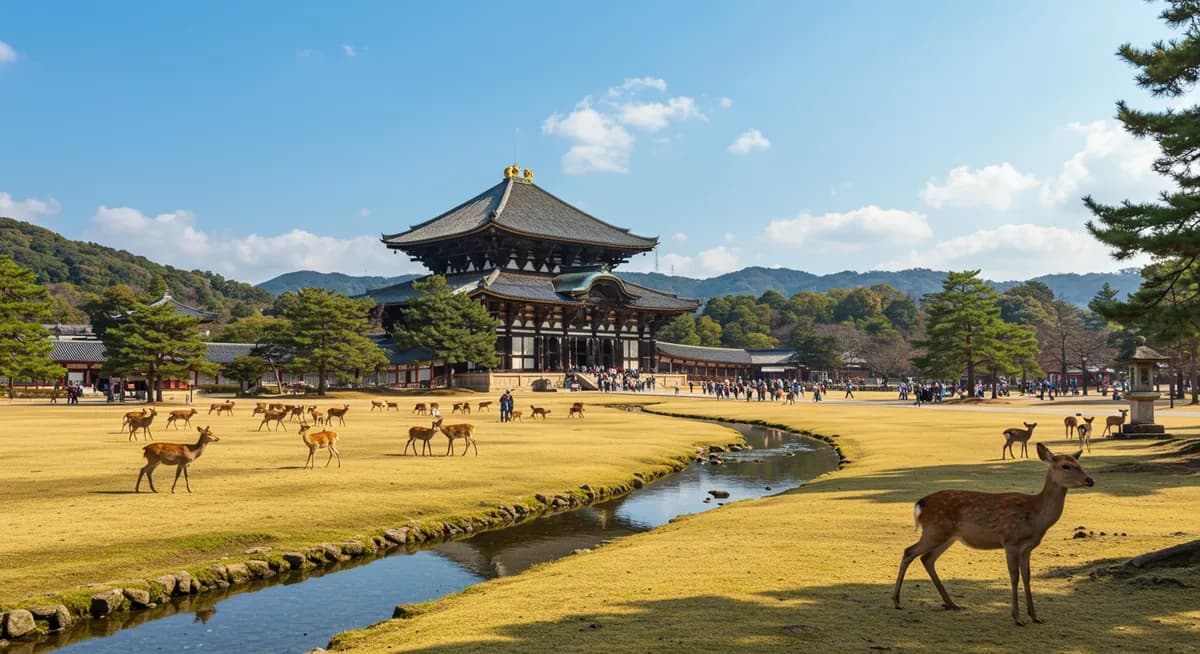
Planning a trip to Nara in 2025? This ancient capital of Japan offers a unique blend of history, culture, and natural beauty, making it a must-visit destination. Known for its friendly wild deer roaming freely in Nara Park, magnificent temples, and serene gardens, Nara provides a tranquil escape from the bustling city life. Pair your visit with nearby cities like Osaka for a full Kansai region experience. Planning your visit can be overwhelming, but with our detailed Nara itinerary, you can make the most of your time and experience the best Nara has to offer. This guide will provide day-by-day plans, essential travel tips, and insights into the best things to see and do.
Nara’s temple district is part of the UNESCO Historic Monuments of Ancient Nara inscription, which groups eight Buddhist, Shinto, and palace sites within walking distance of one another. In 2025, Nara continues to preserve its rich heritage while offering modern amenities and experiences for travelers. Whether you’re interested in exploring ancient temples like Todai-ji, interacting with the famous Nara deer, or immersing yourself in traditional Japanese culture, this itinerary has something for everyone. This comprehensive guide not only details a day-by-day itinerary for a 3-day exploration but also offers practical planning tips covering transportation, accommodations, optimal visit times, and determining the ideal stay duration. Discover Best Things To Do in Nara, uncover unique Top 20 Nara Experiences, or embark on thrilling Top 15 Nara Adventures in 2025.
Use this itinerary to discover Nara’s culture, explore significant Nara Landmarks: Top Sights, experience Nara’s nightlife (if available), find Nara Events 2025, and see Nara Highlights: Top 10 Must-Sees, plus choose from many Top 20 Nara Activities and 20 Best Nara Attractions.
Our comprehensive guide is crafted to ensure you experience Nara fully, whether you’re a first-time visitor or a seasoned traveler. Immerse yourself and start uncovering the best that Nara has to offer!
If you are pairing Nara with another cultural stop in Kansai, this guide to tourist attractions in Kyoto helps you plan temple districts, gardens, and historic neighborhoods around your Nara days.
Kintetsu-Nara Station is the better arrival point for most visitors: it is about a 10-minute walk to Nara Park, while JR Nara Station is a 20–25 minute walk. Use JR only if you have a Japan Rail Pass.
1. How to Get to Nara
Planning a trip to Nara, Japan, and figuring out the best way to get there? Nara is easily accessible from major cities like Kyoto and Osaka, making it a convenient day trip or an extended stay destination. Whether you prefer the speed of the train or the flexibility of a bus, here’s a breakdown to help you plan your journey to this historical gem. So, whether you’re interested in exploring Best Things To Do in Nara or immersing yourself in Nara’s culture, getting there is the first step.
From Kyoto
The most common and efficient way to travel from Kyoto to Nara is by train. Kintetsu Nara Line offers a direct limited express train that takes approximately 30-45 minutes. The JR Nara Line is another option, though it usually takes a bit longer, around 45-60 minutes, and may require a transfer at JR Nara Station. Trains are frequent, comfortable, and offer scenic views along the way. Therefore, taking the train is highly recommended for its convenience and speed.
From Osaka
Traveling from Osaka to Nara is also straightforward. The Kintetsu Nara Line provides direct limited express trains from Osaka Namba Station to Kintetsu Nara Station in about 30-40 minutes. Alternatively, the JR Yamatoji Line connects Osaka Station to JR Nara Station in approximately 50-60 minutes. Both options are efficient and comfortable, but the Kintetsu line is often favored for its direct route and proximity to Nara Park. Once you arrive, consider booking accommodation such as where to stay in Nara to fully enjoy the city. Discover Nara’s highlights easily with these transport options.
By Bus
While less common, buses are available from Kyoto and Osaka to Nara. The bus journey usually takes longer than the train, approximately 60-90 minutes, depending on traffic conditions. Although buses might offer a more budget-friendly option, the train is generally preferred for its speed and reliability. Nevertheless, if you enjoy scenic routes and don’t mind the longer travel time, the bus could be a viable alternative. Planning a trip to view the Nara Landmarks: Top Sights by bus can also be a rewarding experience.
Insider Tips & Final Thoughts
Before your journey, consider purchasing a Japan Rail Pass if you plan on extensive travel throughout Japan, as it can offer significant savings on train fares. Additionally, check train schedules in advance to ensure a smooth and timely arrival in Nara. Remember to factor in travel time when planning your day, especially if you’re on a tight schedule. With efficient transportation options, experiencing Nara’s Top 20 Nara Experiences has never been easier! Make sure to plan your journey ahead of time so you may start your Top 15 Nara Adventures in 2025 as soon as possible.
2. How to Get Around Nara
Once you arrive in Nara, getting around to explore its numerous attractions is relatively easy, thanks to its compact size and well-maintained transportation infrastructure. Understanding the options available will certainly enhance your Nara itinerary and ensure you make the most of your visit. Most of Nara’s key sights, especially those within Nara Park, are easily accessible on foot. However, for destinations further afield or if you simply prefer not to walk, there are several convenient alternatives. The Nara Kotsu bus network is extensive and covers most areas of interest, making it an efficient way to travel between attractions. You can purchase a day pass for unlimited rides, which is particularly useful if you plan to visit multiple locations in a single day. Additionally, consider using a Japan Rail Pass if you’re traveling from other cities, to further reduce travel costs.
Another popular option is renting a bicycle, which offers a flexible and enjoyable way to see the sights at your own pace. Many rental shops are located near Kintetsu Nara Station and JR Nara Station. Cycling through Nara Park, surrounded by friendly deer, is a unique experience. Taxis are also readily available, especially around the main stations, but they can be a pricier option compared to buses or bicycles. Furthermore, for some of the more distant attractions, like certain temples or gardens, taxis might be the most convenient choice. No matter your method, remember to factor in some extra travel time to fully appreciate the serene beauty and cultural richness of Nara.
3. Where to Stay in Nara
Finding the right accommodation is key to enjoying your Nara itinerary. Luckily, Nara offers a diverse range of options, from traditional Ryokans to modern hotels, catering to various budgets and preferences. Whether you’re seeking a luxurious retreat or a budget-friendly base, you’ll find something that suits your needs. The best areas to stay include near Nara Park for easy access to the deer and temples, or closer to the train stations for convenient transportation links.
For a truly immersive experience, consider staying in a Ryokan. These traditional Japanese inns offer tatami-mat flooring, futon beds, and often include onsen (hot springs). Many Ryokans also provide exquisite multi-course Japanese dinners (kaiseki), allowing you to indulge in local cuisine without leaving your accommodation. Alternatively, numerous hotels near Kintetsu Nara Station and JR Nara Station offer modern amenities and easy access to
Nara’s main attractions.
If you prefer a blend of traditional and modern, look for boutique hotels near Nara Park. These establishments often combine contemporary design with traditional Japanese elements, offering a unique and comfortable stay. Staying near Nara Park also means you’ll have the delightful experience of seeing deer roaming freely right outside your window. Consider booking in advance, especially during peak seasons like cherry blossom season or autumn, as the best accommodations fill up quickly.
Furthermore, remember to check reviews and compare prices before making your decision. Websites such as Booking.com, Agoda, and Japanican offer a wide selection of hotels and Ryokans in Nara. Reading other travelers’ experiences can provide valuable insights into the quality of the accommodation and its location. By carefully selecting your accommodation, you can ensure a comfortable and memorable stay in this beautiful ancient capital, making your exploration of Best Things To Do in Nara even more enjoyable.
4. When to Visit Nara
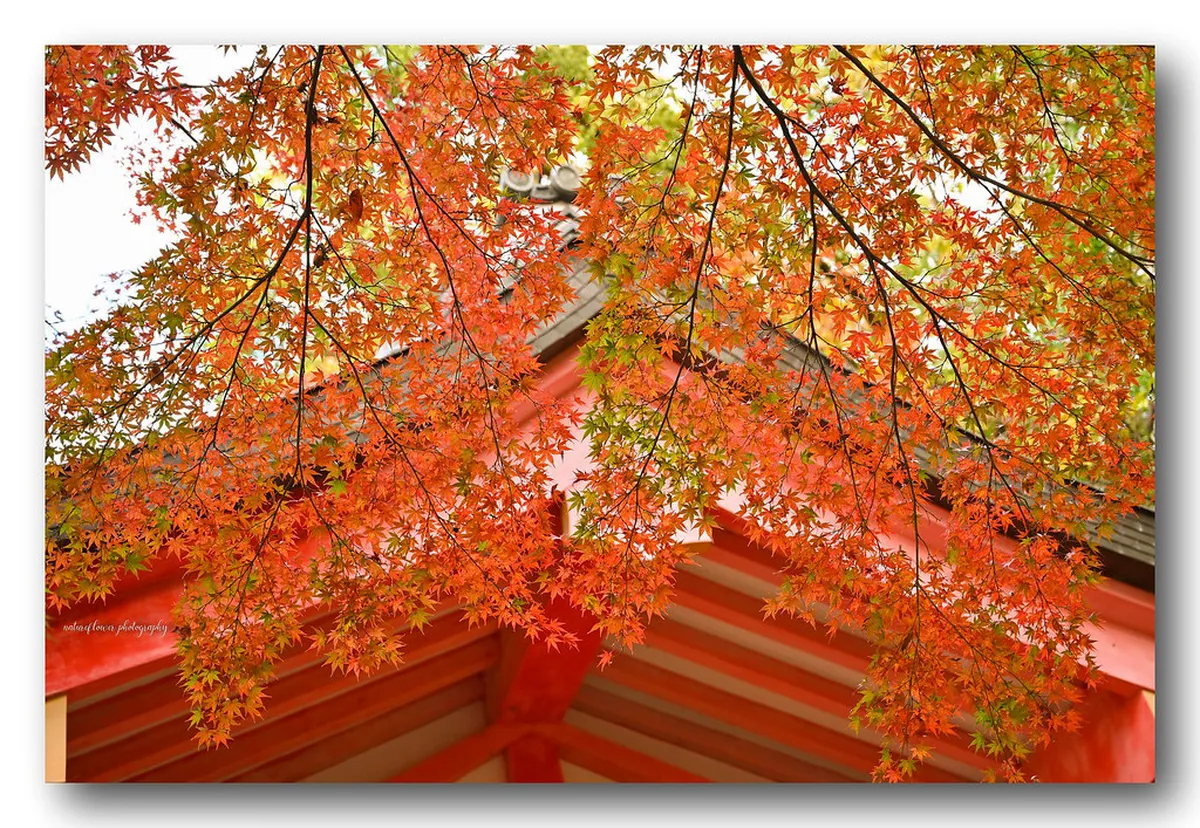
The best time to visit Nara largely depends on your preferences, as each season offers a unique charm. Spring (March to May) and autumn (September to November) are particularly popular due to the pleasant temperatures and scenic beauty. During spring, the cherry blossoms (sakura) create a breathtaking landscape, while autumn brings vibrant foliage that transforms Nara Park into a stunning spectacle of red, orange, and gold. These seasons provide ideal conditions for exploring outdoor attractions and enjoying local experiences.
Summer (June to August) in Nara can be hot and humid, but it’s also a time for various festivals and cultural events. This season offers fewer crowds, giving you a chance to explore at a more leisurely pace. Winter (December to February) is the off-season, characterized by colder temperatures and occasional snowfall, providing a serene and peaceful atmosphere for those who don’t mind the chill. The temples and gardens often look particularly enchanting under a dusting of snow.
For those interested in specific events, the Nara Tokae Lantern Festival in August is a magical experience, while the Shunie Ceremony at Todai-ji Temple in March is a significant religious event. Regardless of when you choose to visit, Nara offers a blend of natural beauty, cultural richness, and historical significance that makes it a worthwhile destination year-round. Consider checking out Best Things To Do in Nara for seasonal activities.
To ensure you make the most of your trip, planning ahead is essential. Consider purchasing tickets in advance for popular attractions and accommodations, particularly if you plan to visit during peak seasons. Also, be mindful of the weather conditions and pack accordingly to stay comfortable throughout your visit. By considering these factors, you can ensure that your trip to Nara is both enjoyable and memorable. You might also want to explore Top 20 Nara Activities for other things to do!
5. How Many Days in Nara is Ideal
Deciding how many days to spend in Nara depends on your interests and how deeply you want to explore the city. For a quick overview of the main attractions, one day might suffice. However, to truly immerse yourself in Nara’s rich history, culture, and natural beauty, consider spending two to three days. This allows you to explore not only the famous Nara Park and its friendly deer but also the more secluded temples, gardens, and traditional neighborhoods that offer a deeper understanding of the city’s charm.
One Day in Nara: A Quick Overview
If you only have one day, focus on the essentials. Start with Nara Park, where you can interact with the iconic wild deer roaming freely. Afterward, visit Todai-ji Temple, home to a giant bronze Buddha statue. Next, explore Kasuga Taisha Shrine, known for its thousands of lanterns. Even with just a day, you’ll capture the essence of Nara’s most popular sights. Be sure to check out Nara Highlights: Top 10 Must-Sees to prioritize your must-see locations.
Two Days in Nara: Delving Deeper
With two days, you can explore beyond the main attractions. After covering the highlights on day one, use your second day to discover quieter spots like Isuien Garden, a serene Japanese garden, or Yoshikien Garden, offering picturesque landscapes. Consider a traditional tea ceremony to experience Japanese culture firsthand. Furthermore, venture into Naramachi, the old merchant district, to get a feel for the city’s historical atmosphere. Two days allows for a more relaxed pace and richer Top 20 Nara Experiences.
Three Days in Nara: An Immersive Experience
Three days provides the opportunity for a truly immersive Nara experience. In addition to the above, take a day trip to Mount Wakakusa for panoramic views of the city, especially beautiful during the annual Wakakusa Yamayaki festival if the timing aligns. You could also explore some of the lesser-known temples such as Hokki-ji Temple or Yakushi-ji Temple. A longer stay allows for more spontaneous exploration and a deeper connection with the city. Discover unique Top 15 Nara Adventures in 2025 to make the most of your extended trip.
Factors to Consider
When deciding on the length of your stay, consider your travel style, interests, and the time of year. If you enjoy a relaxed pace and want to delve into local culture, opt for more days. Also, remember that Nara is a convenient base for day trips to nearby cities like Kyoto and Osaka. Check Best Things To Do in Nara to align your itinerary with your interests. Moreover, factor in travel time between attractions and potential crowds, especially during peak seasons.
Final Thoughts
Ultimately, the ideal number of days in Nara is subjective and depends on personal preferences. Whether you choose a quick day trip or an extended exploration, Nara promises a memorable journey filled with cultural discoveries and delightful encounters with friendly deer. Don’t forget to explore Nara Culture: Top Experiences for 2025 for a more enriching visit and consider Nara Landmarks: Top Sights beyond the typical tourist spots for a more comprehensive experience.
6. Day 1: Immerse Yourself in Nara Park and its Wonders
Morning Activities: Greeting the Deer & Kofuku-ji Temple
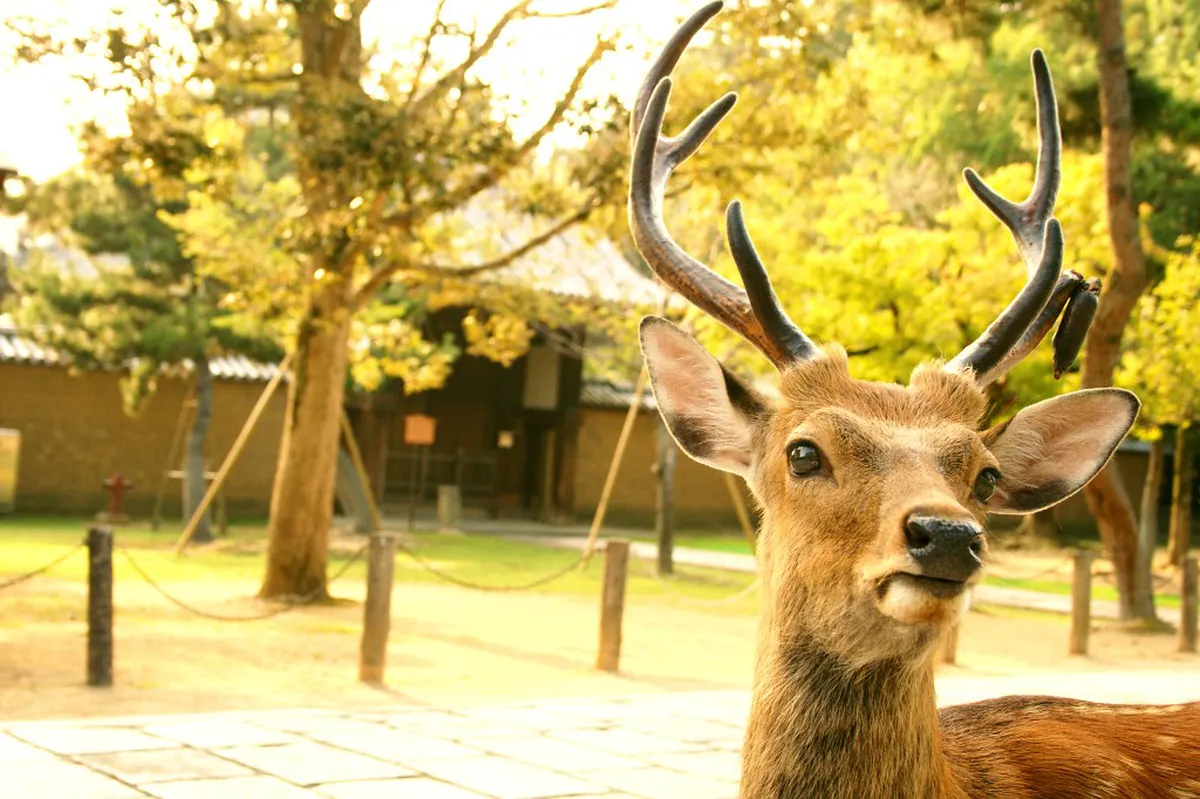
Begin your Nara itinerary with an enchanting morning in Nara Park. As you step into the park, you’ll be greeted by hundreds of friendly wild deer roaming freely. These gentle creatures are considered sacred in Shinto religion and have become a symbol of Nara. Purchase some deer crackers from local vendors and experience the joy of feeding them. After spending time with the deer, head towards Kofuku-ji Temple, a historic temple with a beautiful five-story pagoda that dominates Nara’s skyline. The pagoda is especially stunning in the morning light, making it a perfect start to your day.
Midday Exploration & Lunch: Isuien Garden & Local Cuisine
Next, make your way to Isuien Garden, a serene Japanese garden featuring ponds, tea houses, and meticulously manicured landscapes. This garden offers a peaceful escape from the bustling city and a chance to appreciate traditional Japanese aesthetics. After exploring the garden, treat yourself to an authentic Nara lunch. Consider trying *Narazuke* (pickled vegetables) and *Miwa Somen* (thin wheat noodles), local specialties that offer a taste of Nara’s culinary heritage. Many restaurants near the garden offer these dishes in a traditional setting. Also, there are many Best Things To Do in Nara so you can explore this garden.
Afternoon Adventures: Nara National Museum & Yoshikien Garden
In the afternoon, immerse yourself in art and history at the Nara National Museum. The museum houses an impressive collection of Buddhist art, including sculptures, paintings, and artifacts that showcase Nara’s rich cultural heritage. After the museum, visit Yoshikien Garden, another exquisite Japanese garden known for its moss garden, tea ceremony house, and tranquil atmosphere. It’s a great place to unwind and reflect on the beauty of Nara. You can also choose to discover more Top 20 Nara Experiences and Top 15 Nara Adventures in 2025.
Evening Experiences: Ukimido Pavilion & Dinner near Sanjo-dori Street
As evening approaches, head back to Nara Park and visit Ukimido Pavilion, a picturesque wooden structure that seems to float on Sagi-ike Pond. The pavilion is beautifully illuminated at night, creating a romantic and peaceful ambiance. For dinner, explore the area around Sanjo-dori Street, a vibrant shopping street offering a variety of dining options, from traditional Japanese restaurants to modern cafes. Enjoy a delicious meal while soaking in the lively atmosphere of Nara’s city life. There are many Nara cultures to explore.
Insider Tips & Final Thoughts
The deer are wild animals — avoid teasing them with crackers or letting children run ahead with food. Open both palms toward a deer to signal you are finished feeding before stepping away.
– **Respect the Deer:** While the deer are friendly, remember that they are wild animals. Avoid teasing them or offering them human food, as this can harm them.
– **Wear Comfortable Shoes:** You’ll be doing a lot of walking, so wear comfortable shoes to make the most of your day.
– **Check Temple and Museum Hours:** Be sure to check the opening hours of temples and museums in advance to avoid disappointment. Consider the Nara Landmarks: Top Sights during your visit.
– **Utilize Public Transportation:** Nara is easily accessible by train and bus, making it convenient to get around. Consider purchasing a day pass for unlimited travel.
Day one in Nara promises a blend of natural beauty, cultural immersion, and culinary delights. It’s a journey that will leave you with lasting memories of this enchanting city. Check out Nara Nights: Nightlife Guide 2025 for an even more extended stay or plan your trip around some Nara Events 2025.
7. Day 2: Discover Todai-ji Temple and Kasuga Taisha Shrine
Morning Activities: Exploring Todai-ji Temple
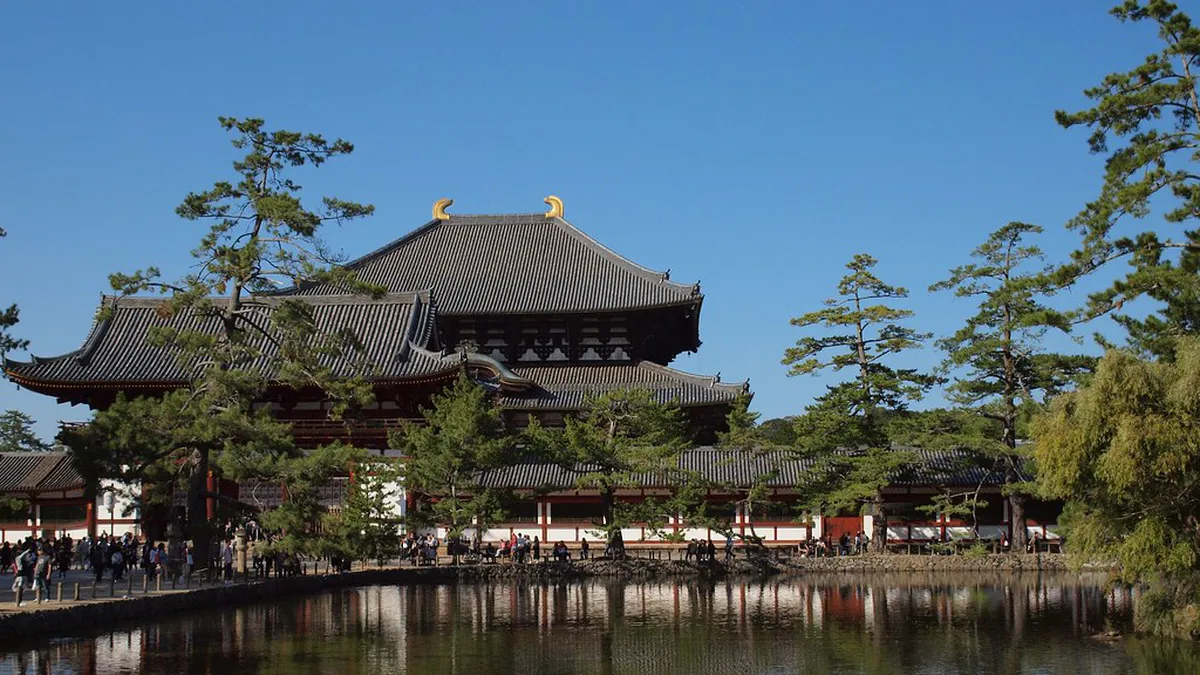
Begin your second day in Nara with a visit to the iconic Todai-ji Temple, one of the most historically significant temples in Japan. As you approach, you’ll be greeted by the impressive Nandaimon Gate, guarded by two fierce Niō guardian statues. Step inside the Daibutsu-den Hall, the world’s largest wooden structure, to marvel at the colossal bronze Buddha statue, Daibutsu. Check the official Todai-ji visitor information for current opening hours and ticket prices before you arrive. Take your time to appreciate the intricate details of the architecture and the spiritual ambiance of this magnificent temple. It’s a truly awe-inspiring experience that connects you with Japan’s rich cultural heritage.
Midday Exploration & Lunch: Nara Park Stroll & Local Cuisine
After exploring Todai-ji Temple, enjoy a leisurely stroll through Nara Park. This park is not only famous for its scenic beauty but also for the hundreds of freely roaming deer. You can purchase deer crackers from local vendors to feed these gentle creatures, creating a unique and memorable experience. For lunch, venture into the nearby streets to discover local culinary delights. Try some traditional Japanese cuisine such as mochi or Kakinoha-zushi (persimmon leaf sushi), a regional specialty.
Afternoon Adventures: Visiting Kasuga Taisha Shrine
In the afternoon, head towards Kasuga Taisha Shrine, another of Nara’s UNESCO World Heritage sites. This stunning shrine is famous for its thousands of stone and bronze lanterns, which have been donated by worshippers over centuries. The path leading to the shrine meanders through a serene forest, enhancing the spiritual atmosphere. Once inside, take your time to admire the vibrant vermilion architecture and the intricate details of the lanterns; the Kasuga Taisha official guide explains the shrine’s 1,300-year history and biannual lantern-lighting festivals. This cultural landmark offers a peaceful and reflective experience.
Evening Experiences: Traditional Dinner and Nighttime Stroll
As evening approaches, indulge in a traditional Japanese dinner at one of Nara’s local restaurants. Sample regional specialties such as Yamato beef or a comforting bowl of shojin ryori (Buddhist vegetarian cuisine). After dinner, take a nighttime stroll through Nara Park. The park takes on a different charm after dark, with the lanterns casting a soft glow and the silhouettes of the deer creating a mystical atmosphere. Consider exploring additional Nara Nights: Nightlife Guide 2025 options for a memorable end to your day.
Insider Tips & Final Thoughts
8. Day 3: Engage in a Traditional Tea Ceremony and Explore Isuien Garden
Morning Activities: Traditional Tea Ceremony
Begin your third day in Nara with a deeply cultural experience: a traditional Japanese tea ceremony. This serene and meditative practice offers insight into the art of hospitality, respect, purity, and tranquility, central to Japanese culture. Several tea houses in Nara offer private ceremonies where you can learn the intricate steps involved in preparing and serving matcha. These sessions often include explanations of the history and philosophy behind the ceremony, enhancing your understanding and appreciation. Participating in a tea ceremony is a must for anyone seeking authentic Nara Culture: Top Experiences for 2025.
Midday Exploration & Lunch: Discovering Isuien Garden
Following the tea ceremony, immerse yourself in the beauty of Isuien Garden. This meticulously designed garden features elements from both the Meiji and Edo periods, providing a tranquil escape from the bustling city. Stroll along the winding paths, admire the carefully placed stones and ponds, and observe how the garden seamlessly incorporates Todai-ji Temple’s Nandaimon Gate and Mount Wakakusa into its landscape. For lunch, enjoy a meal at the Sanshutei restaurant located within the garden, which offers traditional Japanese cuisine with stunning garden views. Experiencing Isuien is one of the most peaceful Best Things To Do in Nara.
Afternoon Adventures: Yoshikien Garden and Nara National Museum
In the afternoon, visit Yoshikien Garden, located next to Isuien. This garden, named after the Yoshiki River, is divided into three unique sections: a pond garden, a moss garden, and a tea ceremony garden. Each area offers a distinct aesthetic experience. Afterward, consider a visit to the Nara National Museum, home to an extensive collection of Japanese Buddhist art, including sculptures, paintings, and artifacts. Check out other 20 Best Nara Attractions.
Evening Experiences: Dinner and Nara’s Nightlife
As evening approaches, explore Nara’s culinary scene. Many restaurants near Kintetsu Nara Station offer a variety of options, from traditional Japanese dishes to international cuisine. Consider trying local specialties like *narazuke* (pickled vegetables) or *kakinoha-zushi* (persimmon leaf sushi). After dinner, take a leisurely walk through Nara Park, which takes on a different charm at night. Although Nara’s nightlife is more subdued compared to larger cities, the illuminated temples and quiet atmosphere offer a unique experience.
Insider Tips & Final Thoughts
When visiting Isuien and Yoshikien Gardens, take your time to fully appreciate the details. The changing seasons bring different colors and textures to the gardens, so each visit can offer a new perspective. Check for seasonal events and exhibitions at the Nara National Museum to enhance your experience. Exploring the Top 20 Nara Experiences fully is key to an unforgettable trip. For getting around, consider utilizing Nara’s efficient bus system to reach gardens and museums, particularly if you’re traveling from further accommodations. Also, embrace the local customs during the tea ceremony to fully appreciate its cultural significance.
Nara, with its serene temples, playful deer, and rich history, offers an unforgettable travel experience. Following this Nara itinerary ensures you capture the essence of this ancient capital, creating lasting memories of your journey through Japan. Start planning your Nara adventure today!
Free: The Nara Essentials guide
Top things to do, where to stay, a perfect day plan, getting around, and the best time to go — a Nara mini-guide you can take offline.
You might also like


Continue reading
More guides you'll find useful