Nagoya Highlights: 15 Best Things to See in 2026
Discover the best Nagoya highlights in 2026! From Nagoya Castle and Ghibli Park to miso katsu and hidden gems, plan your unforgettable trip to Japan's fourth-largest city.
On this page
Nagoya highlights rank among Japan's most underrated travel experiences. Sitting between Tokyo and Kyoto on the Tokaido Shinkansen line, Nagoya is the capital of Aichi Prefecture and a city of 2.3 million people that most travelers skip entirely. That is a mistake. In 2026, Nagoya offers a unique combination of feudal castles, cutting-edge museums, Studio Ghibli magic, and a regional food culture unlike anywhere else in Japan. This guide covers the 15 best Nagoya highlights you should not miss, with practical tips on getting around, what to eat, and how to plan your days. For a complete day-by-day plan, see our Nagoya itinerary.
Historic Nagoya Highlights
1. Nagoya Castle: The City's Feudal Icon
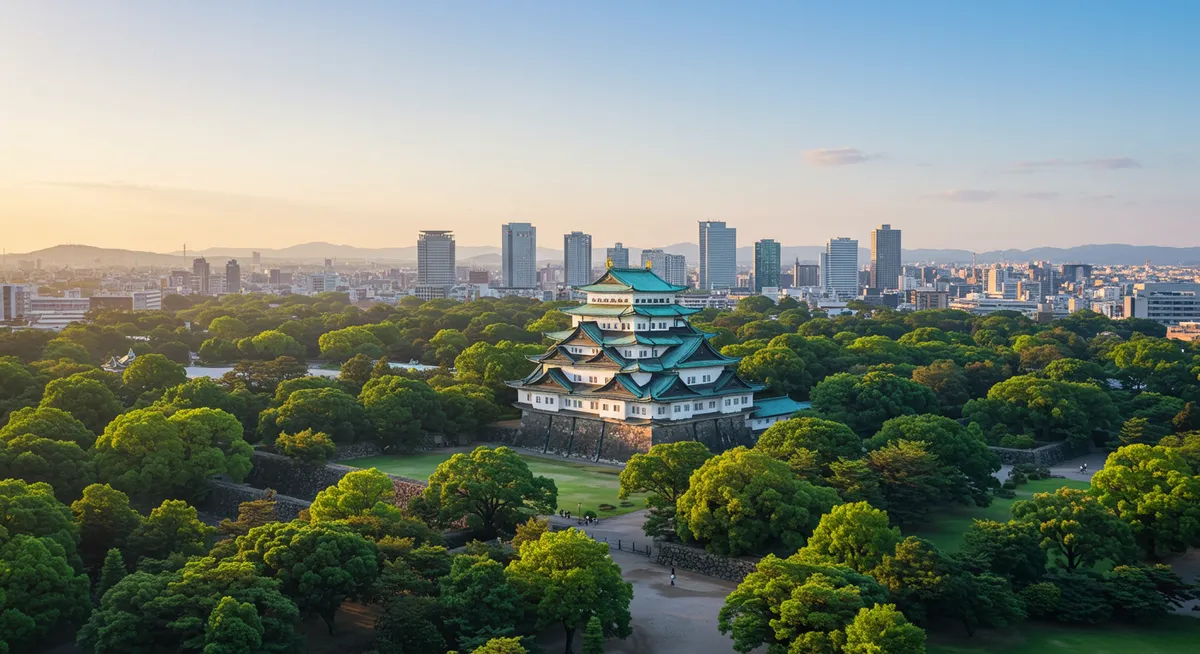
Nagoya Castle is the single most important landmark in the city. Built in 1612 by Tokugawa Ieyasu, the first Tokugawa shogun, it served as the political center of the Owari domain for over 250 years. The castle was destroyed during World War II air raids in 1945, but the main tower has been reconstructed and now houses a museum with samurai armor, painted sliding doors, and scale models of Edo-period Nagoya.
The real showpiece is the Honmaru Palace, painstakingly rebuilt using traditional construction techniques and completed in 2018. The palace features exquisite ceiling paintings, gold-leaf screens, and carved wooden transoms that took artisans over a decade to recreate. Do not miss the golden shachihoko on the castle roof, a pair of mythical tiger-fish that have become the symbol of Nagoya. Admission costs 500 yen for adults in 2026. For more on the castle and other historic sites, explore our guide to Nagoya landmarks.
Nagoya Castle is open daily from 9:00 AM to 4:30 PM, with last entry at 4:00 PM. The nearest station is Shiyakusho on the Meijo subway line.
2. Atsuta Shrine: One of Japan's Most Sacred Sites
Atsuta Shrine is one of the most important Shinto shrines in Japan, with a history spanning over 1,900 years. The shrine houses the Kusanagi no Tsurugi, one of the Three Imperial Regalia of Japan, making it second in significance only to the Grand Shrine of Ise. Walking through the grounds feels like entering another world: ancient camphor trees tower overhead, gravel paths wind past smaller sub-shrines, and the atmosphere is remarkably peaceful despite being in the center of a major city.
The Treasure Hall displays over 4,000 artifacts including swords, masks, and paintings donated by shoguns and emperors over the centuries. Atsuta Shrine receives approximately 6.5 million visitors annually, with the busiest periods during New Year and the Atsuta Festival in early June. The shrine grounds are free to enter, and the Treasure Hall charges 300 yen. Discover more spiritual and historical sites in our Nagoya culture guide.
Atsuta Shrine is a 1,900-year-old Shinto shrine housing one of Japan's Three Imperial Regalia. Entry to the grounds is free.
3. Tokugawa Garden and Art Museum
The Tokugawa Garden is a traditional Japanese strolling garden that once belonged to the Owari branch of the Tokugawa clan. Spread across 2.3 hectares, the garden features a central pond, a waterfall fed by a stream flowing through rocky landscapes, and carefully placed seasonal plantings. In spring, cherry blossoms frame the teahouse, while autumn brings vivid maple colors reflected in the water.
Adjacent to the garden, the Tokugawa Art Museum holds over 12,000 items from the Tokugawa family collection, including samurai swords, tea ceremony utensils, Noh theater costumes, and a set of 12th-century illustrated scrolls of The Tale of Genji, designated as a National Treasure. Combined admission for both the garden and museum costs 1,350 yen in 2026.
Modern Attractions and Museums
4. Ghibli Park: Studio Ghibli's Immersive Theme Park
Ghibli Park opened in November 2022 inside Expo 2005 Aichi Commemorative Park and has quickly become one of Japan's most sought-after attractions. Unlike traditional theme parks, Ghibli Park has no rides. Instead, it offers life-sized recreations of settings from beloved Studio Ghibli films including My Neighbor Totoro, Spirited Away, Howl's Moving Castle, and Princess Mononoke. The park consists of five areas: Ghibli's Grand Warehouse, Hill of Youth, Dondoko Forest, Mononoke's Village, and the Valley of Witches.
Tickets for Ghibli Park must be purchased in advance through the Boo-Woo Ticket system and sell out quickly, especially on weekends. In 2026, tickets for Ghibli's Grand Warehouse cost 3,000 yen for adults. The park is located approximately 40 minutes from Nagoya Station via the Linimo maglev line to Ai-Chikyuhaku-Kinen-Koen Station. Plan your visit well ahead and book tickets as soon as they become available.
Ghibli Park has no rides but features life-sized recreations of Studio Ghibli film settings. Advance tickets are required and sell out fast.
5. SCMaglev and Railway Park: A Train Lover's Paradise
The SCMaglev and Railway Park, operated by JR Central, is one of the finest railway museums in the world. The museum displays 39 full-sized trains ranging from early steam locomotives to the latest Shinkansen bullet trains and the experimental SCMaglev, which reached a world record speed of 603 km/h. Interactive exhibits include a Shinkansen driving simulator, a conductor simulator, and a massive diorama of the Tokaido line.
The museum is especially rewarding for families. Children can operate model trains, explore the interiors of historic carriages, and learn about railway engineering through hands-on displays. Admission is 1,000 yen for adults and 500 yen for children in 2026. The museum is a 24-minute walk from Kinjofuto Station on the Aonami Line. For more family-friendly options, check our list of Nagoya activities.
6. Nagoya City Science Museum: Home of the World's Largest Planetarium
The Nagoya City Science Museum is instantly recognizable by the massive silver sphere on its exterior, which houses the world's largest planetarium dome at 35 meters in diameter. Inside, the museum spans seven floors of interactive exhibits covering space, weather, physics, and biology. Highlights include an artificial tornado generator reaching 9 meters high, a deep-freeze lab where temperatures drop to minus 30 degrees Celsius, and an aurora borealis simulation room.
Planetarium shows run approximately every hour, and the 2026 schedule includes programs in English on select weekends. General admission is 400 yen, and a combined ticket with the planetarium costs 800 yen. The museum is located in Shirakawa Park, a short walk from Fushimi Station.
The Nagoya City Science Museum houses the world's largest planetarium dome at 35 meters in diameter. Combined admission with a planetarium show costs 800 yen.
7. Toyota Commemorative Museum of Industry and Technology
Nagoya is the birthplace of Toyota, and the Toyota Commemorative Museum of Industry and Technology tells the story of how a textile company became the world's largest automaker. Housed in the original Toyoda Automatic Loom Works factory building from 1911, the museum is divided into a Textile Machinery Pavilion and an Automobile Pavilion. Live demonstrations show vintage looms in operation, while the automobile section traces the evolution from the first Model AA sedan to modern hybrid and hydrogen fuel-cell vehicles.
The Techno Land area on the upper floor is designed for children, with interactive exhibits explaining energy, mechanics, and manufacturing processes. Admission is 500 yen for adults in 2026. The museum is a 3-minute walk from Sako Station on the Meitetsu Nagoya Line.
Shopping, Entertainment, and City Life
8. Osu Shopping District: Nagoya's Retro-Modern Marketplace
Osu Shopping District is where Nagoya's past and present collide in the most enjoyable way. More than 1,200 shops stretch across covered arcades surrounding the historic Osu Kannon Temple, which dates back to 1333. You will find vintage clothing stores next to electronics shops, cosplay supply outlets alongside traditional craft vendors, and street food stalls serving everything from takoyaki to Turkish kebabs.
The district comes alive during the Osu Street Performers Festival, held twice yearly in spring and autumn, when acrobats, musicians, and dancers take over the streets. For a quieter visit, weekday mornings offer the best chance to explore without crowds. Osu Kannon Station on the Tsurumai subway line puts you right at the entrance.
9. Sakae and Oasis 21: Nagoya's Futuristic Downtown
Sakae is Nagoya's main entertainment and shopping district, anchored by the striking Oasis 21 complex. This futuristic structure features a glass-roofed "Water Spaceship" that floats above a sunken public plaza, creating one of Nagoya's most photographed scenes, especially when illuminated at night. Surrounding Oasis 21, you will find department stores like Matsuzakaya and Mitsukoshi, the Sunshine Sakae building with its rooftop Ferris wheel, and Hisaya-odori Park, a newly renovated green corridor lined with cafes and shops.
Nearby, the Chubu Electric Power MIRAI TOWER (formerly Nagoya TV Tower) stands as Japan's oldest TV tower, built in 1954. In 2026, the tower's observation deck offers panoramic city views for 1,300 yen. For an even higher vantage point, the Midland Square Sky Promenade, an open-air observation deck on the 44th to 46th floors of Nagoya's tallest building, provides sweeping views at 247 meters. Explore more of the city's energy in our Nagoya nightlife guide.
10. Noritake Garden: Ceramics Heritage in a Green Oasis
Noritake Garden occupies the former factory grounds of the Noritake porcelain company, which has been producing fine ceramics in Nagoya since 1904. The garden combines a museum, a craft center, and landscaped grounds with red-brick industrial buildings. Visitors can watch master craftsmen hand-painting porcelain, try painting their own plate in a workshop, and browse the factory outlet for discounted Noritake tableware.
The museum section traces the evolution of Japanese ceramics from utilitarian pottery to internationally renowned fine china. Entry to the garden grounds is free; the craft center and museum charge 500 yen. Noritake Garden is a 15-minute walk north of Nagoya Station.
Nagoya's Famous Food Scene
⭐ Recommendation: Don't miss out on amazing Nagoya tours - book now!
11. Nagoya Meshi: A Regional Cuisine Like No Other
Nagoya meshi, the city's distinctive regional cuisine, is one of the strongest reasons to visit. Unlike Tokyo or Osaka, Nagoya has developed a bold, heavily flavored food tradition built around hatcho miso, a dark red soybean paste aged for two to three years. This miso appears in nearly every signature dish and gives Nagoya food its unmistakable character.
Nagoya meshi is a distinct regional cuisine built around hatcho miso, a dark red soybean paste aged 2 to 3 years. Must-try dishes include miso katsu, hitsumabushi, and tebasaki.
Must-Try Nagoya Dishes in 2026
- Miso katsu — A crispy tonkatsu pork cutlet topped with a thick, sweet-savory red miso sauce. Yabaton in Osu is the most famous spot, operating since 1947.
- Hitsumabushi — Grilled unagi (freshwater eel) served over rice, eaten three ways: plain, with condiments like wasabi and nori, and as ochazuke with dashi broth poured over. Atsuta Horaiken near Atsuta Shrine is the originator, serving hitsumabushi since 1873.
- Tebasaki — Crispy fried chicken wings glazed with a sweet-spicy sauce and dusted with pepper and sesame. Sekai no Yamachan and Furaibo are the two rival chains competing for the title of best tebasaki in Nagoya.
- Miso nikomi udon — Thick, chewy udon noodles simmered in a rich red miso broth, served bubbling hot in an earthenware pot. Yamamotoya is the go-to restaurant, with locations throughout the city.
- Kishimen — Flat, wide wheat noodles served in a light dashi broth, often topped with deep-fried tofu, spinach, and bonito flakes. Try the standing kishimen stalls at JR Nagoya Station platforms.
- Ogura toast — Thick-cut toast topped with butter and sweet red bean paste, a Nagoya breakfast staple. Many kissaten (retro coffee shops) include ogura toast as part of their morning service set.
- Ankake spaghetti — A Nagoya-original dish of thick spaghetti noodles covered in a peppery tomato-based sauce thickened with a starchy roux, often with sausages and vegetables.
For a deeper exploration of Nagoya's food and cultural traditions, read our Nagoya experiences guide.
Nature, Family Fun, and Day Trips
12. LEGOLAND Japan Resort
LEGOLAND Japan, located in the Minato ward along Nagoya's waterfront, is the city's premier family attraction. The park features seven themed zones, over 10,000 LEGO models, and more than 40 rides and attractions suitable for children ages 2 to 12. Highlights include Miniland, which recreates famous Japanese landmarks in LEGO form, and the Submarine Adventure ride, where visitors travel through an aquarium in a LEGO-themed submarine.
In 2026, one-day tickets start at 4,600 yen for children and 5,800 yen for adults when booked online in advance. The adjacent SEA LIFE Nagoya aquarium and LEGOLAND Hotel make it easy to extend the visit to a full weekend. LEGOLAND is accessible via the Aonami Line to Kinjofuto Station.
13. Higashiyama Zoo and Botanical Gardens
Higashiyama Zoo and Botanical Gardens is one of Japan's largest and oldest zoos, home to approximately 500 species of animals and 7,000 species of plants across 60 hectares. The zoo is famous for its gorillas and koalas, and the adjacent botanical garden features a nationally designated Important Cultural Property greenhouse. The Higashiyama Sky Tower next to the zoo offers 360-degree views of Nagoya and, on clear days, the Japanese Alps. Combined admission is 640 yen, making it one of the best-value family outings in the city.
14. Nabana no Sato: Japan's Largest Winter Illumination
Nabana no Sato is a botanical garden in Kuwana, about 30 minutes from Nagoya by train, famous for hosting Japan's largest winter illumination event from mid-October through late May. During the illumination season, over 8 million LED lights transform the gardens into a dazzling spectacle, with a different theme each year. Outside illumination season, the gardens offer seasonal flower festivals, including tulips in spring, hydrangeas in early summer, and cosmos in autumn. Admission is 2,500 yen and includes a 1,000-yen voucher usable at on-site restaurants and shops.
15. Day Trips: Shirakawa-go and Inuyama Castle
Nagoya serves as an excellent base for day trips to some of Central Japan's most remarkable destinations. Shirakawa-go, a UNESCO World Heritage site approximately 2.5 hours north by highway bus, features traditional gassho-zukuri farmhouses with steep thatched roofs designed to withstand heavy snowfall. The village is particularly stunning in winter when blanketed in snow and during the annual light-up events in January and February.
Closer to Nagoya, Inuyama Castle is a 30-minute train ride north on the Meitetsu Inuyama Line. Built in 1537, it is one of only 12 original castles remaining in Japan and the oldest. The castle's hilltop position above the Kiso River provides commanding views of the surrounding countryside. Combine it with a visit to the nearby Meiji Mura open-air museum, which preserves over 60 Meiji-era buildings including a Frank Lloyd Wright-designed hotel lobby. For more adventure options, see our Nagoya adventures guide.
Inuyama Castle, built in 1537, is one of only 12 original castles remaining in Japan and the oldest. It is a 30-minute train ride from Nagoya.
Getting Around Nagoya
Nagoya's public transportation system is efficient and easy to navigate. The city has six subway lines, with the Higashiyama Line and Meijo Line covering most major attractions. A one-day subway pass costs 760 yen and provides unlimited rides. For tourists, the Me-guru sightseeing loop bus connects Nagoya Station to major landmarks including Nagoya Castle, Tokugawa Garden, and Noritake Garden for a flat fare of 210 yen per ride, or 500 yen for a one-day pass.
From Tokyo, the Tokaido Shinkansen reaches Nagoya in about 1 hour 40 minutes on the Nozomi service. From Osaka, the journey takes roughly 50 minutes. Chubu Centrair International Airport connects Nagoya to international destinations and is linked to Nagoya Station by the Meitetsu line in 28 minutes. For a full breakdown of transport options and day-by-day planning, check our things to do in Nagoya guide.
Best Time to Visit Nagoya
⭐ Recommendation: Don't miss out on amazing Nagoya tours - book now!
The best months to visit Nagoya are March through May and October through November. Spring brings cherry blossoms from late March to early April, with Nagoya Castle and Tsuruma Park being the prime viewing spots. Autumn foliage peaks in mid-November, and the Tokugawa Garden and Korankei Valley are especially scenic. Summers are hot and humid, with temperatures regularly exceeding 35 degrees Celsius in July and August. Winters are mild compared to northern Japan but can be cold enough to make outdoor sightseeing less comfortable.
The best time to visit Nagoya is spring (March to May) or autumn (October to November). Cherry blossoms peak in late March to early April.
Frequently Asked Questions About Nagoya
How many days do you need in Nagoya?
Two to three days is enough to cover Nagoya's core highlights, including Nagoya Castle, Atsuta Shrine, the Osu Shopping District, and the city's food scene. If you plan to visit Ghibli Park or take day trips to Shirakawa-go and Inuyama Castle, allow four to five days.
Is Nagoya worth visiting?
Yes. Nagoya is often called boring by travelers who have not been there, but the city has world-class museums, one of Japan's best regional food cultures, and unique attractions like Ghibli Park that you cannot find anywhere else. It is also significantly less crowded and less expensive than Tokyo or Kyoto.
What food is Nagoya famous for?
Nagoya is famous for nagoya meshi, a regional cuisine centered on hatcho miso (red soybean paste). Signature dishes include miso katsu, hitsumabushi (grilled eel), tebasaki (fried chicken wings), miso nikomi udon, kishimen (flat noodles), ogura toast, and ankake spaghetti.
How do I get from Tokyo to Nagoya?
The fastest option is the Tokaido Shinkansen Nozomi service, which takes approximately 1 hour 40 minutes from Tokyo Station to Nagoya Station. The fare is about 11,300 yen one way. The Japan Rail Pass covers the Hikari service (1 hour 50 minutes) but not the Nozomi. Highway buses are a budget alternative, taking about 5 to 6 hours and costing 2,000 to 4,000 yen.
Can I visit Ghibli Park without advance tickets?
No. Ghibli Park requires advance tickets purchased through the Boo-Woo Ticket system. Tickets go on sale on the 10th of each month for visits two months later. Same-day tickets are not available, and the park frequently sells out, especially on weekends and holidays. Book as early as possible.
Is the Japan Rail Pass useful in Nagoya?
The Japan Rail Pass covers the Shinkansen Hikari service to Nagoya and JR local trains within the city, including the Aonami Line to LEGOLAND and the SCMaglev Railway Park. However, Nagoya's subway system, which covers most attractions, is not included. A combination of the JR Pass for intercity travel and a one-day subway pass for local exploration is the most cost-effective approach in 2026.
What is the best area to stay in Nagoya?
The area around Nagoya Station offers the best access to Shinkansen, subway lines, and the Me-guru sightseeing bus. Sakae is ideal if you prefer to be near shopping, dining, and nightlife. Budget travelers will find good hostel options in both areas, while luxury hotels like the Nagoya Marriott Associa are directly connected to the station.
Ready to explore beyond the highlights? Browse our full collection of Nagoya attractions for even more ideas to fill your itinerary.