

Nagoya Castle Visiting Guide: 8 Things to Know
Plan your Nagoya Castle visit with this guide to Honmaru Palace, golden shachihoko, tickets, and the best local food. Includes tips for seeing the Ninja performers.
On this page
Nagoya Castle is the clearest symbol of samurai power in central Japan. Tokugawa history, massive stone walls, restored palace rooms, and golden roof ornaments all sit within one compact park. The main keep remains closed for wooden reconstruction, so 2026 visitors should plan around the Honmaru Palace and the grounds rather than expecting a tower museum visit.
This iconic site ranks among the most popular 20 Best Nagoya Attractions for history buffs, families, and first-time visitors. The castle works best when you treat it as a two-to-three-hour stop with clear priorities: Honmaru Palace first, shachihoko and stone walls second, then food, performances, or seasonal events if your timing lines up.
The History of Nagoya Castle
Tokugawa Ieyasu ordered Nagoya Castle in 1610 after the Battle of Sekigahara, when the new shogunate needed a strong base between Kyoto, Osaka, and Edo. The castle replaced nearby Kiyosu as the political center of the region. People, temples, bridges, and merchants moved into the new castle town, helping shape modern Nagoya.
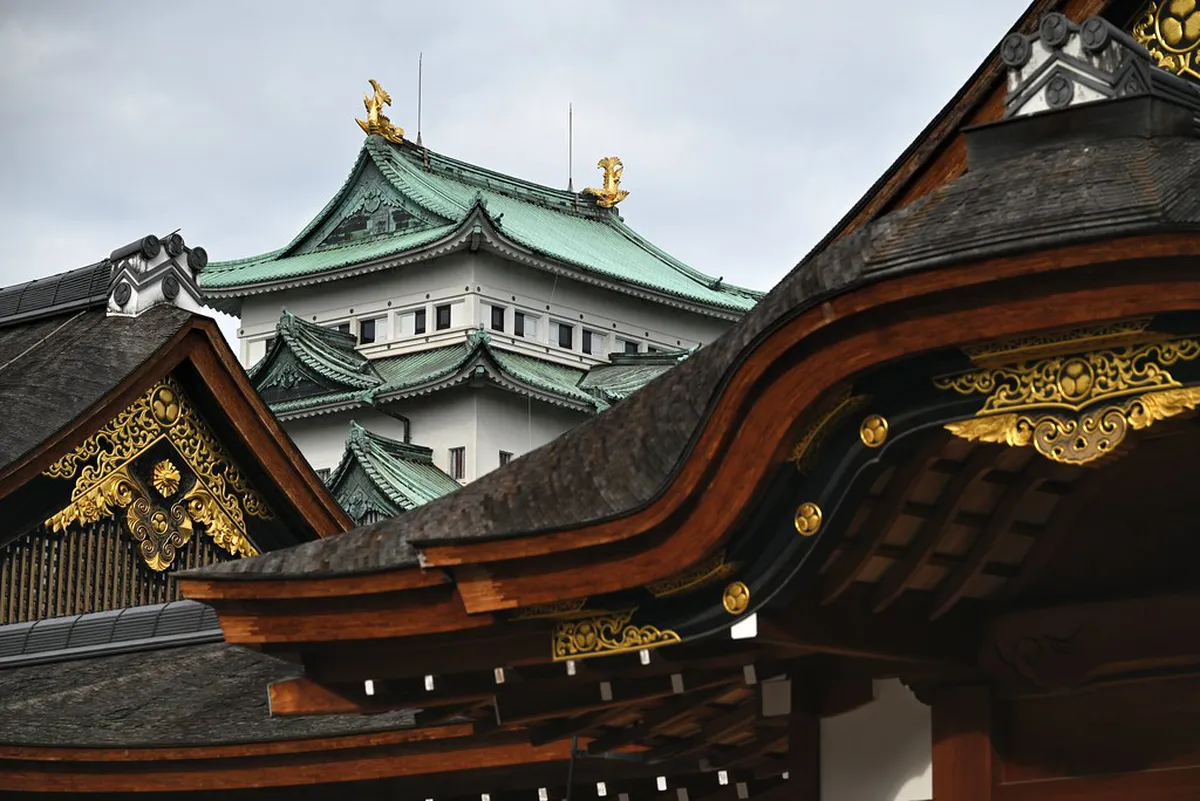
The castle became the seat of the Owari Tokugawa clan, one of the most powerful branches of the Tokugawa family. For more than 250 years, the Owari lords used the site for administration, ceremony, and defense. That background explains why the palace rooms feel more diplomatic than military, with reception spaces designed to impress visiting elites.
Much of the complex was destroyed in the 1945 air raids, including the main keep and palace. The concrete keep built after the war is now closed as the city works toward a traditional wooden reconstruction. The restored Honmaru Palace, completed in 2018 using historic plans and materials, is the best place to understand what the original castle looked and felt like.
Must-See Highlights: Honmaru Palace and Shachihoko
The Nagoya Castle Official Website - Honmaru Palace explains the restored rooms, but the building is better experienced slowly than skimmed. You will walk through cypress corridors, gold-leaf screen paintings, carved transoms, and formal audience rooms used for high-ranking guests. Entry is included with the castle ticket, and staff may manage queues when visitor numbers rise.
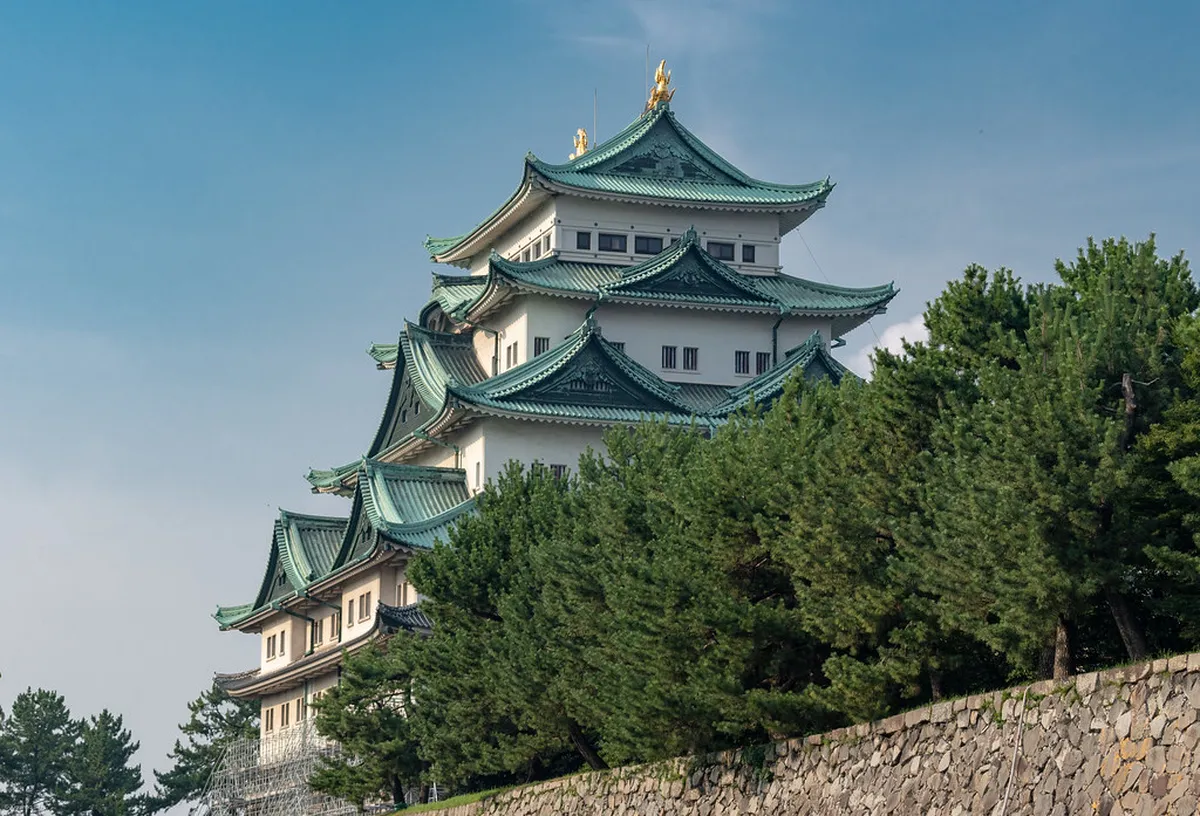
The golden shachihoko on the roof are just as important to the city identity. These tiger-headed carp are fire-protection symbols from Japanese folklore, and Nagoya's version is often called kinshachi. Look for them from the open areas around the keep, then find the ground-level replicas for closer photos without needing a zoom lens.
Do not rush past the stonework. The Kiyomasa-ishigaki and other walls show how different feudal lords supplied marked stones for the castle project. Some stones still carry carved symbols identifying their builders, and the scale of the walls makes the castle feel defensive even when the main keep itself is closed.
Nagoya Castle Tickets and Opening Hours
Adult admission is 500 yen, while junior high school students and younger children enter free. Nagoya residents aged 65 and over pay a reduced 100 yen with proof of eligibility. If you also plan to visit Tokugawaen or other city-run cultural sites, check the ticket window for current combination tickets before paying.
The castle grounds usually open from 9:00 to 16:30, with final entry to some paid areas around 16:00. The site normally closes from December 29 to January 1 for the New Year holiday. In 2026, the safest plan is to arrive near opening time, visit Honmaru Palace before tour groups build up, then loop through the walls and gardens.
| Visitor Type | Admission | Note |
|---|---|---|
| Adults | ¥500 | Includes Honmaru Palace |
| Junior high school and younger | Free | No ticket needed |
| Nagoya residents aged 65+ | ¥100 | Proof of eligibility required |
The Mei-Guru Sightseeing Bus one-day pass costs 500 yen for adults and drops you at the Main Gate. If you are starting from Nagoya Station and plan to also visit the Toyota Commemorative Museum or Tokugawaen, the pass covers all those stops and is cheaper than buying individual fares.
Tickets are sold at the Main Gate and East Gate. The main keep interior is not part of the visit during reconstruction, so do not budget time for a tower climb. Honmaru Palace may require removing shoes, watching a short orientation, and following one-way walking routes, which can slow the visit during weekends and school holidays.
How to Get to Nagoya Castle (Transport Guide)
The Nagoya Castle Official Website - Map is useful because the Main Gate and East Gate suit different arrivals. For the subway, take the Meijo Line to Nagoyajo Station and use the East Gate side. From Nagoya Station, you can transfer at Sakae or Hisaya-odori, and our Nagoya subway guide helps with the route logic.
The Mei-Guru Sightseeing Bus is easier if you are starting from Nagoya Station and want to avoid transfers. It stops near the castle's Main Gate and links other visitor spots such as the Toyota Commemorative Museum and Tokugawaen. A one-day pass usually costs 500 yen for adults, while a single bus ride is cheaper if the castle is your only stop.
Travelers using a Japan Rail Pass Guide should remember that JR passes do not cover Nagoya city subway or Mei-Guru fares. You can use JR to reach Nagoya Station, then switch to local transport. The Google Maps - Nagoya Castle link is still helpful for checking whether your route ends closer to the Main Gate or East Gate.
- Choose Mei-Guru if you want the simplest route from Nagoya Station, plan to visit several tourist stops, or prefer being dropped near the Main Gate.
- Choose the Meijo Line subway if you are already in Sakae, Kanayama, or another subway-connected area and want the most frequent service.
- Walking from Sakae can work in good weather, but allow about 25 minutes and save your energy if you also plan to tour the full castle grounds.
Meet the Hospitality Army and Ninja Performers
The Nagoya Omotenashi Busho-tai, often translated as the Hospitality Army, brings costumed samurai characters into the castle grounds. Performers appear as figures connected to local history, pose for photos, and stage short shows near open plazas. The shows are fun, but they can also create bottlenecks around narrow paths and palace approaches.
The Hattori Hanzo and the Ninjas group adds a more family-focused layer to the visit. You may see performers around the stone walls, garden areas, or event spaces, depending on the day. Children usually enjoy the acrobatics and photo moments, while visitors looking for a quiet history visit may prefer to pass through after the crowd disperses.
Schedules change by season and event calendar, so check the board near the entrance before planning the rest of your route. Weekend shows often cluster around late morning and early afternoon, which pairs well with a 9:00 Honmaru Palace visit. Arrive a few minutes early for photos, then step aside quickly so the paths keep moving.
Seasonal Events and Local Food at the Castle
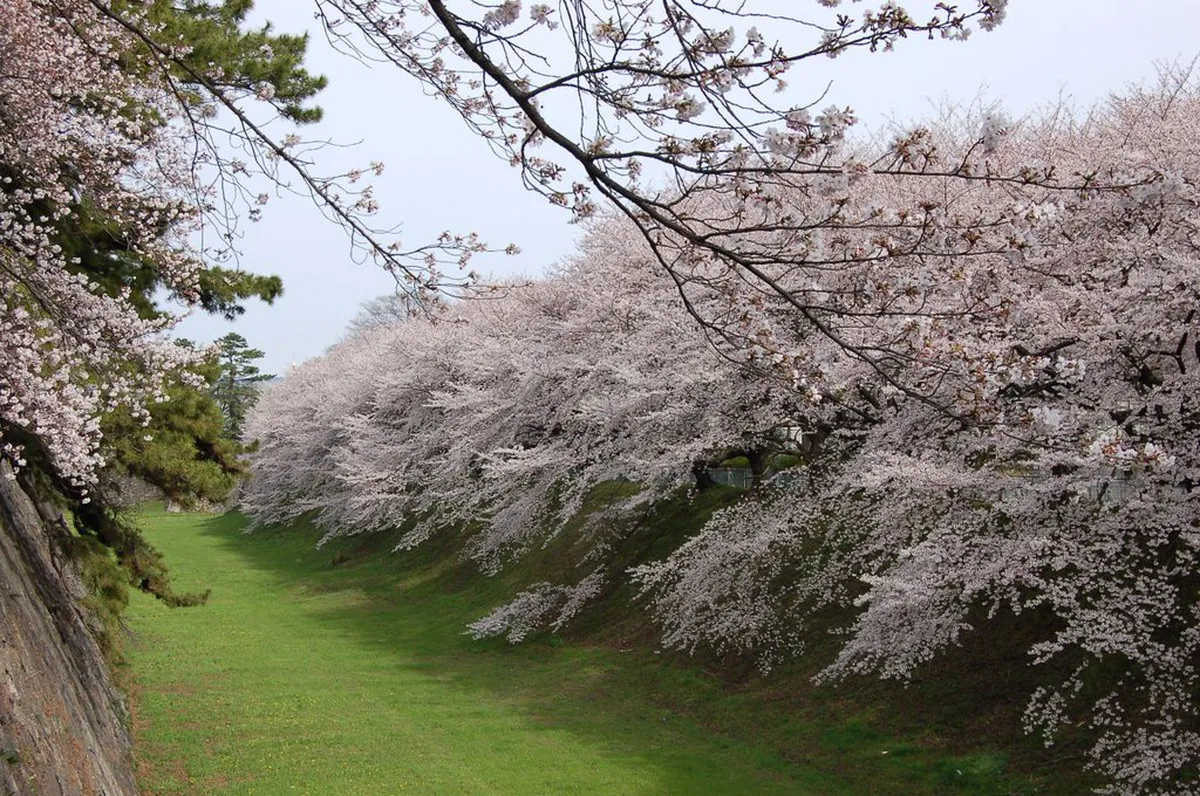
Spring is the most photogenic season because more than 1,000 cherry trees bloom across the castle park area. The blossoms frame the white walls, green roofs, and moat views, especially in the morning. Afternoon crowds can be heavy during peak bloom, so arrive early or visit after the first tour wave leaves.
Local food is easiest around the gate areas and Kinshachi Yokocho, where restaurants and stalls focus on Nagoya specialties. Kishimen, the city's flat wheat noodles, is the classic quick meal near the castle, and our 21 Best Dishes and Travel Tips for Nagoya explains how it compares with miso katsu, hitsumabushi, and other local dishes. Eating on-site is convenient, while Sakae usually offers better value and more variety for dinner.
Summer events bring Bon dancing, lanterns, and later opening hours on selected dates. Autumn adds maple color in the gardens and seasonal exhibitions, while winter is quieter outside the New Year closure. Check the official event calendar close to your travel date because special openings and food stalls shift year to year.
Beyond the Walls: Exploring Kakouzan and Motoyama
If the castle grounds feel crowded, use Kakouzan and Motoyama as a quieter half-day extension. They are not beside the castle, but they are easy to reach by subway and give the day a calmer neighborhood finish. For broader planning, compare this route with our 10 Best Nagoya Day Trip Itineraries and Planning Tips.
Nittaiji Temple is the main draw in Kakouzan. The temple has historic ties with Thailand and is known for its large green Buddha statue, spacious grounds, and relaxed approach street. It feels very different from the castle because the appeal is local daily life rather than a headline landmark.
Motoyama adds cafes, small shops, and a student-neighborhood feel near Nagoya University. This pairing works best for travelers who want more than a checklist of major sights. Visit the castle in the morning, eat lunch near Sakae or Kakouzan, then slow the afternoon down around Nittaiji and Motoyama.
Practical Tips for a Smooth Nagoya Castle Visit
Honmaru Palace requires removing shoes at the entrance; you carry them in a provided bag while following a one-way walking route. Visitors with mobility concerns should check current accessible routes before arrival, as the palace experience differs from the open garden paths.
Wear comfortable shoes because the grounds are wide and include gravel, ramps, and uneven stone edges. Coin lockers are available near gate areas, but large luggage is still better left at your hotel or Nagoya Station. Our 8 Best Areas and Tips for Where to Stay in Nagoya guide is useful if you want a base near the Meijo Line for an easy morning start.
Honmaru Palace is the main comfort point to plan around. You may need to remove shoes, carry them in a bag, and move along a controlled route, so socks without holes are a small but real travel detail. Visitors with mobility concerns should check current accessible routes before arrival because the palace experience differs from the open garden paths.
For photos, stand near the southeast side of Honmaru Palace to line up the palace, keep, and golden shachihoko in one frame. The moat near the East Gate can also give a strong reflection shot when the wind is calm. Morning light is usually kinder to the gold details and lets you finish before the busiest midday crowds.
Following a pre-planned Nagoya Itinerary 2026: Plan Your Perfect 3 to 5 Day Trip helps you decide whether to pair the castle with Sakae, Tokugawaen, or Kakouzan. Most visitors need two to three hours for the palace, walls, gardens, food stop, and photos. Bring water in summer, and use the restrooms near major gates before entering queues or performance crowds.
- Start with Honmaru Palace if you arrive near 9:00, because queues are easier before tour groups spread through the grounds.
- Use the East Gate for subway access and the Main Gate for Mei-Guru bus access.
- Save the shachihoko photos for clear weather, when the gold is easier to see against the roofline.
- Check performance boards before committing to lunch, because samurai and ninja shows can shift around events.
For wider city context, see our complete Nagoya attractions guide and the Nagoya itinerary guide to plan the rest of your trip.
Frequently Asked Questions
Is Nagoya Castle open during the reconstruction?
Yes, the castle grounds and the stunning Honmaru Palace remain open to the public. Only the interior of the concrete main keep is closed for safety and wooden reconstruction until 2032. You can still enjoy the gardens, museum displays, and samurai performances during your visit.
How much does it cost to enter Nagoya Castle?
Adult admission is 500 yen, while senior citizens living in Nagoya pay only 100 yen. Children in junior high school or younger can enter the castle for free. This makes it one of the most affordable major historical sites to visit in central Japan.
What is the best way to get to Nagoya Castle from Nagoya Station?
The easiest way is taking the Mei-Guru Sightseeing Bus directly from the station to the Main Gate. Alternatively, take the Higashiyama Line to Sakae and transfer to the Meijo Line for Shiyakusho Station. Check our subway guide for more detailed transit tips.
Can I see ninjas at Nagoya Castle?
Yes, the Hattori Hanzo and the Ninjas group performs daily on the castle grounds. They often interact with guests near the stone walls and provide great photo opportunities. These performers are very popular with families and usually appear during the late morning and early afternoon.
Nagoya Castle remains a must-see destination for anyone exploring Aichi Prefecture. The combination of Honmaru Palace, golden shachihoko, stone walls, and seasonal events gives the site enough substance even while the main keep is closed. You will leave with a clearer sense of why the Owari Tokugawa clan mattered to central Japan.
Many travelers wonder Is Nagoya Worth Visiting? My Honest 2026 Travel Review when planning their Japan trip. The castle provides a strong yes when you focus on the palace, roof symbols, food, and living performance culture rather than the closed tower. Take your time to wander the gardens and sample the local Kishimen noodles.
Free: The Nagoya Essentials guide
Top things to do, where to stay, a perfect day plan, getting around, and the best time to go — a Nagoya mini-guide you can take offline.
You might also like


Continue reading
More guides you'll find useful


