

8 Best Areas and Tips for Where to Stay in Nagoya (2026)
Discover where to stay in Nagoya. From the bustling Nagoya Station and Sakae to family-friendly Fushimi, find the perfect hotel and area for your 2026 trip.
On this page
Where you stay in Nagoya changes the whole rhythm of the trip. Nagoya Station keeps you close to the Shinkansen and airport trains, Sakae gives you shopping and late dinners, and Fushimi sits between them with calmer streets.
This guide was refreshed for 2026 with the hotel areas and transit trade-offs that matter most to first-time visitors.The short answer is simple: stay near Nagoya Station if you are taking day trips, stay in Sakae if you want nightlife, and stay in Fushimi if you want a quieter base that still works for families. Osu, Kanayama, and Nagoya Port are more situational, but they can be excellent if your plans match their strengths.
I would skip the Chubu Centrair Airport area unless you have a very early or very late flight. The airport is about 50 km south of central Nagoya, so it is a poor sightseeing base. Stay central and use the subway to reach the best things to do in the city.
8 Best Areas and Tips for Where to Stay in Nagoya
Nagoya is large, but most visitors should stay within the central subway network rather than chasing a cheap room far from the core. The Higashiyama Line links Nagoya Station, Fushimi, and Sakae in minutes, while Kanayama adds strong rail access south toward the airport.
Nagoya is one of Japan's most practical Shinkansen bases: Kyoto is under 40 minutes away by Nozomi and Shin-Osaka is under one hour. During peak spring and autumn periods, Nagoya hotels often offer significantly better value than equivalent rooms in Kyoto, making it an excellent strategic base for the wider region. Tokyo travelers can reach Nagoya in roughly 1 hour 45 minutes on the Tokaido Shinkansen.
Hotel prices are usually kinder than Tokyo, Kyoto, or Osaka. In 2026, a practical central budget is about EUR 70-110 for a compact business hotel, EUR 120-190 for a stronger mid-range property, and EUR 220 or more for a luxury stay. Families should budget more for twin rooms, triple rooms, or hotels with enough floor space to open two suitcases.
| Area | Best for | Budget range (approx.) |
|---|---|---|
| Nagoya Station (Meieki) | First-timers, Shinkansen, day trips | EUR 70–220+ |
| Sakae | Nightlife, shopping, restaurants | EUR 70–150 |
| Fushimi | Families, art museums, calm streets | EUR 70–120 |
| Osu | Traditional shopping, local atmosphere | EUR 50–100 |
| Kanayama | Rail links south, budget options | EUR 50–90 |
| Nagoya Port | Aquarium families, slow sightseeing | EUR 60–120 |
- Nagoya Station Area, also called Meieki, is best for first-timers, Shinkansen riders, and anyone planning day trips from Nagoya.
- Sakae is best for shopping, nightlife, department stores, Oasis 21, and easy access to the best local food.
- Fushimi is best for families, business travelers, art museums, and travelers who want a flat walk between the station and downtown.
- Osu and Kanayama are best for traditional shopping streets, local restaurants, cheaper hotels, and a less polished neighborhood feel.
- Nagoya Port is best for families who are prioritizing the aquarium and slower sightseeing over central nightlife.
Nagoya Station Area (Meieki): Best for Transit and First-Timers
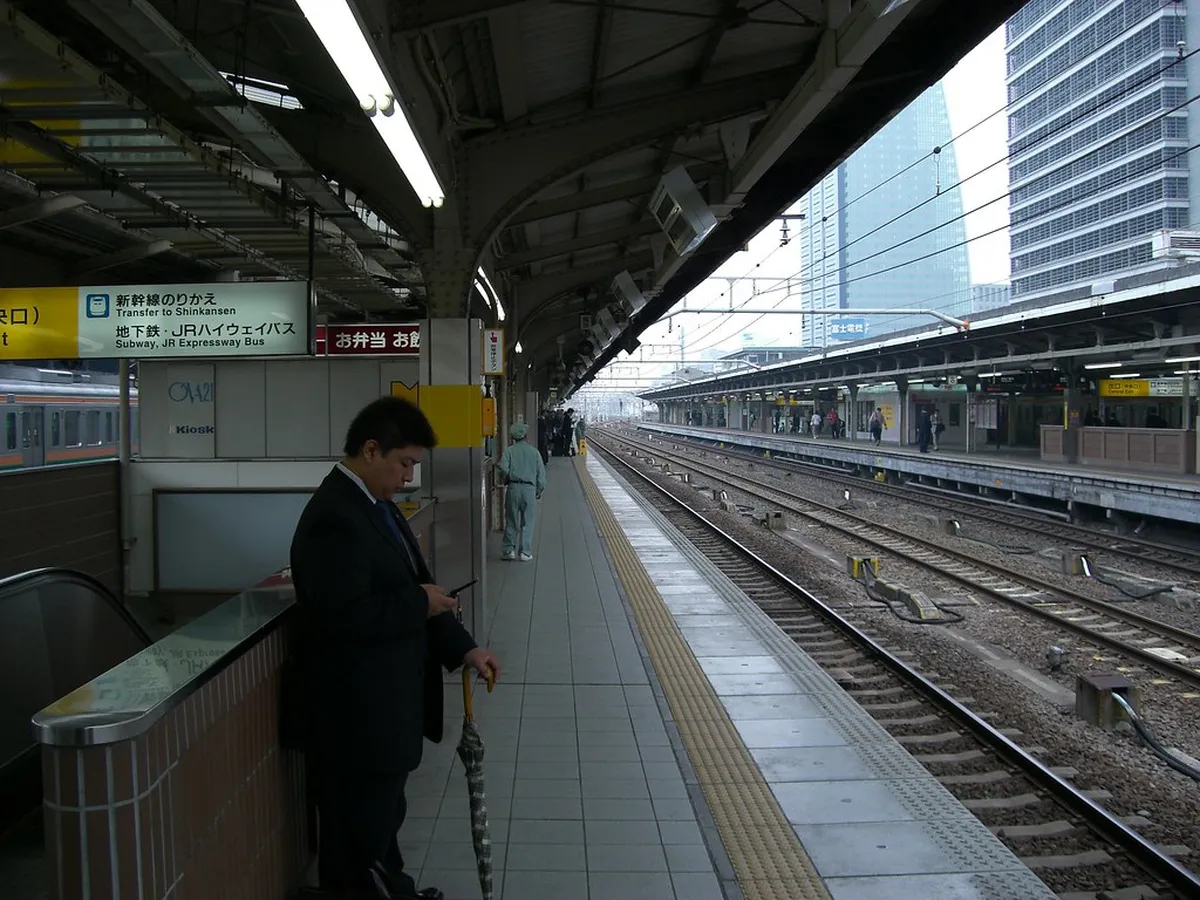
Nagoya Station is the most convenient area if you arrive by Tokaido Shinkansen or plan to leave the city often. The station connects bullet trains, JR local lines, Meitetsu trains, Kintetsu trains, subway lines, buses, taxis, department stores, and underground restaurant streets. It is busy and not especially atmospheric, but it removes friction from almost every itinerary. For detailed transit options and schedules, the official Nagoya subway system provides English-language guidance.
The best luxury choice is Nagoya Marriott Associa Hotel because it sits directly above the station and works well after a late arrival. The Strings Hotel Nagoya feels more polished and quieter, though it is about 15 minutes on foot from the Shinkansen gates. For better value, The Royal Park Canvas Nagoya and Daiwa Roynet Hotel Nagoya Shinkansenguchi give you compact, efficient rooms close to the platforms.
Meieki is also a strong food base. Esca, Umaimon Dori, and the department-store dining floors cover miso katsu, hitsumabushi, kishimen, and tebasaki without forcing you across town after a long day. If you want to pair city sights with castle history, you can reach Nagoya Castle by subway or taxi without changing hotels. For day trips beyond Nagoya, Nikko is also reachable via longer Shinkansen connections.
Sakae: The Best Area for Shopping and Nightlife
Sakae is the right answer if you want Nagoya to feel lively after dinner. The district clusters department stores, Oasis 21, Chubu Electric Power Mirai Tower, bars, karaoke, izakaya, and late-night ramen within a walkable grid. It is less convenient than Meieki for luggage-heavy transfers, but it is far better for evenings.
Nagoya Tokyu Hotel is the polished mid-to-upper range pick, with larger rooms and a more traditional hotel feel. Hilton Nagoya sits between Sakae and Fushimi and works for travelers who want international service standards. The b nagoya is a practical budget option near shopping streets, while Nishiki is better for adults who want nightlife and worse for light sleepers.
This is also one of the best places to eat Nagoya meshi without planning every meal. Miso katsu, spicy Taiwan ramen, tebasaki chicken wings, and coffee-shop morning sets are all easy to find around Sakae and Nishiki. Stay here if your priority is local nightlife or the best shopping malls in Nagoya.
Fushimi: The Cultural and Business Hub
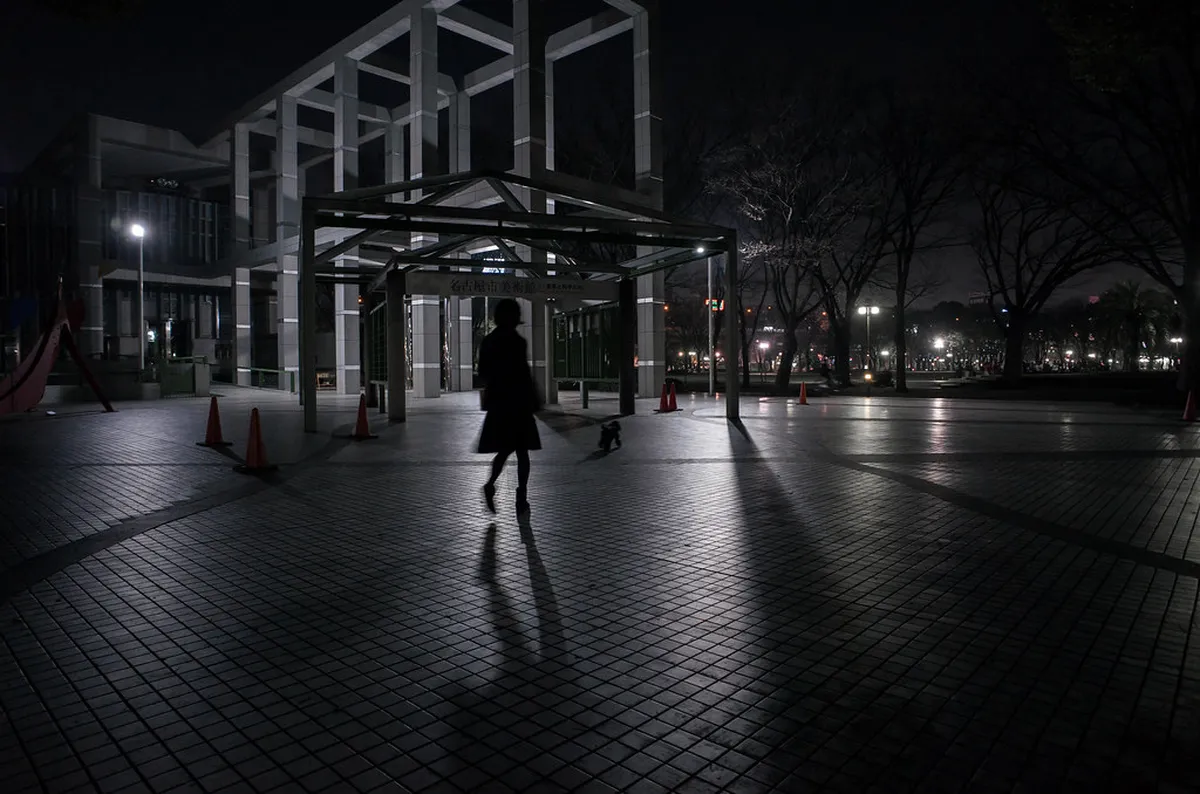
Fushimi is the middle ground between Nagoya Station and Sakae, both geographically and emotionally. It is quieter than Sakae, less confusing than the station, and still close to the Nagoya City Art Museum, Science Museum, Shirakawa Park, offices, cafes, and small restaurants. The area works especially well if one traveler wants easy transit and another wants calmer streets.
Nikko Style Nagoya is the standout family-friendly choice because it has larger rooms, strong English support, and a simple flat walk from Nagoya Station. The walk is about 12 minutes along main streets, which matters if you are pushing a stroller or rolling luggage. A taxi from the station is usually inexpensive for check-in day, but most families can walk back once they know the route.
Richmond Hotel Nagoya Nayabashi and Sanco Inn Nagoya Fushimi cover the mid-range and budget needs well. Fushimi also gives you a softer version of city life, with art stops, cafes, and easy access to the culture and traditions of Nagoya. Choose it if you want central convenience without sleeping in the loudest part of the city.
Osu and Kanayama: Traditional Vibes and Local Life
Osu is the best fit if you want covered shopping arcades, casual street food, secondhand shops, electronics stores, anime goods, and Osu Kannon Temple nearby. It feels more local and less corporate than Meieki or Sakae. The trade-off is that hotel choice is thinner, so many travelers visit Osu by subway rather than sleep there.
Kanayama is more useful as a base than it looks on paper. Its station connects JR, Meitetsu, and subway lines, making it handy for Atsuta Shrine, airport access, and southern Nagoya. The streets around the station have local izakaya, chain business hotels, and fewer tourists than the main station area.
Budget travelers should compare Kanayama before booking a room west of Nagoya Station. You may get lower rates without losing transit access, especially outside weekends and event dates. Osu is better for atmosphere, while Kanayama is better for practical rail links and cheaper business hotels.
Nagoya Port: Best for Families and Relaxation
Nagoya Port is not the best all-purpose base, but it deserves attention for family trips built around slower days. The area has the Nagoya Aquarium, Sea Train Land, waterfront walks, and the Fuji Antarctic Museum nearby. It feels more open than the central districts, which can be a relief in humid summer weather.
The downside is hotel supply. There are fewer strong accommodation choices around the port, and evenings are quieter than Sakae or Meieki. If you stay here, accept that dinner choices and late-night convenience will be more limited.
For most families, the smarter plan is to stay in Fushimi or Nagoya Station and visit the port by subway on a dedicated day. Choose an actual port hotel only if the aquarium is your main reason for visiting Nagoya or if your children need a low-stimulation base after several crowded city days.
How to Choose: Comparing Nagoya's Top Neighborhoods
The best area depends less on the hotel rating and more on your daily movement. If you will take two or more Shinkansen or limited express day trips, Nagoya Station usually wins. If your trip is mostly shopping, food, and evenings out, Sakae will feel more rewarding. The official Nagoya tourism site offers neighborhood guides that may help with your final decision.
- Nagoya Station has the best transit access, the strongest luxury hotels, and the easiest luggage flow, but it can feel crowded and businesslike.
- Sakae has the best nightlife, shopping, and restaurant density, but it adds a subway or taxi ride whenever you use the Shinkansen.
- Fushimi has the best balance for families and business travelers, with flat walks, calmer streets, and easy access to both Meieki and Sakae.
- Osu has the most traditional shopping atmosphere, but it is better for repeat visitors than for travelers who need maximum convenience.
- Kanayama has strong rail links and better value, but it is less iconic and has fewer destination hotels.
- Nagoya Port works for aquarium-focused families, but it is too far south for a first-time sightseeing base.
A useful first-timer mistake to avoid is booking only by distance from Nagoya Station on a map. A hotel that is 900 m away through station crowds, underground exits, and traffic lights may feel harder than a hotel one subway stop away with a simple exit. Check the exact station exit, elevator access, and walking route before you commit.
The Shinkansen Strategy: Using Nagoya as a Travel Base
Nagoya is one of Japan's most practical bases because it sits on the Tokaido Shinkansen between Tokyo, Kyoto, and Osaka. Kyoto is usually under 40 minutes away by bullet train, and Shin-Osaka is often under one hour. During peak 2026 travel periods, Nagoya hotels can be much better value than comparable rooms in Kyoto. The Japan National Tourism Organization features Nagoya day-trip itineraries that complement this base-hotel strategy.
This strategy works best when you stay at or near Nagoya Station. You can leave early, spend a full day in Kyoto or Osaka, and return to a less crowded city at night without moving luggage. It also pairs well with regional trips to Inuyama, Ghibli Park, Magome, Tsumago, or Ise if you build a realistic Nagoya Itinerary 2026: Plan Your Perfect 3 to 5 Day Trip.
Families and heavy packers should plan luggage carefully. Coin lockers at Nagoya Station can fill by mid-morning in spring and autumn, and the station is large enough to make backtracking tiring. Takkyubin luggage delivery is often worth the fee if you are changing cities after a day trip.
Nagoya Hotel Booking Tips and Practical Logistics
Read the room description carefully before booking. A semi-double bed is often too narrow for two adults, and many budget rooms have little space for large suitcases.
Coin lockers at Nagoya Station fill by mid-morning in spring and autumn. A semi-double bed is often too narrow for two adults. Book rooms with "twin" or "double" labels specifically, and check the exact room size in square metres — anything under 14 sqm will feel cramped with two suitcases.
Hotel calendars often open about six months ahead, but major weekends can tighten much earlier. Book early for Golden Week, cherry blossom season, autumn weekends, concerts, and events at Vantelin Dome Nagoya. Check the hotel website after comparing booking platforms because member rates or breakfast packages can be cheaper direct.
Families should look beyond room size. Nikko Style Nagoya is useful because of stroller-friendly access, English-speaking staff, and borrowable child items, but even simpler hotels can work if they are near elevators, convenience stores, coin laundries, and department-store baby rooms. That practical support matters more than a decorative lobby.
Breakfast is a local pleasure in Nagoya, where morning service often means toast or a small set with coffee. If your hotel breakfast feels overpriced, use a nearby cafe instead and save the budget for hitsumabushi, miso katsu, or tebasaki later in the day. The Japan travel blog has more local planning tips for getting these small decisions right.
Frequently Asked Questions
Is it better to stay in Sakae or Nagoya Station?
Nagoya Station is best for transit and luxury, while Sakae is superior for shopping and nightlife. Choose the station if you have many day trips planned. Pick Sakae if you want to be near the best restaurants and bars.
Which area in Nagoya is best for families?
Fushimi is the top choice for families due to its quiet atmosphere and wider sidewalks. It offers easy access to the Science Museum and the City Art Museum. The hotels here are generally more spacious than those in the station area.
How many days should I spend in Nagoya?
Two to three days is ideal for seeing the main city sights like the castle and Osu Kannon. If you use the city as a base for day trips to Ghibli Park or Inuyama, plan for five days. This allows for a relaxed pace without rushing.
For most first-time visitors, the safest choices are Nagoya Station, Sakae, and Fushimi. Nagoya Station wins on transit, Sakae wins on nightlife and shopping, and Fushimi wins when you want a quieter central stay. Osu, Kanayama, and Nagoya Port are better when they match a specific plan.
In 2026, Nagoya remains one of Japan's best-value big-city bases. Choose the neighborhood around your actual itinerary, not just the cheapest rate, and the city's subway, food culture, and day-trip access will do the rest.
Free: The Nagoya Essentials guide
Top things to do, where to stay, a perfect day plan, getting around, and the best time to go — a Nagoya mini-guide you can take offline.
You might also like


Continue reading
More guides you'll find useful


