Best Beaches Near Naha: 10 Picks and Planning Tips
From Naminoue, a 12-minute walk from Kencho-mae, to Kerama Islands by 1-hour ferry: 10 beaches near Naha, plus jellyfish safety and 2026 swim season dates.
On this page
Finding the best beaches near Naha is mostly a question of how far you are willing to travel for clearer water. From the seawall sand at Naminoue, a 12-minute walk from Kencho-mae monorail, to the coral-rich Kerama Islands an hour by high-speed ferry, the southern third of Okinawa packs more swimming options into a 50 km radius than most Japanese prefectures offer in total. Official swimming season for 2026 runs roughly from late March through October, with most beaches opening their jellyfish nets and lifeguard towers from mid-April.
This guide focuses on what actually matters once you are choosing between beaches: how to get there from a Naha hotel without a car, whether the swimming area is netted against habu jellyfish, what parking and showers cost, and which spots reward the longer drive. We have cross-referenced 2026 facility hours with each municipality's tourism office and verified ferry schedules for Tokashiki and Zamami at the time of writing.
Pair this with the wider Naha attractions guide if you are mixing beach days with sightseeing, and read where to stay in Naha if you have not booked yet — your hotel's monorail proximity decides whether car-free beach days are realistic.
Best Okinawa Beaches: What to Expect Near Naha
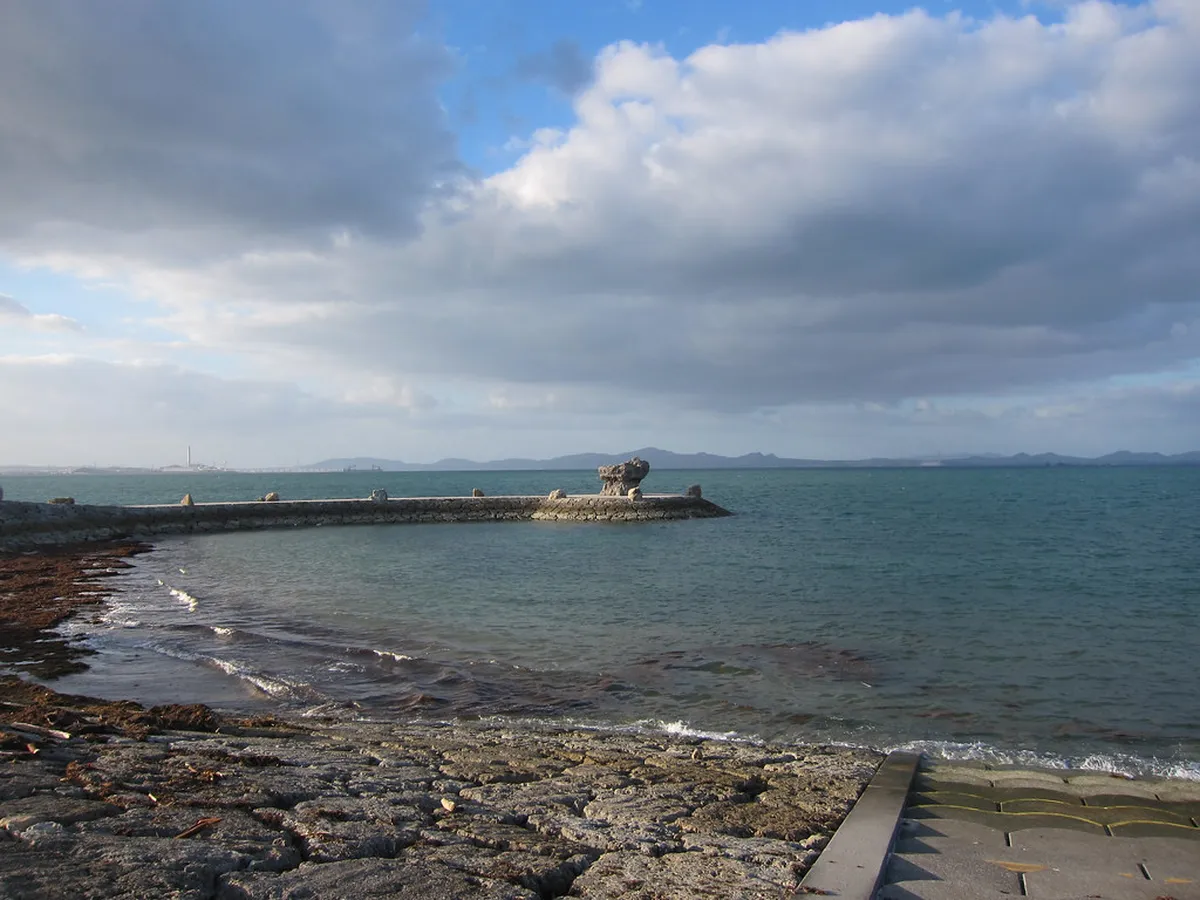
Beaches inside a 60-minute drive of Naha fall into three rough categories. Urban beaches like Naminoue and Toyosaki Chura Sun are engineered, netted, and have full toilets, showers, and rentals — they are safe and convenient but not visually wild. Mid-island beaches in Chatan, Ginowan and Yomitan trade some development for genuinely good water and on-site dining. Southern and offshore beaches (Mibaru, Aharen, Furuzamami) reward the longer trip with reef and visibility competitors call "Kerama Blue."
Water quality is consistently good across the south, but visibility varies sharply. Inside Naha port, currents and runoff drop snorkeling visibility below 5 m on most days. Drive 30 minutes to Yomitan or take a ferry to Zamami and visibility routinely exceeds 20 m. Always check tide schedules before reef snorkeling — low tide at Mibaru or Cape Maeda exposes coral and makes entry painful.
One thing competitors rarely flag: most "free" public beaches charge for parking (typically 300–500 JPY) and shower use (100–300 JPY per rinse), and several charge a separate fee in summer for the netted swimming zone. Budget 1,000–1,500 JPY per person on top of transport even at "free" beaches.
Naminoue Beach (Naha City)
Naminoue is the only swimming beach inside Naha city and the only one reachable on foot from the Yui Rail monorail. From Kencho-mae station it is a 12-minute walk; from Asahibashi (closer to Tomari Port) it is about 15 minutes. If you are coming from the airport side, the simplest car-free combo is monorail to Asahibashi, then a 5-minute ride on bus 26 or 101 to Wakasa — far quicker than walking in summer heat.
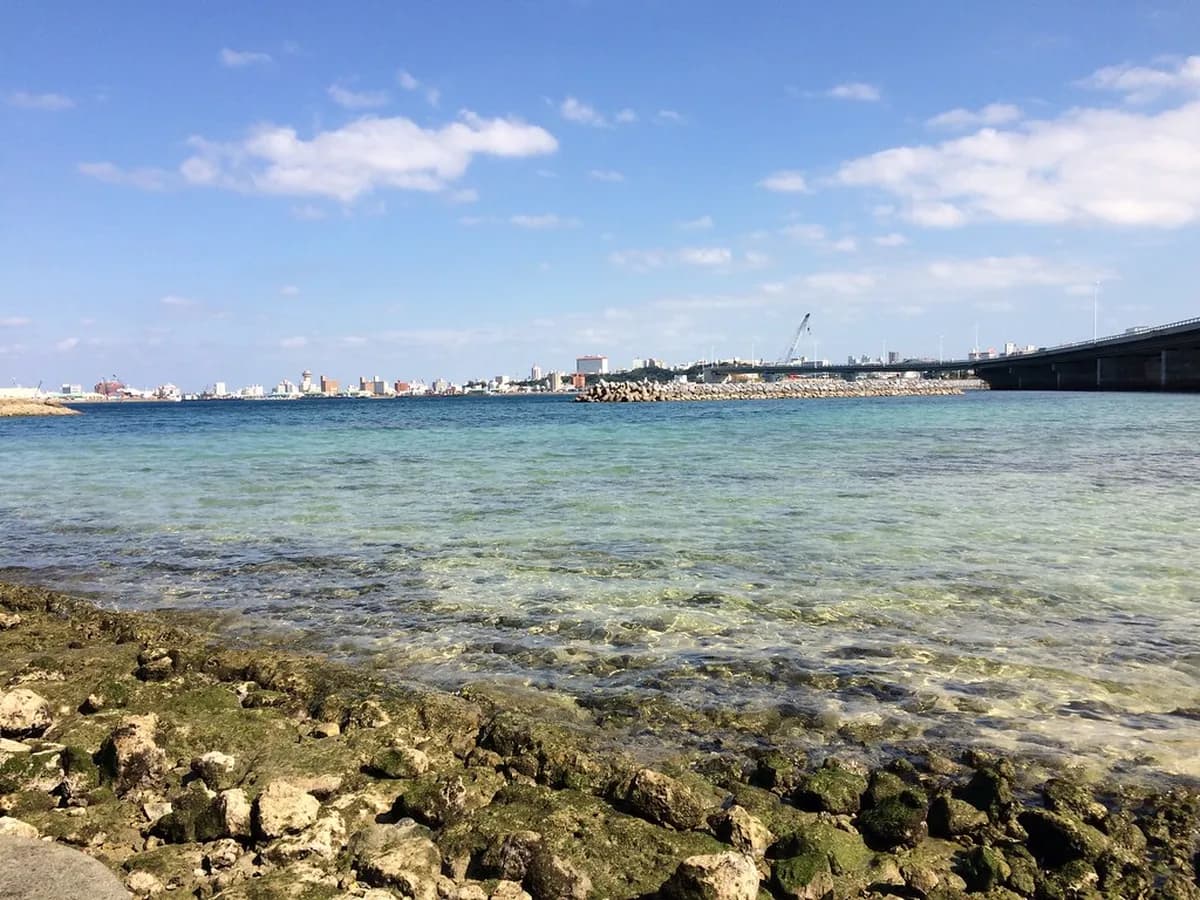
The trade-off is honest: the elevated Naminoue Expressway viaduct passes directly over the swimming zone, so the postcard is mediocre. The water itself is netted, lifeguarded from late April to October, and clean enough for a real swim. Showers cost 200 JPY, lockers are 100 JPY, and the small Naminoue Shrine on the cliff makes a good pre-swim 30-minute detour. For travellers staying along Kokusai-dori or Asahibashi, this is the only beach that fits into a half-day window.
Skip Naminoue if you want snorkeling, photographs, or quiet — the marine life is sparse and weekends bring local family crowds from noon onward. Visit early (9:00–11:00) on a weekday for the calmest experience.
Toyosaki Chura Sun Beach (Tomigusuku)
Toyosaki sits 15 minutes south of Naha Airport and is the easiest "real" beach for travellers with a rental car or a layover. The 700 m artificial sand strip runs alongside the Senagajima Umikaji Terrace and the Ashibinaa outlet mall, so a half-day plan of swim → outlet shopping → sunset over the runway is genuinely viable. Park-and-ride is 500 JPY for the day, the netted swimming zone is open 9:00–18:00 from April to October, and showers/lockers are 200 JPY each.
Because Toyosaki is engineered, the bottom is soft sand with no coral or rock — ideal for non-swimmers, toddlers, and anyone uneasy in natural water. Planes pass overhead every few minutes during peak hours, which kids tend to love and serious sunbathers tend not to. There is a designated barbecue area but you must reserve a tent online at least 24 hours ahead in summer.
For travellers using Naha as a base for sightseeing rather than swimming, Toyosaki pairs well with the southern war memorials or a day trip from Naha itinerary that finishes at the airport.
Ginowan Tropical Beach (Ginowan)
Ginowan Tropical Beach, 25 minutes north of Naha, is the locals' barbecue beach. The crescent of imported sand sits inside a netted bay next to the Ginowan Marina, and on summer weekends the parking lot fills with families running BBQ tents from 11:00 onward. Day-use parking is 300 JPY, the swim zone is open 9:00–19:00 in summer, and a full BBQ-tent package (tent, grill, food, drinks) runs about 4,500 JPY per adult through the on-site operator.
Water clarity is moderate — better than Naminoue, weaker than Yomitan — and the small swim area gets crowded fast. The real reason to come is the experience: sunset over the East China Sea with a drink in hand and the Convention Center skyline behind you is genuinely memorable. There is no monorail access, but Ginowan-bound buses (route 32 or 99) from Naha BT take roughly 45 minutes.
Mibaru Beach (Nanjo)
Mibaru is the closest unnetted, undeveloped beach to Naha — about 40 minutes by car or 60 minutes via bus 39 from Naha BT. Twelve coral-fringed islets sit just offshore, and the beach is famous for glass-bottom boat tours that run 9:00–17:00, ¥2,200 per adult, with no advance booking on weekdays. Bring water shoes; the entry is rocky and the bottom transitions quickly to live coral.
This is the beach to choose if Naminoue and Toyosaki feel too packaged. There are no lifeguards, no jellyfish nets, and only a small kiosk for snacks and rentals — which means you also get genuine snorkeling, no entrance fee, and the kind of empty Okinawa shoreline that disappears further north. In summer, habu jellyfish are a real risk here without nets, so wear a long-sleeve rash guard from June to September and stay close to shore.
Combine Mibaru with Sefa-utaki and Cape Chinen for a full southern-coast day. The route works well as part of a Naha 3-day itinerary if you have a car.
Araha Beach (Chatan)
Araha is where Okinawa locals actually spend Sunday afternoons. The 600 m strip is a 35-minute drive north of Naha and sits directly behind American Village — meaning your post-swim plan can include tacos at Mexican Plates Tequila, sunset at the Sunset Walk, and a pint at Chatan Harbor Brewery, all on foot from the sand. Entry is free, parking is 300 JPY, and the netted swim zone is staffed 9:00–18:00 May through October.
The water is clear enough for casual swimming but not ideal for snorkeling — head 15 minutes further to Sunabe Seawall if you want fish. Araha's defining feature is its community vibe: skateboarders on the boardwalk, a giant pirate-ship playground (the SS Indian Oil), beach volleyball nets, and dozens of food trucks parked along the seawall on weekends. Buses 28 and 120 from Naha BT reach Kuwae stop in 60–75 minutes; from there it is a 10-minute walk.
Of the central-Okinawa beaches, Araha is the strongest pick for travellers without a car who still want a real night out attached to their beach day.
Nirai Beach (Yomitan)
Nirai, fronting the Hotel Nikko Alivila in Yomitan, is the prettiest mainland beach within a one-hour drive of Naha. The water is genuinely Kerama-grade on calm days, the sand is white, and the reef sits close enough to shore that strong swimmers can reach it without a boat. The beach is technically public, but most facilities (showers, parasols, kayak rentals) are run by Alivila and priced for hotel guests — non-guests pay 1,000 JPY for a shower-and-lounger combo.
There are no jellyfish nets, so summer visitors should treat this like Mibaru: rash guard, stay shallow, and exit if you see anything translucent and bell-shaped. Tide pools at the southern end of the beach are excellent for kids during low tide. Parking is free for non-hotel guests in a small lot across the road — arrive before 10:00 in summer or it fills.
Nirai pairs naturally with Cape Zanpa lighthouse and the Yomitan pottery village; budget a full day from Naha and back.
Kerama Day Trips: Aharen and Furuzamami
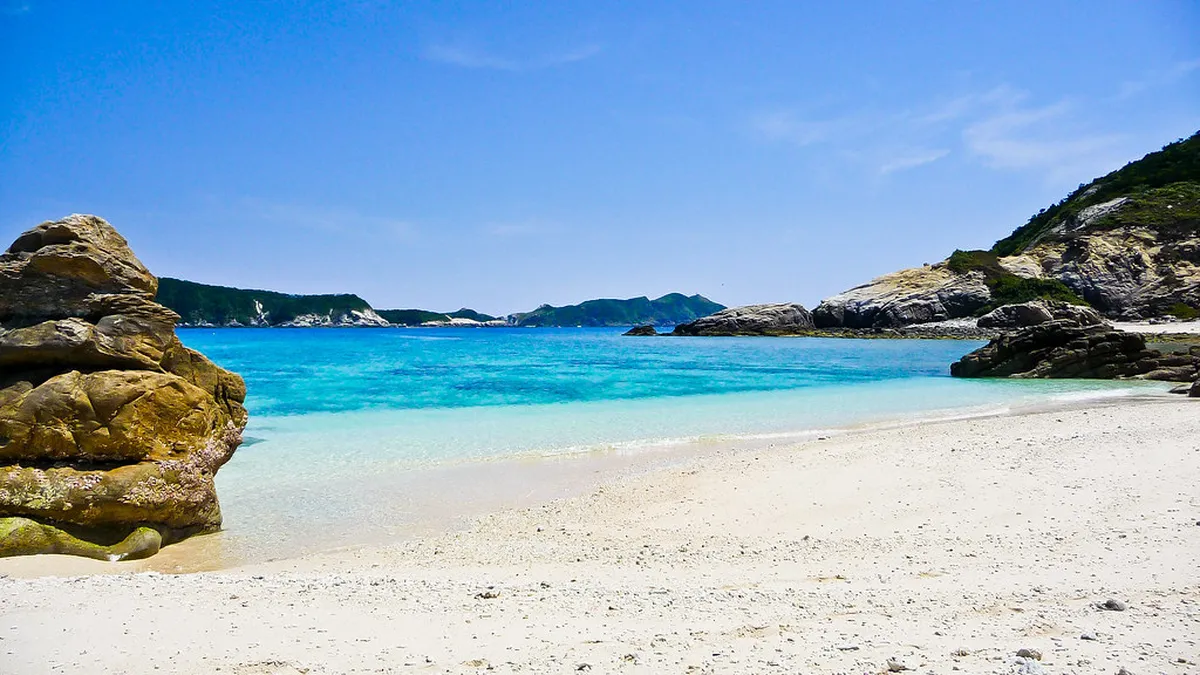
If you have one full day to spend on a beach, take the high-speed ferry from Tomari Port to either Tokashiki (Aharen Beach) or Zamami (Furuzamami Beach). The Marine Liner Tokashiki reaches Aharen Port in 35 minutes (round trip about 5,140 JPY); the Queen Zamami reaches Zamami in 50–70 minutes (round trip about 6,640 JPY). Tickets sell out in summer — book online via the Tomari-in website at least 48 hours ahead.
Aharen is the easier day: 15-minute walk from the port, snack shops, lifeguards, jellyfish nets in summer, and gear rentals on the sand. Furuzamami is wilder and frequently rated Japan's most beautiful beach — a 15-minute community shuttle bus from Zamami port, abundant fish from 5 m offshore, and zero shade unless you rent a parasol. Both let you back in Naha by 18:00 on the late return ferry.
Cape Maeda and the Blue Cave (Onna)
Cape Maeda is not really a beach — it is a rocky entry point to the Blue Cave, Okinawa's most famous snorkel and shore-dive site, about 70 minutes from Naha by car. The cave's interior glows electric blue when sunlight refracts off the white-sand floor; the experience is genuinely unique on the main island. Most Naha day-trippers join a guided tour because the rocky stair descent, parking lot pressure, and current at the cave mouth are not beginner-friendly solo.
Reputable operators including Okinawa Blue Cave Snorkeling run morning and afternoon slots from 5,500–7,500 JPY per adult including gear, photos, and hotel pickup from Naha. Crowds are intense from 10:00–14:00 in summer; book the 8:30 first slot if you want photos without other groups in frame. Skip Cape Maeda entirely on windy days — the cave closes for safety and operators reroute to the less spectacular Real Blue or Mizugama sites.
Only Naminoue Beach is reachable by monorail (Kencho-mae or Asahibashi, 12–15 min walk). Every other beach on this list requires a rental car or a 45–75 minute bus. If you plan to visit more than two beaches, renting a car from ¥4,500/day is by far the most efficient option.
Habu jellyfish are a genuine risk from June to October at unnetted beaches like Mibaru, Nirai, and Cape Maeda. Wear a long-sleeve rash guard, stay shallow, and exit the water immediately if you see anything translucent and bell-shaped. A sting requires hot-water immersion, vinegar — not freshwater — and an ER visit if the reaction spreads.
Parking, Jellyfish Nets and Facilities at a Glance
Most guides bury this information inside individual beach blurbs — here it is in one table for fast comparison. Prices are 2026 day-rates verified against each operator; "season" refers to the netted, lifeguarded swimming window.
| Beach | Parking | Jellyfish Net | Shower | Season | Monorail? |
|---|---|---|---|---|---|
| Naminoue (Naha) | ¥500 | YES | ¥200 | Apr 1–Oct 31 | YES (12 min walk) |
| Toyosaki Chura Sun | ¥500 | YES | ¥200 | Apr 25–Oct 31 | NO |
| Ginowan Tropical | ¥300 | YES | ¥200 | May 1–Oct 31 | NO |
| Araha (Chatan) | ¥300 | YES | ¥300 | May 1–Oct 31 | NO |
| Mibaru (Nanjo) | Free | NO | ¥200 | Year-round (own risk) | NO |
| Nirai (Yomitan) | Free (non-guest) | NO | ¥1,000 combo | Year-round (own risk) | NO |
| Aharen (Tokashiki) | N/A (ferry) | YES (summer) | ¥200 | Apr–Oct | NO |
| Furuzamami (Zamami) | N/A (ferry) | YES (summer) | ¥200 | Apr–Oct | NO |
| Cape Maeda (Onna) | ¥500 | NO | ¥100 | Year-round snorkel | NO |
- Naminoue (Naha): parking 500 JPY, jellyfish net YES, shower 200 JPY, season Apr 1 – Oct 31, monorail YES (Kencho-mae 12 min walk).
- Toyosaki Chura Sun (Tomigusuku): parking 500 JPY, jellyfish net YES, shower 200 JPY, season Apr 25 – Oct 31, monorail NO (bus 56 from Asahibashi).
- Ginowan Tropical (Ginowan): parking 300 JPY, jellyfish net YES, shower 200 JPY, season May 1 – Oct 31, monorail NO.
- Araha (Chatan): parking 300 JPY, jellyfish net YES, shower 300 JPY, season May 1 – Oct 31, monorail NO.
- Mibaru (Nanjo): parking free, jellyfish net NO, shower 200 JPY, season year-round at own risk, monorail NO.
- Nirai (Yomitan): parking free non-guest, jellyfish net NO, shower 1,000 JPY (non-guest combo), season year-round at own risk, monorail NO.
- Aharen (Tokashiki): parking N/A (ferry), jellyfish net YES summer only, shower 200 JPY, season Apr – Oct, ferry from Tomari Port.
- Furuzamami (Zamami): parking N/A, jellyfish net YES summer only, shower 200 JPY, season Apr – Oct, ferry from Tomari Port.
- Cape Maeda (Onna): parking 500 JPY, jellyfish net NO (rocky cape), shower 100 JPY, snorkeling year-round, monorail NO.
- Azama Sun Sun (Nanjo): parking 500 JPY, jellyfish net YES, shower 200 JPY, season Apr 1 – Oct 31, monorail NO.
Two patterns drop out of the table. First: every netted beach within an hour of Naha closes its swim zone by November 1, so a December trip means accepting an unnetted beach (Mibaru, Nirai, Cape Maeda) or limiting yourself to walking the sand. Second: only Naminoue is reachable by monorail — every other beach on this list requires either a rental car or a 45–75 minute bus.
Best Beach Route Near Naha (2–3 Days)
Day 1 (no car): morning swim at Naminoue, lunch at Tomari fish market, afternoon ferry to Aharen on Tokashiki for sunset, return to Naha on the 17:30 high-speed boat. This works entirely without a rental car and gives you both the convenience beach and the Kerama postcard in one day.
Day 2 (rental car, southern loop): drive south to Mibaru for 9:00 snorkeling and the glass-bottom boat, lunch at Café Curcuma above Cape Chinen, afternoon swim at Azama Sun Sun, sunset at Nirai-Kanai bridge viewpoint. Total drive time about 90 minutes round-trip.
Day 3 (rental car, central loop): drive 70 minutes to Cape Maeda for the 8:30 Blue Cave tour, lunch at American Village, afternoon at Araha or Sunabe seawall snorkeling, dinner in Chatan, return to Naha along Route 58. Pick the central loop over a second southern day if you have any interest in snorkeling — the visibility difference is substantial.
Travelers with kids should compress this into Day 1 (Naminoue) and Day 2 (Toyosaki + Azama Sun Sun) — see the dedicated Naha with kids guide for stroller-friendly logistics.
Renting a Car vs. Public Transport
If you are visiting more than two beaches on this list, rent a car. Outside Naminoue, every beach here demands either a 45-minute-plus bus ride with limited Sunday service or a transfer at Naha Bus Terminal. Daily rentals start around 4,500 JPY off-airport and 6,500 JPY at airport counters; OTS, Times, and Nippon Rent-a-Car all accept the standard International Driving Permit (countries on the 1949 Geneva Convention). Citizens of France, Germany, Switzerland, Belgium, Taiwan and Monaco need a certified Japanese translation of their domestic license instead — the Japan Automobile Federation issues these online for 4,000 JPY but it takes 2–3 weeks, so arrange before your trip.
Without a car, the highest-yield strategy is one ferry day (Tokashiki or Zamami from Tomari) plus one bus day (Araha via bus 120, or Toyosaki via bus 56). The Okinawa Bus Pass at 2,500 JPY for 1 day or 5,000 JPY for 3 days covers all four major operators except the airport limousine. Skip the rental only if Naminoue plus a single ferry day is enough beach for you.
What to Bring and Beach Safety in Okinawa
Habu jellyfish are the genuine risk between June and October on unnetted beaches. A sting requires hot-water immersion, vinegar (not freshwater), and an emergency-room visit if reaction is systemic. Wear a long-sleeve rash guard at Mibaru, Nirai, and Cape Maeda even on calm days, and never enter unmarked coves. The second risk most guides understate is current — Cape Maeda, Cape Zanpa and the western Tokashiki coast all have rip currents that have killed strong swimmers; use a flotation belt, never snorkel alone, and stay within the marker buoys.
Reef-safe sunscreen (no oxybenzone or octinoxate) is mandatory at Zamami and strongly enforced at Yomitan and Onna; rangers will ask. The Okinawa UV index reaches 11+ from April through September — apply every 90 minutes. Pack: rash guard, water shoes (Mibaru and Cape Maeda are unforgiving on bare feet), 100-yen coins for showers and lockers, a small dry bag for valuables, and at least 1.5 L of water per person. Beach kiosks close at 17:00 in low season.
Free Vacation Planning Help in Naha
Two free resources are worth knowing about before you book. The Okinawa Tourist Information Center inside Naha Airport (1F arrivals) and the Naha City Tourism Center on Kokusai-dori (open 9:00–20:00) both offer English-language counter help with ferry bookings, beach BBQ-tent reservations, and same-day Blue Cave openings — useful when online operators are sold out. Both stock laminated tide and jellyfish-net status sheets updated weekly.
For longer planning, the Okinawa Convention and Visitors Bureau runs a free "Be Okinawa" concierge form online that responds within 48 hours with custom car-free or family-specific beach itineraries. It is genuinely useful if you are coordinating multi-generational trips or accessibility-sensitive plans (Toyosaki and Azama Sun Sun both have wheelchair beach mats and water-chair loans, but only on advance request through the bureau). Both services are free; neither is well-advertised in English.
What to Skip: Overrated Beach Stops Near Naha
Senagajima looks ideal on the map — it is a 15-minute drive from Naha, has the Umikaji Terrace shops and a hot-spring hotel — but the swimming beach itself is shallow, rocky, and aircraft-loud. Visit for sunset and the onsen, not for swimming. Likewise, the small public stretch at Tomari Port is convenient but unsafe for swimming due to shipping traffic and water quality.
Skip the heavily-promoted "Emerald Beach" inside Ocean Expo Park if you are based in Naha — it is a 2.5-hour drive each way for a netted beach that is not materially better than Toyosaki. Save Emerald Beach for a Churaumi Aquarium day with an overnight in Motobu. Finally, ignore unnamed coves you find on Google Maps along Route 331 between Itoman and Tamagusuku — most lack lifeguards and the southern current pattern is genuinely dangerous in summer.
Frequently Asked Questions
Which beaches near Naha are accessible by monorail?
Naminoue Beach is the only swimming area within walking distance of a monorail station. You can reach it in about 15 minutes from the Asahibashi or Kencho-mae stops. It is the most convenient option for travelers without a car.
Are there jellyfish nets at Naha beaches?
Most developed beaches like Naminoue and Toyosaki Chura Sun use jellyfish nets during the summer. These nets provide a safe swimming environment from June through October. Always check for the presence of lifeguards before entering the water.
What is the best beach for a day trip from Naha?
Aharen Beach on Tokashiki Island is widely considered the best day trip for crystal-clear water. The ferry takes about 35 to 70 minutes from Tomari Port. You can find more details in our Naha itinerary guide.
The best beach near Naha is the one that fits your transport plan. If you are car-free with one beach day, take the morning ferry to Aharen on Tokashiki. If you have a car and two days, run the southern loop (Mibaru, Azama Sun Sun) and the central loop (Cape Maeda, Araha) on consecutive days. If you only have a half-day between sightseeing, walk to Naminoue and accept that the highway viaduct is part of the deal.
Whatever you choose, respect the reef — wear rash guards, use only mineral sunscreen, never touch coral, and pack out everything you bring in. Okinawa's beach access is genuinely excellent precisely because the prefecture and local NPOs spend on nets, lifeguards, and reef monitoring. The 200-yen shower fee pays for that. Have a great 2026 trip.
Free: The Naha Essentials guide
Top things to do, where to stay, a perfect day plan, getting around, and the best time to go — a Naha mini-guide you can take offline.
You might also like


Continue reading
More guides you'll find useful