10 Essential Tips & Attractions for Naha With Kids (2025)
Plan the perfect trip with our Naha with kids family guide. Discover 10 essential tips for attractions, sensory-friendly spots, and stress-free logistics.
On this page
10 Essential Tips & Attractions for Naha With Kids
My first visit to Naha with two toddlers in tow felt like a whirlwind of humid air, bright Shisa statues, and the gentle chime of the Yui Rail. Okinawa's capital is surprisingly manageable for families once you understand the rhythm of the monorail, the heat, and the afternoon rain showers. This 2026 guide helps you navigate the city's mix of Ryukyu history and modern Japanese convenience without burning out the kids by lunchtime.
Every recommendation below has been vetted for stroller accessibility, sensory load, and kid-friendly engagement. Whether you are hunting Pokemon plushies at the airport, climbing the reconstructed walls of Shuri Castle, or planning a day trip to Churaumi Aquarium, Naha is one of Japan's gentlest first stops for young travelers. For the wider cluster of nearby ideas, see the Naha attractions overview.
Free: The Naha Essentials guide
Top things to do, where to stay, a perfect day plan, getting around, and the best time to go — a Naha mini-guide you can take offline.
Getting to Naha: Arrival Tips for Families
Naha Airport (OKA) sits just 4 km from the city center and is exceptionally well-equipped for young travelers. Nursing rooms, microwaves for warming bottles, and stroller rentals are available immediately past both the international and domestic arrival gates. Check the Visit Okinawa Official Guide for current facility maps before you fly.
The domestic terminal houses a large aquarium tank that usually keeps small kids occupied during baggage waits, plus a dedicated Pokemon Store on the upper level that sells Okinawa-exclusive merchandise. The Yui Rail station sits at the end of a covered, level walkway from the second floor — a five-minute push with a stroller and no stairs.
Taxis line up curbside outside arrivals and run a flat-rate service to most central hotels for around 1,500–2,000 yen. Drivers are unfailingly helpful with luggage, but Japanese law exempts cabs from car-seat rules, so vehicles do not carry seats unless pre-booked through a private transfer. Cruise families arriving at the Port of Naha can usually walk or grab a five-minute taxi to Kokusai Dori; some lines run free shuttles. Our guide to getting around Naha compares each option in more detail.
10 Essential Tips & Attractions for Naha With Kids
Planning a family trip to Naha means balancing high-energy city walks with quiet moments in the island's many green spaces. The city is compact, but subtropical humidity can flatten small children by 2 pm. Tackle major historical sites before 10 am, before the tour buses and the midday sun arrive.
This list mixes iconic landmarks, sensory-friendly gardens, and day-trip anchors that pair naturally with a 3- to 4-night stay. If you have extra time, our day trips from Naha piece extends the itinerary north to the aquarium and beyond. Pack a small towel and a refillable water bottle — Okinawan summers are intense, and shade is scarcer than first-time visitors expect.
Many guides push every theme park, but I recommend skipping the generic indoor arcades if your time is limited. The authentic charm of the local markets and reconstructed castle walls is more memorable than a generic ball pit. Focus on these ten vetted locations to ensure your family sees the best of what Naha has to offer.
- Shuri Castle Park (Shurijo)
- This reconstructed UNESCO World Heritage site offers a glimpse into the grand Ryukyu Kingdom with vibrant red architecture and panoramic views over the city.
- Outer-grounds entry is free; the inner sanctum is around 400–600 yen per adult and is open 9:00–18:00 daily.
- Pick up the free stamp rally pamphlet at the entrance — it turns the visit into an interactive scavenger hunt for kids.
- The hills are steep but a stroller works if you use the elevator near the main gate; ongoing reconstruction after the 2019 fire is itself a fascinating viewing platform.
- Kokusai Dori (International Street)
- Naha's main thoroughfare is a 1.6 km strip of souvenir shops, themed cafes, and street performers running roughly between Kencho-mae and Asato stations.
- Most shops open 10:00–22:00, and the street itself is free to wander; visit on Sundays from 12:00–18:00 when the road closes to traffic.
- Use the Kokusai Dori guide to find the best spots for Blue Seal ice cream and Shisa-painting workshops.
- Tuck into the covered side arcades (Heiwa-dori, Mutsumi-bashi) when the sun is harsh — they are shaded, fan-cooled, and full of cheap snacks.
- Makishi Public Market
- Known as the "Kitchen of Okinawa," this market features tropical fish, agu pork, and friendly vendors who happily explain unfamiliar items.
- Open 8:00–22:00 most days; many stalls close on the fourth Sunday of each month.
- Our Makishi market guide highlights the second-floor food court where vendors cook your fresh purchases for around 500 yen per dish.
- Avoid bringing double strollers into the narrow inner aisles between the fish counters — stick to the perimeter aisles or use a carrier.
- Umisora Park and Naminoue Beach
- This is the only swimmable beach within Naha city limits, with a small sandy cove protected by a large bridge overhead.
- The park is free and always open, making it a perfect early-morning or sunset stop after a hot day of sightseeing.
- Kids love watching low-flying planes descend toward Naha Airport while paddling in the gentle surf.
- Clean showers, lockers, and a covered playground sit just behind the beach — bring a change of clothes and you can stretch the visit easily to two hours.
- Tsuboya Pottery District
- This historic neighborhood features winding stone paths and dozens of pottery workshops, just a 10-minute walk south of Kokusai Dori.
- Walking the streets is free, and the area is noticeably quieter than the main shopping strip — ideal for a sensory reset.
- Most shops open 10:00–18:00; many offer 30-minute workshops where kids mold a clay Shisa for around 2,500 yen.
- The stone paths are bumpy, so a carrier is easier than a stroller for the narrowest back alleys.
- Fukushuen Garden
- This Chinese-style garden was built to commemorate the sister-city relationship between Naha and Fuzhou and is surprisingly under-visited.
- Entry is around 200 yen for adults and 100 yen for children; open 9:00–18:00, closed Wednesdays.
- It is a fantastic low-sensory environment where children can watch koi swim under stone bridges and chase tiny waterfalls.
- Buy a small bag of fish food at the entrance for 100 yen — it keeps kids entertained for at least thirty minutes.
- Okinawa Prefectural Museum & Art Museum
- The museum's architecture echoes a traditional Okinawan fortress and houses excellent exhibits on island history, natural science, and modern art.
- Permanent-collection tickets are 530 yen for adults and free for elementary-school kids; open 9:00–18:00, closed Mondays.
- The Hands-on Experience Room lets children touch local artifacts and play with sanshin (three-string) instruments — easily an hour of free engagement.
- Special weekend workshops in summer are listed on the official site; book ahead because they fill quickly with school groups.
- Churaumi Aquarium (Day Trip)
- While located about 90 km north, this world-class aquarium is the most popular family destination in the prefecture.
- Adult tickets are 2,180 yen and children pay around 710 yen; the gates open at 8:30 and close at 18:30 most of the year.
- Book a seat via the Okinawa Airport Shuttle to skip a stressful rental-car drive on unfamiliar left-side roads.
- Arrive for the first dolphin show at 10:30 to secure a shaded seat before the midday tour buses arrive.
- The Melody Road (Nago Area)
- This unique stretch of Route 58 plays the Okinawan folk song "Bashofu" through tire vibrations as you drive over carved grooves.
- There is no cost to experience the road, which is open 24/7 as part of the public highway between Nago and Hentona.
- Look for the painted blue eighth-note (♪) symbol on the asphalt — it marks the start of the 250-meter musical section, easy to miss at speed.
- Drive at exactly 40 km/h to hear the melody clearly; faster speeds compress the tune into squeaks, slower ones smear it into a drone.
- Cape Hedo Viewpoint
- Located at the northernmost tip of Okinawa, this cape offers dramatic cliffside views and the meeting point of the East China Sea and Pacific Ocean.
- The site is free and features well-maintained walking paths safe for older children, with a small visitor center selling cold drinks.
- The drive from Naha takes nearly three hours each way, so plan it as a full-day adventure with snack stops in Nago.
- The wind can be ferocious near the railings — keep a firm grip on small children and skip flimsy hats and umbrellas.
Where to Stay: Best Naha Neighborhoods for Kids
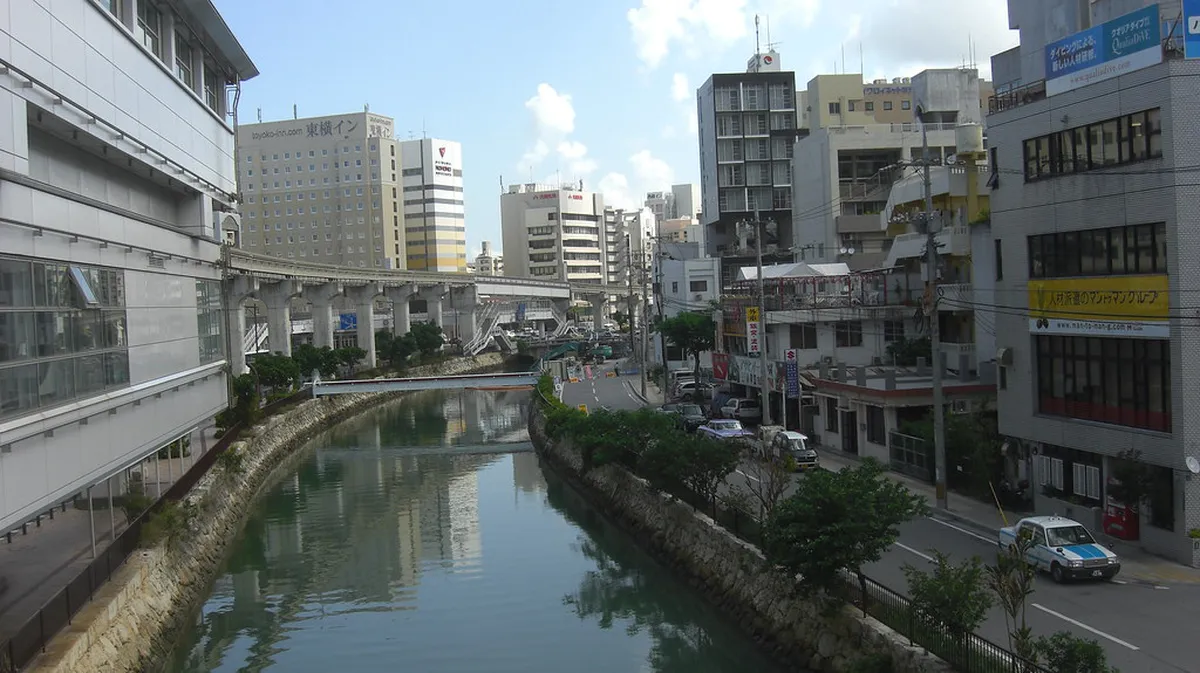
Choosing the right base in Naha depends on whether you want shopping convenience or a quieter, residential feel. The Miebashi and Makishi station areas put you within a five-minute walk of Kokusai Dori and the public market, with elevators direct to the Yui Rail platform. Our guide on where to stay in Naha compares the trade-offs in more detail.
For families wanting more space, the Asahibashi area near the cruise port offers larger room layouts and easy taxi access without the late-night noise of the main strip. The Pacific Hotel Okinawa, slightly south of the center, is popular for its 60-square-meter family rooms and outdoor pool. It sits a short ride from the major attractions and has reliable cribs available on request.
Most Okinawan hotels offer something locals call an "Eco Package" or "Eco-Plan" — a 500–1,500 yen voucher (often returned as breakfast credit or convenience-store coupons) for declining daily linen and amenity changes. It is unique to Okinawa's water-conservation push and rarely flagged in international booking sites; ask at check-in or look for a stack of green eco-cards on the bed. You can still request fresh towels at the front desk on demand. Confirm whether your hotel provides children's pajamas, slippers, and toothbrush sets — most Japanese properties include these as standard amenities, often in a kids-only welcome basket.
Naha's Best Parks and Green Spaces for Kids
When you need to burn off energy without paying admission, Naha's free parks are reliably excellent. Shintoshin Park, a 10-minute walk from the prefectural museum, has long roller slides built into the hillside, plus shaded picnic lawns and clean restrooms. It is hugely popular with local families on weekends and stays calm on weekday mornings.
Onoyama Park, near Tsubogawa Station, offers a sprawling playground, a free pool open in July and August (around 200 yen for non-residents), and shady banyan-tree paths perfect for jet-lagged early mornings. The athletic field hosts impromptu football kickabouts where visiting kids are usually waved in. Stroller paths circle the entire park.
For a quick reset between sights, Yogi Park is a five-minute walk from Asato Station and contains an elephant-shaped slide that has been a local landmark since the 1980s. The shaded benches under the gajumaru fig trees are a favorite spot to feed a crying baby or wait out a sudden afternoon shower.
Family-Friendly Dining: Where to Eat in Naha
Okinawan food is gentler on kid palates than mainland Japanese cuisine, with mild flavors and lots of pork and noodles. Soki soba (pork-rib noodle soup) is the unofficial kids' meal of the island and rarely costs more than 800 yen. Most family restaurants supply high chairs, kid cutlery, and free water without being asked.
For the best low-stress lunch, head to the second floor of Makishi Public Market, where you pick fresh fish or pork downstairs and a vendor cooks it upstairs while you sit. Coco Ichibanya curry on Kokusai Dori is a reliable backup for picky eaters and offers a half-portion mild kid plate for around 600 yen. Taco rice — an Okinawan invention combining seasoned beef, lettuce, cheese, and salsa over rice — is a near-universal hit; try Kingtacos or Mexico for the most kid-friendly version.
Convenience stores (Lawson, FamilyMart, 7-Eleven) are everywhere and stock onigiri, fresh fruit, hot chicken, and small bottled milk for around 100–250 yen — a lifesaver for breakfast on the go or late-night snacks after a long sightseeing day.
Navigating the City: Yui Rail and Taxi Tips
The Yui Rail 1-day pass (¥800 adult, ¥400 child) also unlocks small discounts at Shuri Castle and the Okinawa Prefectural Museum, so it pays for itself with just two rides. Children under six ride free. Purchase at any Yui Rail ticket machine or the airport station on arrival.
The Yui Rail monorail is the backbone of Naha's public transit and is incredibly easy to use with a stroller. Every station has elevators, and the trains offer elevated views that double as kid entertainment. A one-day pass costs 800 yen for adults and 400 yen for children; a two-day pass is 1,400/700. The pass also unlocks small discounts at Shuri Castle and the prefectural museum, so it usually pays for itself by the second ride.
Taxis in Naha are cheap for short trips and start at 600 yen for the first 1.75 km. Most drivers do not speak fluent English, so screenshot your destination in Japanese or drop a pin in Google Maps before you get in. A short hop from the market to Tsuboya costs less than a single monorail family fare.
Use this rough comparison when planning a typical day:
| Route | Yui Rail (family of 4) | Taxi | Best for |
|---|---|---|---|
| Naha Airport → Kokusai Dori | ~640 yen | ~1,500–2,000 yen | Taxi if heavy luggage |
| Kokusai Dori → Shuri Castle | ~720 yen | ~1,400 yen | Rail (great views) |
| Makishi → Tsuboya | Walk (10 min) | ~700 yen | Walk if under 30°C |
| Whole-day pass | 1,600 yen (2 adults) | n/a | Rail if 3+ trips |
Walking is the best way to find hidden alleys, but the heat can flatten kids. Stick to covered arcades near Makishi during the hottest part of the day. If you are flagging by 4 pm, the rail is air-conditioned, fast, and lets exhausted children doze on a parent's shoulder for the ride home.
Sensory-Friendly and Accessible Naha Experiences
Naha can be loud and visually busy, but the city has more pockets of calm than first-time visitors expect. Tsuboya Pottery District is significantly quieter than Kokusai Dori and offers a peaceful walking environment among low stone walls. Many local parks have informal "quiet zones" where families sit away from the main playground equipment.
If Makishi Public Market feels overwhelming, head to the outer-perimeter aisles where crowds thin out, or to the second-floor food court before the noon rush. The UNESCO Shuri Castle profile includes maps that highlight ramped routes for families with mobility needs. Shuri Castle staff can also lend wheelchairs free of charge at the main gate.
Okinawan staff are unusually patient and accommodating with neurodivergent children. Do not hesitate to ask museum desks for a quiet room when a child needs a sensory break — most major attractions have one. Noise-canceling headphones, a familiar snack, and a printed picture itinerary made the biggest difference for our family on busy afternoons.
Rainy Day and Typhoon Contingency Plans
Okinawa's tropical climate means a sunny morning can flip into a downpour by 2 pm, and full typhoons are routine between July and early October. The single most useful family hack no other Naha guide spells out: build your itinerary around two indoor "anchor" venues you can pivot to within 15 minutes of any weather alert. The Okinawa Prefectural Museum, the DMM Kariyushi Aquarium inside the iias Naha Toyosaki shopping mall (one stop on the rail past the airport), and the entire Kokusai Dori covered side-arcade network all qualify.
Typhoon season runs July through early October. Build your itinerary around two indoor "anchor" venues — the Okinawa Prefectural Museum or the DMM Kariyushi Aquarium at iias Naha Toyosaki — that you can reach within 15 minutes of any weather alert. Stock a typhoon kit (water, onigiri, medication) the moment a yellow advisory appears, as convenience stores sell out of fresh food fast.
If a typhoon warning hits Level 4 or 5, the Yui Rail and most attractions shut down with several hours' notice — check the Japan Meteorological Agency app the night before any planned day trip. Hotels with indoor pools (the Pacific Hotel and Loisir Hotel Naha) become invaluable on storm days, and most will let kids use the pool even outside posted hours during a closure.
Stock a typhoon kit in your room: 2 liters of water per person, a few onigiri from Lawson, a deck of cards, and any prescription medication. Convenience stores often sell out of fresh food in the 12 hours before a storm landfall, so do this the moment a yellow advisory appears, not after.
Top Family Day Trips from Naha
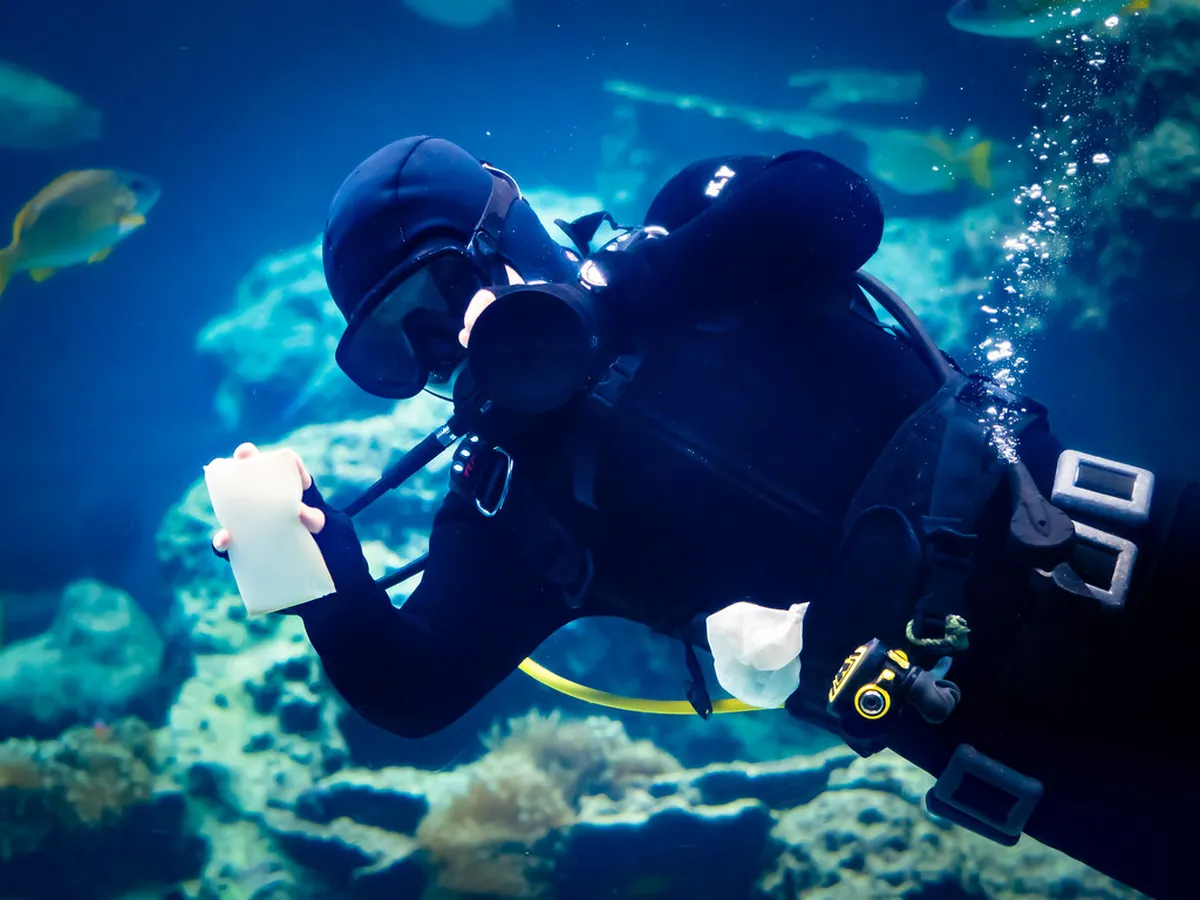
Naha makes a strong base for one or two day trips up the island. Churaumi Aquarium plus the nearby Pineapple Park is the classic full-day combo for kids under 10; budget two hours each way by shuttle bus and pack snacks. The aquarium's whale-shark tank is genuinely one of the great sights of Japan and worth the drive even on a tight schedule.
For a half-day, Senagajima Island sits 20 minutes south of Naha by taxi or bus and offers the Umikaji Terrace shopping arcade, a free hot foot bath with airport runway views, and a small protected beach for paddling. The new Senagajima Hotel Resort Spa welcomes day-pass guests at the indoor onsen for around 1,500 yen.
Northern day trips to American Village in Chatan, Cape Hedo, and the Melody Road also pair well together with a rental car. For deeper sand and snorkeling, the best beaches near Naha piece compares the most family-friendly options.
Practical Logistics and Sample Itinerary
Finding baby supplies is straightforward at any San-A or Aeon supermarket; Don Quijote on Kokusai Dori stocks Pampers and Moony diapers 24 hours. Convenience stores carry small wipe packs and emergency snacks. Pack a lightweight stroller rain cover — the tropical showers arrive faster than you can fold a hood down.
The best time to visit is the shoulder seasons: March–early May (skipping Golden Week, late April to May 5) and October–November. Avoid late July through September unless typhoon-resilient travel is your thing. For more meal ideas, our 3-day Naha itinerary sequences kid-friendly restaurants alongside the major sights.
A clean three-day rhythm that has worked for my family: Day 1 — arrival, Naminoue Beach, Kokusai Dori at sunset. Day 2 — Shuri Castle in the morning, Tsuboya pottery walk, Fukushuen Garden in the late afternoon. Day 3 — Churaumi Aquarium day trip with a Melody Road stop on the return drive. Naha is one of the safest cities in the world for families, with very low crime and helpful locals; carry small cash for traditional craft shops that still don't take cards.
Frequently Asked Questions
Is Naha walkable with a stroller?
Yes, Naha is generally stroller-friendly with wide sidewalks on main streets like Kokusai Dori. However, some back alleys in the pottery district and market are narrow or paved with uneven stones. I recommend a lightweight umbrella stroller for easier transit on the monorail.
Where can I buy diapers and baby supplies in Naha?
Major supermarkets like Aeon and San-A are the best places to find a full range of diapers and formula. You can also find emergency supplies at most neighborhood drugstores. Many convenience stores carry small travel packs of wipes for quick refills while exploring.
Is the Okinawa monorail easy to use with kids?
The Yui Rail is very family-friendly and features elevators at every single station. The trains are clean, punctual, and offer a fun elevated view of the city for children. It is much easier than navigating city buses with a stroller or large bags.
Naha offers a unique blend of island relaxation and Japanese efficiency that makes it a top-tier destination for families. By focusing on a few key attractions and using the monorail, you can see the best of the city without feeling rushed. The warmth of the Okinawan people ensures that your children will feel welcome wherever your adventures take you.
Remember to take it slow and enjoy the small details, from the Shisa statues on every roof to the taste of purple yam tarts. Whether you are exploring the ruins of Shuri Castle or splashing in the waves at Naminoue, Naha creates lasting memories. Safe travels to the beautiful island of Okinawa!
See our Naha attractions guide for the broader city overview.
For related Naha deep-dives, see our best beaches near Naha and day trips from Naha.
Free: The Naha Essentials guide
Top things to do, where to stay, a perfect day plan, getting around, and the best time to go — a Naha mini-guide you can take offline.
You might also like

Continue reading
More guides you'll find useful