Where to Stay in Naha: 10 Best Neighborhoods (2026)
Discover where to stay in Naha with our guide to the 10 best neighborhoods and boutique hotels. Includes local tips on costs, transport, and booking.
On this page
After visiting Okinawa four times in the last decade, I have learned that Naha is more than just a gateway to the islands. The city offers a vibrant blend of Ryukyu history and modern Japanese convenience that many travelers rush past too quickly. Choosing the right base is essential for balancing sunset beach walks with late-night izakaya hopping.
This guide was last refreshed in January 2026 to ensure all pricing and transport details are current. Deciding where to stay in Naha depends heavily on whether you prioritize monorail access or historical charm. I have vetted these neighborhoods to help you find the perfect match for your travel style and budget.
10 Best Neighborhoods and Must-See Naha Attractions
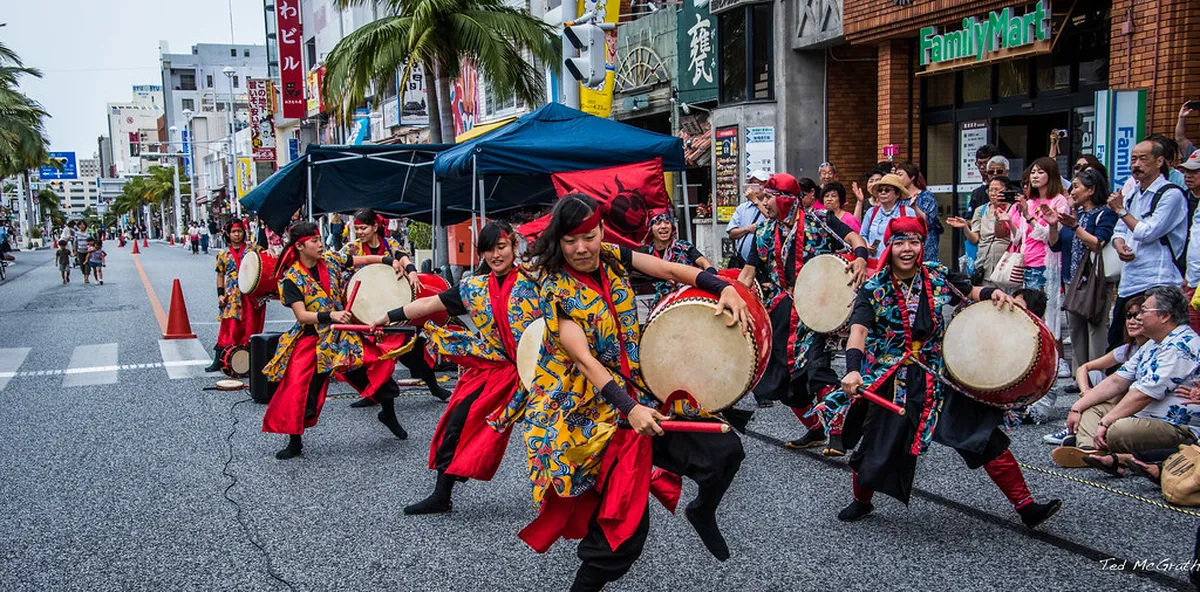
Naha is a compact city, but each district offers a distinct atmosphere for your stay. Central areas like Kokusai Dori are perfect for those who want to be in the heart of the action. Staying near the Yui Rail monorail is the smartest move for anyone without a rental car. Unlike the crowds you'd find in Tokyo, the pace here feels refreshingly manageable.
The city's history as the seat of the Ryukyu Kingdom is still visible in districts like Shuri. Meanwhile, the harbor areas provide a more industrial but modern vibe with excellent ferry connections. Each of the following ten locations provides a unique lens through which to experience Okinawa's capital.
Expect to pay between $60 and $150 per night for a mid-range hotel in these prime locations. Booking at least three months in advance is highly recommended during the peak summer months. Always check the walking distance to the nearest monorail station before confirming your reservation.
The Yui Rail monorail one-day pass costs 800 yen (around $5.30) in 2026 and covers all stations from Naha Airport to Shuri. It pays for itself after just three or four short trips and is the single best way to navigate the city without a rental car.
- Kokusai Dori International Street
- This two-kilometer stretch is the primary shopping and dining artery of the city.
- It is best for first-time visitors who want immediate access to hundreds of restaurants and souvenir shops.
- Shops typically open from 10am to 10pm daily and the area is entirely free to explore.
- Take the monorail to Kencho-mae or Makishi stations to arrive directly at either end of the street.
- Walk down the smaller side streets to find authentic local diners away from the tourist crowds.
- Shuri Castle District
- Located on a hill overlooking the city, this area houses the reconstructed royal palace grounds.
- History enthusiasts will appreciate the quiet, traditional atmosphere and the proximity to ancient stone paths.
- The park grounds open at 8:30am and adult entry to the inner sanctum costs roughly $3 to $5.
- Ride the monorail to the terminal Shuri Station and prepare for a fifteen-minute uphill walk.
- Visit the nearby Kinjo-cho Stone-Paved Path for a glimpse of pre-war Ryukyu architecture.
- Tomari Port Area
- This bustling harbor serves as the primary gateway to the Kerama Islands and other remote archipelagos.
- It is the ideal base for travelers planning multiple day trips to world-class snorkeling spots.
- Ferry schedules vary by season, so check the official port website for current departure times.
- The port is a ten-minute walk from Miebashi Station or a short taxi ride from the center.
- Stay at the Hotel Anteroom Naha Booking for incredible views of the departing ships.
- Tsuboya Pottery Street
- This charming neighborhood is famous for its traditional kilns and limestone-walled alleys.
- Art lovers can browse unique ceramics or participate in pottery workshops at local studios.
- Most galleries operate from 10am to 6pm, and the Tsuboya Pottery Museum entry is about $3.
- It is located just a five-minute walk from the south end of Kokusai Dori near Makishi.
- Look for the 'shisa' lion statues guarding the rooftops of the traditional homes here.
- Makishi Public Market
- Known as the 'Kitchen of Okinawa,' this covered market offers fresh seafood and local delicacies.
- Foodies should stay here to enjoy the lively morning energy and the second-floor dining area.
- The market is open from 8am to 9pm, though many stalls close on the fourth Sunday monthly.
- Access is easy via a three-minute walk from the Kokusai Dori main strip.
- Buy fresh fish downstairs and pay a small fee to have it cooked for you upstairs.
- Umisora Park and Naminoue
- This coastal area features the city's only swimming beach and a stunning cliffside shrine.
- It is perfect for those who want a seaside vibe without leaving the urban environment.
- The beach is free to enter and open for swimming from April through October each year.
- Getting here requires a twenty-minute walk from Asahibashi Station or a quick bus ride.
- Visit the Naminoue Shrine at sunset for the best photos of the Pacific Ocean.
- Sakaemachi Market
- By day it is a quiet produce market, but by night it becomes a retro izakaya hotspot.
- Social travelers will love the tiny bars and the chance to mingle with local residents.
- The nightlife kicks off around 6pm and continues until midnight in most of the small stalls.
- The market is located right next to Asato Station on the Yui Rail monorail line.
- Try the local goat soup if you are feeling brave enough for a traditional Okinawan challenge.
- Omoromachi New Town
- This modern district features large shopping malls, the prefectural museum, and wide boulevards.
- Families and shoppers will find the spacious hotels and department stores very convenient.
- Malls like San-A Naha Main Place are open from 9am to 10pm daily for all needs.
- Exit the monorail at Omoromachi Station to find yourself in the center of the district.
- The Okinawa Prefectural Museum is a must-visit for understanding the island's unique natural history.
- Fukushuen Garden
- This traditional Chinese garden symbolizes the historical ties between the Ryukyu Kingdom and China.
- It offers a peaceful escape with waterfalls, koi ponds, and intricate stone carvings.
- Entry is approximately $2 per adult and the garden is open from 9am to 6pm daily.
- It is a ten-minute walk from the Kencho-mae monorail station in the Kumoji area.
- Go during the autumn months to see the garden beautifully illuminated during special night events.
- Naminoue Beach Park
- This urban seaside park offers diving and snorkeling experiences right in the city center.
- It is best for active travelers who want a quick dip in the ocean between sightseeing stops.
- Access to the park is free, though rental gear for water sports will incur extra costs.
- The park is located near the Wakasa area, about a fifteen-minute walk from the monorail.
- Check the water clarity reports online if you plan to go snorkeling after heavy rain.
Exploring Shuri: Museums, Art, and Culture
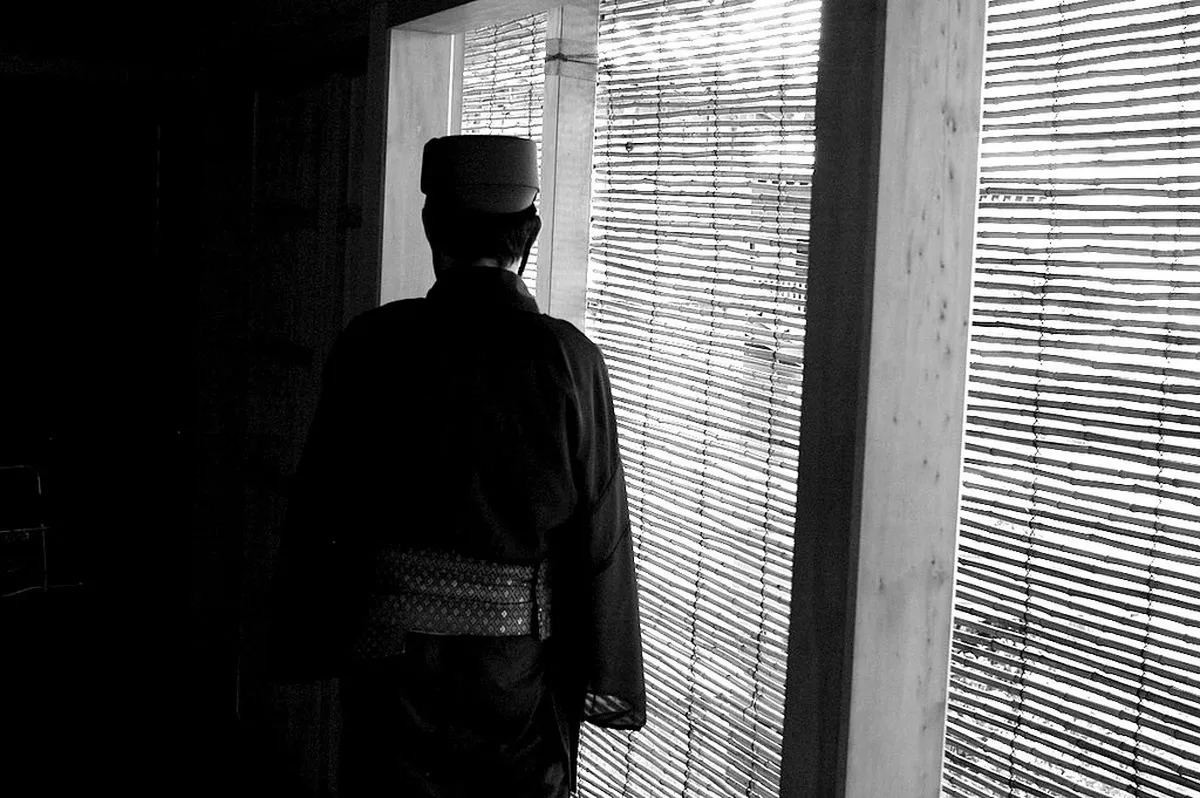
Shuri was once the capital of the Ryukyu Kingdom and it retains a regal atmosphere today. The red-tiled roofs and stone walls create a stark contrast to the neon lights of downtown Naha. Walking through this district feels like stepping back into a different era of island history.
The Shuri Castle grounds remain the centerpiece of the neighborhood despite recent restoration efforts. Beyond the castle, you can find small workshops dedicated to bingata dyeing and traditional lacquerware. These crafts are deeply rooted in the royal court traditions that once flourished here.
Visitors should allow at least half a day to explore the hidden temples and shrines nearby. The Enkakuji Temple ruins offer a quiet spot for reflection away from the main tourist paths. Most cultural sites in Shuri close by 6pm, so start your exploration early in the morning.
Shikinaen and Naha's Best Outdoor Spots
Shikinaen Garden served as the second residence for the Ryukyu kings and is a UNESCO World Heritage site. Its unique design blends Japanese landscape styles with Chinese architectural influences and local flora. The circular path around the pond provides a changing perspective of the stone bridges and pavilions.
Getting to Shikinaen requires a bus ride from the city center as it is not near the monorail. The garden is open from 9am to 5:30pm, with adult tickets priced at roughly $3 according to official records. It is often much less crowded than Shuri Castle, making it a peaceful alternative for nature lovers.
For those who prefer the ocean, Umisora Park offers a modern waterfront experience with walking trails. You can watch the large cruise ships dock while enjoying the salty breeze from the East China Sea. The park is a popular spot for local joggers and families during the cooler evening hours.
Family-Friendly and Budget-Friendly Stays in Naha
Traveling with children in Naha is surprisingly easy due to the abundance of spacious apartment hotels. Many properties near Omoromachi offer kitchenettes and laundry facilities which are essential for longer stays. Look for hotels that provide 'kids stay free' policies to keep your overall costs down.
Budget travelers should focus on the 'business hotels' located around Asahibashi and Kencho-mae stations. These rooms are often small but exceptionally clean and include basic amenities like pajamas and toothbrushes. Nightly rates for these rooms frequently fall between $40 and $70 if booked in advance.
If you are mapping a longer trip, our Naha 3-day itinerary pairs neatly with a stay near Omoromachi or Makishi. The mall has a large food court and several play areas that can save a rainy afternoon. The surrounding streets are also wider and easier to navigate with a stroller than the narrow alleys of Makishi.
Logistics: How to Plan a Smooth Naha Sightseeing Day
The Yui Rail monorail is your best friend when navigating the city without a private vehicle. It connects Naha Airport directly to the city center and the historical Shuri district in under thirty minutes. A one-day pass costs 800 yen (around $5.30) in 2026 and pays for itself after just three or four short trips.
Walking distance to the nearest Yui Rail station is the single biggest predictor of whether you will enjoy your stay. Use the table below to gauge each recommended hotel's proximity before booking, since five extra minutes in the August humidity feels much longer than it sounds. Consult a getting around Naha guide for the bus routes that fill the gaps the monorail cannot reach.
| Hotel | Nearest Yui Rail station | Walk time | Neighborhood vibe |
|---|---|---|---|
| Hotel Strata Naha | Miebashi | 2 minutes | Central, garden pool |
| OMO5 Okinawa Naha by Hoshino | Asahibashi | 3 minutes | Design-forward, near port |
| Nest Hotel Naha Kumoji | Kencho-mae | 5 minutes | Quiet business district |
| Hotel Anteroom Naha | Asahibashi | 7 minutes | Harbor view, art-forward |
| Hyatt Regency Naha | Makishi | 4 minutes | Upscale, near Kokusai Dori |
| Hotel JAL City Naha | Makishi | 1 minute | On Kokusai Dori itself |
Taxis are plentiful and relatively affordable for short hops when the monorail is too far. Most drivers do not speak fluent English, so having your destination written in Japanese is very helpful. The GO taxi app works seamlessly in Naha and shows fare estimates in English before you book.
Choosing Where to Stay in Okinawa: Area Comparison
Deciding between Naha and the northern resort areas is the most common dilemma for Okinawa travelers. Naha offers better nightlife, cheaper food, and easy access to the islands via Tomari Port. Resort areas like Onna or Nago provide private beaches and a slower pace of life for relaxation.
Staying in Naha is significantly cheaper than the luxury resorts found further north on the island. The cost gap widens fast once you factor in dining, since resort restaurants in Onna routinely charge double the price of a Naha izakaya. The table below uses 2026 nightly averages pulled from booking aggregators in shoulder season.
| Cost item | Naha (city) | Onna (resort coast) | Nago (north) |
|---|---|---|---|
| Mid-range hotel, per night | $70 to $130 | $180 to $350 | $120 to $220 |
| Dinner for two with drinks | $45 to $70 | $90 to $150 | $55 to $90 |
| Daily transport (no car) | $8 to $15 monorail | $60 plus taxis | $70 plus taxis |
| Rental car (compact, per day) | $45 | $45 (mostly required) | $45 (mostly required) |
If you want a mix of both worlds, the Okinawa Prince Hotel Ocean View is a great mid-point option. It is located just north of Naha in Ginowan, offering harbor views while remaining close to city amenities. This allows you to enjoy a resort-style pool while being a short taxi ride from Naha's best izakayas.
Before You Book: Essential Naha Hotel Tips
Japanese hotel rooms are notoriously compact, so do not be surprised by the limited floor space. Standard check-in is 3pm and check-out is 10am or 11am — most properties enforce these times strictly and charge for early arrivals. Run through the checklist below before you click confirm, because the small print on Japanese listings is rarely translated cleanly.
- Standard double rooms are 14 to 18 square meters. Anything below 14 will feel cramped with two suitcases open.
- Pajamas (called "yukata" or just "room wear"), slippers, and high-grade toiletries are provided — do not pack your own unless you have specific needs.
- Most business hotels include a coin laundry on-site, useful on trips longer than four days.
- Breakfast buffets are excellent value at 1,500 to 2,500 yen, but only if you book the bundle in advance — walk-in rates are 30 percent higher.
- Front desks accept luggage drop from 9am even if your room is not ready, so you can hit Makishi Public Market straight off the monorail.
- Onsite parking averages 1,500 yen per night and many central hotels run waitlists, so reserve a spot when you reserve the room.
One major skip-it tip is to avoid staying in the Matsuyama nightlife district if you value quiet. While the hotels there are cheap, the streets can be noisy and crowded well into the early morning. Families and light sleepers will much prefer the residential atmosphere of Shuri or the modern Omoromachi.
Standard check-in in Naha is 3pm with check-out at 10am or 11am, and most properties enforce these times strictly. August is the most crowded month with peak humidity. Avoid the Matsuyama nightlife district if you are a light sleeper — streets there can stay noisy well past midnight.
Which Naha Stay is Best? Boutique Hotel Reviews
Boutique hotels have surged in popularity in Naha, offering more personality than the standard chains. The Nest Hotel Naha Kumoji Booking is a standout for its lush greenery and modern design. It is located in the business district, making it quiet at night but close to the monorail.
Another excellent choice is Hotel Strata Naha, which features an outdoor pool and a garden-like setting. It feels like a tropical oasis despite being located right next to the busy Miebashi Station. The rooms utilize natural materials and offer a minimalist aesthetic that is very relaxing after a long day.
For those who enjoy a harbor view, Hotel Anteroom Naha combines an art gallery with a stylish hotel. Every room faces the water, providing a unique perspective on the city's maritime activity. The breakfast here is highly rated and features fresh local ingredients with a modern twist.
Nature Escapes: Visiting Yanbaru National Park
Naha serves as a surprisingly good base for exploring the wild northern forests of Yanbaru. You will need to rent a car to reach the best hiking trails and hidden waterfalls in the north. The drive from Naha to the park entrance takes approximately two hours via the Okinawa Expressway.
I recommend leaving Naha by 7am to beat the traffic and maximize your time in the forest. Check the weather forecast carefully, as the northern mountains receive much more rain than the southern coast. Stop at the 'Michi-no-Eki' rest areas along the way for local snacks and clean facilities.
Many travelers use day trips from Naha to see the Hedo Misaki cape. The dramatic cliffs at the northernmost tip of the island offer some of the best views in the prefecture. Always carry enough cash for tolls and small local shops that may not accept international credit cards.
Budget Guide: Cost of Travel in Okinawa
Okinawa is generally more affordable than Tokyo or Osaka, especially when it comes to dining. A hearty bowl of Okinawa Soba typically costs between $6 and $9 at a local neighborhood joint. Dinner at a mid-range izakaya with drinks will usually run about $25 to $40 per person.
Transportation costs are manageable if you stick to the monorail and local buses within the city. Renting a small car costs around $50 to $70 per day, plus gas and expressway tolls. Budgeting $100 per day per person (excluding accommodation) allows for a very comfortable experience.
You can find many free things to do, such as visiting Naminoue Beach or wandering the markets. Walk Kokusai Dori after dinner and detour into Naha nightlife alleys like Sakaemachi for the best-value local meals. Using a travel card like Suica or Pasmo makes paying for the monorail and convenience stores seamless.
Frequently Asked Questions
Which Naha boutique hotel are you booking?
I highly recommend Hotel Strata Naha for its central location and beautiful pool. It offers a resort feel while being steps from the monorail. The design is modern and reflects the natural beauty of Okinawa.
Is Naha worth staying in for a whole week?
Yes, Naha is a perfect base for exploring the southern and central parts of the island. You can easily take ferries to nearby islands or drive north for nature. The city's food scene is diverse enough for a long stay.
What should travelers avoid when planning where to stay in Naha?
Avoid staying far from the Yui Rail if you do not have a rental car. Walking in the summer heat can be exhausting and taxis add up quickly. Also, skip the Matsuyama district if you prefer a quiet night's sleep.
Naha is a city of layers, where ancient Ryukyu traditions meet the convenience of modern Japan. Whether you choose the bustling streets of Kokusai Dori or the quiet hills of Shuri, you will find a warm welcome. The key to a successful trip is balancing your time between urban exploration and Okinawa island adventures.
I hope this guide helps you decide exactly where to stay in Naha for your 2026 vacation. Remember to book early and keep an open mind as you explore the unique flavors of Okinawa. Safe travels and enjoy the incredible island hospitality that makes this prefecture so special.
Free: The Naha Essentials guide
Top things to do, where to stay, a perfect day plan, getting around, and the best time to go — a Naha mini-guide you can take offline.
You might also like

Continue reading
More guides you'll find useful