

8 Best Areas to Stay in Yokohama (2026)
Planning a trip to Japan? Discover where to stay in Yokohama with our guide to the 8 best areas, from Minato Mirai to Chinatown, updated for 2026.
On this page
After five trips to Yokohama, I have learned that the right base depends almost entirely on whether you prioritize harbor views, Shinkansen access, or cheap eats. Hotel rooms here are typically 15 to 25 percent cheaper than equivalent stays in Shinjuku, and you still reach Tokyo Station in under 30 minutes by Tokaido Line. For more context on Kamakura day trips from Yokohama, see our Kamakura guide.
This guide was refreshed in May 2026 after the spring hotel openings and the latest Minatomirai Line schedule update. Skip the far northern suburbs of Tsurumi and Kohoku unless you have business there; the commute eats into both your day and your Suica balance. The eight districts below all sit on direct rail lines into the bay.
Quick Guide: Which Yokohama Area Is Right for You?
The five areas most travelers choose between are Minato Mirai, Yokohama Station, Kannai/Yamashita Park, Shin-Yokohama, and Chinatown. Each pairs a different vibe with a different commute time to Tokyo, so think about whether you value sightseeing on foot or Shinkansen efficiency.
| Area | Vibe | Tokyo Station transit time | Best for |
|---|---|---|---|
| Minato Mirai 21 | Modern waterfront, harbor views | ~35 min | First-timers, couples, photographers |
| Yokohama Station | Transit hub, department stores | ~25 min (JR Tokaido) | Shoppers, day-trippers |
| Kannai & Yamashita Park | Historic, seafront promenade | ~35 min (JR Keihin-Tohoku) | Repeat visitors, walkers |
| Shin-Yokohama | Business, Shinkansen terminal | ~18 min (Shinkansen) | Early Nozomi departures |
| Chinatown | 600+ restaurants, colorful gates | ~40 min | Food-focused stays |
- Minato Mirai 21 — Modern waterfront with skyline views. Best for first-timers, couples, photographers. Tokyo Station in 35 minutes via Minatomirai + Tokyu Toyoko Line.
- Yokohama Station — Transit hub with department stores. Best for shoppers and travelers using multiple rail lines. Tokyo Station in 25 minutes via JR Tokaido.
- Kannai & Yamashita Park — Historic streets and harbor promenade. Best for repeat visitors and walkers. Tokyo Station in 35 minutes via JR Keihin-Tohoku.
- Shin-Yokohama — Tokaido Shinkansen terminal. Best for travelers continuing to Kyoto, Osaka, or Hiroshima. Tokyo Station in 18 minutes via Shinkansen.
- Chinatown (Chukagai) — Largest Chinatown in Japan, hundreds of food stalls. Best for food-focused trips and short stays. Tokyo Station in 40 minutes via Minatomirai + Toyoko Line.
If you are still torn between cities, our Yokohama vs Tokyo comparison breaks down the cost and commute trade-offs in more depth. For most first-time visitors with three or more nights in the region, basing in Yokohama and day-tripping into Tokyo is the cheaper, calmer choice.
Hotel rooms in Yokohama are typically 15 to 25 percent cheaper than equivalent stays in Shinjuku, and you can reach Tokyo Station in under 30 minutes by Tokaido Line. From Haneda Airport, the Keikyu Airport Line runs every 8 to 12 minutes to Yokohama Station in just 25 minutes for 370 yen.
Minato Mirai 21: The Modern Waterfront Experience
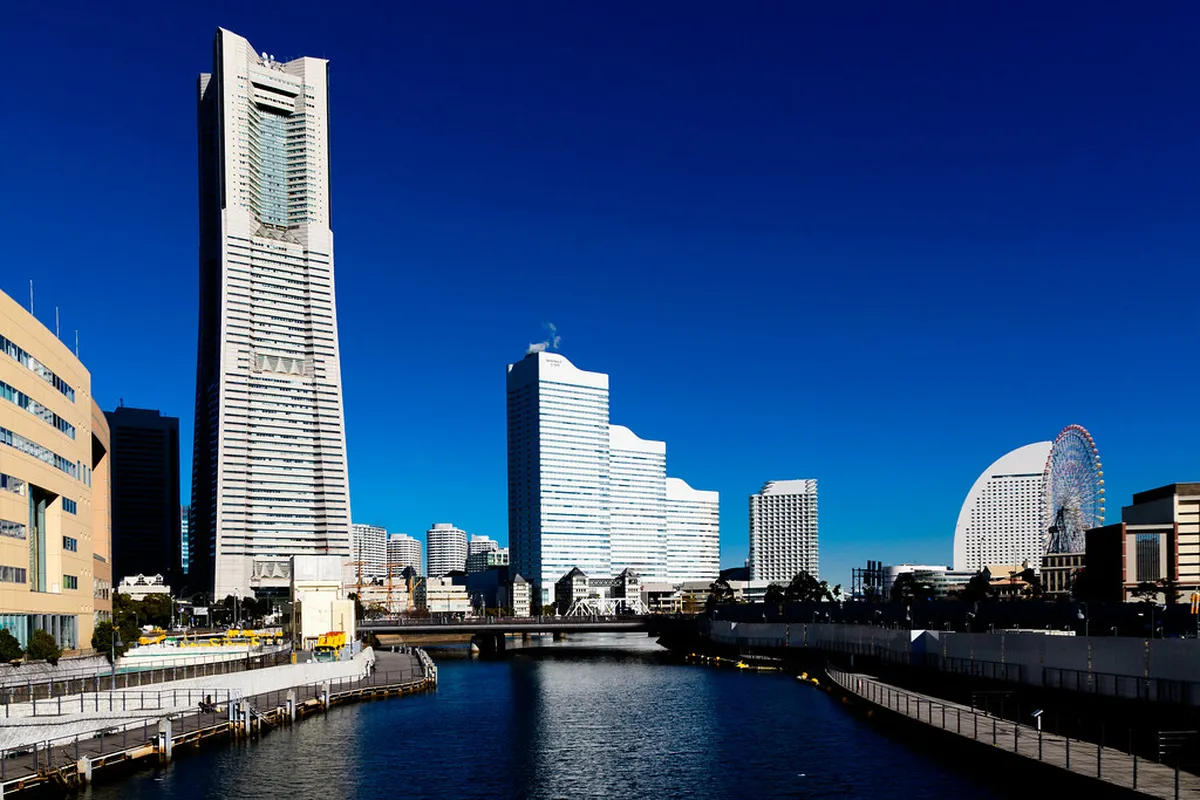
Minato Mirai 21 is the postcard Yokohama: Landmark Tower, the Cosmo Clock Ferris wheel, and a bay-front promenade lit up after dark. Most attractions open daily from 10:00 to 20:00, with entry fees between 800 and 2,000 yen.
The Westin Yokohama and Hilton Yokohama opened in 2022 and 2023 respectively on the inland side of the district, while the InterContinental Yokohama Grand still owns the sail-shaped silhouette right on the pier. Book a north-facing room above the 20th floor for unobstructed Ferris wheel views.
Access is via Minatomirai Station on the Minatomirai Line, or a 10-minute walk from Sakuragicho Station on the JR Negishi Line. Our Yokohama Minato Mirai guide covers the museums, the Cup Noodles Museum on adjacent Shinko Island, and the Air Cabin gondola in detail.
Yokohama Station Area: The Ultimate Transport Hub
Yokohama Station is the busiest interchange in Kanagawa Prefecture, connecting six rail operators including JR East, Tokyu, Keikyu, Sotetsu, and the Minatomirai Line. If you plan day trips to Kamakura, Hakone, or Tokyo on different days, this is the most efficient base.
The downside is that the immediate streets lack character. Expect office workers, department stores, and underground food halls open until 21:00 rather than nightlife or sightseeing. JR-East Hotel Mets Yokohama is the obvious pick for direct station access without crossing a road.
Sotetsu Fresa Inn and Daiwa Roynet sit on the quieter east side and run around 12,000 to 16,000 yen per night for a double room in 2026. Both connect to the station via covered walkways, useful in the June rainy season.
Kannai and Yamashita Park: Historic Charm and Bay Views
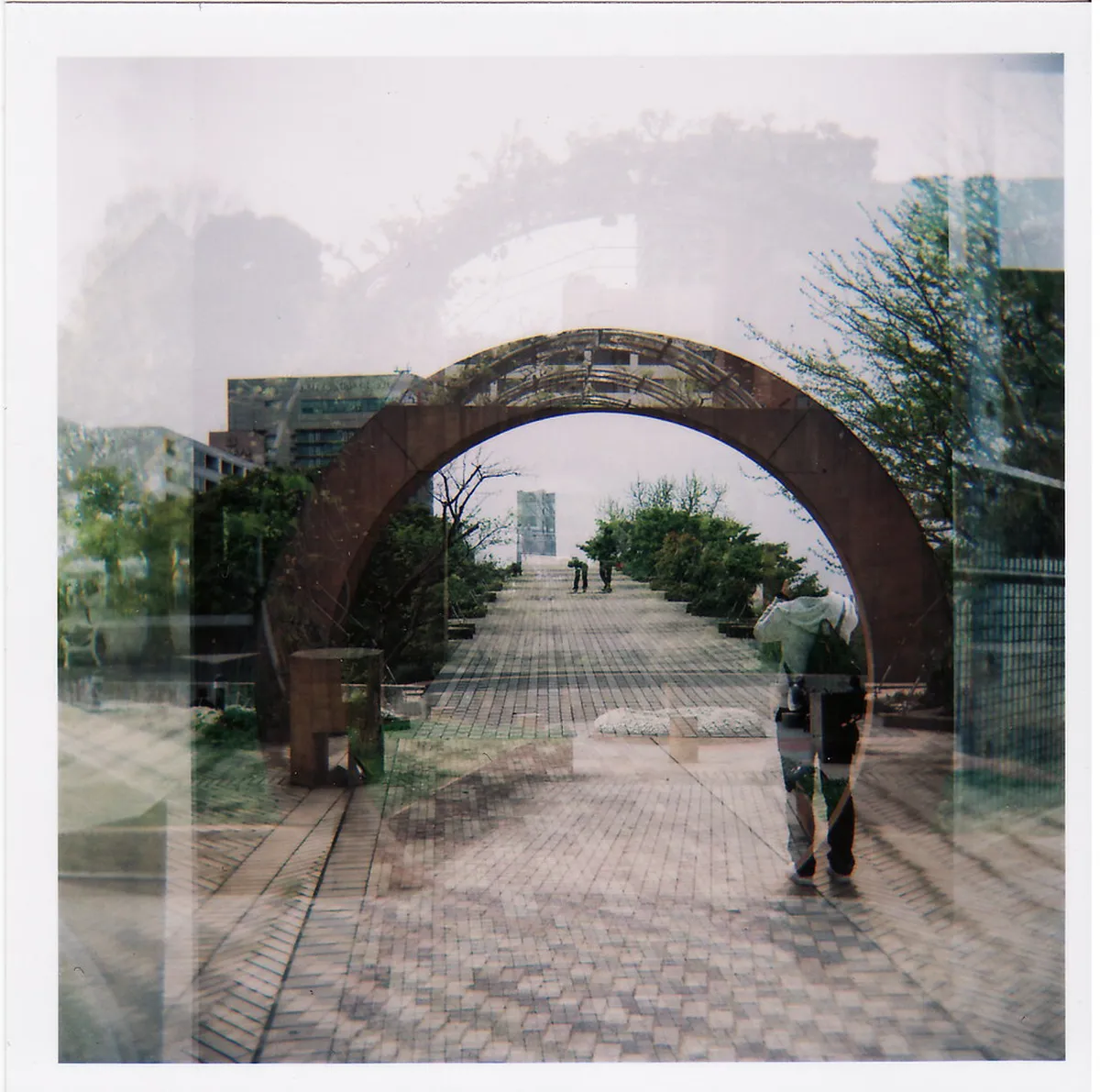
Kannai is the old commercial heart of the city, filled with grand Western-style government buildings from the 1920s, izakaya alleys near Bashamichi, and Yokohama Stadium where the DeNA BayStars play from April through October. Walking the streets is free, and the area quiets down after office hours.
One block toward the bay, Yamashita Park stretches along a kilometer of seafront promenade. The 1930s NYK Hikawa Maru ocean liner is now a museum docked at the park (entry 300 yen, closed Mondays), and the Sea Bass water taxi from the pier reaches Minato Mirai in 15 minutes for 800 yen.
The Hyatt Regency Yokohama on Bashamichi and Hotel New Grand (a 1927 classic that hosted General MacArthur) are the standout stays here. Reach the area via Kannai Station on the JR Negishi Line or Nihon-odori on the Minatomirai Line.
Shin-Yokohama: Convenience for Shinkansen Travelers
Shin-Yokohama sits about 6 kilometers north of the harbor and exists almost entirely because the Tokaido Shinkansen stops here. If you have an early Nozomi to Kyoto or a late return from Osaka, this is the only base that saves you a 15-minute transfer at 06:00.
The Shin-Yokohama Ramen Museum is the area's main sight, with nine regional ramen shops in a recreated 1950s street set (entry 450 yen). Beyond that, expect a business-district feel.
Stay at the Hotel Associa Shin-Yokohama for direct station access, or the Shin-Yokohama Prince Hotel for cheaper rates and a panoramic top-floor bar. The Blue Line subway reaches Yokohama Station in 11 minutes, so day-tripping into the harbor is still easy.
Chinatown and Yamate: Cultural Immersion and Quiet Streets
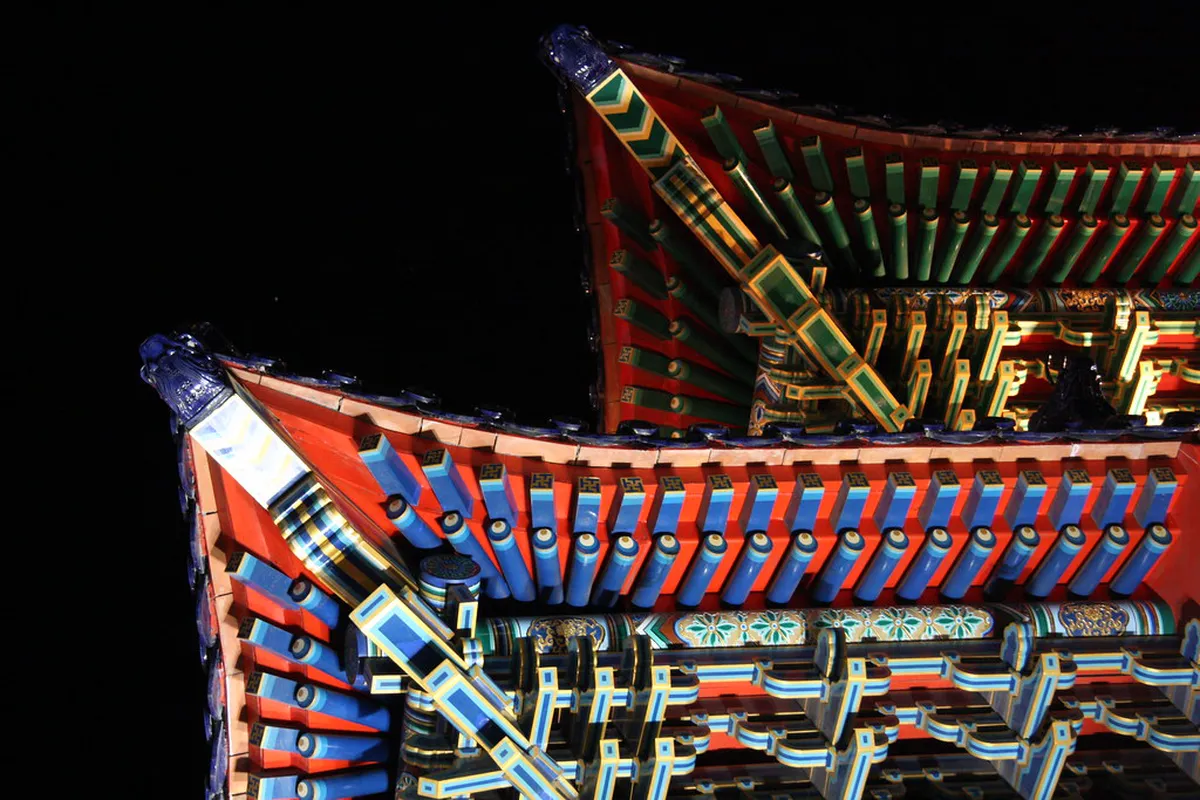
Yokohama Chukagai is the largest Chinatown in Japan, with more than 600 restaurants packed inside ten colorful gates. Shops open by 10:00 and stay busy until 21:00; the Kanteibyo Temple and Masobyo Temple are worth a morning visit before the lunch tour buses arrive.
Budget rooms at Rose Hotel Yokohama or Hotel Mystays Yokohama Kannai sit inside the Chinatown gates and run 9,000 to 14,000 yen a night in shoulder season. Use Motomachi-Chukagai Station on the Minatomirai Line — it is the last stop and exits directly into the district.
Walk south uphill and you reach Yamate, the 19th-century foreign settlement with preserved Western residences, the Yokohama Doll Museum (400 yen, closed Mondays), and the Foreigners' Cemetery overlooking the bay. There are few hotels in Yamate itself, so most travelers sleep in Chinatown and walk up for a quiet morning.
Getting Here from Haneda and Narita Airports
This is the angle most competitor guides skip, and it matters because Yokohama is not a Shinkansen stop on the way in from the airport — you have to choose the right limousine bus or train. From Haneda (HND), the Keikyu Airport Line runs every 8 to 12 minutes to Yokohama Station in 25 minutes for 370 yen. The Airport Limousine Bus goes directly to Minato Mirai hotels in about 35 minutes for 760 yen, useful with heavy luggage.
From Narita (NRT), the Narita Express (N'EX) runs every 30 to 60 minutes to Yokohama Station in 90 minutes for around 4,370 yen reserved. The N'EX is covered by the Japan Rail Pass. The Airport Limousine Bus to Yokohama City Air Terminal next to Yokohama Station takes 90 to 120 minutes for 3,700 yen and is the easiest option with a stroller or oversized bags.
If you are heading to Shin-Yokohama from either airport, transfer at Yokohama Station to the JR Yokohama Line (10 minutes, 170 yen) or the Blue Line subway (11 minutes, 250 yen). Travelers continuing to Kyoto the same day can store luggage in the Shin-Yokohama Shinkansen-side lockers (700 to 900 yen) rather than dragging it through the harbor.
Luxury Spotlight: The Kahala and Hyatt Regency Yokohama
The Kahala Hotel & Resort Yokohama opened in 2020 as the first international outpost of the Honolulu original — chosen because Osanbashi Pier was the departure point for tens of thousands of Japanese migrants to Hawaii starting in 1885. The hotel sits on the Bund near the pier with rooms from 60,000 yen and the same dolphin-motif aesthetic as Oahu.
The Hyatt Regency Yokohama on Bashamichi pairs a 1929 Yokohama Specie Bank facade with a modern tower — a quietly elegant choice if you want luxury without the Minato Mirai crowds. The Westin and Hilton in central Minato Mirai are newer (2022–2023) and have larger family rooms with two queen beds, rare in Japan.
Pair any of these with a meal in Chinatown — our Yokohama food guide maps out shoyu ramen, Cantonese banquet halls, and the city's iekei ramen tradition.
Booking Essentials: HAnavi Bundles and Room Occupancy
Two booking quirks trip up first-time visitors to Japan. First, the "No. of Participants per room" field on Japanese reservation systems
The second weekend of August (port fireworks), late March (cherry blossoms at Yokohama Park), and the December Christmas Market book out two to three months ahead. HAnavi flight-plus-hotel bundles offered by ANA and JAL are only available to people with a Japanese address or Japan-issued credit card — international travelers should use Booking.com or Agoda directly.
Second, if you are flying domestically inside Japan (say from Fukuoka or Sapporo to Haneda), HAnavi flight-plus-hotel bundles via ANA or JAL package up to 35 percent off the walk-up rate on Minato Mirai properties. The catch is they only sell to people with a Japanese address or a Japan-issued credit card; international travelers should use Booking.com or Agoda directly instead.
For dates, the second weekend of August (port fireworks), late March (cherry blossoms at Yokohama Park), and the December Christmas Market book out two to three months ahead. Off-peak rates from mid-January to mid-March are 30 percent cheaper. See best time to visit Yokohama for a month-by-month breakdown, and the Yokohama attractions hub to plan around your hotel.
Use our Yokohama attractions hub to plan the rest of your trip, and the Yokohama itinerary if you only have two days. For getting between cities, see how to get to Yokohama from Tokyo.
Frequently Asked Questions
Is it better to stay in Yokohama or Tokyo?
Yokohama is often better for travelers seeking more space and lower hotel prices. It offers a relaxed coastal vibe while remaining just thirty minutes from central Tokyo by train. This makes it an excellent base for families or long-term visitors.
Which area in Yokohama is best for families?
Minato Mirai is the top choice for families due to its pedestrian-friendly streets and numerous kid-friendly attractions. The area features large parks, interactive museums, and spacious Western-style hotel rooms. It also provides easy access to the waterfront promenade.
Is it worth staying near the Shin-Yokohama Shinkansen station?
Staying near Shin-Yokohama is highly recommended if you have an early morning bullet train to Kyoto or Osaka. While it is further from the main harbor sights, the subway connects you to the city center in minutes. It is a practical choice for transit efficiency.
Yokohama offers a diverse range of neighborhoods that cater to every type of traveler in 2026. From the futuristic skyline of Minato Mirai to the historic charm of Yamate, your choice of base will shape your experience. Consider your transit needs and desired atmosphere before making a final reservation.
We recommend booking at least three months in advance for the best rates and harbor views. No matter where you stay, the city's efficient train network ensures that all the major sights remain within easy reach.
Free: The Yokohama Essentials guide
Top things to do, where to stay, a perfect day plan, getting around, and the best time to go — a Yokohama mini-guide you can take offline.
You might also like


Continue reading
More guides you'll find useful


