

How to Get to Yokohama from Tokyo: Complete Transport Guide
Discover how to get to Yokohama from Tokyo with our guide. Compare train lines, prices, and travel times to navigate Japan's second-largest city with ease.
On this page
Last updated 2026. I have traveled between these two cities dozens of times while exploring the Kanto region, and the trip is genuinely one of the simplest in Japan once you understand which company runs which line. Planning a yokohama day trip from tokyo takes more time choosing where to eat in Chinatown than working out the train.
I once boarded the Shinkansen to Shin-Yokohama by mistake when I wanted the harbor area, paid five times the fare, and still had to transfer to reach Minato Mirai. This guide is built around avoiding that exact mistake. You can find more expert advice on the Japan Activity blog for the rest of your itinerary.
Quick answer: from Tokyo Station the JR Tokaido Line reaches Yokohama in 25 minutes for ¥480 (~$3.20). From Shibuya, the Tokyu Toyoko Line is cheapest at ¥280 (~$1.90) and drops you a few steps from the Minato Mirai subway. JR Pass holders should ride any JR line and skip the Shinkansen unless they specifically want Shin-Yokohama.
Access from Tokyo: Best Train Lines and Routes
If you are traveling from Shibuya or anywhere along the Tokyu Toyoko Line, buy the Minato Mirai Ticket instead of paying a separate fare. The 2026 price from Shibuya is around ¥920 — it bundles a round-trip Tokyu Toyoko fare with unlimited Minato Mirai Line rides for the day, which breaks even after three subway hops.
Choosing the right line depends entirely on your starting hub in Tokyo, not on which line is theoretically fastest. The JR Tokaido Line and JR Yokosuka Line both depart from Tokyo Station and reach Yokohama in 25 to 30 minutes for ¥480 (~$3.20). The Keihin-Tohoku Line runs the same corridor with more stops, so use it only if you are boarding at Akihabara, Ueno, or Kanda. For deeper context, see the JR East Tokaido Line.
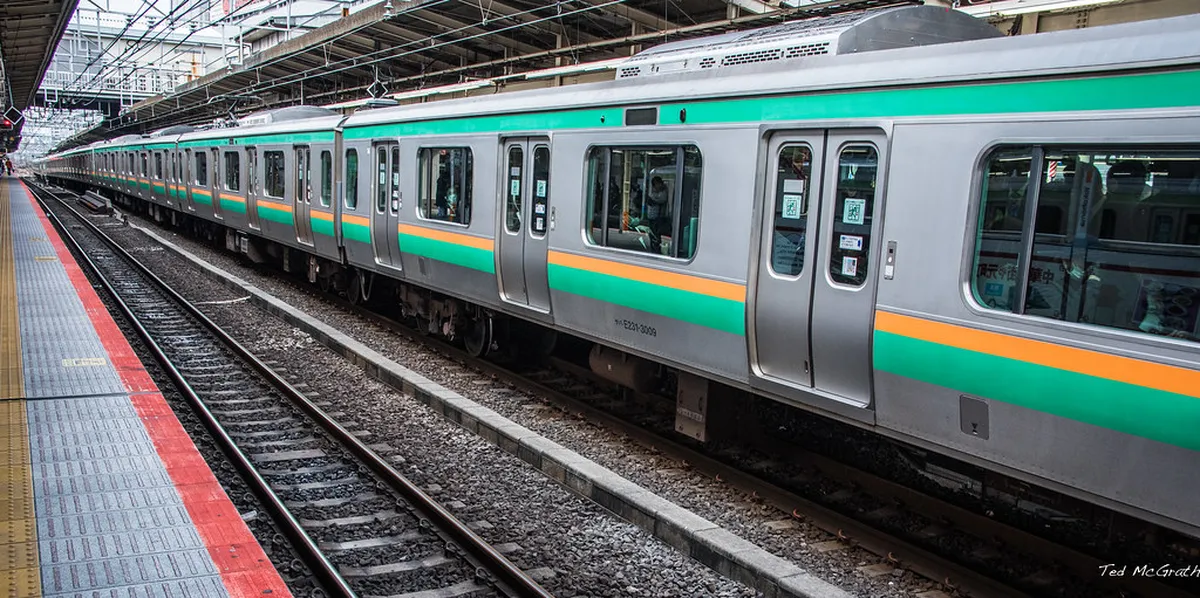
From Shibuya, the Tokyu Toyoko Line is the cheapest option at ¥280 (~$1.90). The Limited Express (Tokkyu) takes about 27 minutes and through-runs onto the Minato Mirai Line, so you can stay seated all the way to Motomachi-Chukagai for Chinatown. Avoid local (futsu) services unless you have time to kill. From Shinjuku or Ikebukuro, the JR Shonan-Shinjuku Line runs direct in roughly 35 minutes for ¥570 (~$3.80). From Shinagawa, the Keikyu Main Line covers the trip in 17 minutes for ¥310 (~$2.10).
Here is a quick decision matrix for 2026 fares and times:
| Line | Departs From | Time | Fare | JR Pass? |
|---|---|---|---|---|
| JR Tokaido / Yokosuka | Tokyo Station | 25–30 min | ¥480 | Yes |
| Tokyu Toyoko (Limited Express) | Shibuya | 27–35 min | ¥280 | No |
| JR Shonan-Shinjuku | Shinjuku | 32–40 min | ¥570 | Yes |
| Keikyu Main Line | Shinagawa | 17–22 min | ¥310 | No |
| Tokaido Shinkansen | Tokyo Station | 18 min (+ local transfer) | ¥1,440 | Yes |
- JR Tokaido / Yokosuka (Tokyo Station to Yokohama): 25-30 min, ¥480, JR Pass covered, every 5-10 min.
- Tokyu Toyoko (Shibuya to Yokohama): 27-35 min, ¥280, not covered by JR Pass, through-runs to Minato Mirai.
- JR Shonan-Shinjuku (Shinjuku to Yokohama): 32-40 min, ¥570, JR Pass covered, every 15-20 min.
- Keikyu Main Line (Shinagawa to Yokohama): 17-22 min, ¥310, not covered by JR Pass, every 5 min.
- Tokaido Shinkansen (Tokyo to Shin-Yokohama): 18 min, ¥1,440 non-reserved (~$9.60), JR Pass covered — but you still need a local transfer to reach downtown.
Which line should you actually take? If you have a JR Pass, the Tokaido Line is free and fastest. If you are paying out of pocket and starting in Shibuya or Naka-Meguro, the Tokyu Toyoko wins on price and lands you directly under Minato Mirai. The Shinkansen rarely makes sense for tourists — it is faster city-to-city but the Shin-Yokohama transfer eats your time saving. Tap a Suica or Pasmo IC card at any gate and the system fares you automatically.
Yokohama Station vs Shin-Yokohama: Don't Get Confused
Shin-Yokohama is the Shinkansen station — it sits 6 km inland from the harbor and requires an extra ¥210 transfer to Yokohama Station. Most tourist attractions are near Yokohama Station, not Shin-Yokohama. Do not board the Shinkansen for Yokohama unless you specifically need Shin-Yokohama.
This is the single most common mistake first-time visitors make, and the Shinkansen makes it easy to fall into. Shin-Yokohama is the bullet-train station and sits 6 km inland from the harbor. Yokohama Station is the downtown hub used by every JR commuter line, the Tokyu Toyoko, and the Sotetsu — it is where you actually want to be for shopping, Minato Mirai, and onward subway connections.
If your itinerary brings you in by Shinkansen, budget an extra 10-15 minutes and ¥210 (~$1.40) for the connection. The JR Yokohama Line runs from Shin-Yokohama to Yokohama Station every few minutes and is JR Pass eligible. Alternatively, the Yokohama Municipal Subway Blue Line connects Shin-Yokohama to Sakuragicho and Kannai, which is more useful if you are heading directly to Minato Mirai's western edge or the stadium district.
One detail competitor guides skip: if you stash a suitcase at Shin-Yokohama, the JR coin lockers near the Shinkansen gates fill up fast on weekends. The Kannai-side lockers at Yokohama Station are larger and consistently available, so it is usually worth carrying your bag the extra ten minutes.
Access from Haneda and Narita Airports
Reaching Yokohama from Haneda is fast and cheap. The Keikyu Airport Line runs direct Airport Limited Express trains to Yokohama Station in 25 minutes for ¥370 (~$2.50). Trains leave every 10 minutes from roughly 05:30 to 23:30. There is no faster option, and no reason to detour through central Tokyo first.
Narita is the harder airport because of distance. The JR Narita Express (N'EX) runs direct to Yokohama Station in about 90 minutes for ¥4,370 (~$29.00) reserved, and the trip is fully covered by the JR Pass. If you do not have a pass and you have heavy luggage, the Airport Limousine Bus is a sensible alternative at roughly ¥3,700 (~$25.00) and drops you at major Minato Mirai hotels including the InterContinental and Sheraton. Travel time is 90-120 minutes depending on traffic.
Train versus bus from Narita is a real trade-off. The bus is door-to-door and you never lift your bag onto a luggage rack, but it can be 30 minutes slower in evening traffic. The N'EX is reliable and air-conditioned, but Yokohama Station's distance from your hotel may add another 15 minutes by taxi. For solo travelers I default to N'EX; for families with strollers I default to the limousine bus. The Yokohama Official Visitors Guide publishes the latest bus timetable.
Reaching Yokohama from Other Parts of Japan
From Kyoto, the Tokaido Shinkansen Nozomi reaches Shin-Yokohama in just under 2 hours for about ¥13,500 (~$92.00) reserved. The Hikari adds roughly 25 minutes and is the JR Pass holder's option, since Nozomi is not pass-eligible. After arrival, the JR Yokohama Line or Municipal Subway Blue Line completes the transfer to Yokohama Station downtown.
From Osaka, take the Shinkansen from Shin-Osaka along the same Tokaido route. Hikari trains run the trip in 2 hours 40 minutes; Nozomi cut it to 2 hours 10 minutes. Many travelers building a Tokyo-Kyoto-Osaka loop wisely break the journey in Yokohama for a night to ease into Tokyo. From Nagoya, the Hikari takes about 1 hour 25 minutes and remains the most efficient option.
From the north, travelers on the Tohoku Shinkansen change at Tokyo Station for any Yokohama-bound JR local line — there is no through-service, but the transfer is across the platform. From Hokkaido, plan a full day of travel or fly into Haneda and connect on the Keikyu Line.
Getting Around Yokohama City: Local Transport
Once you arrive, the yokohama minato mirai guide area is genuinely walkable — most major attractions sit within a 2 km arc of Sakuragicho Station. The Minato Mirai Line is the spine of tourist transport, running every 4-8 minutes from Yokohama Station to Motomachi-Chukagai. A single ride is ¥190-¥230 (~$1.30-$1.55). The one-day Minato Mirai Line Pass at ¥460 (~$3.10) pays off after three rides.
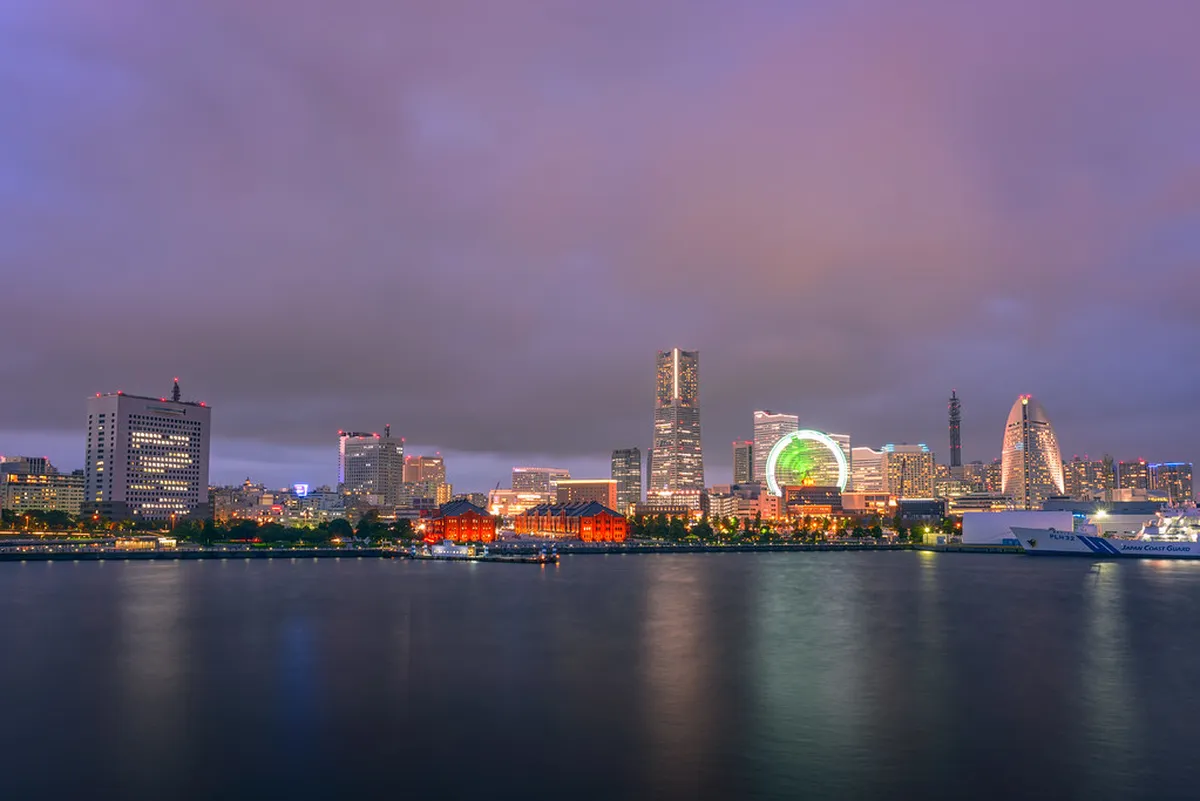
The Sea Bass water bus is the most scenic option and the one most competitor guides skim over. It departs from Yokohama Station's east side every 15-20 minutes and stops at the Minato Mirai pier (near Pukari Sanbashi), the Red Brick Warehouse, and Yamashita Park. The full Yokohama Station to Yamashita Park ride costs ¥700 (~$4.70) and takes 15 minutes — faster than the equivalent walk and far more photogenic. Buy tickets at the dockside vending machine; IC cards are not accepted on the boat.
The Akai Kutsu (Red Shoes) Loop Bus is the sightseer's bus, looping between Sakuragicho Station, the Red Brick Warehouse, Chinatown, and Yamashita Park. Fares are a flat ¥220 (~$1.50) per ride, or ¥500 (~$3.40) for an all-day pass. Buses run every 20-30 minutes between 10:00 and 18:00 on weekdays, more often on weekends. Pay the driver in cash or tap a Suica/Pasmo on board. Use this to reach the yokohama chinatown guide district without backtracking through the subway.
The Minato Mirai Ticket: A Combo Pass Worth Knowing
If you are coming from Shibuya or anywhere along the Tokyu Toyoko Line, the Minato Mirai Ticket is the savings tool no competitor article explains properly. It bundles a round-trip Tokyu Toyoko fare with unlimited rides on the Minato Mirai Line for the day. From Shibuya, the 2026 price is around ¥920 (~$6.20) for adults — compared with ¥560 for the round-trip alone plus typically ¥600-¥800 for subway hops once you arrive.
Buy the ticket at any Tokyu Toyoko Line ticket vending machine before boarding. Choose English, then "Discount Ticket," then "Minato Mirai Ticket." Keep the magnetic paper ticket — you tap it through every gate, not your IC card. This is essentially a free day of Minato Mirai subway use bundled with the train you were already going to take.
Must-See Yokohama Attractions
Yokohama's signature attractions cluster in Minato Mirai and the harbor — see our broader yokohama attractions guide for the full list. Landmark Tower's Sky Garden observatory on the 69th floor offers panoramic views of Tokyo Bay and, on clear winter mornings, Mount Fuji on the horizon. Admission is ¥1,200 (~$8.10) and the elevator is among the fastest in the world.
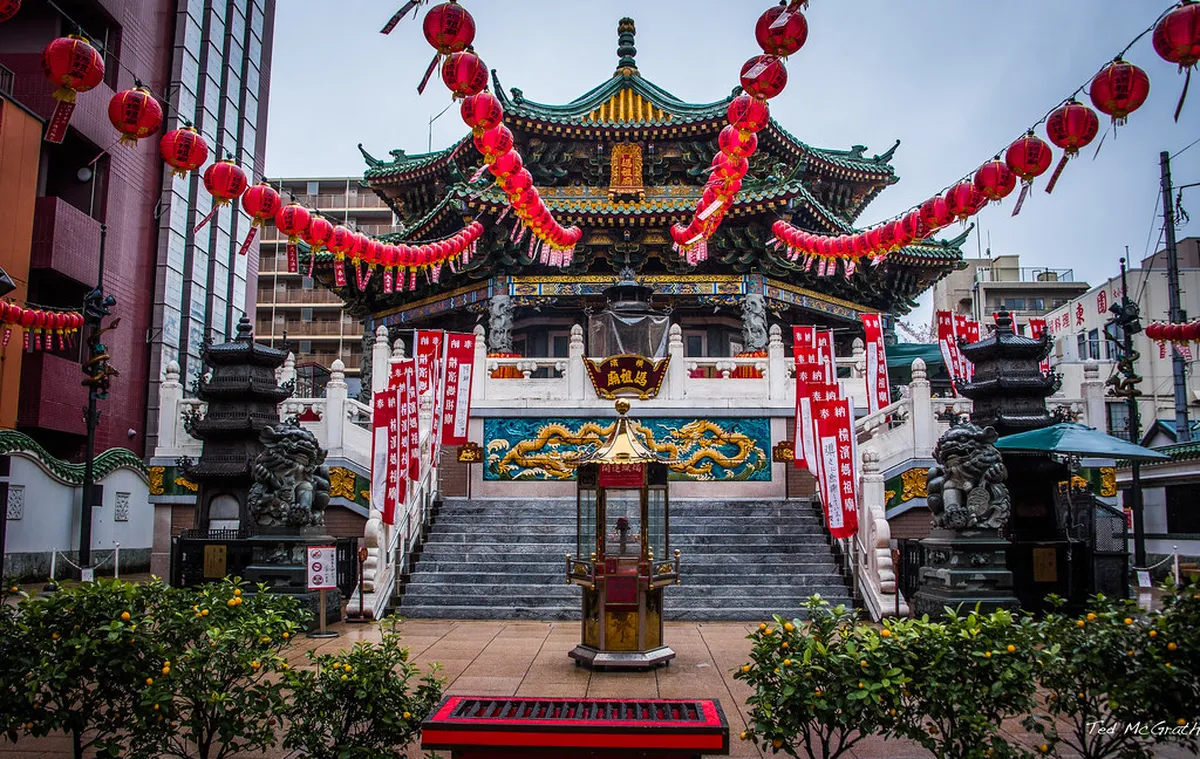
The Red Brick Warehouse (Aka Renga Soko) houses two restored Meiji-era buildings now filled with boutique shops and cafes — entry is free and the surrounding waterfront plaza hosts seasonal events including the Christmas Market and Oktoberfest. Across the harbor, Yokohama Chinatown is the largest in Japan, packed with 600+ businesses serving everything from steamed buns (around ¥500) to full Cantonese banquets. The streets glow with lanterns after dusk, which is the best time to visit.
Cosmo World's giant Ferris wheel, the Cosmo Clock 21, doubles as Minato Mirai's most recognizable landmark and clocks in at 112 m tall. A single ride costs ¥900 (~$6.10) and the 15-minute loop offers harbor views at sunset that rival any rooftop bar.
Museums, Art, and Culture in Yokohama
Yokohama punches above its weight on museums, and most are clustered close to Minato Mirai or Yamashita Park. The Cup Noodles Museum is the best-known and unmissable for families: ¥500 admission gets you in, and the My Cup Noodles Factory workshop (¥500 extra) lets you design a packet to take home. Book the workshop slot online or first thing on arrival because weekend slots sell out by noon.
The Yokohama Museum of Art reopened in 2025 after major renovation and now anchors the city's contemporary art scene with rotating exhibitions and a strong permanent collection of 20th-century Japanese and Western works (¥1,500). The Shin-Yokohama Ramen Museum traces ramen from its Chinese origins through nine working restaurants inside a recreated 1958 Tokyo streetscape — admission ¥450 with bowls priced ¥600-¥1,100 each. Maritime fans should add the Hikawa Maru, a 1930 ocean liner moored at Yamashita Park (¥300), and the Mitsubishi Minatomirai Industrial Museum for interactive aviation and shipbuilding exhibits (¥500).
Parks, Gardens, and Outdoor Spots
Yamashita Park is the city's waterfront ribbon, stretching 750 m along Yokohama Bay between the Red Brick Warehouse and Chinatown. It is free, open 24 hours, and home to the Hikawa Maru. Picnics on the grass during late March cherry blossom season are a local tradition — the bay-facing rows of sakura are less crowded than Ueno Park in Tokyo.
Sankeien Garden, 30 minutes southeast of central Yokohama, is the city's hidden gem and the spot most rushed day-trippers miss. A wealthy silk merchant assembled 17 historic buildings — including a three-story pagoda from Kyoto and a daimyo residence from Kishu — across 175,000 square meters of pond, hills, and seasonal plantings. Admission is ¥900 (~$6.10). Spring plum and cherry, summer iris, and autumn maple each justify a return visit. Reach it from Yokohama Station by bus 8 or 148 in about 30 minutes.
For something more urban, Rinko Park sits along the harbor between the Pacifico convention center and the cruise terminal — wide lawns, panoramic bay views, and no entry fee. Mitsuike Park further north claims over 1,600 cherry trees and is a low-tourist alternative for hanami in early April.
Family-Friendly and Budget-Friendly Options
Yokohama is one of the easier major Japanese cities to handle with kids or on a tight budget. The Cup Noodles Museum tops most family lists at ¥500 plus a ¥500 hands-on workshop. Hakkeijima Sea Paradise on Hakkei Island combines an aquarium, theme park, and rides; pick the One Day Pass (¥5,600 adult, ¥3,300 child) only if you plan on rides, otherwise pay-per-attraction works out cheaper.
Free or near-free options stack up quickly. Yamashita Park, the Red Brick Warehouse plaza, the Osanbashi International Passenger Terminal rooftop deck, and the Nippon Maru sailing-ship plaza in Minato Mirai are all free and pram-friendly. The Cosmo World theme park charges pay-per-ride (¥300-¥900 each) rather than a gate fee, so families with younger kids who only want two or three rides pay far less than at a Tokyo theme park.
Budget eaters should head straight to Chinatown for ¥500-¥800 steamed buns and bowl noodles, or to the basement food halls (depachika) of Sogo and Takashimaya at Yokohama Station for half-price bento after 19:00. Skip the Landmark Tower observatory if budgets are tight — the free 27th-floor observatory at the Yokohama Marine Tower (¥1,000 paid for the top deck) and the 70th-floor sky bar at the Royal Park Hotel (free entry, drinks from ¥1,300) both offer similar views without the headline ticket.
How to Plan a Smooth Yokohama Day Trip
One full day handles the Minato Mirai core plus Chinatown and one museum; two days adds Sankeien Garden and a deeper Yamate or Motomachi walk. Start early — most attractions open at 10:00 and the waterfront photographs best between 09:00 and 11:00 before haze sets in. If you want to extend, where to stay in yokohama covers the best Minato Mirai and Kannai-area hotels.
Weather matters more than most guides admit. The bay breeze can chill exposed skin by 5°C even in May, so pack a light shell even for summer evenings. Comfortable walking shoes are essential because most stations are 5-10 minutes' walk from your actual destination, and Minato Mirai's plazas are large.
Two things to verify before you leave Tokyo: that your IC card holds at least ¥2,000, and that you know your final return train time (most lines stop running between 23:30 and 00:30). Staff at Yokohama Station's tourist information center near the East Exit speak English and hand out free city maps. Carry small cash for Chinatown stalls and the Sea Bass boat, both of which still favor coins.
- Charge your phone fully and bring a power bank — bay-side navigation drains GPS quickly.
- Download an offline Google or Apple map of Minato Mirai and Chinatown.
- Top up your Suica or Pasmo to ¥2,000+ before leaving Tokyo.
- Pack a light jacket or shell for harbor wind, year-round.
- Book the Cup Noodles Museum workshop online if visiting on a weekend.
- Verify the last train time for your specific Tokyo line.
- If you get lost, sight-line to the Landmark Tower and orient from there.
- For a stroller, the Akai Kutsu bus and Sea Bass both have step-free boarding.
Recommended Yokohama Tours and Activities
For first-time visitors who want context rather than a checklist, a half-day guided walking tour of Chinatown and the Bund (the historical foreign settlement) is the best ¥4,000-¥6,000 you will spend. These typically meet at Motomachi-Chukagai Station around 10:00 and last 3 hours. Evening harbor cruises depart from Pukari Sanbashi pier — the 90-minute Marine Rouge dinner cruise runs around ¥9,000 per person, and the 45-minute Marine Shuttle sightseeing cruise is a cheaper ¥1,000-¥2,000 alternative.
For something different, the Kirin Brewery Yokohama tour is free with reservation, runs about 70 minutes, and ends with three sample beers — book a week ahead during summer. The yokohama day trip from tokyo guide also lists same-day food tours and ramen-museum-led tasting walks for travelers who would rather eat than sightsee.
Pair this with our broader Yokohama attractions guide for the full city overview.
For related Yokohama deep-dives, see our Yokohama Day Trip From Tokyo and Yokohama vs Tokyo guides.
Frequently Asked Questions
What is the cheapest way to get to Yokohama from Shibuya?
The Tokyu Toyoko Line is the cheapest option at ¥280 / ~$1.90. It takes 30 minutes on an express train. This line connects directly to the Minato Mirai subway.
Does the Japan Rail Pass cover the trip to Yokohama?
Yes, all JR lines like the Tokaido and Shonan-Shinjuku are covered. You can also use it on the Narita Express. Private lines like the Tokyu Toyoko require separate payment.
How long does it take to get to Yokohama from Tokyo?
The journey takes between 25 and 45 minutes depending on the line. The JR Tokaido Line from Tokyo Station is the fastest method. Local trains will take longer due to more stops.
Getting to Yokohama from Tokyo is one of the easiest trips in Japan. Whether you choose the fast JR lines or the budget Tokyu option, you will arrive quickly. The city offers a wonderful blend of modern architecture and deep maritime history. I hope this guide helps you enjoy everything that Yokohama has to offer.
Remember to keep your IC card topped up for a stress-free journey. Explore the harbor, eat in Chinatown, and enjoy the beautiful ocean views. Yokohama is a destination that truly rewards those who venture south from Tokyo.
Free: The Yokohama Essentials guide
Top things to do, where to stay, a perfect day plan, getting around, and the best time to go — a Yokohama mini-guide you can take offline.
You might also like


Continue reading
More guides you'll find useful


