

Yokohama Cosmoworld: Free Entry, Pay-Per-Ride from ¥300
Free to enter, rides from ¥300 and a ¥900 Ferris wheel: Cosmo World height limits, ticket booklets and how to get there in 2026.
On this page
Yokohama Cosmo World is the open-air amusement park stitched into the Minato Mirai 21 waterfront, and it is one of the easiest Yokohama attractions to slot into a half-day plan. The park has no perimeter fence and charges no admission, so you can walk through, ride two attractions, and leave inside an hour if that is all the time you have. Most visitors stay longer because the Cosmo Clock 21 Ferris wheel, the Diving Coaster Vanish, and the three themed zones each pull from a different traveller profile.
This 2026 guide focuses on what the SERP keeps asking: which rides are worth your yen, how the pay-per-ride system actually works, which station gets you closest, and how to time the visit around sunset and the 15-minute light show. Use the sections below in the order you'd encounter them on a real visit, from arrival at Minatomirai Station to the last Ferris wheel boarding at 22:00.
Cosmo World at a Glance: What the Park Actually Is
Cosmo World is a free-entry amusement park that opened alongside the YES '89 Expo and now anchors the southern end of Minato Mirai. There are roughly 27 attractions split across three themed zones, sprawled along both banks of the Ooka River. The headline ride is the Cosmo Clock 21 Ferris wheel, which integrated a working clock face into its hub when it debuted as the world's tallest in 1989.
What separates this park from any other must-see Yokohama attraction is the lack of walls. The Diving Coaster track passes over a public canal, business commuters cut through the park on the way to Queen's Square, and you can take photos of the rides from the pedestrian bridges without paying a yen. That open layout is also why opening hours vary by zone and weekday — the park doesn't gate-check, so each ride simply opens or closes on its own schedule.
Hours in 2026: weekdays 11:00 to 21:00, weekends and holidays 11:00 to 22:00. The park is closed most Thursdays in the off-season; check the official calendar before travelling on a Thursday in February or June. For a hotel within a five-minute walk of the entrance, The Yokohama Bay Hotel Tokyu faces the Ferris wheel directly.
The Three Zones: Kids Carnival, Burano Street, Wonder Amuse
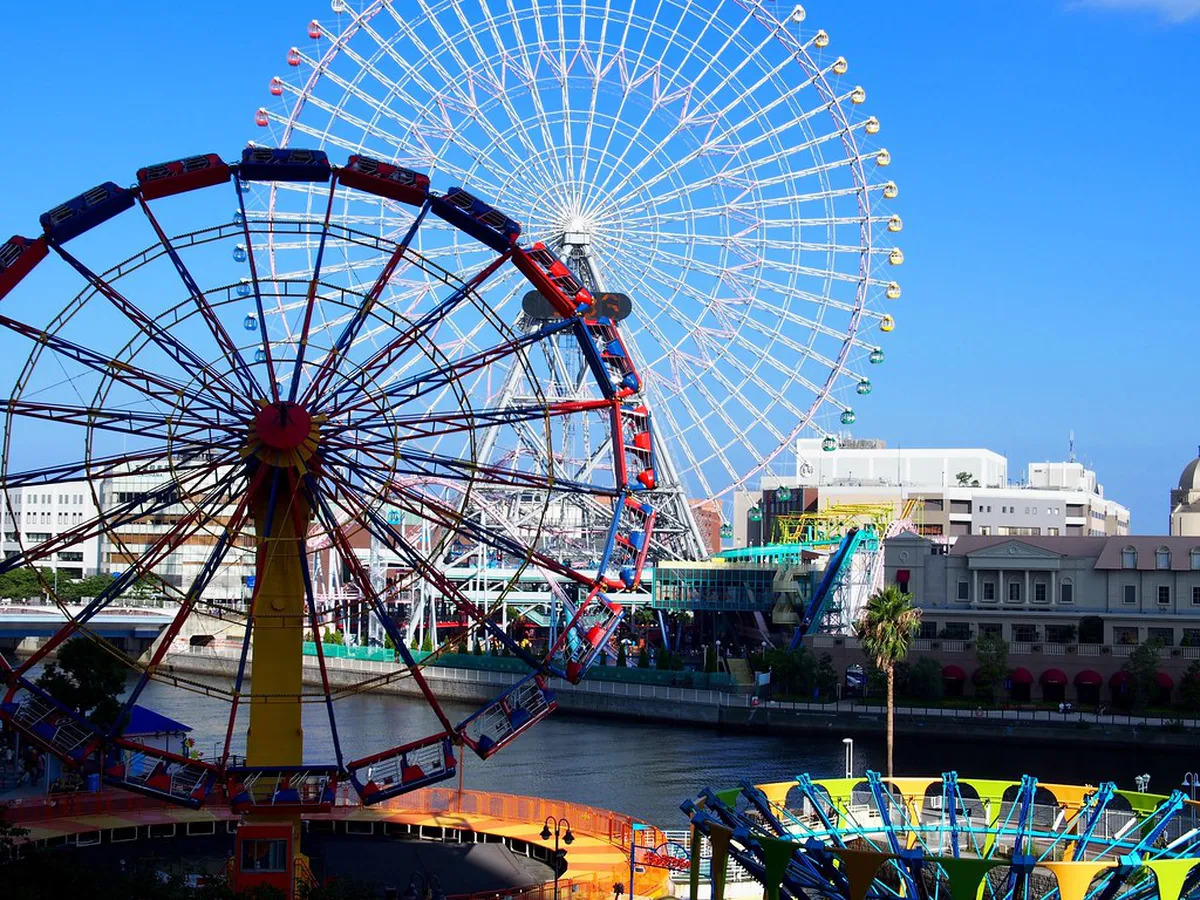
Cosmo World is divided into three zones that sit within a five-minute walk of each other but feel distinct. The Kids Carnival zone is the smallest, located on the upper level near Queen's Square. It holds about ten gentle rides — a merry-go-round, mini swings, a kids' coaster — and most have a minimum height of 90 cm. Toddlers can ride almost everything here with a parent.
Burano Street is the mid-intensity zone modelled on the pastel houses of Burano, Italy. The Cycle Monorail (you pedal a two-seat car along an elevated track) is the standout ride here and offers an underrated view of the harbour for 400 yen. This zone also hosts the haunted house, the carnival arcade, and most of the under-the-radar attractions that locals come back for. Lines are rarely long.
Wonder Amuse is the thrill zone and where most of your ride budget will go. It contains the Diving Coaster Vanish, the Spinning Coaster, the disc'o spinner, and the splash boat. Height restrictions tighten here — most thrill rides require 120 cm and adult supervision below 130 cm. Plan to spend 60 to 90 minutes in this zone if your group is mostly teenagers.
Cosmo Clock 21: The Ferris Wheel Experience
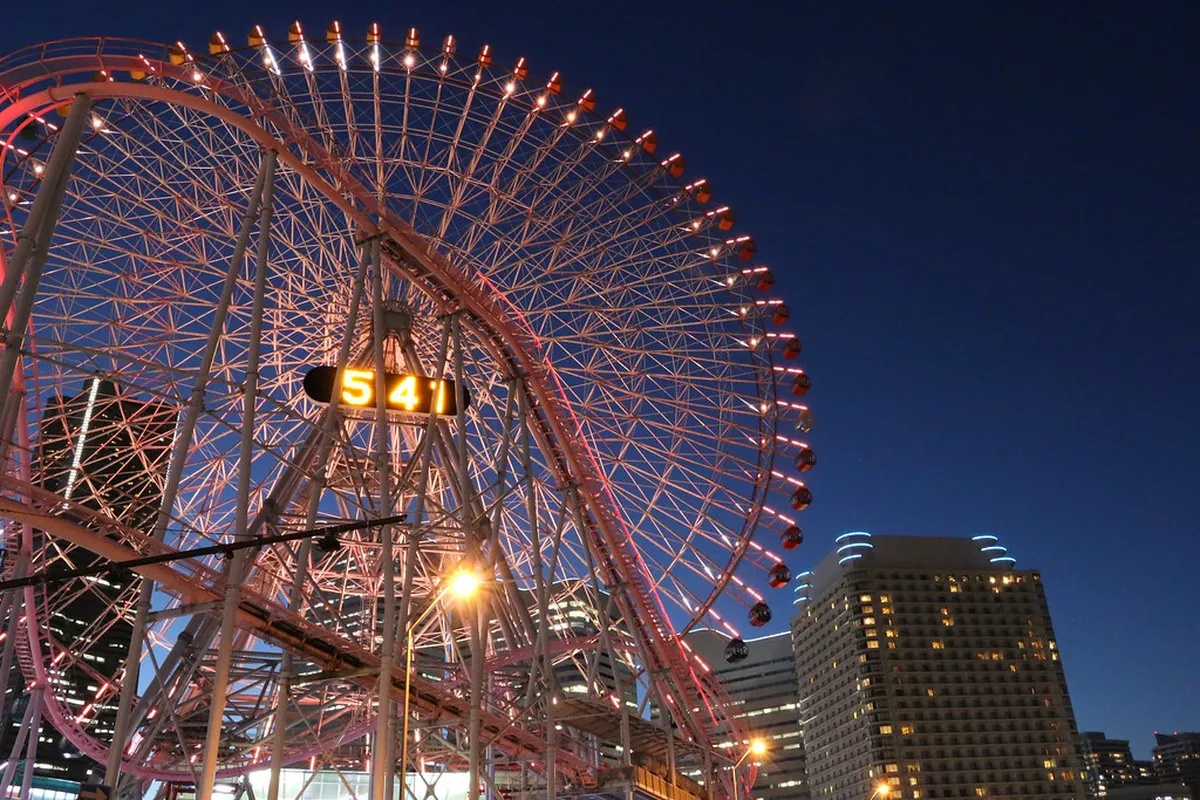
The Cosmo Clock 21 is 112.5 metres tall and runs 60 gondolas, each holding eight people. A full revolution takes about 15 minutes, which is also the cycle on which the wheel's LED skin runs its colour-changing light show after dark. Tickets are 900 yen per person, and the queue is usually under 20 minutes except on summer Saturday evenings.
On clear winter mornings you can see Mount Fuji from the western-facing side of the gondola — ask the attendant for that orientation if visibility is good. Sunset rides (typically 18:00 to 18:30 in spring 2026) give you both daylight harbour views and the city's blue-hour lighting in a single 15-minute loop. The wheel is wheelchair-accessible: staff stop the gondola for boarding, and there is space for one chair plus three passengers.
The neighbouring Sankeien Garden Yokohama guide and the harbour parks make a calmer counterpoint to the wheel if you want to mix high-vantage views with a ground-level stroll.
Pricing and the Pay-Per-Ride System
Admission to the park is free. You pay only for the rides you take, and there is no all-day wristband or pass. Individual tickets range from 300 yen for the smallest Kids Carnival rides to 900 yen for the Cosmo Clock 21 and the Diving Coaster Vanish. A typical family of four spends 4,000 to 7,000 yen on rides depending on how many thrill attractions they pick.
Discount ticket booklets are sold from the vending machines near each zone entrance: 3,000 yen of ticket value for around 2,800 yen, or 5,000 yen for around 4,600 yen. The savings are modest but real, and the tickets do not expire on the day of purchase. Payment at vending machines accepts cash, Suica, Pasmo, and most IC cards; some new machines also take Visa and JCB contactless.
For Yokohama with kids, the pay-per-ride model is genuinely budget-friendly: a toddler who only wants the merry-go-round and the teacups will cost you 600 yen total, not a 5,000-yen day pass. Skip the ticket book if you plan fewer than six rides. Current ride prices and seasonal hours are published on the official Yokohama Cosmo World site, which is the authoritative source if a ride is undergoing maintenance.
Discount ticket booklets (3,000 yen value for ~2,800 yen) are available at vending machines near each zone entrance and do not expire on the day of purchase. They accept Suica, Pasmo, and most IC cards.
| Zone | Example Ride | Min. Height | Ticket Price |
|---|---|---|---|
| Kids Carnival | Merry-go-round | 90 cm (with parent) | 300–400 yen |
| Burano Street | Cycle Monorail | 100–110 cm | 400 yen |
| Wonder Amuse | Diving Coaster Vanish | 120 cm | 800–900 yen |
| Central | Cosmo Clock 21 Ferris Wheel | No minimum | 900 yen |
Is Yokohama Cosmo World Worth It? Quick Verdict
Yes — for most travellers Cosmo World is worth a stop because there is no admission charge and you pay only for the rides you take. That makes it one of the few Minato Mirai attractions you can enjoy on almost any budget: a single Ferris wheel ride is ¥900, and the smallest Kids Carnival rides start at ¥300, so a couple or a toddler family can have a full experience for under ¥2,000.
You want a flexible, low-commitment add-on near the waterfront — ride two or three attractions in under an hour, then walk on. Skip the discount ticket booklet unless you plan more than six rides; for fewer, pay-per-ride is cheaper.
It is less worth a special trip if you are after a full-day, all-you-can-ride theme park — there is no day pass, and the park shares space with the surrounding city rather than feeling like a sealed resort. Pair it with the nearby Cup Noodles Museum and Red Brick Warehouse to round out a half-day.
Height Limits, Stroller Access, and Accessibility
This is the section every competitor either skips or buries. Knowing the height limits before you queue saves families an emotional refusal at the gate. Kids Carnival rides generally require 90 cm minimum; Burano Street rides sit at 100 to 110 cm; Wonder Amuse thrill rides require 120 cm with a parent or 130 cm to ride solo. The Diving Coaster Vanish is firm at 120 cm and refuses children under 6 even if they meet the height.
Strollers are allowed throughout the park, but the bridge between Burano Street and Wonder Amuse has a steep ramp on the eastern side — use the western pedestrian crossing if you have a double stroller. Stroller parking is free outside each ride and is monitored by staff. Coin lockers (300 to 500 yen) sit at the entrance near Queen's Square and at the Wonder Amuse south gate.
The park is largely accessible: 22 of the 27 rides accept wheelchair transfers, and the Ferris wheel has dedicated boarding. Service dogs are welcome. There is no quiet hour, but Tuesday mornings consistently have the lowest crowd levels and lowest sensory intensity for visitors who need it. The on-site first-aid room is at the upper level near Kids Carnival and is staffed during all operating hours.
The Diving Coaster Vanish is firm at a 120 cm minimum height and refuses children under 6 even if they meet the height requirement. Check height limits for each zone before queueing to avoid disappointment at the gate.
How to Get to Yokohama Cosmo World
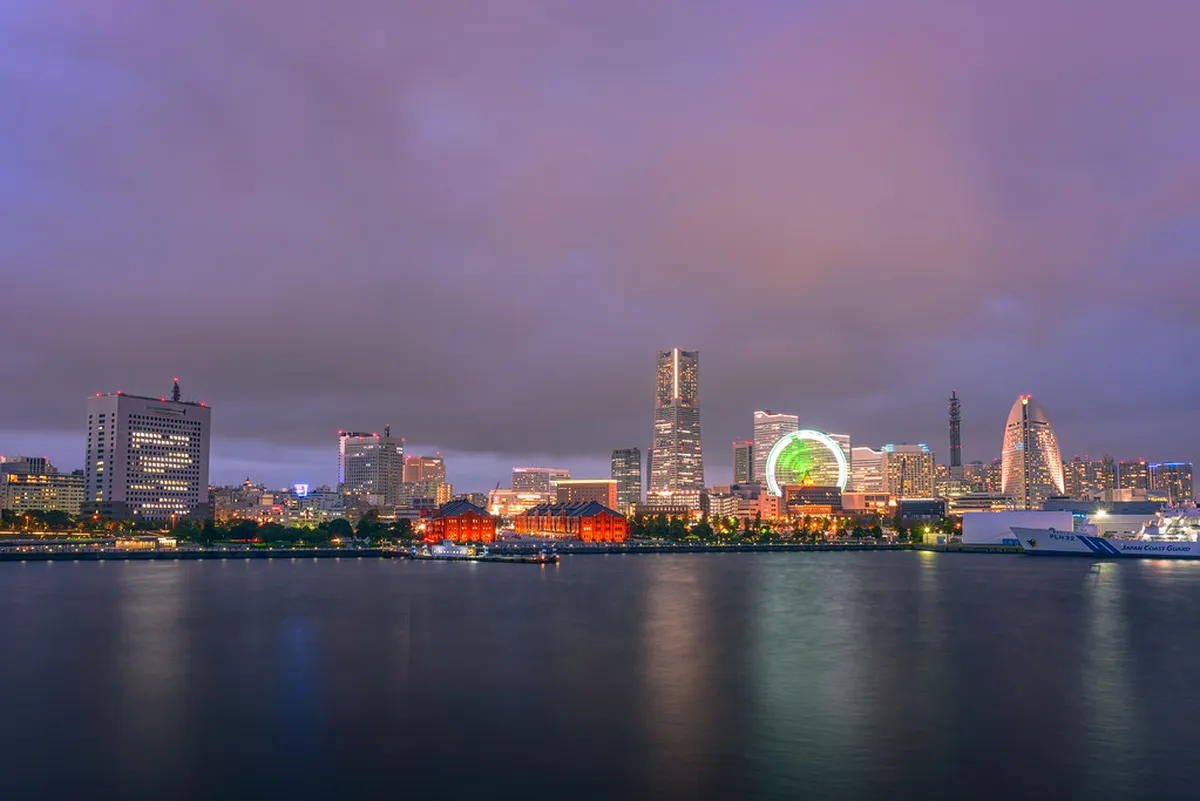
The closest station is Minatomirai on the Minatomirai Line, a five-minute walk via the Queen's Square shopping concourse. From Tokyo, the easiest route is the Tokyu Toyoko Line from Shibuya, which becomes the Minatomirai Line after Yokohama Station and runs straight to Minatomirai (40 minutes, 480 yen). Knowing how to get to Yokohama from Tokyo in detail saves a lot of station-hopping.
From Sakuragicho Station on the JR Negishi Line, the walk is 10 minutes across the Kishamichi Promenade — a scenic former-railway bridge that is its own small attraction. JR Pass holders should pick this option to avoid the non-JR Minatomirai Line fare. Limousine buses from Haneda Airport stop at the Yokohama Bay Sheraton (40 minutes, 720 yen) and Pacifico Yokohama (50 minutes, 720 yen), both within walking distance of the park.
The Minato Burari Ticket (550 yen, weekday/weekend) gives unlimited rides on the city's Blue Line subway and red Akai Kutsu sightseeing bus — useful if you're combining Cosmo World with Chinatown and the Red Brick Warehouse. The Yokohama City Tourism Association publishes the current Akai Kutsu route map and combination-ticket pricing. Sotetsu Fresa Inn Yokohama-Sakuragicho sits two minutes from Sakuragicho Station for travellers who prefer a JR-line base.
Your Child Travels as One of Four Profiles
Match your ticket spend to the kid you actually brought, not the average child. These four profiles map every Cosmo World ride to an age and intensity range so you don't waste 900 yen on a coaster a six-year-old refuses to board.
- The Gentle Toddler Profile
- Best Ride: Merry-go-round
- Zone: Kids Carnival
- Age Group: 2 to 5 years
- Intensity: Very Low
- The Young Explorer Profile
- Best Ride: Cycle Monorail
- Zone: Burano Street
- Age Group: 6 to 9 years
- Intensity: Moderate
- The Brave Thrill-Seeker Profile
- Best Ride: Diving Coaster Vanish
- Zone: Wonder Amuse
- Age Group: 10 plus years
- Intensity: High
- The Relaxed Sightseer Profile
- Best Ride: Cosmo Clock 21
- Zone: Central Area
- Age Group: All Ages
- Intensity: Very Low
What Makes Cosmo World Special
The park's defining trait is urban integration. Unlike Tokyo Disney or Fuji-Q, Cosmo World shares concrete with the surrounding city — the Diving Coaster track passes over the Ooka River and right beside the Queen's Square office tower. From the pedestrian deck you can hear the coaster splash while a salaryman buys lunch ten metres below.
The absence of a gate also changes the social feel. Couples on dates pay for one Ferris wheel ride and leave. Families pop in after lunch at the Cup Noodles Museum, ride two attractions, and walk to the Red Brick Warehouse. Locals jog through the park at sunrise. It feels less like a destination and more like a public square that happens to contain rides — which is exactly the texture that makes Minato Mirai itself worth visiting.
Historically, Cosmo Clock 21 was a Japanese engineering showpiece: when YES '89 closed, the city kept the wheel as a permanent fixture and rebuilt it on its current site in 1999, increasing the height from the original 107.5 m to 112.5 m. The colour-changing LED skin was added in 2016 and updated for energy efficiency in 2023.
Local Expert Perspective: Insider Tips
Ride the Diving Coaster Vanish in the first 30 minutes after opening. The queue grows from 5 minutes at 11:00 to 45 minutes by 14:00 on weekends, and the splash track is more enjoyable when the seat is still dry from the previous day's overnight pause.
For the Ferris wheel, board between 17:30 and 18:00 in spring 2026 (sunset is roughly 18:30 in May). The wheel's 15-minute revolution lets you watch the sun set on one side of the gondola and the Minato Mirai skyline light up on the other. This is also when the wheel's own LED clock-face show shifts from daytime numerals to evening colour patterns.
Yokohama itinerary note: Cosmo World pairs naturally with a 16:00 arrival at the Cup Noodles Museum and a 19:30 dinner in Chinatown. If you have an extra day, the broader Yokohama Minato Mirai guide covers the Landmark Tower observatory and the Red Brick Warehouse. APA Hotel & Resort Yokohama Bay Tower is a 12-minute walk and the most cost-efficient option for a one-night Minato Mirai stay.
Don't Miss a Thing: Photo Spots and Hidden Gems
The single best photo of the Diving Coaster Vanish is taken from the Kokusai-bashi pedestrian bridge as the train hits the splash zone. Stand on the southern railing, set your phone to 0.5x burst mode, and start shooting when the train clears the loop — you have roughly 1.2 seconds before the splash.
For the Cosmo Clock 21 light show, cross the canal to the Akarenga (Red Brick Warehouse) waterfront. From that angle you frame the wheel, the Landmark Tower, and the Queen's Square towers in one shot, with the lighting cycle reflecting on the water. The full light pattern repeats every 15 minutes after sunset.
The lesser-known attractions worth a stop are the Cycle Monorail in Burano Street (cheap, scenic, almost always walk-on) and the Aqua Adventure log flume, which has a hidden second splash point that hits anyone standing on the lower walkway. Most visitors don't realise — locals do, and they stand back.
Use our Yokohama attractions hub to plan the rest of your trip.
For related Yokohama deep-dives, see our Things to Do in Yokohama with Kids and Cup Noodles Museum Yokohama guides.
Frequently Asked Questions
Is Yokohama Cosmo World free to enter?
Yes, admission to the park grounds is completely free for all visitors. You only pay for the individual rides you choose to experience. This makes it a great spot for a casual stroll or a full day of fun without a high upfront cost.
How much do rides cost at Yokohama Cosmo World?
Individual ride tickets typically cost between 300 and 900 yen each. The iconic Cosmo Clock 21 Ferris wheel usually costs around 900 yen per person. You can buy tickets at vending machines throughout the park using cash or IC cards.
What is the best age for Yokohama Cosmo World?
The park is excellent for all ages because it is divided into three specific zones. The Kids Carnival is perfect for toddlers, while Wonder Amuse caters to teenagers and adults. It is one of the most versatile Yokohama attractions for families.
Can you see Mt. Fuji from the Yokohama Ferris wheel?
Yes, on very clear days, you can see Mount Fuji from the top of the Cosmo Clock 21. Your best chance for a clear view is usually during the colder winter months. Morning rides often provide the best visibility before the afternoon haze sets in.
Is the Cosmo Clock 21 worth the wait?
Most visitors find the 15-minute ride well worth the wait for the incredible panoramic views. It offers a unique perspective of the harbor and the city skyline that you cannot get elsewhere. The nighttime view is especially popular for its romantic and colorful atmosphere.
Yokohama Cosmo World is a must-visit destination that perfectly captures the spirit of Minato Mirai. Whether you want high-speed thrills or a relaxing view from the Ferris wheel, the park delivers. The free admission and pay-per-ride system make it an easy addition to any travel budget. We hope this Yokohama Cosmoworld guide helps you plan an unforgettable day by the water.
Don't forget to explore the surrounding museums and parks to round out your visit. The city of Yokohama offers a wonderful alternative to the busy streets of Tokyo. Enjoy the sea breeze, the colorful lights, and the unique attractions of this harbor gem. Safe travels as you explore one of Japan's most iconic urban amusement parks.
Free: The Yokohama Essentials guide
Top things to do, where to stay, a perfect day plan, getting around, and the best time to go — a Yokohama mini-guide you can take offline.
You might also like


Continue reading
More guides you'll find useful


