

Yokohama Day Trip From Tokyo: The Ultimate 1-Day Itinerary
Plan the perfect Yokohama day trip from Tokyo. Includes transport hacks, a timed itinerary for Chinatown and Minato Mirai, and local tips for Noge's hidden bars.
On this page
I have visited this vibrant port city five times over the last decade. Every visit reveals a new layer of charm beyond the neon lights of Tokyo. This guide is built for a first-timer who wants Sankeien Garden, Chinatown, Minato Mirai, and Noge in a single, well-paced day.
I refreshed this itinerary in 2026 after my most recent autumn visit. Yokohama offers a sea breeze and a much slower pace than Shinjuku. You will find a balance of traditional gardens, dim sum streets, and futuristic waterfront views. For travelers planning simultaneous day trips from Tokyo, Nikko offers autumn foliage that rivals anything on Yokohama's calendar, though Nikko requires more total time. If you prefer merchant-town charm and Edo-era temples, a day trip to Kawagoe is even closer and equally rewarding.
Starting early is the only way to beat the JR crowds and the midday Chinatown queues. This plan minimizes backtracking, names the exact stations to target, and gives you real prices in yen.
Is Yokohama Worth a Day Trip from Tokyo?
Yokohama is Japan's second-largest city and the country's largest Chinatown sits inside it. The harbor, the gardens, and the late-Showa izakaya streets give you three distinct moods in one day, which Tokyo rarely manages in the same radius.
If you only have 5–7 days in Japan, I still think it earns a slot. The trip is 25–35 minutes from central Tokyo, so the "travel tax" is lower than Hakone or Nikko. You can use this Yokohama food guide to plan meals before you commit.
Skip Yokohama only if you have already booked Kamakura the same week and your priority is temples. The two cities overlap thematically less than people assume, but a tight schedule favors one or the other.
Getting to Yokohama: Transport Options from Tokyo Hubs
Learning how to get to Yokohama from Tokyo takes ten minutes. The faster question is which station in Tokyo you are leaving from, and which station in Yokohama you actually want to land at.
For Minato Mirai sightseeing, your target is Sakuragicho Station or Minatomirai Station, not Yokohama Station. Yokohama Station is a transit megacomplex 20 minutes' walk from the waterfront, useful only for shopping or onward transfers.
If you hold a Japan Rail Pass, JR lines are effectively free, so take the JR Tokaido or JR Yokosuka Line. Without a pass and starting from Shibuya, the Tokyu-Toyoko Line through-services into the Minatomirai Line and drops you under the Cup Noodle Museum.
- JR Tokaido Line from Tokyo Station: 25 min, 480 yen, covered by JR Pass, arrives at Yokohama Station.
- JR Shonan-Shinjuku Line from Shinjuku/Shibuya: 30 min, 580 yen, JR Pass valid, arrives at Yokohama Station.
- Tokyu-Toyoko Line + Minatomirai Line from Shibuya: 35 min, 490 yen, no JR Pass, but stops directly at Minatomirai and Motomachi-Chukagai (Chinatown).
- Keikyu Line from Shinagawa: 25 min, 320 yen, cheapest option, arrives at Yokohama Station.
Tap on with a Suica or Pasmo IC card to avoid ticket-machine queues. The Minatomirai Line also sells a 1-day pass for 460 yen if you plan three or more stops along the waterfront.
| Route | Time | Fare | JR Pass |
|---|---|---|---|
| Tokyo Station → Yokohama (JR Tokaido) | ~25 min | 480 yen | Yes |
| Shibuya → Yokohama (Tokyu Toyoko + Minatomirai) | ~35 min | 490 yen | No |
| Shinagawa → Yokohama (Keikyu) | ~25 min | 320 yen | No |
| Shinjuku → Yokohama (JR Shonan-Shinjuku) | ~30 min | 580 yen | Yes |
Morning: Sankeien Garden and Traditional Architecture
Coin lockers at Sakuragicho Station fill by 10:00 on weekends. Use the larger locker bank at Yokohama Station's central exit (700 yen for a large size) or the staffed cloakroom at Queen's Square Mall (500 yen until 21:00) if you are travelling with luggage.
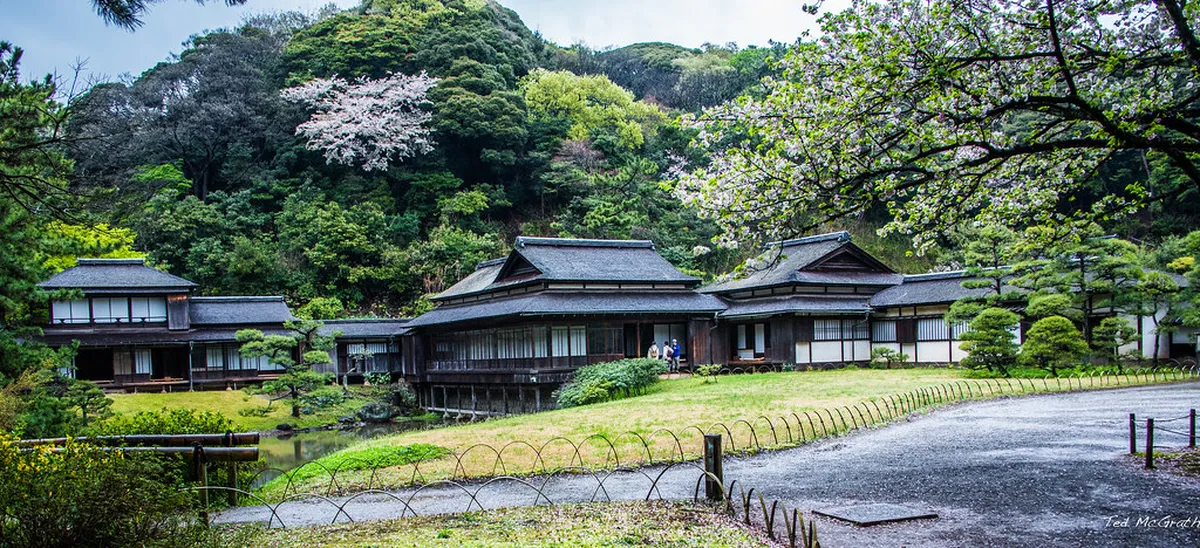
I start every Yokohama day at Sankeien Garden because it is the one site that empties as the rest of the city fills up. The garden opens at 9:00 and adult entry is 900 yen, with a 200 yen discount for arrivals before 10:00 on some weekdays.
Sankeien was laid out by silk merchant Hara Sankei in 1906 and includes seventeen relocated historic buildings, including a Muromachi-era pagoda from Kyoto. Plan 90 minutes for the outer garden loop and another 30 if you enter the inner garden teahouse.
Getting there is the catch. There is no train station; take bus #8 or #58 from Yokohama Station's east exit for about 35 minutes, or a 10-minute taxi (around 1,500 yen) from Negishi Station on the JR Negishi Line. Plum blossoms peak in late February and maples turn in late November, so time accordingly.
Lunch: Exploring the Flavors of Yokohama Chinatown
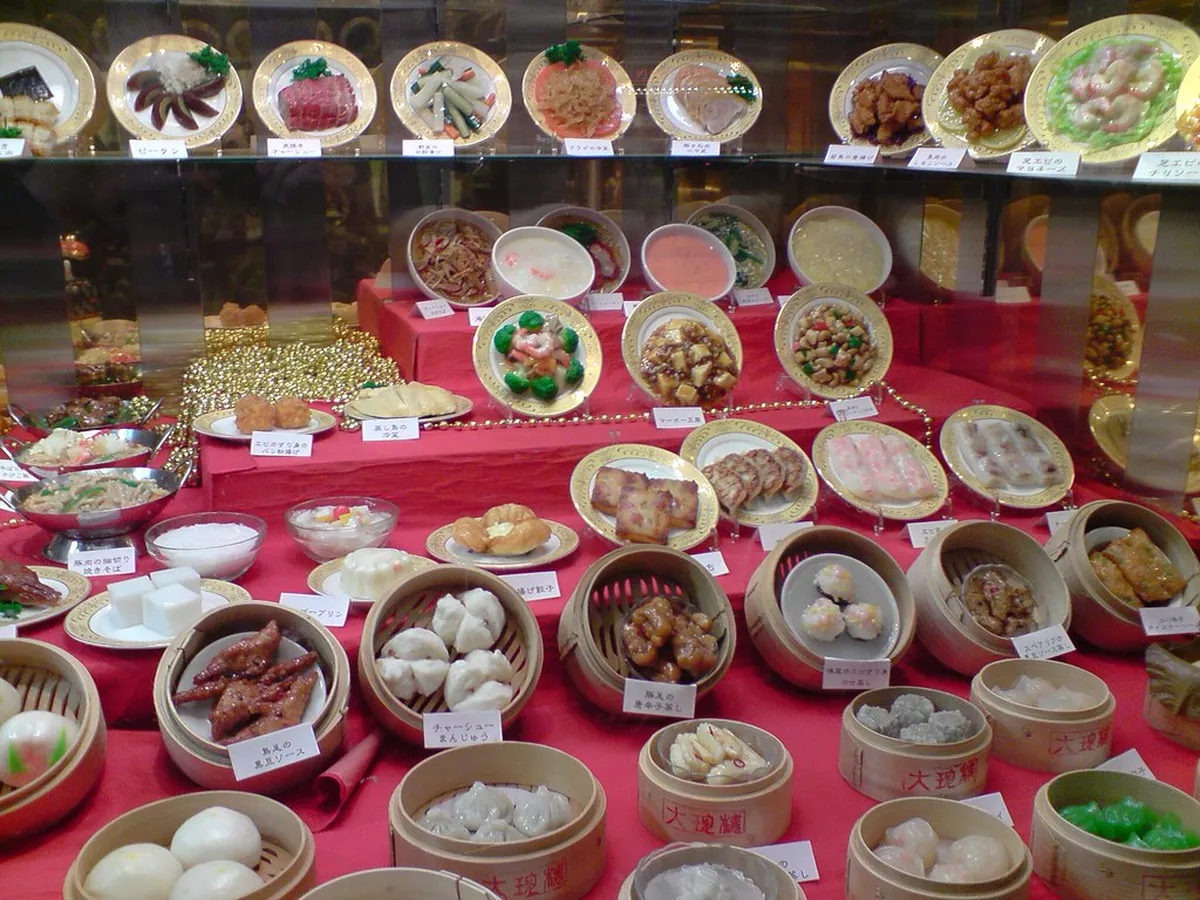
Yokohama Chinatown (Chukagai) is the largest in Japan, with over 600 restaurants packed inside ten gated blocks. Aim to arrive by 12:30 to beat the 13:00 weekend rush, especially on Saturdays and during Lunar New Year week. Exit at Motomachi-Chukagai Station for the most direct entrance through the Choyomon (East Gate).
The trick is to graze rather than commit to one sit-down restaurant. Street snacks cost 400–800 yen apiece and let you sample five flavors for the price of one set menu.
- Edosei panda-shaped nikuman (steamed pork buns): 380 yen, the unofficial Chinatown souvenir.
- Foreign-tourist favorite giant xiaolongbao at Pekin Hanten: 600 yen for one fist-sized soup dumpling, served with a straw.
- Shoryuken's grilled pork ribs on a stick: 500 yen, easiest to eat while walking.
- Manchinro's egg tarts: 350 yen, flakier than Hong Kong versions because they use Japanese butter.
- Roselle hibiscus shaved ice in summer at Yokohama Daihanten: 800 yen, doubles as a heat reset.
For a sit-down option, Heichinrou (founded 1884) does a 2,200 yen weekday dim sum lunch set that pairs well with rainy weather. The official Yokohama Chinatown Guide publishes a downloadable map with all ten gates labeled, which is worth a glance before you go.
Afternoon: Minato Mirai 21 and the Cup Noodle Museum
Minato Mirai 21 is the futuristic waterfront district that gives Yokohama its skyline. The name literally means "harbor of the future, 21st century," and the district was reclaimed from old shipyards in the 1980s. From Chinatown it is a 20-minute walk along Yamashita Park or two stops on the Minatomirai Line.
The Cup Noodle Museum is the afternoon anchor. Entry is 500 yen for adults; children under high-school age are free. The two booked experiences cost extra and sell out fastest on weekends: the My Cup Noodle Factory (500 yen) lets you design your own cup and pick four toppings, and the Chicken Ramen Factory (1,000 yen, ages 6+) walks you through hand-kneading and flash-frying noodles. Book the workshop slot online 7–14 days ahead via the Cup Noodle Museum official site, especially for school holidays.
After the museum, work your way through the Red Brick Warehouse (Akarenga Soko) shops, the Cosmo Clock 21 Ferris wheel (900 yen, 15 minutes), and Yamashita Park for the Hikawa Maru floating museum (300 yen). Art lovers should swap one of these for the Yokohama Museum of Art, which reopened in 2025 after a three-year renovation and now anchors the Yokohama Triennale.
The Two Ramen Museums: Which One You Actually Want
This is the single most common navigation error first-timers make in Yokohama. The Cup Noodle Museum and the Shin-Yokohama Raumen Museum are two completely different attractions in two different parts of the city, and they are not walkable to each other.
The Cup Noodle Museum sits in Minato Mirai at Sakuragicho/Minatomirai Stations. It celebrates Ando Momofuku and the invention of instant noodles, and the interactive workshops are the main draw. This is the one your itinerary slots into the afternoon.
The Shin-Yokohama Raumen Museum sits next to Shin-Yokohama Station, the Shinkansen stop, 15 minutes by Yokohama Subway Blue Line from Sakuragicho (290 yen). It is a 1958-themed basement food court with nine regional ramen shops from across Japan, each serving half-portions so you can try multiple bowls. Entry is 450 yen plus 850–1,100 yen per bowl. Visit this one only if you are leaving Yokohama by Shinkansen or are a serious ramen completist, otherwise skip.
Evening: Sunset Views and Noge's Izakaya Scene
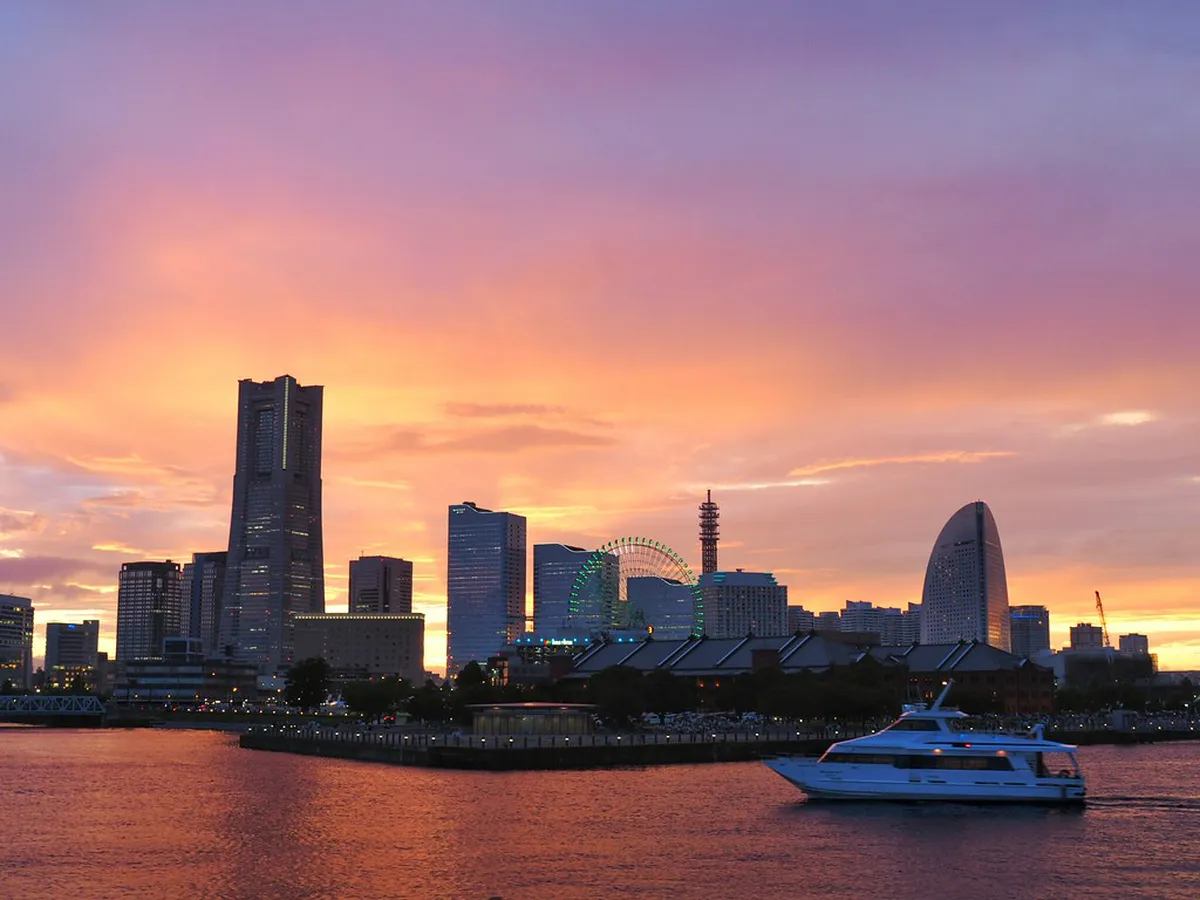
For sunset, the cheapest seat is the Osanbashi Pier rooftop, a free wooden deck overlooking the entire Minato Mirai skyline. The Cosmo Clock 21 turns on at dusk and reflects off the harbor — the best photo angle is from the Kishamichi Promenade bridge, not the base of the Ferris wheel.
If you want elevation, the Yokohama Landmark Tower Sky Garden charges 1,000 yen for 273-meter views and stays open until 21:00 most days. Tickets are usually available walk-up after 18:00 once the day-tour groups leave.
For dinner, cross the Ooka River into Noge. This is the retro izakaya district directly behind Sakuragicho Station, lined with 600+ tiny standing bars, yakitori counters, and 1950s snack bars. Budget 3,000–4,000 yen for a three-bar crawl. Start at Noge Hama Yakiton for grilled pork skewers (180 yen each), then Sankaku-Chitai for highballs and Showa-era jazz. Most counters seat only six to ten people, so go early or in pairs.
Alternative Yokohama Attractions for Families and Art Lovers
Families with young children often swap Sankeien Garden for Hakkeijima Sea Paradise, an aquarium-amusement park hybrid on a man-made island 30 minutes south by Seaside Line. A one-day Aqua Resorts ticket runs 3,300 yen for adults, 2,000 yen for children, and the dolphin show alone justifies the trip on a rainy day. See Yokohama with kids for a full kid-focused breakdown.
Art lovers should anchor the afternoon at the reopened Yokohama Museum of Art (1,500 yen) and add BankART KAIKO, a contemporary art space inside a converted 1929 warehouse near Bashamichi Station. Both are walking distance from Minato Mirai, so you can keep the same evening plan.
If you are traveling with seniors or anyone with mobility limits, the Akai Kutsu sightseeing bus loops Minato Mirai, Chinatown, and Yamashita Park for 220 yen per ride or 500 yen for an all-day pass. It is air-conditioned, low-floor, and far gentler than the 12,000+ daily steps this itinerary otherwise demands.
How to Get Around Yokohama: Air Cabin vs. Walking
The Yokohama Air Cabin opened in 2021 as Japan's first permanent urban gondola. It connects Sakuragicho Station to the Red Brick Warehouse pier in about five minutes, with cabins running every 15 seconds and accommodating up to eight passengers.
Cost-benefit math: a one-way ride is 1,000 yen, round-trip 1,800 yen. The parallel Kishamichi Promenade walk takes 15 minutes, is completely free, follows the original 1911 cargo rail bed, and gives you better photo angles of Cosmo World than the gondola does. Check the Yokohama Air Cabin pricing for current night-illumination combo tickets, which are the only version I think justifies the spend.
Pick the gondola if you are short on time, traveling with someone who cannot walk 15 minutes, or specifically want the elevated harbor view at dusk. Pick the promenade otherwise. The Yokohama Minato Mirai guide maps both routes side by side.
Practical Tips for Planning Your Yokohama Day Trip
Lockers at Sakuragicho Station fill by 10:00 on weekends. If you arrive with luggage, use the larger coin-locker bank at Yokohama Station's central exit (700 yen for a large size) or the staffed cloakroom at the Queen's Square Mall (500 yen until 21:00).
Book the Cup Noodle Museum's My CUPNOODLE Factory workshop 7–14 days ahead — weekend morning slots sell out within days of opening. Walk-in tickets are released at 10:00 but typically gone by 10:30 on weekends.
Cash still matters in Noge and at smaller Chinatown street stalls. Pull 8,000–10,000 yen from any 7-Eleven ATM before you cross the Ooka River for dinner. Most museums and the Air Cabin accept credit cards and IC cards.
Weather windows: late March to early April (cherry blossoms at Sankeien), mid-May to June (manageable heat, fewer tourists), and mid-November (Sankeien maples). Avoid mid-July through August unless you are committed to indoor sites — the harbor humidity is brutal.
Sample 1-Day Yokohama Itinerary Summary
Here is the timed flow I recommend for a first visit. Total budget excluding souvenirs is roughly 6,500–8,500 yen per adult, including round-trip transit, all admissions, lunch, and a three-bar evening.
- 08:00 — Leave Tokyo Station on the JR Tokaido Line.
- 08:30 — Arrive Yokohama Station, board bus #8 east exit.
- 09:10 — Sankeien Garden opens; loop the outer garden until 11:00.
- 11:30 — Subway to Motomachi-Chukagai for Chinatown lunch graze.
- 13:30 — Walk via Yamashita Park to the Cup Noodle Museum.
- 15:00 — My Cup Noodle Factory workshop (book ahead).
- 16:00 — Red Brick Warehouse browse, then Kishamichi Promenade.
- 17:30 — Osanbashi Pier rooftop for sunset.
- 19:00 — Noge izakaya crawl: yakiton, highballs, ramen nightcap.
- 22:00 — Sakuragicho back to Shibuya via Tokyu-Toyoko Line.
Refer to this Yokohama itinerary for an extended two-day version that adds Hakkeijima and the Shin-Yokohama Raumen Museum.
Pair this with our broader Yokohama attractions guide for the full city overview.
For related Yokohama deep-dives, see our How to Get to Yokohama from Tokyo and Yokohama vs Tokyo guides.
Frequently Asked Questions
Is one day enough for Yokohama?
Yes, one day is perfect for seeing the main highlights like Chinatown and Minato Mirai. You can cover the major sites easily by foot or local bus. Most travelers find a single day trip very satisfying.
Which station is best for a Yokohama day trip?
Sakuragicho Station is the best starting point for most visitors. It provides direct access to the waterfront, Air Cabin, and Kishamichi Promenade. Yokohama Station is better for shopping but further from sights.
What should I eat in Yokohama Chinatown?
You must try the giant soup dumplings and panda-shaped steamed buns. Check the Yokohama Chinatown Guide for the best street food stalls. Expect to pay 500-800 yen per snack.
Yokohama remains one of my favorite escapes from the intensity of Tokyo. The combination of harbor views, dim sum streets, and retro izakaya is hard to beat in a single 25-minute train ride. If you are planning multiple Tokyo day trips, explore other day-trip options from Tokyo to build a longer itinerary. I hope this guide helps you plan a memorable day in the port.
Check the weather, book your Cup Noodle workshop slot 7–14 days early, and pull cash for Noge before you cross the river. Whether you choose the gondola or the promenade, enjoy yourself. Safe travels as you explore this beautiful corner of Kanagawa Prefecture.
Free: The Yokohama Essentials guide
Top things to do, where to stay, a perfect day plan, getting around, and the best time to go — a Yokohama mini-guide you can take offline.
You might also like


Continue reading
More guides you'll find useful


