

Yokohama vs Tokyo 2026: Save 30-40% on Rooms & Stay
Yokohama hotel rooms run 30-40% cheaper and bigger than Tokyo's, with a 25-minute, 490-yen train commute and quicker Kamakura day trips. Compare the trade-offs.
On this page
Tokyo is the high-voltage heart of Japan, while Yokohama is the breezy seaside city most travellers underestimate. The two are only 30 minutes apart on the JR Tokaido Line, yet the daily experience of basing in one versus the other in 2026 is sharply different in cost, hotel size, and crowd intensity.
This guide breaks the comparison into eight practical decisions: vibe, accommodation, daily budget, sights, food, transport, day trips, and a final verdict. Every section uses concrete numbers, including square-metre hotel data and minute-by-minute transit times, so you can decide where to actually book.
Atmosphere: Fast-Paced Tokyo vs. Relaxed Yokohama
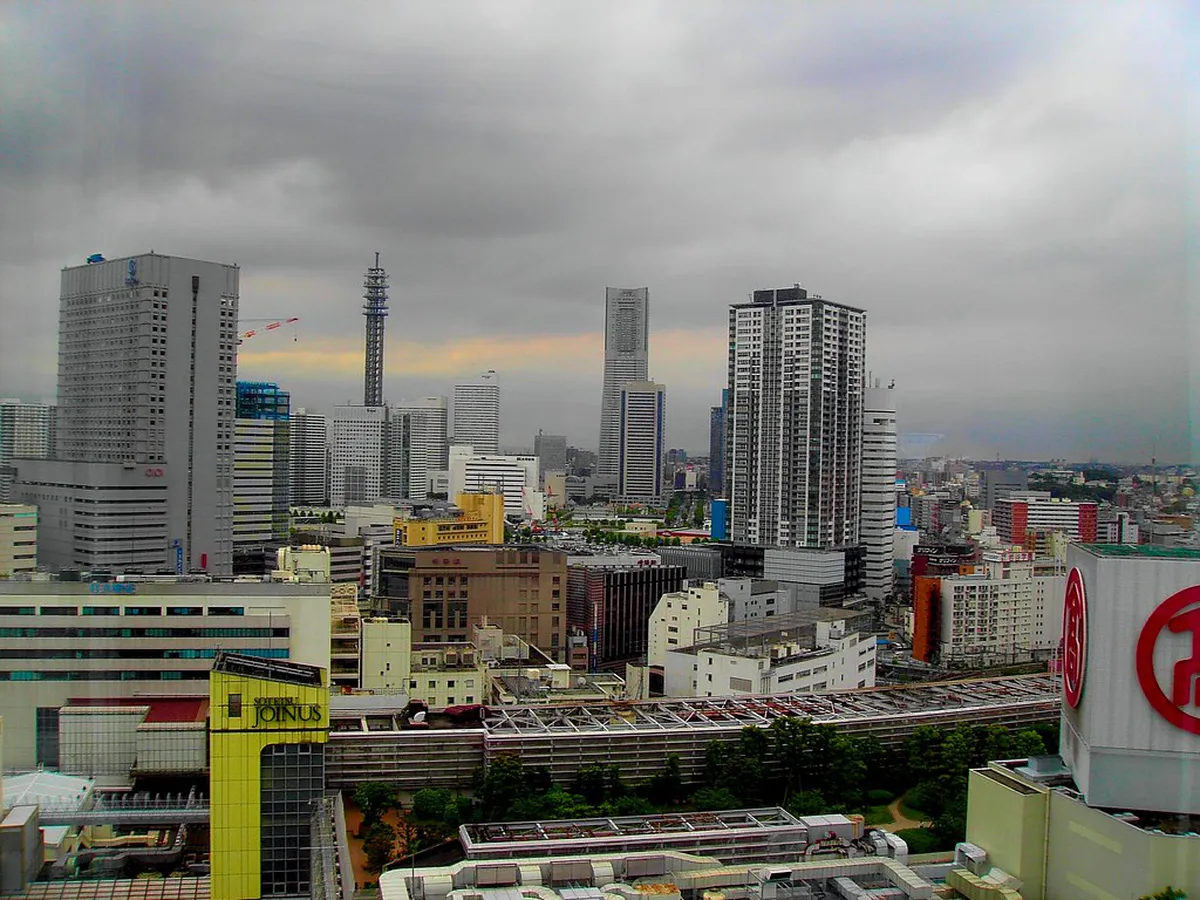
Tokyo runs at the tempo of its busiest stations: Shinjuku moves roughly 3.5 million passengers a day and Shibuya Crossing peaks at 3,000 people per light cycle. Districts like Akihabara, Ginza, and Roppongi stack neon, advertising, and traffic into a near-constant sensory load that first-timers find thrilling for three or four days and exhausting by day five.
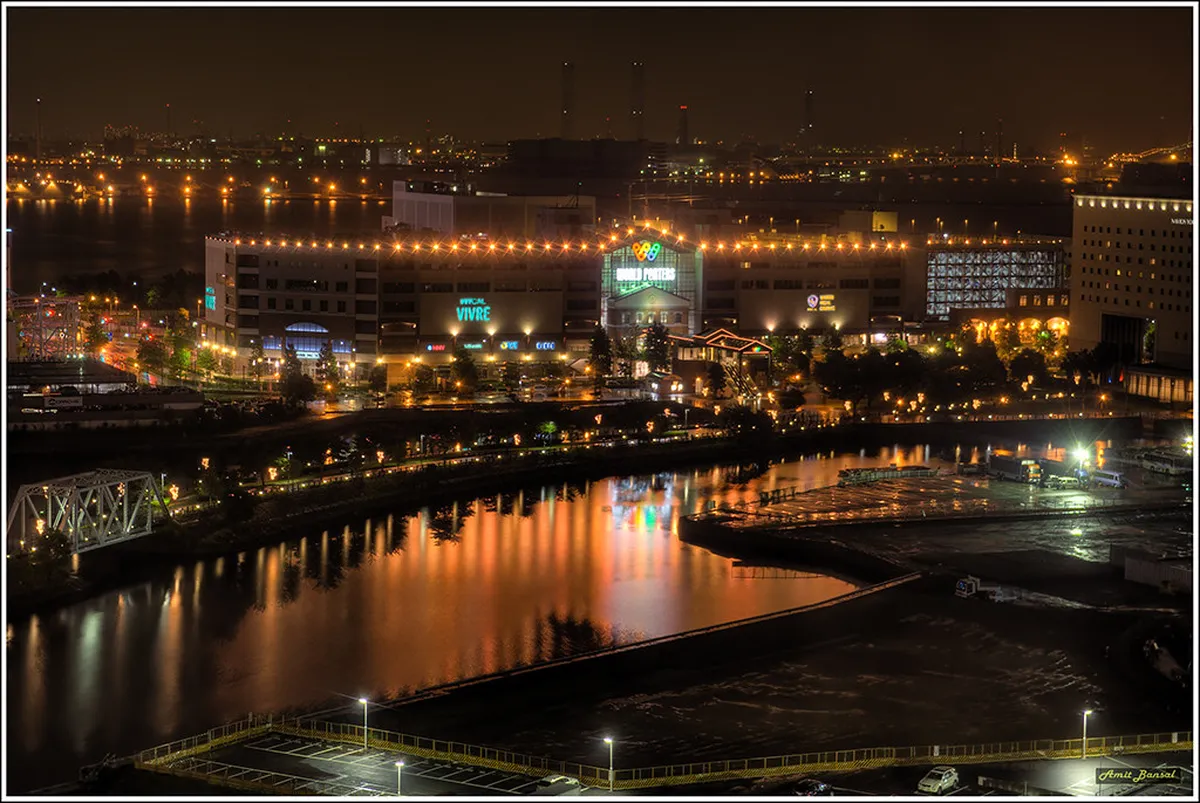
Yokohama is built around its port. The waterfront promenade from Minato Mirai through Akarenga (Red Brick Warehouse) to Yamashita Park is more than 3 km of open sky, sea air, and wide pavement. Streets are visibly less dense, station exits empty into plazas rather than narrow alleys, and even on Saturday nights the central districts feel one or two gears slower than Shibuya.
The practical takeaway: Tokyo rewards travellers who want stimulation; Yokohama rewards travellers who want a city that still lets them hear themselves think.
Yokohama or Tokyo: Quick Answer by Trip Type
If you only remember one thing: the two cities are 25 minutes and 490 yen apart on the JR Tokaido Line, so this is less "either/or" than "which one is your base." Here is the short version by traveller type.
- First trip, 5 nights or fewer: Choose Tokyo. Walk-out access to the icons is worth the smaller, pricier room.
- Family or budget couple: Choose Yokohama. Rooms run 18-22 sqm for 30-40% less than the equivalent in Shinjuku or Shibuya, with the same quick commute into Tokyo.
- Returning visitor or crowd-sensitive: Choose Yokohama. The bayside Minato Mirai area is calmer and acts as an in-trip reset.
- Day-trip heavy (Kamakura, Hakone): Choose Yokohama. Kamakura is 24 minutes away, far closer than from central Tokyo.
For most 2026 itineraries the smartest move is a hybrid: a few nights in Tokyo for the landmarks, then a few in Yokohama as a quieter, cheaper launchpad for the southern day trips.
Accommodation: Space, Comfort, and Hotel Prices
A mid-range double room in Minato Mirai or Sakuragicho typically offers 18–22 square metres for 11,000–17,000 yen/night — often 30–40% cheaper than an equivalent room in Shinjuku or Shibuya, with almost double the floor space.
The single biggest reason readers switch from Tokyo to Yokohama is hotel value. A standard business-hotel double room in Shinjuku or Shibuya typically measures 11 to 13 square metres (around 118 to 140 sq ft) and runs 16,000 to 24,000 yen per night in 2026. Two suitcases barely fit on the floor.
The same chains in Minato Mirai, Yokohama Station, and Sakuragicho usually offer 18 to 22 square metres (about 195 to 235 sq ft) at 11,000 to 17,000 yen per night, often with a bay view from the 20th floor and up. A spacious hotel in Yokohama can cost 30 to 40 percent less than the equivalent room in central Tokyo while giving you almost double the square footage.
For couples it is a comfort upgrade; for families it is a different category of stay. Two adults plus a child rarely fit into a Tokyo 12 sqm double without paying for a triple, but a Yokohama 22 sqm room comfortably absorbs an extra futon.
Cost of Travel: Is Yokohama Cheaper than Tokyo?
Yes, on every category except long-distance trains. According to BudgetYourTrip and aggregated 2026 traveller data, mid-range daily costs work out roughly like this:
- Accommodation: Tokyo 18,000 yen vs Yokohama 12,000 yen for a comparable mid-range room.
- Lunch: Tokyo 1,200 to 1,800 yen vs Yokohama 900 to 1,400 yen at neighbourhood spots.
- Dinner with one drink: Tokyo 3,500 to 5,000 yen vs Yokohama 2,800 to 4,000 yen.
- Local transit: roughly identical, 700 to 1,000 yen per day on IC card.
- Entry to a major attraction: Tokyo Skytree 2,400 yen vs Yokohama Landmark Sky Garden 1,200 yen.
Over a week, a couple typically saves 35,000 to 60,000 yen by basing in Yokohama, even after factoring in the occasional 580-yen round-trip into central Tokyo. Planning a Yokohama itinerary is the simplest way to reclaim that budget for experiences instead of square footage.
Sightseeing & Attractions: Modern Marvels vs. Port City Charm
Tokyo wins on volume. Senso-ji, Meiji Jingu, the Imperial Palace, teamLab Borderless, Tokyo Tower, and Skytree are all inside the 23 wards, and a serious sightseer can fill seven days without repeating a neighbourhood. If your priority is ticking off the postcard Japan list, Tokyo is the correct base.
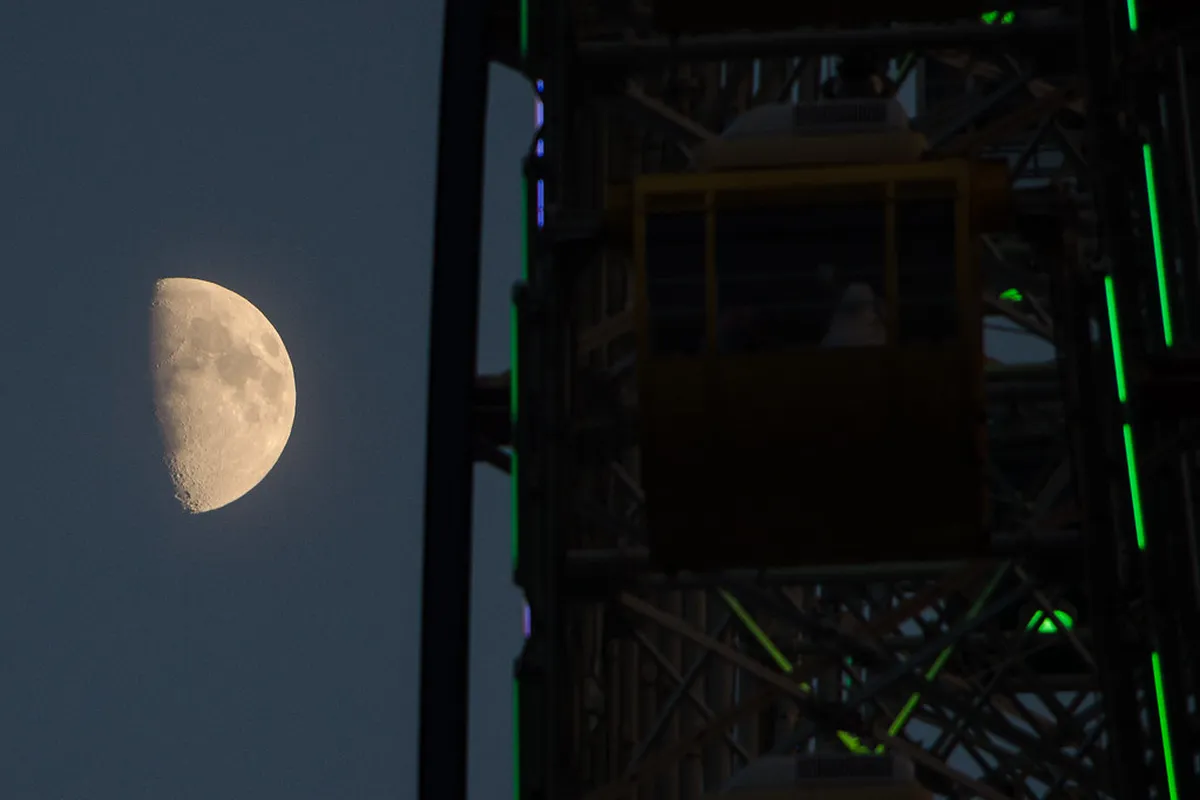
Yokohama wins on coherence. The Minato Mirai district packages the Landmark Tower, Cosmo World ferris wheel, Cup Noodles Museum, and the waterfront into a walkable 2 km loop. Add the vibrant Yokohama Chinatown, the Sankeien Garden, and the Yamashita Park area, and you have two full days of sightseeing without ever taking a transfer.
For families, the port city is measurably easier: most top Yokohama attractions are stroller-friendly, indoor-outdoor combinations sit close together, and queue times are a fraction of Tokyo's headline museums.
Food & Local Specialties: Yokohama's Unique Flavor
Tokyo holds more Michelin stars than any city on earth (around 170 in the 2026 guide) and the depth of regional Japanese cuisine on offer is unmatched. Sushi at Tsukiji Outer Market, tonkatsu in Tonki, and tempura in Asakusa are all defining meals.
Yokohama counters with three specialities that exist nowhere else at this scale. Yokohama Chinatown is the largest in Japan with more than 600 restaurants concentrated in a few blocks; a sit-down lunch of xiaolongbao and Cantonese roast meats runs 1,500 to 2,500 yen. Iekei ramen, the soy-pork-bone hybrid invented here, costs 950 to 1,200 yen at originators like Yoshimuraya. And the Noge district packs more than 600 izakaya, jazz bars, and craft-beer pubs into an area you can cross in 10 minutes.
Noge is the answer to anyone who finds Shinjuku's Golden Gai too cramped or too touristed in 2026: the prices are 20 to 30 percent lower, English menus are spreading, and a stool usually opens up within five minutes.
Logistics: Getting Around and Shinkansen Access
The intercity ride is the cheat code that makes this debate possible. The JR Tokaido Line connects Yokohama Station to Tokyo Station in 25 minutes for 490 yen, with departures every 5 to 8 minutes from 5:00 to past midnight. The Minatomirai Line plus Tokyu Toyoko reaches Shibuya in 35 minutes through-running, no transfer. Check JR East for current schedules.
For Shinkansen access, Shin-Yokohama Station is the secret weapon: every Hikari and Kodama, and most Nozomi services, stop here, so Kyoto is 2 hours 12 minutes and Osaka is 2 hours 28 minutes from your Yokohama base, often without backtracking through Tokyo Station. Airport links are equally strong, with the Limousine Bus to Haneda in 30 minutes (3,800 yen round trip) and to Narita in 90 minutes via the Narita Express.
From Northern Tokyo neighbourhoods like Asakusa or Ueno, the same airport runs take 50 to 75 minutes; getting between Yokohama and Tokyo is frankly faster than crossing Tokyo itself end to end.
Day Trip Potential: Proximity to Kamakura and Hakone
This is where Yokohama quietly outperforms central Tokyo. The "Kamakura Shortcut" is real: Yokohama to Kamakura on the JR Yokosuka Line is 24 minutes for 350 yen, versus 56 minutes and 950 yen from Shinjuku or 1 hour 10 minutes from Asakusa. You save almost an hour each way, roughly two hours of daylight returned to the temple visit.
For Hakone, the Odakyu Romance Car still runs from Shinjuku in 85 minutes, but the JR Tokaido option via Odawara from Yokohama is 45 minutes to Odawara plus a transfer, comparable in total time and 1,500 yen cheaper without the Romance Car surcharge. Enoshima, Yokosuka, and the Miura Peninsula are all 30 to 50 minutes south, options that are simply impractical as day trips from Northern Tokyo. Kamakura access from Yokohama is particularly strong. A short day trip from Tokyo in reverse works equally well.
Crowd Fatigue and the Mental Reset
The JR Tokaido Line (25 min, 490 yen from Tokyo Station) is covered by the Japan Rail Pass. The Tokyu Toyoko and Minatomirai Lines are private railways and are NOT covered — use a Suica or Pasmo IC card for those routes.
Few guides talk about this, but it is the single most common reason readers email after a trip: Tokyo fatigue is a measurable thing. Sustained exposure to Yamanote-Line-density crowds, escalator queues, and 24/7 background noise tends to peak around day four or five, and it is the point at which most travellers start cutting their own itinerary in half.
Yokohama functions as an in-trip pressure valve. Even one night based at Minato Mirai, with an evening walk along the bay and a quiet hotel floor at 22 sqm rather than 12, resets the nervous system enough to enjoy the back half of a Japan trip. Travellers who are sensitive to sensory overload, parents with young children, and anyone arriving from a long-haul flight tend to do best by booking the first two and final two nights of their itinerary in Yokohama, with the loud middle stretch in Tokyo.
Who Should Stay Where: A Quick Decision Matrix
| Traveller | Stay in | Why | Indicative nightly cost (2026) |
|---|---|---|---|
| First-timer, 5 nights | Tokyo (Shinjuku or Ueno) | Walk-out access to icons; minimises transit time | 18,000–24,000 yen |
| Family of 4 | Yokohama (Minato Mirai) | 22 sqm rooms, bay views, stroller-friendly attractions | 14,000–18,000 yen |
| Budget couple, 7 nights | Yokohama (Sakuragicho) | Saves 35,000+ yen vs Shinjuku, 25-min commute | 9,000–13,000 yen |
| Returning visitor | Yokohama + Noge | Jazz, craft beer, fewer tourists, local feel | 11,000–16,000 yen |
| Business / Shinkansen-heavy | Yokohama (Shin-Yokohama) | All Hikari/Kodama stop here; Haneda 30 min | 10,000–15,000 yen |
| Nightlife-focused | Tokyo (Shibuya or Roppongi) | Density of clubs and late-night options | 16,000–28,000 yen |
Sample 3-Day "Yokohama as a Base" Itinerary
Day 1 — Yokohama port loop. Morning walk through Minato Mirai and the Akarenga warehouses; lunch in Chinatown (1,800 yen); afternoon at Cup Noodles Museum or Sankeien Garden; evening Iekei ramen and a jazz bar in Noge.
Day 2 — Tokyo day trip. 8:15 train Yokohama to Tokyo (25 min, 490 yen); morning at Senso-ji and Asakusa; lunch in Ueno; afternoon teamLab Planets in Toyosu; sunset at Shibuya Sky; back to Yokohama on the 22:00 train. Total in-Tokyo time: 11 hours, more than most Tokyo-based travellers manage on the same day because they spend it hopping neighbourhoods.
Day 3 — Kamakura via the shortcut. 9:00 Yokosuka Line to Kamakura (24 min, 350 yen); Great Buddha and Hasedera in the morning; Enoden tram to Enoshima for the afternoon; back by 18:00 for a final bay-view dinner. This same day from Shinjuku costs you 50 extra minutes each way and the temples close at 17:00.
The Verdict: Who Should Choose Yokohama over Tokyo?
Choose Tokyo if this is your first trip to Japan, you have five nights or fewer, and your wishlist is dominated by named landmarks and headline neighbourhoods. The premium you pay for a small room is the price of removing transfers.
Choose Yokohama if you are travelling with family, on a budget, returning for a second or third visit, sensitive to crowds, or running a Shinkansen-heavy itinerary. You get 60 to 80 percent more hotel space for 30 to 40 percent less money, faster access to Kamakura and Hakone, and a city that still leaves the door open to a 25-minute Tokyo day trip whenever you want one.
For most travellers in 2026, the smartest move is a hybrid: three or four nights in Tokyo for the icons, two or three in Yokohama as a reset and as a launchpad for the southern day trips. The 490-yen ticket between them is the cheapest upgrade in Japanese travel.
Combine this with our main Yokohama attractions guide for a fuller itinerary.
For related Yokohama deep-dives, see our How to Get to Yokohama from Tokyo and Yokohama Day Trip From Tokyo guides.
Frequently Asked Questions
Which city is cheaper for a one-week stay?
Yokohama is generally cheaper for a one-week stay. Accommodation prices are lower and rooms are larger. Daily food and local transport costs also tend to be more budget-friendly.
Is it easy to commute from Yokohama to Tokyo daily?
Yes, commuting is very easy and takes about 30 minutes. Multiple train lines connect the two cities frequently. Many locals make this trip every single day for work.
Which city has better food options?
Tokyo has more total options and Michelin stars. However, Yokohama offers unique specialties like world-class Chinese food. Both cities provide incredible dining experiences for every budget.
Both cities offer incredible experiences for any traveller visiting Japan. Tokyo provides the iconic energy that most people expect from the capital. Yokohama offers a spacious and breezy alternative that saves you money.
Consider your priorities regarding room size and crowd levels before booking. No matter which you choose, the short distance makes visiting both easy. Enjoy your journey through these two magnificent Japanese giants.
Free: The Yokohama Essentials guide
Top things to do, where to stay, a perfect day plan, getting around, and the best time to go — a Yokohama mini-guide you can take offline.
You might also like


Continue reading
More guides you'll find useful


