Best Time to Visit Yokohama: 8 Essential Seasonal Tips
Discover the best time to visit Yokohama. Our guide covers monthly weather, cherry blossom peaks, summer festivals, and tips to avoid the crowds.
On this page
For most 2026 trips, the best time to visit Yokohama is late March to mid-April or mid-October to late November. These windows give you mild walking weather, strong seasonal scenery, and better harbor views than humid summer. They also work well for a Yokohama day trip from Tokyo.
Spring is best for cherry blossoms at Sankeien Garden, Yamashita Park, and the Ooka River. Autumn is best for clear skies, fall foliage, Chinatown meals, and evening walks around Minato Mirai. Winter is underrated for illuminations, lower crowds, and Mt. Fuji views from Osanbashi Pier.
Summer is still worth considering if your priority is festivals, waterfront fireworks, or family events around Minato Mirai 21. The trade-off is real: June brings rainy season, July and August are hot, and Obon can push up hotel demand.
Yokohama Weather and Climate Overview
Yokohama has a humid subtropical climate,
but the sea keeps it a little breezier than central Tokyo. January and February are dry, sunny, and cold enough for a coat. June to early July is rainy season, while September can bring typhoon-related disruption.The easiest months for first-time visitors are April, May, October, and November. Daytime temperatures usually sit in the comfortable walking range, and you can build a full Yokohama itinerary around gardens, Chinatown, museums, and sunset viewpoints. March and December are also good if you dress for cooler evenings.
August is usually the hottest month, with highs around 31°C / 88°F and high humidity. January is usually the coldest month, with highs near 10°C / 50°F. The rainiest periods are June and September, so keep Cup Noodles Museum, Landmark Tower, and Red Brick Warehouse as backup stops.
Cherry blossoms in Yokohama usually peak in late March to early April. Sankeien Garden is the most atmospheric spot, but Yamashita Park and the Ooka River are easier to combine with a waterfront walk.
Spring (March-May): Cherry Blossoms at Sankeien Garden
Spring is the classic answer to when to go to Yokohama. Cherry blossoms usually open in late March and peak around late March to early April, though the exact week shifts with the winter and early spring temperatures. Sankeien Garden is the most atmospheric spot because blossoms frame ponds, bridges, and historic buildings.
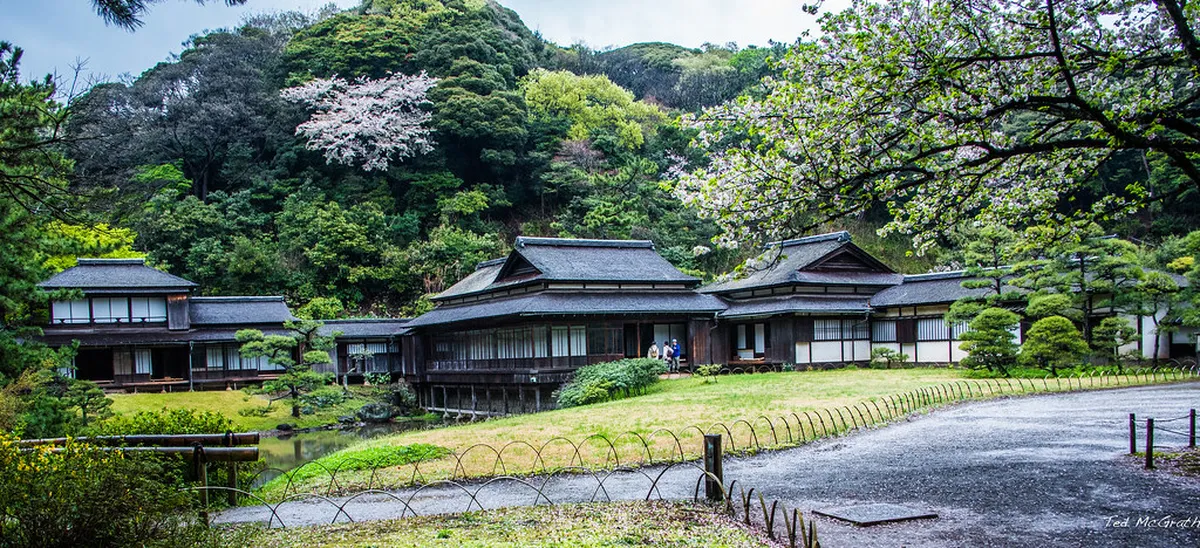
The Ooka River, Yamashita Park, and the Minato Mirai waterfront are easier to combine with a short visit. For a calmer flower trip, consider Sankeien's plum blossoms in February or fresh green maple leaves in May. The Sankeien Garden Official Site is worth checking before you go.
- Pros: late March to April gives you sakura, mild afternoons, and easy walking between stations, parks, and harbor viewpoints.
- Cons: sakura weekends are crowded, hotel rates rise, and Golden Week from late April to early May is one of the worst periods for spontaneous bookings.
Summer (June-August): Festivals and Minato Mirai Fireworks
Summer is the liveliest but least comfortable season. June is rainy season, July gets hot fast, and August brings the heaviest humidity. The upside is that Minato Mirai feels made for summer nights, with harbor breezes, light shows, open-air dining, and fireworks events.
Plan outdoor sightseeing before 11:00, then move indoors during the hottest part of the day. The CUP Noodles Museum is the strongest rainy-day Plan B because it sits near Cosmo World, Red Brick Warehouse, and the waterfront. For the My Cup Noodles Factory or chicken ramen workshop, check booking rules early because school-holiday slots disappear.
- Pros: summer is best for fireworks, waterfront evenings, beer gardens, and family events around Minato Mirai 21.
- Cons: June rain, August heat, and Obon travel demand make this the season that needs the most flexible schedule.
Autumn (September-November): Fall Foliage and Chinatown Food
Autumn is the best season if you want comfort without sakura crowds. September can still feel like summer and may bring typhoon rain, but mid-October through late November is usually excellent. By November, Sankeien Garden becomes the headline stop again, this time for red maples around the pond.
Autumn also suits Yokohama Chinatown because cooler evenings make street food easier to enjoy. Start with steamed buns, sesame balls, and dumplings, then walk toward Yamashita Park or Osanbashi Pier. Our Yokohama Chinatown guide is useful if food drives the trip.
Noge is the autumn nightlife edge most seasonal guides underplay. October and November are comfortable enough for bar-hopping between tiny izakaya, jazz bars, and standing counters near Sakuragicho without August sweat or January wind. It is strongest if you stay overnight instead of rushing back to Tokyo.
- Pros: October and November offer mild temperatures, lower crowds than spring, and a better balance of gardens, food, and nightlife.
- Cons: early September can still be hot, and typhoon forecasts deserve attention if you are planning ferries or outdoor viewpoints.
Winter (December-February): Illuminations and Clear Sky Views
Winter is the best time to visit Yokohama for clear skies, low rain, and skyline photography. Osanbashi Pier is the key viewpoint because it lines up Minato Mirai, the harbor, and sometimes Mt. Fuji in one sweep. Go in the morning after a dry, windy night for your best odds.
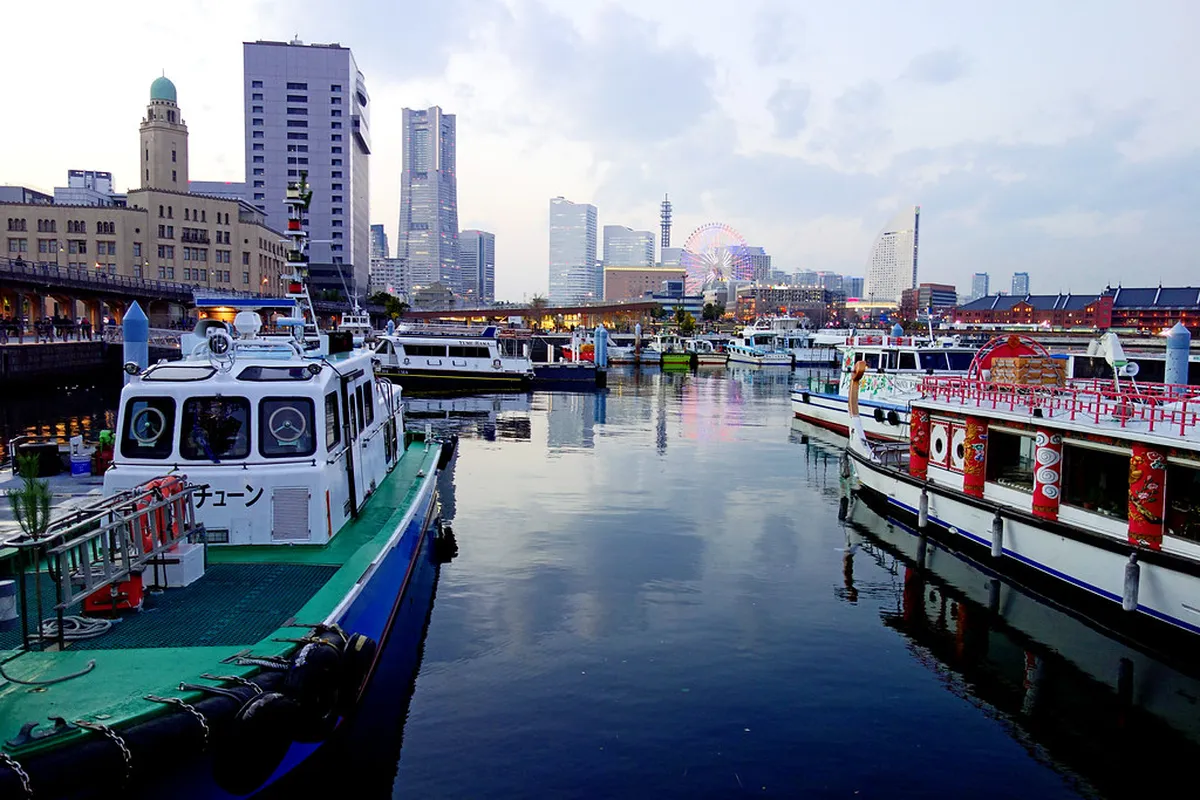
December adds illuminations around Minato Mirai, the Red Brick Warehouse, and shopping areas near Sakuragicho. January is quieter after New Year closures pass, while February can be good for plum blossoms and Lunar New Year atmosphere in Chinatown. Winter hotel prices are often friendlier outside Christmas, New Year, and long weekends.
| Month | Mt. Fuji visibility from Osanbashi | Best timing |
|---|---|---|
| December | Good | Morning or blue hour after a clear day |
| January | Excellent | Morning after dry north winds |
| February | Very good | Morning before haze builds |
| June-September | Low | Only after storms or unusually clear days |
- Pros: winter gives you illuminations, fewer daytime crowds, dry weather, and the clearest Mt. Fuji views.
- Cons: harbor wind feels sharp after sunset, and some outdoor stalls, beer gardens, and ferry schedules may be reduced.
Best Time for Events: Pikachu Outbreak and Lunar New Year
Yokohama's event calendar can change the best month for your trip. Summer is the usual window for large character events around Minato Mirai, including Pikachu-themed programs when they run. Do not book only for a character event until the official 2026 schedule is confirmed.
For cultural atmosphere, February is strong if Lunar New Year falls near your dates and you want Chinatown lion dances, lanterns, and busy food streets. December is better for Christmas markets and illuminations, while October often brings outdoor food, beer, and music events around the waterfront and Noge. Pair event checks with our Yokohama attractions guide.
| Event window | Where to focus | Travel note |
|---|---|---|
| February | Yokohama Chinatown | Lunar New Year dates vary each year |
| Late March-early April | Sankeien Garden, Ooka River, Yamashita Park | Book hotels early for sakura weekends |
| July-August | Minato Mirai and harbor parks | Expect heat, fireworks crowds, and family travel |
| December | Red Brick Warehouse and Minato Mirai | Reserve dinner near popular illumination areas |
Monthly Temperature and Rainfall Breakdown
The monthly pattern matters more than the season label. April and November are the safest choices because they avoid the harshest heat, coldest harbor wind, and wettest weeks. June and September need more indoor backup planning.
| Month | Typical high | Rain and comfort | Best use |
|---|---|---|---|
| Jan | 10°C / 50°F | Dry, cold, clear | Fuji views and low crowds |
| Feb | 11°C / 52°F | Dry with cold evenings | Plum blossoms and Chinatown |
| Mar | 14°C / 57°F | Cool, changeable | Early blooms and walking |
| Apr | 19°C / 66°F | Mild with some showers | Sakura and parks |
| May | 23°C / 73°F | Warm before rainy season | Green gardens and harbor walks |
| Jun | 25°C / 77°F | Rainy and humid | Museums and flexible plans |
| Jul | 29°C / 84°F | Hot after rainy season | Evening waterfront events |
| Aug | 31°C / 88°F | Hottest and humid | Fireworks and indoor breaks |
| Sep | 27°C / 81°F | Warm with typhoon risk | Short trips with weather checks |
| Oct | 22°C / 72°F | Comfortable, less humid | Food, Noge, and day trips |
| Nov | 17°C / 63°F | Cool and often clear | Foliage and photography |
| Dec | 12°C / 54°F | Dry and crisp | Illuminations and winter views |
Golden Week runs across late April and early May. Avoid last-minute hotel searches near Minato Mirai, Sakuragicho, or Chinatown during this period — rooms fill weeks in advance and prices rise sharply.
Travel Logistics: Peak Seasons and Holiday Warnings
The biggest crowd traps are not always weather-related. In 2026, Golden Week runs across late April and early May, with the heaviest domestic travel around the national holidays. Avoid last-minute hotel searches then, especially near Minato Mirai, Sakuragicho, or Chinatown.
Obon in mid-August can also raise demand, even when the weather is uncomfortable. New Year brings a different issue: some shops and restaurants close around January 1, while major temples, malls, and viewpoints get busy. If your dates are fixed, reserve dinners and event tickets early.
For transport, the city is easy from Tokyo in most seasons, but weather can change your route. Typhoon days may affect waterfront ferries, outdoor attractions, and train schedules. Keep a rail-first plan for bad weather, and save the Sea Bass ferry or long harbor walk for clear days.
What to Pack by Season
Packing for Yokohama is mostly about wind, humidity, and walking distance. A good day can still mean long stretches between Sankeien Garden, Chinatown, Osanbashi Pier, and Minato Mirai. Comfortable shoes matter in every month.
- Spring works best with a light jacket, a compact umbrella, and layers you can remove during sunny afternoons.
- Summer needs breathable clothes, sunscreen, a small towel, and a backup indoor plan for rain or heat.
- Autumn is easiest with a light sweater, walking shoes, and a jacket for breezy harbor evenings.
- Winter needs a warm coat, gloves, and wind protection if you plan to wait outside for Mt. Fuji views or illuminations.
If you are still deciding, choose April for blossoms, November for foliage, January for visibility, and October for the most balanced food-and-walking trip. For more ideas, use our Yokohama hidden gems guide.
For related Yokohama deep-dives, see our Yokohama Itinerary 2026, Yokohama attractions guide, and 12 Essential Yokohama Hidden Gems and Travel Tips.
Frequently Asked Questions
What is the rainiest month in Yokohama?
June is typically the rainiest month due to the Tsuyu rainy season. September also sees high rainfall from typhoons. Plan for indoor activities like museums during these months.
When do cherry blossoms bloom in Yokohama?
Cherry blossoms usually bloom between late March and early April. The peak lasts about one week. Sankeien Garden and Yamashita Park are the best viewing spots.
Is Yokohama worth visiting in winter?
Yes, winter is excellent for clear skies and Mt. Fuji views. You can enjoy beautiful night illuminations and fewer crowds. Prices for hotels are also at their lowest.
Yokohama works year-round, but spring and autumn are the easiest seasons for most travelers. Summer is best for events, while winter is best for views, illuminations, and lighter crowds.
Free: The Yokohama Essentials guide
Top things to do, where to stay, a perfect day plan, getting around, and the best time to go — a Yokohama mini-guide you can take offline.
You might also like


Continue reading
More guides you'll find useful