

12 Essential Yokohama Hidden Gems and Travel Tips (2026)
Discover the best yokohama hidden gems including the Noge nightlife district, secret thrift spots, and nostalgic ramen museums. Plan your perfect day trip from Tokyo.
On this page
After my seventh trip to Kanagawa, I've realized most visitors barely scratch the surface of Japan's second-largest city. This guide was last refreshed in May 2026 to reflect current pricing, opening hours, and reservation rules for the spots locals actually recommend. If you are planning a yokohama itinerary, looking beyond the skyline is essential for a true local experience.
I remember my first visit when I spent all day in Minato Mirai and felt I had seen it all. A local friend later took me to the backstreets of Noge, and my entire perspective on the city changed. These hidden spots offer a grit and charm that the polished harbor districts simply cannot match.
Yokohama also makes the perfect yokohama day trip from tokyo for travelers who want a slower pace. The city blends Victorian-era port history, modern innovation in Minato Mirai 21, and a food scene that rivals the capital. Our editors have vetted each of the 12 gems below for 2026 to ensure they still deliver something the guidebooks miss.
Is Yokohama Worth Visiting?
Yokohama gives you a spacious, breezy contrast to the density of Shinjuku or Shibuya in Tokyo, and as Japan's original treaty port it carries a cosmopolitan flair you won't find elsewhere in Kanagawa. You can move from Victorian brick streets to neon izakaya alleys in a single afternoon, which is why even Tokyo locals come down on weekends to reset.
The food scene alone justifies the trip, with historic western bakeries, iekei ramen shops, and the staples in our yokohama food guide. Add sprawling gardens, an interactive noodle museum, and the 70th-floor Sky Garden at the Yokohama Royal Park Hotel inside Landmark Tower, and the day fills itself.
The waterfront is unusually walkable for Japan, and the Minatomirai and Negishi lines stitch the rest together cleanly. Whether you are solo, with kids, or chasing nightlife, the diversity is what makes this a mandatory stop on any Kanagawa itinerary.
How to Get from Tokyo to Yokohama
Reaching Yokohama from Tokyo is simple, with several lines connecting the two cities in under 30 minutes. The fastest option is the JR Tokaido Line from Tokyo Station at about 25 minutes for around 500 yen. From Shibuya, the Tokyu Toyoko Line runs direct to Yokohama Station and continues through to Minatomirai and Motomachi-Chukagai, which is the move if your day is centered on the bay.
If you hold a Japan Rail Pass, take the JR Shonan-Shinjuku or Yokosuka line from Shinjuku or Shibuya for free travel. For the deeper breakdown of routes, timing, and which station to actually exit at, see our how to get to yokohama from tokyo guide. Stick to Rapid or Limited Express services to avoid every minor stop.
One trap to flag: Shin-Yokohama Station is a Shinkansen hub but sits about 6 km inland from the waterfront. If your goal is Minato Mirai, Bashamichi, or Yamashita Park, get off at Yokohama Station or Sakuragicho instead. Shin-Yokohama only makes sense if you're heading straight to the Ramen Museum.
Noge District: The Ultimate Hidden Nightlife Spot
Noge sits a 5-minute walk west of Sakuragicho Station and feels like a different city after dark. By day it's a quiet grid of shuttered shops and old barber poles; from about 17:00 the shutters roll up and roughly 600 tiny izakaya, standing bars, and yakitori counters flicker on. Most spots seat 6 to 10 people, and you'll often share a counter with salarymen who commute in from Tokyo specifically for the cheaper drinks.
This is also one of the best places in the country to drink in iekei ramen, the Yokohama-born style that crosses tonkotsu pork broth with soy-sauce shoyu and tops thick noodles with spinach, nori, and a slab of chashu. Many Noge shops serve it as a post-drinking shime around 23:00. Pro tip: arrive by 18:00 to snag a counter seat before the after-work rush hits at 19:30, and keep a translation app open since English menus are rare.
Arrive in Noge by 18:00 to snag a counter seat before the after-work rush hits at 19:30. Most bars hold only 6–10 people, and English menus are rare — keep a translation app open.
Budget around 3,000 to 5,000 yen for two drinks and a few small plates. The atmosphere is louder and grittier than the polished Minato Mirai bars, which is exactly the point. For a wider tour of the district, our yokohama nightlife guide breaks down the specific alleys worth wandering.
Don Don Down on Wednesday: A Quirky Thrift Experience
Don Don Down on Wednesday is a Japanese thrift chain with a Yokohama Station North Exit branch that locals raid for vintage denim, Showa-era jackets, and designer pieces at sub-2,000 yen prices. The hook is the fruit-tag system: every item is tagged with a fruit symbol that corresponds to a price, and that price drops every Wednesday at 11:00 sharp.
Here is how the rotation actually works week to week, which competitor guides usually skip:
- Pineapple tag: 5,000 yen on arrival, falls each Wednesday by roughly 1,000 yen.
- Mango tag: drops to 3,000 yen on its first Wednesday.
- Apple tag: 1,000 yen, the most-hunted bracket for jackets and bags.
- Lemon tag: 500 yen, mostly t-shirts and shirting.
- Acerola (final tag): 100 yen, last week before the item is pulled from the floor.
Pro tip: line up by 10:45 on Wednesday if you want first crack at the apple and lemon racks; serious resellers are inside within the first 10 minutes. Tuesday evenings are also worth a scout to spot pieces about to drop a tier. The store is a 3-minute walk from the JR Yokohama North Exit and accepts cash and major IC cards.
Shin Yokohama Ramen Museum: A 1950s Time Capsule
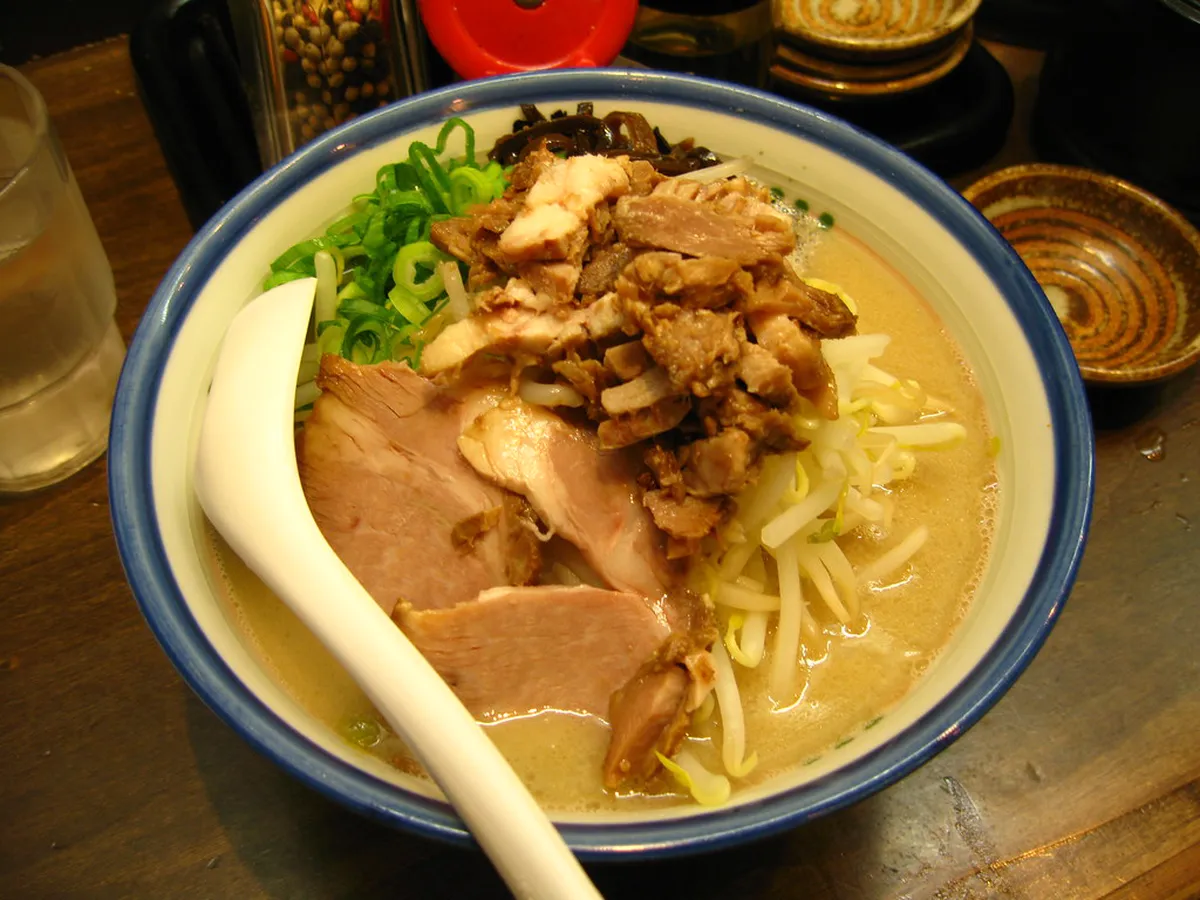
The Shin Yokohama Ramen Museum is not a traditional museum; it's a basement-level recreation of a 1958 Tokyo shitamachi neighborhood, complete with hand-painted signage, fake sunset lighting, and nine working ramen shops pulled from across Japan. Entry is 450 yen for adults and 100 yen for children, with each bowl ordered separately for 900 to 1,500 yen.
The rotating roster typically includes a Hokkaido miso shop, a Hakata tonkotsu, and a Wakayama soy-sauce specialist, so you can taste three regional styles in one afternoon by ordering mini-sizes (around 600 yen). It's open 11:00 to 21:00 most days and sits a 5-minute walk from Shin-Yokohama Station, which makes it an easy stop right off the Shinkansen.
Pro tip: go on a weekday between 14:00 and 16:00 to dodge the 45-minute queues at the most popular stalls. Weekends and school holidays push wait times past an hour.
Cup Noodles Museum: DIY Innovation and History
The Cup Noodles Museum in Minato Mirai is a tribute to Momofuku Ando, the inventor of instant ramen, and runs as an interactive experience rather than a static exhibit. General admission is 500 yen for adults; children under high school enter free. It's open 10:00 to 18:00 and closed Tuesdays, with a 10-minute walk from Sakuragicho or Bashamichi station.
The headline attraction is the My CUPNOODLE Factory, where you decorate your own cup and choose four toppings from a rotating set of about a dozen. The workshop costs 500 yen per cup, and slots sell out — book a My CUPNOODLE Factory reservation at least 2 to 3 weeks in advance during peak season (March, August, late December). Walk-in tickets are released at 10:00 daily but typically gone by 10:30 on weekends.
The Chicken Ramen Factory experience (1,000 yen, 90 minutes, advance reservation only) is the deeper option, where you knead and hand-cut your own noodles. The full official details are on Cup Noodles Museum Yokohama.
Ramen Museum vs Cup Noodles Museum: Which One?
These two are constantly confused, and most tourists who only have an afternoon should pick one. Quick side-by-side:
| Feature | Shin-Yokohama Ramen Museum | Cup Noodles Museum |
|---|---|---|
| Entry fee | 450 yen adults | 500 yen adults (children free) |
| Food cost | 900–1,500 yen per bowl | 500 yen per cup (workshop) |
| Time needed | 90–120 min | 2–3 hours |
| Reservations | Walk-in only | Required online for workshops |
| Best for | Foodies, adults, near Shinkansen | Families, kids 4–12, Minato Mirai |
NYK Hikawa Maru: The "Queen of the Pacific"
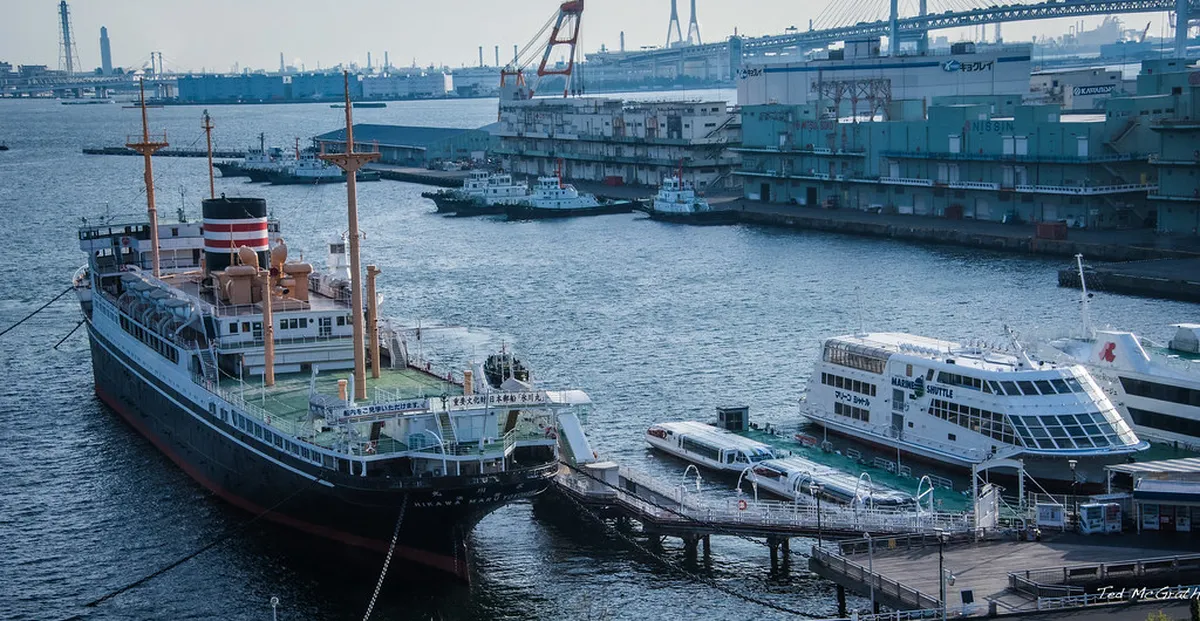
Permanently docked at Yamashita Park, the NYK Hikawa Maru is a 1930 ocean liner that once shuttled passengers including Charlie Chaplin between Yokohama and Seattle. Admission is 300 yen for adults, the cheapest historic ship visit in the Kanto region.
The interior is preserved Art Deco — first-class smoking lounges, cabin suites, and the engine room are all walkable. The ship pairs naturally with a free wander through Yamashita Park itself, which has rose gardens peaking in May and October and unobstructed views across to the Bay Bridge. Open 10:00 to 17:00, closed Mondays.
Pro tip: visit at 16:00 to catch golden-hour light on the deck and then walk five minutes to Osanbashi Pier for sunset over Minato Mirai.
Koganecho: From Red Light to Art Hub
Koganecho occupies a 400-meter stretch of riverside under the Keikyu railway between Hinodecho and Koganecho stations. Until 2005 it was Yokohama's most notorious red-light district, with roughly 250 illegal "chon-no-ma" micro-brothels packed into the arches. A police crackdown that year shut them all in a single sweep, and the city handed the empty arches to the Koganecho Area Management Center, which converted them into legal artist studios and galleries.
Today around 40 working artists from Japan and abroad rotate through year-long residencies, and most of the studios are free to walk into between 12:00 and 19:00. The annual Koganecho Bazaar art festival runs September through November and is the best time to see the full project at scale. This is the cleanest example of urban revitalization in Japan and a striking counter-narrative to the gentrification stories you'll read elsewhere.
Bashamichi Street: Victorian-Era Charm
Bashamichi was the first street in Japan paved with western-style brick and lit by gas lamps when the Meiji-era port opened to foreign trade in the 1860s. It still runs about 500 meters from Kannai Station toward the waterfront, lined with red-brick warehouses, the Kanagawa Prefectural Museum of Cultural History, and a handful of European-style cafes.
It's free to walk and best photographed in the hour before sunset when the gas-style lamps switch on. Pro tip: stop at the Bashamichi Junmaru Cafe for a Yokohama ice cream — it claims to be the first place ice cream was sold in Japan (1869).
Yokohama Brewery: Local Craft Beer Culture
While most travelers default to the Kirin Yokohama Beer Village factory tour, the city's actual craft beer scene starts at Yokohama Brewery on Sumiyoshicho, founded in 1999 and considered the grandfather of the local microbrewery wave. The taproom serves six house beers on tap, including the flagship Pilsner and a Yokohama Lager, with pints running 750 to 1,100 yen.
The kitchen does small plates and German sausages until 22:00 most nights, and the brewing tanks are visible from the seating area. It's a 7-minute walk from Bashamichi Station, which means you can pair it with the brick-street walk for a tidy late-afternoon route. Pro tip: the seasonal brews change every 6 to 8 weeks and rarely leave the taproom, so ask the staff what's currently small-batch.
Yokohama Hakkeijima Sea Paradise: Island Escape
Hakkeijima is a man-made island off the southern edge of the city that combines a four-building aquarium with an amusement park and a small resort hotel. Park entry is free; you only pay for the rides and aquariums you actually use. The combo aqua-resort pass runs 3,300 yen for adults and 2,000 yen for children, with the aquarium-only ticket at 3,000 yen.
It's open 10:00 to 20:00 on weekdays and until 21:00 on summer weekends, accessed via the Seaside Line from Shin-Sugita Station (about 17 minutes). Pro tip: this is the right pick for families with kids under 10, but adults should skip it unless aquariums are a priority — Sankeien Garden is a better use of an afternoon for everyone else.
More Quiet Gems Worth a Stop
The Yamate Western Houses sit on a hill above Motomachi and preserve seven 19th-century diplomatic residences in landscaped gardens, all with free admission and 09:30 to 17:00 hours. Use the Yamate Western Houses guide to map the route between them; the full loop takes about 90 minutes.
Sankeien Garden is a 175,000 square-meter classical garden assembled by a silk merchant who imported historic buildings (including a 17th-century three-story pagoda from Kyoto) onto the grounds. Entry is 900 yen, open 09:00 to 17:00. Our sankeien garden yokohama guide covers the best seasonal timing. The Yokohama Museum of Art reopened in 2024 after renovation and now charges 500 to 1,800 yen depending on the special exhibit; check the Yokohama Museum of Art site before going.
Spotting Mount Fuji from Yokohama: A Practical Guide
Large daytime tour buses to the Kirin beer factory take 4 hours for just a 25-minute tasting. The main Chinatown food courts directly off Chuka-Daimon Dori are tourist-priced and inconsistent — use the back-alley restaurants instead.
Mount Fuji is visible from Yokohama on roughly 60 to 80 days a year, concentrated in December through February when humidity drops and the air clears. The single best free viewpoint is the Osanbashi Pier rooftop at sunset — Fuji silhouettes directly behind the Landmark Tower from about December 5 to January 8, an alignment locals call "Diamond Fuji from Yokohama."
For paid views, the Sky Garden observatory on the 69th floor of Landmark Tower (1,000 yen for adults, open 10:00 to 21:00) is the most reliable. Go 60 to 90 minutes before sunset for the cleanest visibility, and check the live webcam on the Sky Garden site that morning — if Fuji isn't already visible by 10:00, it almost never appears later that day. The free Yokohama Air Cabin gondola offers a bonus angle from above the harbor but doesn't quite clear the surrounding buildings for a full Fuji shot.
What to Skip in Yokohama
The main Yokohama Chinatown gates are worth a 30-minute walk-through, but the food courts directly off Chuka-Daimon Dori are tourist-priced and inconsistent — see our yokohama chinatown guide for the smaller back-alley restaurants that locals actually use. The Cosmo Clock 21 Ferris wheel often runs 45 to 70-minute queues on weekends for a view you can get free from the Sky Garden or even Osanbashi Pier; ride it only on a weekday before 17:00.
Finally, large daytime tour buses to the Kirin beer factory eat 4 hours for a 25-minute tasting — Yokohama Brewery delivers a better, deeper craft experience for the same money in a fraction of the time.
Combine this with our main Yokohama attractions guide for a fuller itinerary.
For related Yokohama deep-dives, see our Best Time to Visit Yokohama and Yokohama Itinerary 2026 guides.
Frequently Asked Questions
Can I see Mount Fuji from Yokohama?
Yes, you can see Mount Fuji from several high vantage points on clear days. The Landmark Tower Sky Garden and the Osanbashi Pier offer the best unobstructed views during the winter months.
Is Yokohama safe for tourists to explore alone?
Yokohama is exceptionally safe for solo travelers, even in nightlife districts like Noge. Standard urban precautions apply, but the city maintains a very low crime rate and welcoming atmosphere for visitors.
What is the difference between the Ramen Museum and the Cup Noodles Museum?
The Ramen Museum focuses on regional ramen history in a 1950s setting with multiple stalls. The Cup Noodles Museum is an interactive space dedicated to instant ramen and DIY workshop experiences.
Yokohama is a city of layers, where modern skyscrapers stand just blocks away from nostalgic 1950s alleys and Victorian streets. By stepping away from the main tourist paths, you will discover the creative heart and diverse history of this vibrant port. Whether you are hunting for vintage clothes or sipping craft beer, these hidden gems provide a truly memorable Japanese experience.
Don't forget to check out the yokohama nightlife scene before you head back to Tokyo. Each visit to these lesser-known spots reveals a new side of the city that keeps travelers coming back year after year. Safe travels as you explore the best kept secrets of Yokohama!
Free: The Yokohama Essentials guide
Top things to do, where to stay, a perfect day plan, getting around, and the best time to go — a Yokohama mini-guide you can take offline.
You might also like

Continue reading
More guides you'll find useful


