

Best Time to Visit Gujo Hachiman: 2026 Guide
Plan the best time to visit Gujo Hachiman: Gujo Odori summer festival, autumn foliage, spring blossoms, and month-by-month crowd and weather tips for 2026.
On this page
For most visitors, mid-July to early September is the best time to visit Gujo Hachiman. That window brings the legendary Gujo Odori dance festival, running roughly 31 evenings across the summer. We find late July — before the Obon surge — strikes the best balance of festival energy and manageable crowds. Updated June 2026 with current castle hours and festival dates, this guide covers every season honestly.
Gujo Hachiman sits in Gifu Prefecture, a compact mountain water town about two hours north of Nagoya. Clean spring-fed canals run through the historic streets, and koi swim alongside pedestrian lanes year-round. The town's character shifts dramatically with the seasons, from festival energy to snow-dusted quiet.
Shoulder seasons — late April to May and late October to November — offer cherry blossoms or vivid maple foliage. Crowds thin noticeably compared to Obon, prices soften, and the castle hillside glows with seasonal color. Winter brings genuine cold and near-solitude, best suited to travelers who want the castle without the crowds.
Gujo Hachiman Season Comparison
Gujo Hachiman sits at roughly 270 metres elevation in a narrow mountain valley in Gifu Prefecture. Summers are warm and humid, winters bring genuine snowfall, and the two shoulder seasons offer cooler air and vivid color. Based on typical regional climate patterns, the table below maps each season to its key conditions.
The town's single busiest window is the Obon holiday, August 13–16, when all-night dancing fills every street. Outside of Obon, the rest of summer is busy but manageable for independent travelers. Autumn and spring are the easiest times to walk the historic lanes without jostling crowds. Winter is the only period when the town feels genuinely deserted, which is its own kind of appeal.
Spring and autumn share a similar temperature range of 8–18°C / 46–64°F, but feel quite different in character. Autumn evenings cool faster and morning mist settles over the valley earlier in the day. Spring mornings grow lighter by May, extending the useful daylight hours for a relaxed castle visit.
| Season | Months | Temp (°C / °F) | Crowds | Prices | Top Event | Best For |
|---|---|---|---|---|---|---|
| Spring | Late Mar–May | 8–18°C / 46–64°F | Moderate | Mid-range | Cherry blossoms (late Mar–early Apr) | Sightseeing, photographers, couples |
| Summer | Mid-Jul–Sep | 28–33°C / 82–91°F | Very High (Obon) | High | Gujo Odori festival (~31 nights) | Festival lovers, culture seekers |
| Autumn | Oct–Nov | 8–18°C / 46–64°F | Moderate–High (Nov) | Mid-range | Momiji Matsuri (maple festival, Nov) | Foliage fans, castle photography |
| Winter | Dec–Feb | −2–5°C / 28–41°F | Very Low | Low | Snowy castle views | Budget travelers, solitude seekers |
Summer: The Gujo Odori Dance Season
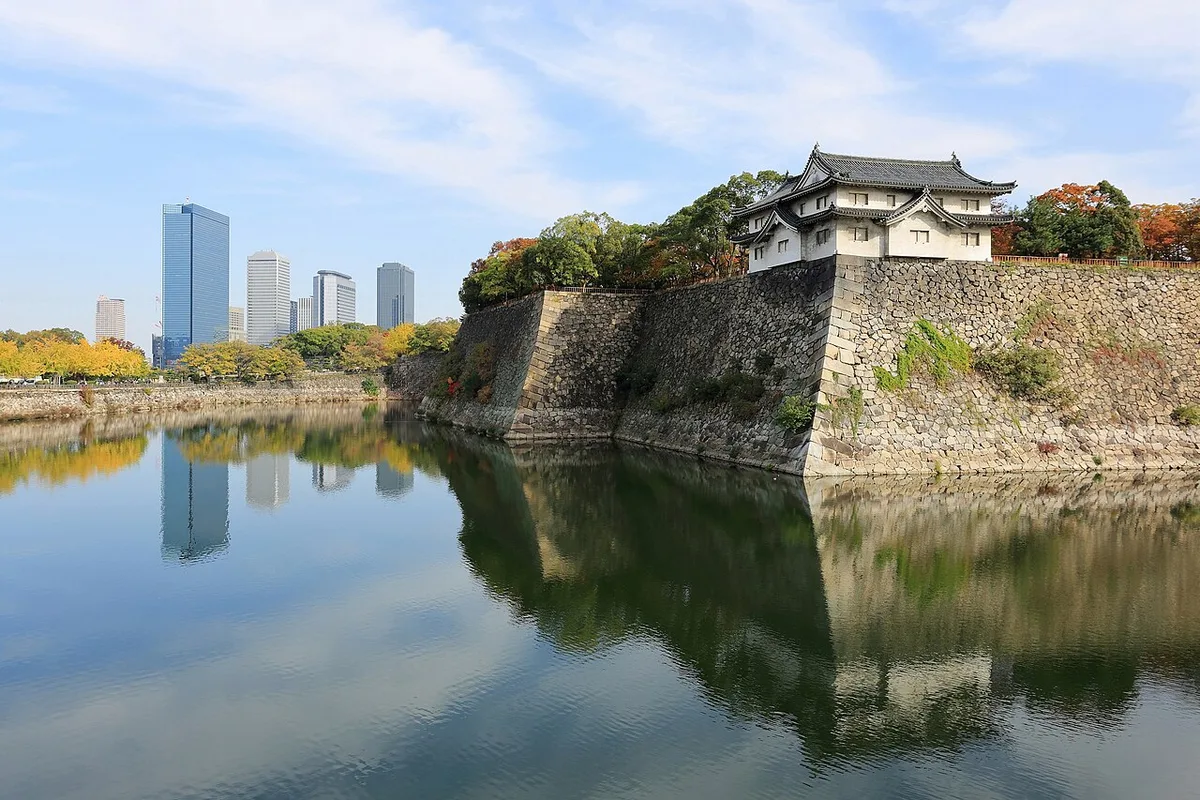
The Gujo Odori runs from mid-July to early September, spanning roughly 31 festival nights in total. Performances begin after sundown in the town's main streets, with live singers and shamisen players leading the circle dance. Anyone can join in, and locals actively welcome visitors into the procession. Our Gujo Odori dance festival guide covers the full schedule and how to participate as a visitor.
The four Tetsuya Odori nights — August 13, 14, 15, and 16 — are the festival's peak. Dancing starts at 20:00 and continues until 05:00, drawing thousands of visitors in yukata. Accommodation fills completely months before Obon; book your stay in Gujo Hachiman at least three to six months ahead. Book a room at Hotel Gujo Hachiman as a practical option if availability opens closer to your dates.
Book your accommodation at least three to six months ahead if visiting during Obon (August 13–16). Hotels fill completely for the Tetsuya Odori all-night festival, and late bookings will find very limited options.
Daytime highs in July and August reach 28–33°C / 82–91°F, but mountain elevation keeps evenings noticeably cooler. The Yoshida River's cold spring water becomes a summer highlight — local children jump from Shinbashi bridge into the clear current. Stroll the Igawa Lane canal walk in the early morning before the heat builds and crowds arrive.
Autumn and Spring: Shoulder Seasons Worth Knowing
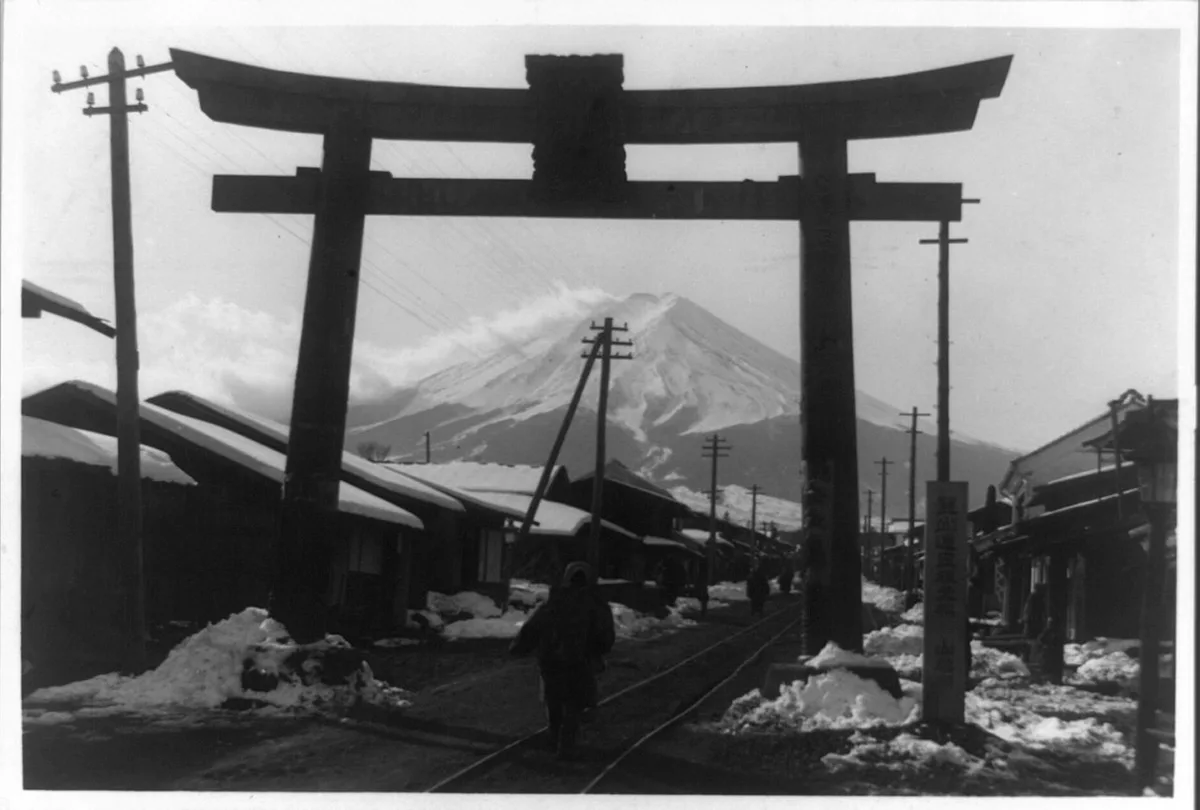
Late October and November bring some of the most striking scenery around Gujo Hachiman Castle Travel Guide. Japanese maple trees surrounding the castle turn vivid red and orange as temperatures drop below 10°C / 50°F. Cold, clear November mornings produce a low-cloud phenomenon locals describe as the castle in the mist. The annual Momiji Matsuri (Maple Leaf Festival) in November includes tea ceremony and koto demonstrations on the castle hill.
Spring — late March through May — brings cherry blossoms to the castle hill and along the Yoshida River. The large cherry tree behind the Kinenkan Tourist Information Centre blooms spectacularly in late March and early April. Crowds are moderate in spring, and accommodation sits at mid-range rates compared to the summer peak. A free self-guided river walk, downloadable from the tourist centre, is perfect for cherry-blossom season.
Both shoulder seasons offer comfortable walking temperatures of 8–18°C / 46–64°F. The top attractions in Gujo Hachiman are all open and far less pressured than in August. Food replica workshops at Sample Kobo accept walk-ins more easily outside the busy summer period. Allow two to three hours on foot to cover the historic core, including Igawa Lane and the castle approach.
Winter and What's Closed in Low Season
December through February is the quietest period, with temperatures dropping to −2–5°C / 28–41°F. Snow settles on the castle and surrounding mountains, creating a fairy-tale silhouette above the town. Visitor numbers are very low, and the historic streets feel almost entirely yours on a weekday morning.
Most major attractions stay open in winter, but with reduced hours and shorter daylight. Gujo Hachiman Castle closes at 16:30 from November through February, with last admission 15 minutes before closing. The Hakurankan Museum daily dance workshops continue at 11:00, 12:00, 13:00, 14:00, and 15:00 year-round. Jion Ji Zen Temple is closed every Tuesday and from December 30 through January 4.
Some riverside summer cafes and seasonal businesses along the Yoshida River close from November through March. Food replica workshops at Sample Kobo require advance reservations in every season, but slots open more freely in winter. The Sogi Sui spring shrine stays open year-round and is beautifully quiet under winter light.
Pick Your Gujo Hachiman Season If You
No single season is right for every traveler in Gujo Hachiman. The dance festival and the autumn foliage appeal to very different travel styles and budgets. Use the breakdown below to match your priorities to the right visit window.
First-time visitors wanting the most iconic experience should aim for late July to early August. That window captures the festival atmosphere without the extreme Obon crush of August 13–16. Plan your Gujo Hachiman Itinerary: A 1-Day Water Town Plan around a weekday evening festival night for a more intimate crowd.
Combining Gujo Hachiman with nearby Takayama or Shirakawa-go works best in autumn or spring. Shirakawa-go's historic thatched-roof village is especially striking in late November with the first snow. Both destinations sit within a comfortable half-day drive of each other through the Gifu highlands.
- Pick summer (mid-July to August) if you
- Want to experience the Gujo Odori dance festival on warm summer nights.
- Pick late October to November if you prefer
- Vivid maple foliage and the castle-in-the-mist phenomenon without festival crowds.
- Pick late March to May if you enjoy
- Cherry blossoms and comfortable temperatures with moderate, manageable tourist numbers.
- Pick December to February if you want
- Low prices, snowy castle views, and the town almost entirely to yourself.
What to Pack for Gujo Hachiman by Season
Packing for Gujo Hachiman depends almost entirely on which season you plan to visit. The town involves a lot of walking on cobbled and paved historic streets year-round. Comfortable, broken-in walking shoes are the single most important item in every season. Staying connected is easy with a 4G eSim for Japan, which makes navigation and real-time booking straightforward.
Summer visitors should pack light cotton clothing that breathes well in heat and humidity. A thin yukata is worth renting locally to join the festival dancing in proper style. Sunscreen, a compact folding fan, and a refillable water bottle help manage August afternoons.
Autumn and spring travelers should bring a mid-weight jacket and a waterproof outer layer. Morning temperatures on the castle hill feel noticeably colder than the streets in the town below. A small daypack works well for the two-hour historic walking tour and any workshop souvenirs.
Winter visitors need a heavy coat, thermal base layers, gloves, and waterproof footwear with grip. Snow can make the castle approach slippery, so footwear with solid grip is worth prioritising. Carrying cash is essential throughout Gujo Hachiman, as many small shops and workshops are cash-only.
- Summer: light layers and festival essentials
- Breathable cotton, sunscreen, a compact fan, and rented yukata for the festival.
- Autumn and spring: layers and waterproofs
- A mid-weight jacket, waterproof shell, and sturdy walking shoes for cool mornings.
- Winter: serious warmth and grip footwear
- Thermal base layers, heavy coat, gloves, and snow-grip shoes for icy castle paths.
- Year-round: cash and walking comfort
- Yen cash, a pocket umbrella, phone charger, and broken-in walking shoes for cobbled streets.
Frequently Asked Questions
Is August a good time to visit Gujo Hachiman?
August is the most exciting time, with the Gujo Odori festival peaking during Obon (August 13–16). Four consecutive all-night dance sessions run from 20:00 to 05:00. Book accommodation at least three to six months ahead for the Obon window.
How crowded is Gujo Hachiman during the summer festival?
Crowds are moderate on regular festival evenings but extremely high during Obon, August 13–16. The town's narrow streets and limited accommodation fill very quickly. Visiting on a weekday in late July keeps the experience more relaxed and manageable.
What is the cheapest time to visit Gujo Hachiman?
December through February offers the lowest accommodation prices and the quietest atmosphere. Most attractions remain open with slightly reduced hours, and the castle looks beautiful under snow. Expect temperatures of −2–5°C / 28–41°F, so pack warm layers accordingly.
When do cherry blossoms bloom in Gujo Hachiman?
Cherry blossoms typically bloom in late March to early April, with the castle hillside the most picturesque spot. The large cherry tree at the Kinenkan Tourist Information Centre is another seasonal highlight. Exact timing shifts by a week or two depending on each year's weather.
Can you visit Gujo Hachiman in winter?
Yes — winter is cold and very quiet, but most sights stay open, including Gujo Hachiman Castle and the Hakurankan Museum. The snowy streets and mountain backdrop are genuinely beautiful. Pack a heavy coat and waterproof shoes for comfortable exploration.
The best time to visit Gujo Hachiman ultimately depends on one question: festival or scenery? Summer gives you the Gujo Odori at the cost of full hotels and peak prices. Autumn and spring trade the festival for tranquility, vivid color, and easier access to every sight in town.
Whatever season you choose, the compact historic core is walkable in a day, with the castle as the natural anchor. Check our guide to getting to Gujo Hachiman from Nagoya to plan your transport before you go. The Gifu Bus highway service from Nagoya takes roughly two hours ten minutes and costs around 2,630 yen one way.
Free guide: Japan's Hidden Gems
12 under-the-radar places beyond Tokyo & Kyoto — with the best season to visit each and a local tip you won't find in the guidebooks.
You might also like


Continue reading
More guides you'll find useful


