Skip to content
Japan Activity logo
Japan Activity
Things to Do in Gujo-Hachiman: 5 Top Attractions (2026 Guide)

Things to Do in Gujo-Hachiman: 5 Top Attractions (2026 Guide)

A curated guide to 5 of Gujo-Hachiman's most-visited attractions — tickets, opening hours and visitor tips for each, verified for 2026.

5 min readBy Kenji Tanaka
Share this article:
On this page

Gujo-Hachiman is a small mountain "water town" in Gifu Prefecture, about 1.5–2 hours from Nagoya, famous for its all-night Gujo Odori dance, a hilltop castle, spring-fed canals and the food-sample workshops that made the town the capital of Japan's plastic food replicas. We've narrowed the field to 5 sights that consistently reward the time and ticket price — each entry below links to a full visitor guide with verified opening hours, current pricing, and the practical tips that don't make it into the official site's FAQ. Bookmark this page as your starting point.

Top 5 attractions in Gujo-Hachiman

Gujo Hachiman Castle

Gujo Hachiman Castle

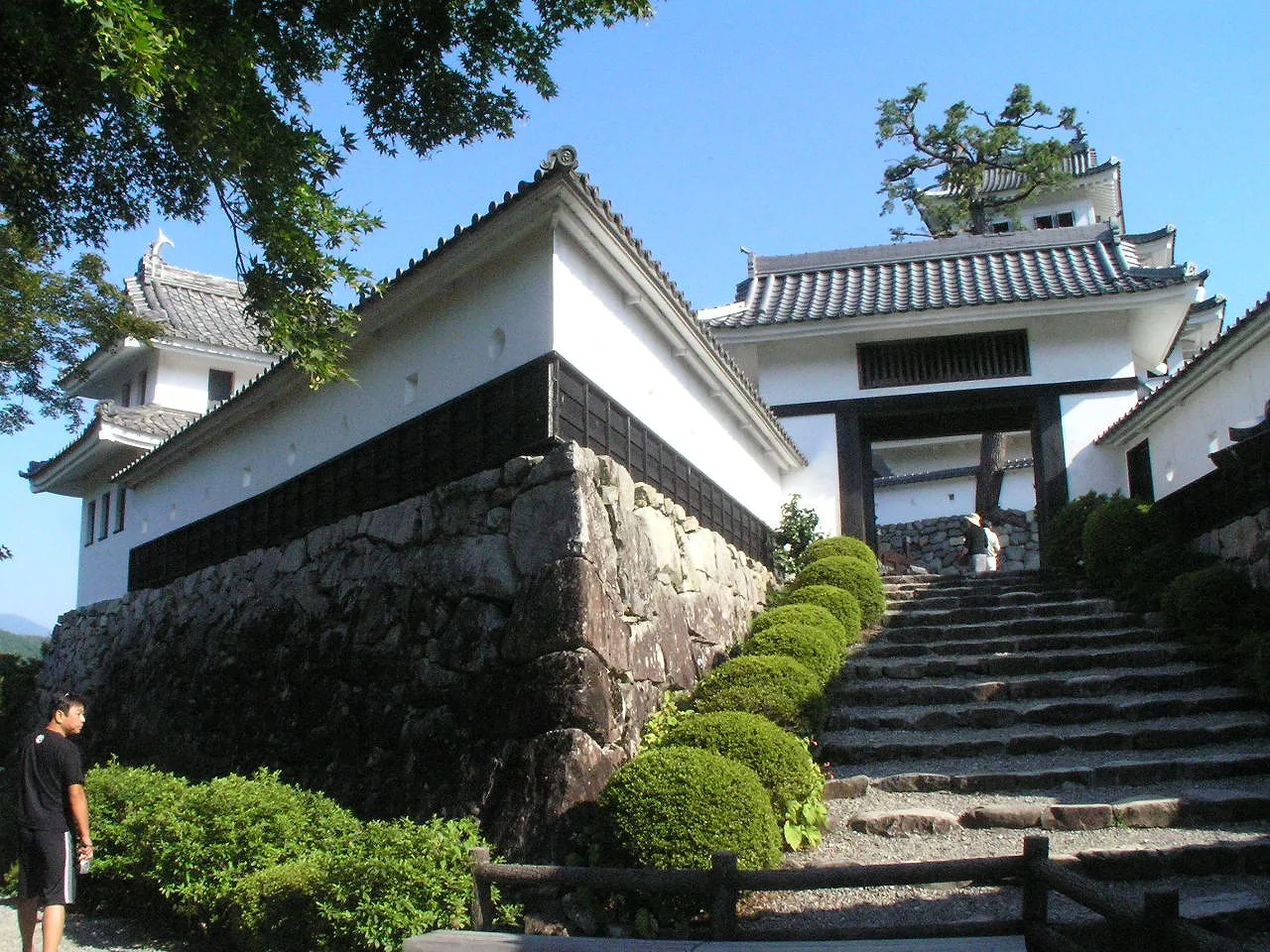
Gujo Hachiman Castle (郡上八幡城, Gujo Hachiman-jo) commands the summit of 350-metre Mt Hachiman above the historic town of Gujo-Hachiman in Gifu Prefecture. Originally built in 1559 by the Endo clan and demolished in 1870 during the Meiji Restoration, the current four-storey wooden tenshu was rebuilt in 1933 and is celebrated as one of Japan’s oldest reconstructed wooden castle keeps. A Gifu Prefecture Historic Site since 1955, it offers sweeping views across the Yoshida and Nagara river valleys below. The castle is especially renowned for its vivid autumn foliage and the ethereal ‘castle in the sky’ phenomenon, when morning mist rises from the valley to envelop the hilltop keep in cloud.

Visitor guide →
Gujo Odori & Gujo Hachiman Hakurankan

Gujo Odori & Gujo Hachiman Hakurankan

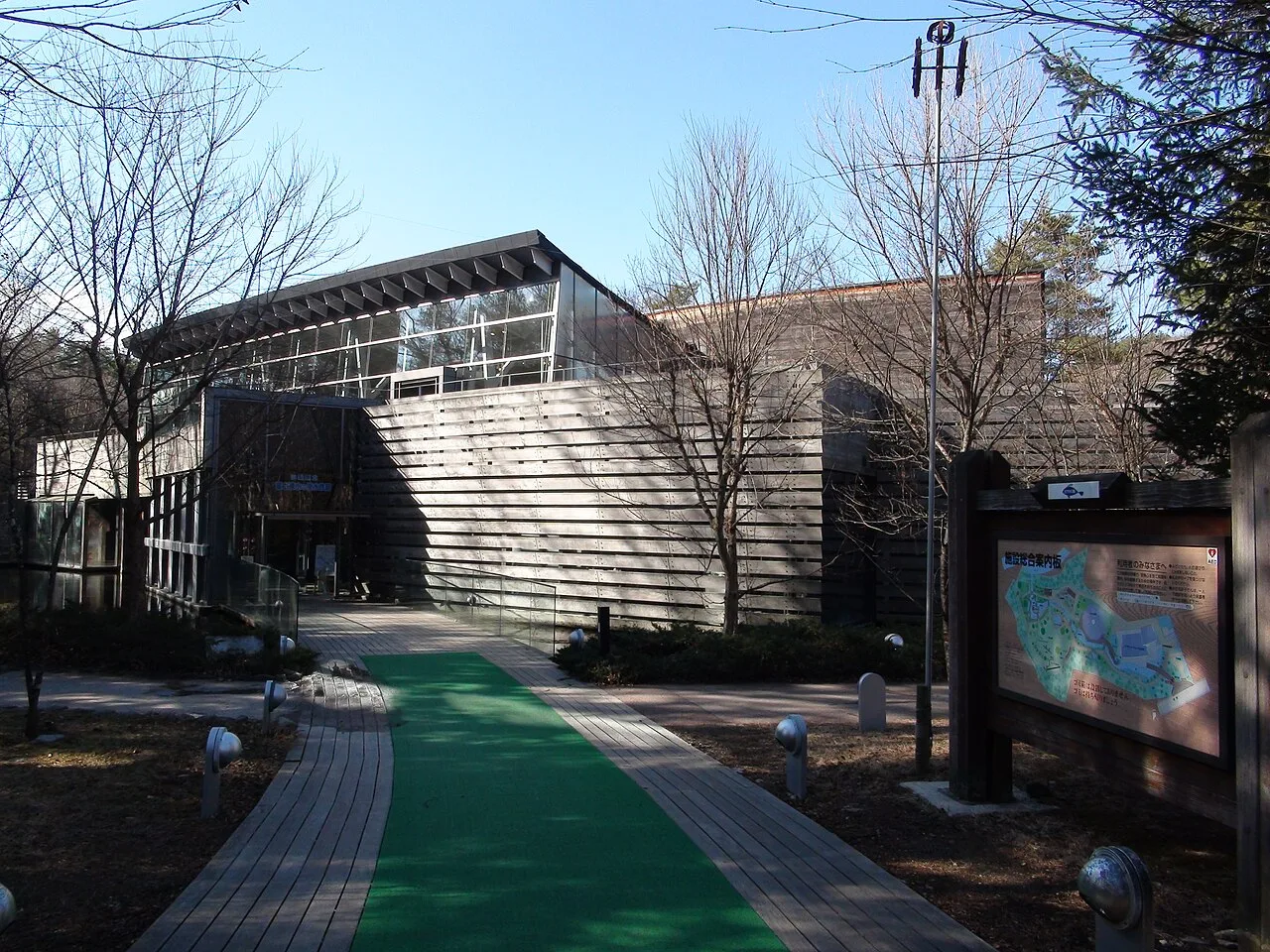
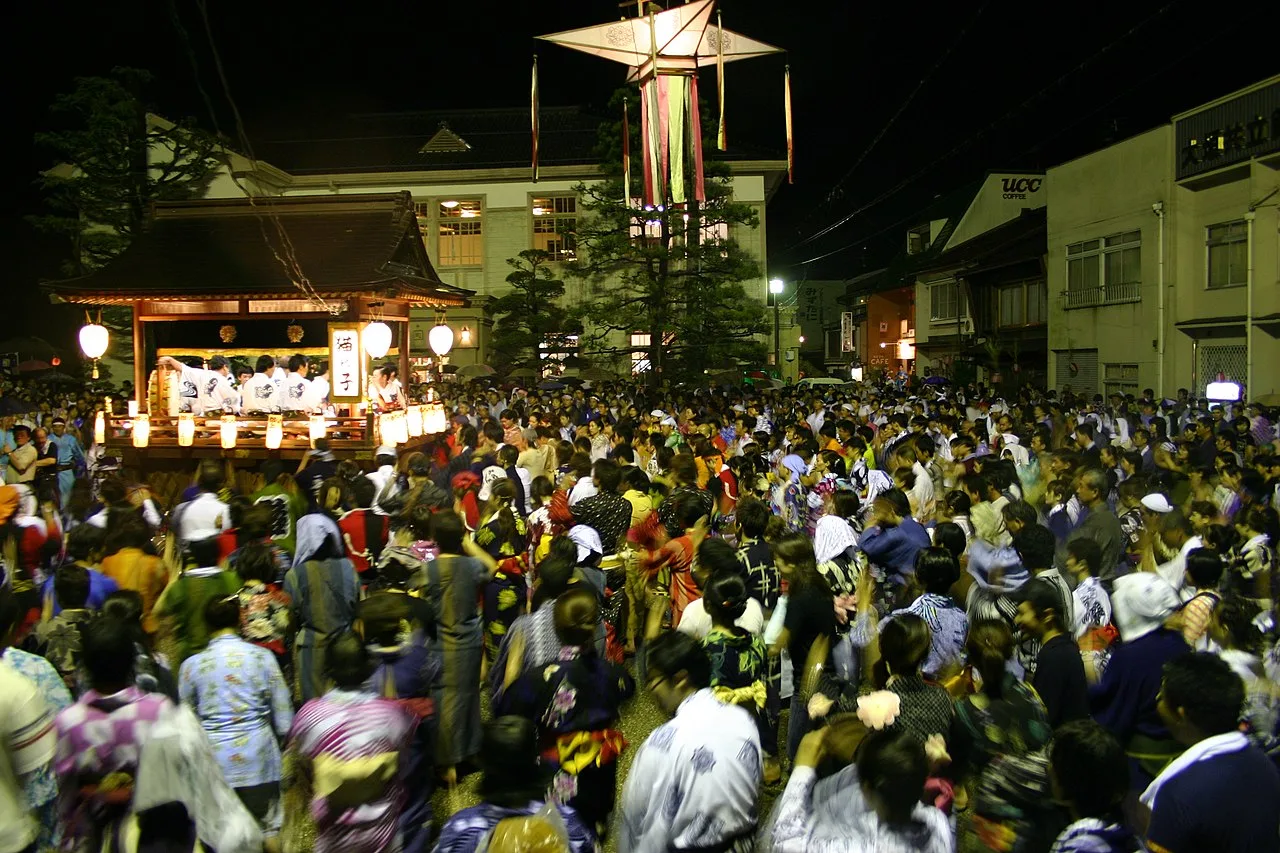
Gujo Odori is one of Japan’s three great Bon dances, held across roughly 32 summer nights in the lantern-lit streets of Gujo Hachiman, Gifu. The 400-year-old tradition — a nationally designated Important Intangible Folk Cultural Property and UNESCO Furyu-odori inscribee — peaks on 13–16 August with the all-night Tetsuya Odori, when an estimated 250,000 visitors join locals dancing until dawn. Attendance and participation are free; yukata and geta are welcome. Year-round, the Gujo Hachiman Hakurankan museum (Tonomachi 50, Gujo Hachiman) preserves this tradition with daily live demonstrations at ¥540 per adult, open 09:00–17:00 (18:00 during festival season), closed only over New Year.

Visitor guide →
Igawa-komichi Canal Lane

Igawa-komichi Canal Lane

Igawa-komichi is one of Gujo Hachiman's most beloved streets: a narrow, 100–200 m pedestrian lane tracing a crystal-clear irrigation canal fed by the Yoshida River. Large koi, amago trout, ayu sweetfish, and iwana glide through the fast-flowing water beneath stone garden walls and traditional townhouses. Wooden communal platforms along the canal bear the names of the local families who maintain them, a living remnant of the tiered water-sharing system that gave this 'water town' its identity. Entry is free and the lane is open around the clock. Best paired with the nearby Yanaka Komichi water lane and the Sogi-sui spring for a complete immersion in Gujo Hachiman's water culture.

Visitor guide →
Food Sample Making (Shokuhin Sample)

Food Sample Making (Shokuhin Sample)

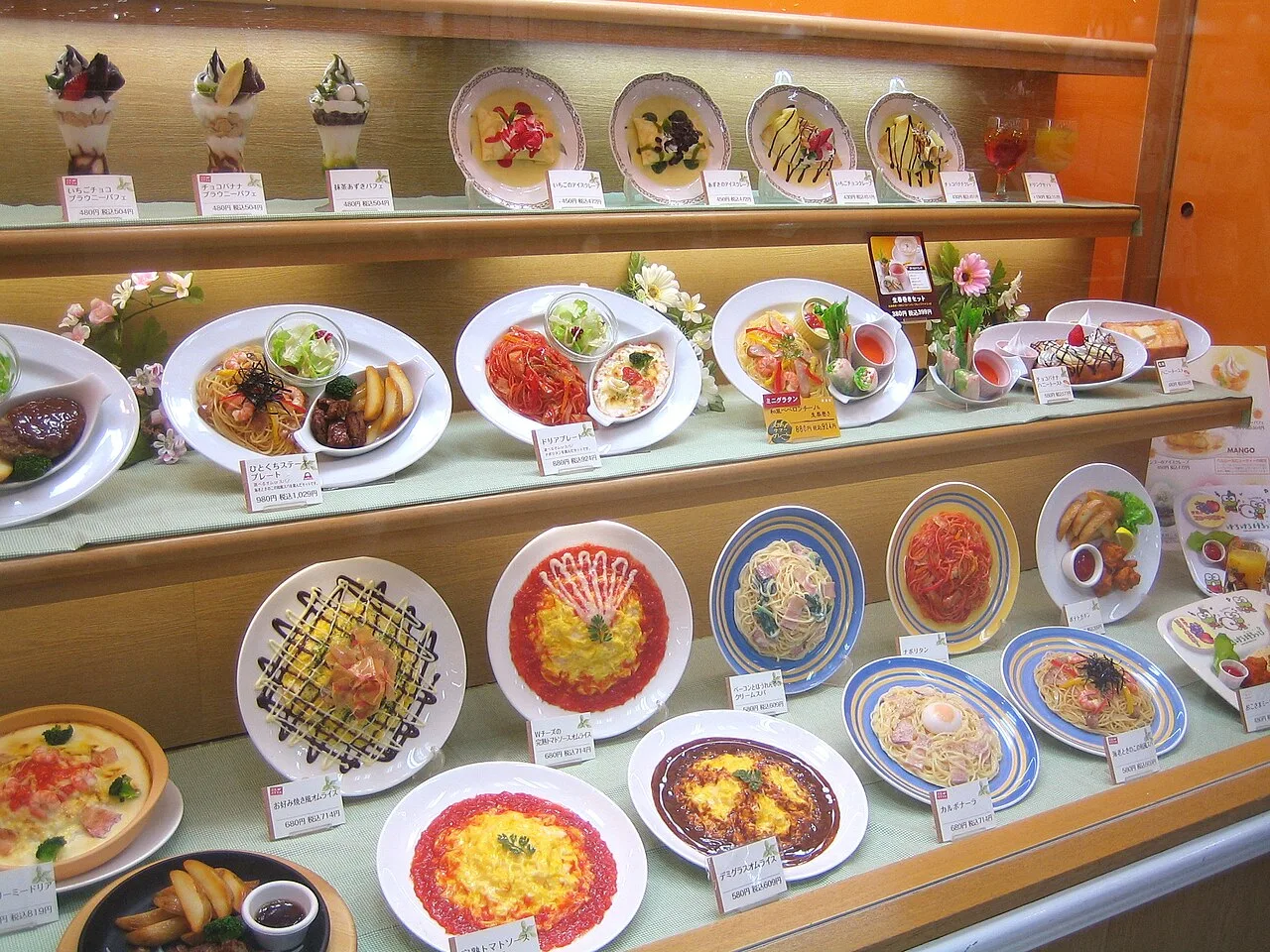
Gujo Hachiman is Japan’s undisputed capital of shokuhin sampuru — the eerily realistic wax and plastic food replicas that fill restaurant windows across the country. Pioneered in 1932 by Takizo Iwasaki, the town now accounts for an estimated 60–80% of all food samples sold in Japan. At Sample Village Iwasaki (his family’s flagship facility) and the nearby Sample Kobo, visitors join hands-on workshops to mould lifelike wax tempura pieces and a plump lettuce head — or choose fuller courses featuring ice cream, fruit tarts, or cake slices. Sessions run 30–50 minutes and the finished replica doubles as a take-home souvenir, making this one of the most distinctive and photogenic experiences in Gifu Prefecture.

Visitor guide →
Sogi-sui Spring

Sogi-sui Spring

Sogi-sui Spring is the most celebrated water site in Gujo Hachiman, a castle town in Gifu Prefecture renowned across Japan for its pristine water culture. Fed by a natural underground spring beneath a small Shinto shrine, the water flows through a beautifully preserved tiered mizubune (water boat) system that divides each use by purity: drinking at the top, vegetable washing in the middle, and dish rinsing at the base, before the excess rejoins the canal. In 1985, Sogi-sui earned the distinction of being the very first entry on Japan's 100 Famous Waters (Meisui Hyakusen) list — a national accolade from the Environment Agency reflecting its exceptional quality and the community's centuries-long stewardship. The spring takes its name from Iio Sogi, a revered 15th-century Renga poet who visited Gujo Hachiman and parted ways with local lord To Tsuneyori beside these very waters, composing farewell verses that cemented the site's cultural memory. Today it remains free and open around the clock, making it the ideal first stop on any walk through Gujo Hachiman's historic streetscape.

Visitor guide →

Planning your visit to Gujo-Hachiman

Most of these attractions are clustered in the walkable old town, with the castle a short climb above it. Pair two or three per day, rather than trying to sprint between them — opening-hour overlap and ticket-window queues make a tight schedule riskier than it looks on a map. The individual guides linked above each call out the best time of day to visit and which nearby sights are worth bundling.

Gujo-Hachiman is about 1.5–2 hours from Nagoya by bus or train. For full itineraries, transport and where to stay, see our guide to things to do in Gujo Hachiman — and to plan the wider trip, browse things to do in Gifu (the same prefecture), more things to do in Nagoya, and the Nagoya attractions hub.