How Much Does a Trip to Japan Cost? Your Ultimate Budget Guide
Plan your dream Japan trip with our comprehensive cost breakdown. Discover average expenses, smart saving tips, and budget estimates for various travel styles and durations.
On this page
Dreaming of a trip to Japan but wondering about the cost? You are not alone in seeking a detailed budget guide. Japan can be an affordable destination with smart planning. A typical mid-range week in Japan runs around ¥105,000–¥154,000 (£530–£780) per person on the ground, excluding flights.
This guide breaks down every major expense category — flights, accommodation, food, transport, and activities. We include seasonal cost differences, a JR Pass decision framework, and specific figures updated for 2026. Whether you are a budget backpacker or planning a comfortable trip, use this as your planning baseline.
Start with the Japan Trip Cost Calculator for hostel beds or private rooms, adults and children, food, activities, flights and shopping. Its totals are higher than the bare-minimum bands below when you enable mobile data, paid activities or a contingency buffer. Then use the JR Pass Calculator to replace the rail estimate with exact point-to-point and pass pricing.
How Much Does a Trip to Japan Cost? An Overview
The cost of a Japan trip varies widely depending on travel style, season, and the cities you visit. Budget travelers staying in hostels and eating convenience store meals can manage on ¥7,500–¥10,000 (£38–£51) per day. Mid-range travelers — staying in business hotels and eating at sit-down restaurants — should expect ¥15,000–¥22,000 (£76–£111) per day. Those wanting boutique hotels, ryokans, and omakase dining should budget ¥30,000–¥50,000 (£152–£253) or more daily.
These figures cover accommodation, food, local transport, and attractions, but exclude international flights. Flights from the UK to Tokyo typically add £600–£1,200 per person return. Adding a week of mid-range ground costs to a return flight from London gives most travelers a realistic all-in budget of £1,400–£2,200 for seven days.
| Budget tier | Lodging | Food | Transport | Attractions | Daily total |
|---|---|---|---|---|---|
| Budget (hostel dorm) | ¥3,000–5,000 / £15–25 | ¥2,000–3,000 / £10–15 | ¥1,000–1,500 / £5–8 | ¥500–1,000 / £3–5 | ¥6,500–10,500 / £33–53 |
| Mid-range (business hotel) | ¥8,000–14,000 / £40–71 | ¥4,000–6,000 / £20–30 | ¥1,500–2,500 / £8–13 | ¥1,500–2,500 / £8–13 | ¥15,000–25,000 / £76–127 |
| Comfort (boutique/ryokan) | ¥18,000–35,000 / £91–177 | ¥8,000–15,000 / £40–76 | ¥2,500–4,000 / £13–20 | ¥3,000–7,000 / £15–35 | ¥31,500–61,000 / £159–308 |
Flights to Japan: Cost and Saving Tips
Flights are usually the single largest upfront cost. Return flights from London to Tokyo (Narita or Haneda) range from £600–£900 in low season (January–early March) to £900–£1,300 during peak periods like cherry blossom season and summer. Airlines including Japan Airlines, ANA, British Airways, and KLM serve this route, with KLM via Amsterdam and Finnair via Helsinki often offering competitive pricing. Booking 3–6 months ahead typically secures the best fares.
If you have flexibility, flying into Osaka (KIX) instead of Tokyo can be cheaper, and it conveniently places you at the western end of the classic tourist corridor. You can then travel east to Tokyo, finishing your trip there for the flight home — this "open-jaw" routing with separate outbound and return airports is often cheaper than a round-trip from one hub. Budget around £50–£150 extra for checked baggage on cheaper carriers.
- Best booking windows: 3–6 months ahead for peak dates, 4–6 weeks ahead for low season
- Check Google Flights, Skyscanner, and ITA Matrix for price-calendar views
- Mid-week departures (Tuesday–Thursday) are often 10–15% cheaper than weekend flights
- Shoulder season (late May, September–early October) offers the best value per experience
Seasonal Travel: Peak vs. Shoulder Season Costs
When you visit affects your total budget significantly. Cherry blossom season (late March to mid-April) and autumn foliage (late October to mid-November) are the two peak tourist periods. During these windows, flights increase by 20–40% and accommodation in popular cities like Kyoto and Tokyo can double. A business hotel room that costs ¥9,000 (£46) in January may run ¥18,000–¥22,000 (£91–£111) in late March. Golden Week (late April to early May) compounds this: domestic Japanese travel peaks and availability drops sharply.
Shoulder seasons — late May to mid-June and September to early October — offer the most cost-efficient mix of decent weather and lower prices. You avoid both the crowds and the price surges, though June brings Japan's rainy season (tsuyu), which can affect outdoor itineraries. Low season (January–early February) delivers the cheapest flights and rooms, but some rural ryokans and outdoor attractions have shorter operating hours. For most first-time visitors weighing experience against cost, shoulder season in May or September is the sweet spot.
| Season | Typical flights (London) | Business hotel Tokyo/Kyoto | Crowds |
|---|---|---|---|
| Low (Jan–early Mar) | £600–£800 | ¥7,000–¥10,000 / £35–£51 | Low |
| Shoulder (late May, Sep–Oct) | £750–£950 | ¥9,000–¥14,000 / £46–£71 | Moderate |
| Peak (late Mar–Apr, Aug, Dec) | £950–£1,300 | ¥15,000–¥22,000 / £76–£111 | High |
Accommodation in Japan: Budgeting for Stays
Japan has one of the most varied accommodation landscapes in Asia. At the budget end, capsule hotels (¥3,000–¥5,000 / £15–£25 per night) are clean, central, and surprisingly comfortable for solo travelers. Hostels with private rooms run ¥5,000–¥8,000 (£25–£40). Budget travelers who prefer privacy should look at chains like Toyoko Inn or APA Hotel — reliable, station-adjacent business hotels starting around ¥7,000–¥9,000 (£35–£46) outside peak season.
Mid-range business hotels such as Dormy Inn, Richmond Hotel, and Daiwa Roynet offer excellent value at ¥9,000–¥16,000 (£46–£81) per night. Many include free late-night ramen, onsen baths, and buffet breakfast — amenities that offset costs elsewhere. For a cultural experience, ryokans (traditional inns) start around ¥15,000 (£76) per person for a room-only rate and rise to ¥50,000+ (£253+) when kaiseki dinner and breakfast are included. One ryokan night, even a modest one, is worth building into a two-week itinerary — the evening meal alone often justifies the cost.
Booking platforms Booking.com, Agoda, and direct hotel websites all list Japan inventory. Booking directly through a hotel's Japanese-language site occasionally offers cheaper rates than international OTAs, particularly for smaller inns. For longer stays, monthly Airbnb rentals (especially outside city centres) can undercut nightly hotel rates by 30–40%.
Food and Dining in Japan: Managing Your Budget
Food in Japan punches well above its price point at every budget level. Convenience stores (7-Eleven, FamilyMart, Lawson) serve onigiri for ¥130–¥200 (£0.65–£1), hot bento boxes for ¥450–¥700 (£2.30–£3.55), and decent coffee for ¥150–¥200 (£0.76–£1). A full convenience store breakfast and lunch costs less than £6. Ramen shops, soba counters, and yoshoku (Western-style Japanese) cafeterias routinely serve filling set meals for ¥800–¥1,500 (£4–£8). Budget travelers who eat this way spend ¥2,000–¥3,500 (£10–£18) on food daily.
Mid-range sit-down dining — izakayas, sushi conveyor belts (kaiten-zushi), and teishoku lunch sets — runs ¥1,200–¥3,000 (£6–£15) per meal. An izakaya dinner with a couple of drinks typically lands at ¥3,000–¥5,000 (£15–£25) per person, making it a cheap social option by UK standards. Fine dining, omakase sushi, and Michelin-starred kaiseki menus start at ¥15,000–¥30,000 (£76–£152) per person and need advance reservations. Allocating one or two special meals into a mid-range budget is easy: simply offset with a few convenience store days.
Drinking is a visible budget line. A 500ml beer from a vending machine or convenience store costs ¥200–¥250 (£1–£1.30), making Japan a cheap country for casual drinkers. Bar prices are higher — expect ¥600–¥900 (£3–£4.60) per drink in most izakayas. Carrying a refillable water bottle and using free water in convenience stores eliminates most hydration costs.
Transportation Costs in Japan: Trains, Metro, and Passes
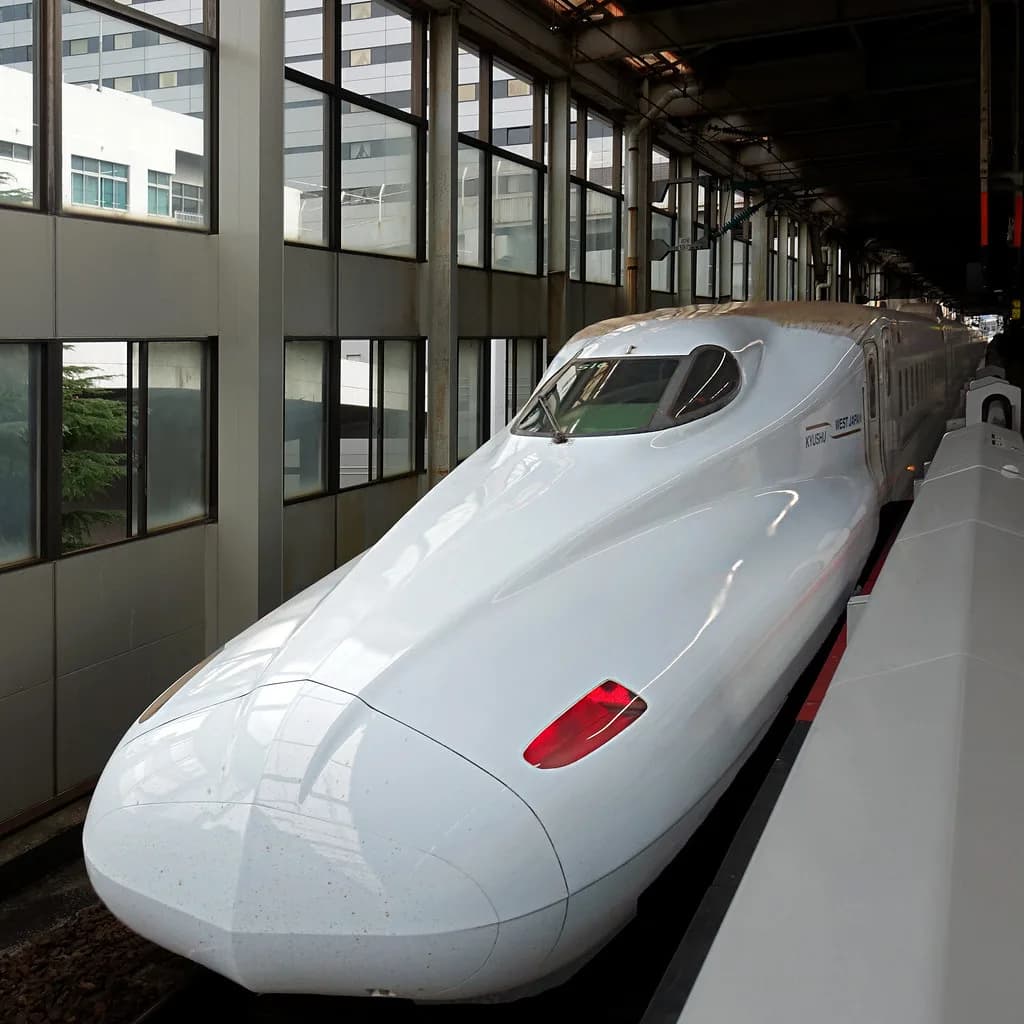
Local transport — subways, city buses, and local JR lines — costs ¥210–¥400 (£1.06–£2.02) per ride in most cities. Topping up a Suica or IC card covers all public rail and bus systems nationwide and works seamlessly via Apple Wallet on iPhone. Budget ¥1,000–¥2,000 (£5–£10) per day for city hopping within a single urban area. Long-distance travel is where costs jump. A one-way Shinkansen ticket from Tokyo to Kyoto (the most-used route) costs approximately ¥14,000–¥17,000 (£71–£86) in standard class. Tokyo to Osaka is similar. Tokyo to Hiroshima runs ¥19,000–¥22,000 (£96–£111) one-way. All prices in Japanese yen are subject to daily exchange rates.
The 7-day Japan Rail Pass costs ¥50,000 (approximately £253) in 2026, and the 14-day pass is ¥80,000 (£405). These cover most Shinkansen routes and all regular JR lines. The pass is worth buying if your itinerary involves two or more long-distance bullet train journeys — Tokyo–Kyoto–Hiroshima–back to Tokyo in a week would cost roughly ¥52,000–¥60,000 (£263–£303) in individual tickets, making the 7-day pass a marginal saving. However, travelers who spend most of their trip in one city or region will not recoup the cost. A concrete way to test it: add up your planned Shinkansen routes on Jorudan or HyperDia and compare against the pass price before buying.
Highway buses (e.g., Willer Express, JR Bus) are the budget alternative for inter-city travel. A night bus from Tokyo to Osaka costs ¥3,500–¥6,000 (£18–£30) — roughly one-fifth of the Shinkansen fare. The journey takes 8–9 hours overnight, saving a night of accommodation. Domestic flights on Peach or Jetstar connect Tokyo–Osaka and Tokyo–Sapporo from ¥3,000–¥8,000 (£15–£40) booked early, sometimes beating bus prices on longer routes.
Activities, Shopping, and Miscellaneous Expenses
Entrance fees to temples and shrines are low by European standards: most charge ¥500–¥1,000 (£2.50–£5) or are free. Senso-ji in Tokyo is free; Kinkaku-ji (Golden Pavilion) in Kyoto costs ¥500 (£2.50); Fushimi Inari is free to enter and walk at any hour. Major national museums charge ¥620–¥2,000 (£3.10–£10). Theme parks represent the biggest activity splurge — Universal Studios Japan in Osaka runs ¥9,400–¥12,000 (£48–£61) for a basic day ticket, and Tokyo DisneySea or Disneyland costs ¥9,900–¥11,000 (£50–£56). Budget ¥1,500–¥3,000 (£8–£15) per day for a typical cultural sightseeing day; ¥5,000–¥12,000 (£25–£61) on theme park days.
Shopping can silently absorb a large slice of any budget. Souvenir items like wagashi (traditional sweets), quality matcha, and ceramics are genuinely unique and often competitively priced. Drugstore shopping — sheet masks, sunscreen, skincare at chains like Matsumoto Kiyoshi — is a popular spending category. Electronics at Akihabara or Yodobashi Camera can be cheaper than UK prices after tax-free shopping (available to non-residents on purchases over ¥5,000). Set a shopping envelope before you leave — many travelers find they spend ¥10,000–¥30,000 (£51–£152) on souvenirs and goods over a two-week trip without noticing.
Cash is still essential in Japan in 2026. Many smaller restaurants, izakayas, temple ticket booths, and rural establishments are cash-only. ATMs at 7-Eleven and Japan Post accept foreign cards without issue; withdrawal fees are ¥110–¥220 (£0.55–£1.11) depending on your bank. Carry ¥10,000–¥20,000 (£51–£101) in cash at all times, especially outside major cities. Travel money cards that hold yen (Wise, Revolut) cut conversion fees significantly compared to airport exchange desks.
7-Eleven ATMs accept most foreign cards and charge just ¥110–¥220 per withdrawal — far cheaper than airport currency exchange desks. Withdraw ¥10,000–¥20,000 (£51–£101) every few days rather than a single large sum to minimize fees and carry risk in busy cities.
Japan Trip Cost by Length of Stay
Knowing your total ground cost by trip length helps set a realistic savings target. The figures below are per person and exclude international flights. They use mid-range assumptions: business hotel, restaurant meals twice a day, public transport, and a few paid attractions per week.
| Trip length | Budget traveler | Mid-range traveler | Comfort traveler |
|---|---|---|---|
| 7 days | ¥52,500–¥73,500 / £265–£372 | ¥105,000–¥175,000 / £530–£884 | ¥220,500–¥427,000 / £1,113–£2,157 |
| 14 days | ¥105,000–¥147,000 / £530–£742 | ¥210,000–¥350,000 / £1,060–£1,768 | ¥441,000–¥854,000 / £2,227–£4,313 |
| 30 days | ¥225,000–¥315,000 / £1,136–£1,590 | ¥450,000–¥750,000 / £2,273–£3,788 | ¥945,000–¥1,830,000 / £4,773–£9,243 |
Daily costs often soften slightly on longer trips. Spreading your return flight cost across more days reduces the per-day average. Monthly apartment rentals and weekly hotel discounts also lower nightly accommodation rates compared to the same hotel booked night by night. A 30-day trip allows time to find a neighborhood grocery store, cook occasionally, and use cheaper local transport patterns — habits that can reduce your daily spend by 15–20% versus a fast-paced one-week visit.
| Expense Category | Budget | Mid-Range | Comfort |
|---|---|---|---|
| Accommodation (per night) | ¥3,000–¥5,000 / £15–£25 | ¥9,000–¥16,000 / £46–£81 | ¥18,000–¥35,000 / £91–£177 |
| Food (daily) | ¥2,000–¥3,500 / £10–£18 | ¥4,000–¥6,000 / £20–£30 | ¥8,000–¥15,000 / £40–£76 |
| Local Transport (daily) | ¥1,000–¥1,500 / £5–£8 | ¥1,500–¥2,500 / £8–£13 | ¥2,500–¥4,000 / £13–£20 |
| Attractions (daily) | ¥500–¥1,000 / £3–£5 | ¥1,500–¥2,500 / £8–£13 | ¥3,000–¥7,000 / £15–£35 |
| Shinkansen (Tokyo–Kyoto) | ¥14,000–¥17,000 / £71–£86 per journey | ||
| 7-day Japan Rail Pass | ¥50,000 / £253 (vs. ¥46,540 for classic Tokyo–Kyoto–Osaka–Hiroshima route) | ||
| Highway Bus (overnight Tokyo–Osaka) | ¥3,500–¥6,000 / £18–£30 (vs. ¥15,000 Shinkansen + hotel night) | ||
JR Pass vs. Individual Tickets: The Break-Even Calculation
The Japan Rail Pass is one of the most discussed budget decisions for Japan travel, yet most advice is vague. Here is a concrete 2026 breakdown. The 7-day Ordinary pass costs ¥50,000 (£253) and the 14-day pass costs ¥80,000 (£405). These cover all JR Shinkansen (except Nozomi and Mizuho services), JR local lines, and many JR buses.
A traveler doing the classic Tokyo–Kyoto–Osaka–Hiroshima route in 7 days would pay roughly: Tokyo → Kyoto ¥14,380, Kyoto → Hiroshima ¥11,440, Hiroshima → Osaka ¥5,720, Osaka → Tokyo ¥15,000. That totals around ¥46,540 (£235) in point-to-point tickets — just under the 7-day pass price. Add one day trip from Kyoto to Nara by JR (¥720 return) or Shin-Osaka to Kobe (¥410) and the pass breaks even or saves a small amount. However, if your itinerary is Tokyo-based for most of the week with a single Shinkansen return to Kyoto, individual tickets (¥28,760 return) are cheaper than the ¥50,000 pass by a wide margin.
The 14-day pass makes stronger economic sense for itineraries covering three or more regions — for example, adding Kyushu (Fukuoka or Nagasaki) or northern Tohoku and Hokkaido to the classic route. Use HyperDia or the JR Pass official calculator to total your specific routes before buying. The pass must be purchased outside Japan (though collection at airports is possible) and activated at a JR office on your first day of use.
Essential Tips to Save Money When Traveling to Japan
Smart choices can meaningfully reduce your Japan travel budget without sacrificing quality. Eating at convenience stores like 7-Eleven or FamilyMart for one meal a day is the easiest single saving. Their bentos, onigiri, and hot snacks are genuinely good. Look for teishoku (set lunch) deals at local restaurants between 11:30 and 14:00 — the same restaurant that charges ¥3,000 for dinner often serves a ¥900–¥1,200 lunch set.
Purchasing a local eSIM for data before you fly avoids expensive roaming charges. A 10 GB eSIM valid for 30 days costs approximately ¥1,500–¥2,500 (£8–£13) — far cheaper than international roaming or renting a pocket WiFi device (typically ¥500–¥900 per day). For getting around cities, load a Suica card and use it everywhere rather than buying individual tickets. Apple Pay Suica on iPhone eliminates the need for a physical card. Consider highway buses for one or two inter-city legs — the overnight Tokyo-to-Osaka bus saves both a train ticket and a hotel night.
Avoid peak season if budget matters more than cherry blossoms or autumn colour. Travel in May or September, and you may pay 20–35% less for exactly the same hotels and flights. Book accommodation well in advance for any peak-season travel — prices rise and availability falls in popular cities as soon as the blossom forecast is published. Finally, use a zero-fee travel card (Wise, Revolut) loaded with yen to avoid conversion charges, and withdraw cash from 7-Eleven ATMs to minimise withdrawal fees.
Teishoku lunch sets at local restaurants (¥900–¥1,200) deliver the same quality as dinner menus priced at ¥3,000+. Eat your main restaurant meal between 11:30 and 14:00 at teishoku pricing, then budget convenience-store meals for breakfast and snacks — this single habit cuts daily food costs by 25–30% without sacrificing quality.
- Eat one meal per day at a convenience store to cut food costs by 25–30%
- Use teishoku lunch sets for your main restaurant meal — better value than dinner
- Book a Japan Rail Pass only if your itinerary crosses multiple long-distance routes
- Travel shoulder season (May or September) and save 20–35% on flights and hotels
- Use highway buses for at least one inter-city leg — overnight buses double as accommodation
- Carry ¥15,000 cash minimum; withdraw from 7-Eleven ATMs to avoid card surcharges
- Apply for tax-free shopping (¥5,000 minimum spend per store per day) on electronics and goods
Smart Budget Planning for Your Japan Adventure
The most useful thing you can do before booking anything is to map your pace. Fast-paced itineraries covering five or six cities in two weeks cost more because each city transition involves a Shinkansen fare, a new hotel at rack rate, and the disorientation tax of unfamiliar neighbourhoods. Slowing down — spending three nights in one place rather than one — cuts nightly costs, allows you to find the cheap ramen shop round the corner, and tends to produce better memories anyway. Two weeks in Japan with four or five anchor cities is more rewarding and cheaper per day than two weeks in nine.
Set three cost envelopes before you go: fixed costs (flights, passes, pre-booked accommodation), variable daily costs (food, local transport, attractions), and a discretionary envelope for shopping, special meals, and spontaneous upgrades. This structure surfaces the trade-offs clearly. If you want to spend a night in a high-end ryokan, you can plan for it by reducing daily food spend across three other days. Japan rewards deliberate spending — the food is good enough at every price point that you can eat brilliantly cheaply and save your money for one genuinely exceptional meal.
Check the Best Time To Visit Japan: A Seasonal & Monthly Travel Guide to align your trip with both your priorities and your budget. If you are still building your itinerary, the 2-week Japan itinerary provides a structured routing that accounts for inter-city transport costs and front-loads the bigger Shinkansen journeys efficiently.
Frequently Asked Questions
What is the average daily cost for a trip to Japan?
The average daily cost for a trip to Japan ranges from ¥7,500 / $50 for budget travelers to ¥30,000 / $200+ for comfort travelers. These figures generally exclude international flights. Mid-range travelers can expect to spend around ¥15,000 / $100 per day.
Is Japan very expensive to visit compared to other countries?
Japan can be perceived as expensive, especially in major cities like Tokyo and Kyoto. However, it offers options for all budgets. With careful planning and smart choices, a trip to Japan can be comparable to or even cheaper than trips to Western Europe or North America.
How much does it cost to go to Japan for a week?
For a one-week trip to Japan, expect to spend roughly ¥45,500–73,500 / $300–490 for budget travel. Mid-range travelers should budget ¥98,000–161,000 / $650–1070. These estimates are per person and do not include the cost of international flights to and from Japan.
Planning your Japan trip budget doesn't have to be daunting. With careful consideration of your travel style and preferences, you can create a memorable experience. Japan offers fantastic value at every price point. From bustling Tokyo to serene Kyoto, there is something for everyone.
By understanding the factors impacting costs, you can make informed decisions. Utilize our tips on saving money and avoiding common cost traps. Your dream trip to Japan is within reach, no matter your budget. Start planning your adventure today!
Free: The Tokyo Essentials guide
Top things to do, where to stay, a perfect day plan, getting around, and the best time to go — a Tokyo mini-guide you can take offline.
You might also like


Continue reading
More guides you'll find useful