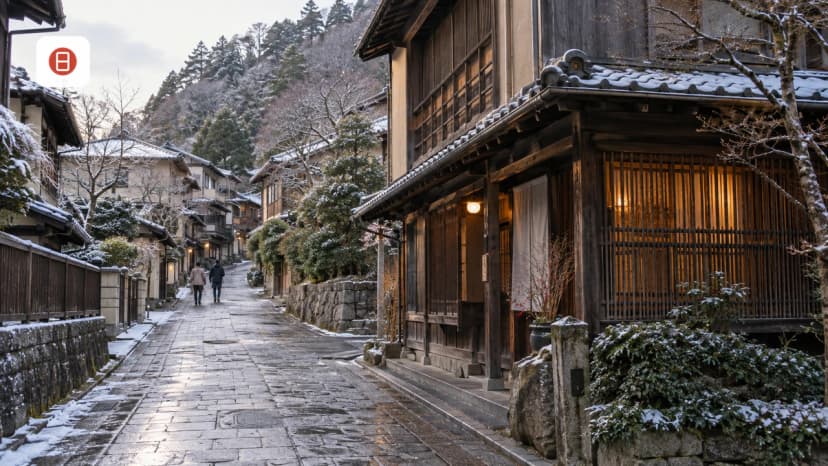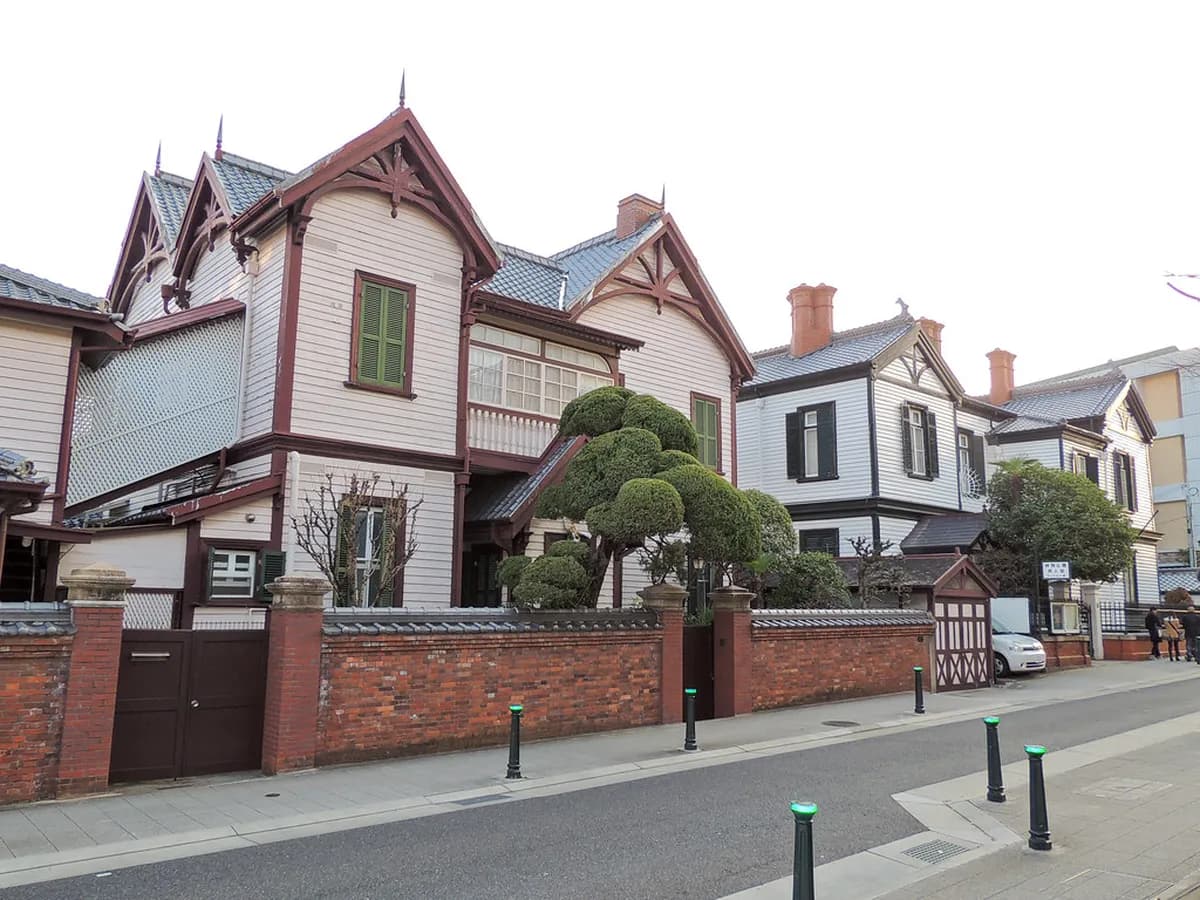
Kobe offers a unique glimpse into Japan's international past through its historic Kitano-cho district. The kitano ijinkan (kitano foreign settlement houses) visitor guide helps you navigate this charming hillside neighborhood. Walking through these streets feels like stepping into a European village from the late 19th century. You will find dozens of former residences built by foreign merchants and diplomats who settled in Kobe after the port opened.
Many of these Western-style houses are now open to the public as museums and galleries. Visitors can explore intricate Victorian architecture and preserved period furniture across the district. The area sits on a steep slope providing stunning views of the harbor below. Planning your route carefully ensures you see the best highlights without getting too tired.
History of the Kobe Foreign Settlement
The story of Kitano-cho began when Kobe opened its port to international trade in 1868. Foreign residents were initially restricted to a designated settlement area near the waterfront. As the population grew, the Meiji government allowed foreigners to build homes further uphill in the Kitano area. According to the Feel KOBE Official Travel Guide, this created a unique architectural blend.
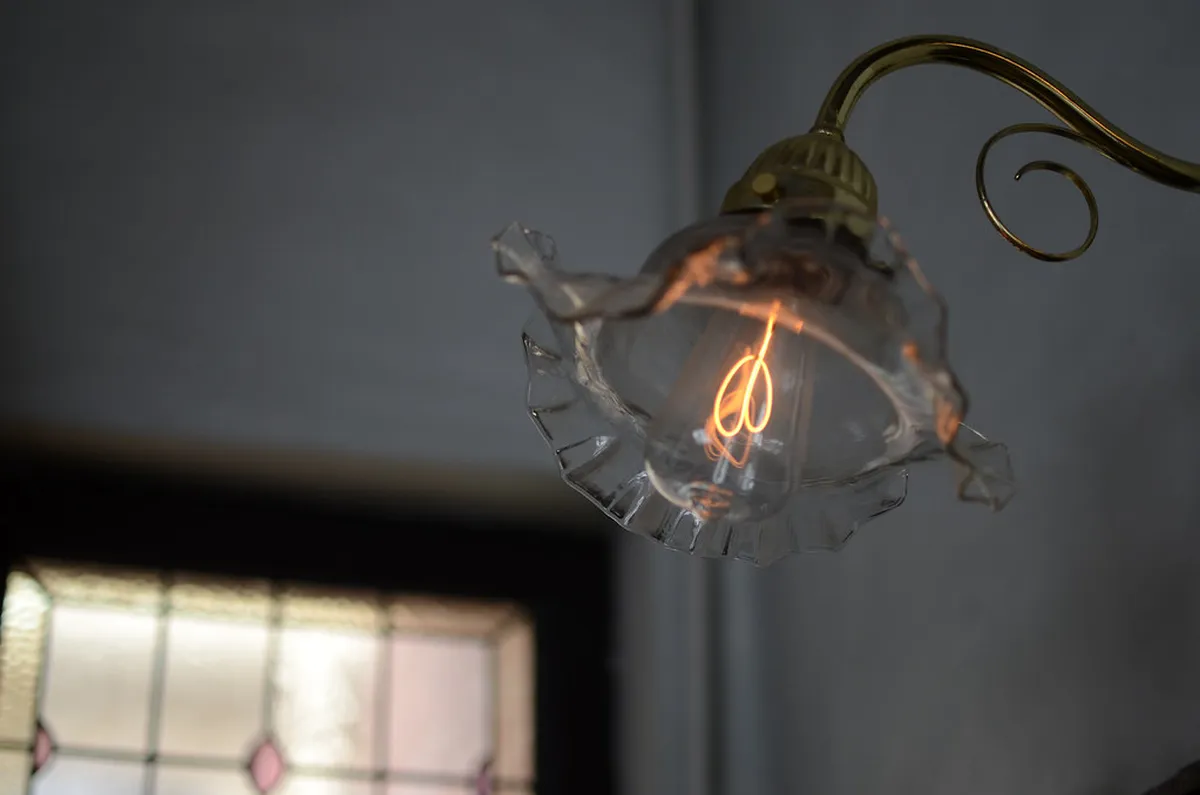
Architects from various countries designed these homes to reflect their own national styles. You can see influences from Germany, England, America, and France along the winding paths. Most of these structures survived the Great Hanshin Earthquake and the air raids of World War II. The district now serves as a protected cultural zone for future generations to enjoy.
Preservation efforts in the late 20th century turned these private homes into public attractions. Local authorities recognized the value of keeping this international heritage intact within the city. Each house tells a different story about the families who once lived and worked in the port. Understanding this history adds deep context to your walk through the cobblestone streets.
Kitano Ijinkan Ticketing and Pass Options
Visiting the houses can become expensive if you pay for each entrance individually. Most individual houses charge between 500 and 1,000 yen for a single adult ticket. Frequent travelers recommend purchasing a combination pass to save money during your visit. Check the Official Kitano Ijinkan-Gai Site for the most current 2026 pricing updates.
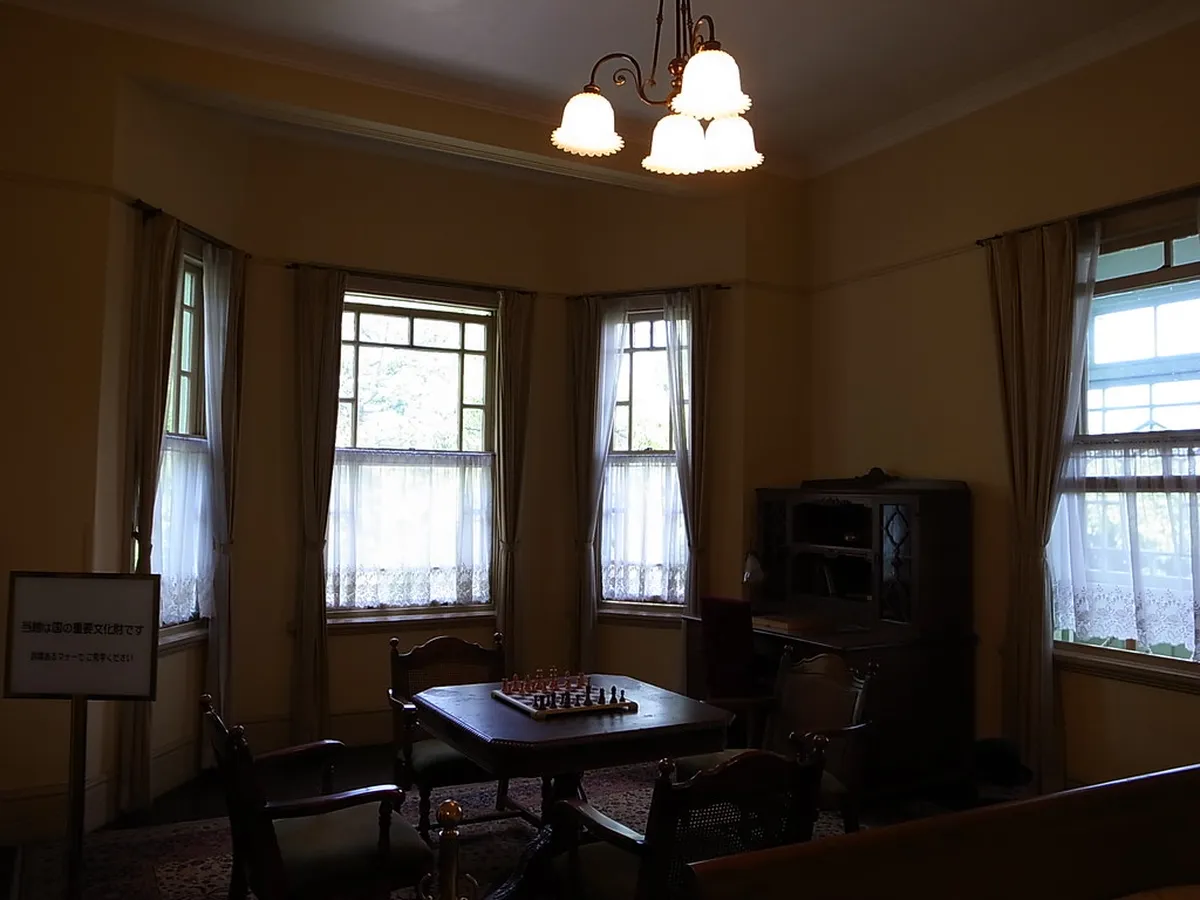
The 7-house passport is the most popular choice for those spending a full day in the area. This pass covers major sites like the Uroko House and the English House for a flat fee. Smaller 2-house or 3-house bundles are available if you have limited time in Kobe. You can buy these passes at the ticket booths located near the entrance of most major houses.
Some houses like the Moegi House are managed separately by the city and require separate tickets. Always verify which houses are included in your specific pass before you start your tour. Keep your ticket stub handy as you will need to show it at each entrance gate. Buying a pass often includes small discounts at local gift shops or cafes in the neighborhood.
Weathercock House (Kazamidori-no-Yakata)
The Weathercock House stands as the most famous landmark in the entire Kitano district. Built in 1904 for German merchant Gottfried Thomas, it features a striking red brick exterior. Its name comes from the iconic rooster weathercock perched high atop the spire. This house is a designated Important Cultural Property of Japan due to its unique design.
The interior showcases a mix of Art Nouveau and traditional German architectural elements. Visitors can walk through the dining room and study to see original 20th-century wood carvings. The spacious rooms offer a glimpse into the luxurious lifestyle of wealthy foreign residents. Large windows provide plenty of natural light and views of the surrounding Kitano Plaza.
Pro Tip: Wear easy-to-remove shoes because you must change into slippers before entering the house. The plaza in front of the house often hosts street performers and local musicians. This area is usually the busiest part of the district during weekends and holidays. Arrive early in the morning to take photos without large crowds in your frame.
- Best For: Architecture enthusiasts
- Type: Historic Residence
- Best for: Classic photos
- Where: Kitano Plaza
- Cost: 500 yen
Moegi House (The Light Green House)
Moegi House sits just a short walk away from the Weathercock House in Kitano. It was built in 1903 as the residence for the American Consul General, Hunter Sharp. The building is famous for its beautiful light green wooden siding and two different bay windows. It offers a softer aesthetic compared to the brickwork of its more famous neighbor.
The second-floor veranda is the highlight of any visit to this historic home. From here, you can see all the way down to the Kobe harbor on a clear day. The sun-drenched hallway provides a peaceful spot to admire the surrounding gardens. Each room is decorated with period-accurate furniture that reflects early 1900s American tastes.
Pro Tip: Look for the fallen chimney in the garden that was preserved after the 1995 earthquake. This detail serves as a powerful reminder of the city's resilience over the decades. The garden itself is a lovely place for a quiet stroll between museum visits. Most visitors spend about 30 minutes exploring the various rooms and the veranda.
- Best For: Harbor view seekers
- Type: Former Consulate
- Best for: Veranda views
- Where: Near Kitano Plaza
- Cost: 350 yen
Uroko House and Uroko Museum
Uroko House is often called the Scale House because of its unique exterior shingles. The natural stone pieces overlap like the scales of a fish across the entire facade. It was the first foreign house in Kobe to be opened as a public museum. The building actually consists of two parts: the residence and an attached art gallery.
The museum section houses a prestigious collection of European porcelain and glassware. You can view works by famous artists alongside antique furniture from the Meiji era. The top floor of the gallery offers one of the best panoramic views in Kitano. Many visitors consider this the most visually interesting house in the entire settlement.
Pro Tip: Rub the nose of the wild boar statue in the garden for good luck. The garden also features a small cafe where you can rest after the steep climb. This house is located at the highest point of the main tourist path. Prepare for a bit of a hike to reach the entrance from the lower plaza.
- Best For: Art and view lovers
- Type: Art Museum
- Best for: Panorama shots
- Where: Upper Kitano
- Cost: 1050 yen
English House (Sherlock Holmes Theme)
The English House provides a fun and immersive experience for fans of British culture. Built in 1907, the house now features a permanent exhibition dedicated to Sherlock Holmes. The second floor contains a faithful recreation of the famous detective's room at 221B Baker Street. You will find many authentic Victorian antiques scattered throughout the various living spaces.
Visitors are encouraged to dress up in traditional Inverness capes and deerstalker hats. These costumes are provided for free and make for excellent social media photos. The garden is modeled after a classic English country garden with seasonal flowers. At night, the house transforms into a bar where you can enjoy a drink in a historic setting.
Pro Tip: Look for the hidden Sherlock Holmes references in the wallpaper and decor. This house is particularly popular with younger travelers and families with children. The gift shop offers unique detective-themed souvenirs that you cannot find elsewhere in Kobe. It is a great place to spend an hour if you enjoy literary history.
- Best For: Sherlock Holmes fans
- Type: Themed Museum
- Best for: Cosplay photos
- Where: Main Ijinkan street
- Cost: 750 yen
Ben’s House (Taxidermy and Curiosities)
Ben’s House is the oldest foreign residence in the Kitano district, dating back to 1902. It belonged to Ben Allison, an adventurous Englishman who traveled the world extensively. The house is famous for its massive collection of taxidermy from different continents. You will see a polar bear, a moose, and even a large tiger inside the rooms.
The collection reflects the eccentric tastes of a 20th-century explorer and hunter. Each room is filled with curiosities, including rare carvings and tribal artifacts. The architecture itself is quite simple but the interior content is truly one-of-a-kind. It provides a stark contrast to the more elegant and refined French or American houses.
Pro Tip: This house is included in most multi-house passports, making it a quick and easy stop. Some visitors may find the taxidermy a bit overwhelming, so keep that in mind. The lighting inside is dim to help preserve the old specimens and delicate artifacts. It usually takes about 20 minutes to walk through the entire collection.
- Best For: Curious explorers
- Type: Private Collection
- Best for: Oddities
- Where: Near English House
- Cost: 550 yen
Yokan Nagaya (French House)
Yokan Nagaya is often referred to as the French House due to its elegant interior design. It was originally built as a tenement house for foreign residents to rent. The building features two identical units that are perfectly symmetrical from the outside. Inside, you will find a stunning collection of French antiques and Art Nouveau glass.
The dining table is set with expensive Tiffany glassware and fine French porcelain. Rich fabrics and ornate wallpapers create a sophisticated atmosphere in every room. It showcases the high level of luxury that some foreign residents enjoyed in Kobe. The house feels more like a boutique art gallery than a traditional family home.
Pro Tip: Pay close attention to the intricate glasswork by Emile Galle on display. The small courtyard between the houses is a nice spot for a quick photo. This house is usually less crowded than the Weathercock House or Uroko House. It is a perfect stop for those who appreciate fine interior decoration and art.
- Best For: Interior design fans
- Type: Luxury Residence
- Best for: Glass art
- Where: Central Kitano
- Cost: 550 yen
Kobe Mysterious Consulate of Trick Art
The Kobe Mysterious Consulate of Trick Art offers a modern twist on the historic district. Housed in a former consulate building, it features dozens of optical illusion paintings. This is the most interactive attraction in Kitano and is perfect for photography. Unlike the other houses, you are encouraged to touch the art and pose for pictures.
The paintings are designed to look three-dimensional when viewed through a camera lens. You can pretend to be eaten by a shark or hang from a high building. It provides a great break from the historical and architectural focus of other museums. Families with children often find this to be the highlight of their Kitano visit.
Pro Tip: Make sure your phone or camera is fully charged before entering this museum. Staff members are often available to help you find the best angles for your photos. The museum is included in the larger multi-house passport options for better value. Expect to spend at least 45 minutes here if you want to take many photos.
- Best For: Families and photographers
- Type: Interactive Museum
- Best for: Fun photos
- Where: Near Uroko House
- Cost: 800 yen
Kitano Tenman Shrine (Panoramic Views)
Kitano Tenman Shrine is a hidden gem located right next to the Weathercock House. While it is a Shinto shrine rather than a foreign house, it is a must-visit spot. The shrine is dedicated to the deity of scholarship and is popular with students. It is also one of the few attractions in the area that is free to enter.
The real reason to visit is the spectacular view from the top of the shrine's stairs. You can look down on the roof of the Weathercock House with the city in the background. This is arguably the best photo spot in the district for capturing the historic atmosphere. It is a great alternative to the paid observation decks in the private houses.
Pro Tip: Be prepared for a very steep climb up the stone steps to reach the main hall. The shrine grounds are peaceful and offer a nice break from the busy tourist streets. You can also see many traditional charms and wooden prayer plaques left by visitors. Combine this visit with a trip to Ikuta Shrine for a full day of local culture.
- Best For: Budget-friendly views
- Type: Shinto Shrine
- Best for: Aerial photos
- Where: Next to Weathercock House
- Cost: Free
Local Dining: Breakfast and Takeout Tips
Starting your day with a solid meal is essential before tackling the hills of Kitano. The Kobe Motomachi Tokyu Rei Hotel offers an excellent breakfast buffet for guests. Their lounge features local specialties and high-quality coffee to fuel your morning walk. Staying nearby allows you to reach the Ijinkan district early before the crowds arrive.
If you prefer a quick snack, look for local shops selling Kobe beef croquettes. These crispy treats are a famous local street food that you can eat while walking. Many small bakeries in the area also sell 'Ijinkan' themed pastries and sweets. For a sit-down lunch, consider exploring the vibrant food stalls in Nankin-machi nearby.
The Kitano area also has several charming cafes located inside historic Western-style buildings. The Starbucks in Kitano is particularly famous for being housed in a registered cultural property. It features original wooden floors and period-style furniture for a unique coffee break. Be prepared for a wait at this location as it is very popular with tourists.
Practical Logistics: Access and Hours
The easiest way to reach the district is by taking the Kobe City Loop Bus. This green bus stops at all major tourist sites, including the Kitano Ijinkan-Gai stop. You can also walk from Sannomiya Station in about 15 to 20 minutes. Be aware that the walk is entirely uphill and can be quite strenuous in the summer.
Most houses are open from 9:00 AM to 5:00 PM or 6:00 PM daily. Some locations may close on Tuesdays or Wednesdays, so check the schedule in advance. Consult the Ijinkan Uroko Group Visitor Center (Maps) for precise directions. Nearby attractions like the Nunobiki Herb Garden are also worth a visit.
If you have mobility issues, the City Loop Bus is highly recommended to avoid the steep slopes. Wear comfortable walking shoes as the cobblestone streets can be uneven in some areas. Many houses require you to remove your shoes, so wear socks that are easy to manage. Plan to spend at least three to four hours to see the main highlights comfortably.
Frequently Asked Questions
Is the Kitano Ijinkan worth visiting?
Yes, it is worth visiting for anyone interested in history, architecture, or unique photography. The district offers a rare look at Western influence in Japan. You can see many beautiful houses and enjoy great views of Kobe from the hillside.
How much does it cost to enter the houses?
Individual entry fees usually range from 350 to 1,050 yen per house. Most visitors save money by purchasing a combination pass. These passes cost between 650 and 3,000 yen depending on how many houses you want to see during your trip.
How do I get to the Kitano district from Sannomiya?
You can walk north from Sannomiya Station for about 15 minutes to reach the base of the district. Alternatively, take the City Loop Bus which drops you off right at the main plaza. The bus is the best option if you want to avoid the steep uphill walk.
Which house is the best to see if I only have time for one?
The Weathercock House is the most iconic and essential stop for first-time visitors. It features the most impressive architecture and historical significance in the area. If you prefer views, the Uroko House is also a very strong contender for its panoramic observation deck.
The Kitano Ijinkan district remains one of the most charming and historical parts of Kobe. Exploring these foreign houses provides a deep appreciation for the city's international heritage. From the iconic Weathercock House to the interactive Trick Art Museum, there is something for everyone. Make sure to also visit Kobe Harborland to see the modern side of the city after your tour.
Planning your visit with a combination pass is the smartest way to enjoy the museums. Remember to bring comfortable shoes and a camera to capture the stunning hillside views. The blend of European style and Japanese hospitality makes this a truly memorable destination. Enjoy your walk through the historic streets of Kitano-cho during your next trip to Japan.
For authoritative information, refer to the Kitano Ijinkan (Kitano Foreign Settlement Houses) official site and Kitano Ijinkan (Kitano Foreign Settlement Houses) on Wikipedia.
Planning a Kobe trip? See our things to do in Kobe guide, map out a Kobe itinerary, or read more in our Kobe neighborhoods guide.