

Kobe Neighborhoods Guide: 11 Essential Sections (2026)
Explore our Kobe neighborhoods guide for 2026. Discover the best areas to stay, from Sannomiya to Arima Onsen, plus expat hubs and local travel tips.
On this page
After visiting Kobe multiple times over the last decade, I have learned that this city is far more than just a transit stop. Its unique geography creates a natural grid that makes navigation incredibly intuitive for first-time visitors. You simply look north toward the Rokko Mountains or south toward the sea to find your bearings instantly. This guide was last refreshed in October 2024 to ensure all transport and pricing details remain accurate for your next trip.
Kobe offers a sophisticated blend of cosmopolitan history and rugged natural beauty that sets it apart from nearby Osaka. While many travelers come only for the legendary beef, the diverse districts offer everything from historic European mansions to mountain hot springs. Our editors have vetted each ward to help you decide where to base yourself for the best experience. Whether you are a foodie, a family traveler, or an expat, understanding the local layout is key to a successful stay.
Kobe at a glance
- Sannomiya: the transport and dining hub of central Kobe.
- Kitano: the ijinkan district of preserved foreign merchant houses.
- Bay & Nada: Harborland/Meriken Park for the waterfront, Nada for sake breweries.
Official resources: japan-guide.com · Kobe (Wikipedia)
Must-See Kobe Attractions
The skyline of Kobe is defined by the iconic red lattice of the Kobe Port Tower, which reopened recently after major renovations. Walking through Meriken Park at sunset provides a stunning view of the harbor and the giant 'BE KOBE' sign. Many visitors start their journey here to get a sense of the city's maritime history and modern resilience. You can find many essential Kobe attractions clustered around this waterfront area for easy walking.
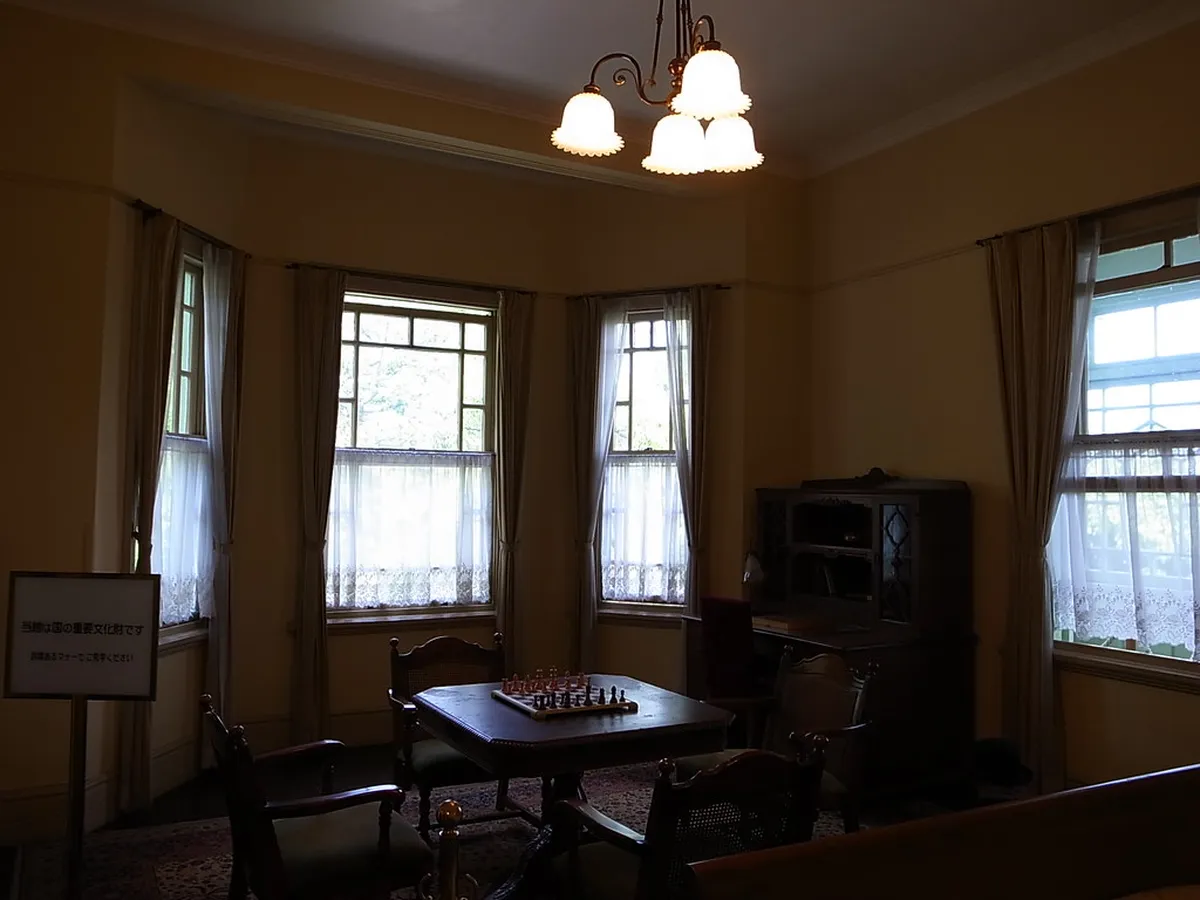
Inland from the harbor, the ancient Ikuta Shrine offers a peaceful contrast to the neon lights of the city center. This sanctuary is one of the oldest in Japan and serves as a spiritual anchor for the local community. It is particularly popular for those seeking good luck in relationships or business ventures. The shrine is located just a few minutes north of the main station, making it a perfect quick stop.
To truly understand the city, you must master the 'Mountain vs. Sea' navigation trick used by every local resident. Because the city is squeezed between the Rokko range and the bay, the streets generally run parallel to the coast. If you ever feel lost in the narrow alleys, just look for the green peaks to find north. This simple geographic reality makes Kobe one of the most walkable and navigable cities in all of Japan.
11 Essential Neighborhoods in Kobe (2026)
Choosing the right base in Kobe depends heavily on whether you value nightlife, history, or quiet residential streets. The city is divided into several distinct wards, each offering a completely different atmosphere and price point. We have categorized these eleven sections to cover the most popular tourist hubs and the most prestigious expat enclaves. If you are still deciding on a hotel, check our guide on Where to Stay in Kobe: 10 Best Neighborhoods (2026 Guide) for specific property reviews.
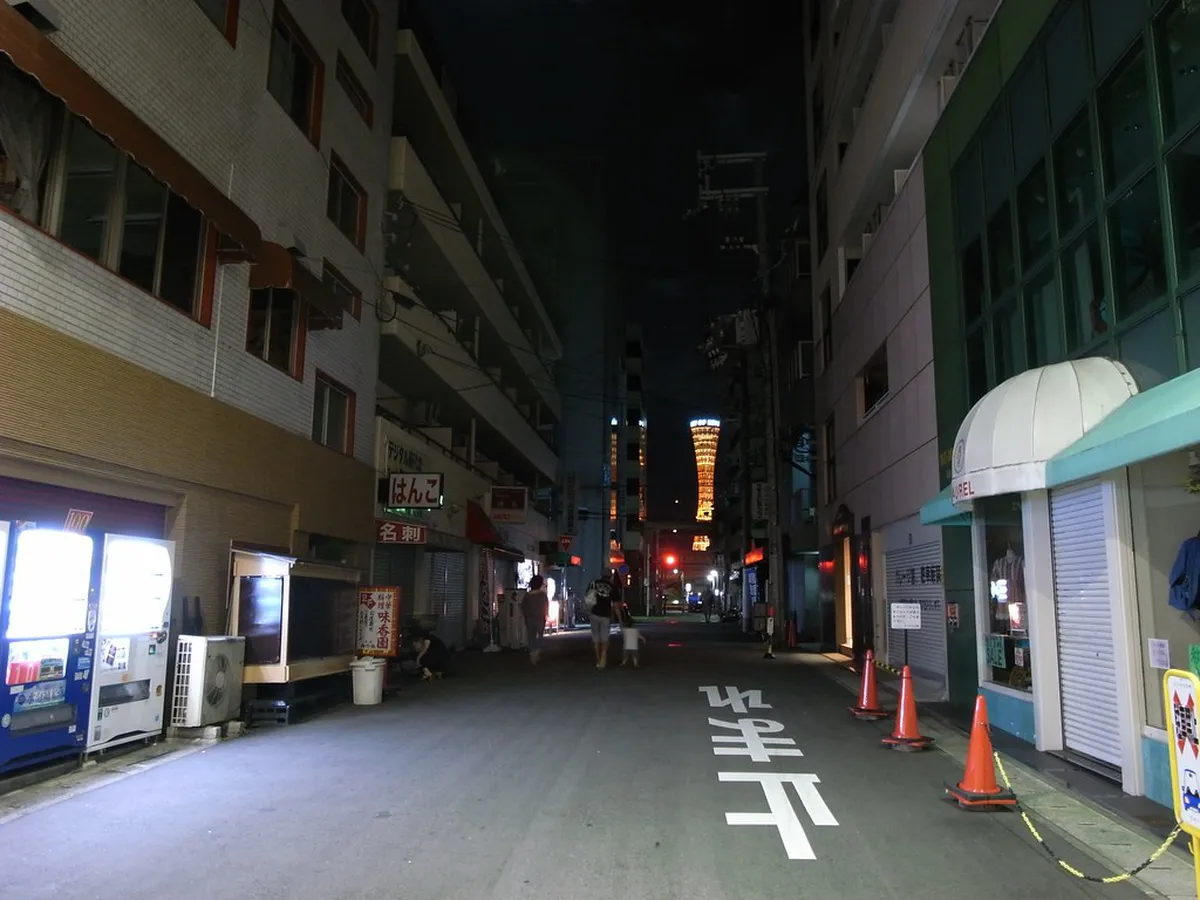
For those looking to live in the city, the choice often comes down to the convenience of the center versus the space of the islands. International families often gravitate toward the eastern wards like Higashinada-ku due to the proximity of reputable schools. Meanwhile, younger travelers and digital nomads prefer the gritty, artistic vibe found in the western districts. The following list highlights the unique character and practical details of each major neighborhood.
Please note that while most areas are safe, some districts like Shinkaichi have a more 'retro' and unpolished feel. Prices for dining and entertainment can vary wildly between the luxury waterfront and the budget-friendly shopping arcades. Most shops in these areas open around 10:00 AM and close by 8:00 PM, though restaurants stay open much later. Always carry a bit of cash for smaller street food stalls in areas like Nankin-machi.
- Sannomiya Central Business District
- This bustling transit hub serves as the primary heartbeat of Kobe, offering a dense mix of department stores and narrow alleys.
- Located in Chuo-ku, it is the best base for first-timers who want easy access to the JR and Hankyu train lines.
- Most attractions here are free to walk through, though you should budget roughly $20 for a casual lunch in the arcade.
- A great tip is to explore the 'Gado-shita' shops tucked directly under the elevated tracks for unique local finds.
- Kitano-cho Historic District
- Nestled at the foot of the mountains, this area features preserved 19th-century mansions built by foreign merchants and diplomats.
- The steep hills offer some of the best views of the city and a distinct European atmosphere that is rare in Japan.
- Entry to individual houses costs between $5 and $10, and most are open daily from 9:30 AM to 5:00 PM.
- Wear comfortable walking shoes because the incline is significant, and stop by the historic Starbucks for a quick rest.
- Nankin-machi Chinatown
- One of the three largest Chinatowns in Japan, this vibrant district is famous for its ornate gates and incredible street food.
- It is the ultimate destination for budget-conscious foodies looking for steamed buns, dumplings, and panda-shaped sweets.
- The area is free to enter, though most stalls operate from 11:00 AM until about 7:00 PM or 8:00 PM.
- Visit on a weekday to avoid the massive weekend crowds that can make navigating the central square difficult.
- Kobe Harbourland Waterfront
- This modern development features the Mosaic shopping mall, a Ferris wheel, and wide boardwalks perfect for evening strolls.
- It offers a more romantic and upscale vibe compared to the city center, making it ideal for couples and families.
- While the boardwalk is free, many attractions like the Anpanman Museum have separate fees around $15 per person.
- Take the underground walkway from JR Kobe Station to reach the water without having to cross busy surface streets.
- Arima Onsen Mountain Village
- Located on the far side of Mount Rokko, this is one of Japan's oldest and most famous hot spring towns.
- It is a perfect escape for those wanting to experience traditional ryokan culture and the unique 'gold' and 'silver' mineral waters.
- Public bath entry starts at around $6, while overnight stays can range from $200 to over $600 per night.
- Booking an Arima Onsen 1-Day Trip From Kobe Travel Guide is easy via the Arima Express bus from Sannomiya.
- Mount Rokko Summit
- The mountain range provides a dramatic backdrop to the city and features botanical gardens, an observatory, and a music box museum.
- It is widely considered to have one of the top three night views in Japan, looking out over Kobe and Osaka.
- A round-trip ropeway ticket costs about $13, and the facilities at the top generally close by 9:00 PM.
- Bring a light jacket even in summer because the temperature at the summit is significantly cooler than the city below.
- Port Island Urban District
- This massive reclaimed island is home to Kobe Airport, the IKEA store, and several large convention centers and hotels.
- It serves as a key residential area for professionals and offers a quieter, more spacious alternative to the mainland.
- Access is provided by the automated Port Liner train, which costs about $2 to $3 per ride from Sannomiya.
- According to the Maeda Real Estate Kobe Guide, this is a top choice for those seeking modern apartments.
- Rokko Island Expat Enclave
- Designed specifically as an international community, this island features wide pedestrian paths and several international schools.
- It has a very distinct Western feel with large apartment complexes and a central shopping mall called Kobe Fashion Mart.
- The island is very safe and quiet, making it the preferred choice for long-term foreign residents and their families.
- Check out the Kobe City Museum of Art located right on the island for a dose of local culture.
- Nada Sake District
- This area is responsible for roughly one-fourth of Japan's sake production thanks to its high-quality water and rice.
- Visitors can tour several traditional breweries, many of which offer free museums and affordable tasting flights.
- Most brewery museums are open from 10:00 AM to 4:00 PM and are located within walking distance of Hanshin stations.
- This is a fantastic addition to any Kobe Food Guide: 11 Best Dishes and Local Dining Tips (2026) itinerary for those interested in traditional Japanese crafts.
- Motomachi and Gado-shita
- Motomachi is a sophisticated shopping district that feels slightly more local and less frantic than neighboring Sannomiya.
- The Gado-shita area refers to the hundreds of tiny shops and bars located directly under the elevated railway tracks.
- Most boutiques open at 11:00 AM, and the area is free to explore on foot between Sannomiya and Motomachi stations.
- Look for the smaller, independent leather goods shops here for high-quality souvenirs that will last a lifetime.
- Shinkaichi Retro District
- Once the city's primary entertainment hub before the war, this area now offers a nostalgic look at mid-century Japan.
- It is known for its old-school theaters, standing bars, and a much more 'blue-collar' atmosphere than the harbor.
- Food and drink prices here are among the lowest in the city, with many snacks available for just a few dollars.
- According to the City Unscripted Kobe Magazine, this is the best place for an 'unscripted' local experience.
Museums, Art, and Culture in Kobe
The cultural heart of the city beats strongest in the Kitano Ijinkan-gai, where history is preserved in every brick. These former foreign residences showcase how the city opened its doors to the world during the Meiji Restoration. You can explore the Weathercock House or the Uroko House to see authentic period furniture and architecture. Most of these museums are clustered together, allowing you to see several in a single afternoon.
Art lovers should head toward the waterfront to find the Hyogo Prefectural Museum of Art. Designed by the world-renowned architect Tadao Ando, the building itself is a masterpiece of concrete and light. It hosts an impressive collection of modern Japanese art alongside rotating international exhibitions. The museum is closed on Mondays, so plan your visit for later in the week to avoid disappointment.
For a deeper look at the city's history, the Kobe City Museum in the Old Foreign Settlement is essential. It focuses on the meeting of Eastern and Western cultures through the lens of maritime trade. The collection includes rare maps and Namban art that illustrate the first encounters between Japan and Europe. Entry is typically around $7 per adult, though special exhibitions may require an additional fee.
Parks, Gardens, and Outdoor Spots in Kobe
Nunobiki Herb Gardens offers a fragrant escape that is accessible via a scenic ropeway ride from near Shin-Kobe Station. It is one of the largest herb gardens in Japan, featuring seasonal blooms and a glasshouse for tropical plants. The views from the top are spectacular, and there are several cafes where you can enjoy herbal tea with a vista. A round-trip ropeway ticket including garden entry costs approximately $13 for adults.
Sorakuen Garden is a hidden gem located in the middle of the urban sprawl near Motomachi. This traditional Japanese landscape garden features a central pond, stone bridges, and a beautiful tea house. It is particularly stunning during the autumn leaf season or when the azaleas bloom in late spring. The entrance fee is very modest at about $2, making it one of the best value spots in the city.
Hiking enthusiasts should not miss the trails that lead from the city streets directly into the Rokko Mountains. The trail to Nunobiki Falls is a popular choice because it is relatively short and leads to a stunning waterfall. It takes about 20 minutes to reach the falls from the Shinkansen station, providing an instant dose of nature. Ensure you have sturdy shoes as some sections can be slippery after a light rain.
Family-Friendly and Budget-Friendly Options in Kobe
Traveling with children is easy in Kobe, especially if you spend time at the Harbourland waterfront. The Anpanman Children's Museum is a massive hit with younger kids who recognize the popular cartoon character. Right next door, the Umie shopping mall features a large play area and plenty of family-friendly dining options. Many of these facilities offer nursing rooms and stroller rentals to make the day stress-free.
Budget travelers can find plenty of free entertainment by simply walking the different districts. Nankin-machi offers a feast for the senses without requiring a sit-down restaurant bill. You can grab a few pork buns and sit by the central pavilion to enjoy the lively atmosphere. This area is a staple for those following a Kobe Itinerary 1 to 2 Days: The Ultimate Travel Guide on a tight budget.
Another great free activity is visiting the Kobe City Hall observation deck in Sannomiya. Located on the 24th floor, it offers panoramic views of the city and the harbor at no cost. It is open until 10:00 PM on weekdays, making it a perfect spot for seeing the city lights. This is a much cheaper alternative to the paid observatories on Mount Rokko or the Port Tower.
How to Plan a Smooth Kobe Attractions Day
Efficient transport is the secret to seeing the best of Kobe in a single day. While the JR lines are great for arriving from Osaka, the local Hanshin and Hankyu lines are often more convenient for inner-city travel. The City Loop Bus is another excellent option for tourists, as it stops at all major landmarks for a flat daily fee. You should check our guide on Getting Around Kobe: 10 Essential Tips for Navigating the City for a full breakdown of passes and routes.
When it comes to dining, remember that the best Kobe beef restaurants often require reservations weeks in advance. Lunch sets are significantly cheaper than dinner menus, often saving you $50 or more per person. Many of the top-rated steak houses are located in the small streets north of Sannomiya Station. Read our 9 Best Places and Tips for Eating Kobe Beef in Kobe (2026) to learn how to spot authentic certification and avoid tourist traps.
Lastly, consider the weather when planning your mountain excursions to Mount Rokko or Arima. Fog can frequently roll in, completely obscuring the famous views from the summit. Check the live webcams available on the official Rokko website before purchasing your ropeway tickets. If the weather is poor, pivot your day toward the museums or the covered shopping arcades in Motomachi.
Frequently Asked Questions
Which Kobe neighborhoods are best for first-time visitors?
Sannomiya is the best choice for first-time visitors due to its central location and transit links. It offers easy walking access to Kitano-cho and Chinatown while being the main hub for trains to Osaka and Kyoto.
Where is the best place to live in Kobe City for expats?
Rokko Island and Port Island are the most popular areas for expats because they feature international schools and modern housing. These enclaves offer a quiet, pedestrian-friendly environment that is very safe for families.
Is Kobe Harbourland better than Sannomiya for families?
Harbourland is generally better for families because it is more spacious and contains attractions like the Anpanman Museum. Sannomiya is much more crowded and focused on nightlife and high-end shopping.
Kobe is a city that rewards those who take the time to explore beyond the main train station. From the historic slopes of Kitano to the modern islands of the bay, each neighborhood offers a unique perspective on Japanese life. By using the mountains and the sea as your guide, you can navigate this sophisticated port city with total confidence. We hope this guide helps you find the perfect area for your next visit or long-term move.
Free: The Kobe Essentials guide
Top things to do, where to stay, a perfect day plan, getting around, and the best time to go — a Kobe mini-guide you can take offline.
You might also like


Continue reading
More guides you'll find useful


