

Getting Around Kobe: 10 Essential Tips for Navigating the City
Master Kobe's transport with our guide to the City Loop bus, subways, and the KIX Bay Shuttle. Learn the best passes and how to get here from Osaka or Kyoto.
On this page
Kobe is a unique Japanese port city nestled beautifully between the Rokko mountains and the sea. Navigating this compact layout requires understanding several distinct transit systems that serve different city zones. This guide explains everything you need for **getting around Kobe** with efficiency and local insight. We will cover trains, buses, and the famous high-speed ferry from the international airport.
Kobe at a glance
- City Loop bus: links Sannomiya, Kitano, Harborland and Nankin-machi.
- Rail: JR, Hankyu and Hanshin lines run to Osaka, Himeji and Kyoto.
- Airport & bay: the Portliner connects Sannomiya to Kobe Airport and Port Island.
Official resources: japan-guide.com · Feel Kobe (official)
Kobe’s Layout: Understanding Sannomiya and Shin-Kobe
Kobe is a long, narrow city squeezed between the mountain slopes and the sparkling Osaka Bay. This unique geography makes navigation surprisingly straightforward once you understand the basic urban grid. Most major attractions sit along a central axis running from east to west through the city center.
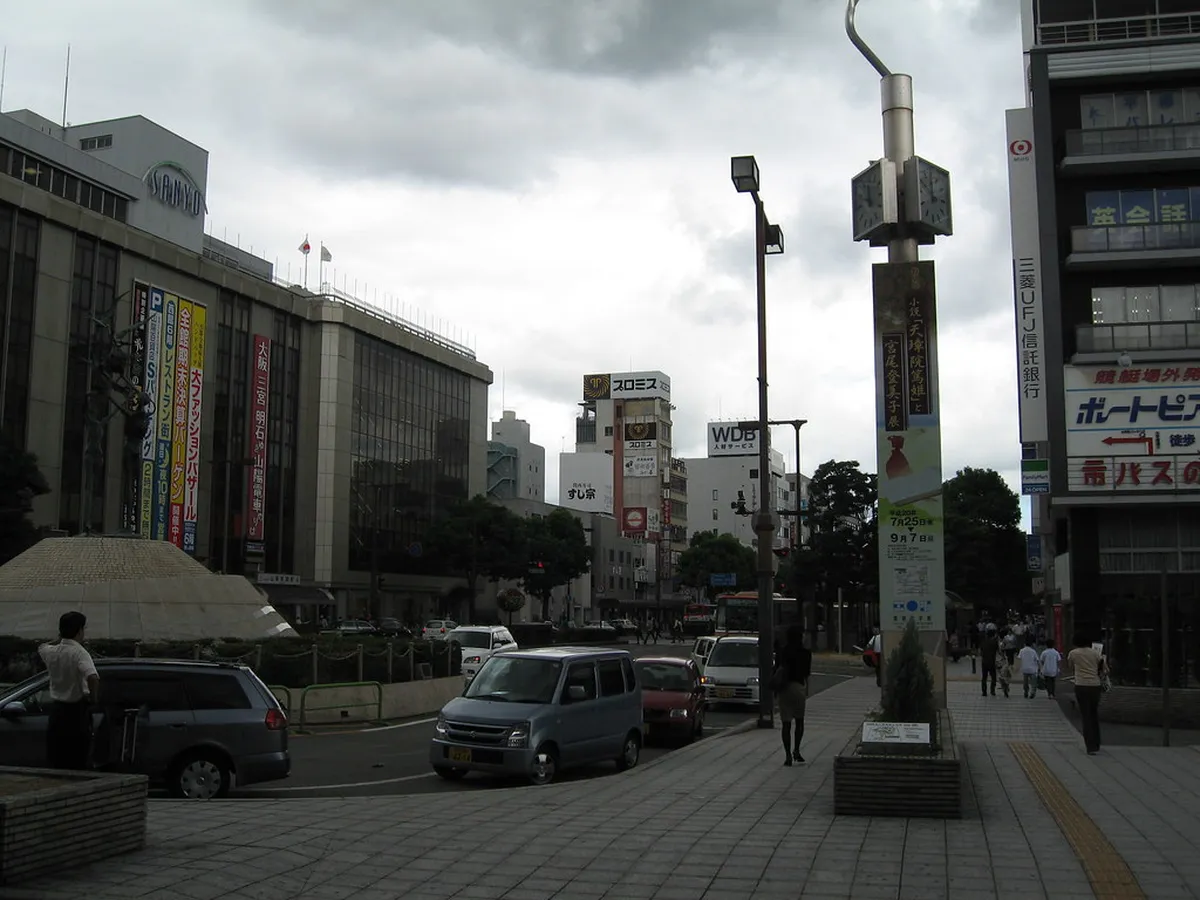
Sannomiya remains the primary transportation hub where multiple local and regional train lines intersect. You will find the JR, Hanshin, and Hankyu stations clustered in this vibrant shopping and dining district. It is the best place to start your journey when exploring the city center on a tight schedule.
Shin-Kobe Station serves as the arrival point for the Shinkansen bullet trains from Tokyo or Hiroshima. This station is located about one mile north of the central Sannomiya hub near the mountain base. Travelers must transfer to the subway or take a taxi to reach the best hotels in Kobe.
The city's topography influences how people move between different neighborhoods during their daily travels. Southern areas near the port are flat and very easy to navigate on foot or by bicycle. Northern districts become increasingly hilly as you move toward the scenic mountain slopes and historic residences.
Exploring on Foot: Walking the Central Districts
Walking is the most rewarding way to see central areas like Motomachi and the scenic Harborland. These coastal districts are mostly flat and feature wide, pedestrian-friendly sidewalks for easy exploration. You can easily stroll through Kobe Chinatown before heading toward the waterfront parks. The refreshing sea breeze makes these walks pleasant during the spring and autumn months.
The northern Kitano-cho district offers a much steeper challenge for pedestrians visiting from the center. This historic area features narrow winding streets and many uphill climbs toward the old foreign houses. Wear comfortable walking shoes if you plan to explore these mountain-side neighborhoods on foot. Consider using the tourist bus to save your energy for sightseeing at the top of the hills.
Walking between Sannomiya and Motomachi takes roughly fifteen minutes through covered shopping arcades. These arcades provide excellent shelter from rain and keep you away from busy street traffic. Many travelers enjoy the seamless transition between modern department stores and traditional local markets. This pedestrian network connects the city's most popular shopping zones into one walkable corridor.
Kobe’s Train and Subway Network
Kobe features three major railway companies running parallel through the heart of the city center. JR West provides rapid connections to Osaka and Himeji for regional travelers using the main lines. Hanshin and Hankyu lines offer slightly cheaper fares for local commutes between different city neighborhoods. Each company has its own separate gates within the complex Sannomiya station area.
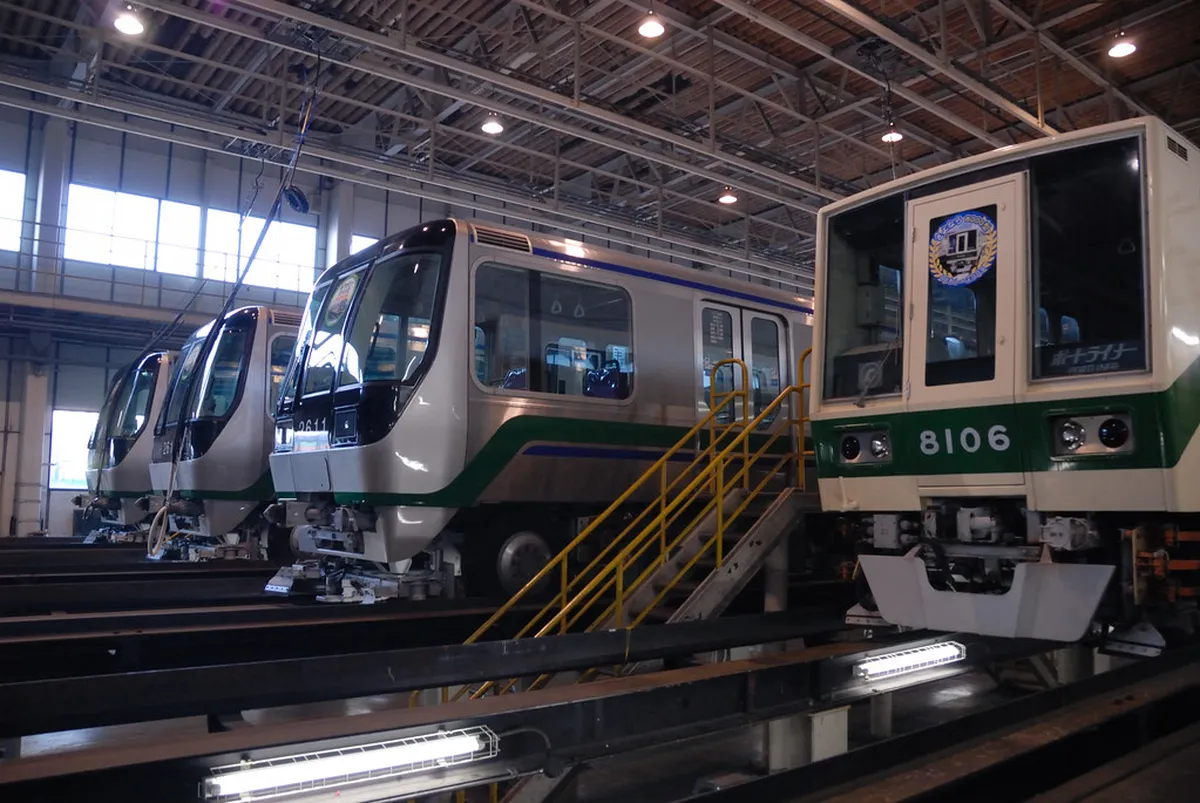
The Kobe Municipal Subway operates two lines that connect the coast to the mountain foothills. The Seishin-Yamate Line is essential for reaching the Shinkansen at Shin-Kobe from the downtown hub. Meanwhile, the Kaigan Line serves the southern port areas and the local soccer stadium. These trains run frequently and provide a reliable way to avoid surface traffic during rush hours.
The Portliner monorail is an automated transit system serving the man-made islands in the harbor. It connects Sannomiya to the Kobe Airport and the various convention centers on Port Island. Riders enjoy elevated views of the port and the city skyline during the short journey. This line is essential for travelers staying at the large hotels located on the island.
The City Loop and Tourist Bus Routes
The City Loop bus is an excellent resource for travelers visiting the major tourist landmarks. These green, retro-style buses run in a continuous circle through the central and northern districts. You can find stops near the Chinatown area, Meriken Park, and the historic Kitano neighborhood. Check the Inside Kyoto guide for updated route maps and current schedules.
The Port Loop bus serves the waterfront areas with modern and long articulated vehicles. These buses connect Sannomiya directly to the Meriken Park and Harborland shopping regions. They are particularly useful for reaching the large shopping malls located right next to the sea. The sleek design and frequent service make them a popular choice for families and shoppers.
Local city buses cover the residential areas and the steeper mountain foothills beyond the center. These routes use a flat fare system within the central city zone for simple payment. Board through the rear door and pay the driver at the front when you exit the bus. Keep small change ready or use a compatible IC card to speed up the boarding process.
Scenic Transit: Cable Cars and Ropeways
The Shin-Kobe Ropeway offers one of the most beautiful commutes in all of Japan. It lifts passengers from near the Shinkansen station up to the high mountain heights. You can see the entire Osaka Bay area on a clear day from the gondola. This route is the best way to reach the Mount Rokko summit area.
The Maya Ropeway provides another steep ascent to the popular Kikusedai observatory point. This spot is famous for its sparkling night view of the city lights below. Many locals visit this peak during the summer to enjoy the cooler mountain air. Check the Navitime guide for seasonal operating hours and fare details.
Mount Rokko features its own historic cable car that has operated since the early 1930s. It connects the upper mountain resorts to the bus lines in the city far below. The ride through the dense forest provides a peaceful escape from the urban environment. Combine this with a mountain bus ticket for a complete tour of the ridge.
Taxis and Rideshare Services in Kobe
Taxis are plentiful near major stations and hotel entrances throughout the city districts. Most drivers use meters and many now accept major credit cards or local IC cards. You can also use the Uber Kobe app to hail a local taxi digitally. This service provides a convenient way to overcome language barriers with pre-set destinations.
Standard taxi fares start around 600 yen for the first segment of the journey. Late-night surcharges usually apply after 10 PM and can increase the total cost significantly. Taxis are a great option for reaching the hilly Kitano area without walking uphill. Drivers in Kobe are known for their professional service and clean, well-maintained vehicles.
Rideshare services like standard Uber cars are not available in Japan due to local regulations. The Uber app instead connects you directly with licensed taxi companies in the area. This ensures that you always receive a professional driver and a regulated vehicle. It is a safe and reliable way to navigate the city during the late hours.
Best Value: Kobe Day Passes and IC Cards
The Kobe Meguri 1-Day Coupon is a versatile choice for heavy sightseeing days. It covers the subway, City Loop bus, and some private railway sections in the city. You also receive vouchers for discounts at various local attractions and city museums. This pass pays for itself if you plan to visit at least three major sites.
The Kobe Tourism Smart Passport is a modern digital option for tech-savvy travelers. It integrates transit access with entry to dozens of popular tourist attractions. You can purchase this pass online and use your smartphone for all entries. It is particularly useful for those planning a very active day of sightseeing.
IC cards like Suica or Icoca are the most convenient way to pay for individual trips. You can use these cards on almost all trains, subways, and buses in the city. Simply tap the reader when entering and exiting to have the fare deducted automatically. These cards also work at many convenience stores and vending machines throughout Kobe.
- Kobe Meguri 1-Day Coupon
- Type: Day Pass
- Best for: Major Landmarks
- Where: Subway Stations
- Cost: ~1,000 Yen
- Kobe Tourism Smart Passport
- Type: Digital Pass
- Best for: Attraction Entry
- Where: Online Purchase
- Cost: Varies by duration
- City Loop Day Pass
- Type: Bus Pass
- Best for: Loop Bus
- Where: On the Bus
- Cost: ~700 Yen
Getting to Kobe from Osaka and Kyoto
Reaching Kobe from Osaka takes as little as twenty minutes on a JR Special Rapid train. The Hanshin and Hankyu lines also provide direct access to the Sannomiya district for less. If you are coming from Kyoto, the JR lines offer the most straightforward journey. Many visitors find that a day trip to Kobe is very easy to manage.
The JR Special Rapid service is the fastest option between the major Kansai cities. It stops at Osaka Station and reaches Sannomiya in roughly 21 minutes of travel time. Private lines like Hanshin are better if you are starting from the Namba area. These trains run every few minutes throughout the day and late into the evening.
Travelers with a Japan Rail Pass should always prioritize the JR lines for these trips. The pass covers the Special Rapid trains but not the private Hankyu or Hanshin lines. You can also use the Shinkansen between Shin-Osaka and Shin-Kobe for a very fast ride. This bullet train journey takes only 12 minutes but requires a subway transfer later.
Airport Transfers: KIX, Itami, and Kobe Airport
The High Speed Bay Shuttle is a unique ferry connecting KIX to Kobe Airport. This boat ride takes only thirty minutes and offers a refreshing alternative to buses. Foreign tourists can access discounted tickets by showing their passports at the counter. Check the HyogoJapan guide for the latest ferry departure times.
Limousine buses provide a direct connection from Itami Airport to the Sannomiya station area. The journey takes about 40 minutes depending on the current highway traffic conditions. This is the most convenient option if you are carrying heavy luggage from a flight. Buses depart frequently from the arrival terminals at both major regional airports.
Kobe Airport is located on its own island just a short distance from the city. The Portliner monorail connects the airport terminal to Sannomiya in about 18 minutes. This is a very efficient way to reach the center if you fly domestically. The train station is located directly above the airport arrival hall for easy access.
- High Speed Bay Shuttle (KIX)
- Type: Ferry
- Time: 30 Minutes
- Ease: High with luggage
- Cost: ~500 Yen (Tourist)
- Airport Limousine Bus (Itami)
- Type: Bus
- Time: 40 Minutes
- Ease: Direct to Hub
- Cost: ~1,050 Yen
- JR Train via Osaka (KIX)
- Type: Train
- Time: 90 Minutes
- Ease: Requires Transfer
- Cost: ~1,740 Yen
Arriving by Shinkansen, Ferry, or Cruise Ship
Shin-Kobe serves as the primary gateway for those arriving by the Shinkansen bullet train. The station is clean and easy to navigate with clear English signage for visitors. You can find the subway entrance on the lower levels of the station building. The ride to Sannomiya takes only two minutes on the Seishin-Yamate subway line.
Cruise ship passengers arrive at the Kobe Port Terminal or the Naka Pier area. Both locations sit very close to the downtown area and the major attractions. The Portliner monorail connects the Port Terminal directly to Sannomiya in five minutes. This elevated train provides a great first look at the city and the harbor.
Long-distance ferries from other parts of Japan also dock at the various port terminals. Kobe is a major maritime hub with connections to Shikoku and Kyushu islands. Shuttle buses often meet the ferries to transport passengers to the nearest train station. Always confirm your specific docking location before you finalize your arrival plans.
Frequently Asked Questions
Is Kobe walkable for tourists?
Kobe is very walkable in central areas like Sannomiya, Motomachi, and Harborland. These districts are flat and connected by covered arcades. However, northern areas like Kitano-cho are quite hilly and may require a bus or taxi. Walking is perfect for exploring the Kobe food scene downtown.
What is the best transportation pass for a day trip to Kobe?
The Kobe Meguri 1-Day Coupon is usually the best value for a single day. It costs about 1,000 yen and covers subways, the City Loop bus, and some private trains. You also get 700 yen worth of vouchers for local attractions. It is ideal for visitors hitting multiple major landmarks.
How do I get from Kansai Airport (KIX) to Kobe quickly?
The High Speed Bay Shuttle ferry is the fastest way to reach Kobe from KIX. The boat ride takes just 30 minutes to reach Kobe Airport. From there, you can take the Portliner monorail to Sannomiya. Foreign tourists can often buy a heavily discounted ticket for only 500 yen.
Does Uber work in Kobe, Japan?
Yes, Uber works in Kobe, but it functions differently than in many other countries. The app connects you with licensed local taxi drivers rather than private car owners. This ensures you get a professional service with a metered fare. It is a great way to hail a cab without language issues.
How do I get from the Shinkansen station to downtown Kobe?
You should take the Kobe Municipal Subway from Shin-Kobe Station to Sannomiya Station. The journey takes only two minutes and costs about 210 yen. Taxis are also available outside the station for a short five-minute drive. Walking to the center takes about 15 to 20 minutes downhill.
Mastering the transit system makes your visit to this beautiful port city much more enjoyable. Whether you choose the retro City Loop bus or the high-speed ferry, Kobe is easy to navigate. Plan your routes in advance to save time and make the most of your Japanese adventure. Enjoy the unique blend of mountain views and sea breezes as you explore every corner.
Free: The Kobe Essentials guide
Top things to do, where to stay, a perfect day plan, getting around, and the best time to go — a Kobe mini-guide you can take offline.
You might also like

Continue reading
More guides you'll find useful


