Kobe Chinatown Nankin-machi Travel Guide: Food, Gates & Tips
Plan your visit to Kobe Chinatown (Nankin-machi) with our guide to the best street food stalls, historic gates, seasonal festivals, and local travel tips.
On this page
Kobe Chinatown Nankin-machi serves as a vibrant cultural hub in the heart of the city's Motomachi district. This compact neighborhood offers an incredible sensory experience filled with the aroma of steamed buns and colorful lanterns. It remains one of the three major Chinatowns in Japan, alongside those in Yokohama and Nagasaki.
Visitors flock here to enjoy authentic street food and admire traditional Chinese architecture nestled within a modern Japanese city. The district blends history with a lively atmosphere that appeals to families, foodies, and photographers alike. Exploring these narrow streets reveals a unique side of Kobe that feels both exotic and welcoming.
Kobe at a glance
- What: one of Japan's three great Chinatowns (with Yokohama and Nagasaki).
- Eat: ~100 shops for buta-man pork buns, dim sum and street snacks.
- Where: a few minutes' walk from Motomachi and Sannomiya stations.
Official resources: Nankinmachi (Wikipedia) · Feel Kobe (official)
The History and Heritage of Kobe Nankinmachi
The origins of this district date back to 1868 when the Kobe Port first opened to international trade. Chinese merchants settled in the area because they were not permitted to live in the designated foreign settlement. They established shops and eateries, creating the foundation for what we now call Nankin-machi.
While Yokohama Chinatown is much larger, Kobe offers a more intimate and walkable scale for travelers. It provides a dense concentration of culture that is easy to navigate during a busy Kobe Itinerary 1 to 2 Days: The Ultimate Travel Guide. This compact layout allows you to sample many different dishes without walking long distances between stalls.
The community has shown incredible resilience over the decades, especially following the Great Hanshin Earthquake in 1995. Local residents and business owners worked tirelessly to rebuild the district into the thriving tourist destination it is today. This history of perseverance adds a layer of depth to every visit to the square.
Understanding the "Big Three" Chinatowns helps put this site into perspective for international visitors. Nagasaki holds the oldest roots, while Yokohama boasts the largest number of shops and restaurants. Kobe strikes a perfect balance by focusing on high-quality street food and a friendly, accessible atmosphere.
Architectural Landmarks: The Three Gates and Stone Lions
Three majestic gates mark the entrances to the district and serve as popular meeting points for locals. The Changan Gate stands to the east, welcoming visitors with its intricate carvings and bright red pillars. This gate is often the first landmark travelers see when arriving from the main shopping areas.
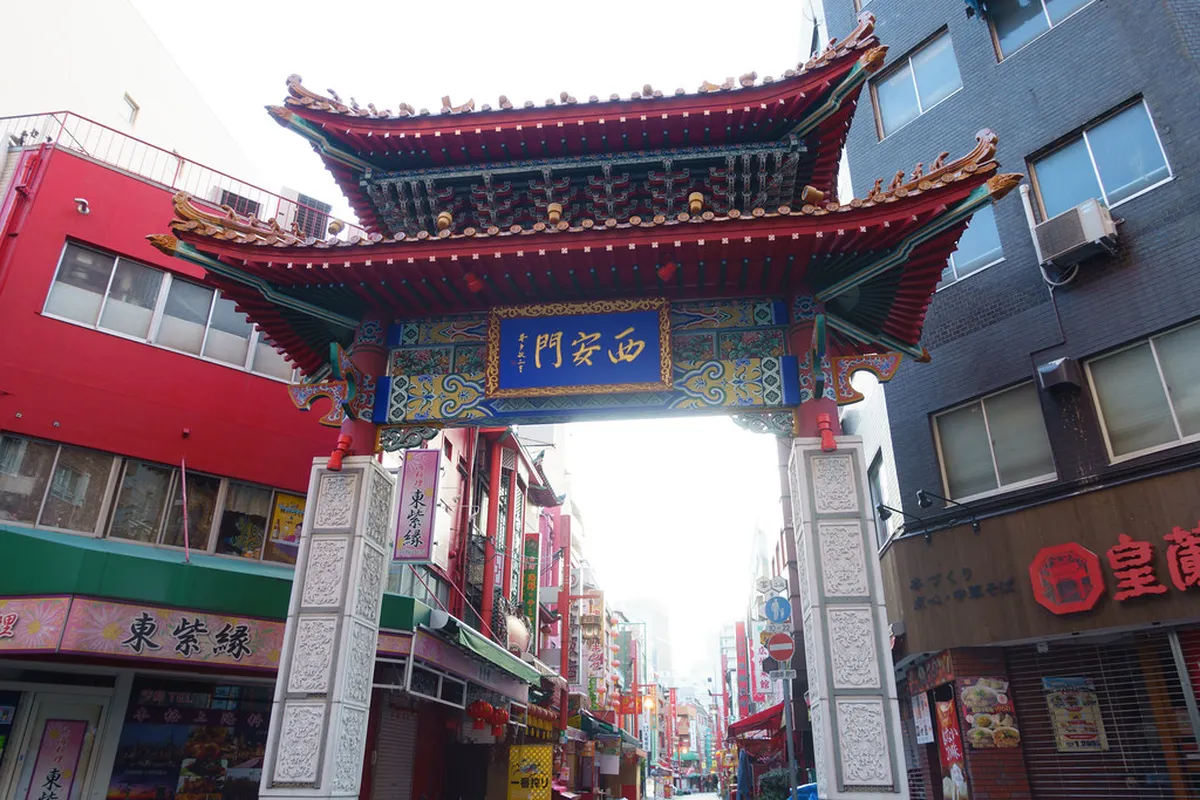
On the western side, the Xian Gate provides a grand entrance with traditional tile work and bold colors. The Hairong Gate guards the southern entrance, leading visitors toward the scenic waterfront area. Each structure offers a distinct look that reflects classical Chinese design principles and craftsmanship.
You will also find pairs of stone lions guarding various corners and entrances throughout the neighborhood. These traditional statues are believed to provide protection and bring good luck to the businesses nearby. They make excellent subjects for photography, especially when framed against the backdrop of bustling street life.
For the best photos, try to visit during the "Golden Hour" just before sunset. The low light enhances the textures of the gates and makes the red accents pop against the sky. Check the Kobe Station Guide - Nankinmachi for specific maps of these architectural highlights.
Essential Street Food and Top-Rated Restaurants
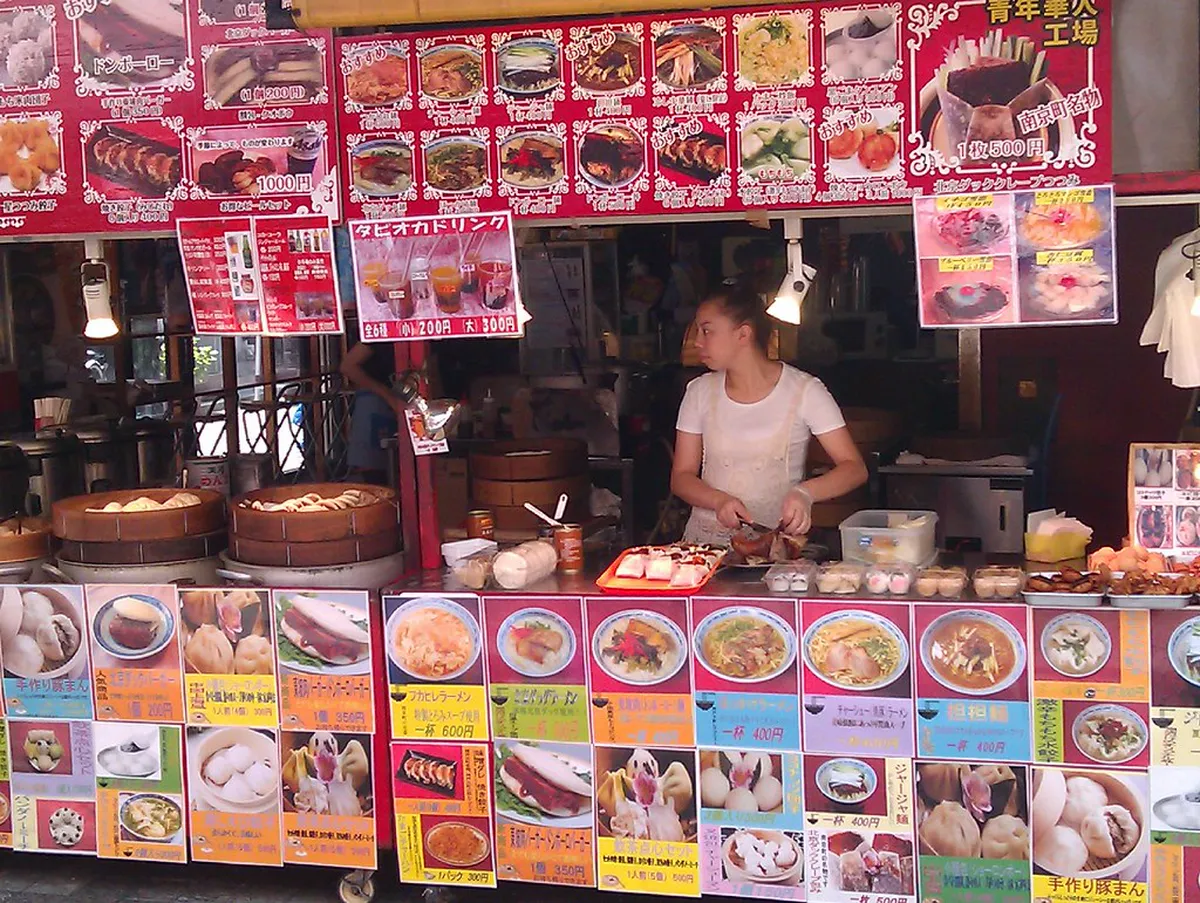
Street food is the primary draw for most visitors spending time in this flavorful district. The air is thick with the scent of spices, grilled meats, and freshly steamed dough. You can find everything from savory dumplings to sweet panda-shaped buns that are perfect for social media.
If you are looking for a break from street stalls, several sit-down restaurants offer elaborate multi-course meals. Many of these establishments specialize in Cantonese or Szechuan cuisine adapted for local tastes. For more dining inspiration, consult our comprehensive Kobe Food Guide: 11 Best Dishes and Local Dining Tips (2026) before your arrival.
Navigating dietary restrictions is possible with a bit of careful planning and observation. While pork is a staple ingredient, several stalls offer seafood-based dim sum like shrimp dumplings or crab cakes. Always ask about ingredients if you have specific needs, as hidden lard or meat stocks are common.
- Roushouki Famous Pork Buns
- Type: Steamed nikuman
- Wait: 20-40 minutes
- Cost: 100 yen each
- Tip: Buy a pack
- Yunyun Grilled Xiaolongbao
- Type: Pan-fried soup dumplings
- Best for: Crispy texture
- Where: Near central square
- Cost: 400 yen set
- Instagrammable Panda Buns
- Type: Sweet custard bun
- Best for: Photos
- Where: Various street stalls
- Cost: 300 yen
Nankinmachi Square and the Central Pavilion
The heart of the district is Nankinmachi Square, a circular open space where people gather to eat. A beautiful two-story red pavilion sits at the center, serving as the neighborhood's most iconic landmark. This area often hosts small performances or seasonal displays throughout the year.
Surrounding the pavilion, you will find statues representing the twelve animals of the Chinese zodiac. Many visitors enjoy finding their birth year animal and taking a quick commemorative photo. The square provides a rare bit of open space in an otherwise densely packed urban environment.
Photography enthusiasts should wait for the evening when the red lanterns around the square begin to glow. This lighting creates a magical atmosphere that feels worlds away from the nearby modern department stores. It is one of the most atmospheric 15 Best Things to Do in Kobe: A Complete Travel Guide (2026) for night-time strolls.
During peak hours, the square can become very crowded with tourists and students. If you prefer a quieter experience, try visiting on a weekday morning before the lunch rush begins. This allows you to appreciate the details of the pavilion without the heavy foot traffic.
Seasonal Festivals and Cultural Celebrations
Visiting during a festival offers a deeper look into the cultural heritage of the local Chinese community. The Lunar New Year is the biggest event, featuring lion dances, dragon parades, and special food menus. The energy during this time is electric, though crowds are at their absolute highest.
The Mid-Autumn Festival is another highlight, celebrated with mooncakes and beautiful lantern displays. In 2026, these festivals will continue to draw thousands of visitors to the central square for traditional performances. It is a fantastic time to see the community come together in celebration.
Check the Official Nankinmachi Association (Japanese) website for specific dates and event schedules. Planning your trip around these dates requires booking your Kobe accommodation well in advance. Seasonal events often result in limited hotel availability across the city.
Shopping for Souvenirs and Chinese Specialties
Beyond the food stalls, the district is home to many shops selling unique Chinese goods. You can find high-quality loose-leaf teas, traditional spices, and specialized cooking utensils that are hard to find elsewhere. These items make practical and authentic souvenirs for friends and family back home.
Small boutiques also sell colorful charms, silk garments, and decorative items for the home. Many shops offer "lucky bags" or small gift sets during the festive seasons. Exploring these stores provides a nice break from the outdoor heat or rain while you browse.
If you enjoy cooking, look for the grocery stores that cater to the local Chinese residents. They stock authentic sauces, dried ingredients, and snacks imported directly from China and Taiwan. These shops offer a glimpse into the daily life of the people who live and work here.
Practical Visitor Tips: Access and Best Times to Visit
Getting to the district is simple via public transportation from anywhere in the city. The closest station is JR Motomachi, which is just a five-minute walk from the Changan Gate. You can also reach the area easily after a short walk from the Sannomiya transport hub.
To avoid the heaviest crowds, plan your visit for a Tuesday or Wednesday afternoon. The "Crowd Heatmap" generally shows peak traffic between 12:00 PM and 2:00 PM on weekends. Late afternoon visits allow you to see the lanterns light up while avoiding the lunch-time queues.
Learning a few basic Japanese phrases can help when ordering from the busy street stalls. Say "Kore o futatsu kudasai" to ask for two of a specific item while pointing. Most vendors are very patient with international tourists and may even speak some English or Chinese.
For more details on navigating the city, see our guide on Getting Around Kobe: 10 Essential Tips for Navigating the City. Having a transport pass can make switching between trains and buses much more convenient. Most stalls accept cash, so keep some small bills and coins ready for quick transactions.
Nearby Attractions in the Motomachi District
After finishing your meal, consider exploring the surrounding Motomachi neighborhood for more shopping and history. The Motomachi Shopping Arcade runs parallel to the Chinatown area and offers hundreds of local boutiques. It is a great place to find high-end fashion or traditional Japanese crafts.
A short walk south will lead you to Meriken Park and the iconic Kobe Port Tower. This waterfront area provides a stark contrast to the dense streets of Nankin-machi. It is an ideal spot to relax by the water and enjoy the sea breeze after a heavy meal.
If you are interested in luxury dining, many of the city's top steak houses are located nearby. You can find a detailed 9 Best Places and Tips for Eating Kobe Beef in Kobe (2026) to help you choose a reputable restaurant for dinner. Combining a street food lunch with a steak dinner makes for a perfect culinary day.
The Former Foreign Settlement is also within walking distance, featuring elegant stone buildings from the Meiji era. This area highlights the international history of the city through its Western-style architecture. Check Feel Kobe - Official Travel Guide for more walking route suggestions.
Frequently Asked Questions
What is the best street food in Kobe Chinatown?
The most famous item is the pork bun from Roushouki, which often has a long queue. You should also try the grilled xiaolongbao at Yunyun and the colorful panda-shaped custard buns. For a complete list of must-try dishes, see our Kobe Food Guide: 11 Best Dishes and Local Dining Tips (2026).
How do I get to Nankin-machi from Kobe Station?
From Kobe Station, take the JR Kobe Line one stop east to Motomachi Station. Exit the station and walk south for about five minutes to reach the main gate. The walk is very straightforward and well-signed for tourists.
Is Kobe Chinatown worth visiting compared to Yokohama?
Yes, because it offers a much more compact and manageable experience for a day trip. While Yokohama is larger, Kobe's version focuses heavily on high-quality street food and unique architecture. It is perfect for travelers with limited time.
What are the opening hours for Nankin-machi stalls?
Most street food stalls open around 10:00 AM or 11:00 AM and close by 7:00 PM or 8:00 PM. Sit-down restaurants typically stay open later for dinner service. Hours can vary by stall, so arrive early for popular items.
When is the best time to visit Kobe Chinatown to avoid crowds?
Visit on a weekday morning right as stalls open at 11:00 AM to beat the rush. Alternatively, late afternoons on weekdays are usually quieter than weekends. For more seasonal timing, check the Best Time to Visit Kobe: 8 Seasonal Tips and Weather Guides guide.
Kobe Chinatown Nankin-machi is a must-visit destination that perfectly captures the city's international spirit. Whether you are there for the famous pork buns or the stunning architecture, the district never fails to impress. Its compact size makes it an easy addition to any travel itinerary in the Hyogo Prefecture.
Plan your visit carefully to avoid the largest crowds and make the most of your time in the square. From the historic gates to the lively festivals, there is always something new to discover in these red-lanterned streets. Enjoy the unique flavors and vibrant atmosphere of one of Japan's most beloved cultural landmarks.
Free: The Kobe Essentials guide
Top things to do, where to stay, a perfect day plan, getting around, and the best time to go — a Kobe mini-guide you can take offline.
You might also like


Continue reading
More guides you'll find useful