Kobe Food Guide: 11 Best Dishes and Local Dining Tips (2026)
Discover what to eat in Kobe with our 2026 food guide. From world-famous Kobe beef to hidden B-grade gems and Nada sake breweries, plan your perfect food tour.
On this page
After my fourth trip to Hyogo Prefecture, I’ve realized that Kobe’s culinary scene is surprisingly diverse. Most visitors arrive with only marbled steak on their minds, but the city offers a deep 'B-grade' gourmet culture. This guide explores the port city's unique mix of international influences and traditional Japanese comfort foods. Last refreshed October 2025.
Kobe was one of the first Japanese ports to open to foreign trade in the 19th century. This history created a landscape where European patisseries sit comfortably next to ancient sake breweries. You will find that the local palate embraces both refined luxury and hearty, post-war street snacks. Navigating these Kobe neighborhoods requires a strategy to balance your budget and appetite.
Kobe at a glance
- Beyond beef: sobameshi, akashiyaki and Nankin-machi buta-man buns.
- Drink: Nada is one of Japan's top sake-brewing districts.
- Sweet: Kobe is known for Western-style cakes and baumkuchen.
Official resources: japan-guide.com · Kobe (Wikipedia)
Japan Travel Guide: Essential Kobe Context
The geography of Kobe creates a natural larder that few other Japanese cities can match. To the north, the Rokko Mountains provide pure mineral water essential for the legendary sake production. The southern border faces the Seto Inland Sea, ensuring a daily supply of fresh sea bream and octopus. Understanding this mountain-to-sea relationship is key to appreciating a Kobe Itinerary 1 to 2 Days: The Ultimate Travel Guide built around food.
International influences are most visible in the Motomachi and Kitano districts. Foreign residents introduced bread, coffee, and western-style sweets long before they became national staples. Today, Kobe remains the confectionery capital of Japan, famous for its high-end bakeries and elegant cafes. Many of these shops have operated for over a century according to the city's historical records.
B-grade gourmet is the other half of the city's food identity. This term refers to affordable, soul-satisfying dishes like fried noodles and savory tendon stews. These recipes often originated in the industrial wards where workers needed quick, high-energy meals. Trying these humble dishes provides a more authentic look at local life than high-end dining alone.
11 Must-Try Dishes in Kobe: A Local Food Guide
This list represents a curated selection of the city's most iconic and delicious experiences. I have grouped these items to include both world-famous luxury and hidden neighborhood favorites. Prices are estimated based on current 2025 market rates in the Sannomiya and Motomachi areas. Always look for the bronze chrysanthemum seal when choosing a venue for authentic Kobe beef.
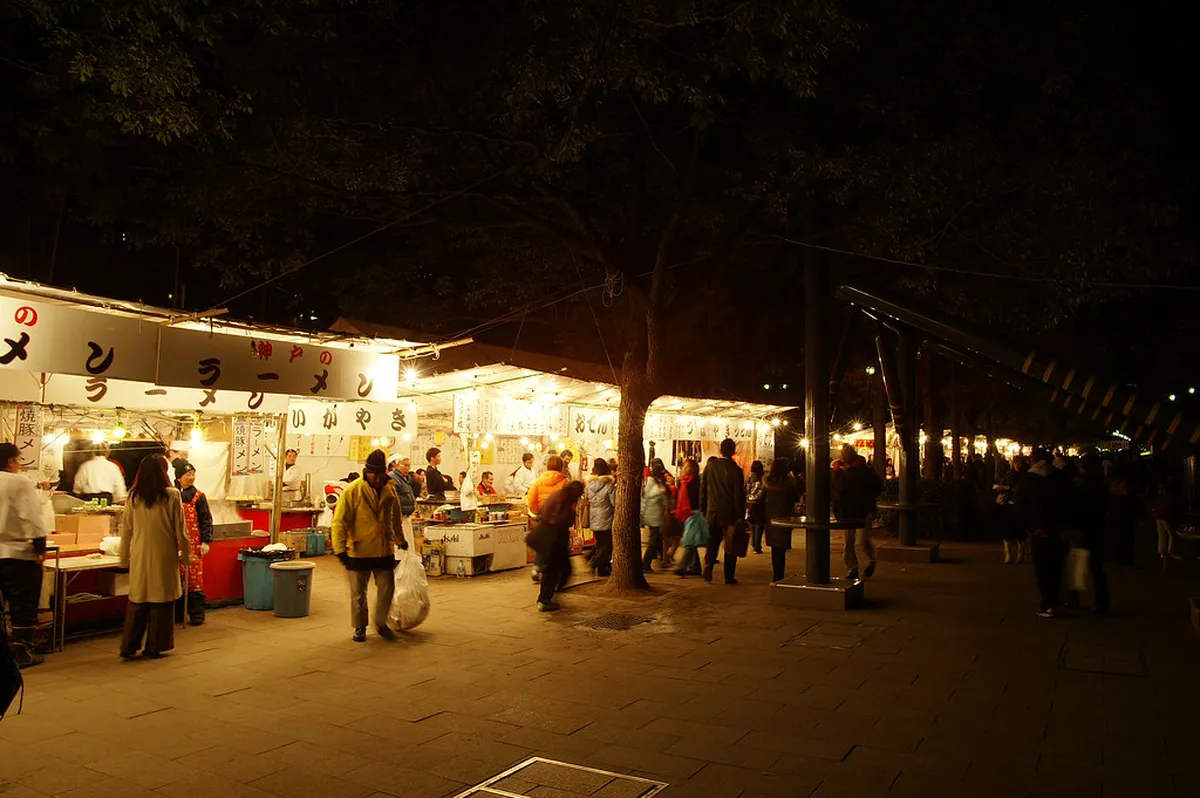
Street food lovers should prioritize the Nankinmachi district for a concentrated tasting experience. Most items there are designed to be eaten while standing or walking near the central pavilion. If you prefer a sit-down meal, the Sannomiya Center Gai offers countless underground noodle shops. These basement levels are where you will find the best value for your yen.
Timing your visits is essential to avoid the longest queues at popular stalls. The lunch rush typically peaks between 12:00 PM and 1:30 PM across the city center. Many smaller family-run shops close between lunch and dinner, so plan your snacks accordingly. Checking the Kobe weather is also smart before planning an outdoor street food crawl.
- Certified Kobe Beef Teppanyaki Experience
- This world-famous wagyu is known for its intense marbling and melt-in-the-mouth texture.
- Expect to pay $45–$160 per person depending on the cut and time of day.
- Most Sannomiya steak houses like Steakland Kobe (Google Maps) open daily from 11am to 9pm.
- Book a lunch session to save nearly 40% compared to the standard dinner menu prices.
- Akashiyaki Egg-Based Octopus Dumplings
- These soft, eggy spheres are the lighter, more delicate cousins of standard takoyaki.
- A standard serving of ten pieces typically costs between $6 and $10.
- Find these in the specialized stalls near Sannomiya Station or the Motomachi shopping arcade.
- Dip them briefly in the provided cold dashi broth to enhance the subtle savory flavor.
- Misodare Gyoza with Local Miso Sauce
- Kobe locals distinguish their potstickers by using a rich, fermented miso dipping sauce.
- Small specialty shops in the Motomachi backstreets charge roughly $4–$9 per plate.
- Most gyoza bars open in the late afternoon and stay busy until 10pm.
- Mix the miso paste with a little vinegar and chili oil for the perfect balance.
- Sobameshi Noodle and Rice Mashup
- This hearty dish features yakisoba noodles chopped into tiny pieces and fried with white rice.
- It is a staple of Nagata district teppan grills, usually priced around $8–$14.
- The best versions are cooked on a large iron griddle right in front of you.
- Ask for extra 'bokkake' topping to add savory stewed beef tendon to the mix.
- Bokkake-Suji Beef Tendon Stew
- Sweet and savory beef tendon is slow-cooked with konjac in a soy-based broth.
- This B-grade classic is often served over rice or inside savory pancakes for $5–$12.
- Look for this in the smaller izakayas located under the railway tracks near Sannomiya.
- The collagen-rich sauce is incredibly filling and pairs perfectly with a cold local beer.
- Kobe Korokke Potato Croquettes
- These crispy, panko-crusted snacks are a beloved afternoon treat for locals and tourists alike.
- Individual croquettes at Kobe Croquette (Google Maps) cost about $1.50–$3 each.
- The Motomachi flagship store is open daily from 10am to 8pm for quick service.
- The beef and potato version is the classic choice, but the seasonal crab is excellent.
- Taimeshi Elegant Sea Bream Rice
- Whole sea bream is steamed with high-quality rice and ginger in a traditional clay pot.
- This refined dish reflects the bounty of the Seto Inland Sea for $18–$35.
- Specialty seafood restaurants near the waterfront usually serve this during lunch and dinner.
- The crispy rice at the bottom of the pot is considered the most delicious part.
- Butaman Steamed Pork Buns from Rosshoki
- These juicy, hand-rolled pork buns are the undisputed kings of the local Chinatown scene.
- A minimum order of three buns costs approximately $3–$5 at the famous central stall.
- The queue at Kobe Chinatown (Google Maps) often starts well before the 10am opening.
- Eat them immediately while the steam is still rising to catch the ginger aroma.
- Nada-Gogo Premium Junmai Sake
- Nada is Japan's top sake region, producing crisp brews using hard 'Miyamizu' mountain water.
- Tasting flights at local breweries like Hakutsuru or Kikumasamune range from $5 to $15.
- Most brewery museums in the Nada district are open daily from 9:30am to 4:30pm.
- Take the Hanshin line to Uozaki station for the easiest access to the main breweries.
- Kobe Patisserie and European Sweets
- The city's European heritage shines through in its world-class cakes, tarts, and chocolates.
- A coffee and cake set in a Kitano cafe typically costs $10–$18.
- Many shops are located in the historic 'Ijinkan' foreign residences area on the hill.
- The creamy puddings sold in glass jars are a popular souvenir for domestic travelers.
- Chuka Ryori Chinatown Street Skewers
- Beyond pork buns, Nankinmachi offers grilled Peking duck wraps and various meat skewers.
- Most street snacks are priced between $3 and $8 per serving at the stalls.
- The area is most vibrant between 11am and 6pm when all vendors are active.
- Try the grilled scallops topped with uni cream for a unique fusion of flavors.
Practical Tips for Dining in Kobe
Navigating the food scene is easier if you understand the local payment culture. While major steak houses accept credit cards, many B-grade gourmet stalls remain cash-only. Keep a supply of small bills and coins ready for Chinatown and arcade snack shops. Finding an ATM is simple at any 7-Eleven or Lawson convenience store near the stations.
Reservations are highly recommended for any high-end 9 Best Places and Tips for Eating Kobe Beef in Kobe (2026) recommendations. Popular teppanyaki spots often fill up weeks in advance, especially during the autumn foliage season. If you lack a reservation, try arriving exactly when they open for the best chance. Some restaurants use online booking systems that are accessible in English or via hotel concierges.
Avoid the generic international buffets often found in the large hotels near the harbor. These menus rarely feature the authentic local flavors found in the city's smaller backstreets. You will get much better value and quality by visiting specialized shops for each dish type. Skip the pre-packaged 'Kobe Beef' snacks in souvenir shops as they often contain very little real beef.
Nada District Sake: Japan’s Premier Brews
The Nada-Gogo, or Five Villages of Nada, has led Japanese sake production for centuries. This area produces nearly 25% of the nation's sake according to the Nada Brewers Association. The combination of high-quality Yamada Nishiki rice and mineral-rich water is the secret to their success. Many breweries offer free museum tours that explain the traditional kimoto brewing method.
Walking between the breweries is a pleasant way to spend a half-day in the city. The 'Sake Brewery Road' is well-marked with signs and historical information boards. You can sample rare, unpasteurized brews that are never exported or sold in supermarkets. Most tasting rooms provide small snacks like pickled vegetables to cleanse your palate.
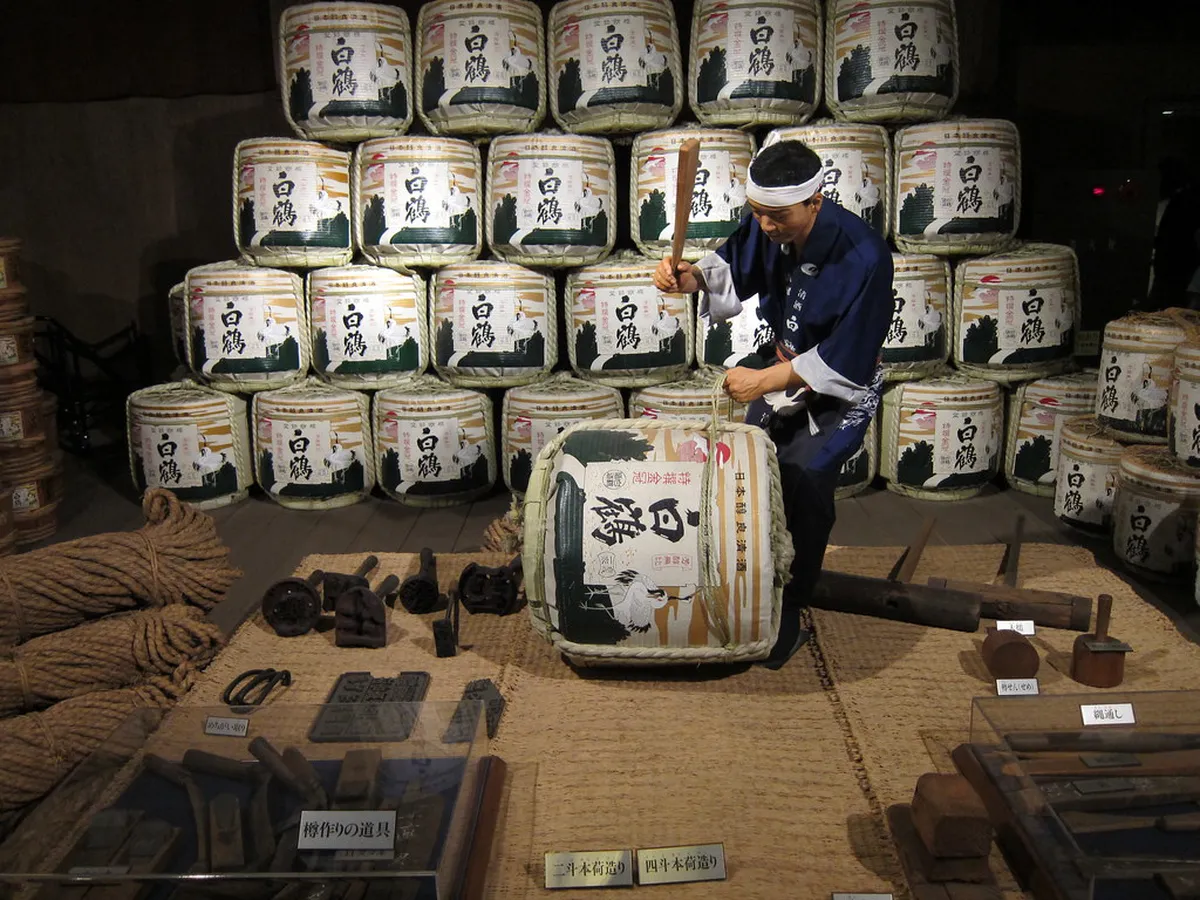
Beginners should start at the larger museums like Hakutsuru for a comprehensive overview. The life-sized dioramas and English videos make the complex fermentation process easy to understand. More experienced drinkers might prefer the smaller, boutique breweries near Mikage station. These smaller venues often have limited-edition bottles available for purchase at the cellar door.
Is Kobe Beef Worth the High Price Tag?
The question of value is the most common concern for first-time visitors to the city. True Kobe beef must come from purebred Tajima cattle raised within Hyogo Prefecture. The strict certification ensures a level of quality and marbling that is objectively superior. Whether the price is worth it depends on your appreciation for rich, fatty textures.
A5 is the highest possible grade, indicating the maximum amount of intramuscular fat. Eating an entire steak of A5 beef can be overwhelming for some due to its richness. Many locals prefer the A4 grade, which offers a better balance of meat and marbling. Consider sharing a high-grade steak and ordering a side of local vegetables to vary the meal.
Budget-conscious travelers can still enjoy the experience by choosing the right time and cut. Lunch sets are significantly cheaper than dinner and usually include rice, soup, and salad. Red meat cuts like 'akami' are less expensive than sirloin but still incredibly tender. The skill of the teppanyaki chef is just as important as the quality of the meat itself.
Explore Kobe Food and Dining
Use these guides to compare local dishes, dining areas and practical food experiences in Kobe.
Explore food guide in other cities
Frequently Asked Questions
Where is the best place to eat cheap in Kobe?
The Sannomiya Center Gai and the Motomachi shopping arcades offer the best value. Look for basement-level 'B-grade' gourmet shops serving sobameshi or misodare gyoza for under $10. These areas are popular with local office workers and students.
What is the difference between Akashiyaki and Takoyaki?
Akashiyaki uses a much higher proportion of egg in the batter, making it softer and fluffier. Unlike takoyaki, which is topped with thick sauce, Akashiyaki is dipped into a light dashi broth. This highlights the fresh octopus flavor more cleanly.
Do I need to book Kobe beef restaurants in advance?
Yes, reservations are essential for popular spots like Steakland or Mouriya. You can often book online or ask your hotel to assist with a phone call. For more dining inspiration, check the latest reviews on Japan Activity before you arrive.
Kobe is a city that rewards those who look beyond the famous marbled steak. From the smoky teppan grills of Nagata to the elegant cafes of Kitano, the variety is endless. I recommend mixing high-end meals with humble street food to truly understand the local culture. Be sure to follow a structured Kobe Itinerary 1 to 2 Days: The Ultimate Travel Guide to make the most of your time.
Whether you are sipping sake in Nada or queuing for pork buns in Chinatown, the quality is consistent. The city's unique history as an international port continues to shape its vibrant and delicious future. Pack your appetite and prepare for one of Japan's most rewarding culinary adventures.
Free: The Kobe Essentials guide
Top things to do, where to stay, a perfect day plan, getting around, and the best time to go — a Kobe mini-guide you can take offline.
You might also like


Continue reading
More guides you'll find useful