Where to Stay in Kobe: 10 Best Neighborhoods (2026 Guide)
Discover where to stay in Kobe with our 2026 guide to 10 neighborhoods. Compare Sannomiya, Harborland, and Arima Onsen for your perfect Japan trip.
On this page
After visiting Kobe four times over the last decade, I still find it one of Japan's most underrated bases. Most travelers treat this port city as a quick stop for steak, but staying overnight reveals a sophisticated coastal vibe. Our editors have reviewed every major district to help you choose the right neighborhood for your travel style. This guide was last refreshed in October 2025 following my most recent autumn trip to the Motomachi area.
Kobe offers a unique blend of mountain backdrops and harbor views that you simply won't find in Kyoto. Selecting the right area depends heavily on whether you value transit convenience, historic charm, or hot spring relaxation. While Sannomiya is the obvious choice for many, hidden gems like Kitano offer a completely different pace of life. Check our Kobe Neighborhoods Guide: 11 Essential Sections (2026) for a deep dive into the local atmosphere of each street.
Kobe at a glance
- Best base: Sannomiya / Motomachi — central and best-connected by rail.
- For views: Harborland on the bay; boutique: Kitano's hillside.
- Getting around: most sights are within 15 min by subway or City Loop bus.
Official resources: Feel Kobe (official) · japan-guide.com
10 Best Neighborhoods and Areas to Stay in Kobe (2026)
We have grouped these selections into three primary clusters to make your decision easier. The first group includes the urban core of Sannomiya and Motomachi, which is perfect for shopping and dining. Waterfront enthusiasts should look toward Harborland and Meriken Park for iconic views and modern hotels. Finally, the historic districts of Kitano and Arima Onsen offer specialized experiences like boutique stays and traditional inns.
If you love food, read our 9 Best Places and Tips for Eating Kobe Beef in Kobe (2026) before booking your dinner near the station. Many visitors make the mistake of staying too far from the JR lines if they plan to visit Himeji. Always consider your luggage weight when choosing a hotel in the hilly northern sections of the city. The following ten locations represent the best balance of value, location, and authentic local character.
Regarding what to skip, I generally recommend avoiding the artificial Port Island for a first-time stay. While hotels there are modern, the area feels somewhat industrial and requires a separate train ride for every meal. Stick to the mainland neighborhoods listed below to ensure you are within walking distance of the best attractions. See our list of 15 Best Things to Do in Kobe: A Complete Travel Guide (2026) to map out your daily sightseeing from these bases.
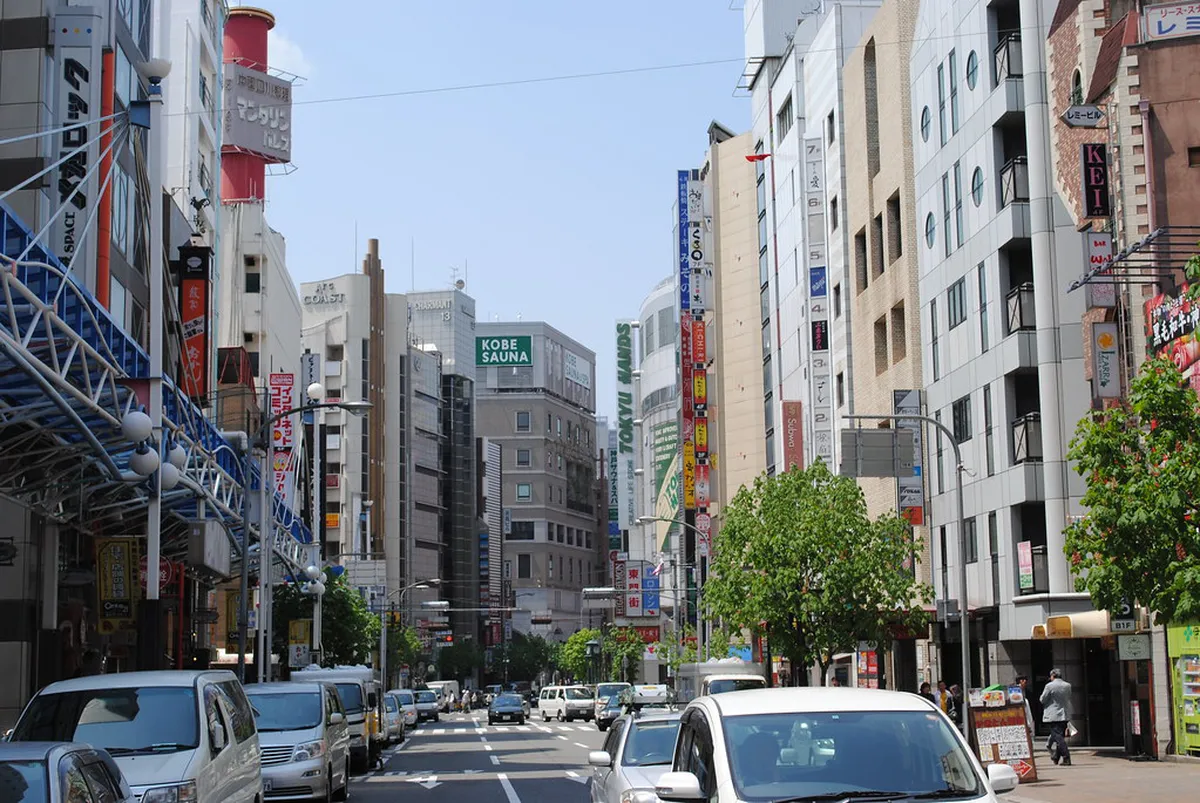
- Sannomiya Central District for First-Time Visitors
- This bustling hub serves as the city's primary transportation and entertainment center.
- Travelers enjoy immediate access to six different train lines and endless dining options.
- Standard business hotels here typically range from $70 to $130 per night.
- Most lobbies remain open 24 hours while shops close around 8pm or 9pm.
- Look for hotels north of the tracks to avoid the loudest nightlife crowds.
- Motomachi and Nankinmachi for Food Lovers
- Located just west of Sannomiya, this area hosts one of Japan's three major Chinatowns.
- The streets are lined with historic architecture and hundreds of street food stalls.
- Mid-range hotels in this district usually cost between $85 and $150 per night.
- Chinatown stalls generally operate from 11am to 7pm, though restaurants stay open later.
- Book a room near the covered shopping arcade to stay dry during rainy days.
- Kobe Harborland for Families and Couples
- This modern waterfront development offers the most iconic views of the Port Tower.
- Large shopping malls and the Anpanman Museum make it ideal for those with children.
- Upscale harbor-view rooms typically range from $140 to $280 per night.
- The Mosaic shopping complex is open daily from 10am until at least 8pm.
- Request a high-floor room facing the water to see the nightly illumination show.
- Kitano-cho Historic District for Boutique Atmosphere
- This hillside neighborhood features preserved 19th-century mansions once owned by foreign merchants.
- Staying here offers a quiet, European-style ambiance far from the neon lights.
- Boutique stays and luxury guest houses often cost $150 to $300 per night.
- Most historic houses open from 9:30am to 5pm for daily tours.
- Send your heavy bags ahead because the walk from Sannomiya is very steep.
- Shin-Kobe for Shinkansen and Nature Access
- This area sits directly at the base of the mountains near the bullet train station.
- It is the best choice for travelers arriving late or departing early via Shinkansen.
- High-rise hotels here generally charge between $110 and $220 per night.
- The nearby Nunobiki Ropeway operates from 9:30am with seasonal evening closures.
- Use the underground walkway to reach the subway for a quick downtown connection.
- Arima Onsen for Traditional Ryokan Experiences
- This ancient hot spring town is hidden on the far side of Mount Rokko.
- It is famous for its unique iron-rich Gold Water and clear Silver Water springs.
- High-end ryokans including dinner and breakfast cost $350 to $700 per night.
- Public bath houses like Kin-no-Yu typically open from 8am to 10pm daily.
- Plan a relaxing Arima Onsen 1-Day Trip From Kobe Travel Guide if you cannot stay overnight.
- Meriken Park for Art and Open Spaces
- This seaside park area features wide plazas and the Maritime Museum's striking roof.
- It offers a more relaxed waterfront feel than the busy Harborland shopping district.
- Luxury hotels on the pier usually range from $180 to $350 per night.
- The park remains open 24 hours while the museum closes at 6pm.
- Visit the Earthquake Memorial at night when the ruins are hauntingly lit.
- Nada District for Sake Enthusiasts
- Nada is Japan's top sake-producing region and offers a local residential feel.
- Small guest houses and business hotels provide a budget-friendly alternative to downtown.
- Expect to pay between $55 and $100 for a standard local room.
- Most brewery museums are open from 10am to 4:30pm for tastings.
- Take the Hanshin Line for the easiest access to the brewery walking trail.
- Rokko Island for Quiet Expat Vibes
- This man-made island features wide boulevards and a very international community.
- It is significantly quieter than Sannomiya and offers more spacious hotel rooms.
- Large international brand hotels here cost between $90 and $160 per night.
- The Rokko Liner train runs every few minutes from morning until midnight.
- Choose this area if you prefer a Western-style environment with less congestion.
- Mount Rokko Summit for Scenic Retreats
- Staying at the top of the mountain provides the famous 'ten million dollar' night view.
- The air is noticeably cooler here, making it a perfect summer escape.
- Mountain lodges and resort hotels range from $130 to $250 per night.
- The cable car operates until roughly 9pm on weekends and 5pm on weekdays.
- Check the weather forecast before booking as fog can completely block the view.
Is Kobe Better Than Osaka or Kyoto for a Base?
Many travelers wonder if they should stay in the larger neighboring cities instead. Kobe often provides much better value for money than the crowded hotels in Kyoto. You can frequently find a four-star hotel here for the price of a three-star in Osaka. This makes it a strategic choice for budget-conscious travelers who still want luxury.
The city also serves as a superior gateway for exploring Western Japan and Himeji. A rapid train reaches Himeji Castle in just 40 minutes from the city center. You can also easily access the Akashi Kaikyo Bridge for a unique afternoon excursion. Consult our Kobe Itinerary 1 to 2 Days: The Ultimate Travel Guide to see how to balance these day trips.
Kyoto offers more temples, but Kobe provides a cleaner and more manageable urban experience. The compact nature of the downtown area means you spend less time on crowded buses. Evening strolls along the harbor are far more romantic than the busy streets of Namba. Check this Kyoto Station Guide to compare the logistics yourself.
How Do You Navigate the Sannomiya Station Hub?
Sannomiya is notoriously confusing because it actually consists of six separate stations. JR Sannomiya is the main artery for travelers using the Japan Rail Pass. Hankyu and Hanshin stations sit nearby and serve commuters heading toward Osaka or Nara. Navigating between them requires following the clear English signage in the underground malls.
The Port Liner station is elevated and connects the city to the airport and islands. Two different subway lines also converge here, serving the northern and southern districts. I recommend allowing an extra fifteen minutes to find your platform on the first day. Learn more about Getting Around Kobe: 10 Essential Tips for Navigating the City to master these complex connections.
Most hotels in this area are clustered around the north exit of the JR station. The south side leads toward the flower road and the waterfront bus stops. If you get lost, look for the Mint Kobe building as a prominent local landmark. The underground 'Santica' mall is the best way to move between lines during summer.
The 500-Yen KIX Bay Shuttle Secret
Most guides fail to mention the incredible transport discount available at Kansai International Airport. Foreign tourists can ride the high-speed Bay Shuttle for only 500 yen. This is a massive saving compared to the standard 1,880 yen fare for locals. The boat takes you across the bay to Kobe Airport in just 30 minutes.
You must present your passport at the KIX ticket counter to claim this special price. A free shuttle bus then takes you from the terminal to the boat pier. This is the fastest and most scenic way to reach the city from the airport. Visit the Kobe Bay Shuttle Official Site to confirm the current tourist discount.
Luggage handling is very efficient, with staff assisting you on and off the vessel. Once you arrive at Kobe Airport, the Port Liner train reaches Sannomiya in 18 minutes. This makes Kobe the most affordable and efficient entry point for a Kansai trip. The shuttle runs roughly every 45 to 60 minutes throughout the day and evening.
Essential Logistics: The Kitano Uphill Factor
One mistake I made during my first visit was walking to Kitano with a heavy suitcase. The terrain rises sharply as you move toward the mountains from the harbor. Many boutique hotels in Kitano are located on narrow, steep streets inaccessible to large buses. This can be a significant challenge for travelers with mobility issues or heavy gear.
I highly recommend using the Takkyubin luggage forwarding service for these specific areas. You can send your bags from the airport or your previous hotel for a small fee. This allows you to walk up the hill unencumbered and enjoy the historic views. Taxis are also readily available at Sannomiya Station for the short but steep climb.
The Shin-Kobe area also suffers from this elevation change despite its modern station. Always check the walking distance and incline before booking a 'nearby' apartment rental. Staying on the south side of the tracks ensures a much flatter walk to most shops. Budget an extra $10 for taxis if you choose a hillside hotel with multiple bags.
Frequently Asked Questions
Is it better to stay in Kobe or Osaka?
Kobe is generally better for travelers seeking lower hotel prices and a more relaxed, coastal atmosphere. While Osaka offers more nightlife, Kobe provides a cleaner environment and easier access to Himeji Castle. It serves as a quiet, sophisticated base for exploring the Kansai region.
What is the best area for nightlife in Kobe?
Sannomiya is the undisputed heart of Kobe's nightlife, featuring hundreds of bars and restaurants. The area just north of the JR tracks is packed with izakayas and small pubs that stay active late into the night. It is the most convenient spot for evening entertainment.
How many days should I stay in Kobe?
Two to three days is ideal for most visitors to experience the city's highlights and the Arima Onsen district. This allows one day for the harbor and Chinatown, one day for the mountains, and an overnight stay at a traditional hot spring inn.
Choosing where to stay in Kobe depends on whether you prioritize transit, food, or relaxation. Sannomiya remains the most practical choice for most, while Harborland offers the best views. Don't forget to take advantage of the 500-yen shuttle if you are arriving from the airport. Kobe is a city that rewards those who slow down and explore its distinct vertical layers.
Whether you are soaking in Arima's gold water or eating steak in Motomachi, you will find a welcoming vibe. Plan your logistics carefully to avoid the steep hills of the northern districts with heavy bags. Enjoy your stay in this beautiful port city and make the most of its unique Kansai charm.
Free: The Kobe Essentials guide
Top things to do, where to stay, a perfect day plan, getting around, and the best time to go — a Kobe mini-guide you can take offline.
You might also like


Continue reading
More guides you'll find useful