9 Best Places and Tips for Eating Kobe Beef in Kobe (2026)
Plan your Kobe beef experience with top restaurant picks, cost breakdowns, and reservation tips for your 2026 Japan trip.
On this page
After multiple visits to Hyogo Prefecture over the last decade, I have found that finding the perfect steak requires a bit of strategy. Kobe beef is world-famous for its incredible marbling and melt-in-your-mouth texture, but not every restaurant serves the authentic certified product. This guide will help you navigate the narrow streets of Sannomiya to find the most reputable grills and hidden local gems. Updated January 2026, this resource ensures you have the latest pricing and booking information for your culinary adventure.
Navigating the local Kobe Food Guide: 11 Best Dishes and Local Dining Tips (2026) scene can be overwhelming for first-time visitors due to the sheer number of options. Many travelers arrive expecting a simple steakhouse, but the true experience often involves the artistic performance of teppanyaki chefs. By understanding the certification standards, you can avoid tourist traps and ensure your investment in this luxury meat is well-spent.
Kobe at a glance
- What it is: certified Tajima-strain wagyu raised in Hyogo Prefecture.
- Cost: teppanyaki courses run ~¥8,000–25,000; lunch sets are cheaper than dinner.
- Tip: reserve popular spots (Steakland, Mouriya, Wakkoqu) a day or two ahead.
Official resources: Kobe beef (Wikipedia) · japan-guide.com
What is Kobe Beef? (The Tajima-gyu Standard)
True Kobe beef must come from the Tajima-gyu lineage of cattle raised specifically within Hyogo Prefecture. According to the Kobe Beef Marketing & Distribution Promotion Association, strict standards govern every aspect of the animal's life. The cattle are often raised on the lush pastures of Awaji Island before being processed at certified facilities in the city. Only a small percentage of Tajima-gyu cattle actually qualify for the prestigious Kobe beef bronze statue designation each year.
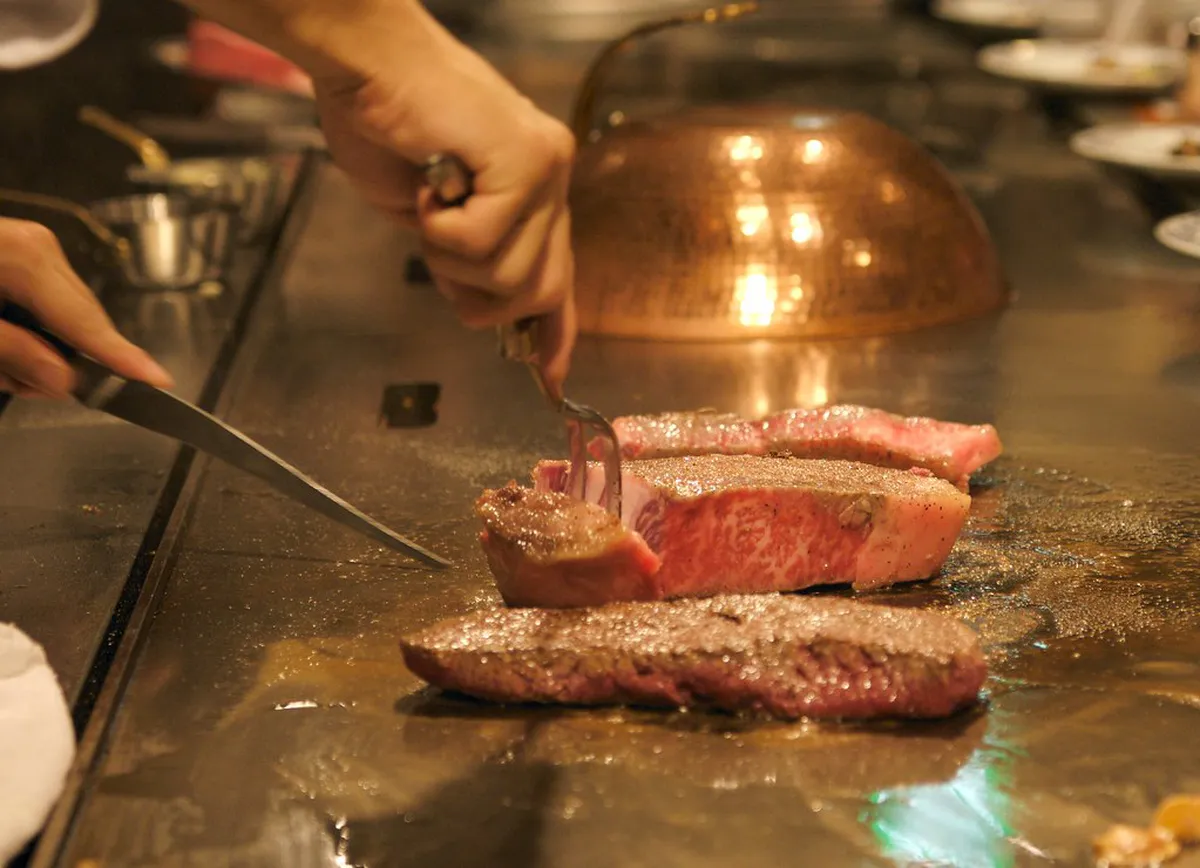
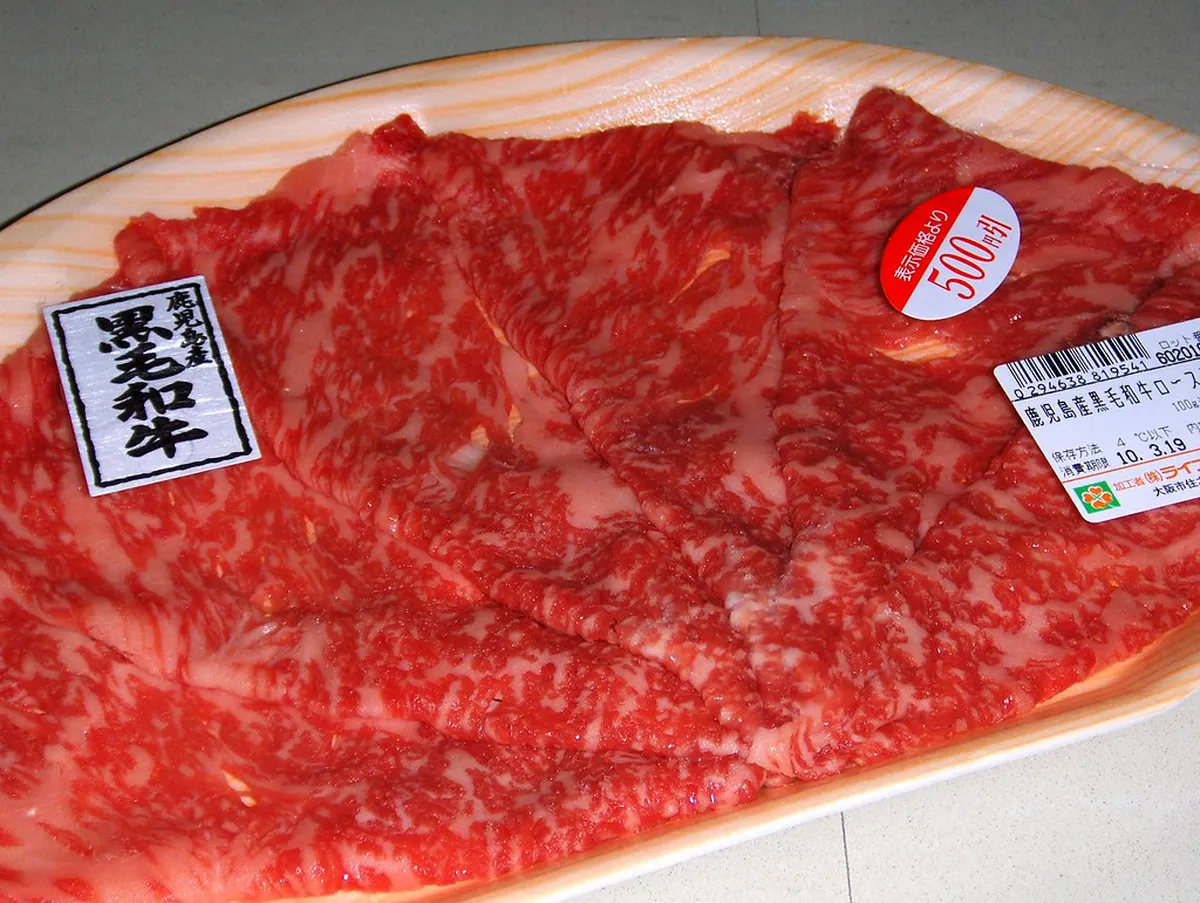
The meat is graded based on its Beef Marbling Score, meat color, and fat luster to ensure peak quality. A high marbling score means the fat is distributed finely throughout the muscle, creating that signature buttery flavor profile. You should look for the official 10-digit identification number on the restaurant's certificate to verify the meat's authenticity. This transparency allows diners to trace the specific farm and lineage of the beef they are about to enjoy.
9 Best Places and Tips for Eating Kobe Beef in Kobe
Finding the right spot depends on your budget and the type of atmosphere you prefer for your meal. The area around Sannomiya Station is the primary hub for steak houses, ranging from casual lunch counters to Michelin-starred dining rooms. I recommend choosing a restaurant that specializes in teppanyaki to get the full sensory experience of the cooking process. These establishments often fill up quickly, so making a reservation several weeks in advance is highly recommended for dinner.
While high-end spots offer luxury, some casual eateries provide an accessible way to taste the beef without a massive bill. Look for shops that offer lunch specials, as these sets often include the same high-quality meat at a fraction of the cost. Always check for the official bronze cow statue displayed prominently near the entrance to confirm the shop's certification status. The following list includes a variety of styles to suit every traveler's needs during their stay in Kobe.
- Kobe Beef Steak Ishida (Sannomiya)
- This famous spot offers a refined teppanyaki experience right in the heart of Sannomiya.
- Lunch sets typically range from $60 to $120 per person while dinner costs significantly more.
- The restaurant is open daily from 11:30am to 10:00pm with a short afternoon break.
- Make sure to book at least two weeks in advance to secure a counter seat.
- Kobe Beef Steak Mouriya (Historical Choice)
- Operating for over 130 years, this establishment is one of the most trusted names in the city.
- Expect prices between $50 and $180 depending on the specific cut and marbling score selected.
- Service runs from 11:00am until 10:00pm daily at their multiple locations near the station.
- Ask for the 'Mouriya Selection' to try their specially curated cuts from local Hyogo farms.
- Steakland Kobe (The Budget Pick)
- This lively restaurant is perfect for those who want the experience without the high-end price tag.
- Lunch sets are a bargain at $20 to $50, making it very popular with tourists and locals.
- Doors open at 11:00am and the kitchen stays busy until 9:00pm most nights.
- Arrive at least 30 minutes before opening to avoid the massive queues that form daily.
- Wakkoqu (The Classic Teppanyaki)
- Located near Shin-Kobe Station, this restaurant is known for its meticulous salt and pepper seasoning technique.
- Typical courses cost between $60 and $160 per person for a full multi-course meal.
- They are open from 11:30am to 10:00pm and offer a very professional, quiet atmosphere.
- The garlic chips here are legendary, so do not skip them during your meal service.
- Kobe Beef Kichibei (Casual Donburi)
- This shop specializes in Kobe beef bowls which provide a quick and hearty meal option.
- Prices are very reasonable, usually ranging from $10 to $25 for a generous serving of beef.
- They serve customers from 11:00am to 8:00pm in a casual, counter-style seating arrangement.
- This is the best choice for a solo traveler looking for a fast, delicious lunch.
- Nankinmachi Street Food Stalls
- The vibrant Kobe Chinatown Nankin-machi Travel Guide: Food, Gates & Tips area offers unique beef snacks like steamed buns and sliders.
- You can find these treats for $5 to $15 as you wander through the market stalls.
- Most stalls operate from 10:00am to 7:00pm, though hours vary by individual vendor.
- Look for the stalls with the longest lines of locals for the freshest beef buns.
- Setsugetsuka (Michelin-Starred Dining)
- For a truly luxurious evening, this Michelin-starred venue offers an elevated and intimate dining experience.
- Dinner courses start at around $120 and can exceed $250 for premium wine pairings.
- They primarily serve dinner from 5:00pm to 11:00pm and require formal reservations in advance.
- The interior design is stunning, making it an ideal choice for a special anniversary dinner.
- Arima Onsen Tosen Goshobo
- Combine your meal with a Arima Onsen 1-Day Trip From Kobe Travel Guide for a traditional ryokan dining experience.
- Lunch sets featuring local beef cost between $100 and $200 per person at this historic inn.
- Dining hours for day visitors are usually limited to 11:30am through 2:30pm.
- Soak in the famous 'Gold Spring' waters before sitting down to your multi-course feast.
- Kobe Beef Red One
- This creative eatery offers a more modern take on beef dishes including stews and steaks.
- Meal prices generally fall between $30 and $70 depending on the complexity of the dish.
- The restaurant is open from 11:00am to 9:00pm and has a very welcoming vibe.
- Try the beef stew if you want a comforting alternative to the standard grilled steak.
Misconceptions: Kobe vs. Wagyu vs. "Kobe-Style"
Many people use the terms Wagyu and Kobe interchangeably, but they represent very different categories of meat. Wagyu simply refers to any of the four Japanese cattle breeds, while Kobe is a specific certified brand. Think of it like sparkling wine versus Champagne; all Kobe is Wagyu, but not all Wagyu is Kobe. In the United States, you may see 'Kobe-style' beef, which is often a crossbreed rather than the pure lineage.
Authentic Japanese beef is strictly regulated to ensure the marbling meets the highest global standards. The marbling score for true Kobe beef must be a 6 or higher on a scale of 12. If a restaurant cannot show you the official certification or the 10-digit tracking code, it is likely not authentic. Understanding these nuances helps you appreciate the price tag associated with the genuine product in Japan.
The Teppanyaki Experience: What to Expect
A traditional meal usually begins with a small appetizer such as beef sashimi or a light seasonal salad. The chef will then present the raw steak to you so you can admire the marbling before cooking. Watching the chef skillfully slice and sear the meat on the iron griddle is a major part of the draw. You can use the Getting Around Kobe: 10 Essential Tips for Navigating the City transport system to reach these central restaurants easily from any neighborhood.
The meat is typically served in small cubes, accompanied by roasted garlic chips, sea salt, and various dipping sauces. I recommend trying the first piece with just a tiny pinch of salt to taste the natural fat. Most courses conclude with bean sprouts cooked in the remaining beef fat and a bowl of garlic fried rice. This sequence is designed to maximize the flavor of the beef while providing a balanced and filling meal.
Is Kobe Beef Worth the Price? (Cost and Value)
Whether the expense is worth it depends on your appreciation for high-fat, luxury ingredients. If you prefer a lean, chewy steak, the rich buttery texture of Kobe beef might actually be too intense. However, for most food lovers, the unique flavor profile is a once-in-a-lifetime experience that justifies the cost. Checking the Best Time to Visit Kobe: 8 Seasonal Tips and Weather Guides can help you find seasonal promotions or quieter dining periods.
While exploring the city, you might see pre-packaged 'Kobe beef' jerky or crackers in souvenir shops. These items often contain very little actual Tajima-gyu and rarely reflect the meat's true quality. Save your budget for a proper sit-down meal at a certified restaurant instead of buying these underwhelming snacks. The 'What to skip' rule applies to any product that seems too cheap to be genuine luxury beef.
To get the best value, always aim for a lunch reservation rather than a dinner booking. The meat quality is identical, but the set menus are often priced significantly lower to attract the midday crowd. By choosing a mid-range spot like Mouriya for lunch, you can save enough to fund another day of sightseeing in nearby Osaka or Kyoto. This strategy allows you to enjoy the luxury experience without blowing your entire travel budget on one meal.
Beyond Beef: Other Kobe Culinary Highlights
Kobe is also famous for its historic sake breweries located in the Nada district along the coast. This area produces some of Japan's finest rice wine thanks to the high-quality local water and rice. Many breweries offer free tastings and museum tours where you can learn about the traditional fermentation process. Pairing a local sake with your beef dinner is an excellent way to support the regional food culture.
The city's bakery culture is also surprisingly robust, with many high-end pastry shops found in the Kitano district. You can find everything from traditional Japanese sweets to sophisticated French-style tarts and cakes. This diversity reflects Kobe's history as one of the first Japanese ports opened to international trade in the 1800s. I suggest following a Kobe Itinerary 1 to 2 Days: The Ultimate Travel Guide that balances heavy beef meals with lighter local treats and harbor views.
See our Kobe tourism attractions guide for the broader city overview.
Frequently Asked Questions
Is Kobe beef really the best beef in the world?
Kobe beef is widely considered the pinnacle of luxury meat due to its extreme marbling and strict certification. While personal taste varies, its unique buttery texture and rich flavor profile are unmatched by standard commercial steaks.
How much should I expect to pay for a Kobe beef meal?
A lunch set typically costs between $30 and $80 per person at most reputable restaurants. Dinner service is more expensive, with multi-course meals often ranging from $100 to over $250 depending on the cut.
Do I need a reservation to eat Kobe beef in Kobe?
Reservations are highly recommended for popular spots like Ishida or Mouriya, especially during dinner hours. While some casual lunch counters accept walk-ins, you may face long wait times without a prior booking.
Eating Kobe beef in its namesake city is a highlight for many travelers visiting Japan. By choosing certified restaurants and opting for lunch specials, you can enjoy this world-class delicacy responsibly. Whether you prefer a high-end teppanyaki show or a casual beef bowl, the quality of Tajima-gyu is sure to impress. Take the time to explore the different neighborhoods and find the dining style that best fits your personal travel goals.
Free: The Kobe Essentials guide
Top things to do, where to stay, a perfect day plan, getting around, and the best time to go — a Kobe mini-guide you can take offline.
You might also like


Continue reading
More guides you'll find useful