
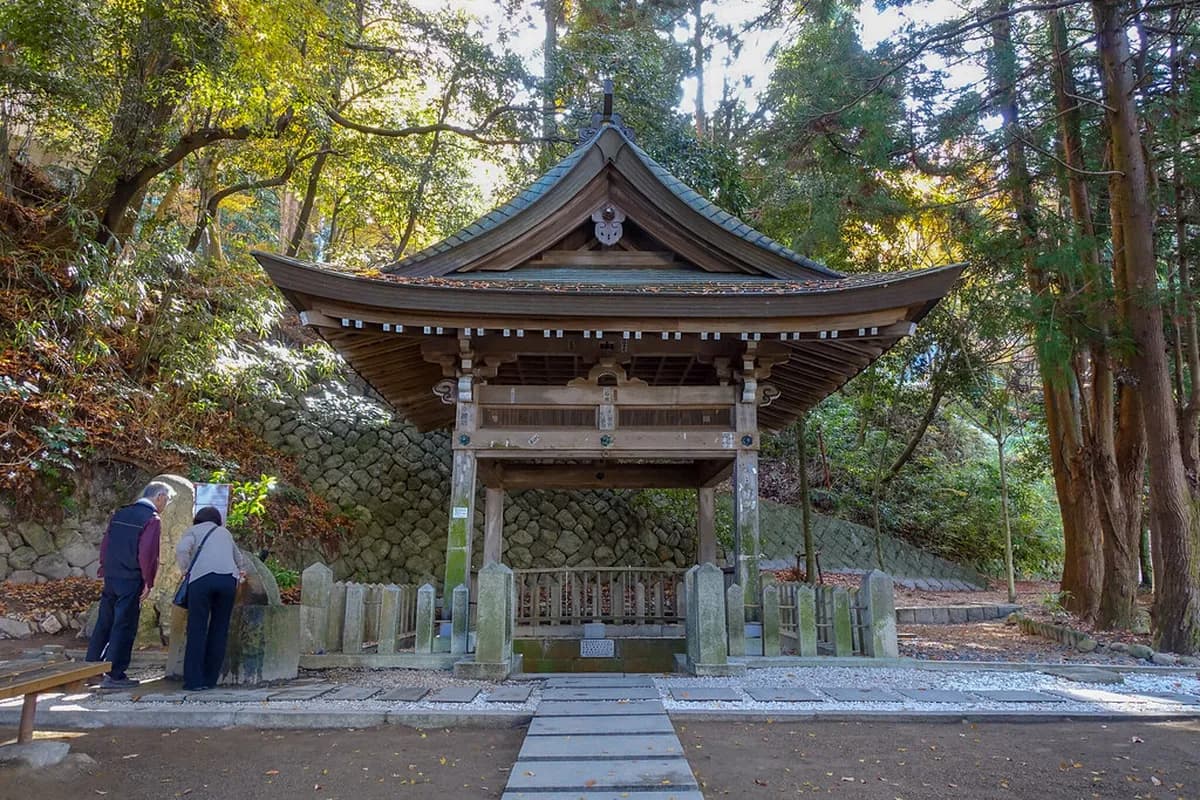
Arima Onsen is a hidden gem tucked into the mountains behind Kobe city. This historic resort has welcomed travelers for more than 1,300 years. It ranks as one of the three oldest hot spring towns in all of Japan. Visitors can enjoy a peaceful escape just a short distance from the busy streets of Kobe.
The town is famous for its unique mineral waters and traditional wooden buildings. Walking through the narrow alleys feels like stepping back into ancient Japan. You will find steam rising from the ground and the smell of sulfur in the air. This guide provides everything you need to plan a perfect visit to this mountain retreat.
Arima Onsen: Japan's Oldest and Most Historic Hot Spring Town
The history of Arima Onsen dates back to the mythical era of Japan. Ancient texts like the Nihon Shoki mention emperors visiting these healing waters. Buddhist monks also helped develop the town as a center for wellness. It remains a symbol of Japanese bathing culture and spiritual rejuvenation.
The town gained massive popularity during the 16th century under Toyotomi Hideyoshi. He was a powerful warlord who loved the springs and rebuilt the town after disasters. Today, you can still see monuments dedicated to his lasting influence. The blend of imperial history and samurai legacy makes every street corner fascinating.
Modern visitors appreciate how the town preserves its old-world charm. Traditional ryokans stand alongside small shops selling handmade crafts. The atmosphere is much quieter than the nearby urban centers of Osaka or Kobe. It offers a rare chance to experience authentic Japanese hospitality in a scenic setting.
Understanding the Springs: The Golden Kinsen and Silver Ginsen
Arima Onsen is unique because it offers two distinct types of thermal water. These springs emerge from deep underground without the help of volcanic activity. The mineral content in each spring provides different health benefits for bathers. You can learn more about these properties in this Japan Onsen Guide for enthusiasts.
The Golden Spring, or Kinsen, is famous for its dark, reddish-brown water. This color comes from high levels of iron and salt in the liquid. Many people find that the salt helps keep their skin hydrated and warm. It is also said to relieve muscle pain and various skin conditions.
The Silver Spring, or Ginsen, is completely clear and colorless. One type of Ginsen contains carbonic acid, which improves blood circulation. Another type contains small amounts of radium to boost the immune system. Alternating between these two springs is a popular way to maximize health benefits.
- Kinsen (Golden Spring) Characteristics
- Color: Reddish-brown
- Main Minerals: Iron, Salt
- Benefit: Skin hydration
- Feel: Thick, opaque
- Ginsen (Silver Spring) Characteristics
- Color: Clear
- Main Minerals: Carbonic acid
- Benefit: Better circulation
- Feel: Light, refreshing
Top Public Bathhouses: Soaking in Kin no Yu and Gin no Yu
You do not need to stay overnight to enjoy the famous waters of Arima. The town operates two main public bathhouses for day-trip visitors. These facilities are clean, affordable, and easy for international tourists to use. They provide a great introduction to the local bathing culture.
Kin no Yu is the most popular choice because it features the Golden Spring. It is located right in the center of the historic district. The building also offers a free foot bath outside for tired walkers. Inside, you will find large steaming pools filled with the iron-rich water.
Gin no Yu is located a bit further up the hill in a quieter area. This bathhouse features the clear Silver Spring waters. The architecture is inspired by a traditional Zen temple style. It offers a more peaceful experience compared to the busy Kin no Yu.
- Kin no Yu Public Bath
- Type: Golden Spring
- Adult Cost: 650 Yen
- Tattoo Policy: Allowed
- Best for: Famous Kinsen
- Gin no Yu Public Bath
- Type: Silver Spring
- Adult Cost: 550 Yen
- Tattoo Policy: Allowed
- Best for: Quiet soak
Historic Landmarks: Following the Footsteps of Hideyoshi and Nene
The story of Arima is closely tied to the warlord Toyotomi Hideyoshi. He often brought his wife, Nene, to the town for relaxation and recovery. You can find statues of both figures near the center of town. Their presence reminds visitors of the town's golden age during the feudal period.
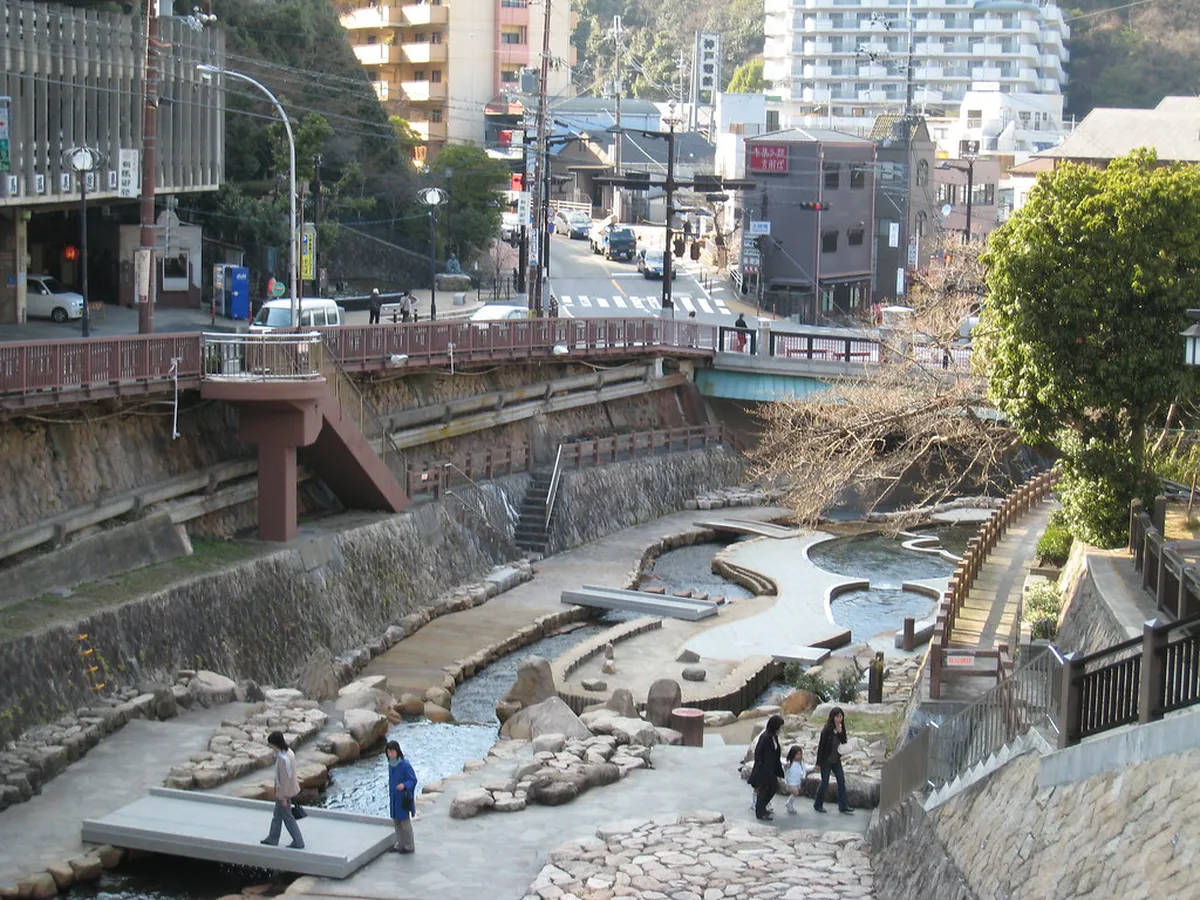
The bright red Nene Bridge is one of the most photographed spots in Arima. It spans the Arima River and offers beautiful views of the surrounding hills. Walking across the bridge leads you into the heart of the shopping streets. Nearby, you can visit historic shrines that share similar ancient roots.
Onsen-ji Temple is another essential stop for history lovers. It was founded to honor the medicinal benefits of the local springs. The temple grounds are peaceful and offer a glimpse into the religious side of the town. Many visitors stop here to give thanks for their health after bathing.
Cultural Attractions: The Arima Toy Museum and Geiko Cafe
Arima offers several unique cultural experiences that do not involve bathing. Families will especially enjoy the Arima Toy Museum located near the bus station. It houses four floors of traditional and modern toys from around the world. The wooden toy collection is particularly impressive and interactive for children.
For a more traditional experience, visit the Geiko Cafe Ito. This is one of the few places where you can meet Arima's geisha in a casual setting. You can enjoy tea or coffee while watching a short dance performance. It is a rare chance to see this refined art form up close.
The town also features many small galleries and craft workshops. You can watch artisans make traditional bamboo brushes or fine pottery. These items make excellent souvenirs that represent the local mountain culture. Exploring these shops is a great way to spend a rainy afternoon.
Nature and Scenery: Tansan Spring Park and Zuihoji Park
The natural beauty of the Rokko Mountains surrounds the entire town. Tansan Spring Park is a short walk from the main shopping area. Here, you can see the natural source of the carbonated Silver Spring. There is even a small fountain where you can taste the naturally fizzy water.
Zuihoji Park is the best place to enjoy seasonal changes in Arima. It is famous for having the most beautiful autumn leaves in the region. Toyotomi Hideyoshi once held grand tea ceremonies under these very trees. The park remains a quiet spot for reflection and photography today.
Hikers can follow trails that lead directly to the summit of Mount Rokko. The path offers stunning views of the town and the distant sea. It takes about 90 minutes to reach the top for an average hiker. You can always take the ropeway back down if you are tired.
Arima Gourmet: Must-Try Local Snacks and Street Food
Exploring Arima is a treat for your taste buds as well as your body. The most famous local snack is the Tansan Senbei, or carbonated cracker. These thin, crispy wafers are made using water from the local springs. You can often watch them being made fresh in the shop windows.
Meat lovers should look for stalls selling Kobe beef croquettes. These fried snacks are hot, crunchy, and filled with high-quality local beef. They are much more affordable than a full steak dinner in the city. This is a great way to sample famous food from Kobe's culinary scene.
Do not forget to try the local Arima Cider during your walk. It is a refreshing drink that uses the town's natural carbonation history. Many shops also sell steamed buns filled with sweet bean paste. Eating these while walking through the misty streets is a classic experience.
Trip Planning: Choosing Between Day Trips and Overnight Ryokan Stays
Deciding how long to stay depends on your budget and travel goals. A day trip is perfect if you want to see the main sights quickly. You can easily visit both public baths and eat lunch in five hours. This option is very popular for those staying in Osaka or Kobe.
Staying overnight in a ryokan offers a much deeper level of relaxation. Most ryokans have their own private Golden and Silver spring baths. You will also enjoy a traditional multi-course kaiseki dinner featuring local ingredients. The town becomes incredibly peaceful once the day-trip crowds leave at sunset.
Budget travelers should stick to the public bathhouses and street food. Ryokan stays can be quite expensive, often costing over 30,000 yen per person. However, the experience of sleeping on a futon in a quiet valley is priceless. Booking several months in advance is necessary for the most popular inns.
Transportation Guide: How to Reach Arima from Major Cities
Reaching Arima Onsen is simple from any major city in the Kansai region. If you are coming from Sannomiya, take the Kobe Electric Railway. The journey involves one easy transfer and takes about 35 minutes. It is one of the most scenic train rides in the Kobe area.
Direct buses are often the most convenient choice from Osaka or Kyoto. The Hankyu and JR buses run frequently throughout the day. These buses take you directly to the center of Arima in about an hour. They are a great option if you have heavy luggage with you.
For a unique arrival, consider taking the Arima-Rokko Ropeway. This cable car connects the top of Mount Rokko to the onsen town. You can enjoy panoramic views of the forest during the 12-minute ride. It is a fantastic way to combine mountain sightseeing with a hot spring soak.
Essential Visitor Tips: Etiquette, Tattoos, and Value Passes
Knowing the local rules will make your visit much smoother. Always wash your body thoroughly before entering the shared bath water. Keep your hair tied up and do not let your towel touch the water. Following these simple steps shows respect for the local culture and other guests.
Many international travelers worry about having tattoos in Japanese baths. Fortunately, the public baths Kin no Yu and Gin no Yu allow tattooed guests. Some private ryokans may still have restrictions, so check their websites first. You can also find more details at the Arima Onsen Tourist General Information Center.
Look for value passes if you plan to use multiple types of transport. The Arima-Rokko Pass often covers trains, buses, and the ropeway for one price. It can save you a significant amount of money on a full-day excursion. Check the current prices at the station before you start your journey.
Frequently Asked Questions
Is Arima Onsen worth a day trip from Osaka?
Yes, Arima Onsen is definitely worth a day trip from Osaka. The journey takes only about an hour by bus or train. You can enjoy the public baths and explore the historic town center easily in one afternoon. It offers a great contrast to the city's modern atmosphere.
What is the difference between Kinsen and Ginsen springs?
Kinsen is the Golden Spring which is rich in iron and salt. It has a reddish color and helps with skin health. Ginsen is the Silver Spring and is clear. It contains carbonic acid or radium which helps improve your blood circulation and immune system.
Are the public baths in Arima Onsen tattoo-friendly?
The two main public bathhouses, Kin no Yu and Gin no Yu, are tattoo-friendly. You do not need to cover your ink to enter these facilities. However, some private ryokans may still have different rules. Always check with individual hotels before booking your stay.
How do I get to Arima Onsen from Kobe Sannomiya?
You can take the subway to Tanigami Station and then transfer to the Kobe Electric Railway. The entire trip takes about 35 minutes. Alternatively, direct buses run from the Sannomiya Bus Terminal. For a more scenic route, consider visiting the Nunobiki area before heading up the mountain.
What are the best things to eat while walking in Arima?
The most popular snack is the Tansan Senbei carbonated cracker. You should also try the hot Kobe beef croquettes sold at local butcher shops. Arima cider is the perfect drink to wash down these treats. Many visitors also enjoy steamed onsen buns filled with sweet beans.
Arima Onsen offers a perfect blend of ancient history and natural beauty. Whether you visit for a few hours or a full night, the experience is unforgettable. The unique Golden and Silver springs provide a healing touch found nowhere else. Plan your trip today to discover why this town has remained famous for centuries.
To verify current details, consult the Arima Onsen on Wikipedia.
Planning a Kobe trip? See our things to do in Kobe guide, map out a Kobe itinerary, or read more in our Arima Onsen day trip.


