Iya Valley Onsen Travel Guide 2026
Discover the best iya valley onsen options, from Hotel Iya Onsen's cable-car rotenburo to nearby ryokan alternatives, with booking tips for 2026.
On this page
The Iya Valley onsen experience centers on one standout property: Hotel Iya Onsen, a cliffside retreat in Tokushima Prefecture on Shikoku Island. Guests ride a private cable car 170 meters down the mountainside to reach open-air riverside baths carved from the valley floor. No other onsen property in Japan offers quite this combination of isolation, drama, and hot spring access.
Reaching the Iya Valley takes effort — it sits deep in the mountains of Shikoku, reachable mainly by car or limited bus service. The isolation is exactly the point for most visitors who make the journey. This guide covers the onsen experience, where to stay, what to see nearby, and how to arrive.
The Cable Car Rotenburo at Hotel Iya Onsen
Good to know
Plan your visit to Iya Valley with these useful official and local resources:
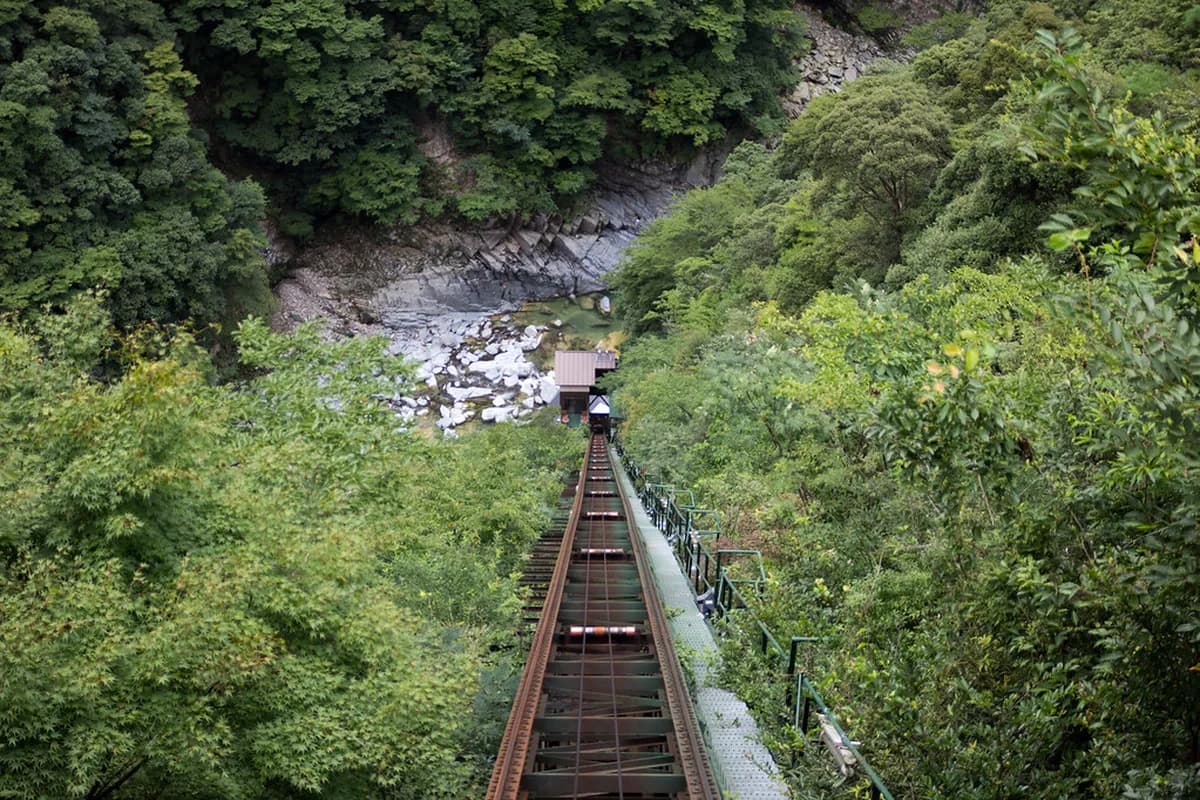
Hotel Iya Onsen's cable car descends 170 meters from the hotel lobby straight to the riverside rotenburo below. Guests dress in yukata and board the small cable car, which drops through dense forest canopy to the valley floor. The two-minute ride feels dramatic on the first descent and remains the detail guests consistently highlight.
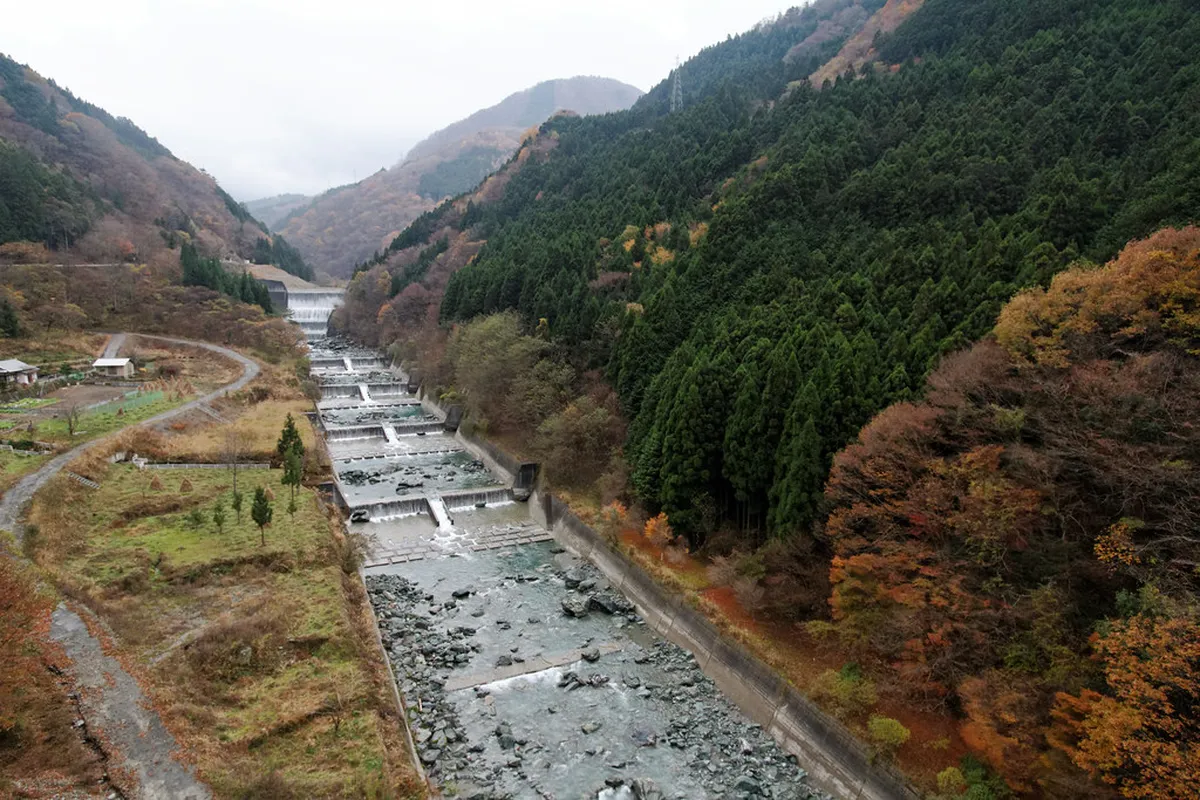
At the bottom, two open-air baths — Keikoku-no-yu and Seseragi-no-yu — alternate daily between men and women. Soft, alkaline spring water flows continuously over the bath edge into the river, giving the water a faintly effervescent quality. Because fresh water runs constantly, guests are not required to wash before entering, which is unusual for Japanese onsen etiquette.
Dinner at the hotel is a multi-course kaiseki meal served in a dining room that juts out over the valley edge. Iya soba (handmade buckwheat noodles) and iwa dofu — dense stone tofu — are the regional staples to look for on the menu. Breakfast the following morning is often served above early-morning clouds, making a window table worth requesting ahead.
Where to Stay in Iya Valley
Hotel Iya Onsen is the valley's most distinctive property, but its rooms carry a significant price premium. A two-person stay with breakfast and kaiseki dinner runs roughly ¥80,000 to ¥130,000 per night depending on room type. Rooms booked more than a month in advance qualify for early-booking discounts, so planning ahead pays off.
Travelers with tighter budgets have solid alternatives elsewhere in the valley. Hotel Kazurabashi sits near the famous vine bridge and offers a midrange ryokan experience at considerably lower rates. Iya Bijin and the Haretoke Hostel round out the options for those wanting to minimize accommodation costs.
All valley properties fill quickly during autumn foliage season, typically late October to mid-November. Booking six to eight weeks ahead is essential for autumn stays. Outside peak season, two to four weeks of lead time is usually sufficient for most properties in the area.
- Hotel Iya Onsen — cable car rotenburo experience
- A private cable car descends 170 meters to open-air hot spring baths beside the river.
- Rates run approximately ¥80,000 to ¥130,000 per night for two people, including meals.
- Early-booking discounts apply for reservations made at least one month before arrival.
- Hotel Kazurabashi — midrange ryokan near the vine bridge
- Located close to the Kazurabashi crossing, making early-morning visits easy before tour groups arrive.
- More affordable than Hotel Iya Onsen, with onsen facilities and standard ryokan meal service.
- A practical choice for travelers who want ryokan comfort without the premium cliffside setting.
- Iya Bijin — smaller guesthouse in the valley
- Consistently well-reviewed on travel sites and notably more affordable than the main hotel.
- Valley location suits independent travelers who want a central base for exploring multiple sites.
- A good fit for visitors who prioritize cost without sacrificing local onsen atmosphere.
- Haretoke Hostel — budget rooms in a converted school
- Set inside a repurposed elementary school building deeper in the Iya Valley mountains.
- Suits backpackers and solo travelers comfortable with shared facilities and a casual setting.
- The Haretoke cafe downstairs is worth visiting even for guests not staying at the hostel.
Things to Do Near Iya Onsen
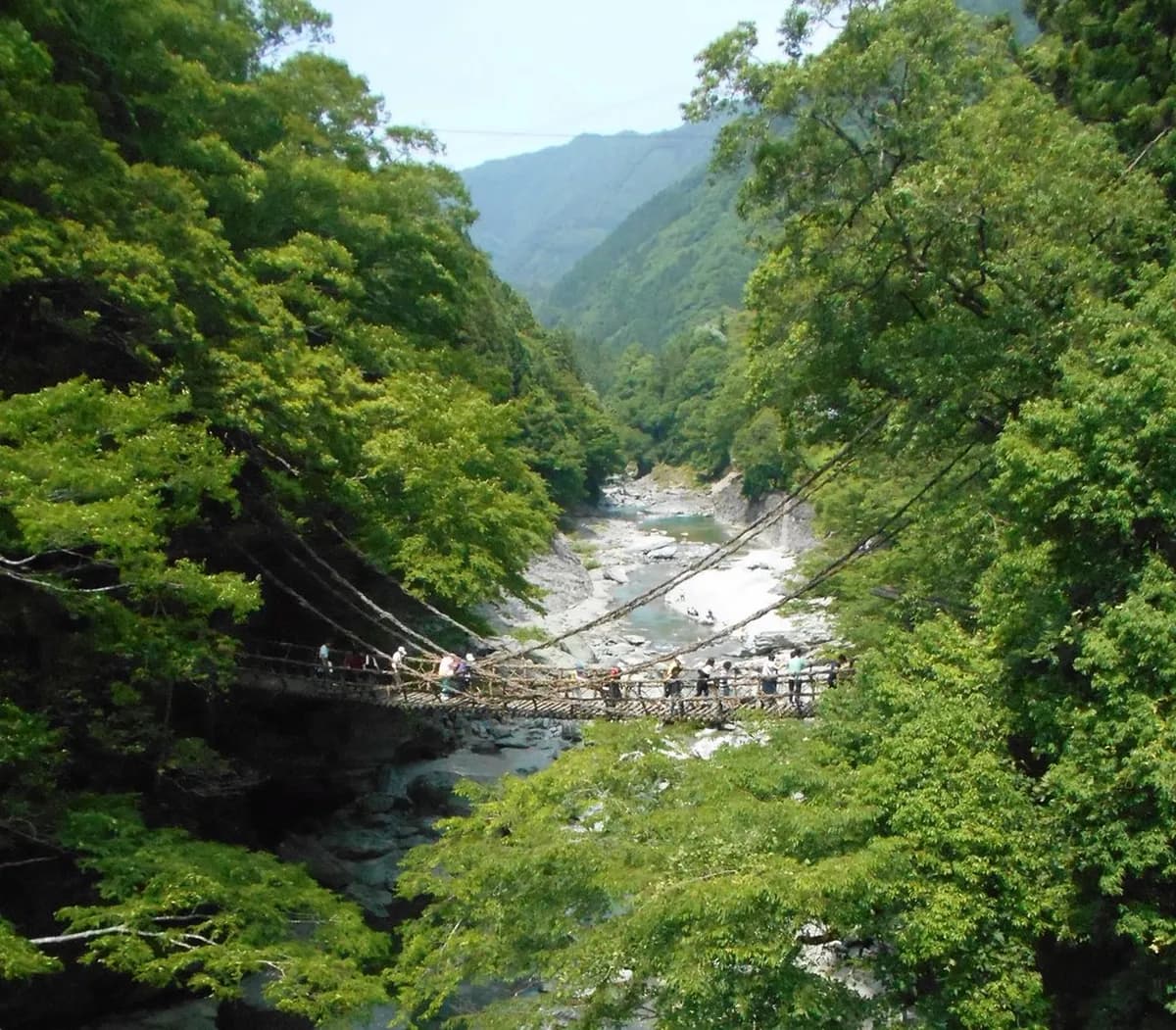
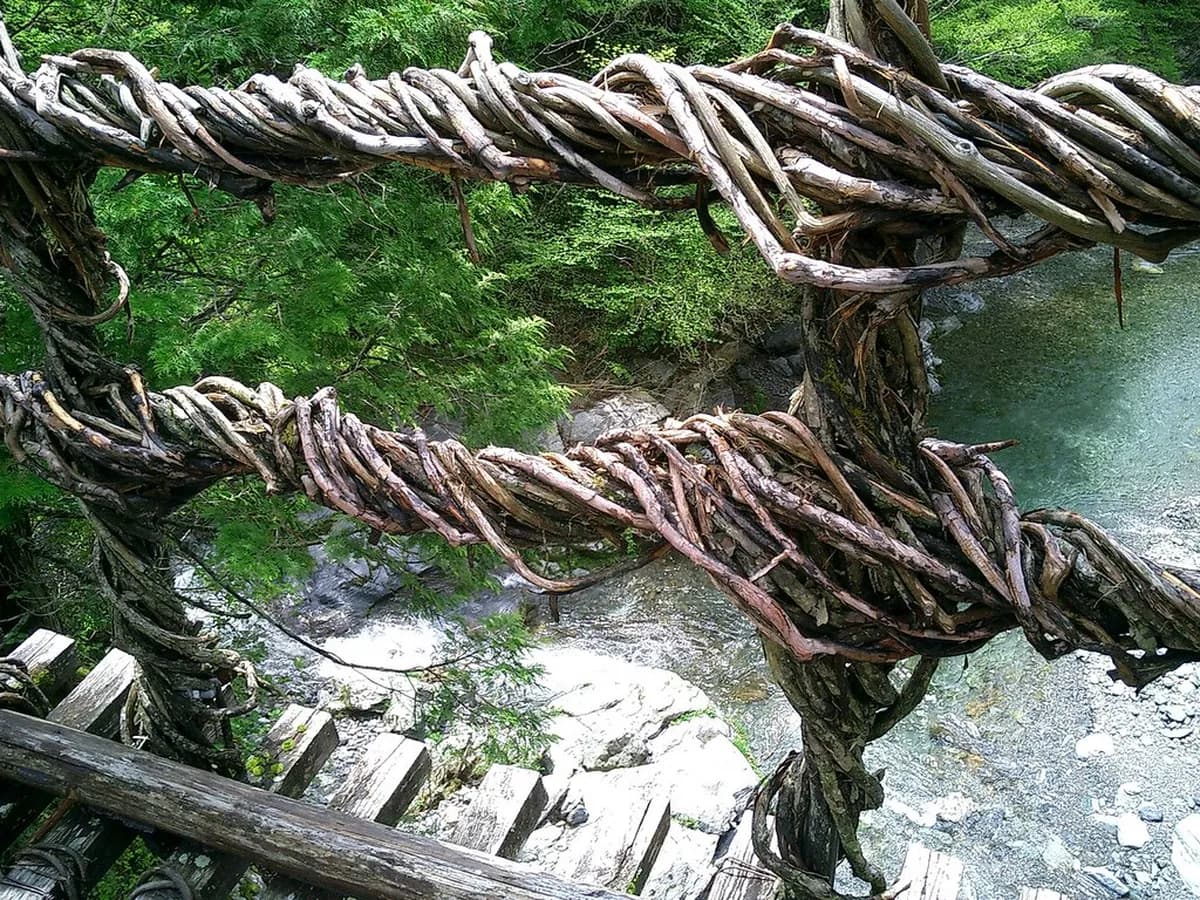
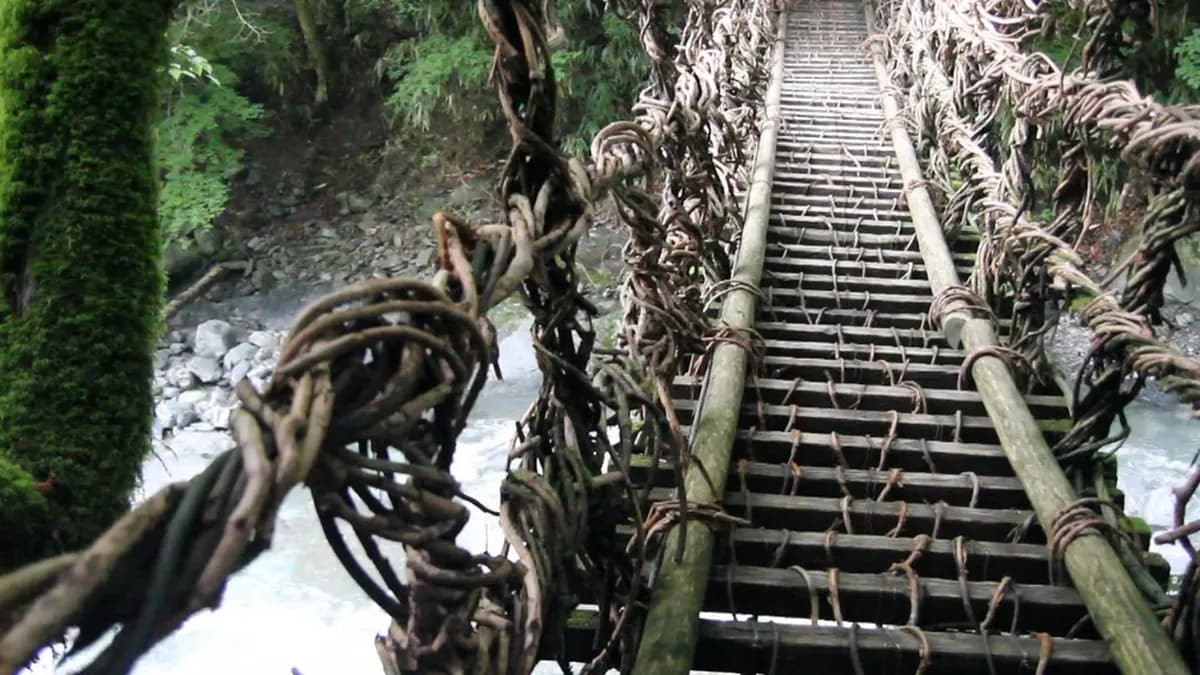
The Kazurabashi vine bridge sits about 20 minutes by car from Hotel Iya Onsen and charges ¥550 to cross. Built by Heike samurai seeking refuge in the valley after a twelfth-century defeat, the bridge sways visibly underfoot. Wide gaps between the vines reveal the rushing river below, and three of the original 13 bridges survive today.
Oku-Iya's double vine bridges — the husband bridge and wife bridge — sit deeper in the valley and reward the extra drive with near-solitude. A wooden cart suspended from cables still crosses the gorge here; visitors can climb in and haul themselves across. Our guide to the Oku-Iya double vine bridges covers access details, parking, and how long to allow.
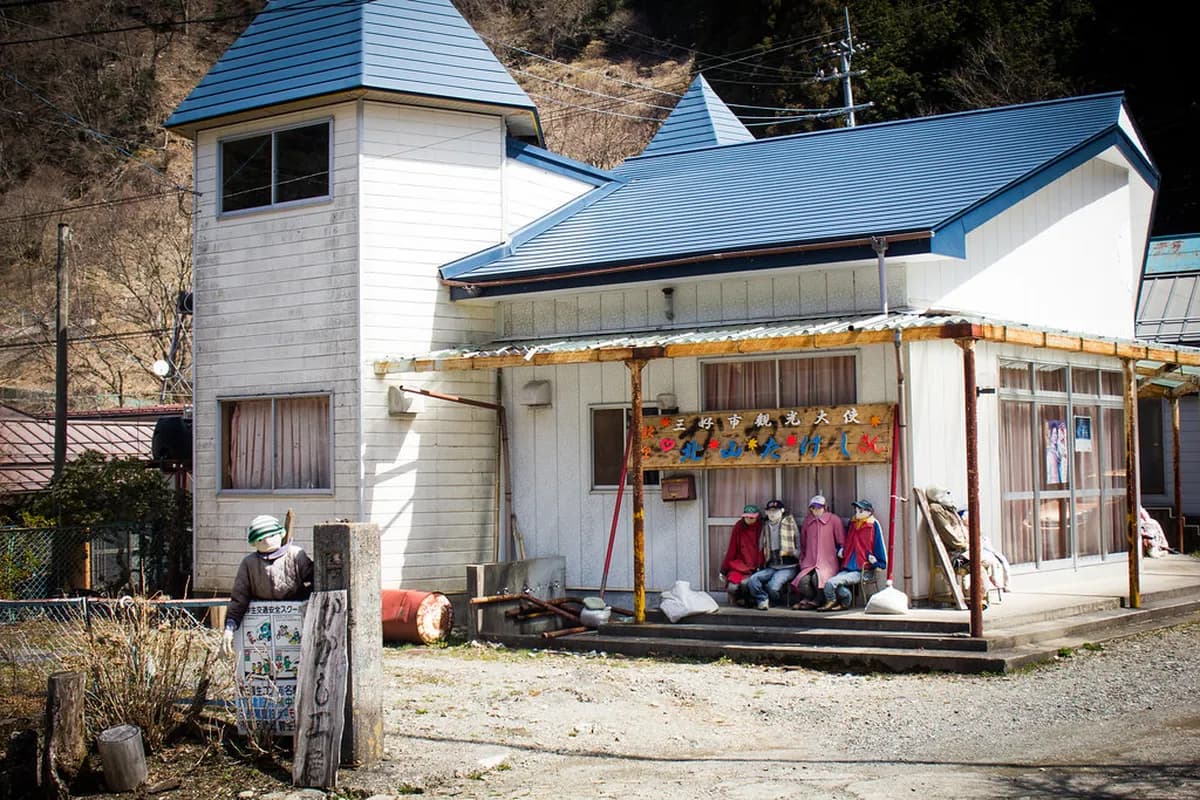
Nagoro Scarecrow Village, roughly 30 minutes from Hotel Iya Onsen, is one of the valley's most quietly remarkable stops. Local resident Ayano Tsukimi began sewing life-size scarecrow figures to fill the empty homes and bus stops of her depopulating hamlet. More than 400 scarecrow dolls now occupy the village, making it an unexpectedly moving stop for curious travelers. For a change of terrain, the oboke gorge offers a 30-minute float through dramatic marble canyon walls north of the valley.
How to Get to Iya Valley
Most travelers approach Iya Valley by car, which gives flexibility to reach outlying spots like the Oku-Iya bridges and scarecrow village. The drive from Takamatsu takes roughly two hours; from Osaka or Kobe, allow four hours including toll road sections. Road tolls can add up to around ¥10,000 each way, so factor that into your transport budget when planning.
For those without a car, JR trains run to Oboke Station on the Dosan Line, where Hotel Iya Onsen offers a daily shuttle for overnight guests. A sightseeing bus also operates from Takamatsu Airport directly into the valley, stopping at major attractions along the route. Full transit options, including Miyoshi bus schedules, are covered in our Iya Valley transport and access guide.
Flying into Takamatsu Airport (TKS) on Shikoku shortens the journey considerably compared to arriving via Osaka or Tokyo. Budget carriers operate flights from Narita that land at Takamatsu in under 90 minutes, making a morning arrival practical. Tokushima Airport, despite sitting in the same prefecture, is not a recommended starting point — road access from there runs significantly longer.
Overnight Stay or Day Visit: What to Choose
A day visit to Hotel Iya Onsen is possible with advance reservation, covering the cable car descent and onsen use. Overnight guests gain kaiseki dinner, breakfast with valley views, and both the evening and early-morning soak sessions. The difference between these two experiences is substantial, and most overnight guests say the full stay was worth it.
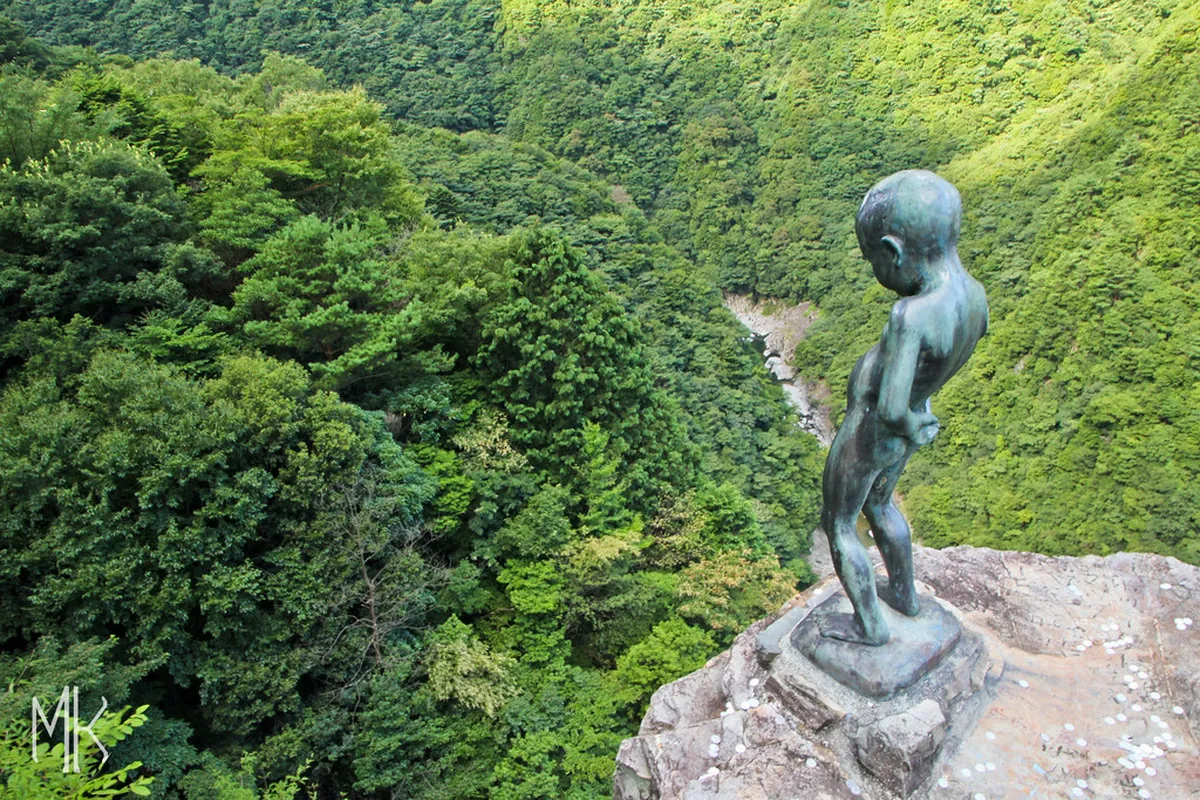
Short on time, a single-day itinerary through Iya Valley can combine the Kazurabashi crossing, the Peeing Boy Statue viewpoint, and lunch at valley-floor cafes. Those with just one night do best focusing on Hotel Iya Onsen exclusively, rather than rushing between multiple sites. Two nights allow a more relaxed pace that includes Oku-Iya and the scarecrow village without feeling rushed.
Autumn foliage season (late October to mid-November) is peak demand — book accommodation six to eight weeks ahead. Winter brings uncrowded baths and snow-dusted ridge views, but mountain road conditions require checking before travel. Spring (March to May) offers mild weather and manageable visitor numbers, making it a reliable choice for first-time visitors.
Frequently Asked Questions
Is there a day-use onsen option at Hotel Iya Onsen?
Hotel Iya Onsen does accept day visitors for onsen use, but advance reservation is required and availability is limited. The experience includes the cable car descent and access to the riverside rotenburo. Overnight guests receive priority access, so booking a room guarantees a more complete and flexible onsen schedule.
How much does a night at Hotel Iya Onsen cost?
Rates typically run from around ¥80,000 to ¥130,000 per night for two people, covering breakfast and kaiseki dinner. The exact figure depends on room type and meal plan selected. Rooms booked more than a month ahead qualify for an early-booking discount. Read recent guest reviews on TripAdvisor before finalizing your reservation.
Is a car necessary to visit the Iya Valley?
A car is the most practical option and gives the flexibility to reach outlying spots like the Oku-Iya bridges and Nagoro Scarecrow Village. Travelers without a car can take JR trains to Oboke Station, where Hotel Iya Onsen runs a daily shuttle pickup for overnight guests. A sightseeing bus from Takamatsu Airport also serves the valley.
What is the best season to visit Iya Valley for onsen?
Autumn (late October to mid-November) is peak foliage season and should be booked six to eight weeks ahead. Winter brings uncrowded baths and snow-dusted valley views but requires caution on mountain roads. Spring (March to May) offers mild weather and manageable crowds, making it a reliable choice for first-time visitors to the area.
Iya Valley onsen travel rewards those who plan carefully and accept the remote location. Hotel Iya Onsen's cable car rotenburo is a genuinely rare combination of isolation, landscape drama, and hot spring culture. Few places in Japan bring all of these elements together so completely.
Book overnight stays at least six weeks ahead, especially for autumn when foliage demand peaks. Whether you soak at dawn above the river mist or cross a vine bridge, the valley tends to stay with you. It remains one of the least-visited corners of Shikoku, which is precisely what makes it worth the trip.
Free guide: Japan's Hidden Gems
12 under-the-radar places beyond Tokyo & Kyoto — with the best season to visit each and a local tip you won't find in the guidebooks.
You might also like
Continue reading
More guides you'll find useful