Oku Iya Vine Bridges Travel Guide
Discover the Oku Iya vine bridges — twin woven spans deep in Shikoku, plus the free Yaen cart, tickets (¥550), seasonal hours, and how to get there.
On this page
Deep in the mountains of Tokushima Prefecture, the Oku-Iya vine bridges sit at roughly 1,000 meters above sea level. Two hand-woven spans cross the emerald Iya River in near-total silence, surrounded by old-growth cedar forest. Most visitors who make the journey count these bridges among the most memorable stops on their entire Shikoku trip.
Known formally as the Oku-Iya Niju Kazurabashi, the twin bridges lie far deeper in the valley than the famous Nishi-Iya span. Expect a 50–60 minute drive beyond the main Kazurabashi on single-lane mountain roads. The reward is a quieter, fully natural setting with no souvenir stalls, no one-way crossing rules, and no crowds pushing you along.
The Twin Vine Bridges of Oku-Iya
Good to know
Plan your visit to Iya Valley with these useful official and local resources:
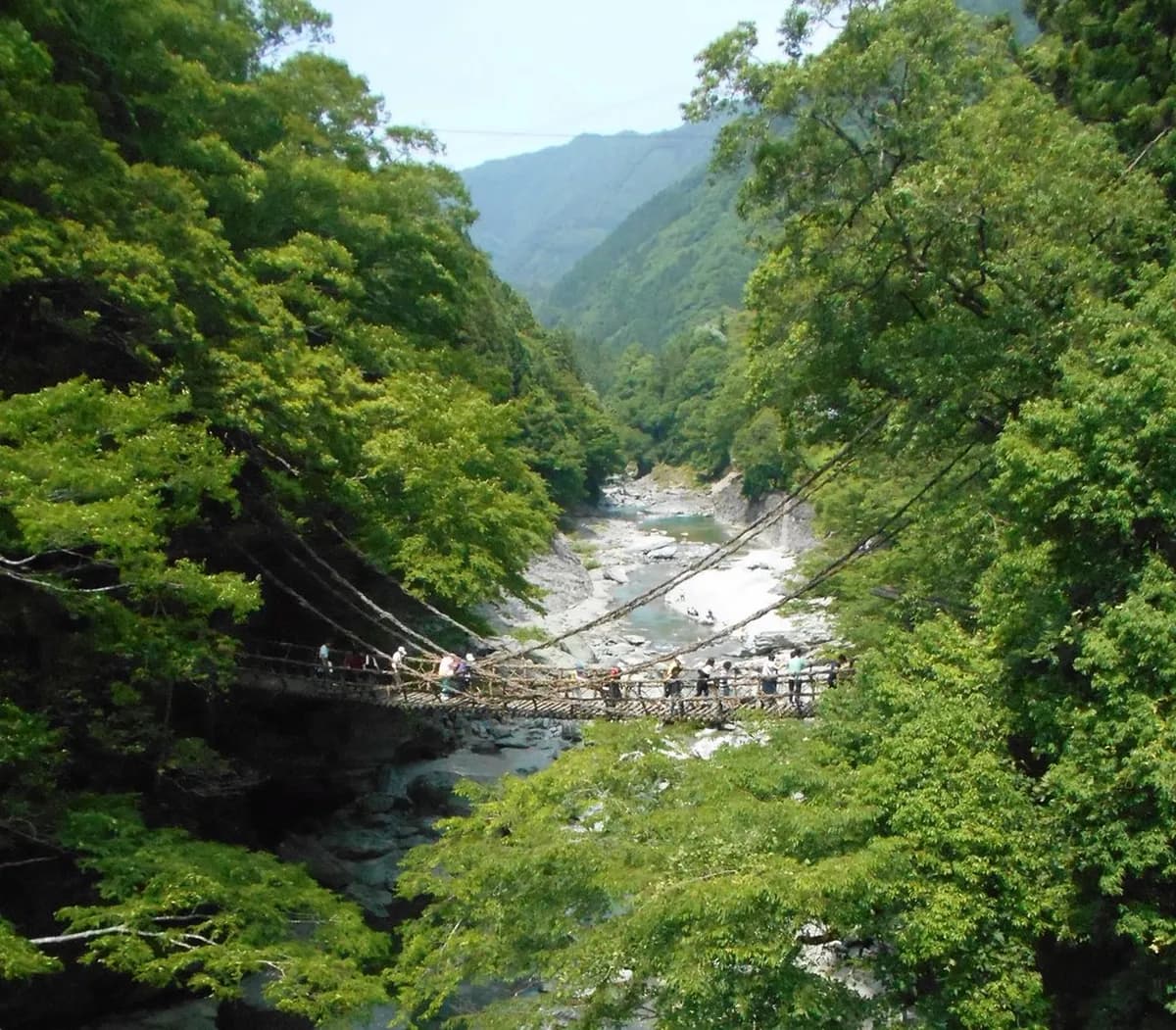
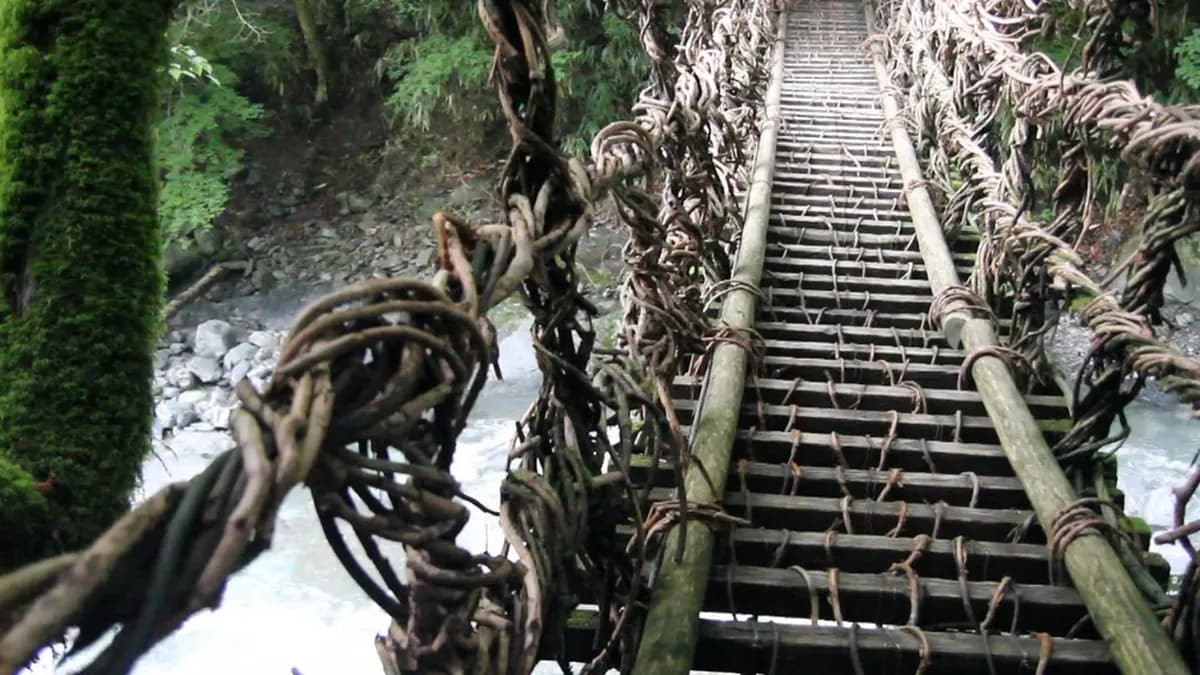
The two spans symbolize a couple: the larger Otoko-bashi (husband's bridge) stretches 42 meters long, 12 meters high, and 2 meters wide. The smaller Onna-bashi (wife's bridge) measures 22 meters long, 4 meters high, and 1.2 meters wide. Unusually, the wife's bridge sits roughly 100 meters further up the valley than the husband's, so visitors naturally walk between the two.
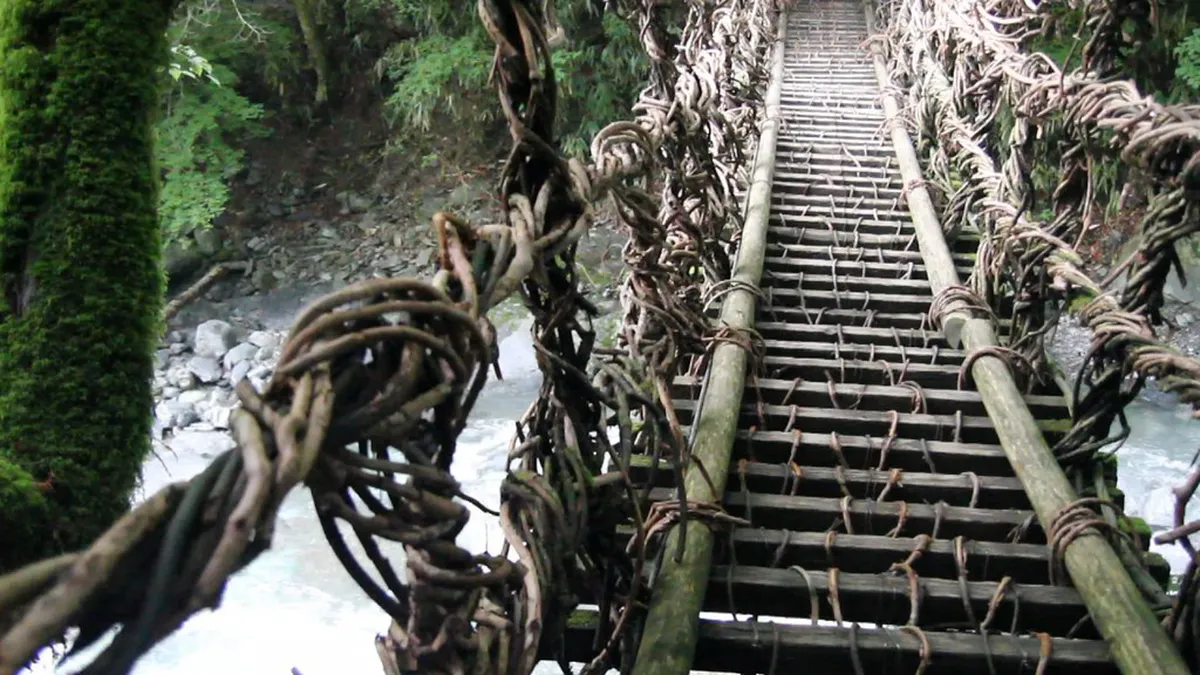
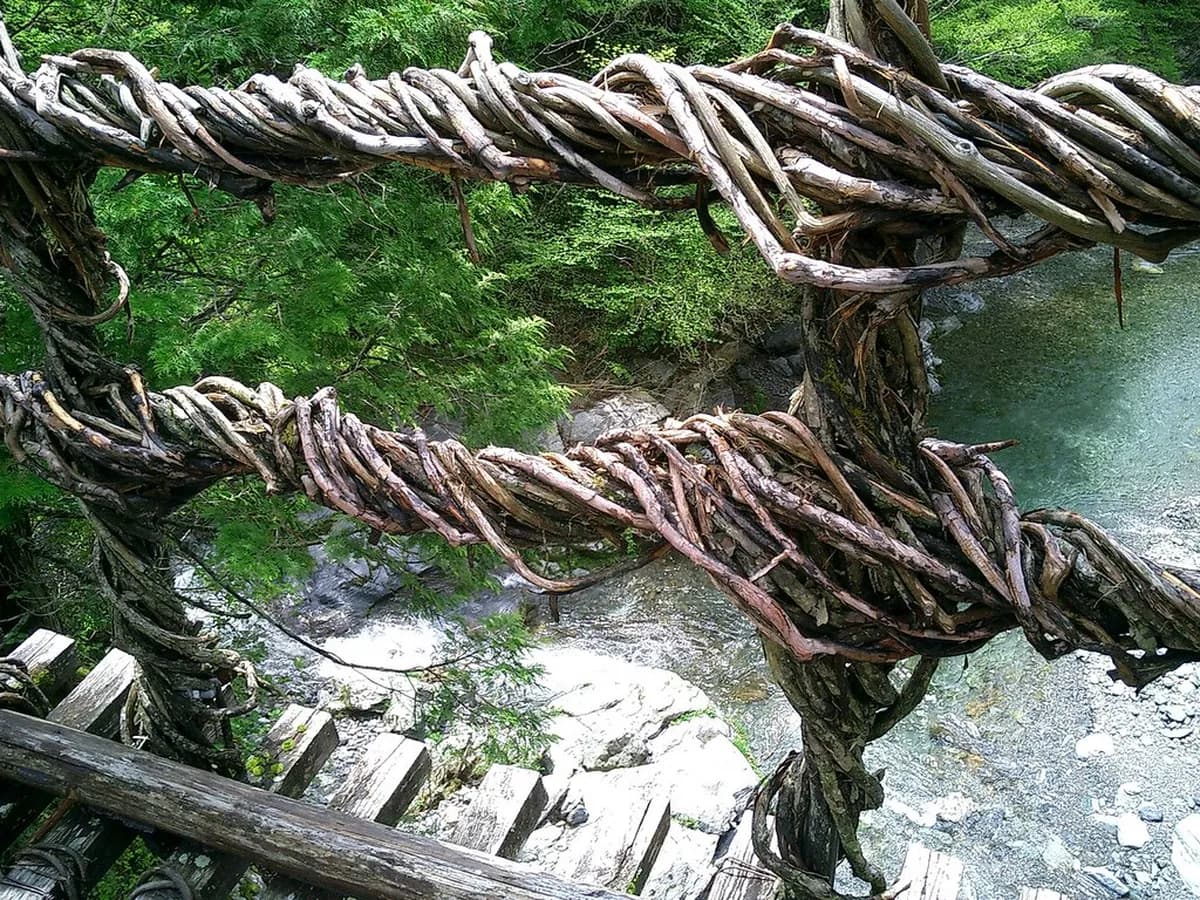
Both spans are woven from shirakuchikazura, a native wild vine that grows above 600 meters in mountain terrain. Steel cables run inside the outer vines for structural safety, so the bridges are far sturdier than they appear. The wooden floor planks have wide gaps, giving a clear view of the river far below — which concentrates the mind wonderfully.
Local tradition dates the original bridges back roughly 800 years to the era of the Genpei War. The defeated Heike clan fled into these remote valleys, and they built the bridges so they could be cut down quickly if enemies approached. Today the spans are rebuilt on a regular maintenance cycle, keeping the traditional woven form alive for contemporary visitors.
Unlike the main Nishi-Iya Kazurabashi, the Oku-Iya site has no commercial development — only forest and river. After paying the entrance fee, visitors can cross both bridges as many times as they like and stay as long as they want. Our iya valley vine bridge covers the lower valley's more famous crossing if you plan to visit both sites on the same trip.
The Yaen Monkey Cart and Other Highlights
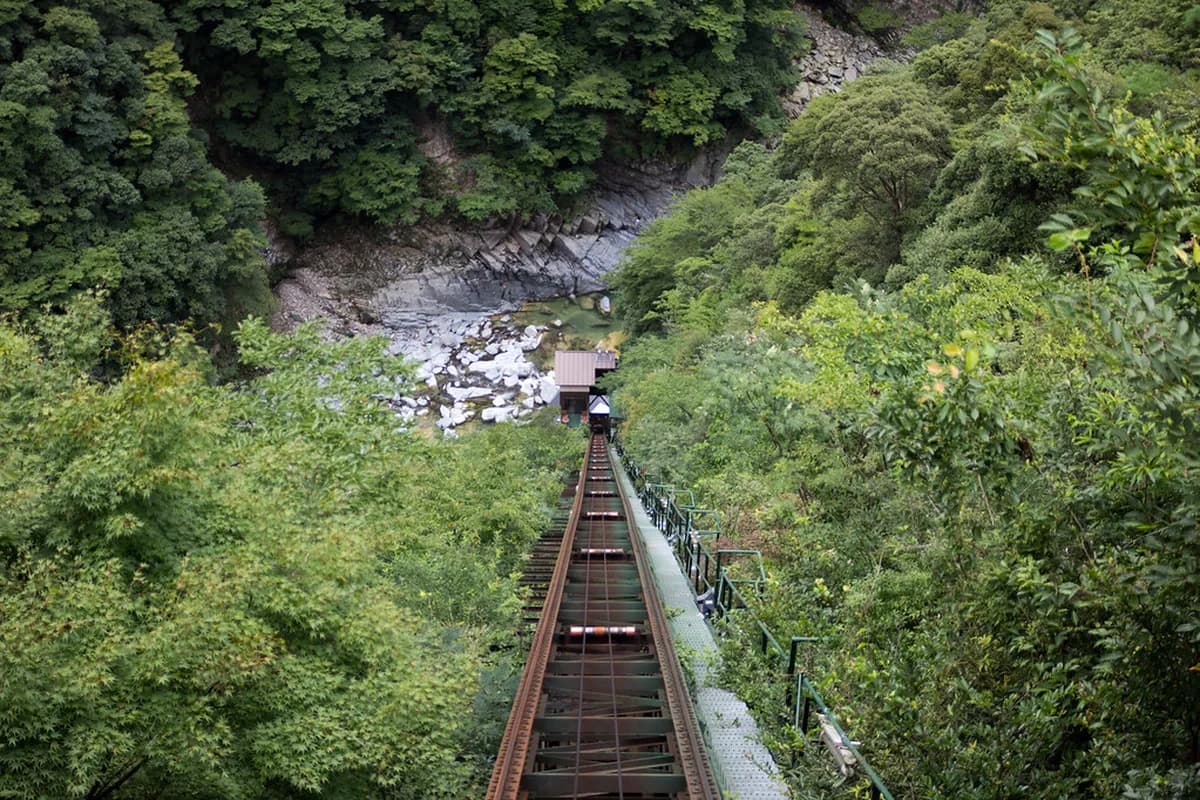
One of the best surprises at the Oku-Iya bridges is the Yaen wild-monkey cable cart — and it is completely free to use. This small wooden cart holds up to three people and slides across the river on suspended wires. Riders pull themselves hand-over-hand across the span, which is slower and more comical than it sounds, especially for children.
A waterfall tumbles down just below the husband's bridge, adding a satisfying backdrop to the visit. The Iya River between the two spans has large flat stones ideal for a riverside picnic or wading on warm days. Tables near the adjacent campground give families another comfortable option for a relaxed lunch stop.
A nature trail heads up the valley from the wife's bridge for about a kilometer along the riverbank. Hikers wanting more can pick up the trailhead for Mt Maruishi near the waterfall below the husband's bridge. Allow about three hours up and two hours down for Mt Maruishi, or plan a full day if aiming for the higher ridge connecting to Mt Tsurugi.
Tickets, Hours, and Seasonal Closures
Entry is straightforward: adults pay ¥550 and children pay ¥350 at the roadside entrance booth. There is no advance booking system — admission is pay-on-the-day and the site never sells out. The fee covers unlimited bridge crossings, and the Yaen monkey cart is included at no extra charge.
Opening hours shift by season: the bridges open from 9:00 to 17:00 during April through June and again from September through November. During the summer months of July and August, hours extend to 8:00–18:00. The bridges close entirely from December through March, so a winter detour will find the site locked.
Autumn (October–November) delivers the valley's most dramatic scenery, with deep reds and golds framing the vine spans. Summer draws the largest groups, especially on weekends and public holidays, so weekday mornings are calmer. Spring (April–May) offers fresh green canopy and the fewest visitors — a strong choice for travelers who prefer a quieter crossing.
- Adult admission (¥550)
- Entry costs ¥550 per adult at the roadside ticket booth.
- The fee covers unlimited crossings of both bridges during your visit.
- Children's admission (¥350)
- Children pay ¥350 per person at the entrance booth.
- Younger visitors tend to love the free Yaen monkey cart most of all.
- Spring and autumn hours (Apr–Jun, Sep–Nov)
- The site opens from 9:00 to 17:00 during the shoulder seasons.
- Arriving before 11:00 typically means fewer tour groups at the bridges.
- Summer hours (Jul–Aug)
- Hours extend to 8:00–18:00 in July and August for longer daylight visits.
- Weekday mornings remain the quietest window even during the summer peak.
- Winter closure (Dec–Mar)
- The bridges close from December through March each year without exception.
- Plan your visit between April and November to guarantee access to the site.
Getting to the Oku-Iya Double Vine Bridges
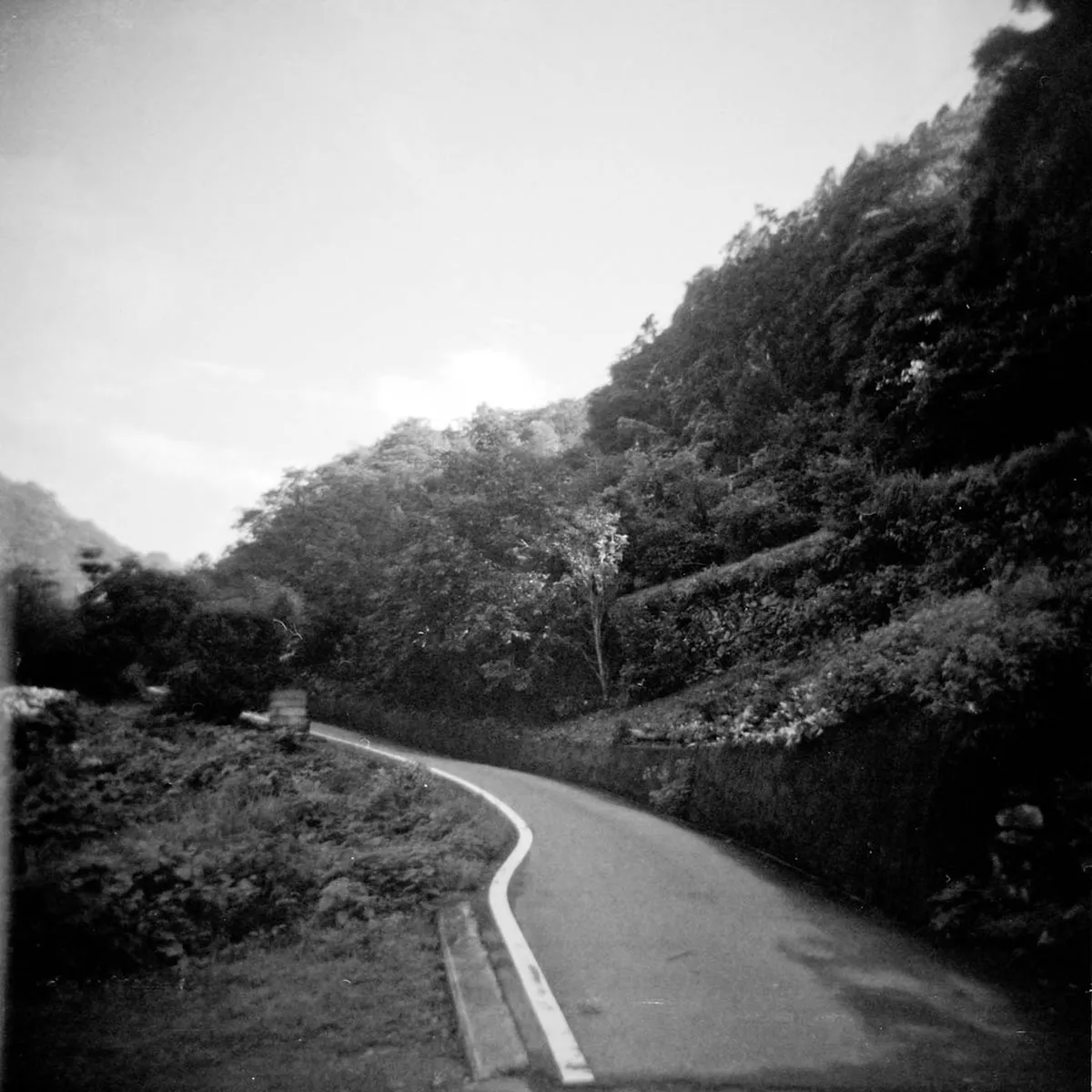
A rental car is by far the most practical way to reach the Oku-Iya vine bridges. The site sits on Route 439 with free parking on both sides of the entrance booth. From Oboke Station, allow 75–80 minutes of driving, and from the Nishi-Iya Kazurabashi area, add another 50–60 minutes beyond that.
The road narrows to a single lane for most of the Oku-Iya stretch, with passing places cut into the hillside. Take your time, especially on the curves above the river ravines, and expect occasional oncoming vehicles. Our full guide on how to get to the Iya Valley covers the complete route from Osaka or Takamatsu by train and rental car.
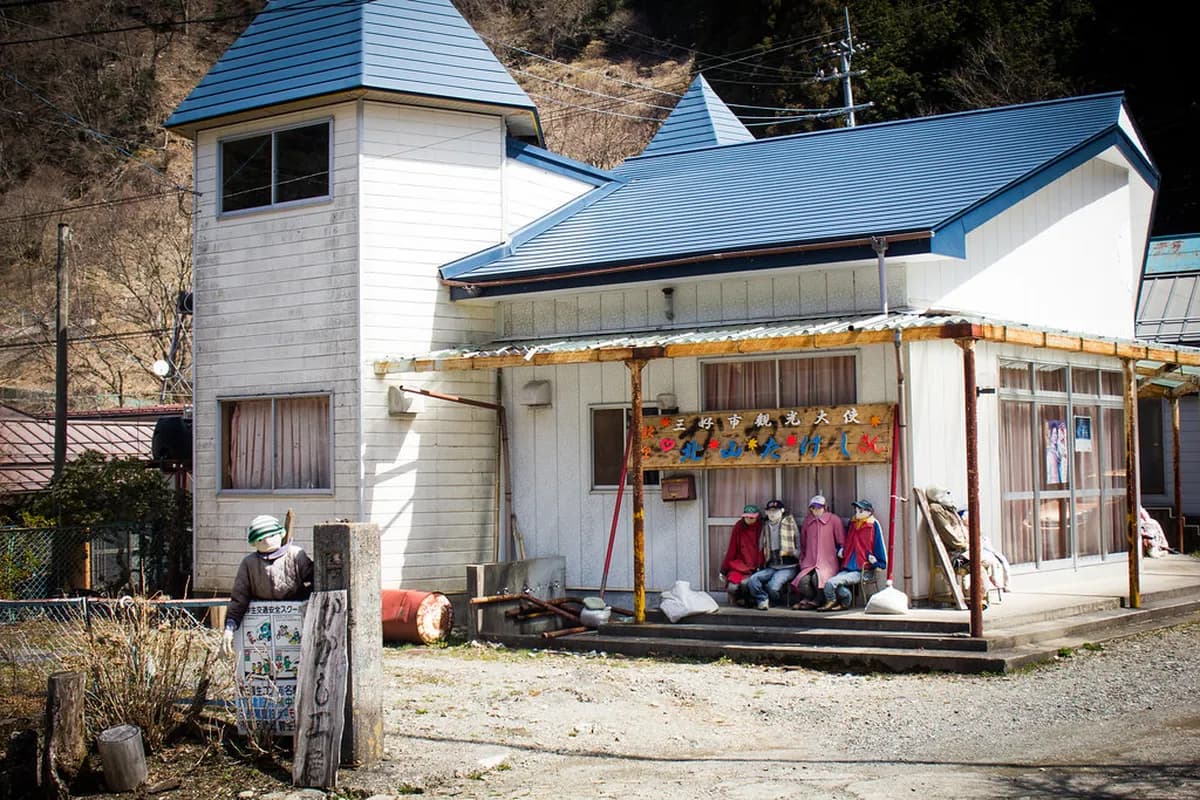
Public buses reach the area but only partway. The main Shikoku Kotsu buses from Ikeda stop at Kubo in Oku-Iya, roughly 25 minutes by car from the bridges. The Local Miyoshi Municipal Bus goes further, reaching Nagoro (Scarecrow Village) just 4km from the bridges, but runs on weekends and public holidays only (April–November).
From Nagoro, the walk to the bridges takes 60–70 minutes on a mountain road, a little longer on the uphill return. Our nagoro scarecrow village covers the village itself, which makes a compelling add-on before or after the walk. Attempting to hitch a ride from Nagoro is worth trying, though traffic this deep into the valley is sparse.
Where to Stay and What to Do Nearby
The Oku-Iya Niju Kazurabashi Campground sits right beside the wife's bridge, making it the most atmospheric base for an overnight. Basic facilities including toilets are available on-site, and the sound of the river at night is a genuine highlight. The campground follows the same seasonal window as the bridges, so confirm availability before planning an overnight stay.
For more comfort, the Iya Valley has ryokan and small onsen hotels further down the valley toward Nishi-Iya. These properties typically offer hot-spring baths and dinner service, which feels well-earned after a long day of mountain driving. Our Iya Valley onsen and where to stay guide covers the full range from riverside camping to traditional guesthouses.
The Maruishi Parkland restaurant and souvenir shop is the only dining option within walking distance of the bridges, so arrive with snacks or a packed lunch. Nagoro, roughly 10 minutes by car, is home to the famous Scarecrow Village and makes a low-effort afternoon add-on. On the drive back toward Oboke, the Oboke Gorge boat tours round out a full day in the valley with a scenic river perspective.
Frequently Asked Questions
How long should I allow to visit the Oku-Iya vine bridges?
Allow 2–3 hours at the site itself to cross both bridges, try the Yaen monkey cart, walk the riverside trail, and explore at a relaxed pace. If you combine the visit with Nagoro Scarecrow Village and the drive from Oboke, plan a full half-day of 4–5 hours for the entire Oku-Iya excursion.
Is there public transport to the Oku-Iya double vine bridges?
Direct public transport does not reach the bridges. The closest regular bus stop is Nagoro (Scarecrow Village), about 4km away on the Local Miyoshi Municipal Bus — but that service only runs on weekends and holidays between April and November. Most visitors rent a car; the drive from Oboke takes about 75–80 minutes.
When are the Oku-Iya vine bridges open?
The bridges are open from April through November and closed from December through March. Hours run 9:00–17:00 in spring and autumn, and 8:00–18:00 in July and August. Always confirm current hours with the Miyoshi Tourism site before traveling, as schedules can shift.
What is the entry fee for the Oku-Iya vine bridges?
The entrance fee is ¥550 for adults and ¥350 for children, paid at the roadside booth before descending to the bridges. The fee covers unlimited crossings during your visit, and the free Yaen hand-pulled monkey cart is included at no extra cost.
Are the Oku-Iya vine bridges worth visiting if I have already seen the main Kazurabashi?
Yes — the two sites feel very different. The main Nishi-Iya Kazurabashi is a single bridge with commercial facilities and higher foot traffic. The Oku-Iya doubles offer two bridges, a free river cart, a waterfall, and almost no development, making them the more immersive experience for travelers willing to drive the extra hour.
The Oku-Iya vine bridges reward every extra kilometer of mountain road it takes to reach them. Two woven spans, a free river cart, a waterfall, and near-total silence make this one of Shikoku's most distinctive stops. Plan for a half-day minimum and bring a packed lunch — the flat riverside stones between the two spans are among the finest picnic spots in Tokushima.
For more ideas across the wider valley, our Iya Valley attractions guide pulls together the best sites from Oboke to Oku-Iya in one place. Whatever your base, the double vine bridges are worth the commitment of an early start and a full tank of petrol. Few places in Japan feel this genuinely remote — and that is exactly the point.
Free guide: Japan's Hidden Gems
12 under-the-radar places beyond Tokyo & Kyoto — with the best season to visit each and a local tip you won't find in the guidebooks.
You might also like
Continue reading
More guides you'll find useful