Kotohira is one of Shikoku's great pilgrimage towns, built around a single hilltop shrine that has drawn sailors, traders and travelers up its stone stairway for over a thousand years. Kotohira-gu — known to almost everyone as Konpira-san — sits partway up Mount Zozu, and the 785-step climb to its main hall (1,368 if you continue to the inner shrine) is the reason most visitors come at all. But the town below the steps has its own reasons to linger: Japan's oldest still-working kabuki theatre, a sake museum inside a 200-year-old brewery, and an approach street of shops selling the udon Kagawa Prefecture is famous for. This guide covers the 5 attractions worth your time, how to combine them into a half-day or full-day visit, and how Kotohira fits as a day trip from Takamatsu, Tokushima or the Iya Valley.
Top 5 attractions in Kotohira
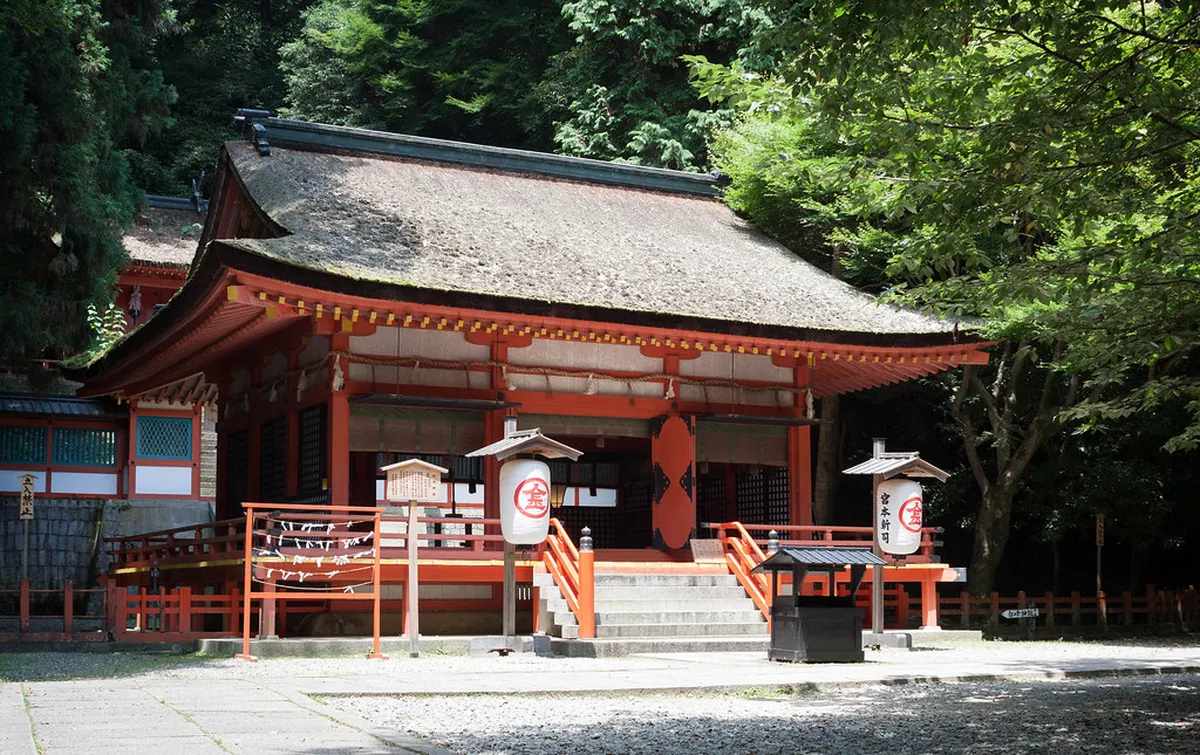
Kotohira-gu (Konpira-san) Shrine
Shikoku's great sailors' shrine, spread up the flank of Mount Zozu — 785 stone steps climb to the main hall and 1,368 to the inner shrine, past pilgrim shops, treasure halls and sweeping views over the Sanuki plain.
Visitor guide →
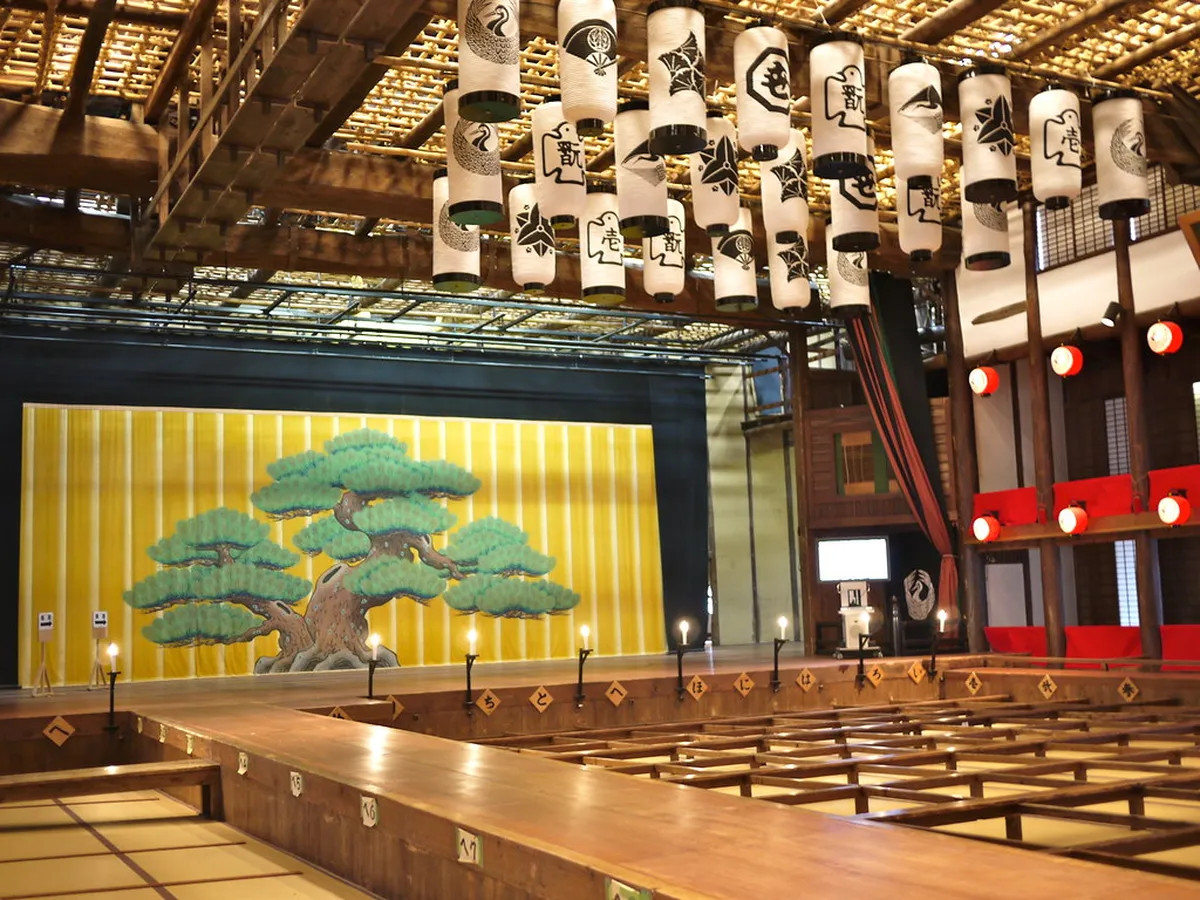
Kanamaru-za Kabuki Theater
Japan's oldest surviving kabuki theatre, built in 1835 near Konpira Shrine — tour the Edo-era auditorium, hand-turned revolving stage, sub-stage machinery and tatami box seats when no performance is running.
Visitor guide →
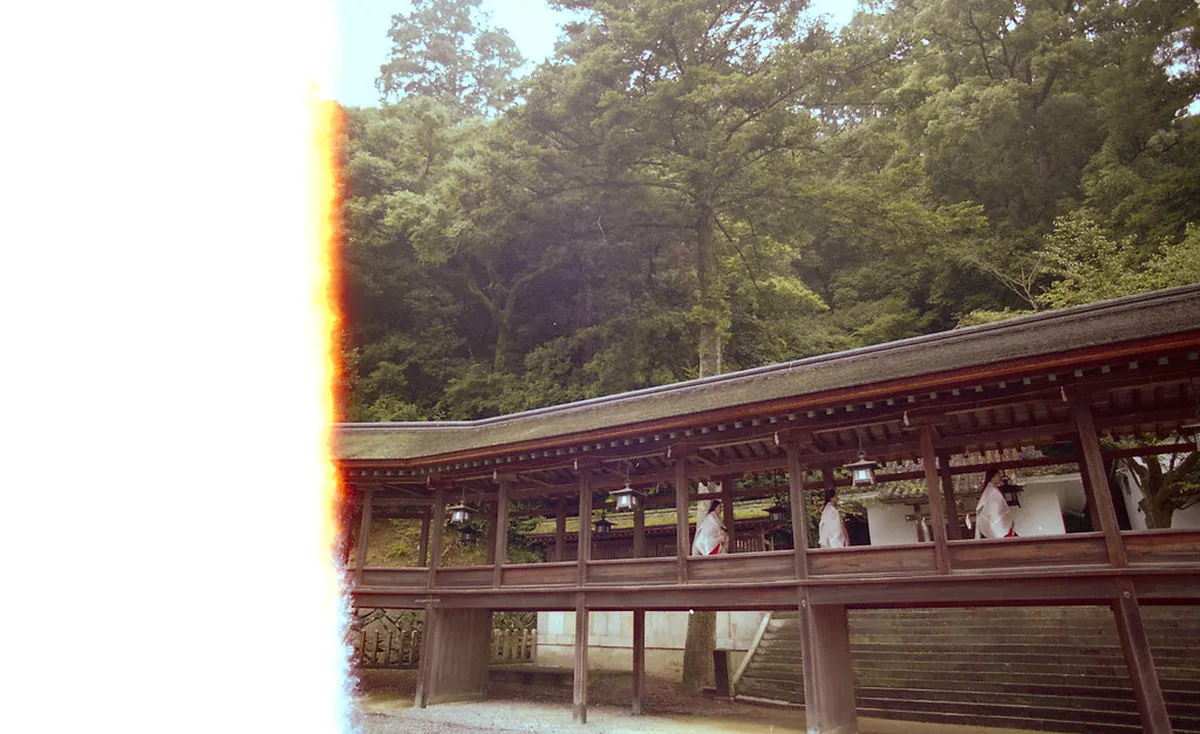
Konpira-san 1368 Stone Steps
The famous pilgrim stairway of Konpira-san: 785 steps to the main hall, 1,368 to the inner shrine, threading past shops, torii, treasure halls and the Sakuraba-baba viewpoint on the way up Mount Zozu.
Visitor guide →
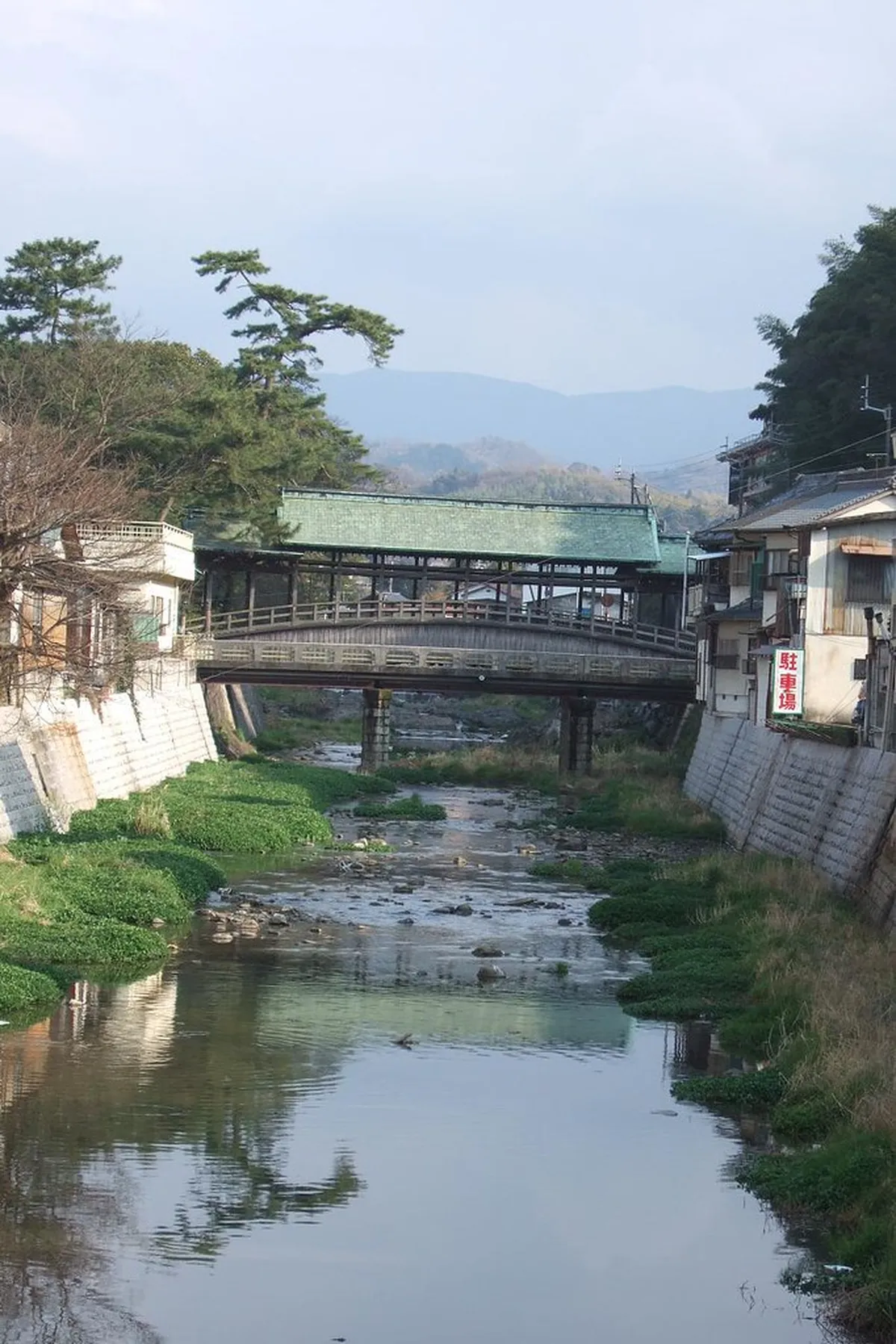
Saya-bashi Bridge
A distinctive roofed, pier-less wooden bridge over Kotohira's Kanakura River — closed to everyday foot traffic and crossed only by the shrine deity's palanquin during the October grand festival.
Visitor guide →
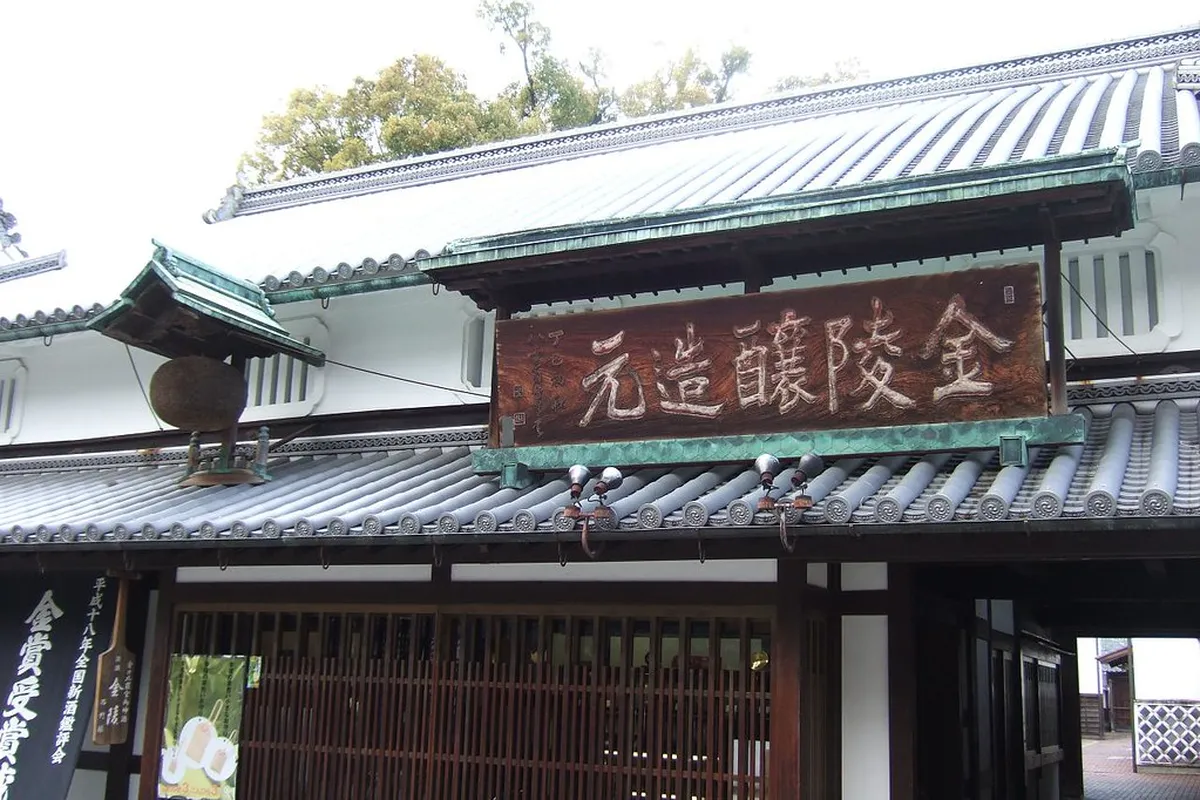
Kinryo Sake Museum
A museum inside a 200-year-old working brewery on the Konpira approach, where the Kinryo house (est. 1789) displays Edo-era brewing tools around a stone-walled courtyard and pours tastings of its shrine sake.
Visitor guide →
Climbing Konpira-san
Everything in Kotohira orbits the climb. From the start of the Omotesando approach — the shop-lined street where the town begins — it's roughly 30 to 40 minutes of steady stone steps to the Gohon-gu main shrine at step 785. Along the way you pass the Daimon great gate at step 365 (the boundary where the shrine's grounds formally begin and where umbrella-shop vendors have sold rain gear to pilgrims for generations), the Important Cultural Property Omote Shoin reception hall, and the Asahi-sha shrine building, one of the finest wooden structures on the mountain. The main shrine itself has a small museum of ship models, maritime instruments and even a submarine model — centuries of offerings from sailors and fishing crews who prayed here for a safe voyage, which is why Konpira-san is often called Japan's guardian shrine of the sea.
Most visitors stop at step 785 for the view over the Sanuki Plain and the Seto Inland Sea, but the climb doesn't have to end there. A further 20 to 30 minutes and 583 steps brings you to the Oku-sha inner shrine at step 1,368, where the reward is a full panorama rather than a partial one and noticeably thinner crowds. There is no admission fee at any point on the climb — Konpira-san itself is free to enter, and you only pay if you choose optional extras like the museum inside the shrine precinct. Travelers who can't manage the stairs can hire a kago palanquin from vendors along the lower approach, from roughly ¥4,000 one way, though the service only covers the lower sections and doesn't run all the way to the main hall. Wear real walking shoes; the steps are uneven stone and get slick in rain.
Kotohira attractions beyond the shrine
The shrine is the headline, but Kotohira's other attractions are worth a full day on their own. The Kanamaru-za Kabuki Theater, a short walk from the approach, is the oldest surviving kabuki theatre in Japan, built in 1835 and still used for live performances. Self-guided tours (¥500 adults, ¥300 students, ¥200 children) let you walk the Edo-era auditorium, look under the stage at the hand-turned revolving mechanism, and sit in the tatami box seats — but check the schedule first, since the theatre closes to sightseers whenever a performance or event is booked.
Downhill toward the river, the Kinryo Sake Museum occupies part of a working brewery founded in 1789. Admission (around ¥310 for adults, ¥200 for children) covers a stone-walled courtyard of Edo-era brewing tools and a tasting of the house's shrine sake. Nearby, the Saya-bashi bridge — a distinctive roofed, pier-less wooden footbridge over the Kanakura River — is closed to everyday foot traffic; it's only crossed once a year, during the October grand festival, when it carries the shrine deity's palanquin. Even closed, it's one of the most photographed structures in town. Threaded between all four sights are the approach shops: souvenir stalls, udon counters and stone-step walking-stick vendors that have lined the route to the shrine for centuries.
Kotohira attractions by type
If you're deciding what to prioritize with limited time, it helps to group Kotohira's sights by what kind of experience they offer.
Suggested Kotohira itineraries
Half-day, shrine-focused: Arrive by mid-morning, walk the Omotesando approach, and climb to the main shrine at step 785 (allow 30–40 minutes up, similar back down). Add the inner shrine at step 1,368 if your legs and schedule allow — another 40–60 minutes round trip. Finish with udon near the base of the steps.
Full day, culture and sake added: Do the shrine climb first while it's cool, then spend the afternoon on the Kanamaru-za self-guided tour (45–60 minutes) and the Kinryo Sake Museum (40–60 minutes with tasting), both a short walk from the approach. This is the version that uses all 5 attractions on this page without rushing.
As a day trip: Kotohira works well as a single stop from Takamatsu (about an hour by train), from Tokushima city, or tacked onto a wider Shikoku loop that includes the Iya Valley — many visitors combine a Kotohira morning with an Iya Valley afternoon since both sit inland from the Sanuki Plain, though the drive between them takes over two hours so it's a long day rather than a casual add-on.
Getting to and around Kotohira
Kotohira has two train stations, both walkable to the approach: JR Kotohira Station on the JR Dosan Line (about a 20-minute walk to the start of the approach) and Kotoden Kotohira Station (about 15 minutes on foot), which connects directly to Takamatsu. From Takamatsu, the journey is roughly an hour either way. Once you're in town, everything covered in this guide — the shrine approach, Kanamaru-za, the sake museum and Saya-bashi — sits within a compact, walkable core; there's no need for local buses or taxis unless you're arriving with heavy luggage. For onward travel into the wider region, see our Tokushima and Shikoku region guide.
Best time to visit Kotohira
The single biggest date on Kotohira's calendar is the Shikoku Konpira Kabuki Oshibai in April, when the Kanamaru-za hosts its only live performances of the year in the original Edo-era theatre. Tickets go on sale months ahead (typically January–February) and sell out fast, and self-guided access to the theatre is restricted around the performance dates — worth planning around rather than stumbling into. Outside of April, spring (cherry blossom season on the approach) and autumn (cooler climbing weather, clear views from the top) are the most comfortable times to make the stair climb. Summer visits are workable but the stone steps get hot and humid by midday, so an early-morning start is worth the alarm. The October grand festival, when the Saya-bashi bridge is used for its once-a-year crossing, is another worthwhile date if it fits your trip.
Where to eat and stay in Kotohira
Kotohira sits in the heart of Sanuki-udon country, and the approach street is lined with counters serving it fresh — a bowl before the climb is a good idea, and a second one after is a Kotohira tradition rather than an indulgence. The same street carries the souvenir shops and snack stalls that have served pilgrims for generations. For an overnight stay, Kotohira has a small cluster of onsen ryokan near the base of the steps, several with hot-spring baths drawing on the area's natural springs — a good way to soak out the climb before heading onward the next morning.
Frequently asked questions about Kotohira
How many steps is Konpira-san?
785 stone steps reach the main shrine (Gohon-gu). Continuing to the inner shrine (Oku-sha) adds another 583 steps, for a total of 1,368 steps from the start of the approach.
Is Kotohira worth visiting?
Yes — Konpira-san is one of Shikoku's most significant pilgrimage sites, and the town below it adds Japan's oldest kabuki theatre, a working sake brewery museum, and a historic approach street, making it a full day of sightseeing rather than a single photo stop.
How long does it take to climb Konpira-san?
About 30 to 40 minutes from the start of the approach to the main shrine at step 785. Continuing to the inner shrine at step 1,368 adds another 20 to 30 minutes.
Is climbing Konpira-san free?
Yes, there is no admission fee to climb the stone steps or enter the shrine precinct. Optional extras, like hiring a kago palanquin for the lower steps (from roughly ¥4,000 one way), cost separately.
Can you watch kabuki at the Kanamaru-za?
Live kabuki is staged once a year, during the Shikoku Konpira Kabuki Oshibai in April. Outside that period, the theatre is open for self-guided tours (¥500 adults, ¥300 students, ¥200 children) whenever a performance or event isn't booked.
How do you get to Kotohira?
JR Kotohira Station (JR Dosan Line) and Kotoden Kotohira Station both sit about a 15 to 20-minute walk from the start of the shrine approach. Kotoden connects directly to Takamatsu, about an hour away.
What is Kotohira famous for?
Kotohira is famous for Kotohira-gu (Konpira-san), Shikoku's great shrine to the guardian deity of sailors and seafaring, reached by a 1,368-step stone stairway. The town is also known for the Kanamaru-za, Japan's oldest surviving kabuki theatre, and for Sanuki udon.
Plan your trip
Start with the Kotohira attractions blog guide for deeper coverage of each sight, check the best time to visit before booking dates around the April kabuki festival, and see our Tokushima and Shikoku region guide for pairing Kotohira with the rest of your Shikoku trip. Whichever version of the day you choose, budget the morning for the climb — everything else in town is easier to fit around it than the other way round.

