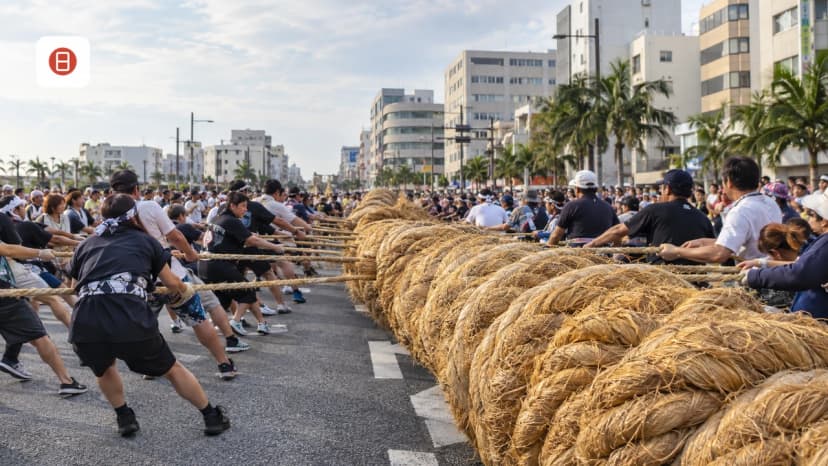
Naha is the gateway to Okinawa and the capital of what was once an independent island nation — the Ryukyu Kingdom — and its attraction landscape looks and feels unlike anywhere else in Japan. Instead of feudal samurai castles, you get the vermilion, Chinese-influenced palace of Shuri Castle, the royal tombs of Tamaudun, and the 18th-century pleasure garden of Shikina-en — three of the nine sites that together earned Okinawa its UNESCO World Heritage listing in 2000. Running through the heart of the city is Kokusai-dori (Kokusai Street), a 1.6-km shopping and nightlife spine lined with about 600 shops, bars and restaurants, with the covered Makishi Public Market and the Tsuboya pottery quarter spilling off its southern end.
Good to know
A Yui Rail one-day pass costs ¥800 and covers the monorail hops between all major Naha attractions — it pays for itself in three or four rides and earns small discounts at several sites including the Tsuboya Pottery Museum.
What makes Naha easy to plan is the clean split between free and paid sights. The shrines, beaches, markets and shopping streets cost nothing — Naminoue Shrine, Naminoue Beach, Kokusai-dori and Makishi Market are all free to enter — while the historic castles and gardens charge modest tickets, none more than ¥530 in 2026. A big 2026 milestone: Shuri Castle's Seiden main hall reconstruction is scheduled to complete in autumn 2026, so visitors this year can watch the rebuild up close before the finished hall reopens. Almost everything in this guide sits within a few stops of the Yui Rail monorail, which makes Naha one of the most walkable, car-free-friendly bases in Japan.
Heads up
Shuri Castle's Seiden main hall is still under reconstruction in 2026, with completion scheduled for autumn 2026. The grounds, gates, and restoration viewing deck remain fully open — plan accordingly if interior hall access is a priority.
We've narrowed the field to 10 sights that consistently reward the time and ticket price. Each card below links to a full visitor guide with verified opening hours, current pricing, geo coordinates and the practical tips that don't make it into the official FAQ. Below the cards you'll find the same 10 attractions sorted by neighborhood and by category, a free-vs-paid price table, ready-made 1-, 2- and 3-day itineraries, transport notes, and answers to the questions first-time visitors ask most.
Planning a wider trip? See our Japan travel guide, the things to do in Naha guide, and getting around Japan.
Top 10 attractions in Naha
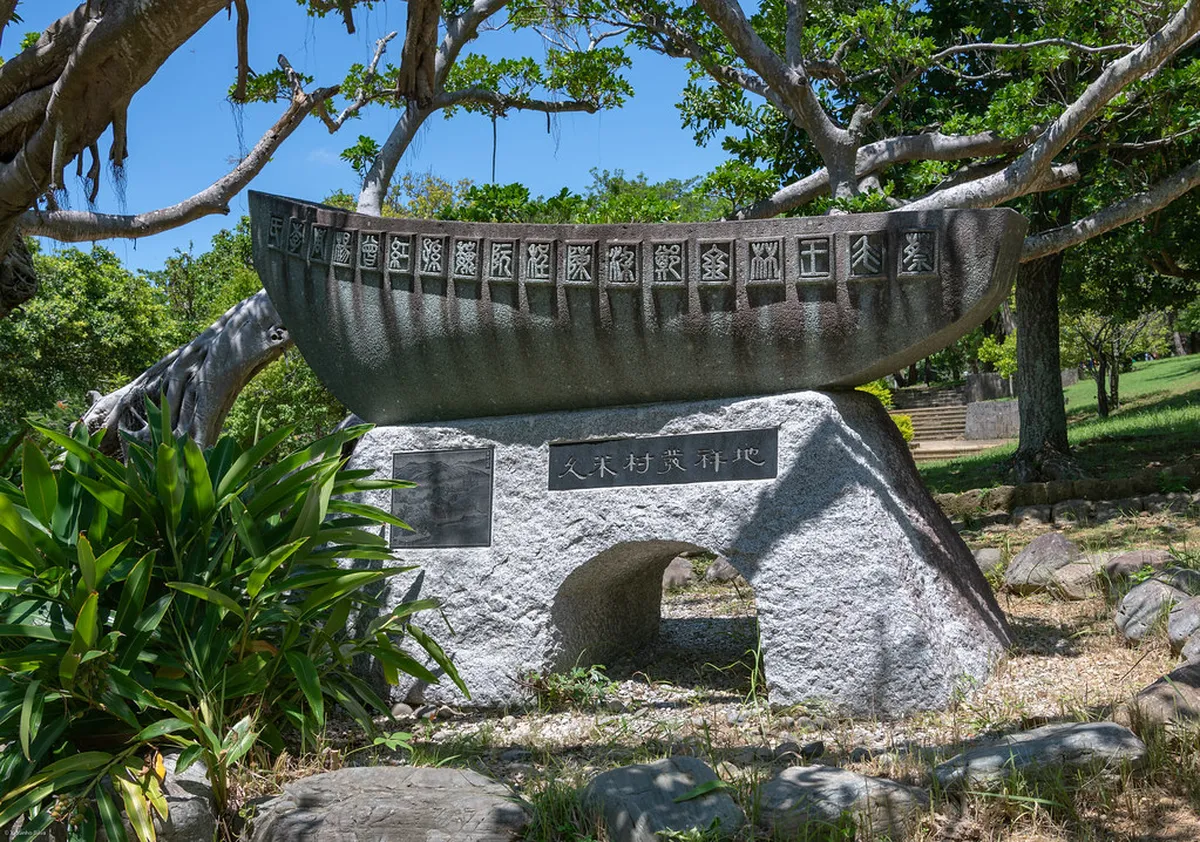
Shuri Castle (Shurijo Castle Park)
Shuri Castle (Shurijo Castle Park) in Naha, Okinawa is the UNESCO-listed former royal palace of the Ryukyu Kingdom, where visitors in 2026 can explore the grounds and view the Seiden main hall's ongoing reconstruction, set for completion in autumn 2026.
Visitor guide →
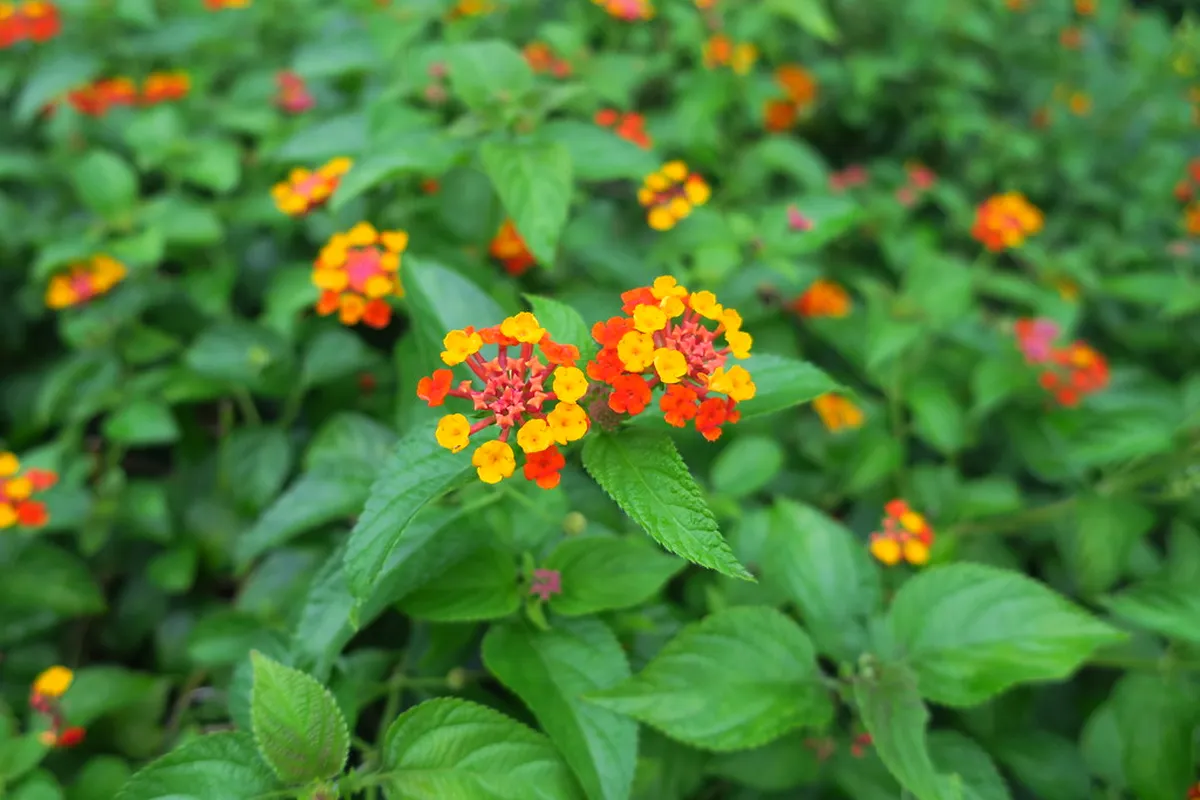
Shikina-en Garden
Shikina-en is an 18th-century UNESCO-listed royal garden in Naha, Okinawa, built in 1799 as a reception villa for the kings of the Ryukyu Kingdom. Centered on a circular-style pond garden with a stone arched bridge and a Chinese-influenced villa, it sits just south of Shuri Castle.
Visitor guide →
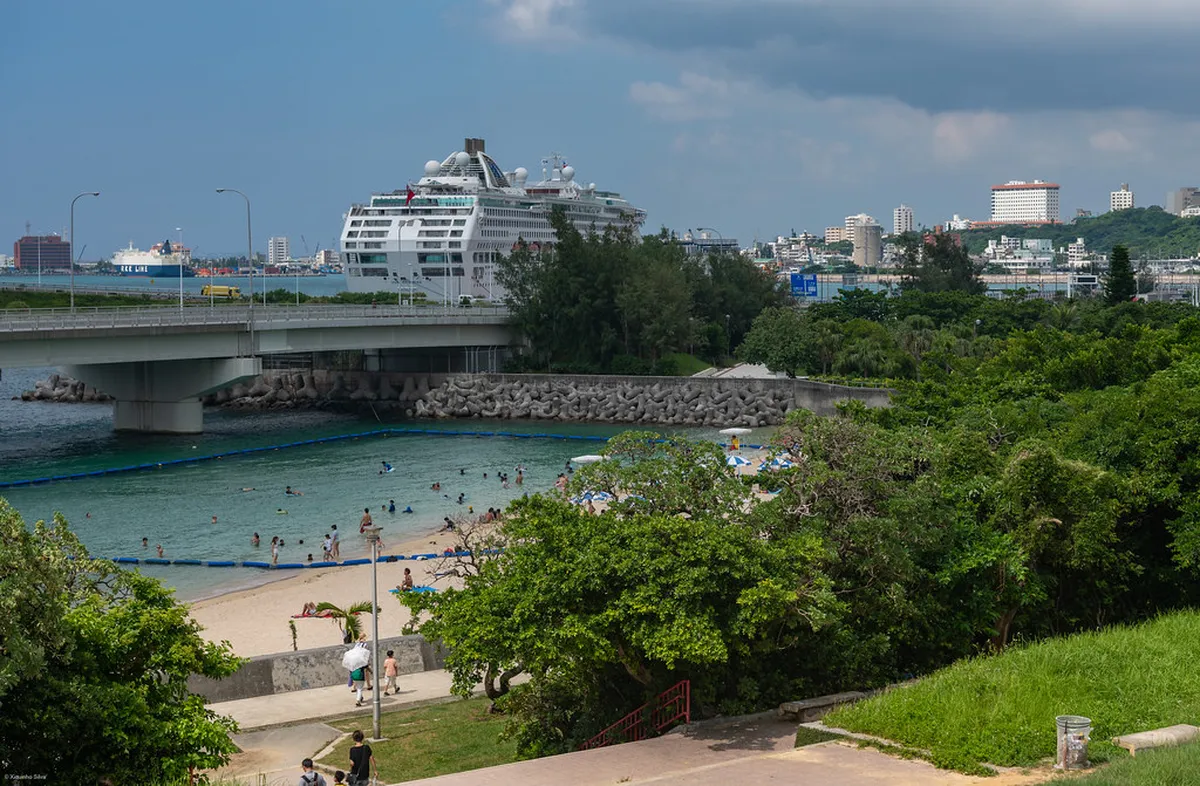
Naminoue Shrine
Naminoue Shrine is the highest-ranked Shinto shrine of Okinawa, set on a limestone cliff above Naminoue Beach in central Naha, with free entry and grounds open daily.
Visitor guide →
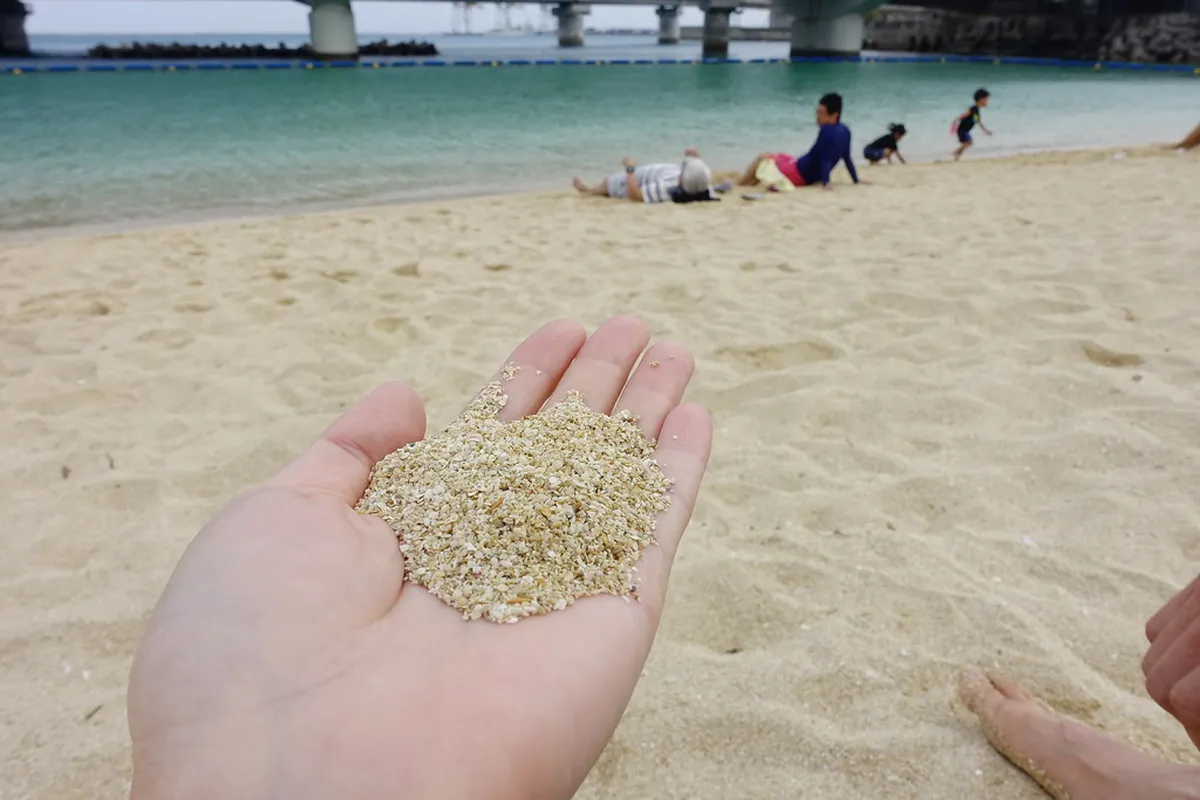
Naminoue Beach
Naminoue Beach is Naha's only urban beach, set below the cliff-top Naminoue Shrine in Okinawa. This free public beach offers supervised swimming from April to October just minutes from central Naha and the airport.
Visitor guide →
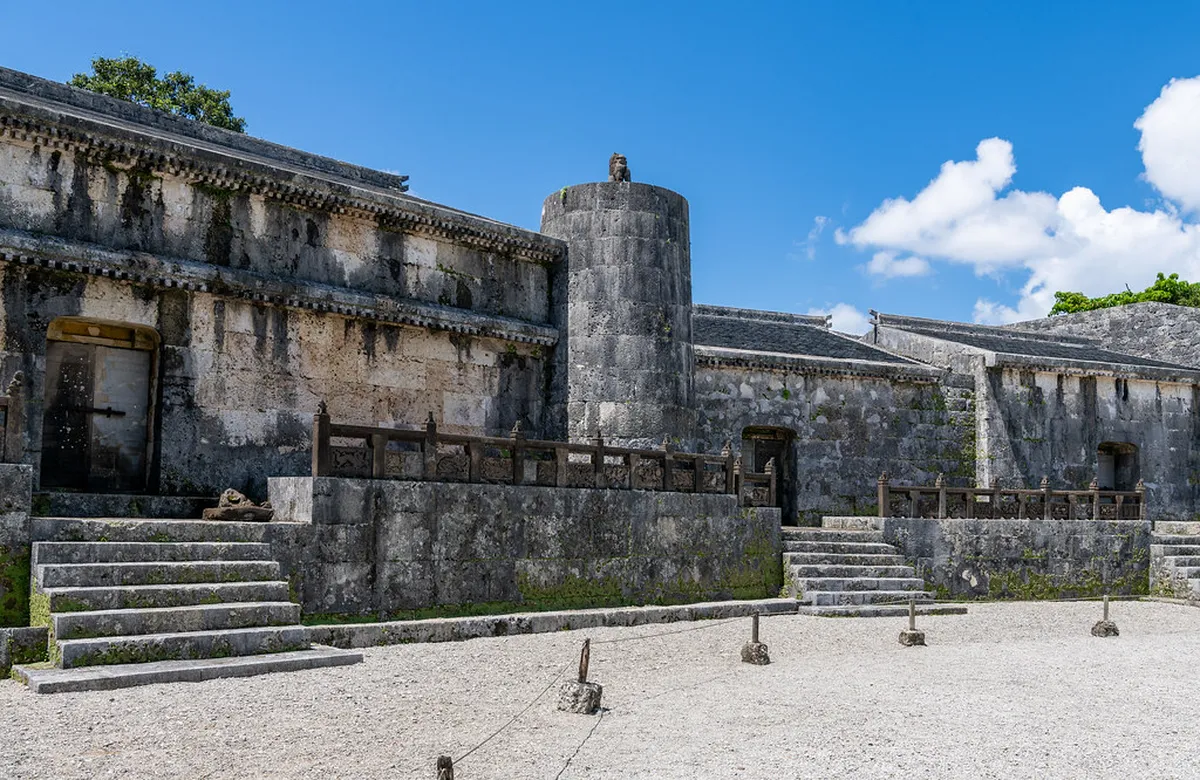
Tamaudun Royal Mausoleum
Tamaudun Royal Mausoleum is the 1501 UNESCO World Heritage tomb of the Ryukyu Kingdom's Second Sho Dynasty kings, located beside Shuri Castle in Naha, Okinawa.
Visitor guide →
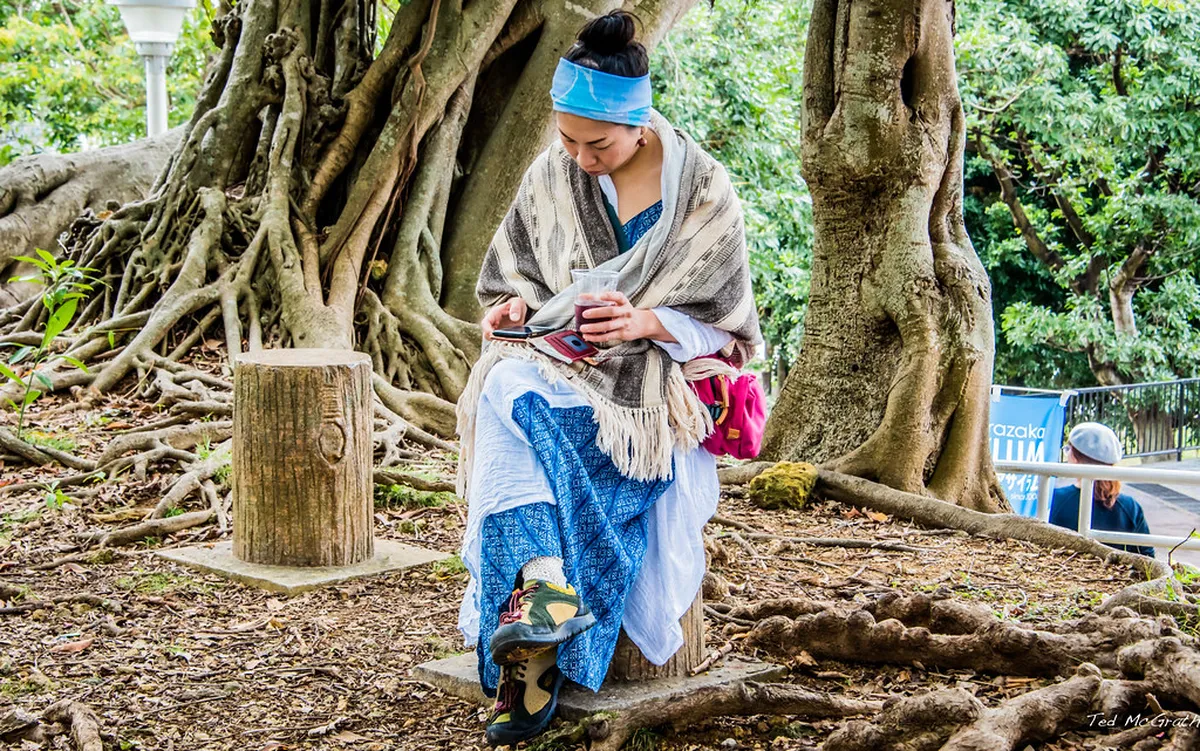
Tsuboya Pottery District
Tsuboya Pottery District is a historic 400-meter yachimun ceramics quarter in central Naha, Okinawa, home to working kilns, shops, and the Naha Municipal Tsuboya Pottery Museum.
Visitor guide →
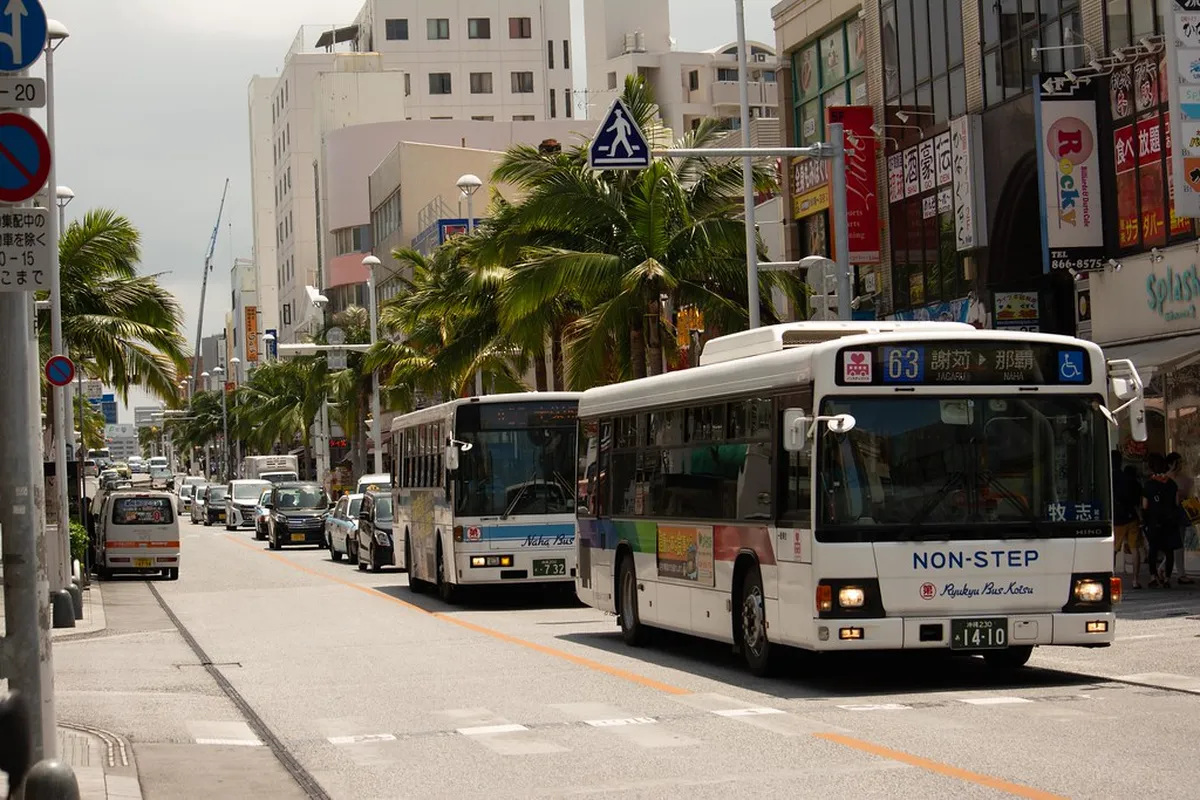
Kokusai Street (Kokusai-dori)
Kokusai Street (Kokusai-dori) is the roughly 1.6-kilometer main shopping and entertainment avenue in central Naha, Okinawa, lined with about 600 shops, restaurants, and bars.
Visitor guide →
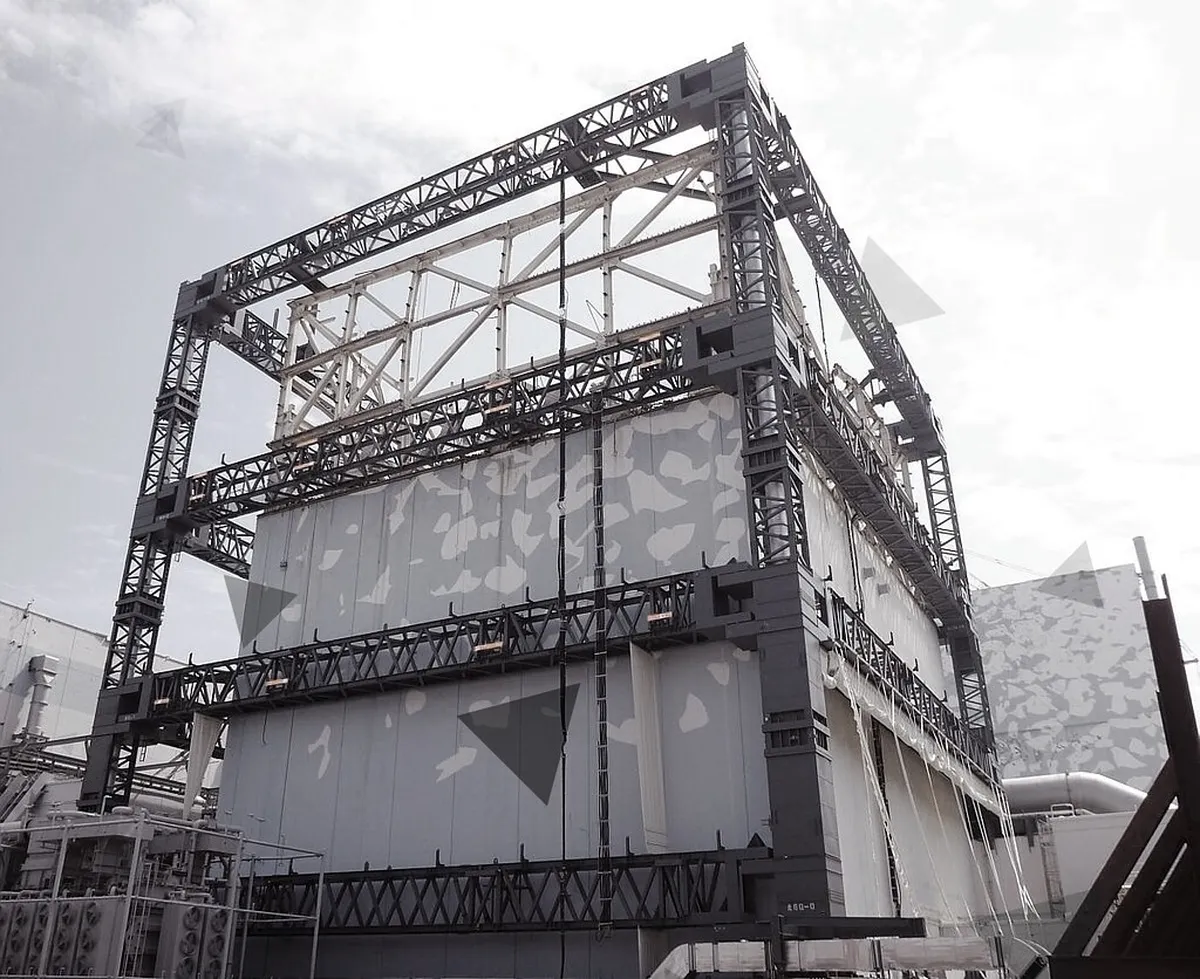
Daiichi Makishi Public Market
Daiichi Makishi Public Market is the historic covered food market in central Naha, Okinawa, reopened in a rebuilt three-story facility in 2023 and long celebrated as 'Naha's kitchen.'
Visitor guide →
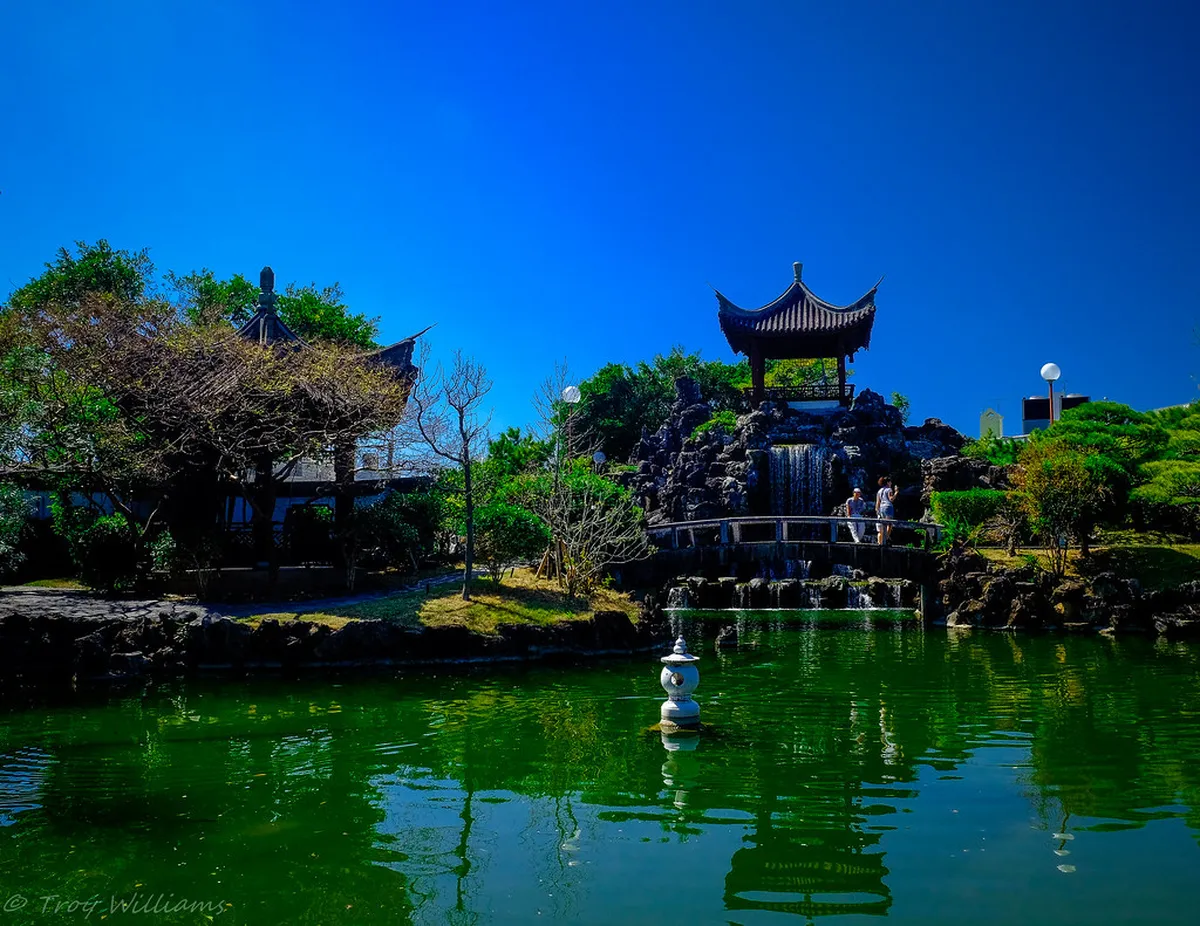
Fukushuen Garden
Fukushuen Garden is a traditional Chinese-style garden in the Kume district of Naha, Okinawa, built in 1992 to commemorate the sister-city tie between Naha and Fuzhou, China.
Visitor guide →
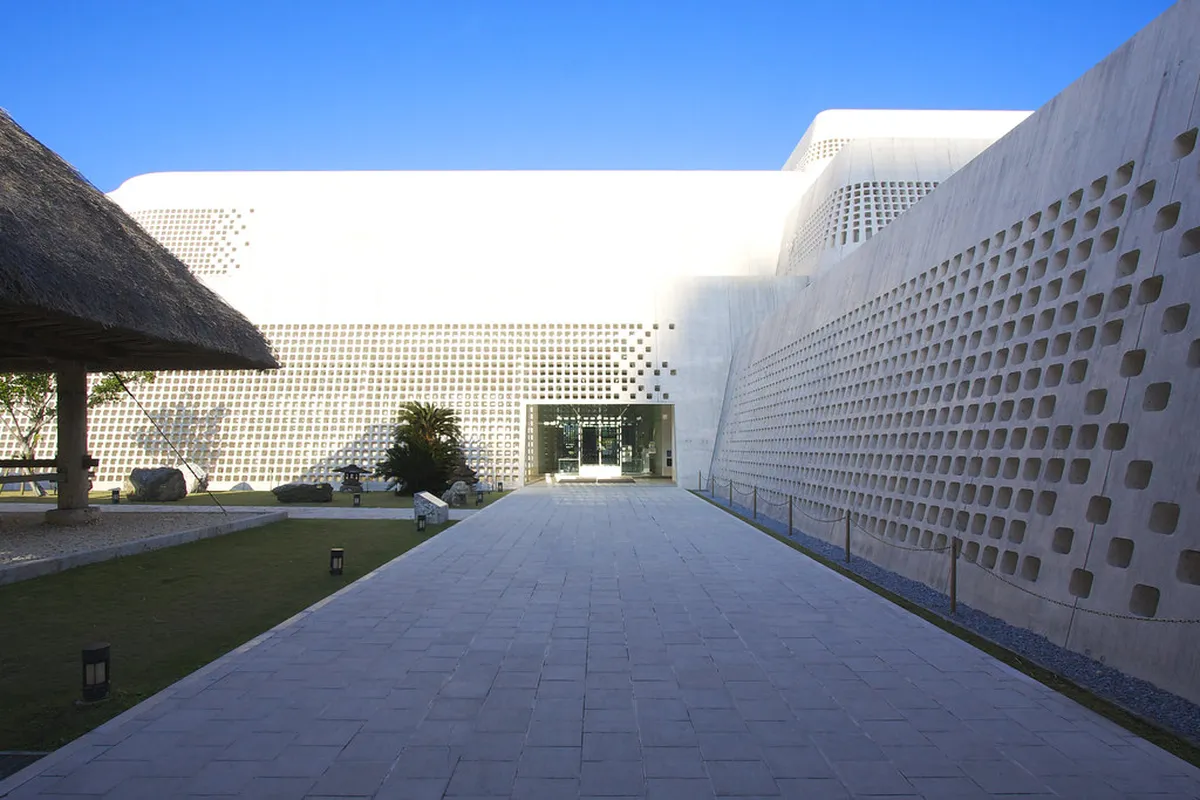
Okinawa Prefectural Museum & Art Museum
The Okinawa Prefectural Museum & Art Museum (OkiMu) is a dual museum and art museum in the Omoromachi district of Naha, showcasing Ryukyu history, culture, and natural history alongside modern Okinawan art.
Visitor guide →
Naha attractions by neighborhood
Naha's sights cluster into five walkable pockets, each a short Yui Rail hop or a 10-15 minute stroll apart. Grouping by neighborhood is the single biggest time-saver when planning your days.
- Shuri district (east, uphill): The old royal capital and the densest concentration of heritage. Shuri Castle, the Tamaudun Royal Mausoleum and the Shikina-en Garden all sit within a 15-minute walk of one another, reachable from Shuri Station on the Yui Rail. Budget half a day here.
- Central / Kokusai-dori area: The city's beating heart. Kokusai Street runs from Kencho-mae to Makishi stations, with the Daiichi Makishi Public Market and the Tsuboya Pottery District a few minutes south on foot. Easy to combine into one shopping-and-food afternoon.
- Naminoue coast (west): Naha's seaside corner, about a 15-minute walk or short taxi from Kokusai-dori. The clifftop Naminoue Shrine sits directly above Naminoue Beach, the city's only urban swimming beach.
- Kume district: The historic Chinese quarter, home to Fukushuen Garden, an ornamental Chinese-style garden a short walk inland from the Naminoue coast.
- Omoromachi (north): Naha's modern, museum-and-shopping district, two stops north of central Naha on the Yui Rail, anchored by the Okinawa Prefectural Museum & Art Museum.
Naha attractions by category
If you're traveling around a theme — heritage, gardens, food, crafts or beach time — here's how the 10 attractions break down. Naha punches well above its size on World Heritage: three of the city's sights belong to the same UNESCO inscription, which is rare for a single, compact destination. Pair that with free shrines and beaches and you can build a day around almost any interest without a car.
Free vs paid Naha attractions
One of Naha's quiet advantages is how much is free. Four of the 10 attractions cost nothing, and the paid ones top out at ¥530 — a full day of sightseeing here rarely tops ¥1,500 in admissions. Prices below are verified for 2026; always confirm on the individual guides before you go.
Suggested Naha itineraries
Most of these attractions are clustered in walkable districts. Pair two or three per day rather than sprinting between them — opening-hour overlap and ticket-window queues make a tight schedule riskier than it looks on a map. Here are three field-tested routes that string the 10 attractions together by geography, so you're never doubling back across the city. Each builds on the last, so you can pick the length that fits your trip — most visitors find two days hits the sweet spot between depth and pace, while one day is plenty if Naha is a stopover en route to the northern beaches or outer islands.
1-day Naha itinerary (the essentials)
Start at Shuri Castle in the morning (cooler, fewer crowds), walk over to the Tamaudun Mausoleum next door, then take the Yui Rail down to central Naha for lunch at Makishi Public Market. Spend the afternoon shopping along Kokusai Street and detouring into the Tsuboya Pottery District.
2-day Naha itinerary
Day 1 as above. On Day 2, add the Shikina-en Garden in the morning, then head west to the Naminoue Shrine and a swim or sunset at Naminoue Beach, finishing at Fukushuen Garden in nearby Kume.
3-day Naha itinerary
Spread the above across two relaxed days, then use Day 3 for the Okinawa Prefectural Museum & Art Museum in Omoromachi to understand the Ryukyu context behind everything you've seen — and bank a half-day for a side trip or beach time. See our 3-day Naha itinerary for a hour-by-hour version.
Getting around Naha's attractions
Naha is one of the easiest Japanese cities to explore without a car. The Yui Rail monorail connects Naha Airport to central Naha in about 20 minutes and continues up to Shuri and Omoromachi, covering most of the attractions in this guide. A one-day pass costs ¥800 (¥400 for children) and a two-day pass ¥1,400 — both pay for themselves in three or four rides and unlock small discounts at several attractions.
- Shuri district: alight at Shuri Station; Shuri Castle, Tamaudun and Shikina-en are a 5-15 minute walk.
- Central area: Kencho-mae and Makishi stations bookend Kokusai-dori; the market and Tsuboya are a short walk south.
- Omoromachi: Omoromachi Station for the Prefectural Museum.
- Naminoue coast and Kume: not directly on the monorail — a 10-15 minute walk from Kencho-mae or a short, cheap taxi.
IC cards (Suica, PASMO and the local OKICA) work on the Yui Rail and city buses. For a deeper breakdown of routes and passes, see our guide to getting around Naha.
Best time to visit Naha's attractions
Naha has a subtropical climate, so timing is mostly about heat and weather rather than crowds. The sweet spots are late March to April (warm, pre-rainy season) and October to November (cooling, post-typhoon) — comfortable for walking the Shuri hill and the coast alike.
- Avoid the typhoon peak (August-September): flights, ferries and outdoor sights can shut down at short notice.
- Swimming season runs April to October: Naminoue Beach has supervised swimming during this window.
- Winter is mild: daytime highs around 17-20°C make December-February pleasant for sightseeing, though the sea is too cool for most swimmers.
- Summer is hot and humid: start outdoor sights early and save air-conditioned museums and markets for midday.
How to save money on Naha attractions
Naha rewards a little planning. A full day of sightseeing here can cost almost nothing if you lean on the free sites.
- Stack the free attractions: Naminoue Shrine, Naminoue Beach, Kokusai Street and Makishi Public Market are all free — easily a full half-day at zero admission.
- Buy a Yui Rail day pass: at ¥800 it beats single fares after three rides, and the pass earns small discounts at several attractions, including the Tsuboya Pottery Museum.
- Cluster the Shuri sites: visiting Shuri Castle, Tamaudun and Shikina-en in one trip saves repeat monorail fares and walking time.
- Time the gardens: Fukushuen's ¥200 daytime ticket is the cheapest paid sight in the city, and most paid attractions cap out at ¥530.
Frequently asked questions about Naha attractions
How many days do you need to see Naha's attractions?
Two days is enough to cover the 10 attractions in this guide at a relaxed pace — one day for the Shuri heritage sites and central Naha, a second for the coast, gardens and museum. Add a third day if you want to fold in a side trip or beach time outside the city.
What is the #1 must-see attraction in Naha?
Shuri Castle (Shurijo Castle Park), the UNESCO-listed former royal palace of the Ryukyu Kingdom, is Naha's signature sight. In 2026 you can watch the Seiden main hall's reconstruction up close, with completion scheduled for autumn 2026.
Are Naha's attractions free?
Many are. Naminoue Shrine, Naminoue Beach, Kokusai Street and Makishi Public Market all have free entry. The historic castles and gardens charge modest tickets — Shuri Castle and Shikina-en are ¥400, Tamaudun ¥300, Fukushuen ¥200, the Tsuboya Museum ¥350 and the Prefectural Museum ¥530.
Is Shuri Castle open in 2026?
Yes. Shurijo Castle Park is open to visitors, and the grounds, gate structures and exhibits are accessible while the Seiden main hall is being rebuilt. The reconstruction is scheduled to complete in autumn 2026.
What is the best time of year to visit Naha?
Late March to April and October to November offer the most comfortable weather. Avoid the August-September typhoon peak, when flights and outdoor sights can be disrupted. Beach swimming runs roughly April to October, and winters are mild.
How do you get around Naha's attractions?
The Yui Rail monorail links the airport, central Naha, Shuri and Omoromachi and reaches most attractions in this guide. A one-day pass costs ¥800. IC cards (Suica, PASMO, OKICA) work on the monorail and buses; the Naminoue coast and Kume are a short walk or taxi from central stations.
Can you see Naha in one day?
Yes — a focused day covers Shuri Castle and Tamaudun in the morning, then Makishi Market, Kokusai Street and Tsuboya in the afternoon. You'll miss the coast and museum, but you'll see the city's highlights.
Is Naha worth visiting?
Absolutely. Naha is the cultural heart of Okinawa, with a distinct Ryukyu Kingdom heritage you won't find on mainland Japan — vermilion palaces, royal tombs, Chinese-style gardens, a lively shopping street and an in-city beach, all compact and walkable. It's also the natural base for exploring the rest of Okinawa.
Plan your Naha trip
Ready to go beyond the attraction list? Our destination guides cover the rest of the trip end to end. Start with the full things to do in Naha overview, then map out your days with the Naha itinerary and dig into the local food scene with our Naha food guide. For the shopping spine itself, see the Kokusai-dori guide.