Shuri Castle stands as a powerful symbol of the Ryukyu Kingdom's long and rich history. This comprehensive shuri castle (shurijo castle park) visitor guide helps you explore the site during its current restoration phase. Visitors can still enjoy many beautiful gates and scenic viewpoints while the main hall undergoes rebuilding. Planning your trip to Naha should always include a stop at this iconic UNESCO World Heritage site.
The castle grounds offer a unique look at Okinawan culture that differs greatly from mainland Japan. You will find vibrant red architecture and intricate stone carvings throughout the expansive park area. Understanding the layout of the free and paid zones ensures a smooth experience for every traveler. This guide covers everything from transportation tips to the best spots for historical photography.
Essential Shuri Castle (Shurijo Castle Park) Visitor Guide Info
Reaching the park is quite simple when using the efficient public transportation system in Naha. The Yui Rail monorail provides a direct connection from the airport and the downtown Kokusai Street area. You can check the latest transit schedules on the Transport Navi Okinawa (Bus/Monorail) website before heading out. Most first-time visitors should use the monorail because it avoids Naha traffic and keeps the route predictable.
The park is divided into a free area and a paid admission zone near the center. While many iconic gates are free to view, the inner sanctum requires a small entrance fee. Purchasing your tickets at the main booth allows access to the active reconstruction viewing decks. Always check the SHURIJO CASTLE PARK Official Site for daily updates on facility closures.
Operating hours vary slightly depending on the season to account for changing daylight levels. Early morning visits are highly recommended to avoid the large tour groups that arrive by midday. The park remains open in the evening, offering a different atmosphere under the soft glow of lanterns. Allow at least two to three hours to walk through the entire complex at a comfortable pace.
| Area | What You Can See | Ticket Needed? |
|---|---|---|
| Outer park | Shureimon Gate, Kankaimon Gate, stone walls, viewpoints, and approach paths | No |
| Inner paid zone | Seiden reconstruction viewing route, exhibits, and central court areas when open | Yes |
| Nearby Shuri sites | Tamaudun Royal Mausoleum, Ryutan Pond, and residential lanes around the castle | Varies by site |
- Current Admission Fees for Adults
- Adult Ticket: 400 Yen
- High School: 300 Yen
- Elementary: 160 Yen
- Under Age 6: Free
- Standard Opening Hours by Season
- April to June: 9:00 AM - 7:00 PM
- July to September: 9:00 AM - 8:00 PM
- October to November: 9:00 AM - 7:00 PM
- December to March: 9:00 AM - 6:00 PM
The History and Cultural Significance of the Ryukyu Kingdom
For several centuries, Shuri Castle served as the political and religious heart of the Ryukyu Kingdom. The royal family managed foreign trade and local governance from these elevated limestone walls. This history is well-documented at the nearby Okinawa Prefectural Museum for those seeking deeper knowledge. Learning about the kingdom's independence provides essential context for the unique traditions found in Okinawa today.
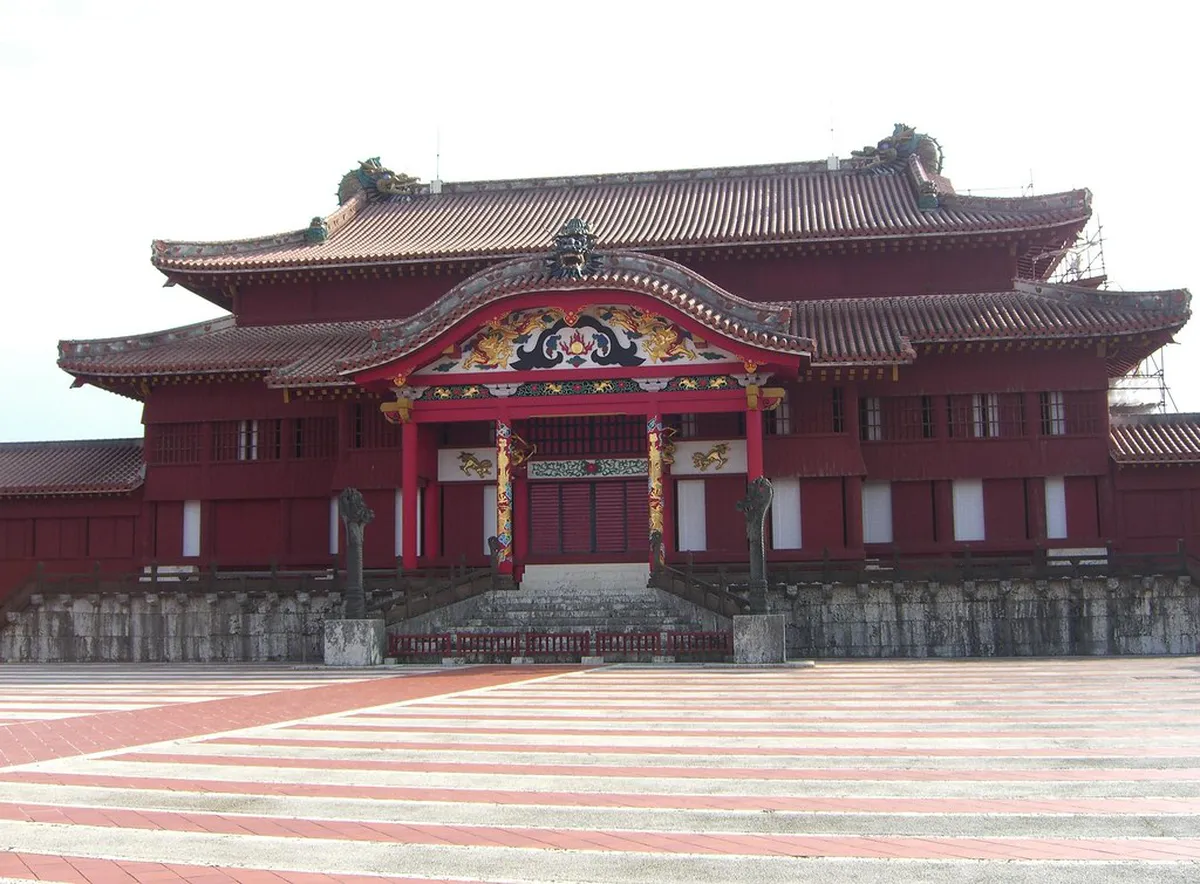
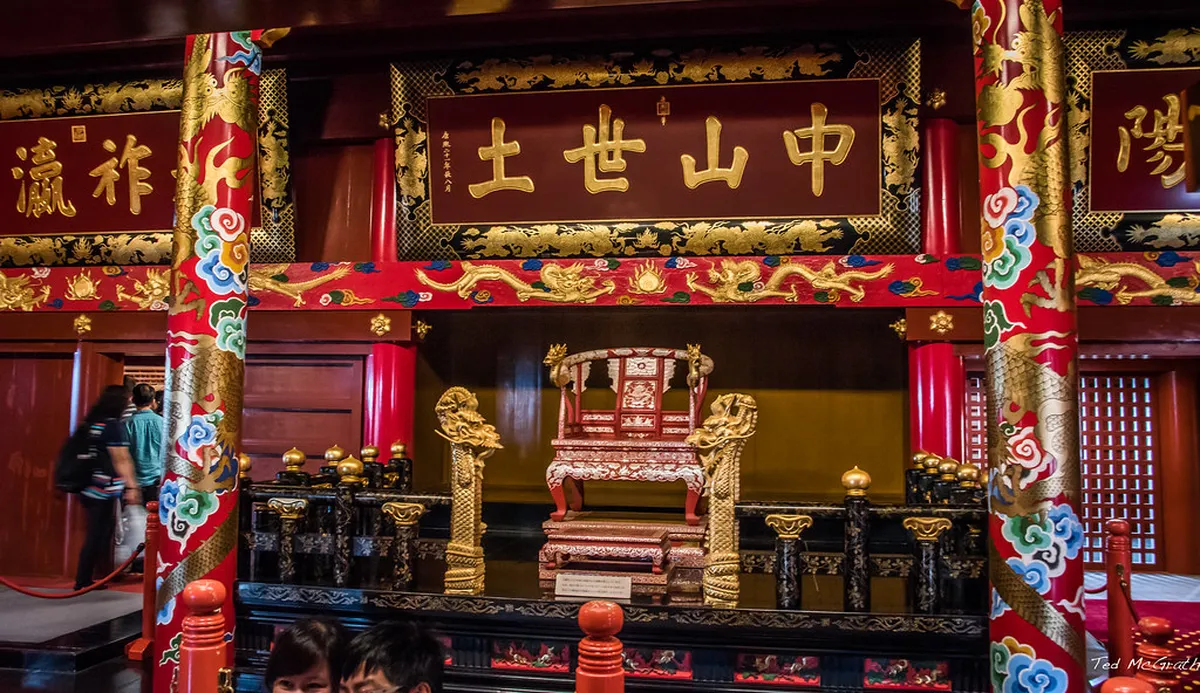
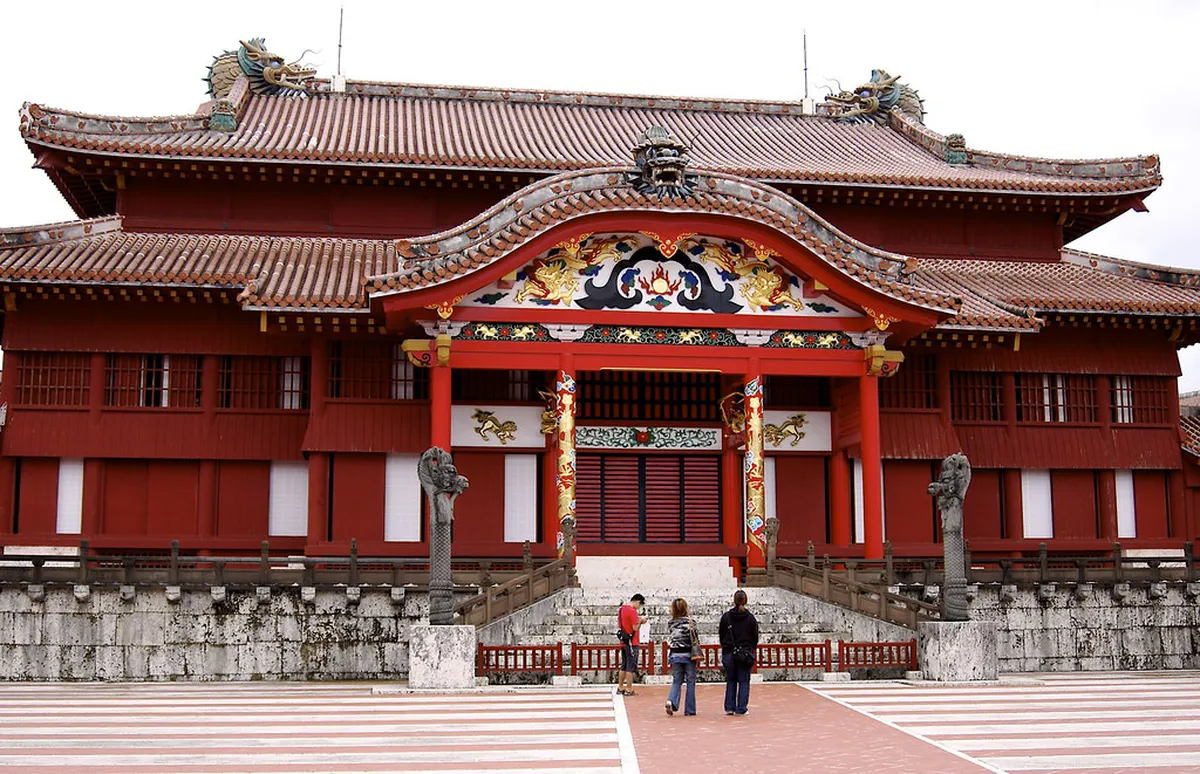
The architecture of the castle reflects the kingdom's role as a bridge between powerful neighbors. You will notice distinct Chinese design influences in the bright red lacquer and dragon motifs. Japanese structural elements are also visible in the roof styles and certain interior layouts. This cultural fusion created a style that is entirely unique to the Ryukyu Islands.
UNESCO recognized the castle as a World Heritage site due to its immense cultural value. The site represents the pinnacle of Ryukyuan stone masonry and traditional landscape design. Even though the buildings have been rebuilt multiple times, the original stone foundations remain intact. Preserving these ancient walls is a top priority for the local government and historians.
Must-See Gates and Structures: From Shureimon to the Seiden
The Shureimon Gate is perhaps the most famous structure within the entire park complex. This beautiful gate appears on the Japanese 2,000 yen note and symbolizes Okinawan hospitality. Its name translates to the Gate of Courtesy, welcoming all who enter the royal grounds. Travelers often stop here first to take iconic photos before continuing up the hill.
Further into the park, you will encounter the Kankaimon, which served as the main entrance. The name means the Gate of Welcome and it is flanked by two stone lions. These guardian figures are common throughout Okinawa and are believed to ward off evil spirits. Walking through this massive stone entrance makes you feel the true scale of the fortress.
Another critical stop is the Sonohyan-utaki Ishimon, a sacred stone gate used for royal prayers. The king would stop here to pray for a safe journey whenever he left the castle. It is a masterpiece of limestone carving that survived the heavy fighting of World War II. This site remains a place of deep spiritual importance for many local residents today.
Current Restoration Status: Witnessing the Rebirth of the Hall
A tragic fire in 2019 destroyed the main Seiden hall and several surrounding wooden structures. Since then, the community has rallied to rebuild this essential piece of Okinawan heritage. Visitors can find detailed information about the progress on the Visit Okinawa Japan Official Guide website. The reconstruction project is a massive undertaking that involves traditional craftsmen from across the country.
The Mien-aza observation deck offers a unique chance to see the restoration work in person. Large glass windows allow you to watch carpenters use traditional tools to shape massive timber beams. This transparent approach turns the construction site into a living museum for the public. Seeing the skill required for these repairs adds a new layer of appreciation for the site.
The main hall reconstruction is scheduled to continue through autumn 2026. Special exhibits nearby explain how the original materials are being sourced and prepared. You can even see samples of the red roof tiles that are being handmade for the project. This ongoing work ensures that the castle will return to its former glory for future generations.
The Mien-aza observation deck lets you watch traditional craftsmen rebuild the Seiden hall through large glass windows — turning an active construction site into a living museum. Do not skip this even if the main hall is still under restoration.
| Site | 2026 Visitor Status | Best For |
|---|---|---|
| Seiden Hall | Under construction | Understanding the scale of the restoration |
| Mien-aza Deck | Open for viewing | Watching the reconstruction process |
| Shureimon Gate | Fully accessible | Classic first-time visitor photos |
| Ouchibara Area | Partially open | Seeing the former royal residential side of the castle |
Exploring the Surrounding Shuri Area: Tamaudun and Ryutan
A short walk from the castle gates leads you to the impressive Tamaudun Royal Mausoleum. This stone structure serves as the final resting place for the kings of the Ryukyu Kingdom. The intricate carvings on the stone walls represent the highest level of Okinawan craftsmanship. It offers a quiet and contemplative atmosphere away from the busier parts of the park.
Ryutan Pond is another nearby gem that provides stunning reflections of the castle walls. This man-made lake was originally used for hosting banquets for visiting Chinese envoys. Walking around the perimeter of the water offers some of the best long-distance views of the fortress. It is a perfect spot for a relaxing break after exploring the uphill castle paths.
If you have more time, consider visiting the beautiful Shikina-en Garden just a short drive away. This secondary royal residence features a unique circular landscape design and a stone bridge. It served as a place for the royal family to entertain guests and find peace. Combining these sites creates a full day of historical exploration in the Shuri district.
On a short Naha itinerary, Shuri Castle is still worth including because the free gates, Ryutan Pond, and nearby royal mausoleum can be combined into a compact half-day route. Travelers with only a few hours should prioritize Shureimon, the paid restoration viewing route, and one quiet stop such as Tamaudun rather than trying to cover every outer path.
Practical Tips for Your Visit: Timing and Walking Routes
Choosing the right walking route can save you a significant amount of energy during your visit. While most people get off at Shuri Station, Gibo Station actually offers a downhill walk to the park. This alternative route is much easier on the legs, especially during the humid summer months. You will also pass through quieter residential streets that offer a glimpse into local life.
| Route | Walking Time | Incline | Best Fit |
|---|---|---|---|
| Shuri Station to the park | About 15 minutes | Mostly uphill near the castle | First-time visitors who want the standard approach |
| Gibo Station to the park | About 15 to 20 minutes | Gentler downhill approach | Visitors avoiding steep climbs or summer heat |
| Local bus to Shurijo Castle area | Shortest final walk, depending on route | Usually easier than walking from the monorail | Travelers with limited mobility or tight timing |
Families traveling with children should definitely participate in the park's stamp rally activity. Kids can collect unique stamps at various landmarks throughout the grounds to earn a small prize. This keeps younger visitors engaged while parents take time to read the historical plaques. It is a fun and interactive way to ensure everyone enjoys the educational aspects of the park.
Photography enthusiasts should head to the West Lookout for the best panoramic views of Naha. From this high vantage point, you can see all the way to the Kerama Islands on clear days. The golden hour just before sunset provides the best lighting for the castle's red walls. After your visit, you might enjoy shopping for souvenirs on the famous Kokusai Street downtown.
Always wear comfortable walking shoes as the stone paths can be uneven and steep. Carry a bottle of water, especially if you plan to explore the outer defensive walls. The Ouchibara area offers a more intimate look at the residential life of the royal family. Taking the time to explore these smaller corners makes for a much more rewarding visit.
The park closes earlier in winter (9:00 AM – 6:00 PM, December–March) and last admission is 30 minutes before closing. Arriving in late afternoon without checking seasonal hours can mean missing the paid restoration area entirely.
For more Naha planning, see our things to do in Naha.
- Common Planning Mistakes to Avoid
- Arriving at midday in summer without water or sun protection.
- Assuming every castle structure is fully rebuilt and open.
- Skipping the restoration viewing deck because the Seiden is under construction.
- Trying to combine every Shuri site with downtown Naha in less than two hours.
- Using only Shuri Station when a downhill Gibo Station route or local bus would be easier.
Frequently Asked Questions
Is Shuri Castle worth visiting while it is still under construction?
Yes, Shuri Castle is definitely worth visiting during the restoration. You can watch traditional craftsmen rebuild the Seiden hall from a special observation deck. Many of the iconic gates and the beautiful garden areas remain fully open to the public.
How do I get to Shurijo Castle Park from central Naha?
The easiest way is to take the Yui Rail monorail to Shuri Station or Gibo Station. From there, it is a 15-minute walk to the park entrance. You can also take a local bus from the city center for a more direct drop-off.
Are there other historical gardens near Shuri Castle?
You can visit the Fukushuen Garden in downtown Naha for a different style of landscape. It features traditional Chinese design elements that reflect the historical ties between Okinawa and China. It is a peaceful escape from the busy city streets.
How much time should I spend at Shurijo Castle Park?
Most visitors should plan to spend about two to three hours exploring the grounds. This allows enough time to see the free gates, the paid restoration area, and the nearby Ryutan Pond. Adding the Tamaudun mausoleum will require an extra hour.
Is the Shuri Castle park wheelchair accessible?
Much of the park is accessible, but some areas have steep slopes and traditional stone paths. The park provides elevators and ramps in the main visitor center and near the reconstruction site. It is best to check the official map for the easiest accessible routes.
Shuri Castle remains a resilient symbol of Okinawan identity and historical pride. Even during its reconstruction, the park offers a deep and moving look into the Ryukyu Kingdom. Visiting the site now provides a rare opportunity to witness the rebirth of a national treasure. Make sure to include this vital landmark in your next itinerary through the city of Naha.
By following this guide, you can navigate the park with ease and appreciate its many layers. From the grand Shureimon Gate to the quiet paths of the Ouchibara, there is much to discover. The combination of history, culture, and active restoration makes for an unforgettable travel experience. We hope your visit to this UNESCO World Heritage site is both educational and inspiring.
For official details, visit the Shuri Castle (Shurijo Castle Park) on Wikipedia.