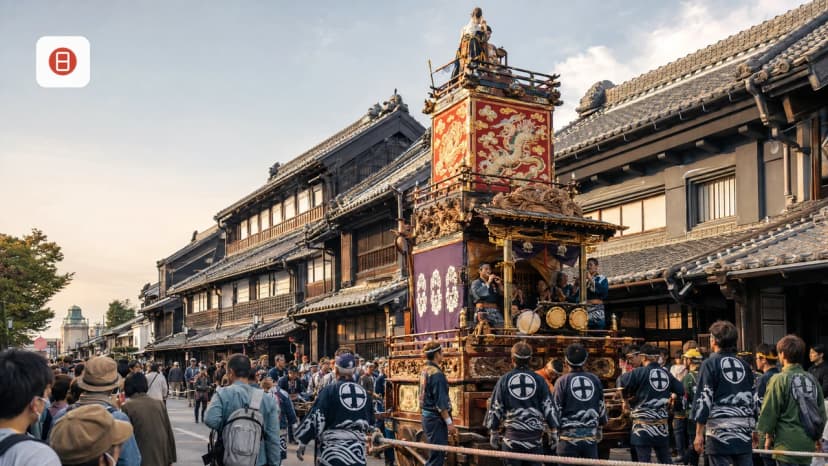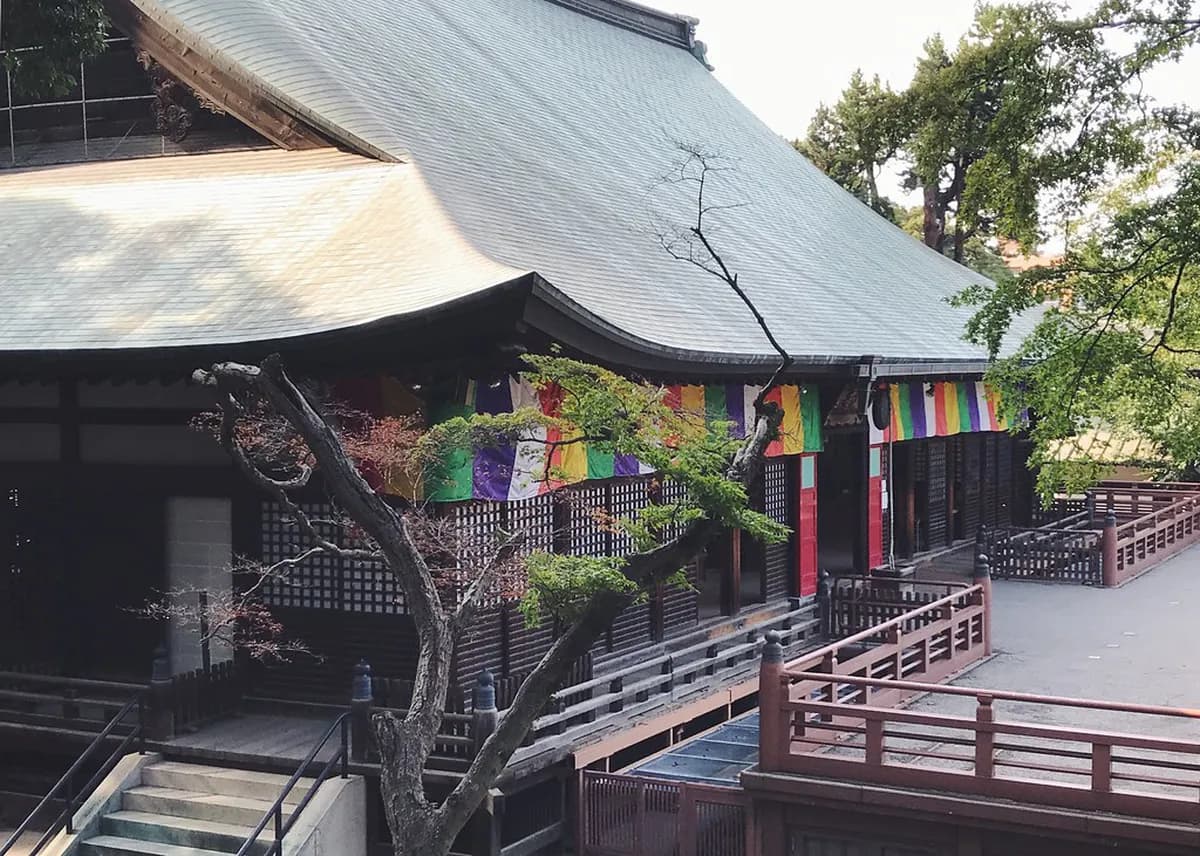
Kita-in Temple is one of Kawagoe's strongest history stops: a Tendai Buddhist temple with 540 Rakan statues, surviving Edo Castle rooms, and a quiet complex that fits naturally into a Little Edo day trip. For 2026 planning, treat it as an attraction visit rather than a quick photo stop, because the paid halls, statue garden, shrine grounds, and nearby streets each need a little time.
The temple is especially useful for travelers who want a direct link between Kawagoe and the Tokugawa Shogunate. After a major fire in 1638, parts of Edo Castle were moved here from Tokyo, leaving Kita-in with rooms tied to Tokugawa Iemitsu that cannot be seen at the modern Imperial Palace site.
Most visitors combine Kita-in with Kurazukuri Street, Toki no Kane, Kashiya Yokocho, and Kawagoe Hikawa Shrine. Start early if you want the Rakan statues and wooden corridors at their calmest, then continue toward the warehouse district for shops and food.
Must-See Kita-In Attractions
The Gohyaku Rakan area is the signature stop inside Kita-in. Although the name means "500 Rakan," the site is known for 540 stone figures representing Buddha's disciples. Look closely rather than rushing through: some statues smile, some sit in deep thought, and others appear to whisper or laugh.
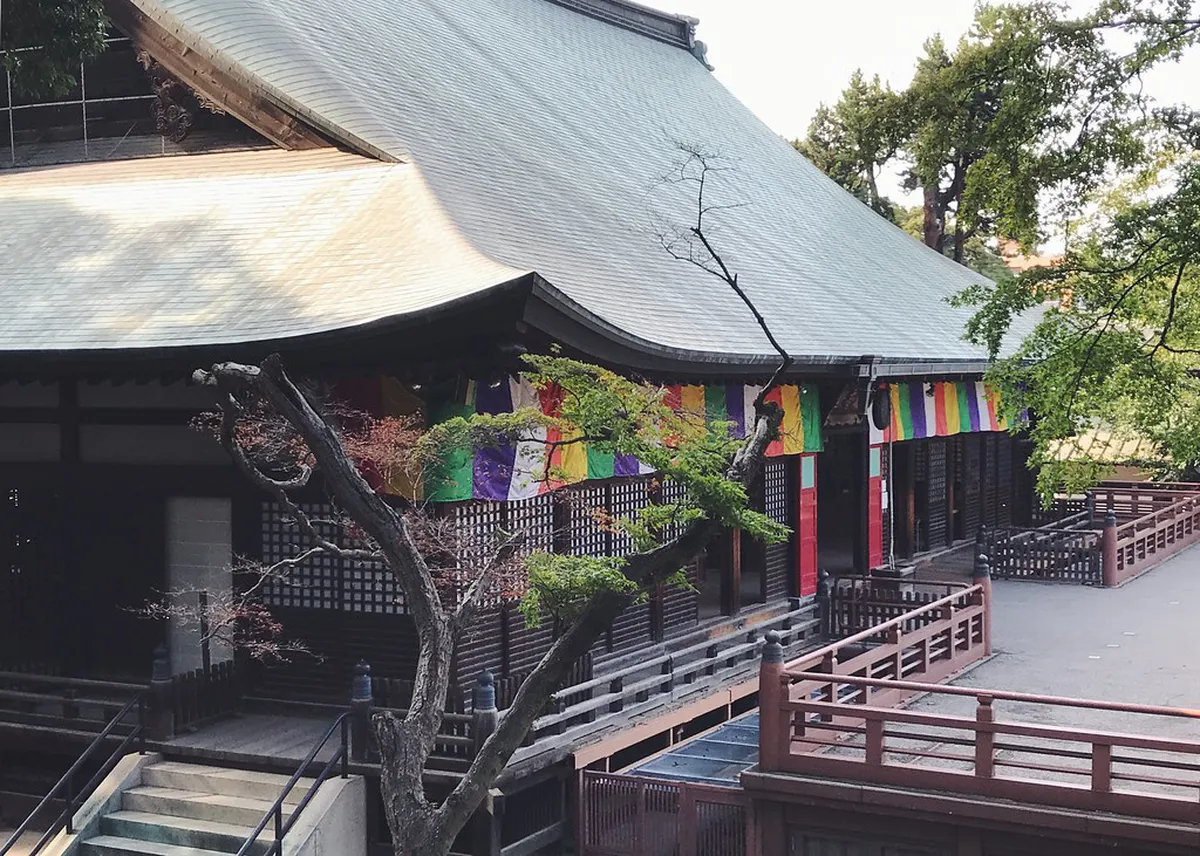
Local folklore says each visitor can find a statue that resembles them, and another version says the matching statue feels warm when touched at night. In practice, this remains a story rather than visitor advice, because the gates close strictly at 4:00 PM to protect the statues and paid area.
The main hall and temple courtyard are better for a slower pause. Visitors come for prayer, incense, roofline views, and the atmosphere of a working Tendai site rather than a museum-only attraction. Spring cherry blossoms and autumn color make the grounds especially photogenic, but the historical interiors are the reason to prioritize Kita-in over a simple garden stop.
- Gohyaku Rakan Statues: 540 stone carvings with individual expressions, included with paid-area access.
- Edo Castle rooms: original palace structures moved after the 1638 fire, including rooms associated with Tokugawa Iemitsu.
- Main temple area: free-to-enter grounds with prayer spaces, classic wooden architecture, and seasonal scenery.
- Senba Toshogu Shrine: a Tokugawa-linked shrine within the wider complex, best paired with the temple visit.
Museums, Art, and Culture in Kita-In
The indoor paid section is where Kita-in becomes more than another old temple. It houses original palace buildings from Edo Castle, moved to Kawagoe after the fire that damaged the temple in 1638. These rooms are among the clearest physical links between modern Kawagoe and the former shogun capital in Tokyo.
The most discussed room is associated with Tokugawa Iemitsu, the third Tokugawa shogun. Painted screens, carved details, and preserved wooden corridors help explain why competitors and local guides emphasize Kita-in as an Edo Castle remains site rather than only a religious stop.
Know before you go: photography is strictly prohibited inside the historical palace rooms. Visitors also remove their shoes before entering, and the old wooden corridors can feel narrow when groups arrive. If you want photos, save them for the gardens, exterior buildings, and stone statue area where signs allow.
The displays and temple setting add context to the History of the Edo Period (Wikipedia), especially Kawagoe's role as a supply and cultural partner to Edo. Read the panels slowly if you want the Tokugawa connection to make sense before walking toward the Rakan statues.
Parks, Gardens, and Outdoor Spots in Kita-In
Senba Toshogu Shrine sits within the larger Kita-in complex and honors Tokugawa Ieyasu, founder of the Tokugawa Shogunate. It is often described alongside the major Toshogu shrines connected to Nikko and Shizuoka, which helps explain why this quiet corner of Kawagoe carries more historical weight than its size suggests.
The shrine area is smaller and calmer than Nikko's famous complex, with gates, carvings, trees, and a more local atmosphere. It works well before or after the paid Kita-in halls, especially if you want a break from the narrow interior corridors.
The outdoor grounds include paths, stone lanterns, garden views, and seasonal trees. Surfaces are a mix of paved areas, gravel, steps, and older temple approaches, so comfortable shoes matter more than dressy footwear. Strollers can manage parts of the grounds, but the paid wooden interiors are less convenient for wheels.
For the best time to visit, aim for shortly after opening on weekdays, cherry blossom season mornings, or late autumn color before the final admission window. The grounds are peaceful in winter too, except around major New Year events.
Family-Friendly and Budget-Friendly Options in Kita-In
The outer temple grounds and Senba Toshogu area are free, so Kita-in can fit a budget Kawagoe day even if you skip the paid interiors. The main tradeoff is that the Edo Castle rooms and Rakan statues are the strongest reasons to come, so most first-time visitors should budget for the paid area.
Admission is adults ¥400 for the paid halls; the temple grounds are free. Check the Official Kita-in Temple Website (English) before visiting for temporary closures, ceremony changes, or seasonal notices.
Families should allow extra time for shoes, narrow halls, restroom stops, and the walk between sights. A baby carrier is easier than a stroller inside the historical buildings, and children who enjoy faces and expressions usually find the Rakan statues more engaging than the formal rooms.
Common mistakes are arriving too late for the paid area, assuming every building is open to photography, and treating Kita-in as only a five-minute detour. Bring water in summer, keep voices low around worship spaces, and leave snack breaks for the streets around central Kawagoe rather than the temple halls.
How to Plan a Smooth Kita-In Attractions Day
Reaching Kita-in from Tokyo is straightforward by Seibu or Tobu rail, then on foot or by loop bus in Kawagoe. From central Tokyo, many visitors use the Seibu Shinjuku Line toward Hon-Kawagoe or the Tobu Tojo Line toward Kawagoe/Kawagoe-shi, choosing whichever departure station fits their hotel.
Walking from Hon-Kawagoe Station takes about 10 to 15 minutes through local streets. From Kawagoe Station, allow more time on foot or use the Tobu Koedo Loop Bus if you are linking several attractions. The bus is useful in hot, rainy, or low-energy conditions, while walking gives you more control over shops and side streets.
| Item | 2026 planning note |
|---|---|
| Paid-area admission | Admission is adults ¥400 for the paid halls; the temple grounds are free. |
| Opening hours | Mar–Nov 08:50–16:30; Dec–Feb 08:50–16:00; Sun & holidays until ~16:50. |
| Closest practical station | Hon-Kawagoe Station for the shortest common walk; Kawagoe and Kawagoe-shi also work with bus or longer walks. |
| Best first stop | Paid halls and Rakan statues before the warehouse district gets busy. |
| Transport choice | Best for | Watch for |
|---|---|---|
| Seibu route to Hon-Kawagoe | Travelers starting near Shinjuku who want the shorter walk to Kita-in. | Confirm whether your train is local, express, or limited express before boarding. |
| Tobu route to Kawagoe or Kawagoe-shi | Travelers starting near Ikebukuro or planning a broader Kawagoe day. | The walk from Kawagoe Station is longer, so consider the loop bus. |
| Tobu Koedo Loop Bus | Families, hot or rainy days, and multi-stop itineraries. | Check the direction and stop name before boarding so you do not loop away from Kita-in. |
Kitain Temple Kawagoe & Edo Castle Remains
A devastating fire destroyed much of the temple in 1638. To help rebuild, the shogunate ordered sections of Edo Castle to be moved from Tokyo to Kawagoe. These structures are now valued as the only surviving original buildings from Edo Castle, which makes Kita-in unusually important for visitors interested in the Tokugawa period.
The relocation was possible because traditional Japanese wooden architecture could be dismantled and reassembled. Guides often describe the joinery as a "no nails" construction method, with beams and joints fitting together in a way that allowed skilled workers to move the buildings by boat and rebuild them on the temple grounds.
Inside, the rooms associated with Tokugawa Iemitsu help turn the history from an abstract date into a physical space. The ceilings, screens, and proportions show how elite architecture differed from ordinary temple halls, even after centuries of preservation and repair.
This is also why Kita-in should not be rushed at the end of the day. If you care about Edo Castle remains, visit the interior before fatigue sets in, then use the gardens and Rakan area as a slower second half of the stop.
Other Nearby Attractions
After Kita-in, continue toward Kurazukuri Street for Kawagoe's old warehouse district. The black-walled merchant buildings, craft shops, and cafes make the transition from temple history to Little Edo street life feel natural.
The iconic Toki no Kane bell tower stands near the main sightseeing area. It is one of Kawagoe's clearest visual landmarks and pairs well with Kita-in because both sites connect the city to Edo-period memory.
Satisfy your sweet tooth at Kashiya Yokocho, also known as Candy Alley. This small street is lined with shops selling traditional Japanese candies and snacks, making it an easy family-friendly stop after the more formal temple visit.
Finish your day at the Kawagoe Hikawa Shrine if you want a brighter shrine atmosphere, seasonal wind chimes, or relationship-themed charms. The contrast works well: Kita-in is historical and subdued, while Hikawa Shrine feels more colorful and lively.
The Kita-in Complex
Kita-in serves as the head temple of the Tendai Sect in the Kanto region and has shaped local religious life for well over a millennium. That living role matters: even when the Edo Castle rooms draw most visitors, the complex is still a worship site for local residents.
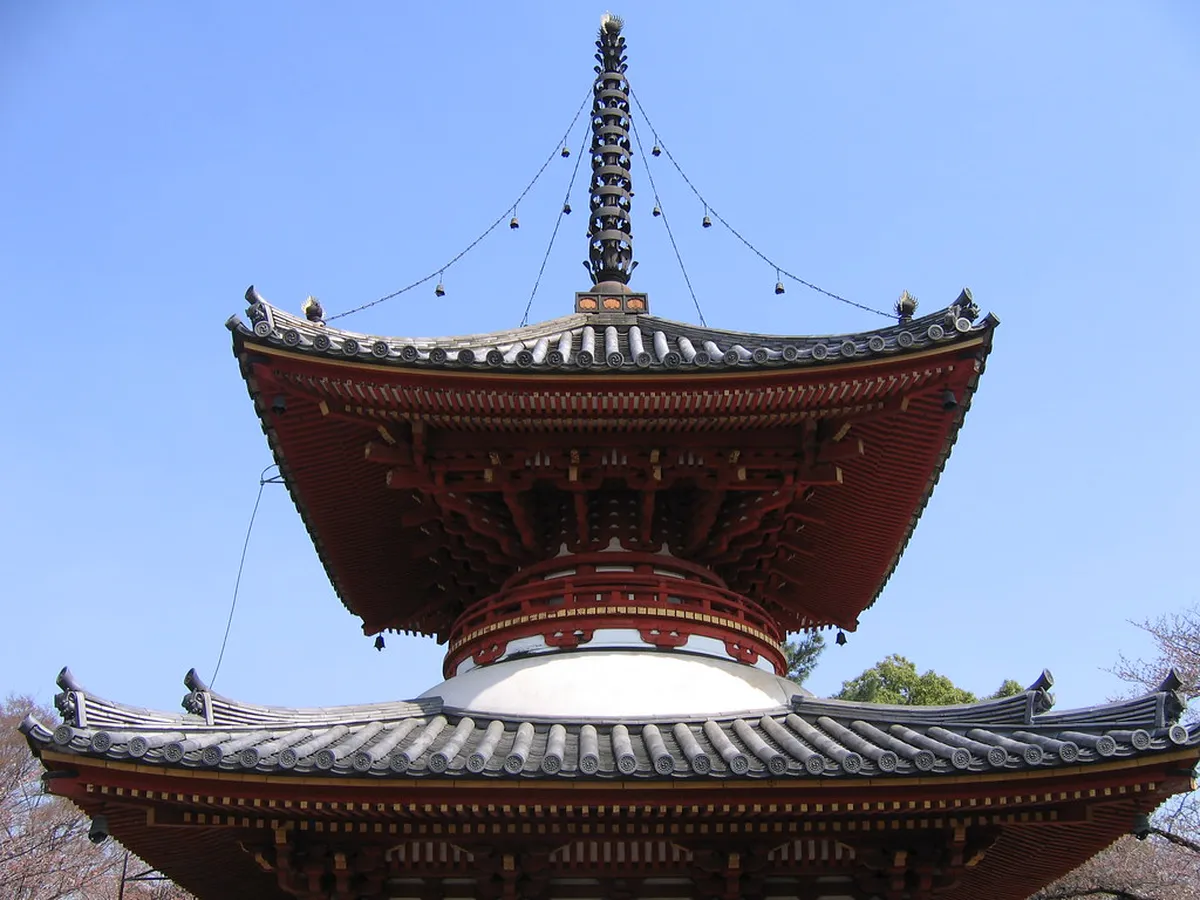
The Daruma Doll Fair on January 3rd is one of the biggest annual events at the temple. It brings large crowds buying lucky daruma dolls for the new year, so visit on another date if your priority is quiet photography or slow museum viewing.
Japanese temple etiquette is simple but important here. Keep voices low, follow posted photo restrictions, remove shoes where required, and avoid blocking worshippers while taking pictures. Barrier-free access is limited in some older areas, so travelers with mobility needs should focus on the flatter outdoor grounds and confirm current access before relying on the paid interiors.
For a balanced 2026 Kawagoe itinerary, give Kita-in 60 to 90 minutes if you enter the paid halls and Rakan area, or about 30 minutes if you only walk the free grounds. The longer visit is the better choice for first-timers because it covers the temple's three real strengths: Edo Castle remains, Gohyaku Rakan statues, and Tokugawa-linked sacred space.
Frequently Asked Questions
What is the history of Kita-in Temple?
Kita-in Temple was founded over 1,200 years ago and serves as the head of the Tendai Sect. It became famous after the 1638 fire when buildings from Edo Castle were moved here. This connection to the Tokugawa Shogunate preserved the site as a major cultural landmark in Kawagoe.
How do I get to Kita-in Temple from Tokyo?
You can take the Seibu Shinjuku Line or the Tobu Tojo Line from central Tokyo stations. The trip takes about 30 to 45 minutes to reach Kawagoe. From the station, you can walk for 15 minutes or take the convenient Tobu Koedo Loop Bus directly to the temple entrance.
Are the Edo Castle remains actually at Kita-in?
Yes, the only surviving original buildings from Edo Castle are located at Kita-in Temple. These include the birth room of Shogun Iemitsu and the dressing room of his nurse. They were moved by boat in 1638 to save them from a fire that destroyed the rest of the castle.
What are the 500 Rakan statues in Kawagoe?
The Gohyaku Rakan are 540 unique stone statues representing the disciples of Buddha. They were carved between 1782 and 1825, and each one has a distinct facial expression. You can see them near the Naritasan Betsuin temple area within the paid section of Kita-in.
Kita-in Temple is worth prioritizing because it combines three experiences in one stop: original Edo Castle remains, expressive Gohyaku Rakan statues, and a working Tendai temple complex. Visit early, respect the no-photo interiors, and keep the paid-area closing time in mind so you do not miss the strongest parts of the site.
Afterward, continue through central Kawagoe for warehouse streets, sweets, the bell tower, and nearby shrines. Kita-in gives the day its historical anchor, while the surrounding attractions fill out the Little Edo atmosphere.
For the latest official information, see the Kita-in Temple official site.