

Kawagoe Itinerary: The Ultimate 1-Day Guide to Little Edo
Plan your 1-day kawagoe itinerary with our guide. Explore Kurazukuri Warehouse Street, Kita-in Temple, and street food gems just 45 minutes from Tokyo.
On this page
Kawagoe is a compact city in Saitama Prefecture where Edo-period merchant culture survives in brick and clay. Known as "Little Edo," it delivers an authentic historic atmosphere in a fraction of the travel time of Kyoto — most visitors arrive from Tokyo in under an hour. This guide covers the optimal 1-day kawagoe itinerary for 2026, with a full walking route, transit options by station, and practical timings.
Plan for five to seven hours on the ground. That is enough time to cover the main temple cluster, the warehouse district, Candy Alley, and at least one shrine. The route is roughly 6 km and mostly flat, so comfortable shoes matter more than a transport pass. Shops along Kurazukuri Street open around 10:00, so an early start is best used at the temples.
How to Get to Kawagoe from Tokyo
Kawagoe has three train stations: Kawagoe (JR/Tobu), Kawagoeshi (Tobu), and Hon-Kawagoe (Seibu). Of the three, Hon-Kawagoe is the most useful for sightseeing because it drops you closest to the historic core. The difference matters: Hon-Kawagoe Station is roughly 10 minutes closer on foot to Kita-in Temple and Kurazukuri Street than Kawagoe Station on the opposite side.
The fastest and cheapest option from Shinjuku or Ikebukuro is the Seibu Railway network with the Seibu Kawagoe Rail Pass. This pass costs ¥700, covers a round-trip to Hon-Kawagoe, and includes small discounts at selected shops. The Koedo limited-express takes around 45 minutes; regular Seibu trains take about 60 to 75 minutes and carry a separate ¥600 limited-express surcharge if you choose the faster service.
From Ikebukuro you can also take the Tobu-Tojo Line to Kawagoe Station — approximately 30 minutes express, ¥490 one way. From Shinjuku Station, the Fukutoshin Express Metro Line runs direct to Kawagoe Station in around 35 minutes for ¥590. Travelers from Shibuya can use the same Fukutoshin line for about 44 minutes at ¥630. JR pass holders should catch the Saikyo or Shonan-Shinjuku Line to Ikebukuro and transfer to the Tobu-Tojo Line — the total journey from Tokyo Station via Ikebukuro is just under an hour at roughly ¥700.
Once you arrive, the entire historic area is walkable. The Co-Edo Loop Bus (¥500 day pass) is an option if walking tires you, but most visitors skip it and cover the main loop on foot in a full day.
Half-Day vs Full-Day: Your Arrival Station Shapes the Route
A detail no transit guide spells out clearly: the station you arrive at effectively determines whether you have a half-day or a full-day route. Arriving at Hon-Kawagoe by 09:00 puts you ten minutes from Kita-in Temple — you can complete the entire 6 km loop (temples, castle ruins, warehouse street, Candy Alley, Hikawa Shrine) and still catch a mid-afternoon train back. That is a realistic four-to-five hour outing.
Arriving at JR or Tobu Kawagoe Station adds roughly 20 minutes of walking each direction just to reach the historic core. If you start at that station, factor in at least six hours on the ground and skip the Seven Lucky Gods bonus pilgrimage. The castle ruins at Honmaru Palace are actually closer to Kawagoe Station, which makes that station a reasonable choice if Kawagoe Castle is your first stop.
For first-timers, the clear recommendation is: book Seibu to Hon-Kawagoe, start at Kita-in Temple (quietest in the morning), and work your way west through the warehouse district to end the afternoon at Hikawa Shrine. The route flows naturally counter-clockwise and front-loads culture before the crowds arrive on Kurazukuri Street after 11:00.
Kita-in Temple and Its Neighbors
Kita-in is Kawagoe's most important temple and the ideal starting point for the day. The complex dates to around 830 AD, but much of it was destroyed in a 1638 fire. The shogunate had buildings transported from Edo Castle along the Arakawa River to help rebuild — the only surviving original Edo Castle structures anywhere in Japan. Inner chambers cost ¥400 and open at 08:50 on weekdays; the outer grounds are free and accessible earlier.
The most distinctive sight at Kita-in is the 540 Gohyaku Rakan stone statues, each carved with a unique expression. They date to the Edo period, when Japan's isolation from the outside world gave sculptors unusual creative latitude — their faces range from joyful to contemplative. Daikokuten, god of food and good fortune, is enshrined here as one of the Seven Lucky Gods.
Two smaller temples are worth a brief stop nearby. Nakain, a five-minute walk, has a garden with weeping cherry trees and rare kanhizakura (Taiwan cherry blossoms), illuminated in mid-March. Kawagoe Naritasan Temple, another short detour, enshrines Ebisu — deity of agriculture and fishermen — and is a quieter counterpoint to Kita-in's crowds. Allow 45 to 60 minutes for the full Kita-in cluster before moving north.
Visit the Kawagoe Castle Honmaru Palace
From Kita-in, a ten-minute walk north brings you to the only surviving structure of Kawagoe Castle: the Honmaru Goten, or Inner Palace. Originally built in 1457, the current building dates to 1848. Dolls inside recreate scenes of feudal lords deliberating — the kind of atmospheric tableau that grounds the abstract idea of Edo-period governance in something concrete and visual.
Manage expectations before you go: there is no full castle to admire. The surrounding moat and a few turret remnants survive, but the main keep was lost in the Great Fire of 1893. For visitors who came specifically for castle architecture, this may disappoint. For visitors interested in interior palace life and feudal-era politics, the small museum is genuinely informative. Admission is ¥100. The palace is closed on Mondays.
Edo-Era Warehouse Street and Toki no Kane Bell Tower
Kurazukuri Street is the visual heart of Kawagoe and the most-photographed block in the city. The name refers to a style of fire-resistant architecture — steep tiles and thick clay walls — adopted by wealthy merchants after the Great Fire of 1893. Over 200 surviving kurazukuri buildings line the main street and its side alleys, most converted into shops, restaurants, or small museums. The street feels its best before noon on weekdays; weekend afternoons become genuinely crowded.
The Toki no Kane bell tower anchors this neighborhood. At 16 metres tall, it is Kawagoe's single most iconic landmark and the subject of countless photos. The wooden tower rings four times daily — 06:00, 12:00, 15:00, and 18:00 — a rhythm that has marked the hours since the Edo period. The current structure was rebuilt after the 1893 fire. Positioning yourself here around 12:00 lets you hear the bell and catch the lunch-hour foot traffic thinning out on the parallel side streets.
For museums, the Kawagoe Matsuri Kaikan (dedicated to the October festival) gives a sense of the enormous floats used in the annual procession. Osawa House, built in 1792, is the oldest surviving kurazukuri in Kawagoe and designated an Important Cultural Property. Entry to both is minimal. The Nakamachi Information Center offers free Kawagoe-themed stamps — a quick stop for collectors.
Kashiya Yokocho: Candy Alley and Street Food
Just west of Kurazukuri Street, Kashiya Yokocho — Penny Candy Alley — is a short lane lined with small traditional sweet shops. At its peak, over 70 vendors operated here. About 20 remain today, still producing sweets in the old way. The alley is famous enough to be listed among Japan's 100 Scent Sceneries by the Ministry of Environment: the smell of caramelizing sugar and roasting potato permeates the entire block.
Kawagoe's signature ingredient is the purple sweet potato (murasaki imo). The local specialty ice cream — purple sweet potato soft serve, roughly ¥400 — is worth the queue. Yoshiokaya is the go-to shop for old-fashioned Showa-era sweets, while Zaumon sells a manju shaped like a traditional warehouse. For a sit-down break, Café & Bar Kingyotei serves sweet-potato taiyaki and colorful summer sodas in a goldfish-themed interior.
The shops open around 10:00, so there is no need to rush here first thing. Street food on Kurazukuri Street runs until late afternoon; traditional restaurants fill up fast at lunchtime. Some popular soba spots have reported queues of 90 minutes at peak weekend hours — either eat before 11:30 or go after 13:30 to avoid the worst waits.
Taisho Roman-dori and Renkeiji Temple
Heading south from Kurazukuri Street back toward the train stations, Taisho Roman Yume Street (Taisho Roman-dori) bridges the aesthetic gap between Edo and the present. The street's name references the Taisho Period (1912–1926), and the Western-influenced Art Deco facades — stained glass, angular columns, ornate brick — mark a distinct visual shift from the clay warehouses a few blocks north.
For coffee, Shimano Coffee Taishō-kan is the most atmospheric stop on this street: a kissaten-style coffee shop with melon soda, caramel pudding, and a room that feels like 1924. Renkeiji Temple sits at the southern end of this strip. Founded in 1549 as a sanctuary for ordinary citizens, it is quieter than Kita-in and famous in spring for its cherry blossom-lined grounds. Fukurokuju, god of fortune and longevity and one of the Seven Lucky Gods, is enshrined here. Arriving just before dusk, when sunlight catches the blossoms or the autumn foliage, makes this the best final temple of the day.
Kawagoe Hikawa Shrine
Hikawa Shrine is Kawagoe's most visited shrine and a fitting endpoint for the main loop. It is approximately 1,500 years old and enshrines five deities, two pairs of whom are married — a rarity in Japan that gives the shrine a strong association with luck in love, happy marriages, and family blessings. The largest wooden torii gate in Japan (15 metres tall, vermilion) marks the east entrance.
The shrine's most photographed feature is its wind chime tunnel (furin): 2,000 colorful glass wind chimes suspended from a lattice, available from late June through September. Outside that window, the shrine is quieter but still visually striking. The omikuji (fortune slips) here come in sweet-potato themed packaging — a distinctly Kawagoe touch. There is also a small river behind the main grounds where visitors practice hitogata nagashi, releasing paper dolls into the current as a cleansing ritual.
If cherry blossoms are the reason for your visit, the Shingashi River runs directly behind the shrine and is lined with trees. It draws far smaller crowds than the Nakameguro River in Tokyo for the same effect. Plan for the late afternoon to catch the golden-hour light on the shrine's red-painted wood before heading back to Hon-Kawagoe Station.
Bonus: The Kawagoe Seven Lucky Gods Pilgrimage
The Seven Lucky Gods (Shichifukujin) pilgrimage is a 6 km walking route that connects seven temples and shrines in Kawagoe, each enshrining one of the lucky gods. It works well in January, when the New Year's Daruma Market at Kita-in is held and the pilgrimage is at its most festive, but the route is walkable year-round. Starting from any main station, you stay within the historic core the entire time.
The seven stops: Myōzenji (Bishamonten, god of courage), Tennenji (Jurojin, longevity), Kita-in (Daikokuten, wealth), Naritasan (Ebisuten, prosperity), Renkeiji (Fukurokujin, happiness), Kenryuji (Hoteison, family harmony), and Myoshoji (Benzaiten, good fortune). Each stop takes only five to ten minutes. The full pilgrimage takes two to three hours and can be folded into a normal day-trip route if you have already planned to visit Kita-in and Renkeiji — those two are already on the standard loop.
This route suits travelers who are interested in Shinto and Buddhist practice rather than pure sightseeing. It does add meaningful distance to the day, so pair it with an early Hon-Kawagoe arrival and skip the castle detour to keep the total walk manageable.
Book in Advance for Kawagoe
Some experiences in Kawagoe reward forward planning. Kimono rental is the highest-demand booking: shops like Kimono Rental Wargo and Koedo Vivian fill up during spring (late March to early May) and autumn (October to November). Prices typically run ¥3,000 to ¥5,000 for a half-day including dressing assistance. Book at least a week ahead for weekends in those seasons.
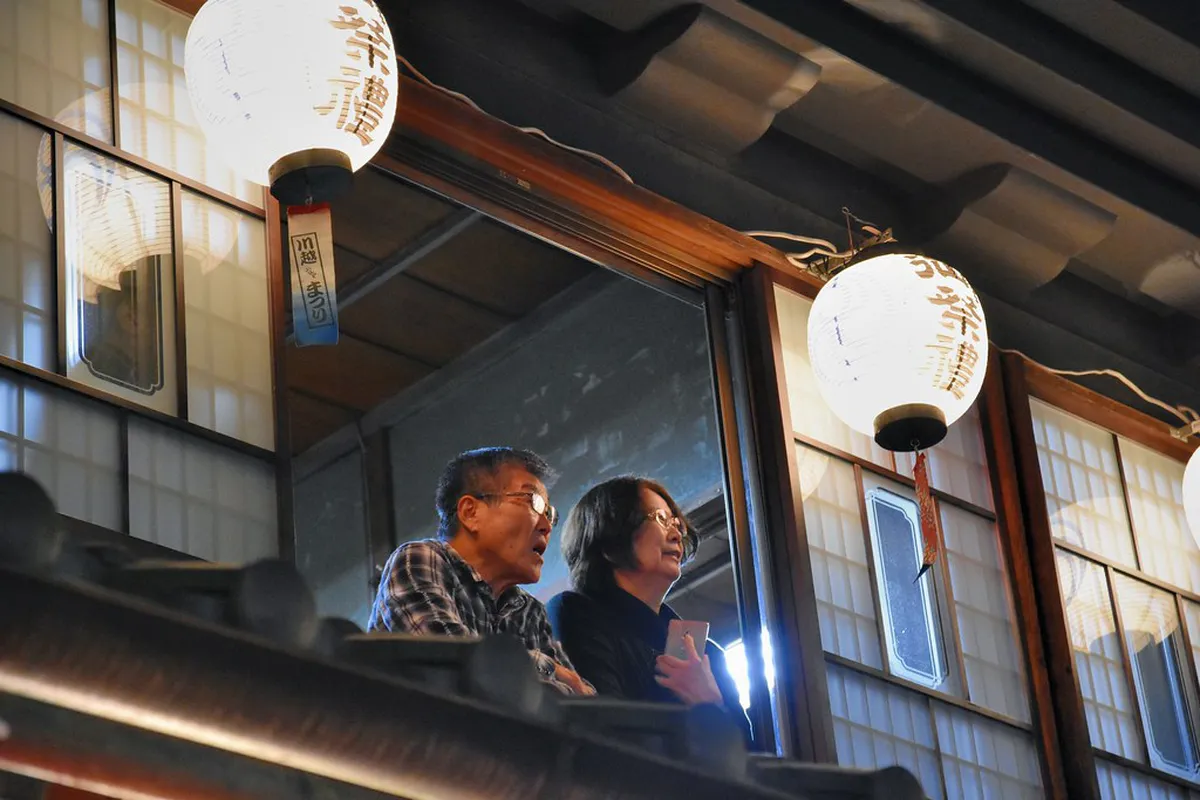
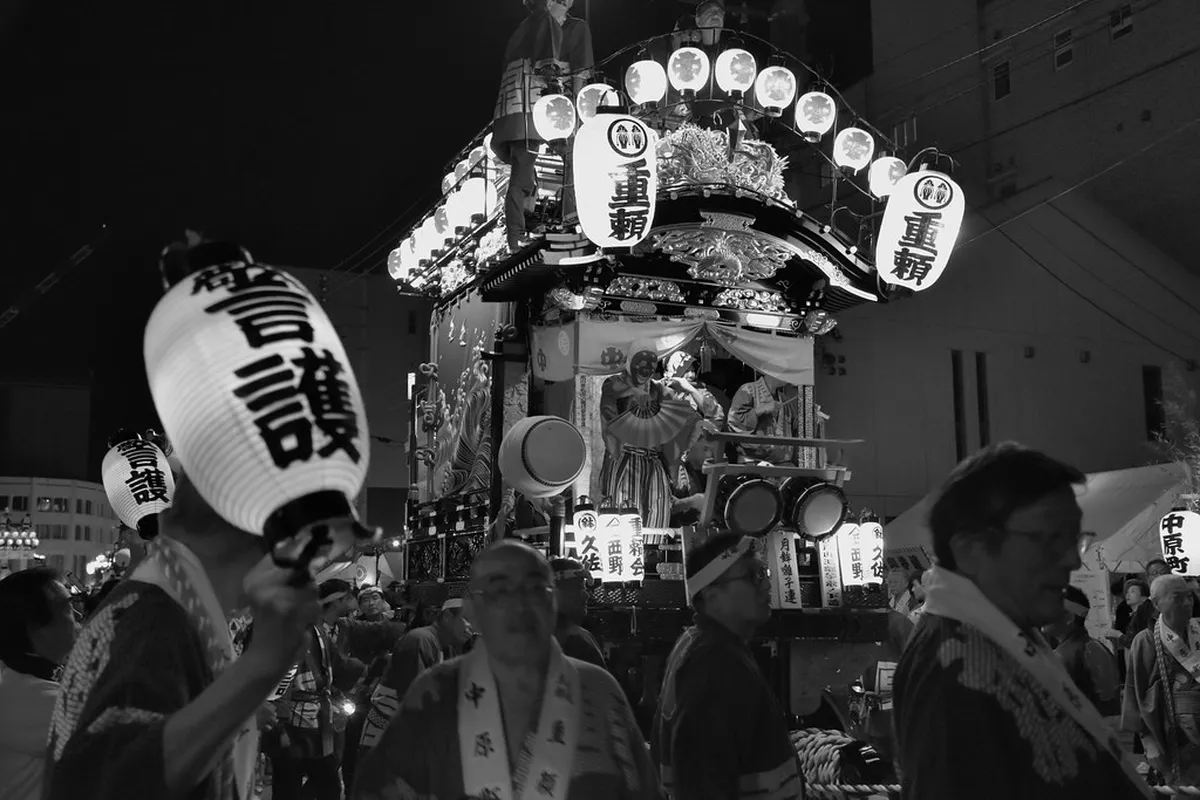
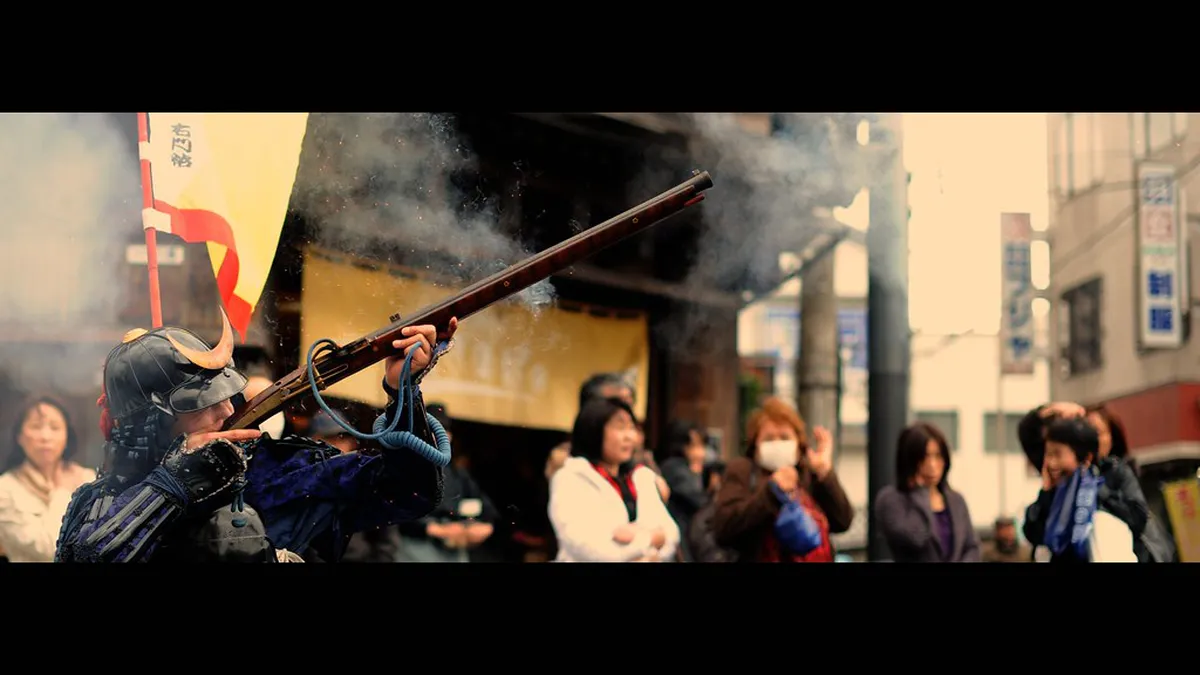
The Kawagoe Matsuri in October is the city's most important annual festival — towering floats (dashi) parade through the streets in a tradition dating to the 17th century. Hotel rooms in Kawagoe and nearby Saitama City sell out months in advance. If you want to attend, check the official festival site in August for the exact dates and special viewing-area tickets. The Kawagoe Hikawa Shrine's Enmusubi Furin Wind Chime Festival (late June to September) and the Kita-in Daruma Market (January) are two other events that bring concentrated crowds — arrive at opening time on those days.
For unagi (eel) restaurants like Ogakiku, arriving before 11:00 is not hyperbole — waits of two hours are common on busy weekend afternoons. Put your name on the list immediately on arrival, explore a nearby block while you wait, and return when called.
Pair this with our broader Kawagoe tourism attractions guide for the full city overview.
Frequently Asked Questions
Is Kawagoe worth a day trip from Tokyo?
Yes, Kawagoe is definitely worth a day trip. It offers a unique look at Edo-period architecture just 45 minutes from Shinjuku. The street food and temples provide a great cultural experience.
How much time do you need in Kawagoe?
We suggest spending five to seven hours in the city. This allows time for the main warehouse street and several temples. You can see the highlights without feeling rushed.
Is Kawagoe crowded on weekends?
Kawagoe can become very crowded on Saturdays and Sundays. We recommend visiting on a weekday to avoid long restaurant lines. Most shops remain open throughout the week.
Kawagoe is a rewarding destination for any Japan itinerary. The mix of Edo-period architecture, temple culture, and local street food makes for a full and memorable day. Arrive at Hon-Kawagoe by 09:00, start at Kita-in Temple while it is still quiet, and follow the counter-clockwise loop through the Kurazukuri Warehouse Street, Candy Alley, and Hikawa Shrine. Enjoy your walk through Little Edo.
For tickets, hours, and visitor details, see our Kawagoe attractions hub and Kita-in temple.
Free guide: Japan's Hidden Gems
12 under-the-radar places beyond Tokyo & Kyoto — with the best season to visit each and a local tip you won't find in the guidebooks.
You might also like


Continue reading
More guides you'll find useful


