

Kashiya Yokocho Kawagoe: 10 Candy Alley Shops Worth a Stop
Giant fugashi, sweet potato fries and brown sugar treats: 10 shops to try on Kawagoe's Kashiya Yokocho, a Top 100 Fragrant Landscape of Japan.
On this page
Kashiya Yokocho — known in English as Candy Alley or Penny Candy Lane — is a narrow stone-paved street in Kawagoe where the smell of baking sugar hits you before you even turn the corner. The Japanese government recognised that aroma when it designated the alley one of Japan's Top 100 Fragrant Landscapes. That is not a marketing slogan; it is a formal cultural designation awarded for the persistent scent of brown sugar, sesame, and sweet potato wafting from a cluster of family-run confectioneries that have operated here since the Meiji era.
The alley sits just 30 minutes from Tokyo by train, making it a natural addition to any Kawagoe Day Trip From Tokyo Travel Guide. Most shops open at 10:00 and close by 17:00. Prices are deliberately low — many individual snacks cost 100 yen or less — so bring cash in small denominations. This guide covers the 10 best stops in the alley, what to order at each one, and the practical details that will save you time on the ground in 2026.
Zaumon
Zaumon sits at the main-road entrance to Kashiya Yokocho on Honmachi Dori, making it the first shop most visitors encounter. It specialises in manju — small steamed cakes — baked fresh on the premises. The most popular variety is stuffed with red bean paste and Kawagoe sweet potato, and each cake is pressed into the shape of a traditional warehouse storefront (kura) that defines the city's skyline. The hand-drawn image of those storefronts on every box doubles as a ready-made souvenir wrapper.
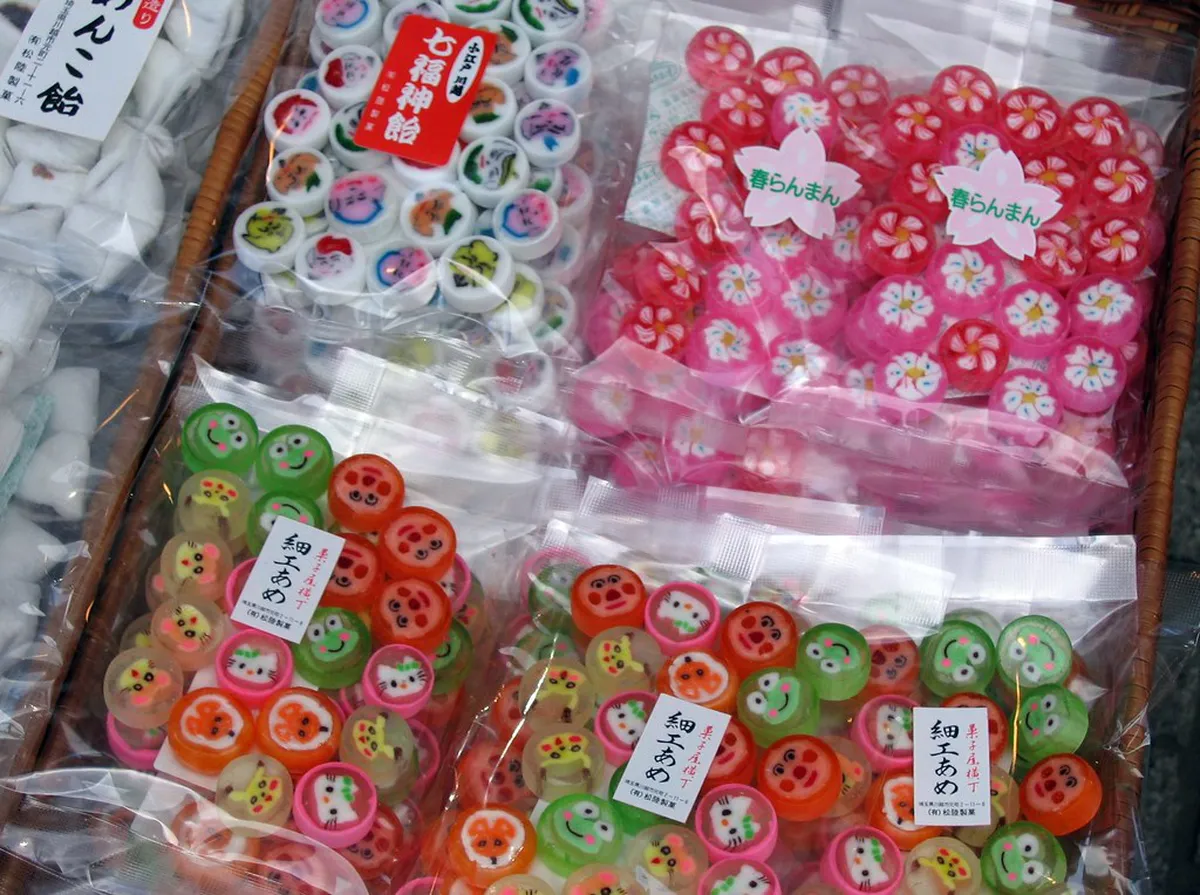
Individual manju cost between 150 and 300 yen depending on size. Eating one warm at the alley entrance, with the steam still rising, is considered the classic way to begin a walk through the top Kawagoe attractions. The sweet potato filling is subtly earthy rather than cloying, which means one or two cakes won't ruin your appetite for the shops further down the street.
Confectionery Umon Tokinokane
Umon Tokinokane is the sweet potato specialist of the alley. Their signature item is thick-cut sweet potato fries coated in a choice of salt, sesame, or sugar. Free samples are offered at the counter, and the fries have a hard, crunchy texture closer to a chip than a fast-food fry. According to the shop's own staff, an unopened bag stays fresh for at least two months, which makes them one of the more practical souvenirs to carry home in a suitcase.
An adjacent stall sells soft-serve sweet potato ice cream — a slightly purple, lightly sweet cone that pairs well with the salty fries. Prices for the fries range from roughly 400 to 600 yen depending on portion size. The shop sits close to the Toki no Kane bell tower area, so combining a visit to both in the same walk is straightforward.
Matsuriku Confectionery
Matsuriku is the most photographed shop in the alley. Stacked outside the entrance are bags of fugashi — brown sugar-coated wheat gluten bread — that can reach 95 centimetres in length, priced at around 500 yen per bag. The shape is intentionally theatrical, and the sheer size of these sticks makes them a popular comedic souvenir, though carrying a near-metre stick on a crowded train requires some planning. If portability matters, ask for the pre-cut bags of fugashi instead.
Matsuriku also makes hard candies in-house in flavours including cinnamon, mint, orange, and strawberry. The shop's most unusual offering is Sayama Cha Cola — a carbonated green tea soda produced near Kawagoe by the Sayama brand. It is sold nowhere else in the alley and tastes like a lightly herbal lemon-lime soda with a faint matcha finish. A second adjacent stand sells sweet potato ice cream identical in style to the one at Umon.
Doces Edoya de Kawagoe
Edoya is the largest single store in the alley and the most flexible shopping experience it offers. Unlike the other vendors, who sell pre-packaged goods, Edoya sells candy by the gram. Visitors pick from open tubs of gummy bears, chocolate rocks, candy hearts, dried fruit, and dried fish, weighing and mixing as they please. Individual pieces can cost as little as 20 yen. This format is the closest modern equivalent to the original dagashi culture — retro, democratic, and impossible to leave without buying something.
The shop also stocks toys and children's paper masks, which sets it apart from the purely edible inventory of its neighbours. The building is large enough to browse comfortably even when the alley outside is packed. If you are shopping for multiple people with different tastes, Edoya is the most efficient single stop for bulk variety at a low per-item cost.
Tamariki Seika
Tamariki Seika occupies a dual identity: part confectionery, part traditional medicine shop. The house speciality is Kintaro-ame, a hard candy made by stretching and rolling layers of coloured sugar paste around a central design so that every cross-section of the stick reveals a face or pattern — a technique dating to the 1800s. The name references Kintaro, a folklore hero, and the face appears no matter where you cut or bite the candy. Producing a single batch requires layering dozens of sugar ropes and rolling them in sequence over several hours.
The shop's other main product is handmade medicinal cough drops flavoured with Japanese mint and medicinal herbs — a reminder that sweets and medicine were once commercially adjacent categories in Japan. Free samples are available at the counter, and a transparent window at the back of the shop lets visitors watch and smell the candy-making process in progress. A small bag of Kintaro-ame typically costs 300 to 500 yen and travels well as a gift.
Imokoi
Imokoi is the most upscale stop on the alley. Where most of the surrounding shops sell loose dagashi for under 100 yen, Imokoi boxes its sweet potato cakes for take-home gifting, with sizes starting at 350 yen and rising to 1,000 yen for larger sets. Each item comes with a printed expiration date, which distinguishes Imokoi from the shelf-stable candy vendors nearby and signals a more premium product standard.
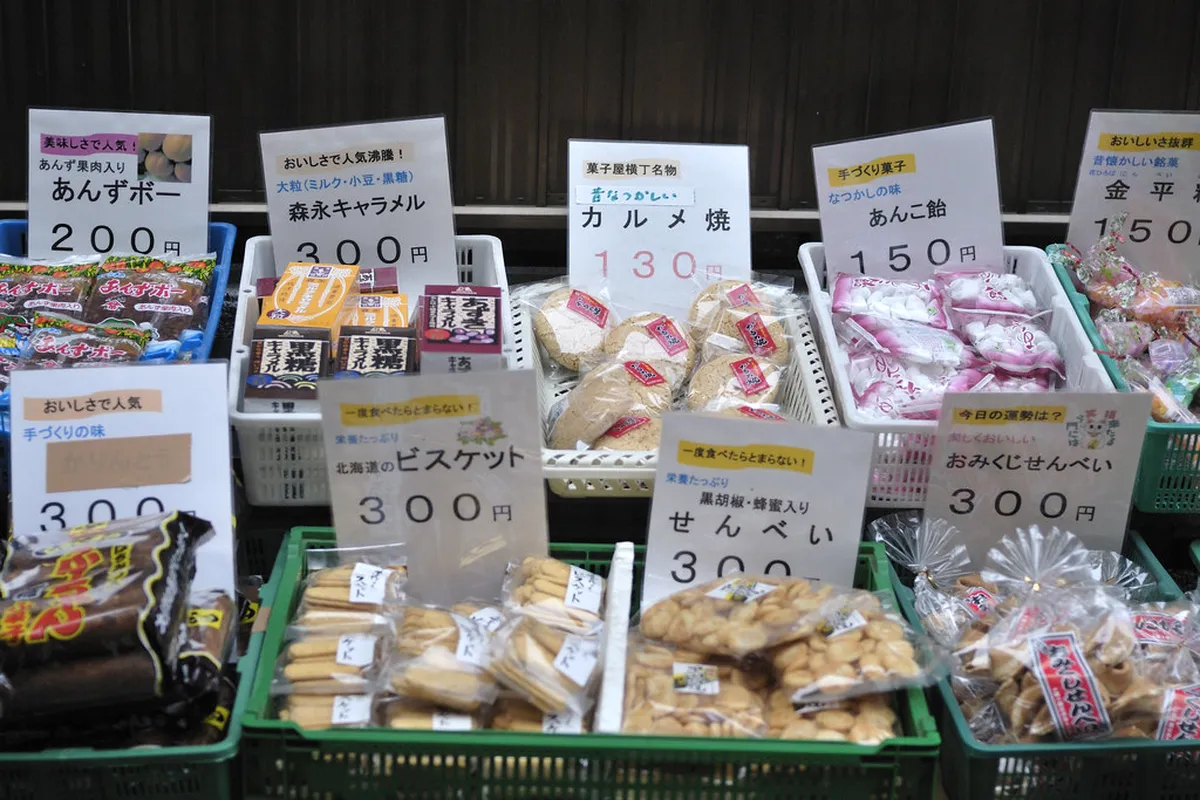
The shop also sells warabi mochi from the storefront — a soft, starchy jelly cake coated in kinako (roasted soybean powder) that has a chewy, slightly sticky texture. It is more delicate than the hard candies and fugashi that dominate the rest of the alley, and it needs to be eaten the same day. Imokoi makes a sensible last stop before heading back toward the station, since the boxed cakes are well-suited to carrying in a bag.
Matsumotoseka
Matsumotoseka is easy to identify: large sheets of dried squid printed with the legend "100 Million Yen" are displayed at the entrance as both product and spectacle. Staff will tell you the squid sheets are best paired with Asahi beer, which makes this one of the few shops on the alley that explicitly bridges the candy-and-drinking culture of old Japan. The store also sells fugashi bread and a range of flavoured puffed rice cakes in bags sized for snacking or gifting.
The interior has an old-fashioned wooden-shelf layout that deliberately evokes the atmosphere of a 1960s neighbourhood shop. Most items are priced between 200 and 400 yen. The squid sheets, despite their theatrical branding, are a genuinely popular regional snack — salty, chewy, and intensely savoury after the sweetness overload of the earlier stops.
Yoshiokaya
Yoshiokaya is the most quaint and unpretentious shop in the alley. It caters to an older crowd that remembers when dagashi shops were the centre of a child's social universe. The stock includes vintage mini sours, candy cigarettes, fake beer powder (intended for mixing with water so children could pretend to drink with adults), and other novelty items that have essentially disappeared from mainstream retail. The atmosphere inside is closer to a time-capsule museum display than a modern shop.
One practical note that most guides overlook: Yoshiokaya does not accept credit cards or digital payments such as Apple Pay or IC cards. The only accepted method is cash, deposited into a 1970s Casio register that the shop still uses daily. Bring coins and small bills before you enter. This is one of the few shops in the alley where assuming tap-to-pay works will leave you standing awkwardly at the counter.
Hokuhoku and Raku Raku
These two shops mark the southern end of Candy Alley and are effectively paired — Raku Raku is the bakery across the street from Hokuhoku, and the two share a small outdoor garden and seating area between them. Hokuhoku sells four varieties of sweet potato pie ranging from crunchy to more delicate, and the warm pies are a comfort food staple on cooler days. The shop opens slightly later than others, around 11:00, and the garden seating makes it a natural rest stop after working through the alley from the north.
Raku Raku looks and smells more like a European-style bakery than a traditional dagashi shop. The miso bread is their most requested item — slightly sweet, delicate, and made with miso sourced from a brewery in nearby Chichibu. The bakery opens from 08:00, earlier than almost every other shop in the alley, making it viable as a first stop if you arrive before the main confectionery shops roll up their shutters. Having a seat in the shared garden between the two, warm bread in one hand and a piece of sweet potato pie in the other, is the most relaxed way to end a walk through Kashiya Yokocho.
Lemonade by Lemonica
Lemonade by Lemonica is the only obviously modern business in the alley. Staff scoop lemonade from large old-fashioned jars in a format that plays on American soda-fountain nostalgia rather than Japanese Showa nostalgia — a deliberate contrast to everything else around it. The shop offers around twenty variations: original, soda, cream cheese, various fruit-infused versions, and a cola variant. Prices run from 400 to 700 yen for a large cup.
Its function is primarily as a palate cleanser. After sampling multiple types of brown sugar candy, sweet potato fries, and fugashi, a sharp, cold lemonade cuts through the sweetness effectively. The shop is open until 18:00, an hour later than most of the traditional confectioneries, so it works as a final stop before heading back toward the station. The young clientele and bright interior feel out of step with the alley's Showa aesthetic, but the drink itself serves a genuine practical purpose.
Getting to Kashiya Yokocho and Timing Your Visit
Two train lines connect Tokyo to Kawagoe. The Tobu Tojo Line departs from Ikebukuro Station and takes roughly 30 minutes to Kawagoe Station; the Tobu Railway Kawagoe Pass covers the round trip plus unlimited local bus rides and is worth buying if you plan to use the Koedo Loop Bus. The Seibu Shinjuku Line runs a direct service from Shinjuku to Hon-Kawagoe Station, which is slightly closer to the historic district. Either option costs under 1,000 yen each way on a standard IC card.
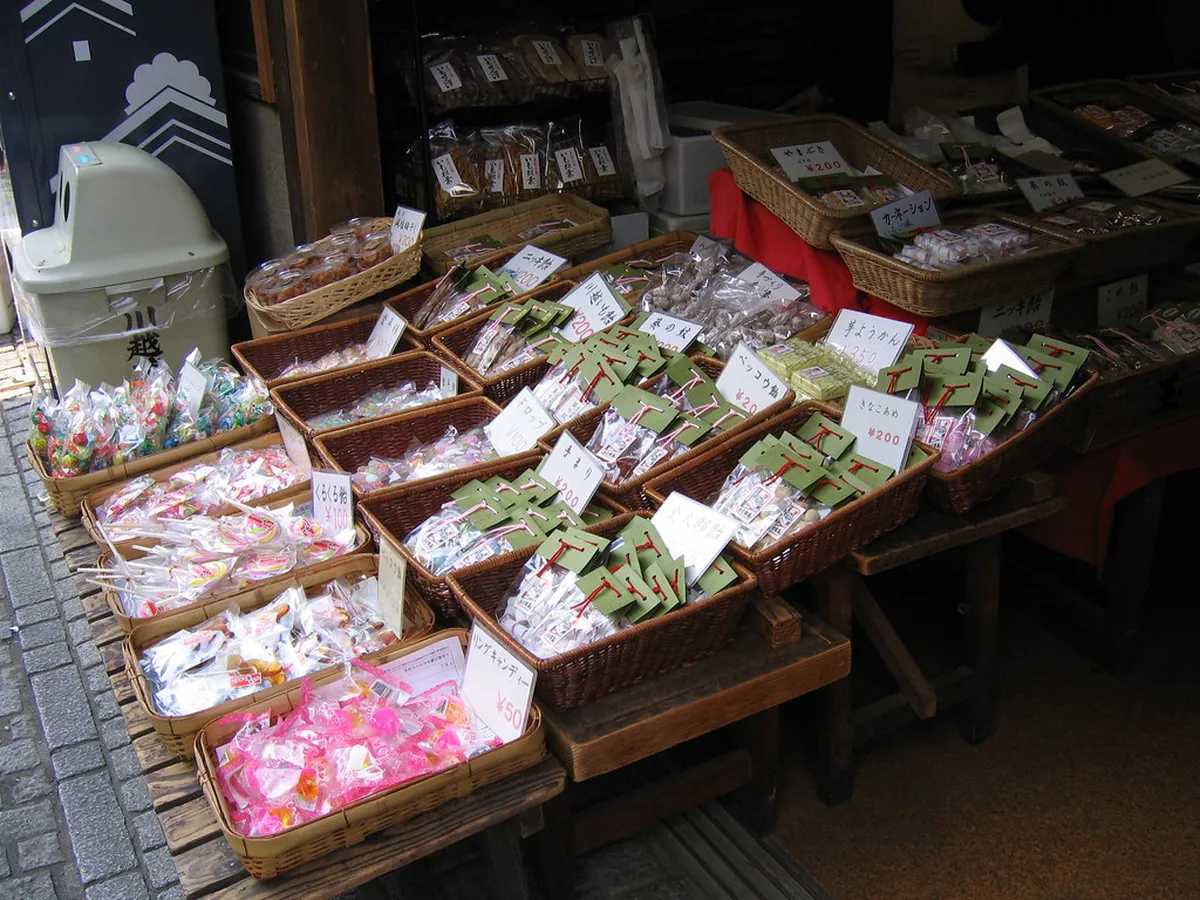
From Kawagoe Station, the walk to the alley entrance takes 20 to 25 minutes. The most rewarding route passes through the Kawagoe Kurazukuri Warehouse Street: 8 Things to Know, which lines the approach with the same dark-wood, tiled-roof architecture visible in the alley itself. Loop buses stop near the Kashiya Yokocho entrance if you prefer to save walking energy for browsing.
Timing significantly affects the experience. Weekday mornings before 11:00 are the quietest window — domestic tour groups and school trips dominate weekend afternoons and can reduce the alley to a standstill. Most shops open at 10:00 and close at 17:00, so an 09:30 arrival positions you to reach the alley just as shutters are going up. Avoid mid-August peak heat if possible; the stone-paved lane offers no shade and very little airflow on humid summer afternoons.
Frequently Asked Questions
Is Kashiya Yokocho worth visiting?
Yes, Kashiya Yokocho is worth visiting for its unique nostalgic atmosphere and affordable traditional snacks. It offers a rare sensory experience as one of Japan's Top 100 Fragrant Landscapes. Most visitors find the combination of history and street food highly rewarding.
What sweets are famous in Kashiya Yokocho?
The alley is most famous for giant fugashi, which is brown sugar-coated wheat gluten bread. Other staples include Kintaro-ame handmade candies and various sweet potato treats like fries and manju. These items reflect the traditional 'dagashi' culture of the Edo and Showa periods.
How do I get to Candy Alley from Kawagoe Station?
You can reach Candy Alley by walking approximately 20-25 minutes north from Kawagoe Station. Alternatively, take the Koedo Loop Bus and get off at the Kashiya Yokocho stop. The walk is recommended as it passes through the historic warehouse district.
Kashiya Yokocho remains one of the few places in the Tokyo day-trip radius where the commercial landscape has not been rationalised into modernity. Each shop here is distinct, family-run, and selling something you cannot find in a convenience store. Budget roughly two hours to walk the alley at a relaxed pace, allocate 1,000 to 2,000 yen for snacking and a small souvenir, and arrive before 11:00 on a weekday to see it at its best.
For tickets, hours, and visitor details, see our Kashiya Yokocho visitor guide.
Free guide: Japan's Hidden Gems
12 under-the-radar places beyond Tokyo & Kyoto — with the best season to visit each and a local tip you won't find in the guidebooks.
You might also like


Continue reading
More guides you'll find useful


