

Iwaya Caves Enoshima Travel Guide
Plan iwaya caves enoshima with top picks, neighborhood context, timing tips, and practical booking advice for a smoother trip.
On this page
The Iwaya Caves sit at the far southern tip of Enoshima Island, carved into the cliffs by centuries of tidal erosion. They are the oldest part of Enoshima's sacred landscape, predating the shrines above by generations. For most visitors the walk through the dim, candlelit tunnels is the highlight of the whole island.
Two separate caverns make up the site: the First Cave runs 152 metres into the rock and the Second Cave extends 56 metres. Each has a distinct character — one meditative and gallery-like, the other anchored by a lit dragon deity statue. Together they take 30 to 45 minutes at a relaxed pace.
This guide covers what you will actually see inside, the spiritual history behind the caves, how to get there from Tokyo, admission prices, when to visit, and what to watch out for on the path down.
What You See Inside: A Journey Through Candlelight and Stone
At the entrance to the First Cave, staff hand you a small candle on a wooden holder. The tunnel is illuminated but the candle is part of the ritual — it frames the experience and gives enough additional light to read the stone carvings lining the walls. The ceiling is low in places, so tall visitors should watch their heads.
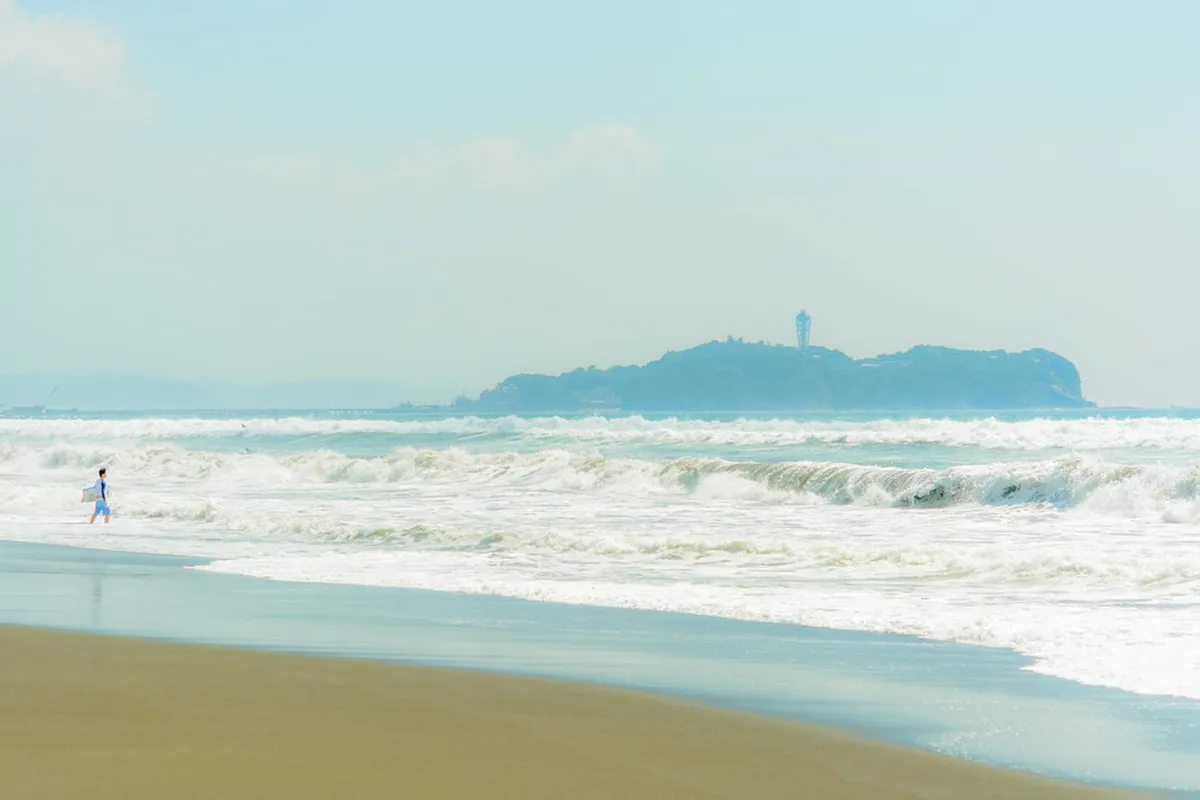
The far end of the First Cave holds ancient stone altars and Buddhist carvings thought to date from early Shugendo practice. Sound effects of dripping water and faint echoes create an atmosphere that is genuinely immersive rather than just theatrical. The gallery section along the way introduces the ukiyo-e prints and dragon legends tied to the island.
The Second Cave is shorter — 56 metres — and its focal point is an illuminated statue of the dragon deity. The lighting is dramatic and the cave opens slightly at its deepest point, which adds to the sense of discovery. Most visitors spend the most time here taking photographs.
The whole site takes about 15 minutes at a quick pace and 45 minutes if you stop to read every panel. Budget 30 minutes and you will feel unhurried. During Golden Week, Obon, and weekend national holidays, queues form at the entrance — arrive before 10:00 on those days.
Spiritual Significance and Legends
The caves trace their formal history to the mid-6th century, when Emperor Kinmei is said to have enshrined a deity here — an event treated as the founding moment of nearby Enoshima Shrine. During the Kamakura period (late 12th to early 14th century) the caves became a training ground for Shugendo practitioners, who blended Buddhist devotion with mountain asceticism. A reference in the Azuma Kagami records that Minamoto no Yoritomo prayed at the caves before his campaigns, cementing their role in samurai-era spiritual life.
The most enduring legend is the five-headed dragon. According to the tale, a fierce dragon terrorised the inhabitants of the Kamakura area for ten years until a heavenly maiden descended from the sky and Enoshima itself rose from the sea. The dragon, transformed by her presence, pledged to protect the island rather than harm it. The story lives in the cave's décor, the dragon shrine along the approach path, and the Ryuren no Kane (Bell of the Dragon's Love) near the clifftop — which couples ring to symbolise enduring love.
That spiritual thread explains why the caves feel different from purely geological attractions. The combination of Shinto, Buddhist, and local folk legend layers on top of one another, and the candlelit format reinforces the sense of entering a still-active ritual space rather than a historical exhibit.
Access, Opening Hours, and Admission
The caves are located at 2 Enoshima, Fujisawa City, Kanagawa 251-0036. Opening hours run 09:00–17:00 generally, though the caves adjust for seasonal daylight and close or shorten hours during typhoons and rough weather — check the Fujisawa official tourism site before travelling in autumn. Admission is ¥500 for adults (junior high school age and above) and ¥200 for elementary school children. Groups of 20 or more receive a 20% discount.
From Tokyo the standard route is the Odakyu Line from Shinjuku to Katase-Enoshima Station (about 60–70 minutes on a local train, faster on the limited express Romancecar, which has reserved seats and avoids standing for the whole journey). From Katase-Enoshima it is a 35-minute walk through the island's shopping street and uphill paths to reach the caves at the far end. The escalators inside the island's middle section (¥200 one-way, or ¥700 combined with the Sea Candle observation deck) save your legs for the final descent to the caves.
A quicker option for the last stretch is the Bentenmaru ferry, which crosses from the main Enoshima pier to a landing point near the caves in about 10 minutes. It is especially useful on the return trip when you have already walked the full island route. Check the Discover Fujisawa website for current ferry schedules.
Best Time to Visit
Weekday mornings are the most peaceful. Aim to reach the cave entrance by 09:30 and you will often be among the first visitors. The atmosphere inside is noticeably different when there are fewer people — the sound effects carry better and the candle feels less performative.
Autumn and winter mornings offer a secondary reward: crisp, clear days are the best chance of seeing Mount Fuji from Chigogafuchi, the rocky promontory just beyond the cave exit. The view appears most often between November and February when the air is dry. Summer visits are feasible but expect more crowds and the caves stay cool, which is a relief on hot days.
Around sunset the approach path and Chigogafuchi cliffs turn photogenic. If you plan an evening visit, note that the last entry is around 16:00–16:30 (the caves close at 17:00). The descent toward Iwaya Bridge after dark is not advised — the path is steep and exposed. Head back to the island's main area before the light goes fully.
What No One Warns You About: Wind, Waves, and Low Ceilings
The coastal path between the Samuel Cocking Garden and the cave entrance is exposed to strong sea winds channelled by the island's cliffs. On windy days — common in autumn and spring — the gusts are strong enough to unbalance you on the descent stairs. Wear a hat with a strap or a hooded jacket, and put away anything loose before you start the walk down.
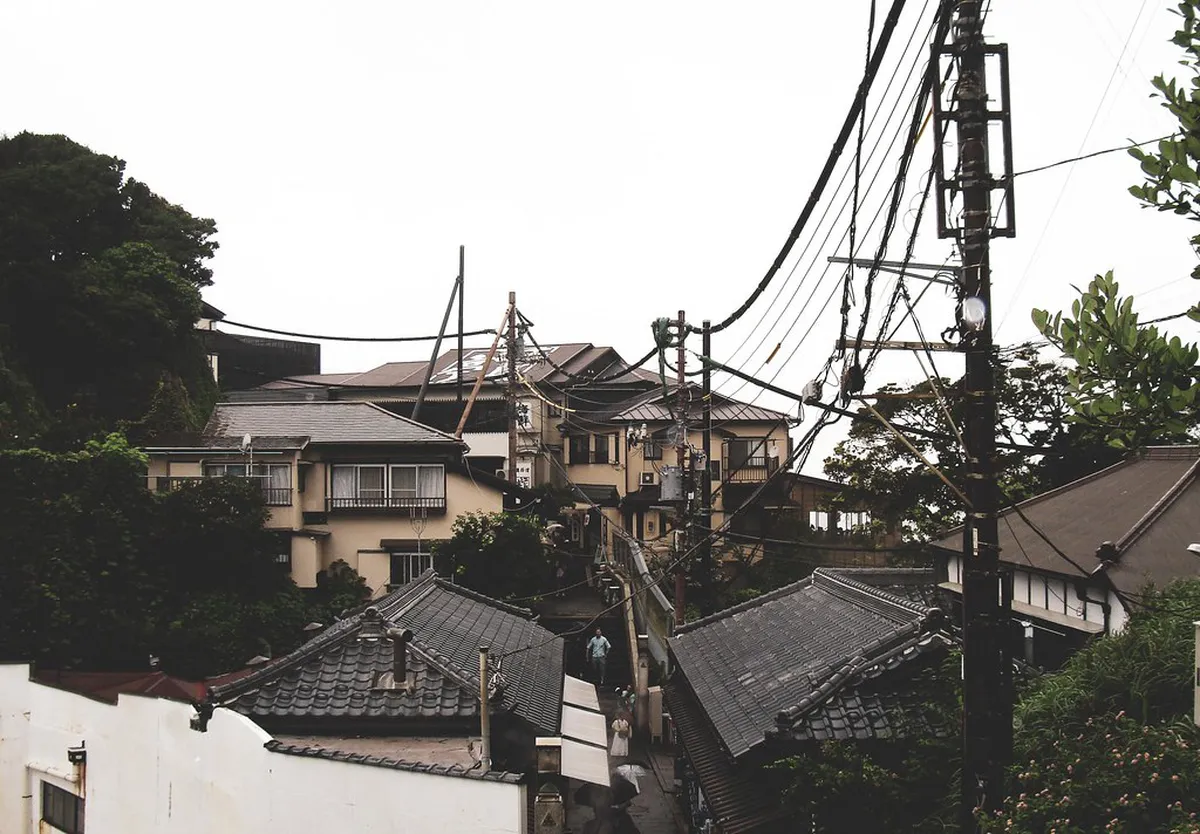
At Iwaya Bridge, just outside the cave entrance, wave splash is a real hazard. The low platform sits close to the waterline and larger waves break over it without warning. Visitors have been soaked by rogue waves here, particularly in rougher weather or at high tide. Keep bags elevated and wear footwear you do not mind getting wet. This is the one part of the Enoshima visit where waterproof gear genuinely earns its place.
Inside the First Cave, the ceiling drops in several sections. The low areas are not tight enough to cause panic but tall visitors should bend through them rather than look straight ahead. The stone is uneven underfoot in places — wear shoes with grip rather than sandals or slip-ons.
Nearby Attractions: Sights and Shrines Within Walking Distance
Chigogafuchi (稚児ヶ淵), the rocky coastal platform immediately beyond the cave exit, is the best viewpoint on the island. The sea stacks and wave-cut ledges stretch out at water level and the panorama toward Mount Fuji is unobstructed on clear days. There is no admission fee and it takes about five minutes to walk there from the cave entrance.
The Enoshima Shrine Travel Guide complex is a 20-minute uphill walk back toward the island's centre. The three sub-shrines — Hetsunomiya, Nakatsunomiya, and Okitsunomiya — trace the island from base to summit and each has a different patron deity. Okitsunomiya, the one closest to the caves, is dedicated to Tagirihime no Mikoto and receives the fewest visitors despite being the most atmospheric.
Ryuren no Kane (龍恋の鐘), the Bell of the Dragon's Love, sits on a clifftop terrace near the descent path. Couples attach padlocks to the surrounding fence and ring the bell together. It is a brief stop but the coastal views from the terrace justify the detour even for solo visitors. The Enoshima Sea Candle Travel Guide observation tower, back toward the island entrance, offers 360-degree views and is worth combining if you are spending a full day on the island.
Family and Budget Planning
The cave admission at ¥500 per adult and ¥200 per child is one of the cheaper paid attractions on Enoshima, making it a good anchor for a budget day trip. Chigogafuchi just beyond the exit is free. The main cost variable is how many escalators and observation decks you add — the ¥700 escalator-plus-Sea Candle combo is reasonable value if you are with children who will struggle with the uphill sections.
For families, the Enopass bundles the escalators, the Samuel Cocking Garden, and the Sea Candle into one ticket and can save money over separate entries. The caves are not included in the Enopass and must be paid separately, so factor that in when comparing options.
Young children find the candlelit First Cave exciting rather than frightening — the lighting is sufficient to see clearly and the candle is small and safe. The low sections are fine for children who do not need to stoop. The main challenge for families is the walk itself: the island involves a lot of stairs and uneven stone paths, so a pram or pushchair is not practical beyond the main shopping street.
Local Food Near the Caves
Shirasu (whitebait) is Enoshima's signature dish. You will find shirasu rice bowls (shirasu-don) at dozens of restaurants along Nakamise-dori, the main shopping street, with prices typically running from ¥1,200 to ¥1,800. Many of these places close their kitchens by 15:00 on quieter weekday afternoons, so eat before heading down to the caves rather than relying on a meal after.
Enoshima octopus crackers (tako senbei) are the standard street snack — pressed flat in front of you on a hot iron for about ¥600. They are sold from stalls near the island entrance and are a good option if you want something quick before the walk. The caves area itself has no food stalls — the last shops are near the Ryuren no Kane bell, about five minutes back from the entrance.
Seasonal illumination events at the caves — typically held in winter — sometimes include evening food stalls near Chigogafuchi. Check the Discover Fujisawa calendar if you are visiting between November and February, as these events extend opening hours and significantly change the cave atmosphere.
How to Plan the Day
Leave Tokyo no later than 09:00 to be on the island by 10:30. The Romancecar limited express from Shinjuku is worth the small surcharge if you want a guaranteed seat for the 60-minute journey. From Katase-Enoshima Station, follow the main approach road across Benten Bridge and up through the shopping street. Take the escalators (¥200) to save energy for the walk to the caves.
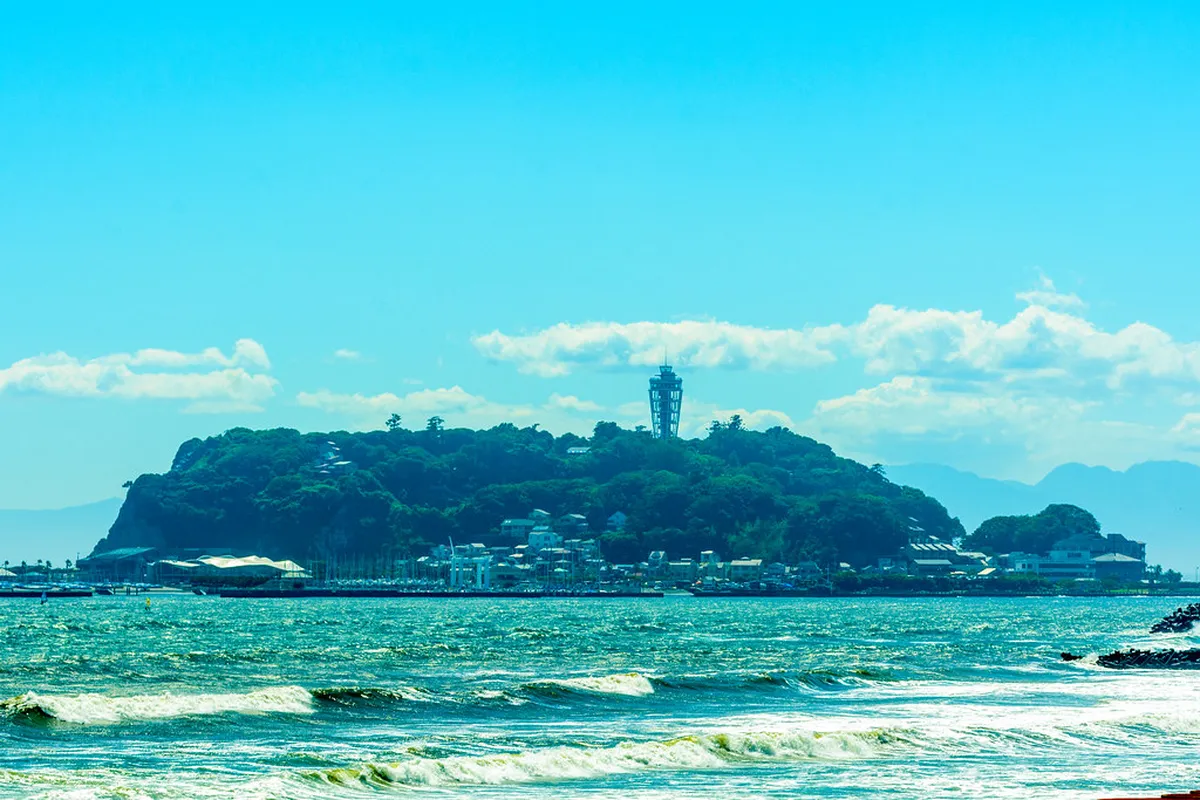
Spend the middle part of the day on the caves and Chigogafuchi — roughly 11:00 to 13:30. Have lunch at one of the shirasu restaurants on Nakamise-dori before or after. The return trip takes 35 minutes on foot or 10 minutes by Bentenmaru ferry from the cave-side pier. Consider the ferry for the return if your legs are tired from the descent stairs.
The Enoshima Day Trip From Tokyo Travel Guide guide covers the full island itinerary including the Sea Candle and aquarium for those staying the whole day. The caves are the furthest point on the island from the entrance, so they work best as the turning point of a morning loop rather than a quick bolt-on at the end of the day when light is already fading.
Frequently Asked Questions
Are Iwaya caves worth it?
Yes, the Iwaya Caves are definitely worth visiting for their unique blend of natural beauty and spiritual history. They offer a peaceful escape and a glimpse into ancient Japanese folklore. The scenic coastal views nearby further enhance the experience, making it a memorable stop.
How long do Iwaya caves take?
A visit to the Iwaya Caves typically takes about 30 to 45 minutes for a thorough exploration. If you are pressed for time, you can quickly walk through both caves in about 15 minutes. However, allowing more time lets you appreciate the details and ambiance fully.
Why is Enoshima famous?
Enoshima is famous for its picturesque island charm, numerous shrines, and beautiful coastal views. It is also known for its historical caves, the Enoshima Sea Candle, and delicious local seafood like shirasu. The island makes for a popular day trip destination from Tokyo, offering a mix of nature, culture, and cuisine.
What is the largest cave in Japan?
While the Iwaya Caves are significant, the largest cave system in Japan is Ryusendo Cave in Iwate Prefecture. Ryusendo Cave is renowned for its vast underground lakes and impressive limestone formations. It offers a much larger and more extensive subterranean experience compared to the coastal grottoes of Enoshima.
The Iwaya Caves Enoshima offer a compelling journey into nature, history, and legend. These ancient sea grottoes provide a unique experience on Enoshima Island. They stand as a testament to both natural forces and spiritual devotion.
Planning your visit with insights on timing, access, and nearby attractions ensures a fulfilling trip. Combine the caves with other island wonders like Enoshima Shrine and Chigogafuchi for a complete experience. Remember to wear comfortable shoes for exploring.
Whether you are a history buff, nature lover, or family traveler, the Iwaya Caves promise an enriching adventure. They remain a sacred coastal gem that truly stays with you. This makes Enoshima a must-visit destination in Japan.
For tickets, hours and visitor details, see our Iwaya Caves Visitor Guide: Plan Your Trip to Enoshima's Ancient Sea Grottoes and Enoshima attractions hub.
Free guide: Japan's Hidden Gems
12 under-the-radar places beyond Tokyo & Kyoto — with the best season to visit each and a local tip you won't find in the guidebooks.
You might also like


Continue reading
More guides you'll find useful

