

Enoshima Sea Candle Travel Guide
Plan enoshima sea candle with top picks, neighborhood context, timing tips, and practical booking advice for a smoother trip.
On this page
The Enoshima Sea Candle is the defining landmark of Enoshima Island — a lighthouse observation tower that rises 59.8 meters from the garden floor and 119.6 meters above sea level. From its open-air terrace you get a full 360-degree sweep: Mount Fuji to the west, the Izu and Boso Peninsulas in the distance, and on clear winter days even Tokyo Skytree to the north. This guide covers what to see, how to reach the top, the best times to go, local food worth stopping for, and the attractions within easy walking distance.
Must-See Enoshima Attractions
The Sea Candle sits inside the Samuel Cocking Garden (江の島サムエル・コッキング苑) at the island's summit. The garden is a botanical mix of Japanese and tropical plantings that bloom through all four seasons. Entry to the garden is bundled with the tower ticket, so you are essentially getting a guided walk through the grounds before you ascend. Allow at least 15 minutes to wander the garden paths before queuing for the observation decks.
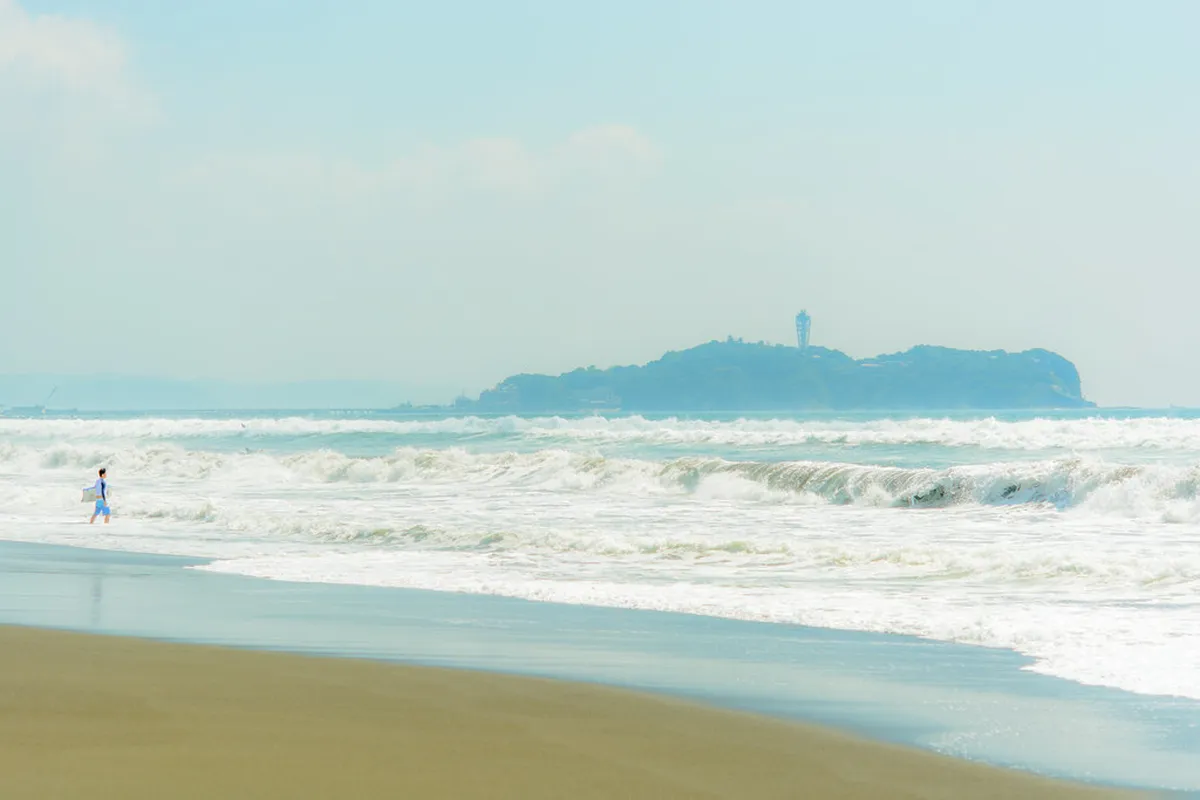
A few minutes downhill from the garden entrance, the Enoshima Shrine Travel Guide complex spans three separate shrines dedicated to the sea goddess Benzaiten. The approach through the covered Nakamise shopping street, with its stalls of dried shirasu and grilled squid, is as much a part of the experience as the shrines themselves. Budget 30–40 minutes for the shrine complex.
At the far western tip of the island, the Iwaya Caves are ancient sea caves carved by wave action, with historical carvings and lantern-lit passages. The 20-minute walk from the garden to the caves runs along the cliff edge past Chigogafuchi, a rocky plateau that frames stunning westward sea views. The caves charge a separate small entrance fee but are worth the detour if you have a full afternoon on the island.
Scenic Highlights: Architecture, Nature and Views
The Sea Candle was built in 2003, replacing a postwar "Peace Tower" that had stood since 1951. Its slim, candle-like profile was the result of a public design competition, and the nickname itself was chosen by popular vote in 2010. The structure is Japan's largest privately owned lighthouse, and its beacon — one of the most powerful among privately operated coastal lights — is still active.
Inside, two viewing levels serve different purposes. The enclosed deck sits at 101.56 meters above sea level and is climate-controlled, making it comfortable even in winter wind. The open-air terrace above it is where the 360-degree panorama opens fully: Mount Fuji to the west-northwest, the Tanzawa mountains inland, the Miura and Izu Peninsulas stretching south, and Yokohama Landmark Tower to the north. Photographers regularly visit in winter for the sharpest air and the widest mountain visibility.
At night the tower's beacon illuminates the Shonan coastline, and the Samuel Cocking Garden is lit with colour-changing LEDs. The experience after dark is noticeably different from the daytime visit — quieter crowds, a warmer colour palette from the lighting, and the beacon itself cycling overhead.
Access and Opening Hours
The Sea Candle is located at 2-3-28 Enoshima, Fujisawa City, Kanagawa — inside the Samuel Cocking Garden. From Katase-Enoshima Station (Odakyu Line) it is 1.1 km on foot. From Enoshima Station (Enoden Line) it is 1.5 km, and from Shonan-Enoshima Station (Shonan Monorail) it is 1.6 km. All three stations are within 20 minutes of central Kamakura or Ofuna by train.
To reach the garden entrance from the island's base you have two options. The stone steps take roughly 20 minutes and are free. The Enoshima Escar — a four-section outdoor escalator system 106 meters long with a total elevation gain of 46 meters — takes about 4 minutes and costs ¥250 for the full route. The Escar is worth the fee if you are visiting with young children, older travelers, or anyone who wants to save energy for the walk back down along the cliff path.
Standard admission to the Samuel Cocking Garden and Sea Candle tower is ¥800 for adults (junior high school age and above) and ¥400 for children (elementary school age). The tower is open 09:00–20:00 with last entry at 19:30. Hours are consistent year-round but the garden may close early during severe weather. Pets are admitted only if fully enclosed in a bag, carrier, or stroller and must not be placed on the ground inside the facility. Two restrooms are located inside the garden, one of which includes an ostomate-accessible multipurpose facility. Check the official website for any seasonal hour changes before visiting.
Best Times to Visit
Clear winter days between December and February give the sharpest views of Mount Fuji because the drier air reduces haze. This is also when the "Shonan no Hoseki" (Jewel of Shonan) winter illumination runs from late November through mid-February, consistently ranked among the top three Kanto illuminations and designated a Night View Heritage of Japan. Evening visits during the illumination period draw significant crowds on weekends and public holidays, so expect 30–45 minutes of queuing if you arrive after 17:00 on those dates.
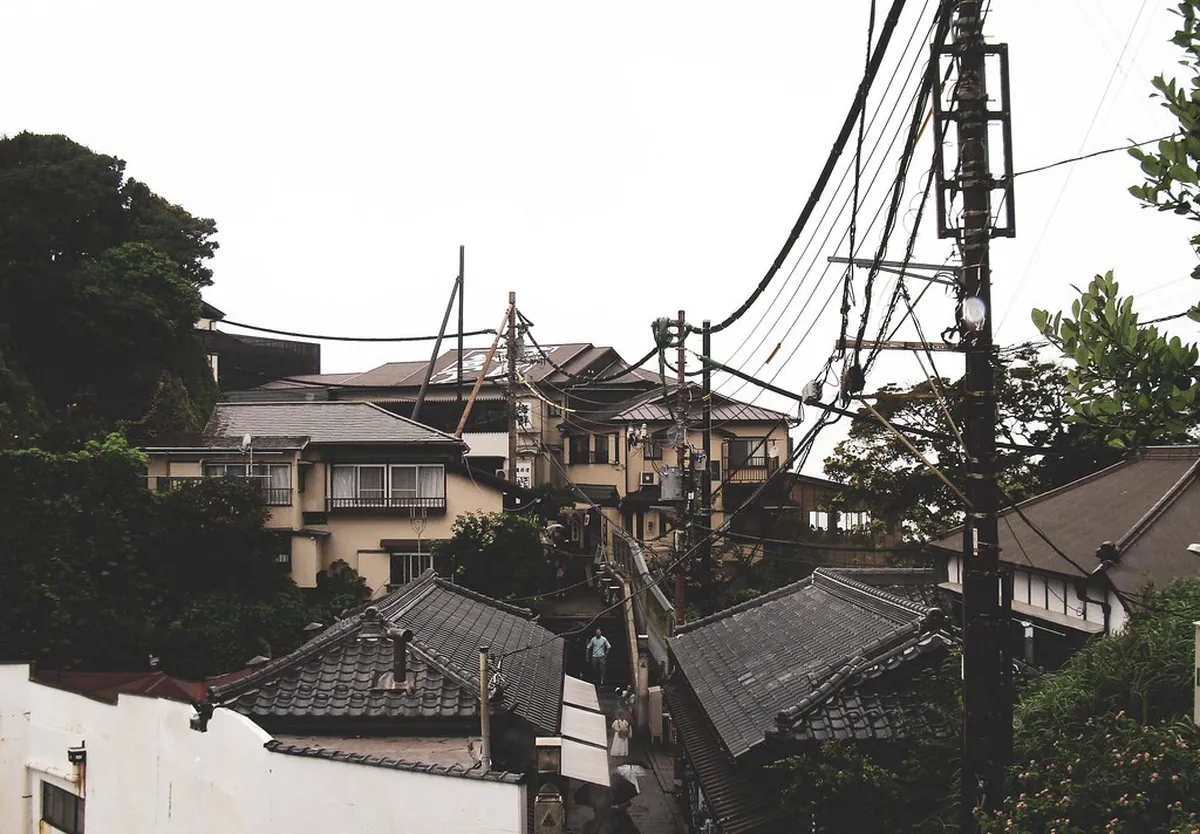
A specific window that no visitor guide fully explains is the Diamond Fuji phenomenon. Twice a year — roughly mid-January and late November — the sun sets in perfect alignment with Mount Fuji's peak as seen from the Sea Candle's sunset terrace. The sun appears to balance on the summit like a jewel, then slides down the mountain's silhouette. The exact dates shift by a few days each year depending on atmospheric conditions, but the mid-January window (around 13–17 January) and the late November window (around 24–28 November) are the reliable targets. Late November coincides with the start of the illumination season, making it the single best week of the year to visit if your schedule allows.
Autumn (October–November) is the next best choice: lower humidity than summer, comfortable walking temperatures, and foliage colour in the garden. Summer weekends are the busiest period; if you visit July–August, arrive before 09:00 or plan an evening visit to avoid peak heat and crowds. Spring cherry blossom season (late March–early April) is beautiful but the island is exceptionally crowded — allow extra time for queuing and expect slower progress along the main shopping street.
Local Treats and Unique Experiences
At the base of the Sea Candle tower, THE SUNSET TERRACE offers plush sofa seating with direct sightlines to the ocean and Mount Fuji. This is the dedicated viewing point for Diamond Fuji and is one of the few spots on the island where you can sit outdoors comfortably during sunset. Grab a seat 30–40 minutes before dusk on clear winter evenings.
Shirasu-don — a bowl of rice topped with fresh raw or boiled whitebait — is the essential Enoshima dish. The whitebait is caught locally in Sagami Bay and the freshest restaurants serve it only during the shirasu season (roughly March to December; the fishing season closes in January and February). Many places on the main Benzaiten Nakamise shopping street serve shirasu, and several have seats by upstairs windows with views over the approach to the shrine. Expect to pay ¥1,000–1,500 for a basic shirasu-don set.
Sweet potato soft serve and steamed sweet potato snacks are sold by street vendors near the garden entrance. Enoshima's sweet potato association with the island goes back centuries and the roasted version is a popular takeaway for the walk to the caves. The island's street food scene is compact enough to sample several items in a single afternoon without committing to a sit-down meal.
The Sea Candle also has a strong anime connection that brings a different category of visitor. The tower and its surrounding streets appear prominently in "Tari Tari" (2012) and form key scene locations in "Rascal Does Not Dream of Bunny Girl Senpai" (2018), the latter of which has driven a sustained increase in younger visitors doing scene recreations on the approach path and at the base of the tower. If you visit on a weekend you will typically see groups comparing reference photos — a small but distinctive layer of the island's current visitor culture.
Nearby Spots to Explore on Foot
The Samuel Cocking Garden wraps directly around the Sea Candle and is the logical starting or ending point of any island walk. From the garden gate you can descend the stone path toward the main Enoshima Shrine Travel Guide complex, which consists of three separate sanctuaries — Hetsumiya, Nakatsumiya, and Okitsumiya — each dedicated to one of the three Benzaiten sisters. The dragon legends associated with the shrine are displayed in panel boards at each sanctuary and add context to the island's coastline mythology.
Continuing west past the third shrine brings you to Chigogafuchi, a rocky volcanic plateau at sea level where the wave action is dramatic during high swells. This is the best sunset viewpoint on the island for people who don't want to pay the tower admission — the sightlines to the southwest are unobstructed. A narrow stone staircase connects Chigogafuchi to the upper cliff path.
The Iwaya Caves at the island's western tip are a 10–15 minute walk from Chigogafuchi. The caves stretch around 150 meters into the cliff and are lit by paper lanterns that visitors carry. The inner chamber has a small shrine. Allow 30–40 minutes for the caves and factor in the return climb back up to the main island path.
Hotels near Enoshima Sea Candle
Staying on or immediately adjacent to Enoshima Island is the one way to experience the Sea Candle at its quietest — early morning before day-trippers arrive from Tokyo, or late evening after the last trains leave the island. A handful of small ryokans and guesthouses operate on the island itself, typically in the ¥10,000–20,000 per person per night range with dinner and breakfast included.
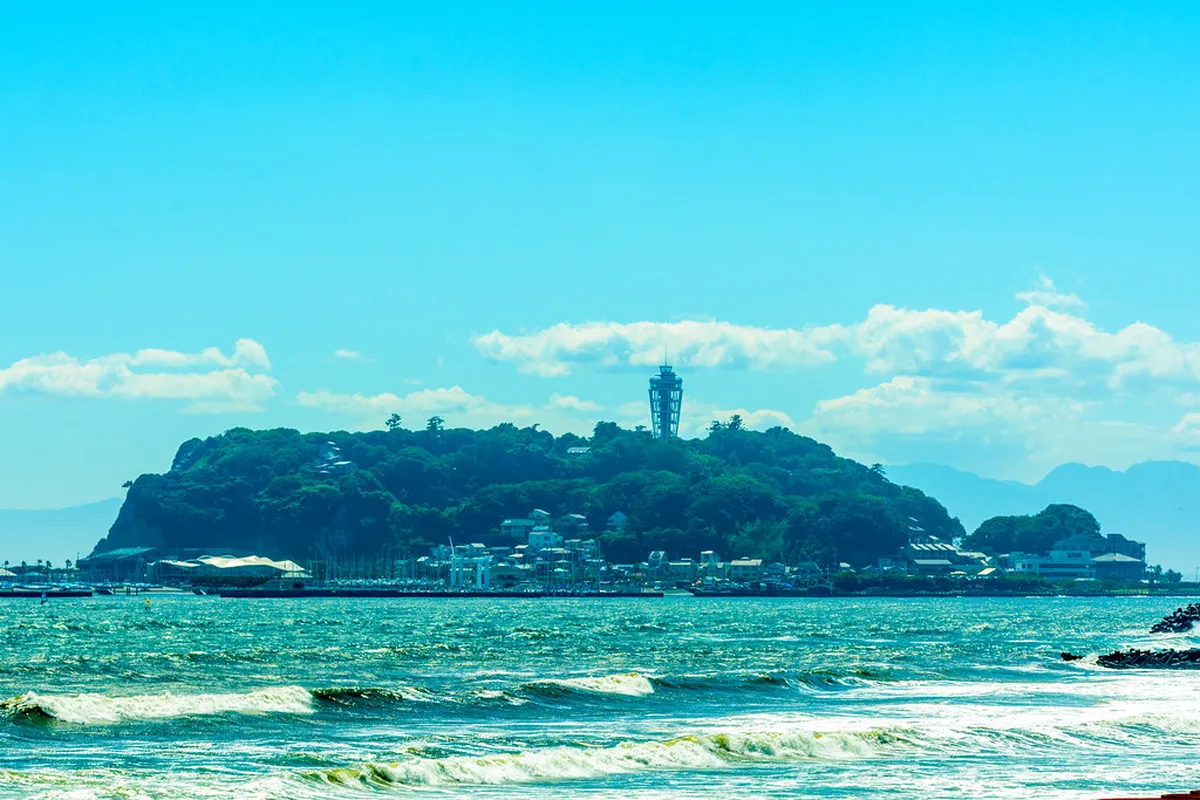
The Fujisawa and Katase-Enoshima areas on the mainland are the most practical base for most visitors. Katase-Enoshima Station is a 15–20 minute walk across the causeway to the island's entrance, and the surrounding streets have a wider range of hotels at mid-range prices. Business hotel chains in Fujisawa Station area (5 minutes by Odakyu from Katase-Enoshima) tend to have the best value-per-night, with rooms typically ranging from ¥7,000–12,000.
If you are combining Enoshima with Kamakura — which is 25 minutes by Enoden Line — Kamakura's Hase and Yuigahama areas put you equidistant between both destinations. Ocean-view guesthouses near Yuigahama beach book up fast in summer, so reserve at least two weeks in advance for July and August weekends. For the winter illumination period, book accommodation by mid-November as dates within the "Shonan no Hoseki" event schedule sell out quickly.
Frequently Asked Questions
Is Enoshima Sea Candle worth it?
Yes, the Enoshima Sea Candle is definitely worth visiting for its unparalleled panoramic views. On clear days, you can see Mount Fuji, Sagami Bay, and even the Izu Peninsula. The tower also offers beautiful illuminations during winter. It is a highlight of any Enoshima trip.
What is an Enoshima Sea Candle?
The Enoshima Sea Candle is an observation lighthouse and a major landmark on Enoshima Island. It stands 59.8 meters tall from the ground, reaching 119.6 meters above sea level. It provides 360-degree views from both an enclosed deck and an open-air terrace.
Do you need tickets for Enoshima Sea Candle?
Yes, you need a ticket to enter the Samuel Cocking Garden and access the Enoshima Sea Candle observation decks. You can purchase tickets at the entrance or consider an Enoshima 1-Day Passport for bundled access to multiple attractions. Check the official website for current prices and operating hours.
What anime is the Enoshima Sea Candle in?
The Enoshima Sea Candle has appeared in several anime series and manga. It is notably featured in 'Tari Tari' and 'Rascal Does Not Dream of Bunny Girl Senpai.' Its distinctive silhouette makes it a recognizable backdrop for many fictional stories set in the Shonan area.
The Enoshima Sea Candle offers an unforgettable experience for every visitor to Enoshima Island. Its stunning panoramic views, rich surrounding attractions, and vibrant local culture make it a true highlight. Planning your visit with these tips ensures a smooth and enjoyable adventure.
From historical shrines to delicious local treats, Enoshima has something for everyone. The Sea Candle serves as a perfect starting point for exploring this beautiful Japanese island. We hope this guide helps you create lasting memories. Enjoy your journey to the Enoshima Sea Candle.
For tickets, hours and visitor details, see our Enoshima Sea Candle Visitor Guide & Day Trip Itinerary and Enoshima attractions hub.
Free guide: Japan's Hidden Gems
12 under-the-radar places beyond Tokyo & Kyoto — with the best season to visit each and a local tip you won't find in the guidebooks.
You might also like


Continue reading
More guides you'll find useful

