

Enoshima Day Trip From Tokyo Travel Guide
Plan enoshima day trip from tokyo with top picks, neighborhood context, timing tips, and practical booking advice for a smoother trip.
On this page
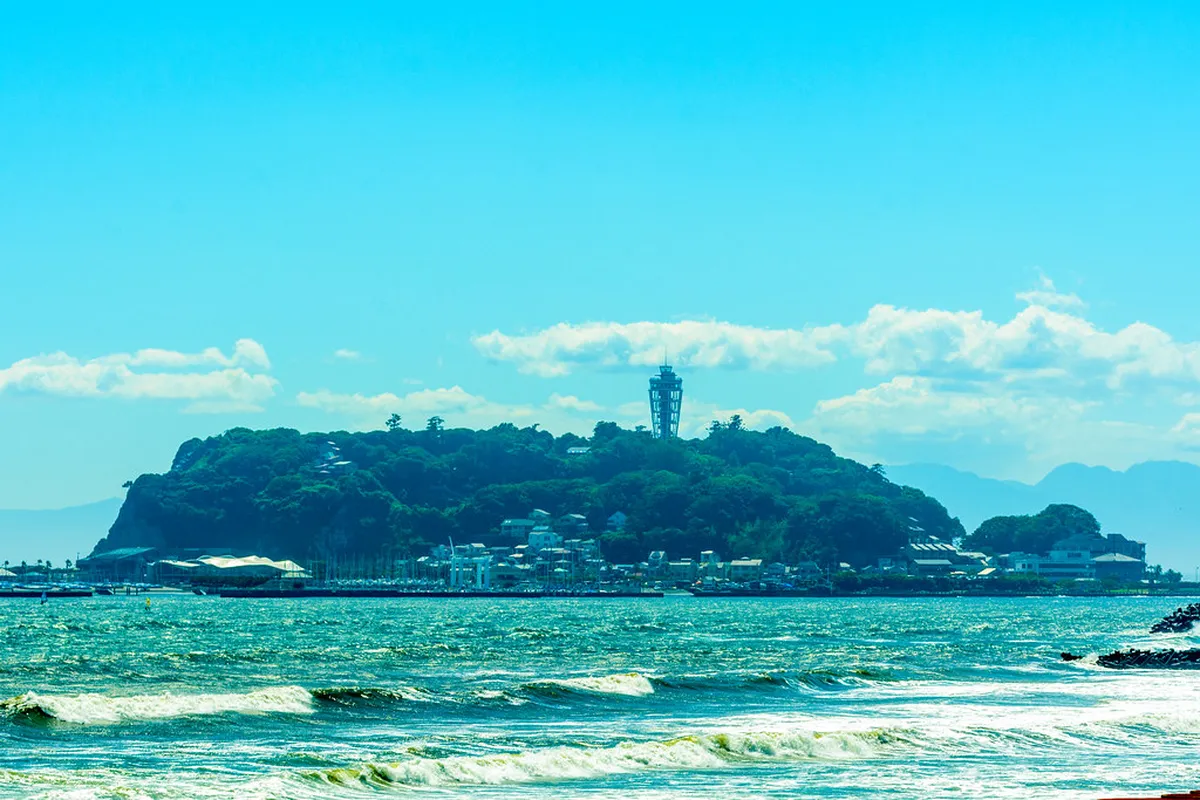
Enoshima is a small island about 50 km southwest of central Tokyo, connected to the mainland by a pedestrian causeway. It packs a lot into a compact space — three Shinto shrines, a botanical garden, sea caves, a lighthouse observation tower, and a clutch of seafood restaurants. The journey from Shinjuku takes roughly 1 hour 15 minutes and the island is entirely walkable, making it one of the more satisfying half-day or full-day escapes from the city.
This guide focuses on the Odakyu Enoshima Line route from Shinjuku — the fastest and cheapest way to get there independently. If you are coming from Kamakura, a different approach applies: the Enoden tram connects the two in about 25 minutes, and that route is covered in our separate Enoshima from Kamakura guide. For a broader look at options from the capital, see our our Tokyo day trips guide hub.
Below you will find the full transport breakdown, a practical hour-by-hour itinerary, pass decision advice, what to see, and where to eat. Everything is based on 2026 pricing and schedules.
How to Get to Enoshima from Tokyo
The standard route departs from Shinjuku Station using the Odakyu Line. Take a Rapid Express bound for Fujisawa Station (platforms 4 or 5 at the Odakyu South Entrance near Mylord). At Fujisawa, cross to the opposite platform and board the local train — Katase-Enoshima Station is three stops along. A one-way ticket costs ¥630 and the total journey runs 65–75 minutes. There is no direct through-train to Katase-Enoshima on weekdays; the Fujisawa change is standard.
Aim to arrive at Katase-Enoshima Station by 10:00 to give yourself a full day on the island. There are coin lockers at the station if you need to store luggage, but they fill up fast on weekends and in peak summer — arrive early or pack light. From the station exit, cross the road and the bridge, then follow the underpass to the island causeway; it is about a 10-minute walk from station to the island's entrance torii gate.
Two other lines also serve the island. The Odakyu Enoshima Line has a separate station called "Enoshima" (different from Katase-Enoshima) a short walk away. The Enoden tram from Kamakura also stops at Enoshima Station — convenient if you are combining both destinations in one day. For a Tokyo-origin trip, Katase-Enoshima on the Odakyu Line is the fastest option.
Enoshima Day Pass vs Enoshima-Kamakura Freepass: Which to Buy
Two passes are available and they cover different things. The Enoshima Day Pass (¥1,000 in 2026) is an on-island ticket sold at the island's entrance. It covers: entry to Samuel Cocking Garden + Sea Candle observation deck (combined ¥500 individually), Iwaya Caves (¥500 individually), and unlimited use of the Enoshima Escar escalators (¥360 for the full set of three individually). If you plan to visit all three, paying individually costs ¥1,360 — the pass saves ¥360 and removes queueing at each ticket window. If you skip the caves, the savings are minimal.
The Enoshima-Kamakura Freepass (¥1,470 from Shinjuku in 2026) is a transport pass, not an attractions pass. It covers: round-trip Odakyu train fare from Shinjuku to Fujisawa, unlimited Odakyu local trains between Fujisawa and Enoshima, and unlimited Enoden tram rides between Fujisawa and Kamakura. It does not include entry to any attractions on Enoshima Island itself. The maths: a standard Shinjuku–Katase-Enoshima return ticket costs ¥1,260, so the Freepass is worth buying the moment you plan to take even one Enoden ride or visit Kamakura on the same day.
The two passes are independent — you can buy both, or just one, or neither. For a solo Enoshima trip with no Kamakura plans, the Enoshima Day Pass pays off if you visit the garden, tower, and caves. For any trip that touches Kamakura, buy the Freepass and then decide on-island whether you want the Day Pass too. Neither pass is available in advance online — both are purchased at the ticket machines or counters on the day.
The Legend of Enoshima and Benzaiten
Understanding the island's mythology makes the shrines considerably more meaningful to visit. According to the founding legend, a five-headed dragon terrorised the people of Fujisawa — stealing children and bringing suffering. One day a celestial maiden named Benzaiten descended from the heavens, raising the island from the sea. The dragon fell in love with her but she refused him, citing his cruelty. He spent years reforming his ways, eventually turned himself to stone to prove his devotion. Benzaiten forgave him. They married, and both now guard the island — she as patron deity, he as protector of the sea.
Benzaiten (also written Benten) is one of the Seven Gods of Fortune and the only female among them. She is associated with music, art, eloquence, and good fortune — particularly in matters of love and matchmaking. You will find her statues throughout the shrine complex, most notably the nude Benzaiten figure inside the Ho-an-den hall at Hetsunomiya (¥200 entry), carved in the 1400s and considered one of Japan's three great Benzaiten images. Dragons appear everywhere as symbols of her consort — on stone lanterns along the causeway, on the Zuishinmon Gate carvings, and in the Wadatsumi-no-miya cave shrine near the island's far end.
The pilgrimage path that runs the length of the island — from the main torii gate through all three shrine precincts and down to the Iwaya Caves — is known as Oiwaya-michi. It has been walked by Buddhist monks and Shinto pilgrims for over a millennium. The route is manageable in 2–3 hours at a comfortable pace, including stops.
Must-See Enoshima Attractions
The island's main pilgrimage path connects all three Enoshima Shrine Travel Guide precincts in sequence. The first is Hetsunomiya (the Outer Shrine), home to the small Ho-an-den hall containing the Benzaiten statue. Beside it, look for the chinowa — a large rope ring you walk through to purify yourself before entering. Before entering any shrine building, use the chōzuya (stone basin with ladles) to wash your hands. Past Hetsunomiya, wood ema plaques for love wishes hang from a tree — the island is considered especially potent for matchmaking prayers. Continue upward to Nakatsunomiya (Middle Shrine), the oldest on the island, established in 853. To its left is a small stone basin: pour water into the central pipe and listen for the musical tones it produces.
At the top of the island, the Samuel Cocking Garden (¥200 entry, or included with the Day Pass) is a botanical garden built in 1880 by British merchant Samuel Cocking. The standout is the Enoshima Sea Candle Travel Guide — a 60-metre observation lighthouse whose upper deck provides 360-degree views of Sagami Bay and, on clear winter mornings, a clear sight line to Mount Fuji. The lower garden terrace hosts Lon Cafe, reportedly Japan's first cafe specialising in French toast; the creme brûlée version is the house speciality and worth the queue.
Further along, Enoshima Daishi is a Buddhist temple rebuilt in the 1990s after Meiji-era destruction. Two six-metre stone statues of Fudomyo flank the entrance. Inside, a stained glass wall is worth a look — remove your shoes to enter the main hall. Past the temple, Okutsunomiya Shrine (the Inner Shrine) sits near the island's far end; its stone torii dates to 1138. The Iwaya Caves are at the very tip of the island — sea caves used by Buddhist monks for ascetic training, now featuring Buddhist statues and a small pond in the second chamber. Entry is ¥500 and exploration takes about 20 minutes. Near the Inner Shrine, the Ryuren Love Bell sits on a short uphill path — couples ring it and attach padlocks to the surrounding fence.
Enoshima Highlights Itinerary
The walk from Katase-Enoshima Station to the island entrance takes about 10 minutes. Once you cross the causeway and pass through the bronze dragon-flanked stone lanterns at the base, you are on the island. The Nakamise shopping street runs uphill immediately — souvenir shops, shirasu rice crackers, and soft-serve ice cream stalls line both sides. Early on a weekday, most shops are closed, which makes the climb quieter and faster.
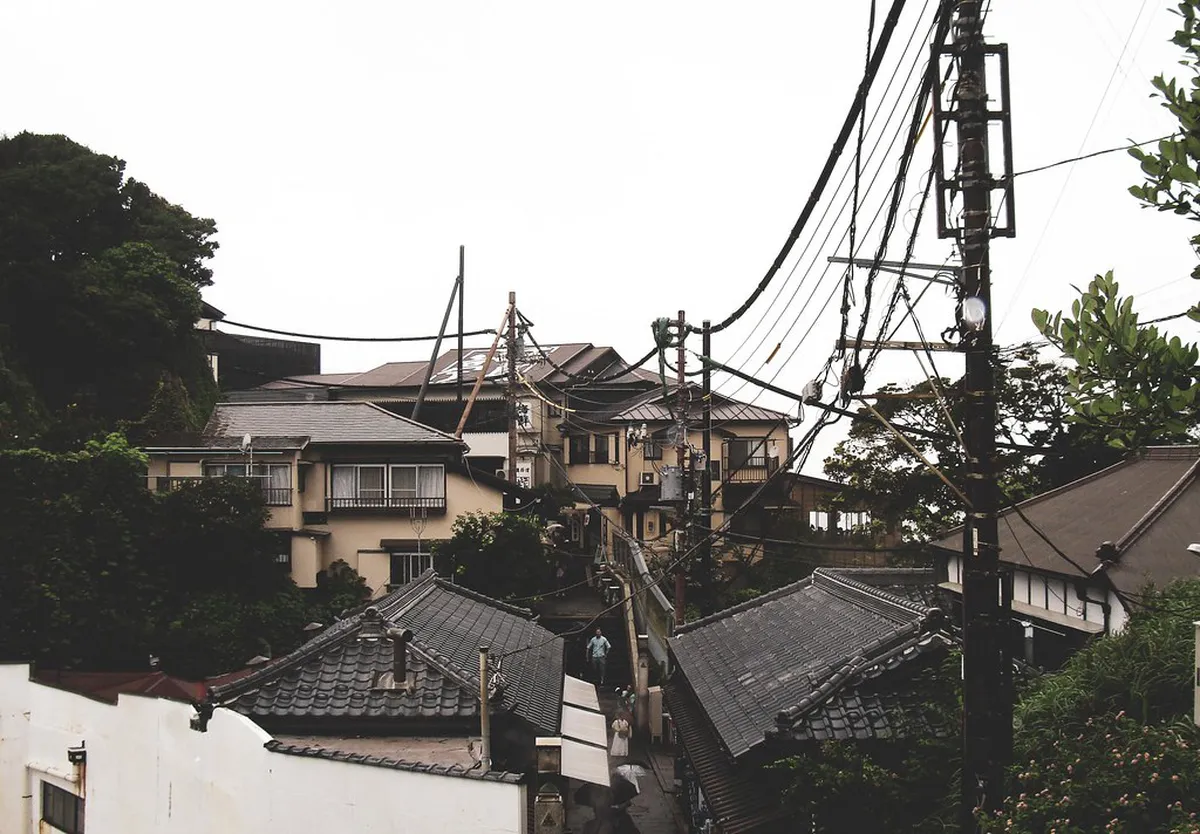
By 10:25, you should reach Hetsunomiya (Outer Shrine). Allow 15–20 minutes to explore this level, including the Benzaiten statue hall and the small money-washing spring where baskets are provided. If you prefer to avoid the steeper stair climbs, the Enoshima Escar escalator entrance is just before the first staircase, turning left — three escalators run upward only, costing ¥360 total individually or included with the Day Pass. There are no downward escalators; the return is always on foot.
Reach Nakatsunomiya by 11:15, then climb a few more minutes to Kamegaoka Plaza viewpoints by 11:30. The Samuel Cocking Garden entrance is at 11:40 (¥200 or Day Pass). Inside, Lon Cafe is a logical lunch stop around 12:00 — grab a table on the terrace overlooking the sea. Exit the garden and walk toward Enoshima Daishi by 12:45, then find lunch at one of the seafood restaurants near the Inner Shrine around 13:15 if you skipped Lon Cafe. Enoshima-tei and Uonemotei, both long-running restaurants, serve ikura-shirasu rice bowls — salmon roe and whitebait over rice, the definitive local dish.
Reach Okutsunomiya by 14:00, then descend the 250-step Oiwaya-michi pilgrimage path to Chigogafuchi plateau and the Iwaya Caves by 14:20. Allow 20 minutes inside the caves. Climb back up and divert to the Ryuren Love Bell by 15:15. Leave the island around 15:30, allowing time to browse the shopping street on the downhill return. Back at the station by 16:00.
Enoshima Beaches and Waterfront
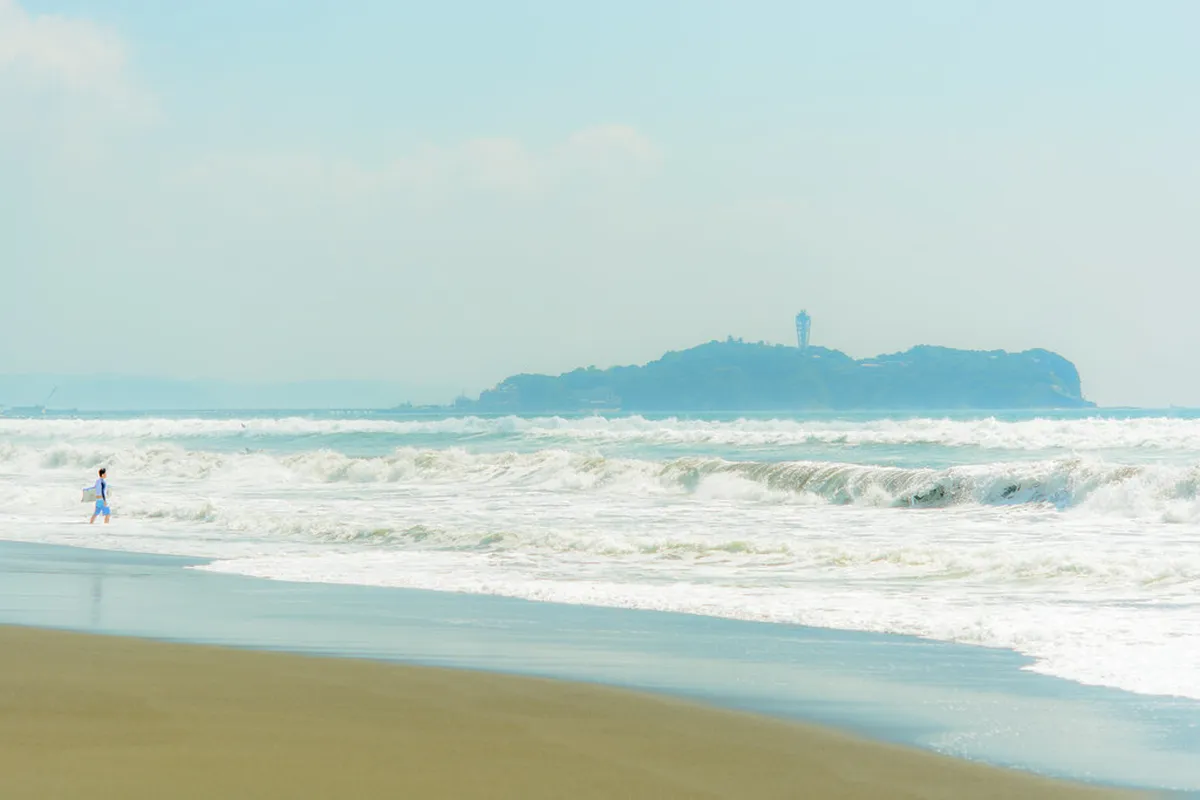
The beaches around Enoshima are among the closest sandy stretches to central Tokyo. Katase Higashihama Beach, on the mainland just east of the island causeway, is a long sandy beach popular for swimming and surfing from July to September. The waves here attract surfers and the beach has a lively summer atmosphere. Arrive before 09:00 on summer weekends to claim a spot without a wait.
The waterfront on the island's north side is a different character — a short clifftop park with small sculptures, dedicated to the 1964 Tokyo Olympics (sailing events were held in Sagami Bay) and to the goddess Benten. It is a pleasant place to pause before the uphill climb. The south side of the island drops steeply to the sea near the Iwaya Caves; the Chigogafuchi plateau there is one of the more dramatic coastal viewpoints in Kanagawa, associated with a traditional love tragedy story. Fishing is common here and the rocks are accessible at low tide.
One option few visitors take: after exploring the caves, return to the island's base via the Bentenmaru ferry. Small boats depart from the Benten pier on the island's north waterfront and run back to the mainland. The ride is short but gives a complete view of the island from the water — including the full height of the Sea Candle lighthouse and the sweep of the causeway. Check departure times at the pier; the service does not run in rough weather.
Kamakura and Enoshima Day Trip
Combining Kamakura with Enoshima in one day is possible but requires a very early start from Tokyo. The Enoshima-Kamakura Freepass makes the transport seamless — it covers all trains between Shinjuku, Fujisawa, Enoshima, and Kamakura. The practical sequencing that works best: start in Kamakura (arrive by 09:00 from Shinjuku — about 55 minutes on the JR Shonan-Shinjuku Line), spend two hours covering Kōtoku-in (the Great Buddha, 08:00 opening) and Hasedera Temple, then board the Enoden tram from Kamakura Station to Enoshima Station (25 minutes, 7 stops). This puts you on Enoshima by 12:00 for an afternoon tour. Leave the island by 16:00 and return to Tokyo direct from Katase-Enoshima or Fujisawa.
Note that the JR Shonan-Shinjuku Line is not covered by the Enoshima-Kamakura Freepass, which is an Odakyu network pass. If you start from Shinjuku using JR to reach Kamakura first, that leg is paid separately. Alternatively, go to Enoshima first in the morning (on the Odakyu Line from Shinjuku, which is Freepass-covered), then take the Enoden to Kamakura in the afternoon — this order tends to work better for crowd timing, since Kamakura's temples are calmer in the afternoon when tour groups have moved on.
A full combined day comfortably needs 10–12 hours. The Kamakura side alone warrants a separate dedicated visit if you want to see more than two temples and the Great Buddha. For the Enoshima-from-Kamakura perspective, including which temples are worth prioritising and where to eat near Kamakura Station, see our Enoshima from Kamakura guide.
Family-Friendly and Budget Tips
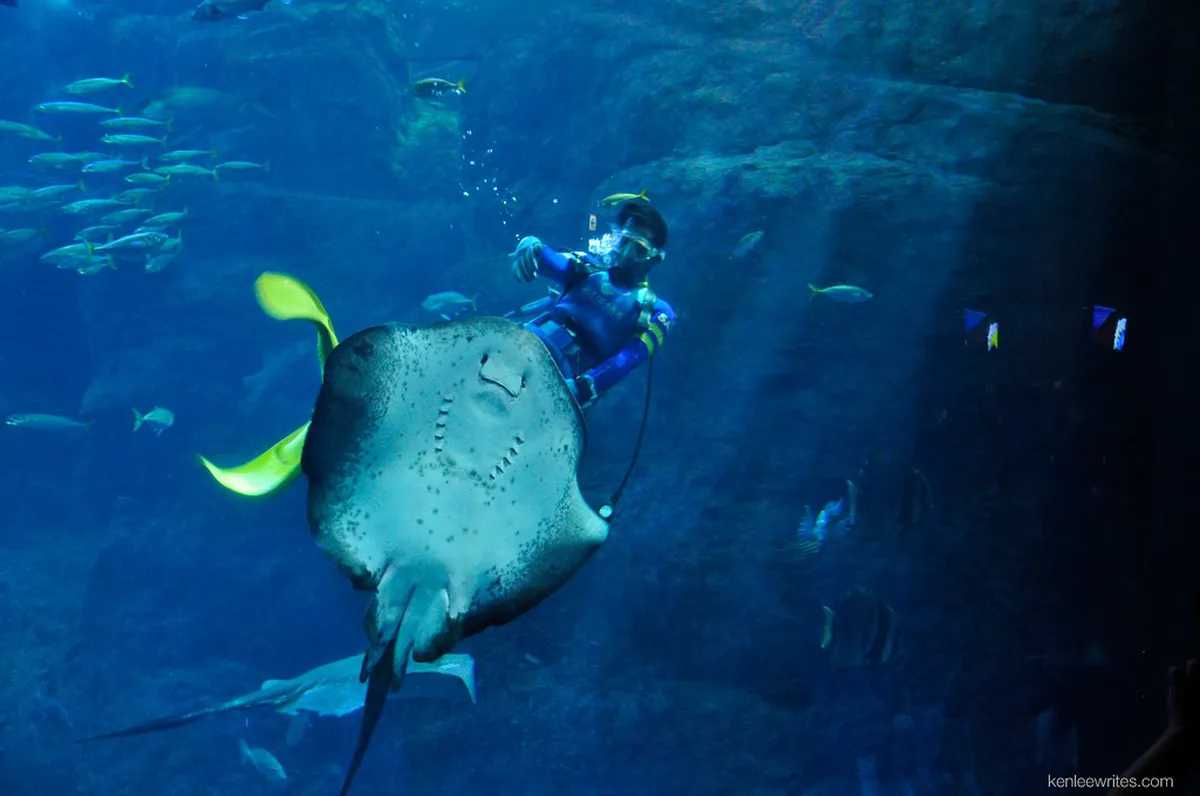
Enoshima's Enoshima Aquarium Travel Guide is the island's biggest draw for families with young children. It is located near Katase-Enoshima Station on the mainland side, not on the island itself — a useful distinction if you have a stroller or mobility concerns, since the island involves significant stair climbing. The aquarium features dolphin shows and jellyfish tanks and can easily absorb two hours. Visiting the aquarium first, then crossing to the island for shrines and the garden, is a logical sequence for families.
On budget: the island itself charges for very few things. Walking the pilgrimage path, visiting all three shrine precincts, browsing the shopping street, and sitting at the waterfront park all cost nothing. The Ho-an-den Benzaiten statue hall costs ¥200. The Samuel Cocking Garden is ¥200. The observation deck above the garden is an additional ¥300 (or ¥500 combined). The caves are ¥500. Escalators are ¥360 total. Without any pass, a budget visitor who skips the caves and observation deck spends under ¥500 in entry fees on the island, plus transport.
Food on the island runs slightly higher than Tokyo average. A shirasu rice bowl at a sit-down restaurant is typically ¥1,200–¥1,800. Cheaper options include the octopus rice crackers (¥300–¥500) and soft-serve ice cream sold at the shopping street stalls. Bringing snacks from a convenience store near Shinjuku Station is a practical way to reduce costs without sacrificing the seafood meal that Enoshima is most known for. Stay nearby with IZA Enoshima Guest House and Bar if you plan an overnight.
See our Enoshima tourism attractions guide for the broader city overview.
Frequently Asked Questions
Should I get the Enoshima Day Pass?
Yes, the Enoshima Day Pass can be very beneficial for an enoshima day trip from Tokyo. It provides unlimited rides on the Enoden train and covers entrance fees to key attractions. This pass saves both time and money. Consider it if you plan to visit multiple paid sites.
What is the Enoshima-Kamakura Freepass?
The Enoshima-Kamakura Freepass is a convenient ticket for travelers exploring both Enoshima and Kamakura. It includes a round-trip ticket from Shinjuku and unlimited rides on specific local lines. This pass is ideal for combining these two popular destinations. It simplifies transportation logistics significantly.
How much time should you plan for enoshima day trip from tokyo?
You should plan at least 6-8 hours for an enoshima day trip from Tokyo to see the main attractions comfortably. This includes travel time from Tokyo and exploring the island's key sites. Arriving by 10:00 am allows for a full day. A combined Kamakura and Enoshima trip requires a full day, perhaps 10-12 hours.
An enoshima day trip from Tokyo rewards anyone willing to make the 75-minute journey. The combination of three shrine precincts, a botanical garden, sea caves, cliffside views, and fresh shirasu seafood is hard to match within day-trip distance of Tokyo. The island is small enough to cover in a half-day, substantial enough to justify a full one.
Use the Odakyu Enoshima Line from Shinjuku and arrive by 10:00. Decide on the Day Pass based on whether the caves and Sea Candle observation deck are on your list. If Kamakura is also on the itinerary, buy the Enoshima-Kamakura Freepass instead. Plan your return from the island around 15:30–16:00 for a comfortable journey back to Tokyo.
For tickets, hours and visitor details, see our Enoshima Shrine Visitor Guide: Your Perfect Day Trip Itinerary and Enoshima attractions hub.
Free: The Tokyo Essentials guide
Top things to do, where to stay, a perfect day plan, getting around, and the best time to go — a Tokyo mini-guide you can take offline.
You might also like


Continue reading
More guides you'll find useful


