

Winter Day Trips From Tokyo Travel Guide
Plan winter day trips from tokyo with top picks, neighborhood context, timing tips, and practical booking advice for a smoother trip.
On this page
Tokyo is one of Asia's great city experiences, but step outside for a day and you find something just as compelling. First organize the urban part of the trip with the complete Tokyo attractions guide; then use a free day for snow-dusted shrines, steaming onsen, or volcanic ridgelines. Winter is arguably the best season for day tripping: crowds thin, mountain views sharpen, and a hot spring becomes something close to essential.
This guide covers the most rewarding winter day trips from Tokyo in 2026, sorted by what you're after — quick urban escapes, iconic mountain scenery, hot springs, skiing, and a calendar-specific event that most travelers miss entirely. All destinations are accessible by train without a rental car, though a couple of routes benefit from an IC card or regional pass.
Pack warm layers regardless of your destination. Many of the best viewpoints are exposed and temperatures drop quickly after sunset. Consider a day trip by train from Tokyo to avoid Tokyo's notorious traffic and keep your day predictable.
Quick Escapes: 30 to 60 Minute Day Trips
For a half-day out or a low-effort weekday escape, several excellent destinations sit within an hour of central Tokyo. Yokohama is the easiest: 30 minutes from Tokyo Station on the JR Tokaido or Keihin-Tohoku Line (¥480 one way). Japan's second-largest city has a genuine harbour waterfront, a Chinatown that comes alive in the early evening, and the Minato Mirai district with its bay views and the Cosmo Clock 21 ferris wheel. Aim to arrive at Chinatown around 16:00–17:00 to catch the lanterns lighting up without fighting dinner crowds.
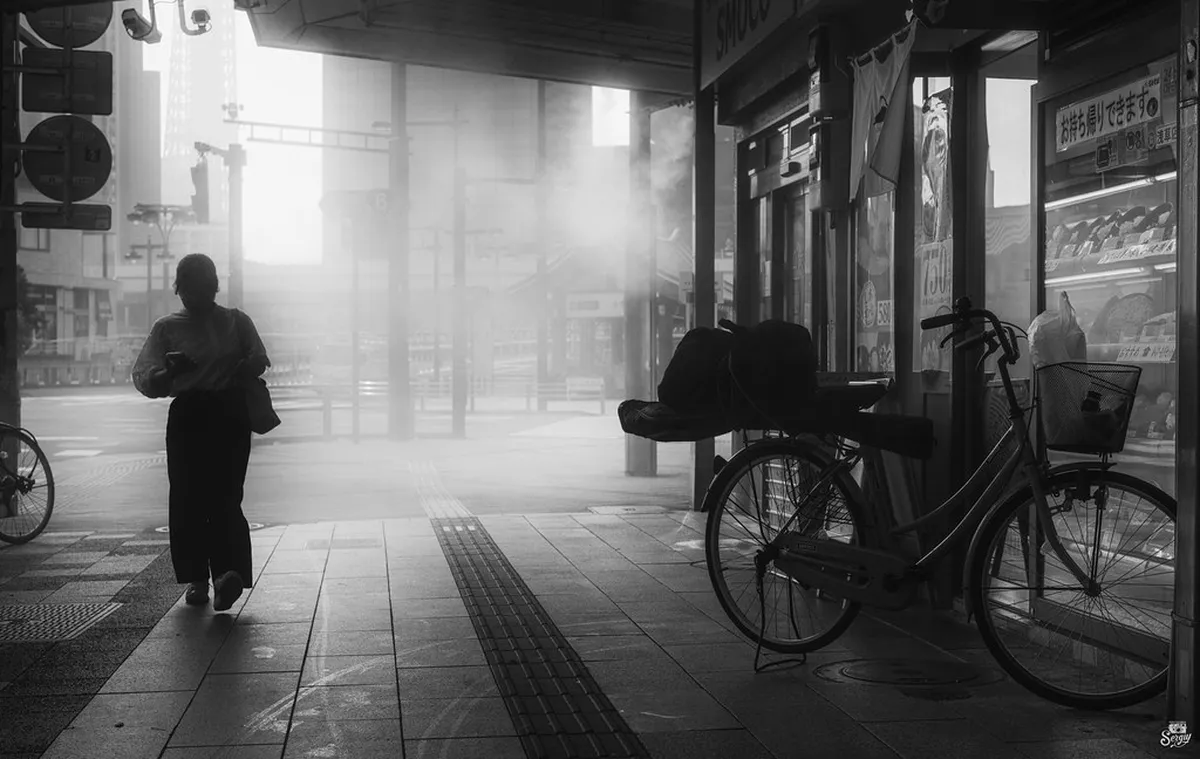
Kawagoe, 30 minutes on the Seibu Railway, earns its nickname "Little Edo" honestly. The kura merchant storehouses on Kurazukuri Street were built to survive fire — that is why this entire block survived while the rest of the city did not. In winter, the streets are uncrowded and the century-old sweet shops on Kashiya Yokocho (Candy Alley) are warm and inviting. The Toki no Kane bell tower rings four times a day; catch it at 06:00, 12:00, 15:00, or 18:00 for the full effect.
Kamakura sits about one hour from Tokyo on the JR Shonan-Shinjuku Line (¥940 one way). Winter is the smartest season to visit: crowds are dramatically smaller than autumn or spring, the Great Buddha at Kotoku-in Temple looks commanding against a clear cold sky, and the cedar-lined hiking trails around Hokoku-ji bamboo grove are peaceful. Combine Kamakura with nearby Enoshima Island, 20 minutes away on the Enoden line, where coastal shrines and tidal caves provide a full-day itinerary. On clear winter mornings, Mount Fuji is visible from the island's upper path.
Mount Fuji and Kawaguchiko
Kawaguchiko is the standard-bearer for Tokyo day trips and winter makes it better. Cold, dry air delivers the clearest Fuji views of the year — the mountain is statistically less cloud-covered in December and January than in any other season. The lake surface reflects the peak on still mornings, and snow on the surrounding hillsides deepens the scene. Highway buses from Shinjuku or Shibuya reach Kawaguchiko in around two hours (¥1,250–¥2,000 one way); the Fuji Excursion limited express from Shinjuku is faster and more comfortable if you book in advance.
Start at Chureito Pagoda in Arakurayama Sengen Park, a 398-step climb above Fujiyoshida. The view — five-tiered pagoda in the foreground, Fuji behind — is one of the most reproduced images in Japanese photography. In winter, snow on the steps and pagoda roof adds a layer that autumn foliage cannot match. If the mountain is hiding in cloud when you arrive, walk the lake path east toward the LAWSON convenience store at Kawaguchiko Station, where the framing of Fuji over the car park has become an unlikely pilgrimage site.
After the viewpoints, warm up with a bowl of hōtō noodles. This regional specialty — thick, flat udon simmered with kabocha pumpkin in miso broth — is a winter staple in the Fuji Five Lakes area. Most lakeside restaurants serve it between 11:00 and 14:00. Budget roughly ¥1,200–¥1,600 per bowl. If you have time, the Kubota Itchiku Textile Art Museum on the lake's north shore holds an extraordinary collection of silk kimono robes and stays warm even on the coldest days.
Nikko or Hakone: Choosing Your Winter Base
Both Nikko and Hakone appear on every Tokyo day trip list, but they suit different travelers, and winter changes the calculus. Nikko sits about two hours north of Tokyo via the Tobu Railway from Asakusa (¥2,700–¥3,000 round trip, or covered by the Nikko All Area Pass). Its UNESCO World Heritage shrines — Toshogu, Futarasan, Rinno-ji — are set against ancient cedar forest, and snow transforms the entire complex into something otherworldly. Temperatures at Nikko routinely drop to -5°C in January. Go prepared, go early (before 09:00 to beat tour groups at Toshogu), and do not skip Lake Chuzenji, which sits 1,269 metres above sea level with dramatic mountain reflections.
Hakone reaches you in about 90 minutes via the Odakyu Limited Express Romancecar from Shinjuku (the Hakone Free Pass costs roughly ¥6,000 and covers the Romancecar, Tozan Railway, ropeway, and Lake Ashi cruise). The main draw in winter is the combination of hot springs and Fuji views: on clear days, the volcanic peak appears above Owakudani's sulphur steam fields and over Lake Ashi from the pirate-style cruise boats. The Hakone Open-Air Museum is a year-round attraction, but sculpture surrounded by dormant winter trees has its own spare beauty.
The practical difference: Nikko gives you deeper cultural immersion, colder temperatures, and more reliable snow scenery. Hakone gives you a more relaxed day with onsen access, shorter travel time, and the highest probability of a Fuji sighting. Both destinations sit on a Day Trips From Tokyo Travel Guide itinerary comfortably. If you only have one day and want to soak at the end of it, choose Hakone. If you want shrines in the snow and don't mind the cold, choose Nikko. The JR Pass does not cover the Tobu line to Nikko, so check your pass before booking.
Japanese Hot Springs Worth the Journey
Onsen are the defining winter activity in the Tokyo day trip orbit. Hakone is the most accessible, but Kusatsu Onsen in Gunma Prefecture makes a compelling case for the longer journey. Getting there takes three to four hours from Tokyo (Shinkansen to Naganohara-Kusatsuguchi, then a 25-minute bus), which pushes it toward overnight territory. But for serious onsen travelers, the Yubatake — a steaming wooden sluice structure in the centre of town that channels 32,300 litres of mineral-rich water per minute — is unlike anything in the Hakone area. The town runs a free public bath, Otakinoyu, that is available to day visitors without booking.
Gala Yuzawa Snow Resort includes an onsen facility right at the Shinkansen station. After a day on the slopes or simply riding the gondola for the panoramic views, you can soak before catching the bullet train back. This makes it one of the most practical winter combinations: skiing or snow play in the morning, hot spring in the afternoon, back in Tokyo by dinner. The one-day lift ticket runs approximately ¥5,000–¥6,000 in 2026, with rental equipment available on-site.
When visiting any onsen, wash thoroughly at the shower stations before entering the communal bath — this is non-negotiable etiquette. Most facilities require tattoos to be covered or restrict tattooed visitors from the communal pools entirely; private family baths (kazoku-buro) are available at many establishments for a separate fee and have no such restriction. The mineral content varies by location: Kusatsu's highly acidic waters are effective for skin conditions; Hakone's sulphuric springs are gentler. Day-use admission at most facilities runs ¥800–¥1,500 and includes a towel set at the higher-end places.
Skiing Destinations Reachable from Tokyo
Gala Yuzawa is the benchmark for day-trip skiing from Tokyo. The resort sits directly at its own Shinkansen station on the Joetsu line: board at Tokyo Station, step off at Gala Yuzawa Station 75 minutes later, and you are at the gondola base. There is no bus, no transfer, no navigation required. The resort offers 19 runs across beginner, intermediate, and advanced terrain, rental equipment on-site, and good English-language signage. A day pass in 2026 runs ¥5,000–¥6,000. Non-skiers can use gondolas and snowshoe trails, making it workable for mixed groups.
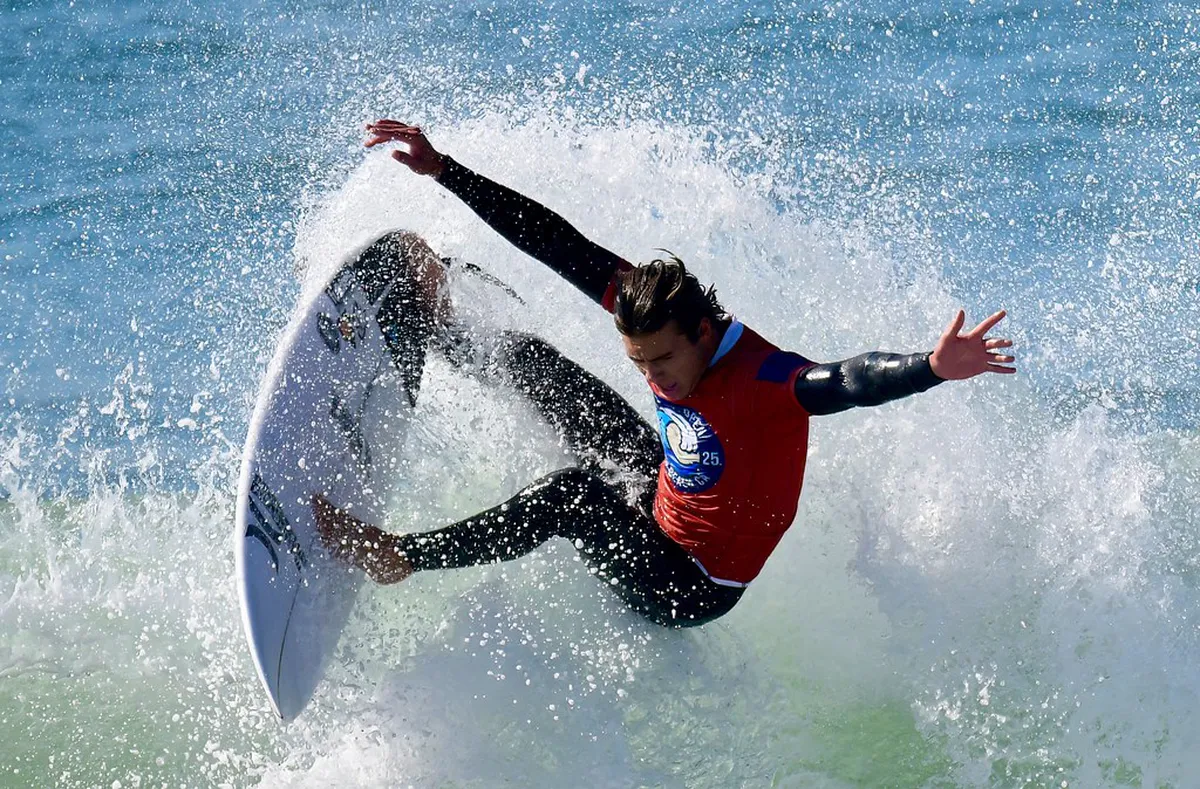
Naeba and Kagura resorts in Niigata Prefecture provide more challenging terrain but require a Shinkansen to Echigo-Yuzawa followed by a shuttle bus. Naeba's vertical drop of 845 metres is the largest in the Joetsu area and the resort is linked to Kagura via a gondola (the Dragondola), creating one of the largest skiable areas near Tokyo. Both resorts have English-speaking rental counters and beginner schools. Snow quality in the Niigata region is exceptional — this coastward-facing range catches heavy dumps off the Sea of Japan, producing the dense powder that draws international skiers.
Further afield, Hakuba Valley in Nagano (1.5 hours on the Hokuriku Shinkansen to Nagano, then 60–80 minutes by bus) was the venue for the 1998 Winter Olympics. Hakuba Happo-One alone has 13 lifts and a top elevation of 1,831 metres. This is better suited to a two-day trip, but dedicated powder skiers regularly make the day-trip calculation work. Check snow conditions in advance via the resort websites and book Shinkansen seats early during January and February, which are the peak powder windows.
Fuji-Q Highland and the Gotemba Route
Fuji-Q Highland, 1.5 hours from Shinjuku by direct highway bus (¥1,750–¥2,000 one way), is one of the most underrated winter day trips in the Tokyo orbit. The park sits at the base of Mount Fuji and on clear days the mountain fills the skyline behind every ride. Four of the most extreme roller coasters in Japan are here — Fujiyama, Eejanaika, Takabisha (the world's steepest roller coaster at launch), and Do-Dodonpa — and queues are dramatically shorter in winter than in summer. A basic day passport costs roughly ¥7,000; FujiQ runs a winter discount period in January and February that can bring this down to ¥5,000.
The same highway bus route passes Gotemba, 20 minutes before Fuji-Q. Gotemba Premium Outlets has over 200 stores including major designer labels and mid-range brands, all with Mount Fuji rising directly behind the shopping complex. The combination of a couple of hours at the outlets and the remainder of the day at Fuji-Q makes an unusual but practical itinerary — especially for groups with different priorities. The outlet mall opens at 10:00 and the bus back to Shinjuku runs until early evening.
One practical note: the highway bus is faster to Fuji-Q than the train in most scenarios and considerably cheaper than taking the Fuji Excursion express. Buy tickets at Shinjuku Highway Bus Terminal, which is connected to the south exit of Shinjuku Station. Keep a return bus ticket for the same day — evening departures from Fuji-Q to Shinjuku fill quickly on weekends and holiday periods, and the alternative is a slow local train connection via Otsuki.
Chichibu in December: Japan's Premier Winter Night Festival
The Chichibu Yomatsuri (Night Festival) on 2–3 December is one of the most spectacular calendar events within reach of Tokyo, and almost no competitor guide flags it as the primary reason to visit in winter. The festival has been running for over 300 years and is classified as one of Japan's top three float festivals alongside Gion Matsuri in Kyoto and Takayama Matsuri. Six large festival floats — some two storeys tall, covered in paper lanterns and crimson fabric — are hauled through the narrow streets of Chichibu by teams of bearers, culminating in a fireworks display over the town centre after dark.
Getting there takes about two hours from Ikebukuro on the Seibu Chichibu Line (¥780 one way). On festival days the trains run packed; depart by 14:00 to secure a viewing position before the main procession begins at dusk. The town itself is a straightforward winter destination outside festival season: Chichibu Shrine dates to the 1st century BCE, and the surrounding Okuchichibu mountain range offers hiking trails that are quiet and snow-dusted in December and January. Local specialties include miso potatoes and waraji katsu, a pork cutlet shaped like a straw sandal that appears in almost every restaurant on the main street.
Chichibu is also home to one of Japan's quieter onsen circuits, with several facilities along the Arakawa River valley. Nishiki no Yu, a short taxi ride from the station, offers outdoor rotenburo baths with mountain views and no tattoo restrictions. Budget ¥1,000–¥1,200 for entry. For travelers building a winter Japan itinerary, Chichibu on December 2 or 3 is a genuinely hard-to-beat combination of cultural event, rural landscape, and easy logistics from Tokyo — and it remains well below the crowd levels of any Nikko or Hakone weekend.
Transport Passes and Planning Tips
A Suica IC card handles most train and bus journeys within the Kanto region without any pre-planning. Load it at any station machine, tap in and out, and the correct fare deducts automatically. For specific destinations, dedicated passes offer better value: the Hakone Free Pass (¥6,000 from Shinjuku) covers the Odakyu Romancecar, Hakone Tozan Railway, ropeway, cable car, and Lake Ashi cruise. The Nikko All Area Pass covers Tobu trains from Asakusa and most buses inside Nikko. The Enoshima-Kamakura Freepass (¥1,640 from Shinjuku) handles the Enoden local line and unlimited rides around the Kamakura area.

Winter weather introduces a planning layer that other seasons do not require. Ropeway services at Hakone and Owakudani are suspended when wind speeds rise — this happens several times per month in January and February. Nikko's mountain bus to Lake Chuzenji is occasionally limited by snow conditions. Check the operator websites the morning of your trip, not the night before, since conditions change overnight. Japan's weather apps (Tenki.jp and Weather News) are more accurate for mountain regions than international services.
Book the Fuji Excursion limited express and any Shinkansen seats in advance rather than relying on standby. The Fuji Excursion sells out on clear-sky winter weekends when Mount Fuji visibility is forecast as high. For Tokyo escapes by train, purchasing tickets at the green Midori-no-madoguchi windows in larger stations avoids the machine queue and allows staff to confirm English-language pass eligibility. Most day trips work best with a 07:00–08:00 departure from central Tokyo to maximize time at the destination before last trains or buses require you to leave.
Frequently Asked Questions
Which winter day trips from tokyo options fit first-time visitors?
First-time visitors should consider classic winter day trips like Hakone or Kawaguchiko. Hakone offers hot springs and views of Mount Fuji, while Kawaguchiko provides stunning Fuji reflections. Both are easily accessible and offer diverse attractions for a memorable experience.
How much time should you plan for winter day trips from tokyo?
Most winter day trips from Tokyo require a full day, typically 8-12 hours including travel time. Destinations like Yokohama or Kawagoe can be shorter, around 4-6 hours. Plan for longer travel times if visiting ski resorts or more distant onsen towns. Always check transport schedules.
What should travelers avoid when planning winter day trips from tokyo?
Avoid underestimating travel times and relying solely on fair-weather forecasts. Winter weather can cause delays or closures, so have backup plans. Do not forget to pack warm layers, waterproof clothing, and appropriate footwear for snow or ice. Book popular attractions or Shinkansen from Tokyo tickets in advance.
Is winter day trips from tokyo worth including on a short itinerary?
Absolutely, winter day trips from Tokyo are highly recommended even on a short itinerary. They offer a unique perspective of Japan's winter beauty and culture. Choose destinations like Hakone or Kamakura for efficient and rewarding experiences. These trips provide a refreshing contrast to city life.
Tokyo in winter is a base, not a destination ceiling. The ring of mountains, coast, and historic towns within two hours of the city offers more variety than most travelers expect. Snow on Nikko's shrines, Fuji rising above Kawaguchiko at sunrise, steaming onsen at Hakone after a cold morning walk, powder runs at Gala Yuzawa, and the lantern floats of the Chichibu Night Festival — each of these is a full day's worth of experience.
The single most useful planning move is to commit to an early start. Most of these destinations reach their best conditions in the first two to three hours after opening, before tour groups and weekend visitors arrive. Leave central Tokyo by 07:30 and you will consistently find the version of each place that residents know.
Check weather and ropeway operating status the morning of departure, carry a Suica card loaded with ¥3,000–¥5,000 for flexibility, and build one backup destination into every plan. Winter in the Kanto region is stable but occasionally disruptive. Go prepared and most of these trips will exceed expectations.
Free: The Tokyo Essentials guide
Top things to do, where to stay, a perfect day plan, getting around, and the best time to go — a Tokyo mini-guide you can take offline.
You might also like


Continue reading
More guides you'll find useful


