Mount Fuji Day Trip From Tokyo Travel Guide
Plan mount fuji day trip from tokyo with top picks, neighborhood context, timing tips, and practical booking advice for a smoother trip.
On this page
A Mount Fuji day trip from Tokyo is Japan's most popular single-day excursion — and also one of the easiest to get wrong. The mountain disappears behind clouds more often than most first-timers expect, transport choices affect how much of the region you actually see, and the two main destination areas (Fuji Five Lakes and Hakone) offer very different experiences.
This guide covers the practical decisions that matter: how to get there by bus or train from Tokyo, which route suits your travel style, when visibility is highest, and where to stand for the views you came for. Whether you're doing it independently or joining a guided tour, knowing these trade-offs in advance makes the whole day run smoother.
Buses from Tokyo to Mt. Fuji
Buses are the fastest and cheapest way to reach the Fuji Five Lakes area from Tokyo. The main departure hub is the Shinjuku Expressway Bus Terminal (Busta Shinjuku), directly above Shinjuku Station's south exit. Services run roughly once an hour, with more departures in the morning outbound and more in the afternoon returning. The journey to Kawaguchiko Station takes about 2 hours and costs from ¥2,000 one way — significantly less than any train option.
During the official climbing season (1 July to 10 September 2026), direct buses also run from Shinjuku to the Fuji Subaru Line 5th Station — the starting point for the Yoshida Trail. A one-way ticket costs ¥3,800 and the ride takes about 2.5 hours. These buses are popular with climbers and book out quickly on weekends, so reserve seats online at least a week ahead.
Buses also depart from Shibuya and Tokyo Stations, and all routes stop at Fuji-Q Highland en route — useful if you want to add a theme park hour to your day. One naming quirk to know: the stop on timetables listed as "Mt. Fuji Station" or "Fujisan Station" is the town of Fuji-Yoshida, not the mountain itself. Do not exit there if your destination is Kawaguchiko or the 5th Station.
Taking the Train from Tokyo to Kawaguchiko
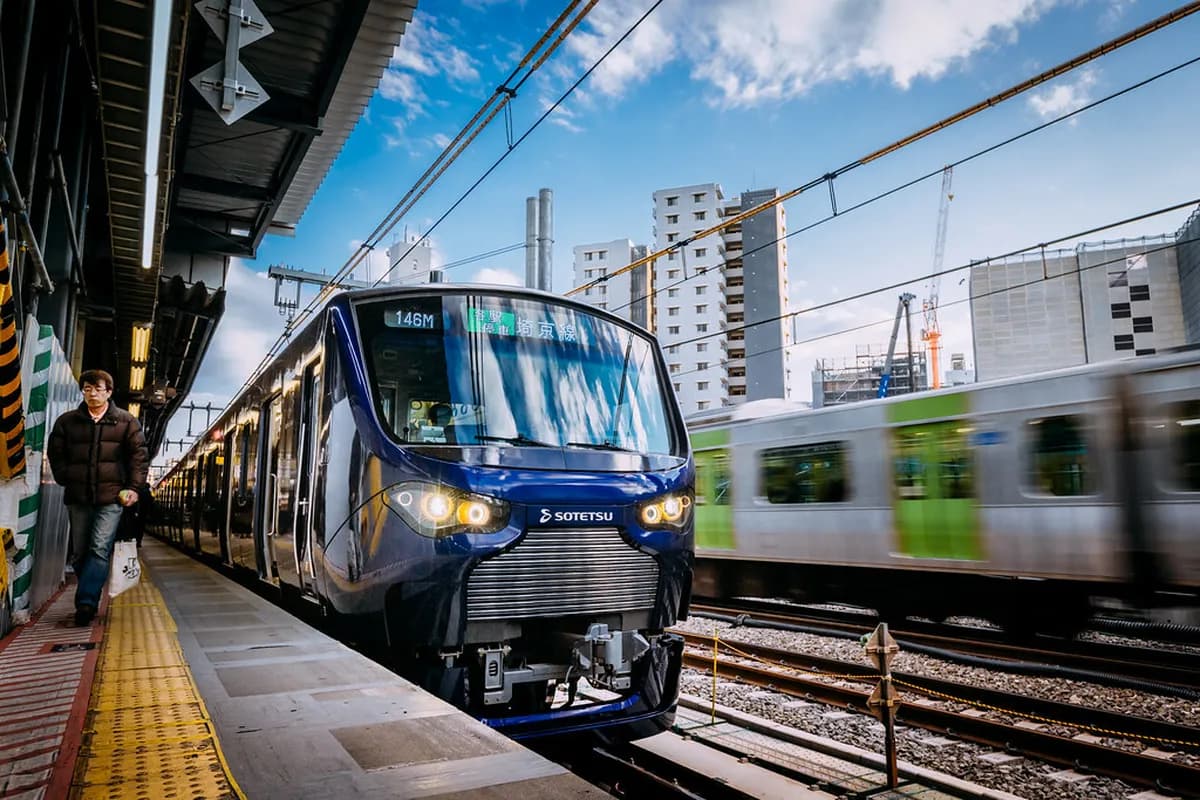
The fastest train option is the Fuji Excursion Limited Express, which runs directly from JR Shinjuku Station to Kawaguchiko Station in under 2 hours. There are four morning departures daily. A one-way reserved seat costs around ¥4,130. The train has power outlets, luggage space, and a toilet — considerably more comfortable than a highway bus. The catch: tickets sell out 1 to 4 weeks in advance during peak season. Book via Klook or Eki-net as soon as your dates are fixed.
A mid-range option is the JR Limited Express "Kaiji" or "Azusa" from Shinjuku to Otsuki (¥2,360 one way), then transfer to a Fujikyu Railway train for the remaining leg to Kawaguchiko (¥1,170 base fare, plus a small surcharge for themed trains). Total journey time runs 2 to 2.5 hours including transfer. This route works well for Japan Rail Pass holders since the JR leg is covered — though you will pay the Fujikyu surcharge separately.
The budget train route uses regular JR Chuo Line trains from Shinjuku to Takao or Otsuki, then the Fujikyu Railway to Kawaguchiko. Total cost from Shinjuku is around ¥2,510 and the journey takes 2 hours 45 minutes with transfers. It is slower and involves more platform changes, but it is reliable and runs throughout the day. Note: the Japan Rail Pass covers the JR legs only, not the Fujikyu Railway section between Otsuki and Kawaguchiko.
The JR Tokyo Wide Pass (¥15,000 for 3 consecutive days) is the one pass that covers the full Fuji Excursion Limited Express journey including the Fujikyu Railway. If you plan at least two Fuji-area train journeys — or combine with a day trip to Nikko — the math works in your favor.
Fuji Five Lakes – Classic Postcard Views
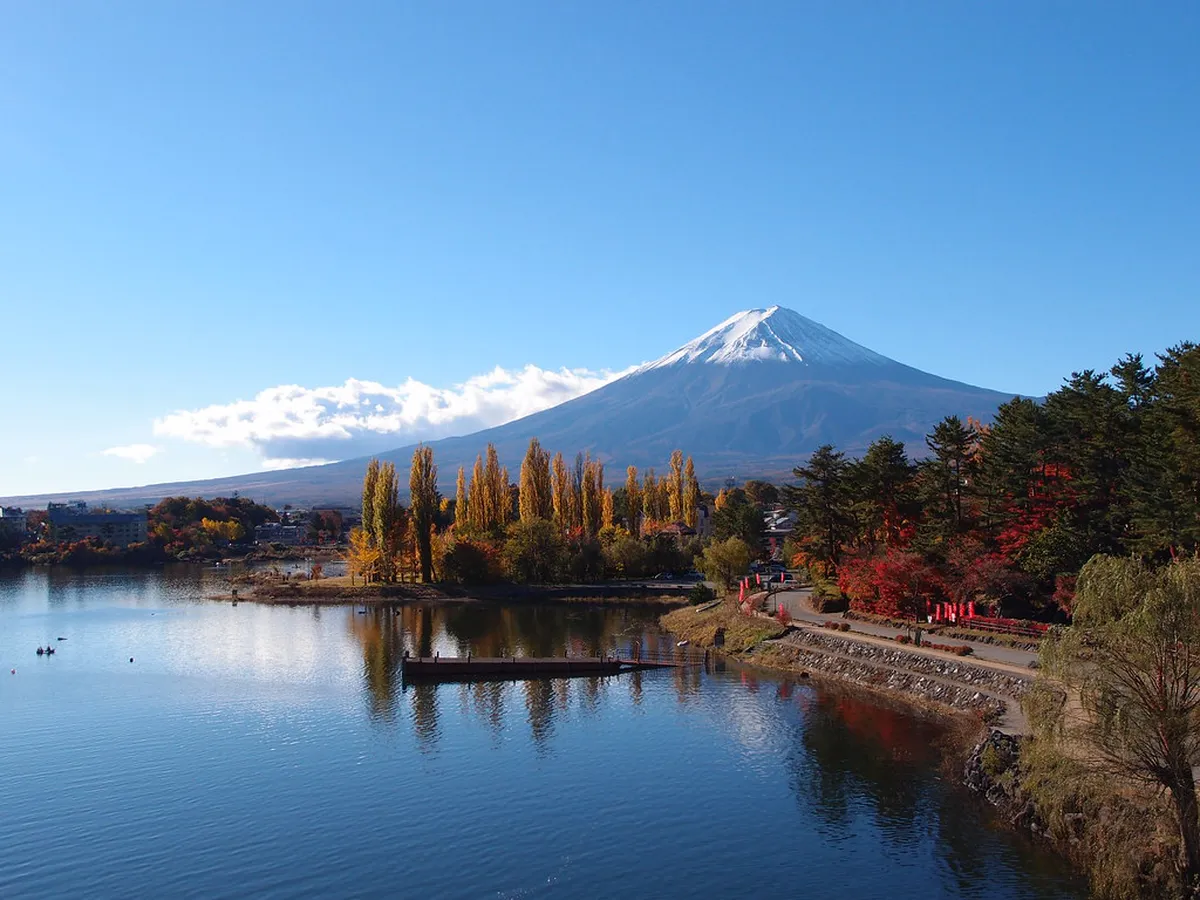
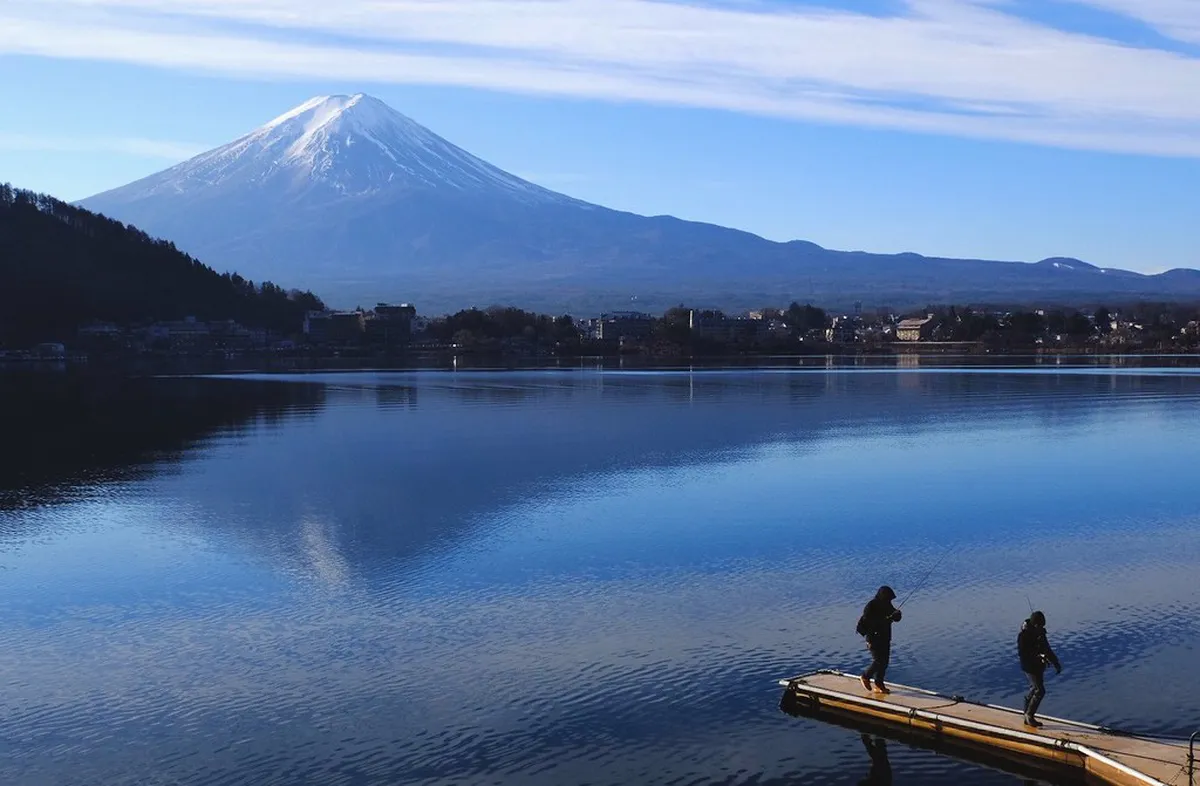
The Fuji Five Lakes region gives you the most direct, unobstructed views of the mountain. Lake Kawaguchiko is the easiest base: it has the most frequent transport connections from Tokyo, the most tourist infrastructure, and the widest variety of viewpoints. On a clear day, the mountain rises sharply above the lakeshore with its reflection visible in the water — the image that appears on Japan's 1000-yen note actually comes from nearby Lake Motosuko, but Kawaguchiko offers comparable reflections in calm morning conditions.
Chureito Pagoda at Arakura Sengen Shrine is the iconic shot: a five-story red pagoda in the foreground with Fuji centered behind it. Reaching the viewing platform requires climbing 397 steps from the shrine gate. It is free to enter and open year-round, but gets very crowded between 10:00 and 13:00. Oishi Park on the northern shore of Lake Kawaguchi is flat, accessible, and free — good for stroller-friendly lakeside views without the stair climb. The Mt. Fuji Panoramic Ropeway at Kachi Kachi Yama offers elevated perspectives from above the lake.
Oshino Hakkai, a village about 20 minutes by road from Kawaguchiko, features eight spring-fed ponds with exceptionally clear water sourced from Mt. Fuji's snowmelt. Traditional thatched farmhouses line the ponds. Entry costs ¥500 per adult. It is one of the most undervisited spots on the standard day-trip circuit, making it a useful stop if you have a car or are on a guided tour that includes it.
For more viewpoints and activity ideas in this region, see our guide to the Fuji Five Lakes Itinerary & Travel Guide: Plan Your Trip.
Hakone – Fuji Framed by Nature and Culture
Hakone approaches Mt. Fuji from the south, through Kanagawa Prefecture. The mountain appears here framed by forests, volcanic ridges, and Lake Ashi — a more atmospheric and compositionally layered view than the open panoramas at Kawaguchiko. Visibility depends on weather just as much, but Hakone's higher terrain often holds clearer air in the morning before valley haze builds.
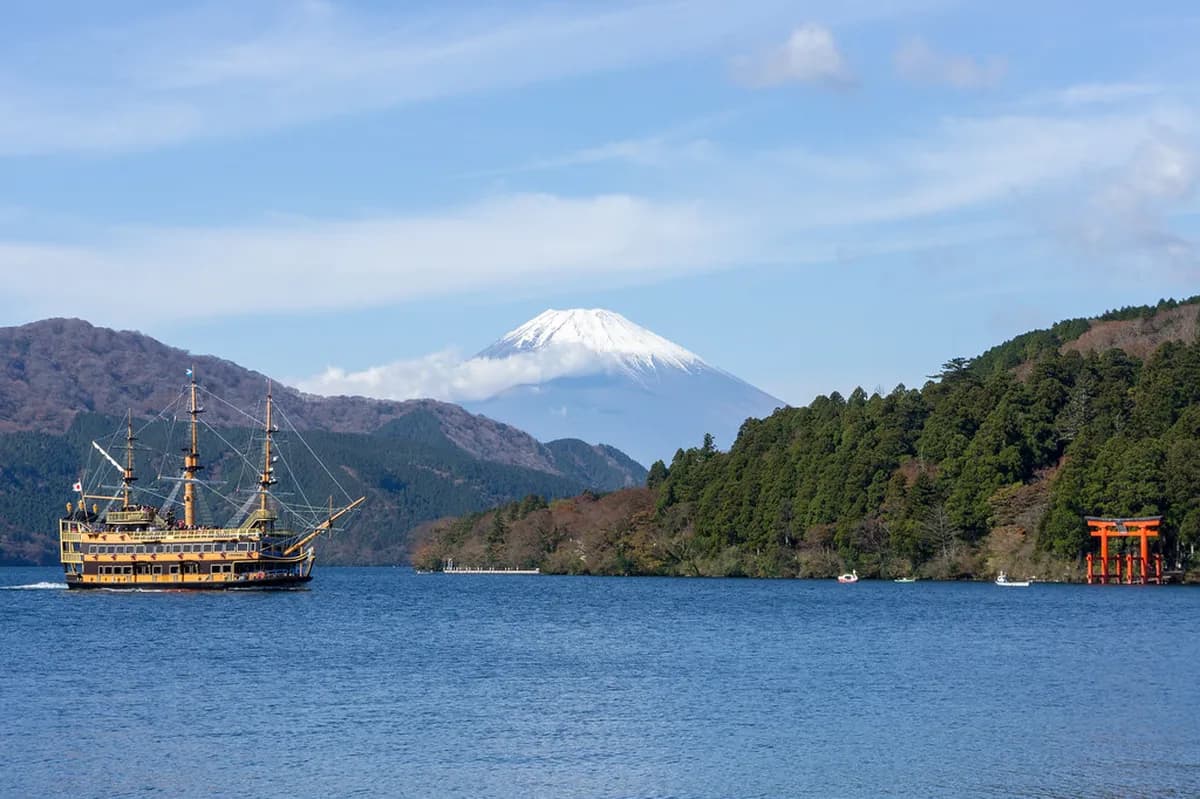
Key stops on a Hakone day include Lake Ashi with its lakeside torii gate at Hakone Shrine, the Owakudani volcanic valley (steaming vents, sulfur pools, and black eggs boiled in volcanic water), and the Hakone Open-Air Museum — a sculpture park where contemporary works sit against a mountain backdrop. The Hakone Ropeway between Sounzan and Togendai gives aerial views over Owakudani and, on clear days, a direct line of sight to Mt. Fuji's peak.
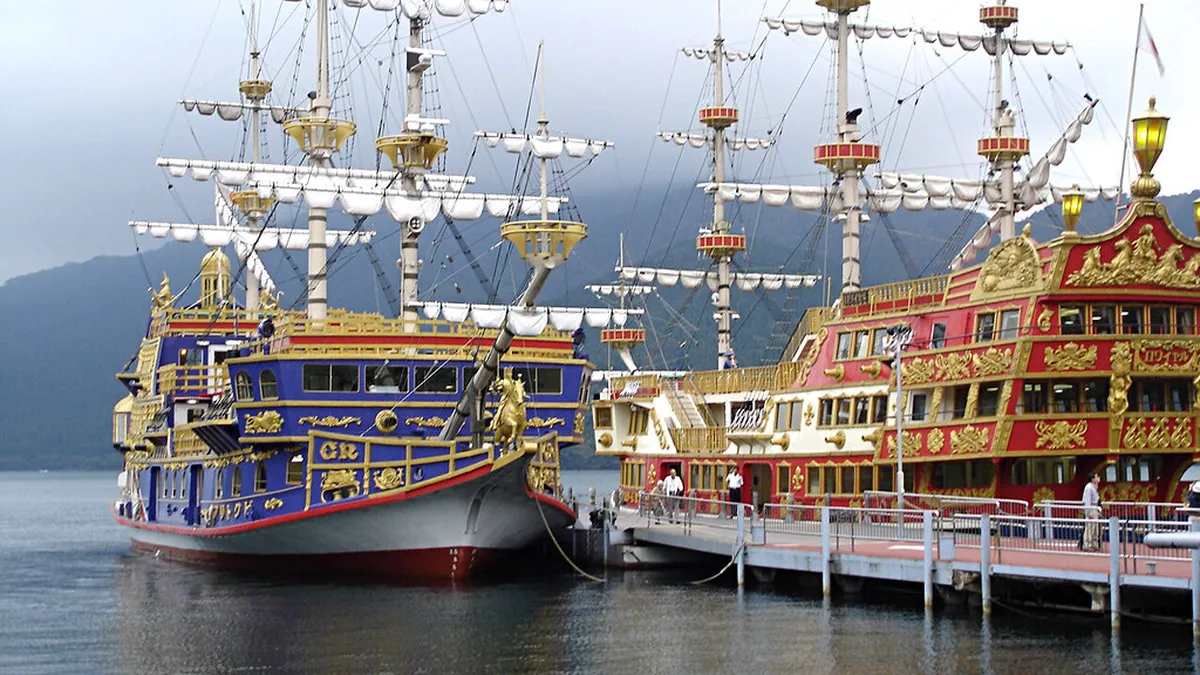
Getting to Hakone from Tokyo is straightforward: the Romancecar express from Shinjuku to Hakone-Yumoto costs around ¥2,470 one way and takes under 90 minutes. A Hakone Free Pass (¥6,500 for 2 days from Shinjuku) covers the Romancecar, ropeway, Lake Ashi pirate ships, and most local buses. For the most current schedule and reservation information, consult the Japan National Tourism Organization. If you want to include Mt. Fuji viewing alongside onsen, art, and volcanic scenery, Hakone gives you more variety in a single day than the Fuji Five Lakes route. For the most direct and iconic Fuji views — the mountain large in the frame — Kawaguchiko wins.
Choosing Based on Visibility and Season
Mt. Fuji is a year-round destination for viewing, but it is not reliably visible all year. Late autumn through early spring (November to March) delivers the highest probability of clear views. The air is dry, cloud cover is lower and more predictable, and snow on the upper slopes gives the mountain its iconic white-capped silhouette. Winter mornings in particular are when photographers get the sharpest, most saturated shots.
Summer (July to September) is climbing season and also the period with the highest cloud cover and haze. The rainy season in June frequently obscures the peak entirely for days at a time. If you visit in summer, aim for mornings — cloud tends to build from mid-morning onward. An early departure from Tokyo (first bus or train, arriving by 09:00) gives you the best window. Afternoon clouds routinely roll in between 11:00 and 14:00, which is also the busiest tourist period. This double-peak of crowds and cloud cover in summer is the most common reason first-time visitors leave disappointed.
Cherry blossom season (late March to mid-April) is the most popular time to visit. Chureito Pagoda surrounded by pink blossoms with Fuji behind is one of Japan's most photographed scenes. Expect significant crowds and book transport weeks ahead. Autumn foliage (late October to mid-November) is less crowded than cherry blossom season and offers richly colored foregrounds for Fuji photography. Check the current year's forecast on the Japan Meteorological Agency website before booking non-refundable transport.
Learn more about timing your visit in our overview of the best time to see Mount Fuji.
Which Route Is Right for You?
The choice between Fuji Five Lakes and Hakone comes down to what you want the day to feel like. Fuji Five Lakes gives you the most direct, unobstructed views of the mountain — the kind that fill your camera frame — alongside lakeside walks, traditional villages, and open rural scenery. It is the better route if photographing Mt. Fuji is the primary goal, or if you want to combine the trip with climbing season access to the 5th Station.
Hakone suits travelers who want more variety in a single day: volcanic landscapes, art museums, a mountain ropeway, and hot spring towns alongside Fuji views. The views are not always as direct, but the overall experience is richer in cultural and scenic layers. Hakone is also slightly easier to combine with an onsen stay if you decide to extend to overnight.
Both routes take roughly the same total travel time from Tokyo (under 2 hours each way on express services). Neither is definitively better — the difference is atmosphere and priorities. If it is your only day near Fuji, pick based on whether you want the iconic postcard view (Kawaguchiko) or a more varied landscape day (Hakone).
Scenic Flow of the Day
A well-paced Mt. Fuji day trip from Tokyo starts early and builds the itinerary around the morning visibility window. For Kawaguchiko, aim to arrive by 09:00 — the 06:30 or 07:00 bus from Shinjuku gets you there in time. Begin at Chureito Pagoda to catch the morning light and avoid the midday rush on the stairs. Then move to Oishi Park for lakeside views, followed by Oshino Hakkai in the late morning before the tour bus crowds arrive.
For Hakone, the Romancecar at 07:30 from Shinjuku puts you at Hakone-Yumoto around 09:00. Take the Hakone Tozan Railway up to Gora, then the ropeway over Owakudani — the clearest Fuji views from the ropeway come before noon. Lake Ashi and the pirate ship cruise work well as a mid-afternoon activity when Fuji visibility is less critical. Both routes allow a return to Tokyo by 19:00 to 20:00 without feeling rushed.
If you are on a guided tour, the logistics are handled for you — the bus collects from Shinjuku and moves the group between stops on a set schedule. The trade-off is less flexibility to linger at your favorite viewpoint. Independent travelers using public transport have more control over timing but need to plan the connections in advance, particularly the last return bus or train to avoid stranding themselves at Kawaguchiko late in the evening when services thin out.
Comfort and Accessibility of Private Mt. Fuji Day Trips
Private day trips remove the main friction points of independent travel: transfer planning, luggage on public transport, and rigid timetables. A private driver picks you up from your hotel in central Tokyo and drives directly to the viewpoints you want. If cloud cover obscures Fuji at one lake, the driver can reroute to an alternative spot with minimal delay — something a group bus tour cannot do. This flexibility is especially useful in summer when cloud positions shift during the day.
For travelers with mobility limitations, private vehicles get you significantly closer to viewpoints than public transport drop-offs. Chureito Pagoda still requires the 397-step stair climb to reach the best viewing platform, but accessible alternatives like Oishi Park are easy to build into a private itinerary. Discuss specific accessibility needs with the operator when booking.
The cost is higher: private tours from Tokyo run from around ¥68,000 to ¥80,000 for a vehicle carrying up to four people, which works out to ¥17,000 to ¥20,000 per person in a group of four — roughly the same as a guided group tour per head. For solo travelers or couples, the per-person cost is harder to justify. A guided Mt Fuji day tour with VIP Japan Tours offers a middle ground: shared transport with experienced guides who know the best spots and current visibility conditions.
First-Timer Mistakes to Avoid
The most common mistake is visiting in summer without checking the weather. Mt. Fuji is hidden behind cloud on more days than it is visible from June through August, and afternoon cloud builds reliably regardless of what the morning forecast shows. Many first-time visitors arrive to a grey sky and spend the day waiting for a clearing that never comes. If your Japan itinerary has flexibility, reserve a clear-sky day for Fuji rather than assigning a fixed calendar date months in advance.
The second common error is underestimating transfer complexity on budget train routes. The cheapest train combination (Shinjuku → Takao → Otsuki → Kawaguchiko) involves three separate trains and two platform changes, with Fujikyu Railway trains running only once or twice per hour on the final leg. Missing a connection can add 45 to 60 minutes to your day. If you are pressed for time, the direct Fuji Excursion Limited Express is worth the extra ¥1,600 over a budget route.
A third mistake is skipping return transport planning. Kawaguchiko buses back to Shinjuku run until around 20:00 in peak season, but mid-season schedules thin out earlier. Check the last departure before you leave Tokyo, and do not count on catching the last bus after a slow afternoon. Book a return ticket at the same time as your outbound. Learn more route details and area highlights at our Mount Fuji guide.
Frequently Asked Questions
Why visit Kawaguchiko to see Mt Fuji?
Kawaguchiko is highly popular due to its excellent visibility of Mount Fuji. It offers numerous viewpoints, including the iconic Chureito Pagoda and various lakeside spots. The area is also easily accessible from Tokyo by train or bus.
What about the JR Tokyo Wide Pass?
The JR Tokyo Wide Pass is a great option for a mount fuji day trip from tokyo, especially for train travel. It covers the Fuji Excursion Limited Express train from Shinjuku to Kawaguchiko. This pass offers unlimited rides for three consecutive days.
Where does the Fuji hike start?
The main climbing season for Mount Fuji is typically from early July to early September. Hikes usually begin from one of the four 5th Stations. These stations are accessible by bus and serve as trailheads for climbers. For more information on climbing, see How to Climb Mount Fuji: The Ultimate Guide & Tips for 2026.
When is the best time of year to go to Mt. Fuji?
The best time to see Mount Fuji clearly is during the colder months, from autumn to spring. Winter offers the highest chance of clear skies and snow-capped views. Avoid the rainy season in June and July for better visibility.
Can I take the Shinkansen from Tokyo to Mt. Fuji?
While you can take the Shinkansen from Tokyo to Mishima Station, it does not go directly to the Fuji Five Lakes area. From Mishima, you would need to transfer to a local bus. This option is faster for the first leg but requires an extra transfer.
A Mount Fuji day trip from Tokyo offers an unforgettable experience. Careful planning and choosing the right transport are key. You can enjoy breathtaking views and cultural insights.
Consider factors like weather, crowd levels, and your budget when planning. Whether by private tour, bus, or train, Fuji awaits. Each option provides unique benefits for your journey.
Embrace the adventure and prepare for a truly iconic Japanese outing. This guide provides the tools for a successful and memorable trip. Get ready to witness the grandeur of Mount Fuji.
Remember to book in advance and stay flexible with your plans. Enjoy every moment of your exploration around this majestic peak. If you'd like to explore other day trips from Tokyo, you'll find equally rewarding experiences throughout the Kanto region.
Free: The Tokyo Essentials guide
Top things to do, where to stay, a perfect day plan, getting around, and the best time to go — a Tokyo mini-guide you can take offline.
You might also like


Continue reading
More guides you'll find useful