
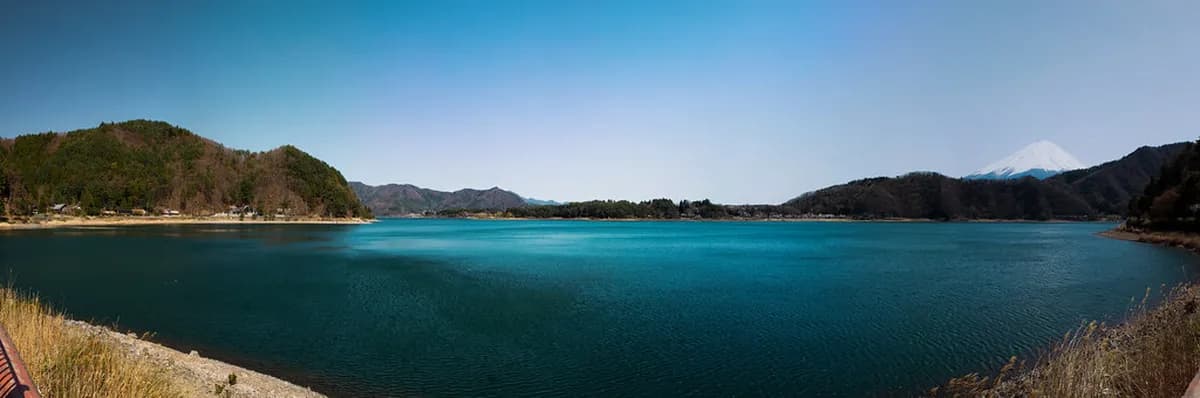
Lake Kawaguchi, also called Lake Kawaguchiko, is the most practical Fuji Five Lakes base for many 2026 visitors because it combines Mount Fuji views, rail and highway bus access, lakeside walks, food, museums, and short side trips in one compact area. The lake itself is not a gated attraction, so the best plan is less about buying a single ticket and more about choosing the right viewing windows, transport loop, and backup activities for cloudy weather.
Use this page as an attraction guide, not a packaged tour itinerary. It keeps the official lake pricing and opening-hour information in the structured FAQ and explains how to spend your time on the ground without overloading the day.
Where is Lake Kawaguchiko?
Lake Kawaguchiko sits in Fujikawaguchiko town, Yamanashi Prefecture, on the north side of Mount Fuji. It is one of the Fuji Five Lakes and is the easiest lake in the group for most Tokyo-based travelers because Kawaguchiko Station connects to highway buses, the Fujikyuko Railway, sightseeing bus routes, taxis, bicycle rentals, and many hotels.
The classic view is from the north shore, where Mount Fuji rises across the water. Oishi Park, Nagasaki Park, the lakeside walking path, and Ubuyagasaki are popular photo areas because they can frame the mountain, lake, and seasonal foregrounds together. The visibility problem is real: clouds can hide Fuji even when the lake area feels pleasant. Before leaving Tokyo, check a live webcam of Lake Kawaguchi and keep a flexible backup plan.
How to Get to Lake Kawaguchi from Tokyo
Most visitors arrive at Kawaguchiko Station. From Shinjuku, the JR Limited Express Fuji Excursion is the simplest train option when seats are available. The common transfer route is Shinjuku to Otsuki on the JR Chuo Line, then Otsuki to Kawaguchiko on the Fujikyuko Railway. Highway buses from Shinjuku, Shibuya, and Tokyo Station are often direct and cost-effective, but they can be delayed by expressway traffic on weekends and holidays.
For a day trip, take the earliest practical departure and choose two or three lake-area stops. For an overnight stay, arrive in the afternoon, save the north-shore viewpoints for sunrise or early morning, and use cloudy daytime hours for museums, cafes, hot springs, or food. Driving helps if you want to combine Lake Kawaguchi with Saiko, Oshino Hakkai, or Iyashi-no-Sato Nenba, but parking and congestion can slow you down during cherry blossom, autumn foliage, and holiday periods.
Getting Around Kawaguchiko
The Kawaguchiko Retro Buses are the most useful public transport option for first-time visitors. They connect Kawaguchiko Station with major lakeside sights, including Oishi Park and museum areas. Check the current timetable before you commit to a tight route, especially outside peak seasons, because waiting for the next bus can consume more of the day than the attraction itself.
Cycling works well for active travelers because the lake loop is mostly gentle and gives you freedom to stop for photos. A full circuit is better treated as a half-day activity than a quick transfer method. Taxis are useful for Arakurayama Sengen Park, late arrivals, hotels away from the bus loop, or travelers with mobility limits, but do not assume one will appear instantly at every lakeside stop.
- Best for a first visit: station plus sightseeing bus, with one taxi if you are adding Chureito Pagoda.
- Best for photographers: overnight stay, early north-shore walk, then bus or bicycle after breakfast.
- Best for families: short bus hops, one lake activity, and a weather-proof museum or onsen backup.
- Best for slow travel: two nights, bicycle rental, local food, and a side trip to another Fuji Five Lakes area.
Best Time to Visit Kawaguchiko
Winter often gives the clearest Mount Fuji views, especially in the morning, but the air is cold and daylight is shorter. Spring brings cherry blossoms around the wider Fuji area, while late April to May can add flower fields nearby. Summer is greener and cooler than central Tokyo, yet Fuji visibility is less reliable because haze and clouds build quickly. Autumn is one of the most attractive seasons around the lake thanks to foliage and crisp mornings, but it also brings heavy crowds.
The practical rule for 2026 is simple: if seeing Mount Fuji matters, prioritize morning and stay overnight if your schedule allows. If you only have a day, decide before departure whether you will still enjoy the lake, museums, food, and hot springs if Fuji is hidden. That expectation prevents the most common disappointment.
Things To Do in Kawaguchiko
Start with the lake itself. Walk the north shore, visit Oishi Park, look for reflections near calm water, and leave time for unscheduled stops. The best views are often not from a formal attraction but from a quiet section of path when the wind drops.
For culture and indoor backup, the Kawaguchiko Music Forest Museum and Itchiku Kubota Art Museum are useful when visibility is poor. Food is also part of the visit: try hoto noodles, a hearty Yamanashi dish with thick noodles, vegetables, and miso-based broth. It is a good lunch choice after cycling or walking, but popular restaurants can queue at peak meal times, so eat early or late if your schedule is tight.
Nearby side trips depend on how much time you have. Arakurayama Sengen Park and Chureito Pagoda are high-impact photo stops but require a train or taxi transfer plus a climb. Saiko Iyashi-no-Sato Nenba adds traditional thatched houses and craft shops near Lake Saiko. Fujiyoshida Sengen Shrine suits travelers interested in Fuji worship history and forested shrine grounds. Mount Fuji Fifth Station is worthwhile in climbing season or for mountain context, but it is not a Fuji-view viewpoint because you are already on the mountain.
Canoeing on Kawaguchi Lake
Canoeing on Kawaguchi Lake gives you a low-angle view of the shoreline and Mount Fuji when the weather cooperates. Rental costs for canoes or kayaks typically range from 1,500 to 3,000 yen per hour. Choose an early slot when the lake is calmer, the light is softer, and sightseeing traffic has not yet built up.
Beginners should choose a stable canoe or guided option, wear the provided life vest, and avoid going out when wind or rain makes the lake choppy. Families should confirm age rules and whether tandem craft are available before walking to a rental counter. If Fuji is hidden, canoeing can still be relaxing, but it loses much of its photo value; in that case, the sightseeing boat, museums, or a lakeside cafe may be a better use of limited time.
Take the Fuji Panoramic Ropeway
The Fuji Panoramic Ropeway climbs from the lakeside to Mount Tenjo for a high view over Lake Kawaguchi and Mount Fuji. It is convenient because the lower station is close to the main visitor zone, but queues can grow on weekends, holidays, and clear peak-season mornings. Go early or treat it as optional if the line is long and the lake shore already has clear views.
Some older third-party guides list different ropeway prices from the verified pricing used in this page's structured FAQ. Treat those as outdated or source-dependent contradictions and confirm with the operator if you are comparing posts while planning. The same caution applies to seasonal schedules: the lake has no gate, while nearby paid attractions set their own operating times.
Accessibility, Family, and Gear Notes
Lake Kawaguchi is easier than many mountain destinations, but it is not frictionless. Kawaguchiko Station, buses, and major parks are manageable for many travelers, while smaller sidewalks, bus crowding, stairs, and uneven lakeside paths can make the day harder with strollers, wheelchairs, or heavy luggage. A compact stroller or carrier is more practical than a large stroller if you will use buses.
Pack layers even outside winter because lakeside wind can feel colder than Tokyo. Comfortable walking shoes matter more than formal outfits; many visitors end up walking between bus stops, viewpoints, and restaurants. Bring cash for small shops, a power bank for maps and train updates, and a simple rain layer. If traveling with children, choose one anchor activity in the morning and keep the afternoon flexible rather than forcing a full lake loop.
Where to Stay and Eat Around Lake Kawaguchi
Stay near Kawaguchiko Station if you want easy transfers, buses, and restaurants. Stay on the north shore if your priority is waking up to Mount Fuji views. A Fuji-view room can be worth the premium, but only if you understand that weather still decides the view. Book early for weekends, cherry blossom season, autumn foliage, New Year travel, and school holiday periods.
Glamping Villa Hanz Kawaguchiko is one local option for travelers who want an outdoor-style stay with more comfort than regular camping. It is better suited to couples, families, or groups who want a destination stay rather than the cheapest base near the station. For food, prioritize hoto noodles, lakeside cafes, soba, local sweets, and convenience-store backup meals if you arrive late. A common mistake is assuming Kawaguchiko has big-city dinner hours; many restaurants close earlier than visitors expect.
Common Mistakes to Avoid
- Planning only around Fuji visibility: clouds can hide the mountain, so keep museums, food, hot springs, or lakeside walks in reserve.
- Trying to do every Fuji-area sight in one day: Lake Kawaguchi, Chureito Pagoda, Saiko, Oshino Hakkai, and Fifth Station are not a relaxed single-day route by public transport.
- Ignoring bus timing: a missed bus can turn a simple transfer into a long wait or an expensive taxi.
- Arriving too late for dinner: rural tourist towns close earlier than Tokyo neighborhoods.
- Comparing old price snippets without checking source context: use official or currently verified figures for paid attractions and treat conflicting third-party numbers cautiously.
Frequently Asked Questions
Day trip or overnight stay?
A day trip works if you only want a taste of the lake, Oishi Park, the ropeway, or a short cruise. An overnight stay is better if Mount Fuji views matter because early morning is often the clearest window and you get two chances instead of one.
How long to stay in Lake Kawaguchiko?
Plan one full day for the main lake highlights, one night for a more comfortable first visit, and two nights if you want to cycle, visit museums, add Chureito Pagoda, or explore another Fuji Five Lakes area without rushing.
Which lake kawaguchi visitor guide options fit first-time visitors?
First-time visitors should focus on Kawaguchiko Station, Oishi Park, the north-shore walk, the Fuji Panoramic Ropeway, hoto noodles, and one optional side trip such as Chureito Pagoda. This gives a balanced visit without spending the whole day in transit.
How much time should you plan for Canoeing on Kawaguchi Lake?
Set aside about 90 minutes to two hours, including walking to the rental point, safety instructions, time on the water, and returning gear. Add more time if you are visiting during a busy weekend or with children.
What should travelers avoid when planning Canoeing on Kawaguchi Lake?
Avoid windy or rainy conditions, do not skip the life vest, and do not schedule canoeing as your final activity before a fixed bus or train departure. Weather and rental queues can change the timing quickly.
Is Lake Kawaguchi still worth visiting if Mount Fuji is hidden?
Yes, if you enjoy lakeside towns, museums, hot springs, local food, and slower travel. If your only goal is a clear Fuji photo, check webcams before departure and consider staying overnight rather than relying on a single afternoon.
Lake Kawaguchi is one of the most useful Mount Fuji bases because it rewards both structured planners and slow travelers. Build your 2026 visit around morning visibility, realistic transport, and one or two priority experiences, then keep enough flexibility for weather. That approach turns the lake from a rushed photo stop into a balanced Fuji Five Lakes visit.
To verify current details, consult the Lake Kawaguchi on Wikipedia.
Planning the rest of your trip? See our things to do in Kawaguchiko guide and how to get to Kawaguchiko from Tokyo, or read about the Fuji Five Lakes.