
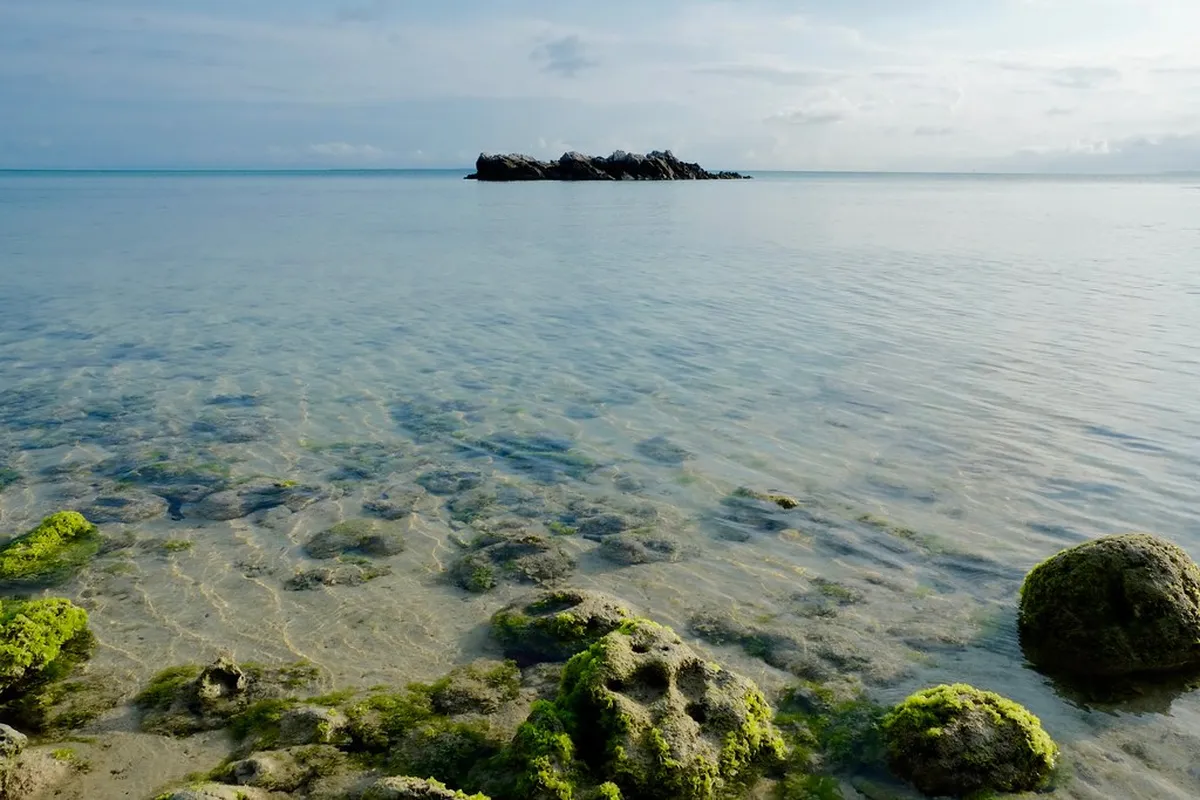
Taketomi Island
A 10-minute ferry hop from Ishigaki into old Okinawa — sandy lanes of red-tiled Ryukyu cottages, water-buffalo carts with sanshin serenades, and the star-sand of Kaiji Beach.
Visitor guide →
Ishigaki attractions guide: Kabira Bay, Taketomi and Iriomote day trips, top beaches and viewpoints — verified prices and 2026 tips.
Ishigaki Island is the gateway to Japan's Yaeyama Islands — Okinawa's southernmost, subtropical archipelago, closer to Taipei than to Tokyo. Most first-time visitors land at New Ishigaki Airport expecting a beach stopover and leave having crossed by ferry to a century-old fishing village, snorkeled a living reef metres from the sand, and watched a water buffalo pull a cart along a coral-sand lane. This 2026 guide covers the best things to do in Ishigaki island itself, the Yaeyama day trips that make it a genuine island-hopping base, and the practical planning details — flights, ferries, weather — you need before you book.
If you only see one thing on Ishigaki, it's Kabira Bay, the island's single most-photographed spot and the reason most travel brochures use Ishigaki's coastline as a cover shot. The bay's water shifts through bands of turquoise, emerald and near-black depending on the sun and tide, framed by a white sand shore and pine-covered headlands. The strong current and protected marine reserve mean swimming isn't allowed — instead, most visitors take the roughly 30-minute glass-bottom boat ride that glides over the coral and giant clams below without disturbing them. Divers head slightly offshore to Manta Scramble, a cleaning station where manta rays gather in number, best from November to May. Our full Kabira Bay visitor guide covers boat-ride timing, parking, and the short walking paths that give a free clifftop view of the bay without a ticket.
A 10-minute ferry hop from Ishigaki into old Okinawa — sandy lanes of red-tiled Ryukyu cottages, water-buffalo carts with sanshin serenades, and the star-sand of Kaiji Beach.
Visitor guide →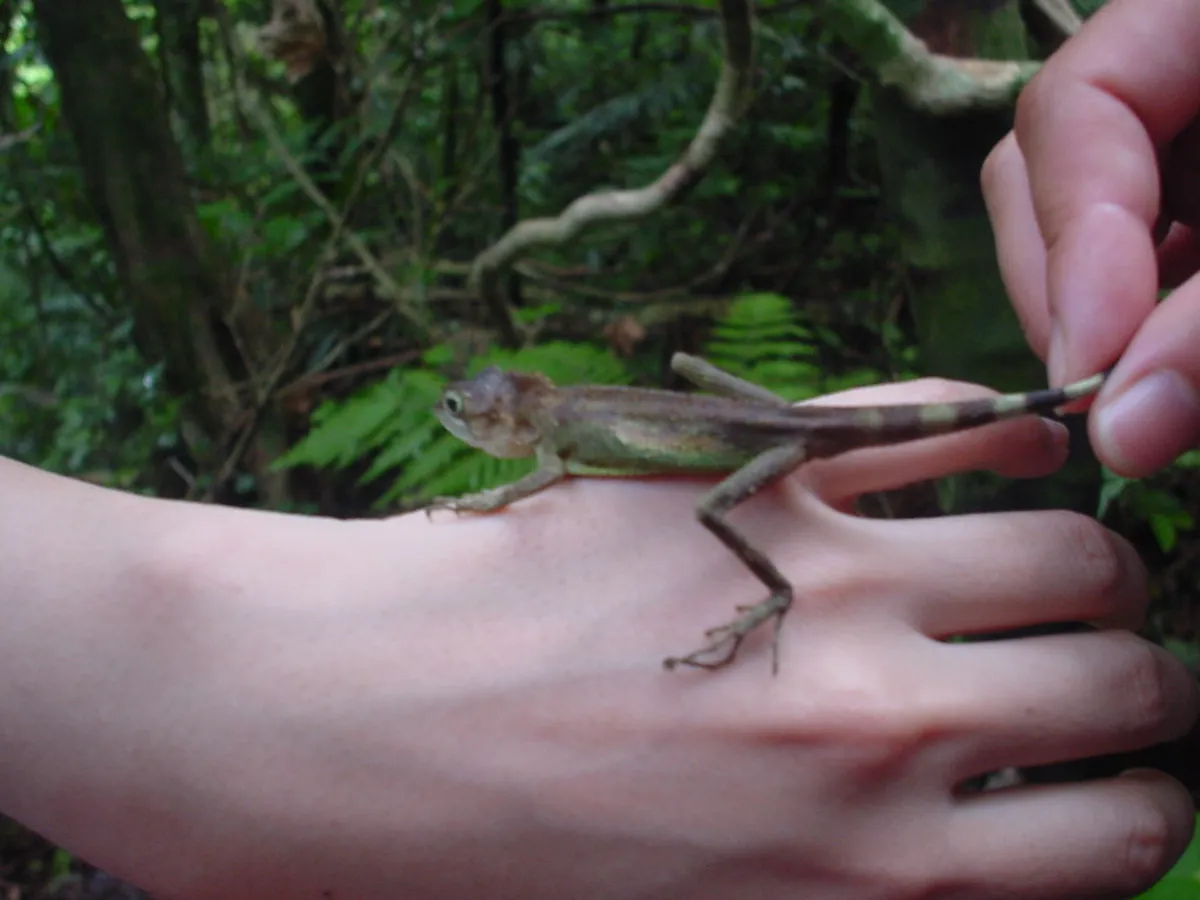
Japan's last true jungle island — a UNESCO-listed wilderness of mangrove rivers and waterfalls off Ishigaki, where you kayak to the Pinaisara Falls, cruise the Urauchi River and watch for the elusive Iriomote wildcat.
Visitor guide →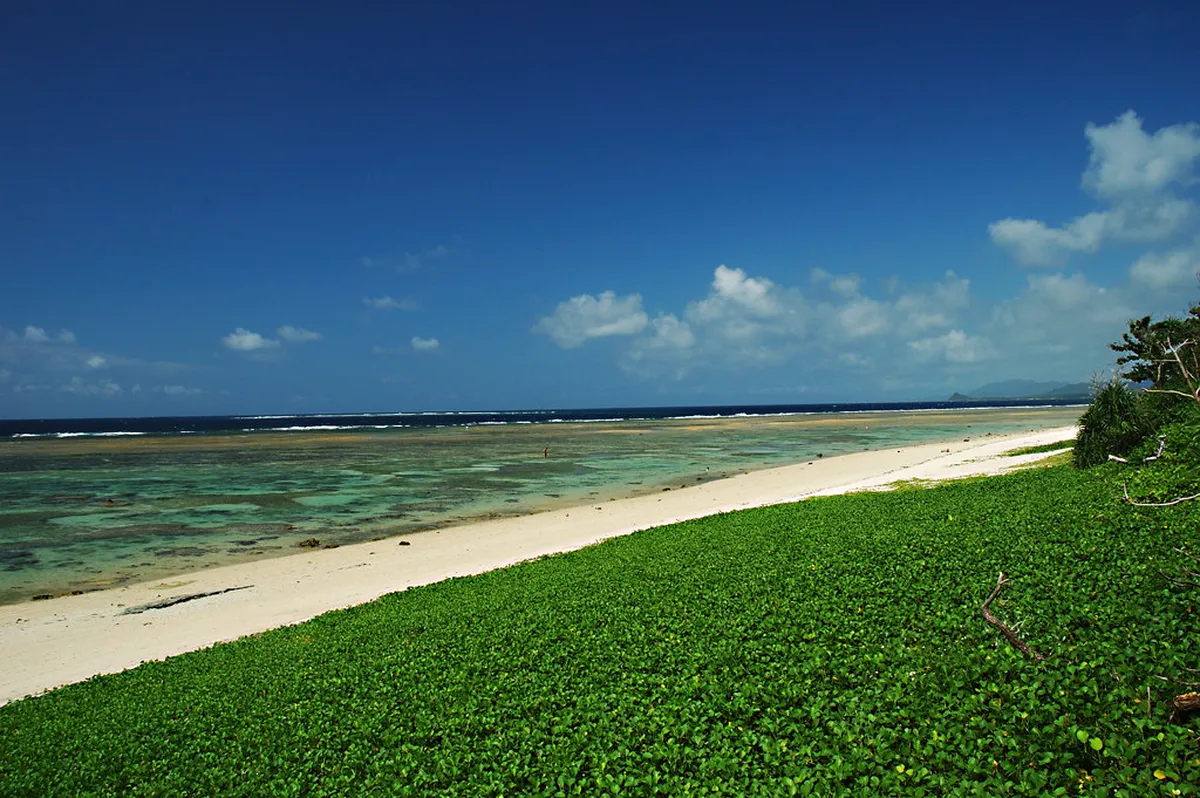
Ishigaki's best snorkelling beach — a white-coral shore on the north coast with a living reef metres from the sand, backed by the Yonehara grove of towering native Yaeyama palms.
Visitor guide →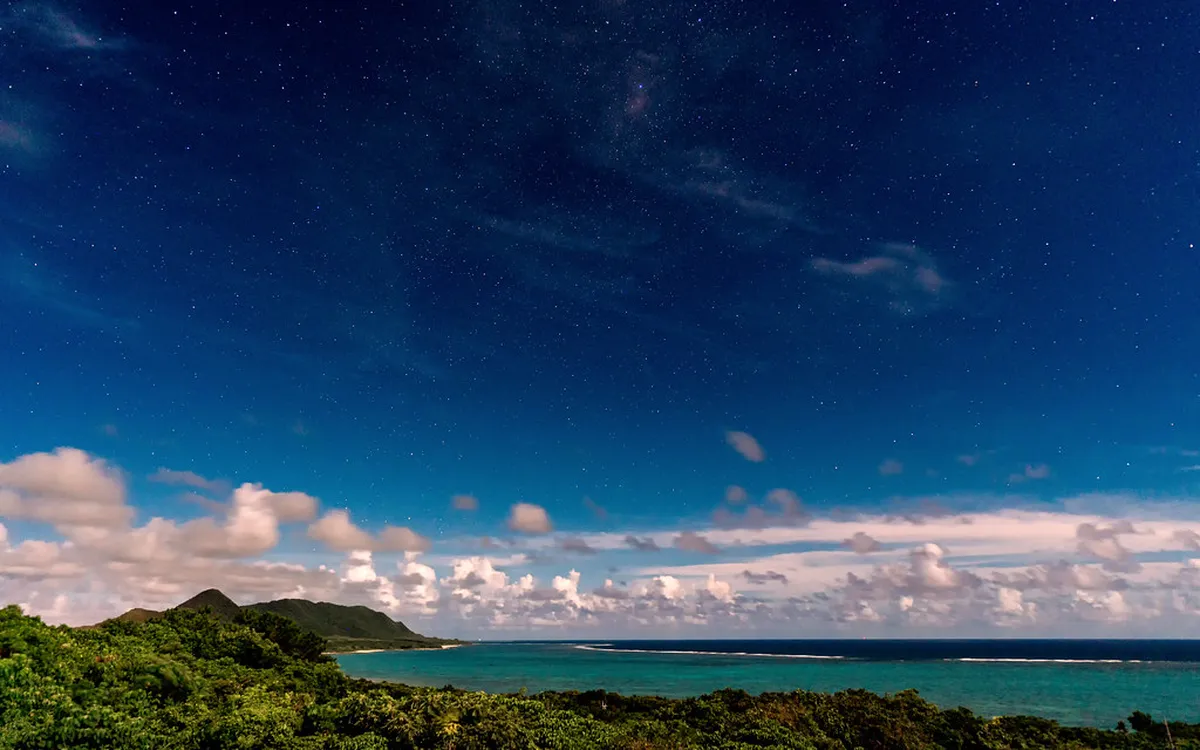
Ishigaki's most photographed viewpoint — a hilltop deck over the slender Ibaruma isthmus where two seas glow in bands of turquoise, reached by a short hibiscus-lined path.
Visitor guide →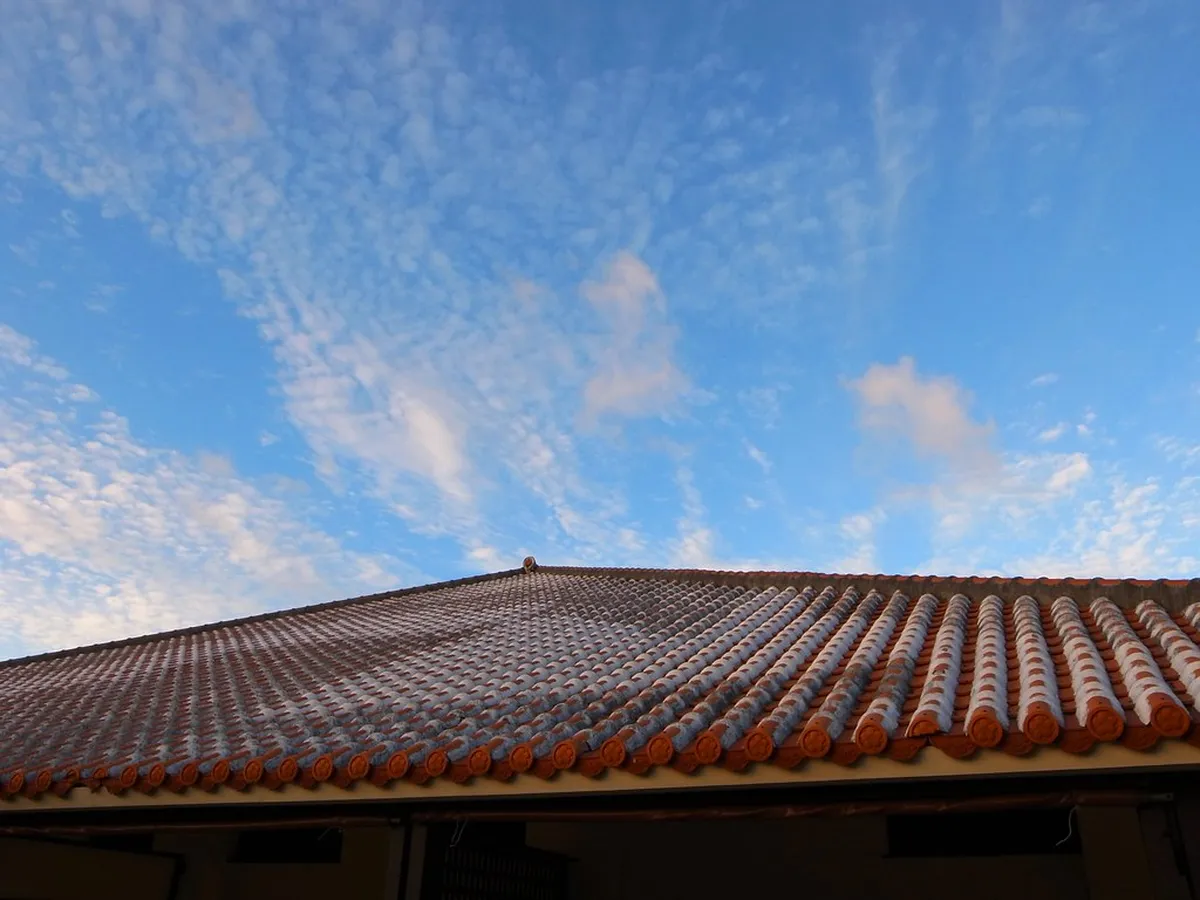
A relaxed open-air folk village on Nagura Bay — wander century-old red-tiled Ryukyu houses, meet the resident squirrel monkeys, walk the mangrove boardwalk, and try sanshin, weaving or Okinawan dress-up.
Visitor guide →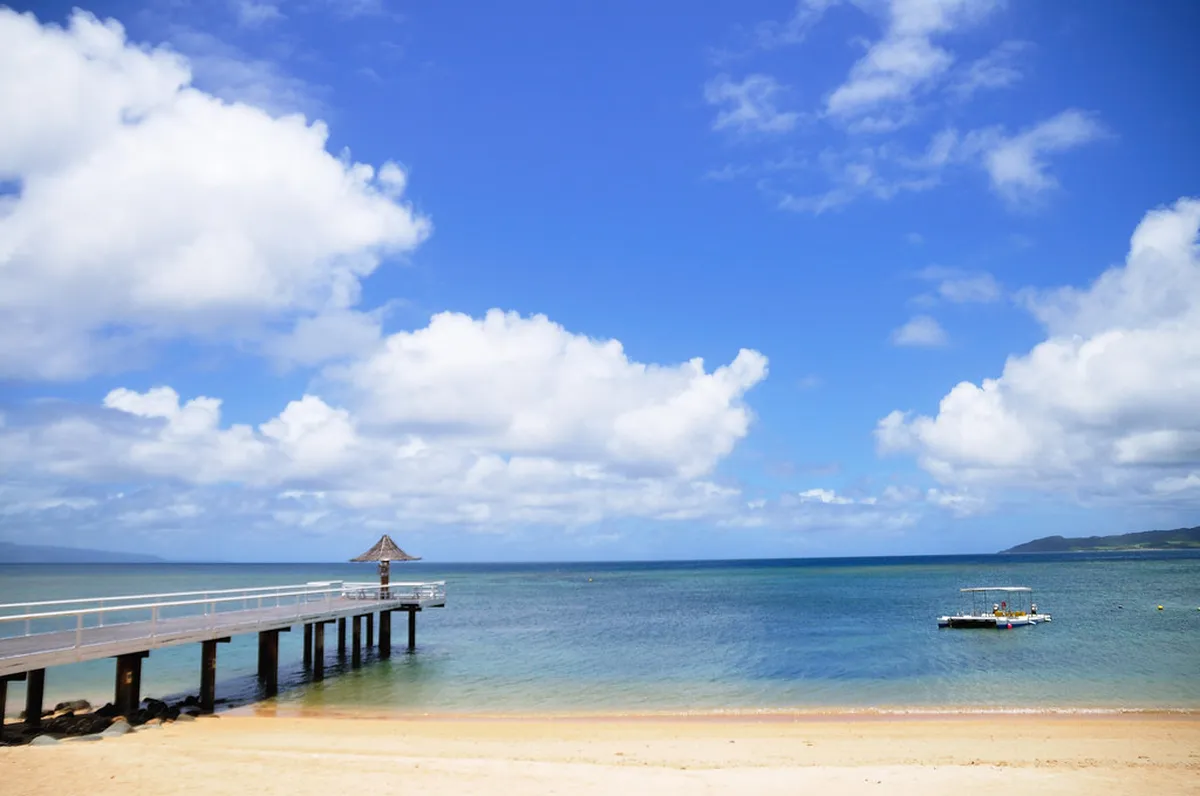
Ishigaki's classic sunset beach on the west coast — a calm swimming bay beside Fusaki Resort with a long wooden pier that frames the island's most photographed sunsets.
Visitor guide →Beyond Kabira Bay, the north and west coasts hold a loose loop of sights that works well as a single rental-car day. Yonehara Beach is the island's best shore-entry snorkeling — no boat needed, just fins and a mask to reach a living reef a few metres out, backed by a grove of towering native Yaeyama palms. A short drive north, Tamatorizaki Observatory is a free hilltop deck over the slender Ibaruma isthmus, where two seas meet in visibly different shades of blue — arguably the best view on the island that doesn't require a boat ticket. On Nagura Bay, Ishigaki Yaima Village (admission around ¥1,200) is an open-air folk museum of restored Ryukyu houses, a mangrove boardwalk, and a squirrel-monkey enclosure that's popular with families. Save Fusaki Beach for late afternoon — it's a calm swimming bay on the west coast with a long wooden pier that frames Ishigaki's best sunsets, and it's free to visit.
Ishigaki's ferry terminal is the hub for the rest of the Yaeyama Islands, and the two most popular day trips are both doable without an overnight stay. Taketomi Island is a roughly 10-15 minute ferry ride away (around ¥1,700 round trip), a car-free village of red-tiled Ryukyu cottages, sand-covered lanes, and water-buffalo cart tours accompanied by live sanshin music — plus the star-sand of Kaiji Beach. Iriomote Island is a longer crossing, around 35-40 minutes each way, into Japan's last true subtropical jungle: a UNESCO-listed wilderness of mangrove rivers where you kayak to Pinaisara Falls, cruise the Urauchi River, and watch for the elusive, critically endangered Iriomote wildcat. Both islands are an easy full-day trip and back to your Ishigaki hotel by evening; see our Taketomi day-trip guide and Iriomote day-trip guide for boat times and tour bookings, or the Yaeyama ferry guide if you're island-hopping to more than one.
Three days is enough to cover Ishigaki's core sights and one Yaeyama day trip; four to five lets you do both Taketomi and Iriomote without rushing. A simple structure: Day 1 covers Ishigaki town, Kabira Bay and Yonehara Beach; Day 2 is a full-day ferry trip to Taketomi Island; Day 3 either crosses to Iriomote for jungle kayaking or stays on Ishigaki for Yaima Village and a Fusaki Beach sunset. For a full day-by-day breakdown with timings, see our 3-day Ishigaki itinerary.
Ishigaki is reached by direct flights into New Ishigaki Airport (ISG) from Naha, Tokyo (Haneda/Narita) and Osaka — there's no rail or metro system on the island. A rental car is the easiest way to reach the north-coast sights like Kabira Bay, Yonehara Beach and Tamatorizaki Observatory, since local bus routes are infrequent and don't run late. Ferries to Taketomi, Iriomote and the other Yaeyama Islands leave from Ishigaki Port (Ishigaki Yaeyama Ferry Terminal), a short taxi ride from the airport and most hotels. Full flight, bus and ferry details are in our how to get to Ishigaki guide.
Ishigaki has a subtropical climate with warm water and reasonable snorkeling conditions year-round, but timing still matters. Typhoon season runs roughly June through October, peaking in August and September, when ferries to Taketomi and Iriomote can be suspended for a day or two — build a buffer day into any itinerary in that window. November through April is drier, cooler and calmer, and it's also manta ray season near Kabira Bay's Manta Scramble. Peak domestic holiday crowds hit during Golden Week (late April-early May) and Obon (mid-August), when flights and hotels book out well in advance.
Kabira Bay is Ishigaki's most-visited and most-photographed sight — a protected bay known for its shifting turquoise water, best seen from the glass-bottom boat or the free clifftop viewpoint.
Three days covers the island's own sights plus one Yaeyama day trip; four to five days lets you add both Taketomi Island and Iriomote Island without rushing.
No — Kabira Bay is a protected marine area with strong currents, so swimming isn't permitted. Visitors view the bay from a glass-bottom boat tour or the shoreline and clifftop paths.
A high-speed ferry from Ishigaki Port to Taketomi Island takes around 10-15 minutes and costs roughly ¥1,700 round trip, with frequent daily departures.
Ferries from Ishigaki Port to Iriomote Island take around 35-40 minutes each way, landing at either Ohara or Uehara port depending on the route and season.
Yes — Ishigaki combines its own beaches, viewpoints and cultural sights with easy access to Taketomi's traditional village and Iriomote's jungle, making it Okinawa's best base for island-hopping.
November through April offers drier, calmer weather and manta ray season near Kabira Bay. June through October is typhoon season, which can disrupt inter-island ferries.
A rental car is strongly recommended for reaching north-coast sights like Kabira Bay, Yonehara Beach and Tamatorizaki Observatory, since bus service is infrequent outside Ishigaki town.
Use this page as your starting point, then dig into the full guides for each stage of the trip: the Ishigaki travel guide for a broader city overview, the 3-day Ishigaki itinerary for a day-by-day plan, the how to get to Ishigaki guide for flights and ferries, and the Okinawa attractions guide if Ishigaki is one stop on a wider Okinawa trip.