

12 Best Things to Do in Aizuwakamatsu (2026) – Travel Guide
Discover 12 unforgettable things to do in Aizuwakamatsu, Japan. Explore samurai history, scenic beauty, and local delicacies with our 2026 guide.
On this page
Aizuwakamatsu sits in the western half of Fukushima Prefecture, about 2.5 hours from Tokyo by Shinkansen with a transfer at Koriyama. It is one of Japan's most concentrated samurai cities — a place where the Byakkotai story, centuries of sake brewing, and a preserved castle all occupy the same small, walkable circuit. Updated for 2026, this guide covers every meaningful thing to do in Aizuwakamatsu, from the iconic red-tiled castle to a sake bar pouring from 24 local breweries.
Most visitors underestimate how much is packed into two days here. The city is genuinely less crowded than Kyoto, the loop buses run every 20–30 minutes, and the combination of samurai history, onsen, local food, and sake culture is hard to match anywhere in Tohoku. First-timers typically spend two nights in the city and add one day trip — either Ouchijuku or Kitakata — for the full picture.
Key Takeaways
- Best overall: Tsuruga Castle — the only castle in Japan with red tiles, and the anchor of the city's samurai identity.
- Best for immersive history: Aizu Bukeyashiki (Samurai Residence) — 38 rooms dressed as they were in the Edo period.
- Best rainy-day option: Suehiro Sake Brewery — free tours, tastings, and a café with sake-infused desserts.
- Best free site: Iimoriyama grounds — poignant Byakkotai memorials and city views; museum entry is extra but optional.
- Best day trip: Ouchijuku — thatched-roof post town 35 minutes by train, most dramatic under winter snow.
Tsuruga Castle
the Tsuruga Castle is the defining landmark of Aizuwakamatsu and the right place to start any visit. The current structure is a 1965 reconstruction on the original 1384 foundation, but what makes it visually distinctive is the red-tiled roof — a color restored in 2011 to match the Edo-period originals, when the tiles were fired from local iron-rich clay. No other surviving Japanese castle has this feature.
The interior museum across its five floors covers the Boshin War of 1868 in detail, including the role of the Byakkotai. Allow 60–90 minutes for the castle alone. From the top floor you get a clear panoramic view toward the Iimoriyama Hill, which gives you a useful mental map for the rest of the day. The castle grounds are also one of Fukushima's top cherry blossom spots in early April.
Admission in 2026 is ¥520 for adults, which includes entry to the Rinkaku Teahouse on the grounds — a rare chance to take matcha in a historically significant space. Opening hours are 08:30–17:00 daily (last entry 16:30). The castle is a 5-minute walk from the Tsurugajo Kitaguchi stop on both the Haikara-san (blue) and Akabe (red) loop buses.
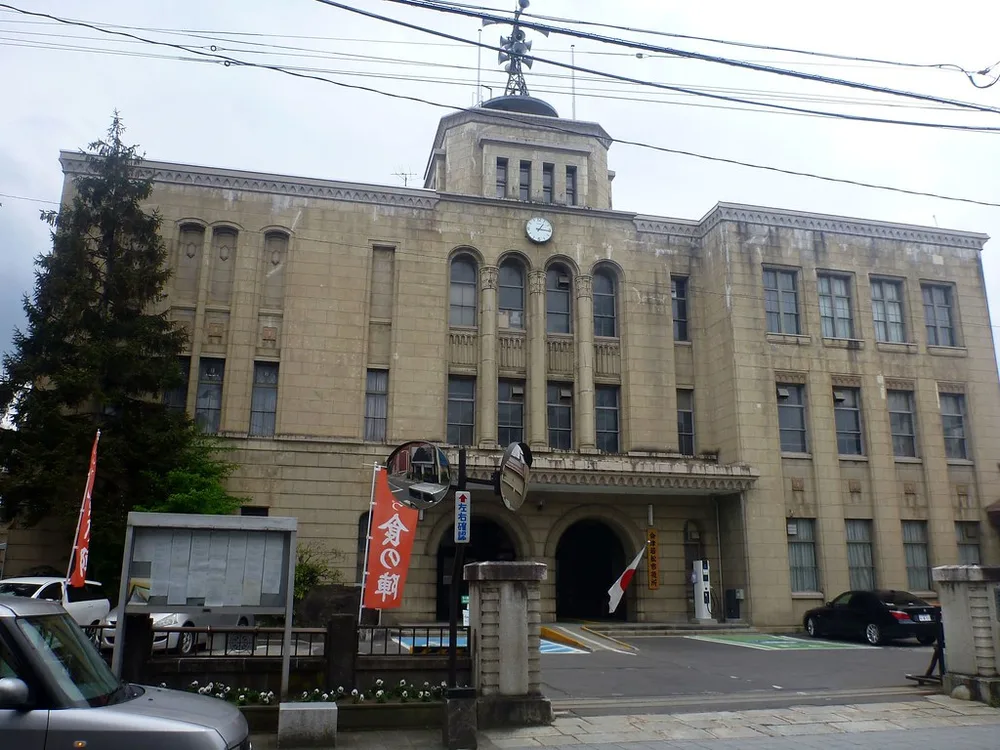
Iimoriyama Hill and the Sazaedo Pagoda
Iimoriyama, or Mount Imori, is the site of the Byakkotai story — 19 teenage samurai who retreated here during the Boshin War, saw smoke rising from Tsuruga Castle's direction, believed it had fallen, and committed ritual suicide together. The graves of all 19 are on the hillside, alongside monuments donated by Rome (a slab from Pompeii, gifted by Mussolini in 1928) and a German diplomatic plaque — an unexpected international dimension to a very local tragedy.
The Byakkotai Memorial Hall costs ¥400 and houses artifacts and context about the war. A second private museum, the Byakkotai Legendary Museum (¥300), holds over 5,000 related artifacts for those who want more depth. You can reach the tombs by a free staircase or an escalator that costs ¥250. From the bus, get off at the Iimoriyama Shita stop (Akabe line, stop A5) — about 5 minutes from the station.
While you are on the hill, do not skip the Sazaedo Pagoda. Built in 1796, it is a three-story wooden structure designated as an Important Cultural Property of Japan. Its interior contains two interlocking spiral ramps that wind in opposite directions, so people ascending and descending never cross paths. This design — sometimes called a double helix — was intended to allow uninterrupted prayer circuits past 33 Kannon statues representing pilgrimage temples across Japan. Entry is ¥400. The combination of the Byakkotai graves and the Sazaedo easily fills two hours on Iimoriyama.
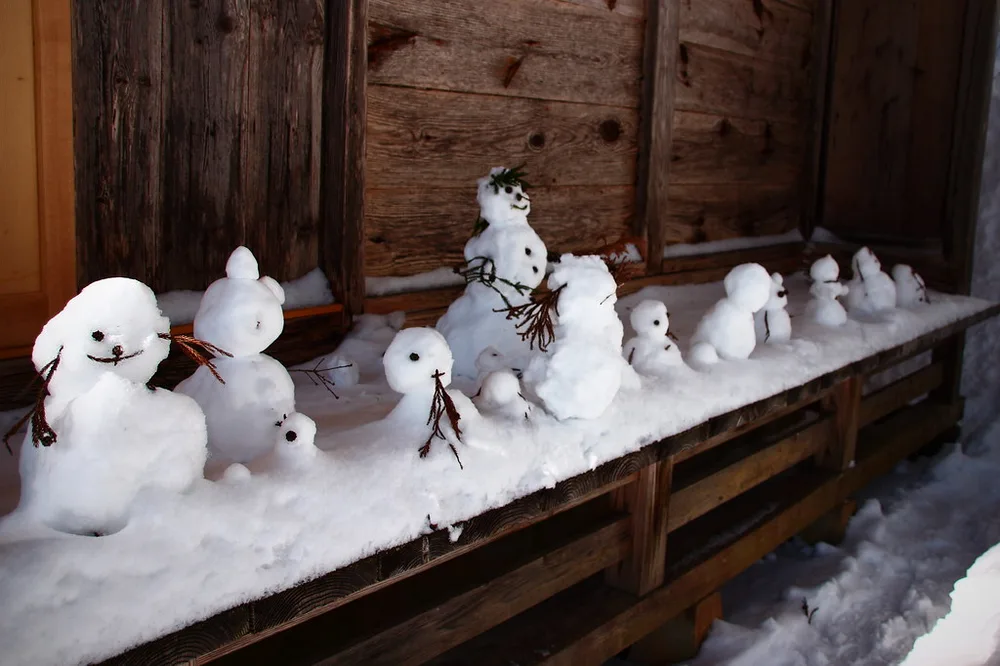
Aizu Bukeyashiki and the Nisshinkan Samurai School
the Aizu Bukeyashiki is a reconstructed samurai residence with 38 rooms dressed to show how a senior Aizu clan family would have lived during the Edo period. The original building was destroyed in the Boshin War; what you walk through today is a faithful replica built from historical records. It is one of the most immersive samurai-era spaces in northern Japan. An English-language self-guided leaflet is available at the entrance. Allow 90 minutes. Admission is ¥850 for adults, open 08:30–17:00 (April–November) and 09:00–16:30 (December–March). It is served directly by the loop buses. Read the full cluster article on Aizu Bukeyashiki and the Nisshinkan for detailed room-by-room notes.
the Nisshinkan Samurai School, located slightly outside the main bus circuit, is where boys of the Aizu Clan studied martial arts, academics, and culture to become samurai. Built in 1803, the reconstructed grounds include a training hall, archery range, and a swimming pond. Visitors can try traditional archery (kyudo) for an additional fee — a hands-on element that most people find memorable. A taxi from the station costs around ¥1,200 one way. Admission is ¥600 for adults.
Oyakuen Medicinal Herb Garden
the Oyakuen dates from the 18th century, when the feudal lord of Aizu established it as a medicinal herb garden to help protect citizens from disease. Nearly 400 herb varieties are still cultivated here, some labeled in English. The garden also contains a restored teahouse on a small island, accessible by a wooden bridge over a central pond, and an outer circuit of shaded paths. It is a national preservation site.
The atmosphere is quieter than the castle — most visitors pass through in 30–40 minutes — but it rewards a slower pace. A small cup of matcha in the teahouse is ¥500 and is genuinely worth stopping for. Admission is ¥330 for adults, open 08:30–17:30. The garden is a stop on the Haikara-san bus loop and sits close enough to the castle to pair them in the same morning.
Aizuwakamatsu's Sake Culture: Breweries and the Sake Bar Circuit
Aizuwakamatsu is one of the most concentrated sake-producing areas in Japan. The cold climate, pure snowmelt water from the surrounding Aizu mountains, and centuries of rice cultivation have made this a region where multiple respected breweries operate within a few kilometers of each other. Unlike Nada or Fushimi, Aizu sake rarely travels far from Fukushima — tasting here means drinking things you genuinely cannot find elsewhere.
The two main breweries to visit are Suehiro and Aizu Miyaizumi. Suehiro Sake Brewery (12-38 Nisshinmachi) has been family-owned for eight generations since 1850. Their house method is Yamahai — a slow, open-air fermentation process that produces a fuller, more complex flavour than modern rapid brewing. Free tours run daily from 10:00–16:00 and take about 30 minutes; confirm the schedule at the tourist information office opposite the station, as sessions depend on the season and staff availability. The brewery also has a café serving sake-infused desserts (cake and jelly), a small museum, and an unexpectedly large private collection of vintage film cameras. For a deeper read, see our guide to Aizu sake guide.
Aizu Miyaizumi Sake Brewery (8-7 Higashisakaemachi) has 400 years of history and sits directly opposite the Kitakata Ramen Specialty Shop Kirin — convenient if you plan a ramen-and-sake afternoon. Their standout bottle is an Assemblage blend (the wine-making technique applied to sake) that combines three separate junmai expressions at different polishing rates. It has a purchase limit on-site and is hard to find outside Aizu. Opening hours are 09:00–16:30.
After the breweries, head to Sake Bar Kanmasu (Omachi, 1-2-54) in the evening. This local sake bar runs a "Nomasse" self-serve dispenser system pouring sake from 24 different Aizu-region breweries. A ¥1,000 token buys six 30ml pours, making it the most efficient way to compare regional styles in one sitting. They also serve small dishes cooked with seasonal Aizu produce. It is an evening-only spot and consistently busy on weekends — arrive before 19:00 to get a seat.
If you want to browse bottles to take home, Aizu Shurakukan Watanabe Shouta Shoten on Noguchi Hideyo Seishun Street carries one of the widest selections of local sake in the city, including limited-run seasonal bottles not stocked in supermarkets.
What to Eat in Aizuwakamatsu
The Aizu region has a distinct food culture that most visitors only scratch the surface of. The two dishes you should not leave without trying are Miso Dengaku and Sauce Katsudon.
Miso Dengaku at Mitsutaya is the most photographed food experience in Aizuwakamatsu. Mitsutaya (1-1-25 Omachi) is a miso specialty shop founded around 1835 at the end of the Edo period. The dengaku set (¥1,850 including tax) comes with six skewers: mochi, fried tofu, konjac, taro potato, shingorou (half-mashed rice cake), and smoked herring. Each is coated in a different house miso — sansho miso, egoma miso, and sweet white miso — then grilled over a charcoal fire at the counter while you watch. The sticky mochi with sweet miso is the standout. Hours are 10:30–16:30, closed Wednesdays. The nearest bus stop is Otanomachi (Akabe bus, stop A31), a 3-minute walk.
Sauce Katsudon is an Aizu specialty that differs from the standard egg-topped katsudon found elsewhere in Japan. Here the breaded pork cutlet is served over rice with shredded cabbage and a slightly sweet, tangy sauce. The most recommended spot for this is the small restaurant Katsuichi, within walking distance of central Aizu. It is a genuinely regional dish that most guide books overlook in favour of the more photogenic dengaku.
On Noguchi Hideyo Seishun Street, the main retro shopping street named after the world-famous bacteriologist who grew up in the city, you will find cafés, souvenir shops, and Aizu lacquerware stores including Shirakiya. This is the best place to buy Aizu Nuri lacquerware — trays, bowls, and chopsticks coated in traditional urushi lacquer in a craft tradition that dates back centuries. Lacquerware workshops nearby (typically ¥2,000–¥4,000 per session) let you decorate your own piece; book ahead for English-friendly sessions.
| Top Attractions | Area | Admission (2026) | Hours | Time Needed |
|---|---|---|---|---|
| Tsuruga Castle | Central (5 min from Tsurugajo Kitaguchi bus stop) | ¥520 | 08:30–17:00 | 60–90 min |
| Aizu Bukeyashiki | Central (Haikara-san/Akabe bus loop) | ¥850 | 08:30–17:00 (Apr–Nov), 09:00–16:30 (Dec–Mar) | 90 min |
| Iimoriyama + Sazaedo | East (Iimoriyama Shita, Akabe line) | ¥400 (memorial) + ¥400 (Sazaedo) | 08:30–17:00 | 120 min |
| Oyakuen Garden | Central (Haikara-san bus loop) | ¥330 | 08:30–17:30 | 30–40 min |
| Suehiro Sake Brewery | West (Haikara-san/Akabe bus loop) | Free tours | 10:00–16:00 | 30 min |
Higashiyama Onsen
Higashiyama Onsen is a traditional hot spring resort valley 10–15 minutes by bus or taxi from Aizuwakamatsu Station. The difference from the city is immediate: the valley is narrow, forested, and quiet, and several ryokans cluster along the river. It is the closest authentic onsen experience to the city center in Tohoku.
Day-use baths are available at most ryokans for visitors not staying overnight, typically from 11:00–15:00 at ¥800–¥1,500 per person. Look for properties with rotenburo (outdoor baths) for a scenic soak. If you want to stay overnight, the most consistently praised property is Onyado Toyo, which includes breakfast, dinner, private bathroom facilities, and access to the shared onsen baths. Snow crab season (November–March) is particularly popular for its multi-course kaiseki dinners. A shared shuttle runs from Aizuwakamatsu Station to the valley; alternatively, the Aizu loop bus terminates here.
Day Trips from Aizuwakamatsu: Ouchijuku and Kitakata
Two day trips significantly extend what Aizuwakamatsu offers and are worth building into any itinerary of two or more nights.
Ouchijuku is a preserved Edo-period post town on the old Aizu Nishi Kaido trade route that once connected Aizuwakamatsu Castle with Imaichi in Tochigi Prefecture. The main street is lined with thatched-roof buildings — roofed this way specifically to survive the heavy mountain snowfalls — now operating as shops, restaurants, and small guesthouses. The town is most dramatic in winter under fresh snow, but it rewards visits year-round. To get there, take the Aizu Railway from Aizuwakamatsu to Yunokami Onsen Station (about 35 minutes), then the Saruyu-go bus or a taxi for a further 20 minutes. The bus runs April to late November, with 8 departures per direction daily; a one-day bus pass costs ¥1,000. The last bus back departs around 16:00. The local specialty is negi soba — buckwheat noodles eaten with a whole leek used as both stirrer and makeshift chopstick. Read the full Ouchijuku day trip guide for timing and what to eat.
Kitakata is 20 minutes by train on the JR Banetsu West Line and is Japan's most famous ramen city per capita — it has more ramen shops relative to its population than any other city in the country. Kitakata ramen uses a soy sauce base with a light, clear broth made from niboshi (dried sardines) and pork bones. Kitakata Ramen Specialty Shop Kirin (Shiromae Store, 1-84 Higashisakaemachi) is one of the most respected, using three soy sauce varieties in collaboration with a long-established local brewery. Their Golden Shoyu Ramen (¥1,200) combines chicken and pork bones with three types of dried fish. Open weekdays 11:00–15:00, weekends 11:00–17:00. Many shops open as early as 07:00 for "asa-ra" (morning ramen) — a local tradition worth setting an alarm for. Read the full guide at day trips from the city.
The Tadami Line: A Scenic Train Worth Planning Around
The Tadami Line is one of Japan's most celebrated scenic rail journeys and one reason some visitors specifically travel to Aizuwakamatsu. The 135-kilometer single-track narrow-gauge line runs from Aizuwakamatsu through the mountains to Koide in Niigata Prefecture, crossing 36 station stops over about 4.5 hours. It was closed for 11 years after flood damage and fully reopened in October 2022.
The most photographed view on the line — a train crossing the Tadami River bridge surrounded by forested ridges — requires getting off the train to see it from the riverbank below. The line is covered by the Japan Rail Pass. There are no reserved seats, and domestic tourists make this a popular weekend trip, so board early. You can use the Tadami Line as onward transport toward Niigata, ride it out and back as a day excursion, or get off at selected stations and explore the villages along the way. Either way, budget a full day if you want to do it properly.
How to Get Around Aizuwakamatsu
The city operates two loop buses designed specifically for tourists: the Haikara-san (blue line, counter-clockwise) and the Akabe (red line, clockwise). Both depart from Bus Stop 4 in front of Aizuwakamatsu Station, and the one-day pass costs ¥600, purchased at the Bus Station Information Centre just outside the station. The pass is valid on both lines for the full day and provides discounted entry at several attractions when shown at the ticket window.
If you pay per ride rather than buying a day pass, individual fares are ¥210 per journey. For the Nisshinkan Samurai School, which sits outside the main bus loop, a taxi from the station costs around ¥1,200 each way. Higashiyama Onsen is served by the Akabe loop's final stop, or about ¥1,500 by taxi. Most of the central attractions — Tsuruga Castle, Iimoriyama, Bukeyashiki, Oyakuen, Suehiro Brewery — are all reachable within the ¥600 day pass, making it the default recommendation for most visitors.
Important note: most attractions in Aizuwakamatsu close at 16:30 or 17:00, and some ticket windows close 30 minutes before that. Plan your day around this — an early start at Iimoriyama followed by the castle and Oyakuen in the morning, with sake breweries and Noguchi Street in the afternoon, is a well-tested sequence that fits within a single day pass.
The ¥600 loop bus day pass covers both the Haikara-san and Akabe lines on the same ticket. Buses depart from Stop 4 at the station every 20–30 minutes, but schedule gaps are wider in winter — confirm the next bus departure at the Information Centre before boarding. Many visitors skip the day pass and pay per ride (¥210 each), which only makes sense if you take fewer than three journeys.
Where to Stay in Aizuwakamatsu
There are two practical choices for most visitors: a business hotel near the station, or a ryokan in Higashiyama Onsen.
Near the station, the Toyoko Inn Aizuwakamatsu Ekimae (222-1 Byakko-machi) is about a 5-minute walk from the ticket gates — you can see the hotel sign as you exit the station. Western-style rooms, yukata and toiletries provided, an included Japanese breakfast buffet, and a bag storage service for early arrivals and late checkout are the practical advantages. The Aizuwakamatsu Washington Hotel, a few streets from the station in the same direction, is another solid business option and is known for a particularly good breakfast spread featuring local Aizu vegetables and dairy. Rooms at the Washington tend to be larger than similarly priced competitors. Both hotels are good bases for early-morning departures to Ouchijuku or Kitakata.
If your priority is the onsen experience, stay at Higashiyama Onsen instead. The A-UN Inn in Aizuwakamatsu is another option worth checking for availability. For the full ryokan experience, Onyado Toyo in the Higashiyama valley includes dinner (kaiseki), breakfast, and private bathroom facilities in the room rate, with shared onsen access. Advance booking is essential in peak seasons: cherry blossom (late March to early April), autumn foliage (mid-October to mid-November), and New Year.
Planning Tips for a First Visit
Two full days in Aizuwakamatsu is the minimum that lets you cover the main city sites without feeling rushed. Adding a third day allows one proper day trip — Ouchijuku or Kitakata, not both at full pace. Three days total is the sweet spot for most visitors who want history, food, sake, and an onsen evening without sprinting between sites.
Getting to Aizuwakamatsu from Tokyo takes roughly 2.5 hours: Shinkansen to Koriyama (about 80 minutes), then the JR Ban-Etsu West Line local train to Aizuwakamatsu (about 80 minutes). The JR Pass covers both legs. From Sendai, the journey is slightly longer by a different routing — Shinkansen to Koriyama is the fastest option regardless of your starting city. Check the full guide to getting to Aizuwakamatsu for fare breakdowns and the best time to travel.
Weekdays are quieter than weekends for every major attraction. The castle and Bukeyashiki can develop wait times on Saturday and Sunday mornings during peak season. If you visit in winter (December–February), some sites reduce their hours by 30–60 minutes and certain bus departures are fewer — check at the tourist information office opposite the station on arrival. The when to visit Aizuwakamatsu guide covers all seasonal trade-offs in detail.
A practical first-timer mistake: not checking the Byakkotai Memorial Hall's operating hours against your loop bus timing. The hall closes at 17:00 and the last bus from Iimoriyama Shita departs not long after. Many visitors who arrive at Iimoriyama after 15:30 find they cannot fit both the Sazaedo and the memorial hall before closing. Put Iimoriyama first in the morning rather than last in the afternoon.
Tsuruga Castle and the Iimoriyama complex offer a combination ticket option: the ¥520 castle admission grants a discount coupon (typically ¥50–100 off) toward the Byakkotai Memorial Hall. Ask for the coupon at the castle ticket window if visiting both on the same day. This saves between 100–200 yen per person and eliminates a repeat museum entry queue.
Browse the Aizuwakamatsu attraction directory for individual visitor guides, access details, and practical tips.
Going deeper on this theme? Our What to Eat in Aizuwakamatsu guide covers it in detail, with the practical planning this page leaves out.
Frequently Asked Questions
How many days are enough for things to do in Aizuwakamatsu?
Most travelers find two full days sufficient to explore the main attractions within Aizuwakamatsu city itself. If you plan to include a day trip to Ouchijuku or Kitakata, extending your stay to three days is highly recommended for a relaxed pace.
Is Aizuwakamatsu worth visiting for first-time visitors to Japan?
Yes, Aizuwakamatsu is absolutely worth visiting, especially for those interested in samurai history and traditional Japanese culture. It offers a more authentic and less crowded experience compared to major tourist hubs, making it a refreshing addition to a broader Japan itinerary.
What is the best way to get around Aizuwakamatsu?
The most convenient way to get around Aizuwakamatsu is by using the city's local loop buses, Haikara-san and Akabe. A one-day pass is economical and covers all major tourist spots. Taxis are also available for direct routes, though they are more expensive.
Aizuwakamatsu rewards visitors who come without rushing. The castle grounds, the hillside graves of the Byakkotai, the spiral architecture of the Sazaedo, and an evening of Aizu sake at a counter bar are all experiences that sit at a different pace than standard Japan tourism. The city is small enough to understand in two days but layered enough that most visitors wish they had stayed three. Use this guide as a framework and let the city fill in the details on the ground.
For trip-planning details, see the official Fukushima/Tohoku travel guide and Aizuwakamatsu on Wikipedia.
Exploring more of the region? Pair Aizu with Nikko (reachable via the scenic Tobu route) and the Tohoku gateway city of Sendai.
Explore More Aizuwakamatsu Guides
Plan a samurai-town trip: Tsuruga Castle and the Byakkotai story, the thatched post town of Ouchi-juku, Aizu sake, plus how to get there, when to go, and where to stay.
History & Castles
- Tsuruga Castle Aizuwakamatsu: Ultimate Travel Guide & Tips
- 10 Essential Historical Sights at Byakkotai Iimoriyama
- Aizu Bukeyashiki Nisshinkan Travel Guide: History & Visitor Tips
Food & Drink
Day Trips & Nature
- Ouchi-juku From Aizuwakamatsu Travel Guide & Itinerary
- Day Trips From Aizuwakamatsu: Itineraries & Travel Guide
Plan Your Trip
Free guide: Japan's Hidden Gems
12 under-the-radar places beyond Tokyo & Kyoto — with the best season to visit each and a local tip you won't find in the guidebooks.
You might also like


Continue reading
More guides you'll find useful


