Where To Stay In Aizuwakamatsu Travel Guide
Plan where to stay in Aizuwakamatsu with top picks, neighborhood context, timing tips, and practical booking advice for a smoother trip.
On this page
Choosing where to stay in Aizuwakamatsu shapes everything else about your trip. Opt for Higashiyama Onsen and you get a centuries-old hot spring village, tatami rooms, and kaiseki dinners — but an early check-in curfew and bus dependency. Stay near Aizuwakamatsu Station and you get convenience, flexible dining, and easy day-trip access, but no onsen right outside your door. This guide maps each area honestly, lists the best ryokans and hotels by category, and gives you the practical details — prices, bus numbers, check-in windows — that most accommodation guides skip.
Aizuwakamatsu's Three Main Stay Zones
The city breaks into three practical accommodation clusters. Understanding them before you book saves you a bus ride of regret every evening. Each zone suits a different travel mode, and the gap in price and atmosphere between them is larger than in most Japanese cities of this size.
| Area | Best For | Vibe | Price Range (per night) |
|---|---|---|---|
| Higashiyama Onsen | Couples, romantics, immersive onsen experience | Traditional, peaceful, historic—lanterns, gorge, fixed dinner time | ¥20,000–¥50,000 (ryokan with meals) |
| Ashinomaki Onsen | Travelers seeking quieter onsen, skin-sensitive guests | Quieter than Higashiyama, scenic valley, fewer tourists | ¥15,000–¥40,000 (ryokan with meals) |
| Station Area & City Center | Solo travelers, budget visitors, those with tight schedules | Modern, convenient, flexible dining and check-out | ¥4,000–¥18,000 (hotels, guesthouses) |
| Near Tsurugajo Castle | History enthusiasts, photographers, castle-centric trips | Quietest zone, early castle access, photogenic views | ¥10,000–¥25,000 (hotels, boutique inns) |
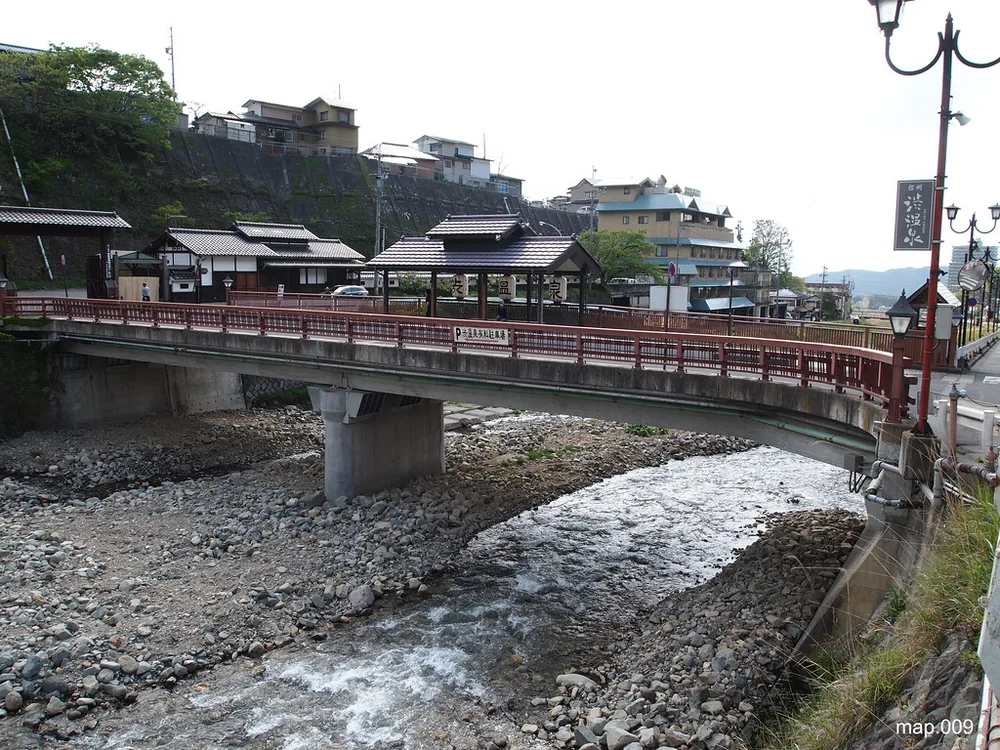
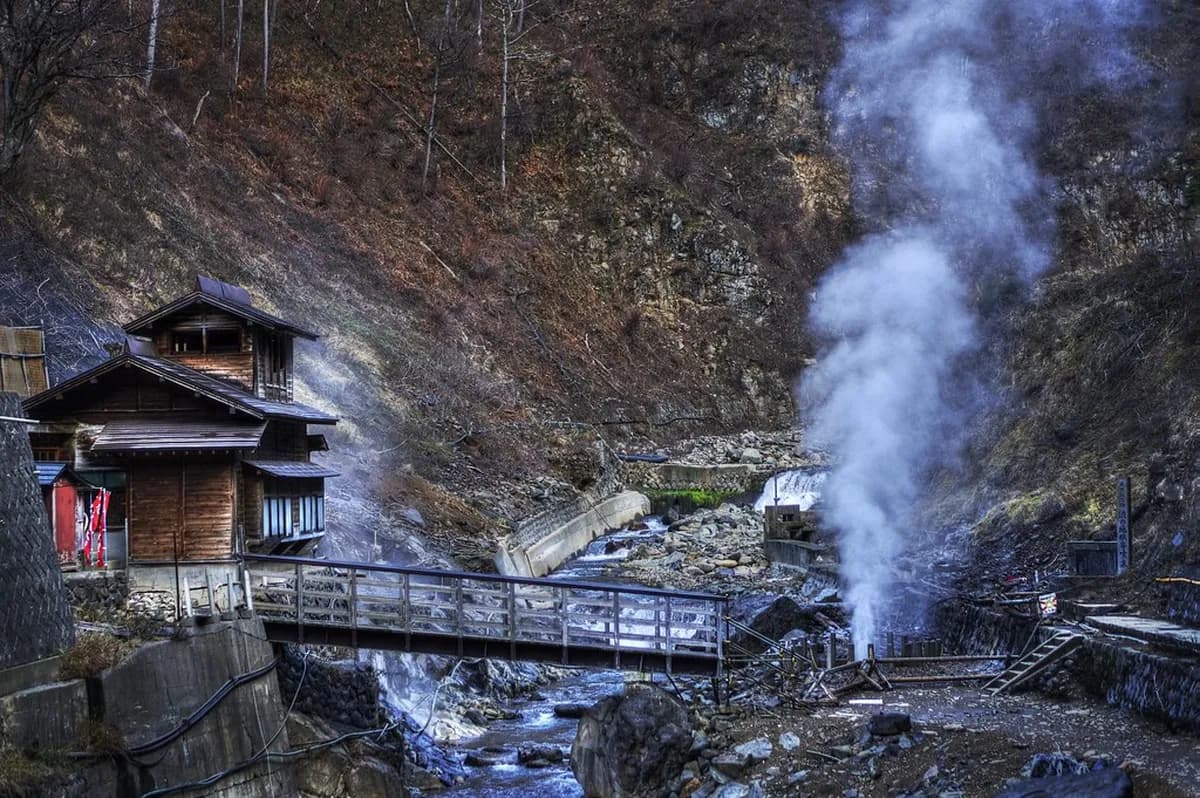
Higashiyama Onsen sits about 3 km east of the station, up the Yugawa River valley. It is the historic hot spring district, home to around 17 ryokans and hotels built along a narrow gorge. The atmosphere is traditional — lanterns, stone paths, the sound of water — and most guests arrive expecting to stay put after dinner. Budget ¥20,000–¥50,000 per person per night when meals are included, which they almost always are.
The city center and station area is where business hotels cluster. You are within walking distance of the Machinaka Shuyu loop bus stops, sake breweries, and the main shopping street Nanukamachi. Hotel rooms start around ¥7,000–¥15,000 per night. There are no onsen at most properties, but flexibility is high: you can eat wherever you like, leave early, and return late.
The Tsurugajo Castle area is the quietest zone — a few boutique inns and one larger hotel within strolling distance of the castle park. It suits photographers and history-focused travelers willing to pay a slight premium for a peaceful setting. Expect ¥10,000–¥25,000 per night depending on property type.
Higashiyama Onsen: Traditional Ryokans and Hot Springs
Higashiyama Onsen has been drawing guests for over 1,300 years. The hot spring water here is a sodium-bicarbonate type, known for its mild, skin-softening properties. The district runs along both banks of the Yugawa River, with footpaths connecting the inns, small cafes, and craft shops. An evening stroll in yukata is the standard ritual — most ryokans expect guests to dress in the provided yukata for dinner and onsen use.
Access from Aizuwakamatsu Station is via the Haikara-san or Akabe tourist buses (flat fare ¥210 per ride, ¥600 day pass). The ride takes 15–20 minutes. Many ryokans also run their own shuttle: confirm the schedule when you book, as the last shuttle from the station typically departs around 18:00. If you plan to sightsee until late afternoon, a taxi (approximately ¥1,200 from the station) is more reliable than waiting for the final bus.
Higashiyama's concentration of high-end ryokans makes it the best base for a pure onsen holiday. However, if you intend to spend both days out sightseeing and only return for sleep, the city center is more efficient. The onsen experience here is strongest when you commit to arriving by 16:00 and staying on-site for the evening.
Most Higashiyama ryokans hold dinner service between 18:00 and 19:00 only. If you arrive after 17:00 without calling ahead, expect a cold or delayed meal—some smaller inns will not hold it at all. Always call your ryokan the day before arrival to confirm the latest acceptable check-in time and your assigned dinner slot. This single call eliminates the most common frustration for first-time visitors.
Ashinomaki Onsen: The Quieter Alternative
Most accommodation guides for Aizuwakamatsu focus exclusively on Higashiyama Onsen and miss Ashinomaki entirely. Ashinomaki Onsen lies further south, accessible by the Aizu Railway from Aizuwakamatsu Station (about 20 minutes to Ashinomaki-Onsen Station). The water chemistry differs from Higashiyama — it is a simple alkaline spring, clear and odorless — and the atmosphere is noticeably less crowded, especially on weekdays.
The number of ryokans here is smaller, but prices trend slightly lower than in Higashiyama for a comparable room grade. Ashinomaki suits travelers who want a genuine onsen town experience without the slightly more touristic feel of the larger Higashiyama district. The surrounding valley is scenic year-round, but autumn foliage (typically mid-October to early November) is the season when Ashinomaki is at its best. From here, day trips toward Yunokami Onsen and Ouchi-juku require slightly longer travel times but are entirely feasible.
Higashiyama and Ashinomaki onsen differ not just in atmosphere but in mineral chemistry. Higashiyama's sodium-bicarbonate water is soft and skin-softening, while Ashinomaki's alkaline spring is clear and odorless, favored by those with sensitive skin. If skin comfort matters to you—or if you prefer a less-crowded onsen experience—Ashinomaki's lower price point and smaller ryokan count may be the better choice, especially outside peak season (spring/autumn). Both offer the full ryokan experience; the choice is about water quality and solitude versus convenience.
Aizuwakamatsu City Center and Station Area
Staying near the station is the right call if your trip is short (one night) or if you plan to leave early for day trips. The Tohoku-Hokkaido Shinkansen to Koriyama plus the Ban'etsu West Line puts you on a Tokyo-bound train by around 08:00 if you check out on time. That flexibility disappears if you are staying in an onsen ryokan with a mandatory 08:00 breakfast.
The station district has the widest budget range. Business hotels like Hotel Route-Inn and Washington Hotel offer Western-style rooms, private bathrooms, and optional breakfast for ¥8,000–¥15,000 per night. Smaller guesthouses and machiya-style inns start around ¥4,000–¥7,000 per person. The Machinaka Shuyu loop bus departs from the station forecourt, connecting all major sights for ¥210 per ride or ¥600 for a day pass.
The Nanukamachi shopping street, with its Taisho-era (1912–1926) preserved storefronts, is a 15-minute walk from the station. Aizu sake guide including Suehiro Shuzo (housed in a wooden building dating to 1850) are on or near the loop bus route. If drinking sake and browsing craft shops after dinner appeals to you, the city center gives you that freedom — ryokans in Higashiyama do not.
Near Tsurugajo Castle: Iconic Views and Culture
The area around Tsurugajo Castle is Aizuwakamatsu's most photogenic stay zone. The castle's distinctive red-tiled roof — the only one of its kind among surviving Japanese castles — is visible from several rooms in nearby accommodations. Staying here means early access to the castle park before day-trip crowds arrive, which matters most during cherry blossom season (late April) and autumn foliage (October–early November).
Accommodation options are smaller in number than in the other zones. Hotel New Palace is the most-cited option, positioned a short walk from the castle grounds and priced around ¥10,000–¥20,000 per night. A few boutique inns operate in the area as well. The castle itself opens at 08:30; guests of nearby hotels are almost always first through the gates. Admission to the castle is ¥410, or ¥520 including the Rinkaku tea room.
The Haikara-san tourist bus stops directly at the castle, making the station and Higashiyama Onsen easy to reach even if you are based here. the Aizu Bukeyashiki samurai residence and the Oyakuen garden are both within easy reach of the castle park. For history-focused travelers who want proximity to the key sites, this zone competes closely with the station area on convenience.
Types of Accommodation in Aizuwakamatsu
Ryokans are the dominant accommodation type in Aizuwakamatsu's reputation, but they represent only one tier of what is actually available. The three main categories split by traveler priority rather than budget alone.
Ryokans offer tatami rooms, futon beds, communal or private onsen baths, and elaborate kaiseki dinners with regional ingredients. Prices run ¥15,000–¥50,000+ per person per night including two meals. The meal package is almost always mandatory at the better ryokans in Higashiyama — you cannot simply book a room and skip dinner. Meals are served at fixed times: dinner typically between 18:00 and 19:00, breakfast between 07:30 and 08:30. This structure is part of the experience, but it is a genuine constraint on scheduling.
Business and city hotels offer Western-style private rooms, private bathrooms, and optional breakfast. Rates run ¥7,000–¥20,000 per night for a double. These are appropriate for travelers who want flexibility, late check-out, or early departure. Most do not have onsen facilities, though some larger hotels near Higashiyama include communal baths.
Guesthouses and machiya inns provide the most affordable option, from ¥3,000–¥8,000 per person. Shared facilities are common. These suit solo travelers and backpackers. A traditional machiya guesthouse — a restored townhouse with tatami rooms and futon — sits between a budget guesthouse and a ryokan in atmosphere, without the mandatory meal package of a full ryokan stay.
Booking a Ryokan: What First-Timers Need to Know
The biggest first-timer mistake in Aizuwakamatsu is booking a Higashiyama ryokan and then trying to sightsee until 17:30 or 18:00. Most ryokans expect guests to arrive between 15:00 and 17:00, and dinner is served at a fixed time — typically 18:00 or 18:30. If you arrive after your dinner window without calling ahead, some smaller inns will serve a cold or delayed meal, and a few will not hold it at all. Call the ryokan before your arrival day and confirm the dinner time and latest acceptable check-in.
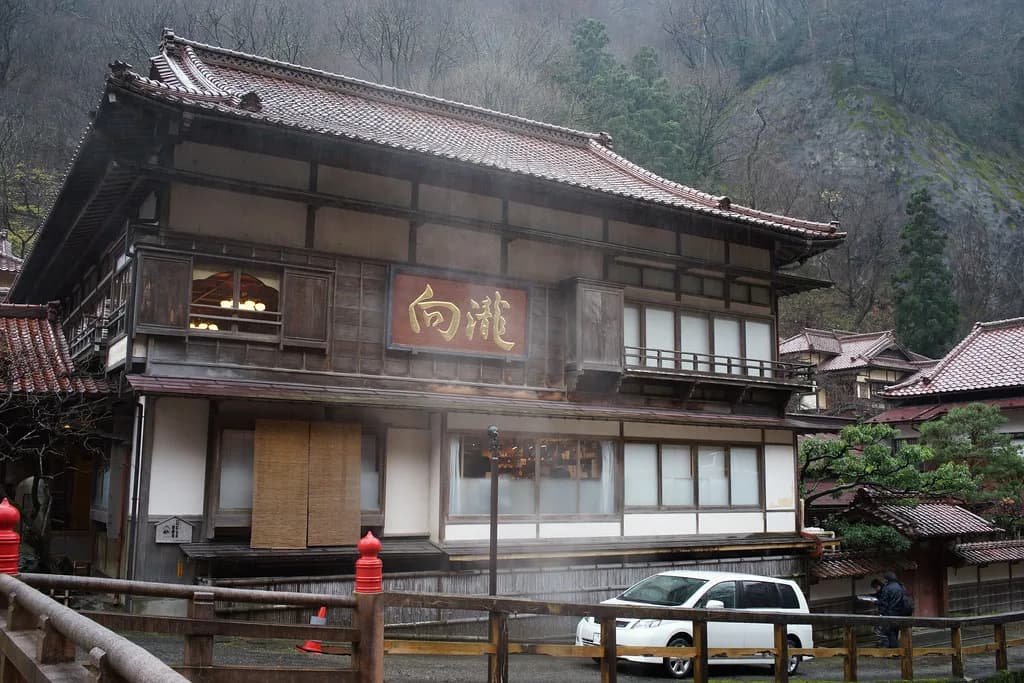
Almost all ryokan booking for Higashiyama properties goes through Jalan (a Japanese-language platform) or Rakuten Travel. For English speakers, booking.com and the ryokan's own website (where one exists) are the most practical options. Many mid-range and high-end ryokans do not appear on international OTAs at all — Mukaitaki, for example, handles most foreign bookings via their own website and a limited English phone line. Book at least two to three months ahead for spring (late April cherry blossoms) or autumn (October foliage) stays, and six months ahead for New Year and Golden Week.
One practical etiquette point: ryokans provide a yukata (light cotton robe) and indoor slippers. These are for use throughout the inn — in the hallways, at dinner, and at the onsen — but not outside. You will also receive separate bathroom slippers specifically for the toilet room. Swapping these up is the most common mistake foreign guests make. Staff will not say anything directly, but following the convention shows basic familiarity with ryokan culture.
Top Recommended Places to Stay in Aizuwakamatsu
The following picks cover the full range from luxury onsen ryokan to budget guesthouse. All are bookable in 2026 and reflect current pricing. Popular ryokans, especially Mukaitaki, fill up during autumn foliage and spring blossom season — plan to book three to six months ahead for those windows.
- Mukaitaki Ryokan (Higashiyama Onsen): The benchmark luxury ryokan in the district. Traditional architecture, private outdoor baths, and kaiseki dinners built around Fukushima ingredients. Expect ¥35,000–¥60,000 per person including two meals. Book direct via their website for best availability.
- Higashiyama Grand Hotel (Higashiyama Onsen): A larger resort-format property with multiple public bath floors, family rooms, and a shuttle from the station. Good for groups or families who want onsen without the formality of a smaller ryokan. ¥15,000–¥30,000 per person with meals.
- Kutsurogijuku Chiyotaki (Higashiyama Onsen): A smaller, intimate ryokan known for attentive service and seasonal Fukushima cuisine. Limited rooms means a quieter stay than the larger hotels. ¥20,000–¥40,000 per person with meals. Book well in advance.
- Aizu Higashiyama Onsen Harataki (Higashiyama Onsen): A contemporary onsen resort blending modern room design with traditional baths. Multiple indoor and outdoor bathing options. ¥18,000–¥35,000 per person with meals.
- Onyado Toho (between city center and Higashiyama): A large hotel offering both city convenience and onsen facilities. The shuttle service and buffet dinner make it a practical middle-ground option. ¥12,000–¥25,000 per person with meals.
- Hotel Route-Inn Aizuwakamatsu (station area): The most reliable city-center business hotel. Western-style rooms, complimentary breakfast, 24-hour reception. Walking distance from the station. ¥8,000–¥15,000 per night per room.
- Aizuwakamatsu Washington Hotel (city center): Central location with easy bus access to all major sights. Good for travelers combining Aizuwakamatsu with other Tohoku stops. ¥9,000–¥18,000 per night per room.
- Hotel New Palace (near Tsurugajo Castle): The best-positioned hotel for early castle visits. Short walk to Tsurugajo grounds and the Haikara-san bus stop. ¥10,000–¥20,000 per night.
- Tagokura Machiya Guesthouse (city center): A restored traditional townhouse with tatami rooms and futon, no mandatory meal plan. Authentic atmosphere at a lower price point than a full ryokan. ¥7,000–¥12,000 per night. Check-in window limited to 16:00–20:00.
- Guesthouse Aizu (station area): Budget-friendly option with dorm beds and private rooms, shared facilities, and a social common area. ¥4,000–¥7,000 per night. Popular with solo travelers and backpackers.
Choosing by Traveler Type
Different travel styles call for different zones. Couples seeking a romantic onsen weekend should book Higashiyama Onsen and plan two nights minimum — one night is not enough time to settle into the rhythm of the district. First-time visitors to Japan who are unfamiliar with ryokan protocols may find the station area easier for the first night, then move to Higashiyama for night two after getting oriented.
Families with young children do best at Higashiyama Grand Hotel, which has the facilities and scale to absorb a group without the rigid schedule constraints of a smaller ryokan. Solo budget travelers and backpackers belong in the station area — Guesthouse Aizu and Tagokura Machiya both offer flexible check-in and no meal commitment. History-focused travelers visiting specifically for Tsurugajo, Aizu Bukeyashiki, and Iimoriyama and the Byakkotai Memorial will find Hotel New Palace gives the most efficient access to those three sites.
Travelers considering a day trip to Ouchi-juku should stay in the station area or Higashiyama. From the station, buses and taxis to Yunokamionsen Station (the jumping-off point for Ouchi-juku) are straightforward. From a Higashiyama ryokan, you need to factor in the shuttle schedule — early morning departures for day trips require planning the night before.
Planning Your Aizuwakamatsu Overnight Itinerary
A two-night stay is the sweet spot for seeing Aizuwakamatsu properly without rushing. Day one: arrive midday, check in, then take the Akabe bus to the Iimoriyama (stop A6) to see the Sazaedo Temple and the Byakkotai memorial. Continue to Aizu Bukeyashiki (stop A11, admission ¥850), then return to your inn for dinner. Day two: Tsurugajo Castle in the morning (Haikara-san bus, stop H16, admission ¥410), followed by Oyakuen garden (stop H21, admission ¥310). Afternoon: sake shopping at Suehiro Shuzo or Aizu Shurakukai — the latter is a five-minute walk from the station — before your departure.
If you only have one night, prioritize Tsurugajo and one of Iimoriyama or Aizu Bukeyashiki. The Akabe and Haikara-san buses run all day from the station, and a ¥600 day pass covers both routes. Single-ride fare is ¥210. The tourist loop runs roughly every 15–30 minutes during peak season; check the posted schedule at Aizuwakamatsu Station before boarding, as off-peak and winter frequencies drop.
Guests staying in Higashiyama Onsen should plan sightseeing for the first morning (before check-in at 15:00) or the second morning (after checkout at 10:00). The traditional pattern is to arrive by mid-afternoon, settle in, soak in the onsen before dinner, eat kaiseki, soak again, sleep, eat breakfast, and then begin sightseeing. It is a deliberate pace — fighting it makes the stay less satisfying.
Getting to Aizuwakamatsu: Transport Options
From Tokyo, take the Tohoku-Hokkaido Shinkansen from Tokyo Station to Koriyama, then transfer to the Ban'etsu West Line (Ban-Etsusai line) to Aizuwakamatsu Station. Total journey time is approximately 3 hours. The fare is around ¥9,240 each way. A Japan Rail Pass covers the shinkansen and the local line, making this route good value if Aizuwakamatsu is one stop on a wider Tohoku itinerary.
There is no direct bullet-train service into Aizuwakamatsu — the Koriyama transfer is always required. Trains from Koriyama on the Ban'etsu West Line run hourly, so plan the connection in advance. Once in the city, the Machinaka Shuyu Bus and the Akabe/Haikara-san tourist buses are the primary way to reach attractions. The tourist bus day pass (¥600) is worthwhile for any stay of two or more days. Taxis are available at the station and at major sights. Rental cars are possible but unnecessary for most visitors.
For reaching Higashiyama Onsen specifically: the Haikara-san bus goes directly from the station forecourt. If your ryokan offers a shuttle, confirm the pickup time when you book. The last buses back from Higashiyama to the station run until around 21:00 in peak season — after that, a taxi is your only option. Read more about getting to Aizuwakamatsu by train for full transport details including highway bus options from Tokyo.
Seasonal Considerations for Booking
Aizuwakamatsu is a four-season destination, but the timing of your visit directly affects availability and price. Cherry blossom season (late April, Tsurugajo park is one of the best blossom spots in Tohoku) and autumn foliage (mid-October to early November) are the two peak periods. Ryokan availability in Higashiyama is tight at least two to three months before those windows, and prices at premium ryokans climb by 20–30% above standard rates.
Winter (December through February) brings snow to Aizuwakamatsu and transforms Higashiyama Onsen into its most atmospheric state: steaming outdoor rotenburo baths against white-covered gorge walls. Fewer tourists visit in winter, prices are lower, and availability is better. The city also hosts a lantern festival at Tsurugajo Castle park in winter. The tradeoff is shorter daylight hours and colder travel between sights — factor that into an itinerary with young children.
Summer (July–August) is humid but manageable in Aizuwakamatsu compared to Tokyo or Osaka. The surrounding Urabandai highlands offer cooler hiking weather, and the volcanic lakes of that area are accessible as a half-day excursion. Accommodation prices dip slightly below peak-season rates in summer, making it a good value window for flexible travelers.
Must-See Attractions Close to Your Stay
The major sights cluster within the tourist bus loop, so wherever you stay, they are all reachable in the same day. Tsurugajo Castle is the centerpiece — white walls, five stories, the distinctive red-tiled roof that makes it unique among surviving Japanese castles. Photography is restricted on floors one and two (fragile artifacts), but the fifth-floor panorama over the city is worth the climb. The Rinkaku tea room on the grounds adds ¥110 to the castle ticket for a discounted combo.
Iimoriyama holds the graves of the 19 young Byakkotai warriors who committed seppuku during the 1868 Boshin War, and the Sazaedo pagoda — a wooden structure with a double-helix staircase that lets visitors ascend and descend without crossing paths (admission ¥400, genuinely unusual). Aizu Bukeyashiki is one of the best-preserved samurai residence complexes in northern Japan: 38 furnished rooms with English descriptions, a water-powered rice mill, and weapons exhibits. Admission is ¥850.
Oyakuen garden is quieter and less visited than the castle or Iimoriyama, which makes it a pleasant end to a full day. The medicinal herb garden dates to the 1600s and still grows herbs today. Matcha is available at the teahouse on the premises. Admission is ¥310. For sake enthusiasts, Suehiro Shuzo offers brewery tours (Japanese only but atmospherically worthwhile), and the nearby Aizu sake guide include female-owned Tsurunoe Shuzo, known for its clean-tasting Yuri label and award-winning Aizu Chujo.
Frequently Asked Questions
Which Aizuwakamatsu options fit first-time visitors?
First-time visitors often find the Aizuwakamatsu City Center most convenient due to its central location and easy access to transport. Alternatively, Higashiyama Onsen offers a quintessential Japanese experience with traditional ryokans and hot springs. Both areas provide excellent bases for exploring the city's main attractions.
How much time should you plan for where to stay in Aizuwakamatsu?
A minimum of one to two nights is recommended to fully experience Aizuwakamatsu's main attractions and enjoy a relaxing stay. This allows time to visit Tsuruga Castle, a samurai residence, and perhaps enjoy an onsen. Adding an extra night provides flexibility for day trips or deeper cultural immersion.
Are there luxury ryokans in Aizuwakamatsu?
Yes, Aizuwakamatsu, particularly the Higashiyama Onsen district, is home to several luxury ryokans. These establishments offer exquisite multi-course kaiseki dinners, serene private onsen baths, and impeccable service. They provide a high-end, traditional Japanese accommodation experience for discerning travelers.
How to get to Higashiyama Onsen?
Higashiyama Onsen is easily accessible by local bus from Aizuwakamatsu Station. The bus ride takes approximately 15-20 minutes, with frequent departures throughout the day. Many ryokans in the area also offer complimentary shuttle services for guests, making transportation convenient.
Aizuwakamatsu offers a genuinely rare combination in Japan: a living samurai history, two distinct onsen districts, and a compact enough footprint to cover the main sights in two days. The choice of where to stay is really a choice between two travel philosophies — deep immersion in a ryokan (Higashiyama or Ashinomaki) versus flexible exploration from a city hotel. Neither is wrong. The ryokan stay is transformative if you commit to the pace; the city hotel stay is efficient if you have a tight schedule or other Tohoku stops to connect.
Whatever you choose, book early for spring blossom and autumn foliage windows, confirm meal times with your ryokan before you arrive, and pick up the ¥600 tourist bus day pass at the station on arrival. Those three steps eliminate most of the friction that catches first-time visitors off guard in Aizuwakamatsu.
For trip-planning details, see Aizuwakamatsu on Wikipedia and the official Fukushima travel guide.
Free guide: Japan's Hidden Gems
12 under-the-radar places beyond Tokyo & Kyoto — with the best season to visit each and a local tip you won't find in the guidebooks.
You might also like


Continue reading
More guides you'll find useful