Day Trips From Aizuwakamatsu: Itineraries & Travel Guide
Plan day trips from Aizu-Wakamatsu with top picks, structured itineraries, timing tips, and practical booking advice for a smoother trip.
On this page
Aizu-Wakamatsu sits at the heart of Fukushima Prefecture, roughly three hours from Tokyo by train. This compact samurai city works brilliantly as a day trip destination in its own right, but it also unlocks a cluster of equally compelling excursions — a thatched Edo post town, onsen valleys, ramen storehouses, and volcanic lake scenery — all within 90 minutes by rail. This guide lays out three distinct day trip plans, covers every transport link you need, and points you toward the food and stops that make the difference between a rushed visit and one worth repeating.
Why Aizu-Wakamatsu Is Perfect for a Day Trip
Few cities in Tohoku pack as much into a single day as Aizu-Wakamatsu. The core sites — Tsurugajo Castle, the Sazaedo Temple, Suehiro Sake Brewery, and the Oyakuen herb garden — sit within a tight loop served by two tourist buses. You can hit four or five of them between 10:00 and 17:00 without a car or a complicated itinerary.
The city also punches above its size for food. The Aizu region claims its own katsudon variant, its own miso dengaku style, and sake breweries with 170-year histories. None of these are replicated in the same way anywhere else in Fukushima. That combination of history, architecture, and hyper-local cuisine means almost every traveler type finds something compelling here.
Beyond the city limits, Aizu-Wakamatsu functions as a rail hub for several exceptional day excursions. The Aizu Railway line south reaches Yunokami Onsen and Ouchi-juku. The Ban'etsu West Line heads north toward Kitakata. Lake Inawashiro and the Mt Bandai area are a short bus or car ride east. Very few small Japanese cities give you this variety of countryside within a single day's radius.
How to Get to Aizu-Wakamatsu
From Tokyo, the standard route is the Tohoku Shinkansen from Tokyo Station to Koriyama, then a transfer to the Ban'etsu West Line for the final leg into Aizu-Wakamatsu Station. Total journey time is around 2 hours 45 minutes to 3 hours. Unreserved shinkansen + local train costs roughly ¥9,500–¥10,500 one-way; a JR Pass covers both legs.
From Sendai, the route goes via Koriyama as well. Budget about 2.5 hours and roughly ¥5,000 without a pass. From Niigata, the Tadami Line route is scenic but slow — around 4.5 hours for the full run. Most visitors from Niigata drive or take the highway bus (approximately 2 hours, ¥2,000–¥3,000). Highway buses also connect directly from Tokyo's Shinjuku Expressway Bus Terminal, taking about 4.5 hours and costing roughly ¥4,000 return if booked early.
Aizu-Wakamatsu Station is small and easy to navigate. The tourist information center is directly outside the station exit — turn left and cross the road. Staff speak some English and stock free maps covering both the city bus routes and excursion destinations. Pick one up before you do anything else.
Getting Around Aizu-Wakamatsu: Local Transport Guide
Two sightseeing buses handle the in-city attractions: the Haikara-san (red) and the Akabesu (green). Both depart from Aizu-Wakamatsu Station and loop through the main sites including Tsurugajo Castle, Oyakuen Garden, the Aizu Bukeyashiki, Higashiyama Onsen, and Suehiro Sake Brewery. A one-day pass for either bus costs ¥600 and includes small discounts at several attractions — worth buying even if you only plan to use the bus three or four times. Tickets are sold at the tourist office opposite the station.
Services run roughly every 30 minutes from 09:00 to 17:00, but the timetable thins out in early spring and late autumn. If you visit between November and March, check the current schedule at the tourist office before committing to a plan. The last bus back from Higashiyama Onsen typically leaves around 17:30.
For destinations outside the city, the Aizu Railway line south (toward Aizukogen-Ozeguchi) is the key train. Yunokami Onsen Station is 55 minutes from Aizu-Wakamatsu; trains run roughly every 60–90 minutes. The Ban'etsu West Line northwest reaches Kitakata in about 17 minutes. Taxis from the station to the castle or brewery areas are metered and typically run ¥700–¥900 for short hops.
Day Trip Itinerary 1: Historic Castles & Samurai Culture
This is the best itinerary for first-time visitors and anyone whose primary interest is samurai history. The route runs on the Haikara-san bus and keeps walking distances short. Allow 7–8 hours in total. Best seasons are spring (cherry blossoms at Tsurugajo, mid-April) and autumn (foliage, late October to mid-November).
- 09:30 — Aizu-Wakamatsu Station: collect tourist map, buy loop bus day pass (¥600).
- 10:00 — Tsurugajo Castle: the red-tiled keep is rare in Japan — most castles use black tiles. The current structure dates from 1965 but faithfully reconstructs the 1384 original. Allow 60–90 minutes inside; the top floor gives a panorama of the city. Entry ¥570. The Rinkaku Tea House inside the grounds serves matcha and wagashi for about ¥510 — a calm ten minutes before the next site.
- 12:00 — Mitsutaya restaurant on Nanokamachi Street: order miso dengaku (tofu and konnyaku grilled on skewers over an irori sunken hearth). A satisfying lunch for ¥800–¥1,200.
- 13:30 — Nanokamachi Street: the retro merchant-house streetscape has lacquerware shops, sake retailers, and handmade sweets. Shirakiya is the best lacquerware stop; expect to spend 30–45 minutes browsing.
- 15:00 — Iimoriyama Hill: the Byakkotai story — 19 teenage samurai who committed ritual suicide after mistakenly believing Tsurugajo had fallen in 1868 — is the defining tragedy of Aizu history. The graves sit atop the hill. Take the moving walkway up (¥250) or walk the stone steps. Sazaedo Temple is a two-minute walk from the graves; its double-spiral wooden interior is a National Important Cultural Property and costs ¥400. Entry at each site is separate.
- 17:00 — Suehiro Sake Brewery (Kaeikura): the free tour shows the Yamahai slow-fermentation method used by this family for 8 generations since 1850. Tour times depend on the season — confirm at the tourist office in the morning. The tasting counter and shop remain open without the tour.
Total estimated cost (excluding meals and accommodation): ¥570 castle + ¥400 Sazaedo + ¥250 elevator + ¥600 bus pass = approximately ¥1,820 plus food. The Byakkotai Iimoriyama page has more detail on the hill's monuments and the Boshin War context.
Day Trip Itinerary 2: Ouchi-juku & Yunokami Onsen by Train
This route heads south into the mountains for an Edo-period post town and a hot spring valley. It suits anyone who has already seen the castle, or who prefers landscapes to museums. The train does all the heavy lifting — no car needed. Allow a full 9–10 hours. Autumn (mid-October to mid-November) and winter snow (January–February) are the most photogenic seasons, though Ouchi-juku's Saruyu-go bus only runs April through late November.
- 09:00 — Depart Aizu-Wakamatsu Station on the Aizu Railway toward Aizukogen-Ozeguchi. Trains run roughly every 60–90 minutes; check the timetable the night before or at the tourist office.
- 10:00 — Yunokami Onsen Station: the thatched-roof station building is one of Japan's most photographed rural stations. The free footbath on the station platform is open year-round — soak your feet for 10 minutes while the mountain scenery settles in around you. This is something no competitor guide spells out: you do not need to pay for a ryokan to use the onsen here.
- 10:30 — Board the Saruyu-go bus to Ouchi-juku (about 20–25 minutes, ¥500 single or ¥1,000 for a day pass covering all rides). The bus operates April through late November, with 8 departures per day in each direction; the last bus back to Yunokami Onsen leaves Ouchi-juku at approximately 16:00. Outside this season, taxis from Yunokami Onsen Station cost roughly ¥2,500 one-way.
- 11:00 — Ouchi-juku: 38 thatched-roof houses line a single main street preserved since the Edo period, when this was a waystation on the Aizu Nishi Kaido route between Imaichi and Aizu-Wakamatsu Castle. Allow 2 hours to walk the street, visit the small folk museum (¥300), and eat.
- 13:00 — Negi-soba lunch in Ouchi-juku: order this at Misawaya or any of the roadside restaurants. The dish replaces chopsticks with a whole green onion — you use it to twirl the buckwheat noodles. The leek's freshness cuts through the cold dashi broth. Expect to pay ¥900–¥1,200.
- 15:30 — Return bus to Yunokami Onsen Station; relax with another footbath or browse the small souvenir shops.
- 16:30 — Train back to Aizu-Wakamatsu (55 minutes). Evening option: stay for dinner at Higashiyama Onsen, 10 minutes by taxi from the station (¥1,000–¥1,200), then catch the loop bus back or walk 25 minutes.
Total estimated cost: ¥2,000 return train + ¥1,000 Saruyu-go day pass + ¥300 folk museum + meals = approximately ¥4,500–¥5,500. See the Ouchi-juku day trip guide for more detail on the village's seasonal events and photography spots.
Day Trip Itinerary 3: Kitakata Ramen & Historic Storehouses
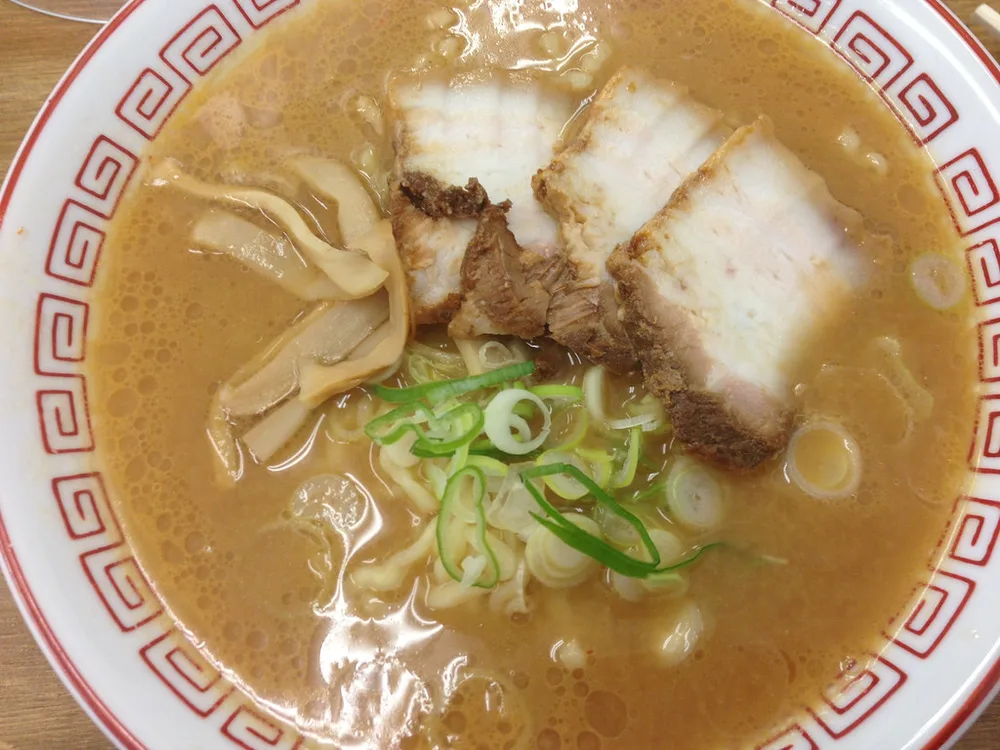
Kitakata is only 17 minutes northwest of Aizu-Wakamatsu on the Ban'etsu West Line (¥240 one-way) and makes an underrated half-day excursion that almost no English-language guide covers as a standalone destination. The city is Japan's third most famous ramen town after Sapporo and Hakata, with a thick soy-flavored broth and flat, wavy noodles. It is also home to more than 4,000 kura (traditional brick or clay storehouses) — an astonishing concentration for a town of this size.
Kitakata's ramen shops typically open from 07:00 and sell out by early afternoon. The locals eat ramen for breakfast — "morning ramen" (asa-ra) is a genuine cultural practice here, not a tourist gimmick. Bannai Shokudo and Gen'emon are two of the longest-standing shops, both within 10 minutes' walk of Kitakata Station. Budget ¥800–¥1,100 for a bowl.
After eating, walk the kura district around Otazukimachi Street. The dark-walled storehouses housed sake, miso, and merchant goods during the Edo and Meiji periods. Many are still in use. The walk is free and takes about 45–60 minutes at a relaxed pace. A small sake brewery cluster near the central shopping street offers informal tastings for ¥200–¥500. Combine the whole visit with a morning in Aizu-Wakamatsu and you can be back at the station by 14:00 for a castle visit in the afternoon.
Kitakata's ramen shops open as early as 07:00 and many local regulars eat "morning ramen" (asa-ra) before work. If you arrive on the first Ban'etsu West Line train from Aizu-Wakamatsu (typically around 08:00), you can join genuine locals — the 07:30 slot at Bannai Shokudo or Gen'emon gives you the most authentic experience and avoids any queue entirely. After 11:00, tourist presence picks up visibly.
Lake Inawashiro & Mt Bandai: Half-Day Nature Escape
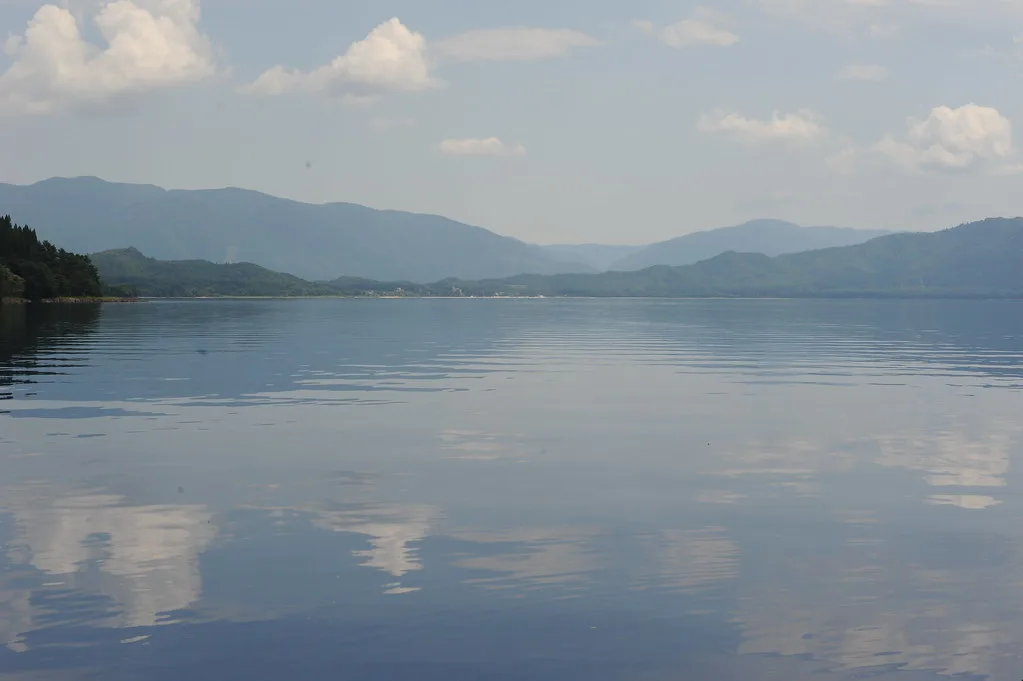
Lake Inawashiro, 30 minutes east of Aizu-Wakamatsu by local train or bus, is the fourth largest lake in Japan and sits directly below the volcanic cone of Mt Bandai (1,816 m). The lake's cobalt-blue color comes from volcanic minerals, and on clear days the reflection of Bandai's ridgeline on the water surface is exceptional. This excursion is best done between May and October; winter road closures limit access to the highland areas.
The Inawashiro Station area has a small cycling rental (from ¥500/hour) that lets you ride the lakeshore path eastward to the Urabandai Visitor Center area in about 45 minutes. Alternatively, the Bandai Azuma Skyline toll road (closed November to mid-April) winds up into the volcanic highland, accessible by car or taxi from Fukushima City rather than Aizu-Wakamatsu. For a simpler visit, the lakefront around Inawashiro Station is worth an hour: open walking paths, a few cafes, and views that contrast sharply with the samurai-town texture of the city.
Getting there from Aizu-Wakamatsu: take the Ban'etsu West Line toward Koriyama and alight at Inawashiro (6 stops, approximately 28 minutes, ¥330). Trains run hourly. This works well as a morning add-on before a late arrival in Aizu-Wakamatsu, or as a standalone half-day for travelers who have already done the city's historical circuit.
The Ouchi-juku route (Itinerary 2) depends entirely on the Saruyu-go bus, which operates only April through late November with its last return service at approximately 16:00. If you miss that window, you are stranded for a ¥2,500 taxi ride back. Check the current timetable at the Aizu-Wakamatsu tourist information center the morning you plan to go, and plan your departure from Ouchi-juku for 15:15 or earlier to ensure a safe margin. Winter visits are beautiful but require pre-arranged private transport or an overnight stay.
Top Attractions for a Shorter Visit
If you have only 4–5 hours, focus on three sites that deliver the clearest picture of Aizu's identity without rushing. Tsurugajo Castle (¥570, allow 60 minutes) is the non-negotiable anchor — the red-tiled keep is photogenic from the moat level even without going inside. Sazaedo Temple on the Iimoriyama Hill (¥400, 30 minutes) rewards a visit more than most competitors acknowledge: the double-spiral wooden staircase is genuinely unusual, and the hilltop graves give the Byakkotai story immediate physical weight. Suehiro Sake Brewery (free, 45 minutes) rounds out the trio with a hands-on sensory experience.
| Destination | Travel Time | Cost | Highlight |
|---|---|---|---|
| Kitakata | 17 min train | ¥240 + ¥900 meal | Morning ramen (asa-ra) + 4,000+ kura storehouses |
| Lake Inawashiro & Mt Bandai | 28 min train | ¥330 train + ¥500 bike rental | Volcanic lake reflection + Urabandai highland walks (May–Oct) |
| Ouchi-juku | 55 min train + 20 min bus | ¥2,000 return + ¥1,000 bus pass | Thatched Edo post town + negi-soba lunch (Apr–Nov only) |
| Yunokami Onsen | 55 min train | ¥1,000 return train | Free footbath on platform + mountain valley setting |
| In-city castle loop | 30 min total | ¥600 bus pass + site entries | Tsurugajo (¥570) + Sazaedo (¥400) + sake brewery |
For the Oyakuen Garden (¥330), add 30–45 minutes if you have it. The garden is rarely crowded, and the restored tea house on the central island is a peaceful counterweight to the castle's historical intensity. Skip it only if you are pressed for time. Aizu Bukeyashiki samurai residence (¥850, 90 minutes) is worth it for deep-interest visitors but can feel slow if you are not already engaged with samurai architecture.
Where to Eat: Aizu-Wakamatsu's Culinary Delights
Sauce Katsudon is the dish most closely identified with Aizu-Wakamatsu. Unlike the egg-bound katsudon eaten in Tokyo, the Aizu version tops a breaded pork fillet with a darker, slightly sweet-and-savory Worcester-adjacent sauce on shredded cabbage and rice. Katsuichi near Aizu-Wakamatsu Station is the most cited spot among locals; expect a short queue at lunch, a bowl for around ¥900, and a counter where you eat standing or perched on a stool.
Miso dengaku at Mitsutaya on Nanokamachi Street is the other must-eat. Tofu, konnyaku, and vegetables are skewered, basted with a regional miso paste, and grilled over a sunken irori hearth while you watch. Budget ¥800–¥1,500 for a selection of skewers. The restaurant opens for lunch and fills quickly on weekends. Wappa Meshi — rice steamed in a cypress-wood container with seasonal toppings — appears on menus across the city and is worth ordering as a side if you see it.
For sake, Suehiro's Yamahai-method bottles are the local benchmark. If you cannot join a tasting tour, bottles are sold in the brewery shop and at convenience stores around the station. Suehiro's Kaei Kura (Kaeikura) has a sake-pairing café adjacent to the tasting room. Aizu-Wakamatsu's pure snowmelt water is cited by every brewery in the region as the foundation of the sake's clean finish — it is the same resource that drew the Edo-period lords here in the first place.
Essential Tips for Planning Your Day Trip
The loop buses are the single most useful tool for a day visit, but they stop running before 18:00. Plan your return transport in the morning, not when you are already tired. The last Ban'etsu West Line train toward Koriyama (for shinkansen connections) typically leaves around 20:00, but check the current timetable at the station or on the JR East website before you travel.
Ouchi-juku's Saruyu-go bus operates only April through late November. If you are visiting in winter — which is genuinely beautiful in this snow-country region — budget ¥2,500 each way for a taxi from Yunokami Onsen Station, or arrange a private car. The post town under snow is one of Japan's most photographed winter scenes, so December and January visits are not a mistake, they just cost more to execute.
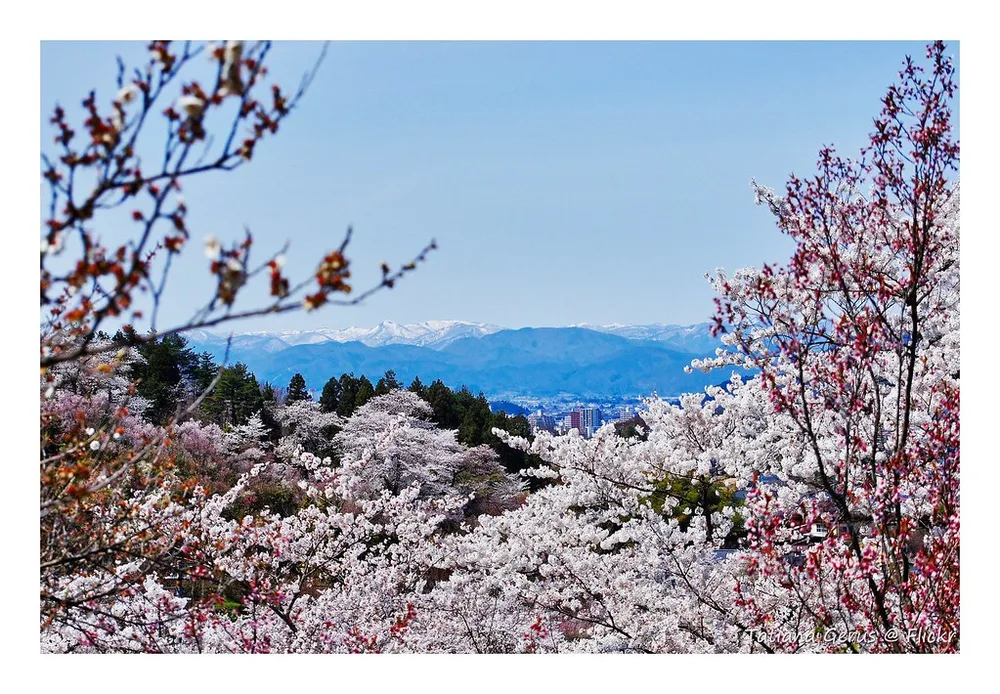
Tsurugajo Castle's cherry blossoms peak in mid-April. The castle park hosts one of Fukushima Prefecture's most popular hanami gatherings; expect crowds and plan to arrive before 10:00. Autumn foliage at Iimoriyama and along the Aizu Railway toward Yunokami usually peaks in late October. Winter at Higashiyama Onsen is particularly good if you have a ryokan booking — the outdoor baths surrounded by snow are the archetypal Tohoku onsen experience.
English signage is reasonable at the major sites but thins out quickly at smaller restaurants and local buses. Download the Hyperdia or JR East app for current train times. Google Maps works reliably in the city and on the Aizu Railway. The tourist information center opposite the station is the fastest fix for any question that the apps cannot answer.
Extending Your Visit: Nearby Stays & Experiences
Higashiyama Onsen, a 10-minute taxi ride (roughly ¥1,000) from Aizu-Wakamatsu Station, is the most practical overnight extension. The valley holds a dozen ryokan ranging from simple guesthouses to full kaiseki-dinner establishments. Rates for a room with two meals typically start around ¥12,000–¥18,000 per person. The tourist sightseeing bus terminates here, so you can ride back to the city station in the morning without arranging transport.
For a more adventurous extension, stay one night in Ouchi-juku itself. Several of the thatched-roof buildings function as minshuku (family-run guesthouses). You will have the post town almost entirely to yourself after the day-trippers leave at 16:00, and the lantern-lit evening atmosphere bears no resemblance to the daytime crowd scene. Book well in advance for autumn foliage weekends.
If you have an additional half-day in Aizu-Wakamatsu, the Aizu Bukeyashiki samurai residence and Nisshinkan school reward the time. The residence has 38 rooms dressed to show Edo-period samurai family life; the school complex offers archery lessons and tea ceremony sessions (book on arrival, ¥1,500–¥2,500 depending on the activity). Both sites are best reached by taxi from the city center since the sightseeing bus does not reach Nisshinkan.
The Tsurugajo Castle grounds also have a 300-seat event schedule during autumn and spring — check the Aizu-Wakamatsu tourism website (aizukanko.com) for seasonal markets and light-up events, which sometimes run until 21:00 and justify an overnight stay on their own.
Frequently Asked Questions
Which day trips from Aizu-Wakamatsu options fit first-time visitors?
First-time visitors will enjoy the Historic Castles & Samurai Culture day trip. It covers iconic landmarks like Tsurugajo Castle. This itinerary offers a comprehensive introduction to Aizu-Wakamatsu's rich history.
How much time should you plan for day trips from Aizu-Wakamatsu?
Each suggested day trip from Aizu-Wakamatsu requires a full day, typically 7-10 hours including travel. You can choose one or combine elements if you have limited time. Planning one full day per itinerary is ideal.
What is the best way to get around Aizu-Wakamatsu for a day?
The Aizu Loop Bus is the best way to navigate within Aizu-Wakamatsu city for a day. For destinations further out like Ouchi-juku, local trains and connecting buses or taxis are necessary. Consider a one-day pass for the loop bus.
Aizu-Wakamatsu rewards careful planning more than most Japanese day-trip destinations. The city itself can fill a day without feeling padded, the surrounding train lines open up genuinely different experiences, and the food culture is specific enough that eating well here is not an afterthought. Whether you ride south to Ouchi-juku's thatched rooftops, north to Kitakata's breakfast ramen, or stay within the city's samurai loop, the region delivers a density of authentic detail that is rare this far off the Golden Route.
For trip-planning details, see Lake Inawashiro on Wikipedia and the official Fukushima travel guide.
Free guide: Japan's Hidden Gems
12 under-the-radar places beyond Tokyo & Kyoto — with the best season to visit each and a local tip you won't find in the guidebooks.
You might also like


Continue reading
More guides you'll find useful