Kakunodate Day Trip From Akita Travel Guide
Plan your perfect Kakunodate day trip from Akita with our comprehensive guide, including itinerary, transport, top attractions, and practical tips.
On this page
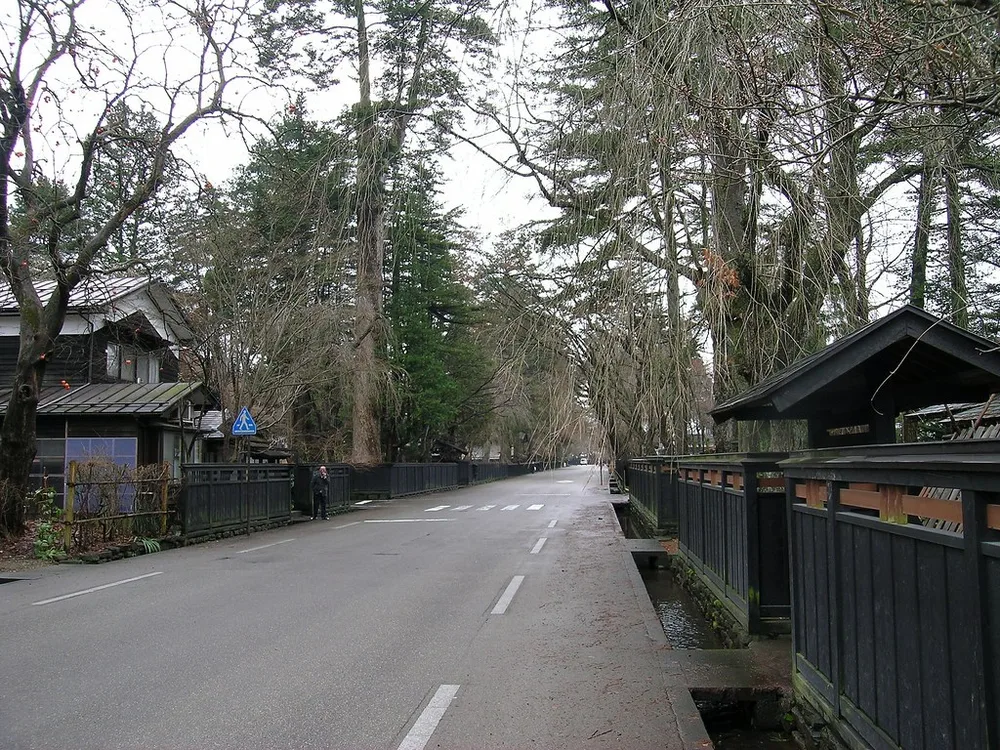
A Kakunodate day trip from Akita is one of the most rewarding half-days you can spend in the Tohoku region. The town sits just 45–55 minutes from Akita Station on the Akita Shinkansen, costs under ¥3,000 each way, and delivers a level of preserved samurai streetscape that rivals anything in Kanazawa or Kyoto — minus the crowds. Known as the "Little Kyoto of Tohoku," Kakunodate has changed little since it was laid out around 1620 by the Date clan's rival, the Ashina family, who granted it to a branch of the Satake samurai.
This guide is built for visitors making the trip in a single day from Akita city. It covers the fastest train options, a time-boxed itinerary, the specific samurai mansions worth paying entry for, where to eat lunch, and whether you can realistically bolt on Lake Tazawa. The information reflects 2026 conditions.
Why Kakunodate Makes an Ideal Day Trip from Akita
Kakunodate solves the biggest problem with Tohoku travel: most historic towns require a dedicated overnight. Kakunodate does not. The samurai district is compact — the main street (Bukeyashiki-dori) runs about 700 metres — and the town sits close enough to Akita that you can leave after breakfast and be back in time for dinner. There is no car needed, no complex logistics, and the cost of entry to the mansions runs ¥500–¥800 per site.
The town earns its "Little Kyoto" label honestly. Over 70 preserved samurai residences line its broad streets, many with original black-lacquered timber fences and gardens planted 300 years ago. Cherry blossom season (late April to early May) draws over 300,000 visitors, but even outside peak periods the atmosphere is genuinely historic in a way that indoor museums rarely replicate. This is an open-air town you walk through, not a theme park.
For travelers on a Japan Rail Pass, the trip is essentially free beyond the seat reservation fee (¥1,000–¥1,500 for the shinkansen). That makes Kakunodate one of the best value day trips available from anywhere in Akita Prefecture in 2026.
Getting to Kakunodate from Akita
The Akita Shinkansen (Komachi line) is the fastest and most practical option. Trains depart Akita Station roughly every 30–60 minutes and reach Kakunodate in 45–55 minutes. A one-way unreserved ticket costs approximately ¥2,500–¥3,000; the Japan Rail Pass covers the base fare and you pay a small seat reservation fee of around ¥1,000. Aim to board a train by 08:30 to arrive in Kakunodate before 09:30 — this gives you the district before tour groups fill the main street.
The Komachi Shinkansen takes 45 minutes to Kakunodate—noticeably shorter than any alternative. Book your reserved seat the day before at Akita Station's JR ticket counter to avoid queue times, especially during cherry blossom season (late April to early May) when every morning train fills by 07:30.
The local JR Tazawako Line is cheaper (around ¥1,140 one-way) but takes roughly 75–80 minutes and runs less frequently, with departures roughly every 90 minutes. If you miss a train connection, the wait can eat into your day. The shinkansen surcharge is worth it on a day trip where time matters.
There is no convenient direct bus from Akita city to Kakunodate. Intercity bus services exist but are slower than either train option and depart from the bus terminal rather than the station. Skip them unless you are on a strict budget. From Kakunodate Station, the samurai district is a flat 15–20 minute walk north along the main road, or a ¥700–¥900 taxi ride if you prefer. Bicycle rentals are available near the station for around ¥500–¥800 per day and let you cover the district and river loop without backtracking.
A Full-Day Kakunodate Itinerary from Akita
This itinerary assumes a 08:30 departure from Akita Station, arrival in Kakunodate around 09:20, and a return train around 17:00–17:30. That gives you roughly 7.5 hours on the ground, which is comfortable without feeling rushed.
| Time Block | Full-Day Plan | Half-Day Alternative |
|---|---|---|
| 09:20–09:40 | Walk from station, pick up map at tourist info, consider kimono rental at Kinuya | Skip rental; walk straight to Bukeyashiki-dori |
| 09:40–11:30 | Walk Bukeyashiki-dori: Ishiguro House (¥500), Aoyagi House (¥700–800, takes 45–60 min) | Aoyagi House only (45–60 min total) |
| 11:30–12:30 | Lunch at Akita Kakunodate Nishinomiyake; explore craft shop | Quick lunch or skip |
| 12:30–14:00 | Kabazaiku Cherry Bark Museum + shop browsing | Not included in half-day |
| 14:00–15:30 | Hinokinai River embankment walk, Fujiki Denshiro Shoten craft shop | Return to station for 14:00 train |
| 15:30–16:45 | Main street souvenir shopping (Suzuki Sake Brewery, local miso) | — |
| 17:00–17:30 | Return shinkansen to Akita | Return by 14:30–15:00 |
- 09:20–09:40: Walk north from the station toward Bukeyashiki-dori. Pick up a free town map at the tourist information counter inside the station building. If you want to rent a kimono, stop at Kinuya (the kimono rental shop directly in front of the station) — bookings are recommended and dressing takes 20–30 minutes. Dressed visitors can board a rickshaw from the stop outside the Kakunodate Cherry Bark Work Museum for a 15-minute circuit of the samurai street (no reservation needed, from ¥3,000 per person).
- 09:40–11:30: Walk Bukeyashiki-dori. Start at the north end and work south. The Ishiguro House (open 09:00–17:00, around ¥500) is the only residence still inhabited by descendants of the original samurai family — the interior artifacts and family documents are more intimate than any museum display. The Aoyagi House (open 09:00–17:00, around ¥700–¥800) is the largest complex on the street: multiple buildings, armor, ancient scrolls, and a garden that takes 45 minutes to explore properly. Both are worth the entry fee; they are 10 minutes' walk apart.
- 11:30–12:30: Lunch at Akita Kakunodate Nishinomiyake. This is a samurai residence repurposed as a restaurant and craft shop. The Kitagura storehouse (built 1919) serves Okaribayaki — chicken grilled with sansho pepper and miso paste, a dish traced back to samurai hunting parties — for around ¥1,200. The adjacent Komegura storehouse (1910) sells local crafts including kabazaiku cherry bark ware and woven kakudade zouri sandals.
- 12:30–14:00: Visit the Kakunodate Cherry Bark Work (Kabazaiku) Museum (open 09:00–17:00, small entry fee). The exhibition explains why kabazaiku has been made exclusively in Kakunodate since the 18th century: craftsmen strip bark from wild mountain cherry trees and shape it into tea canisters, boxes, and jewelry through three distinct processes. The museum shop stocks pieces from four local studios. If you want to try a workshop (coasters and small items), note these require a booking at least 10 days in advance — contact the Semboku City Rural Experience Design Studio on 0187-43-3353 before your trip.
- 14:00–15:30: Walk south to the Hinokinai River embankment. This is where Kakunodate's weeping cherry trees (shidarezakura) line the riverbank — roughly 400 trees in total. Outside blossom season the embankment is still a pleasant stroll and shows you a quieter, residential side of town. The craft shop Fujiki Denshiro Shoten (established 1851, seven generations of kabazaiku production) is a short walk from the museum and worth 20 minutes for its contemporary designs.
- 15:30–16:45: Souvenir shopping along the main street. Try local miso products and sake — Suzuki Sake Brewery, established in 1855, is in the area and stocks varieties you won't find outside Akita Prefecture. Head back toward the station by 16:45 for a 17:00–17:30 shinkansen.
If you're torn between prioritizing Kakunodate and Lake Tazawa, do this: keep Kakunodate to the morning (09:20–12:30 at Aoyagi House and the main street), then catch the 12:50 local Tazawako Line train from Kakunodate Station (¥320, 15 minutes to Tazawako). You'll have solid time at the lake by 13:15 and still catch an evening return to Akita by 17:30.
If you want a half-day version: arrive by 10:00, prioritise Aoyagi House, a walk down Bukeyashiki-dori, and lunch at Nishinomiyake, then catch a 14:00 return. You'll see the essentials in four hours.
Top Things to Do in Kakunodate
The samurai district is the headline, but the town has more layers than a single street walk reveals. Here are the experiences worth building your day around.
Samurai mansions (Bukeyashiki-dori). Six residences are open to the public. Aoyagi and Ishiguro are the most visited and genuinely warrant entry. Aoyagi's multiple storehouses display samurai armor, antique tools, scrolls, and a working garden. Ishiguro is smaller but personally significant — the family still holds events here and the curators speak with lived connection to the history, not just guidebook knowledge.
Kabazaiku craft tradition. Cherry bark craft is Kakunodate's signature and it appears nowhere else in Japan at this scale. The material is surprisingly warm to the touch and the layering patterns in tatamimono pieces (where bark is built up and then carved) look more like fine woodgrain than tree bark. The museum explains the three production methods clearly. If you have time, Fujiki Denshiro Shoten's workshop area lets you watch craftsmen work in real time.
Kimono rental and rickshaw rides. Kinuya near the station rents traditional kimono; once dressed, the short rickshaw circuit of Bukeyashiki-dori takes about 15 minutes and costs from ¥3,000. This is genuinely popular with Japanese visitors on weekends — if you want it, plan for it as an early-morning activity before the main mansions open.
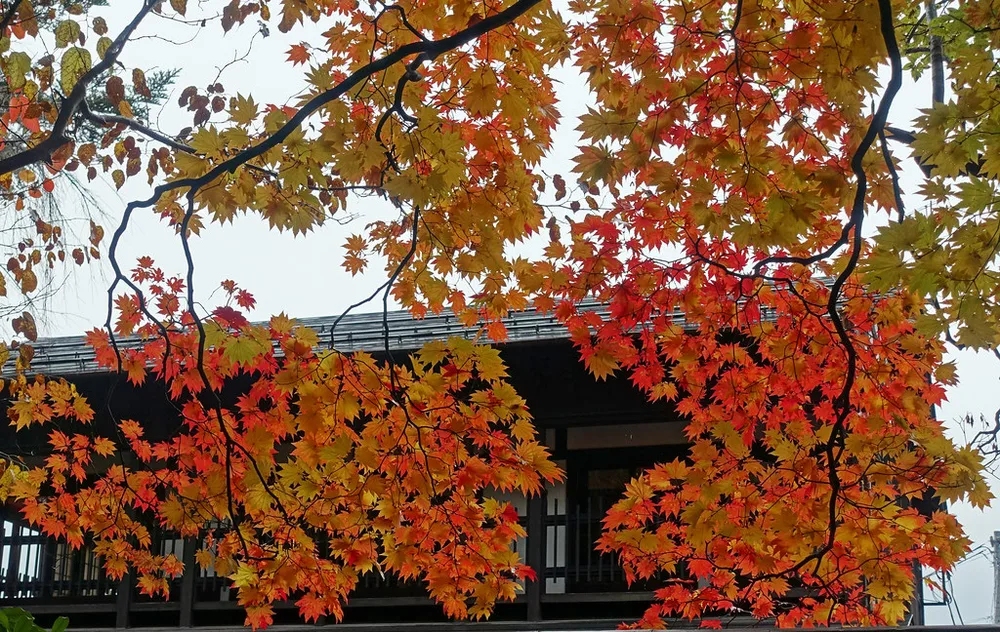
Seasonal scenery. Cherry blossoms in late April are exceptional — the weeping shidarezakura along the Hinokinai River are a national spectacle. Autumn foliage (late October to early November) is less crowded and the maple and ginkgo in the samurai gardens are striking. Winter visits are quiet and cold but the snow-covered black fences make for distinctive photographs. Summer is lush but can be humid.
Can You Add Lake Tazawa to a Kakunodate Day Trip?
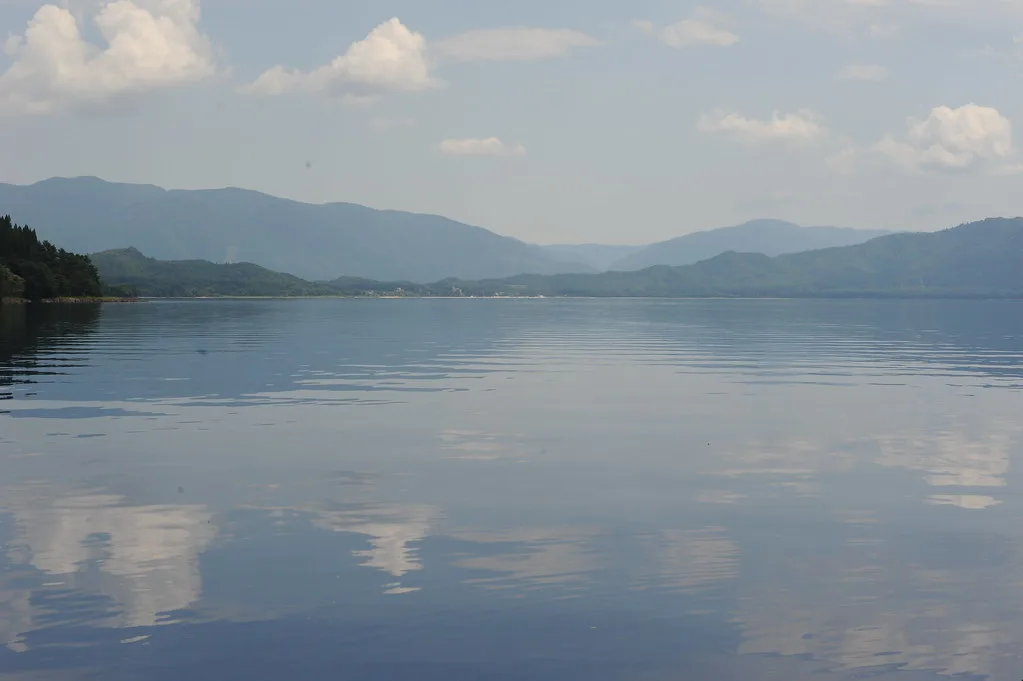
Lake Tazawa is Japan's deepest lake at around 400 metres, and it sits 15–20 minutes by local train from Kakunodate Station toward the mountains. In principle you can combine both in a single day from Akita — in practice, the timing is tight and requires trade-offs.
A realistic combined day looks like this: take the shinkansen to Kakunodate by 09:00, spend the morning (09:00–12:30) in the samurai district, have a quick lunch, then take the local Tazawako Line train to Tazawako Station (about 15 minutes, roughly ¥320). From Tazawako Station a bus runs to the lake shore in about 15 minutes. The iconic Tatsuko statue and the Goza-no-ishi Shrine at the water's edge are accessible from the main pier. The 40-minute lake excursion boat circuit is worth doing if you have the time — it gives you a proper view of the mountain backdrop and the vermillion shrine gate reflected in the water. Allow 2.5–3 hours at the lake and catch a return train to Akita by 17:00.
The catch: doing this well means cutting the samurai district to about 2.5 hours, which is enough for one mansion (Aoyagi) and a walk of the street, but not the Kabazaiku Museum or the river embankment. If Kakunodate is your primary interest, do it as a standalone day and return to Akita for dinner. If you want the lake included, accept a lighter Kakunodate experience — or stay overnight in Kakunodate and dedicate day two to the lake and Nyuto Hot Spring Village.
Should You Stay Overnight in Kakunodate?
A day trip from Akita covers the core of Kakunodate well for most first-time visitors. The town is compact and the main attractions — the samurai street, two or three mansions, the Kabazaiku Museum, and a riverside stroll — fit comfortably into 7 hours. There is no strong reason to stay unless you want a slower pace, are visiting in cherry blossom peak season (when you'll want an early morning before crowds arrive), or plan to visit Lake Tazawa and Nyuto Hot Spring Village properly.
If you do stay, Hotel Folkloro Kakunodate is a reliable option directly beside the station — clean, modern, convenient. For a more immersive experience, Tamachi Bukeyashiki Hotel is a converted samurai residence with a traditional garden courtyard and Japanese-style breakfast featuring local Akita produce including natto, grilled fish, and freshly cooked rice. It is close to the main samurai street. Both need advance booking; during cherry blossom season, book several months ahead.
A two-day version of this trip pairs Kakunodate on day one with Lake Tazawa and Nyuto Hot Spring Village on day two. Nyuto is one of Japan's most celebrated secluded hot spring areas — seven ryokan with over 10 different spring types, ranging from milky white to reddish-brown, nestled in beech forest at the foot of 2,066-metre Eboshi Peak. The Onsen Passport (¥1,800), purchasable at any of the seven ryokan reception desks, gives you entry to all the baths across all facilities. Tsurunoyu, the oldest inn here (17th century), is often booked out months ahead — reserve early if you want it.
Essential Tips for Your Kakunodate Day Trip
A few practical points that most itinerary guides skip:
- The samurai district streets are flat and fully walkable. There are no hills. However, individual mansion interiors often have uneven wooden floors and low wooden thresholds. Visitors with limited mobility should check with specific houses in advance — the Japan Shore Excursions-style tours that stop at Akita Port can also pre-arrange accessibility support.
- Most restaurants and cafes in the district are small. During cherry blossom season (late April) waits can be 30–45 minutes for lunch. Eat early (before 12:00) or late (after 13:30) to avoid the crunch.
- The Kabazaiku Museum craft workshop requires a booking at least 10 days in advance. Do not assume you can join one on the day. Call 0187-43-3353 to reserve.
- IC cards (Suica, ICOCA, etc.) work on local trains and buses in Akita but not for shinkansen seat reservations. Buy your reserved shinkansen tickets in advance at the JR ticket counter in Akita Station, or use the JR East online booking system.
- Kakunodate has no large shopping mall or convenience store in the district itself. There is a small 7-Eleven near the station for snacks and ATM access. Stock up before heading into the samurai streets if you need cash.
- Autumn foliage peaks typically in late October. Cherry blossoms are most reliable late April to early May. Both seasons see prices rise and accommodation book out weeks ahead.
One mistake first-timers make: underestimating how long the Aoyagi House complex takes. The multiple storehouses and garden together take 45–60 minutes if you engage with the exhibits. Budget for it properly rather than rushing through.
Kakunodate Day Trip FAQs
Here are answers to the questions that come up most often when planning a Kakunodate trip from Akita.
Frequently Asked Questions
What is the best time to visit Kakunodate for a day trip?
The best times are late April to early May for cherry blossoms, or late October to early November for autumn leaves. These seasons offer spectacular scenery. Visiting outside these peaks still provides a charming historical experience with fewer crowds.
How much time should you plan for a Kakunodate day trip from Akita?
Plan for a full day, allocating about 8-9 hours in Kakunodate itself, plus travel time. This allows you to comfortably explore the samurai district, visit key mansions, and enjoy a meal. You won't feel rushed to see everything.
What are the best samurai houses to visit in Kakunodate?
The Aoyagi House and Ishiguro House are highly recommended. Aoyagi House is a large complex with several buildings, museums, and gardens. Ishiguro House is the only residence still inhabited by descendants, offering a more intimate glimpse.
Can you visit Lake Tazawa on a day trip to Kakunodate?
Visiting Lake Tazawa as part of a single day trip from Akita focusing on Kakunodate is challenging. It's feasible if you prioritize the lake over Kakunodate, or if you extend your trip overnight. Consider a separate trip or an overnight stay to enjoy both fully.
What local foods should I try in Kakunodate?
Look for Kiritanpo Nabe, a hot pot dish with pounded rice sticks, and Inaniwa Udon, a thin, chewy udon noodle. Also, try local miso products and sake. Many restaurants in the samurai district offer traditional Akita cuisine.
A Kakunodate day trip from Akita truly offers a memorable escape into Japan's rich history. This beautifully preserved samurai town is a testament to a bygone era. Following this itinerary ensures you experience its most iconic sights. You will leave with a deep appreciation for its unique charm.
Remember to embrace the slower pace of Kakunodate. Take your time exploring the mansions and strolling by the river. Whether you visit for the cherry blossoms or the serene historical atmosphere, Kakunodate captivates. It's an essential stop in the Tohoku region.
For trip-planning details, see the official Kakunodate guide.
For the complete overview, see our complete Kakunodate travel guide.
See the full things to do in Akita guide to plan the other half of your trip.
Free guide: Japan's Hidden Gems
12 under-the-radar places beyond Tokyo & Kyoto — with the best season to visit each and a local tip you won't find in the guidebooks.
You might also like


Continue reading
More guides you'll find useful