Kakunodate Samurai District: Ultimate Travel Guide & Things to Do
Explore Kakunodate Samurai District with our comprehensive guide. Discover historic samurai houses, cherry blossoms, local culture, and practical tips for your visit.
On this page
Step back in time to the Edo period in Japan's beautifully preserved Kakunodate Samurai District. This charming town in Akita Prefecture offers a rare glimpse into samurai life. You can wander historic streets lined with traditional samurai residences. Kakunodate is truly a living museum of feudal Japan.
The district is famous for its elegant architecture and stunning natural beauty. Many travelers visit for the iconic weeping cherry blossoms in spring. Beyond the flowers, rich history and culture await discovery. Prepare for an unforgettable journey into Japan's past.
Welcome to Kakunodate Samurai District: A Glimpse into Edo Japan
Kakunodate earned its nickname, "Little Kyoto of Tohoku," for its well-preserved samurai traditions. The town was founded in 1620 when a feudal lord chose this site for its natural strategic defenses and built his castle here. His most trusted samurai retainers constructed imposing estates along both sides of Bukeyashiki Dori, hidden behind high dark fences overhung with weeping cherry trees. Lower-ranked samurai built more modest homes on side streets, while merchants settled in their own district nearby — a social geography that survives to this day.
Unlike many other castle towns, Kakunodate escaped major wars and natural disasters. This fortunate history allowed the samurai district to remain largely intact over four centuries. You can see over 170 years of architectural history reflected in its buildings, from thatched main houses to thick-walled kura storehouses. More than 200 of those kura still stand from the feudal era, making this one of the most complete surviving examples of samurai urbanism in Japan.
The district once housed around 80 samurai families. Six of those residences are now open to the public, giving visitors a direct window into how both wealthy and middle-class samurai families lived during the Edo period (1603–1868). Visiting the Kakunodate Samurai District feels like stepping onto a film set — except everything you see is authentic.
Exploring Bukeyashiki Dori: The Heart of the Samurai Town
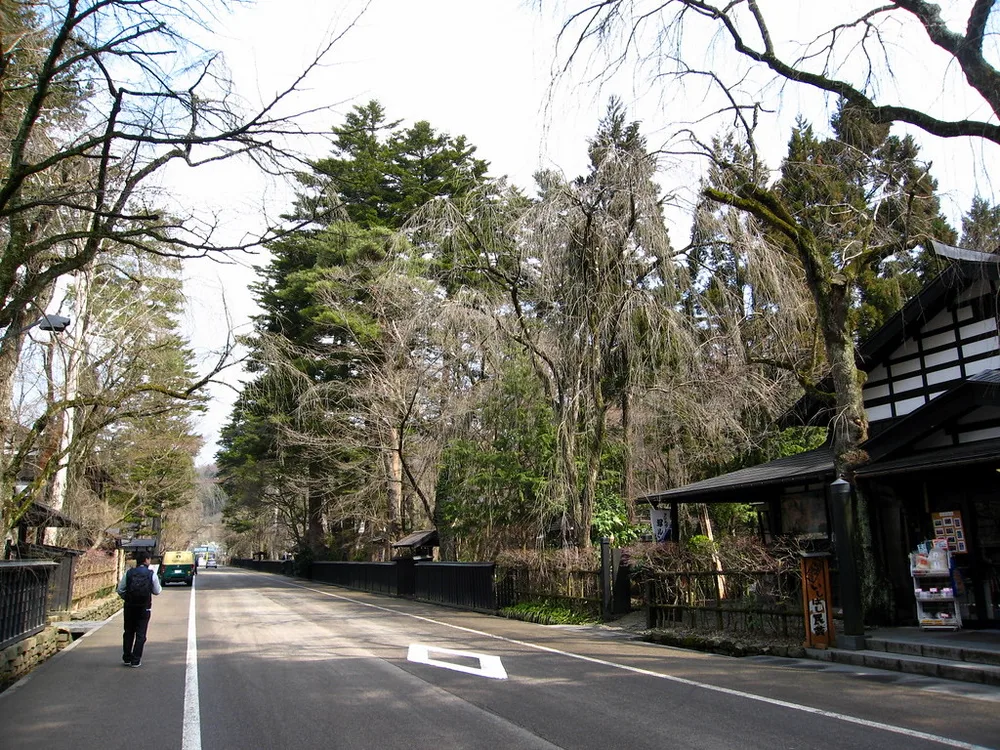
Bukeyashiki Dori is the main boulevard of the Kakunodate Samurai District and the first place every visitor should head. It stretches about 600 metres, impressively wide by feudal-era standards, flanked by dark wooden fences and gates that have defined the street for four hundred years. The sheer scale of the boulevard was deliberate — it signaled the power and rank of the samurai families who lived here.
Many of the weeping cherry trees lining the street were brought from Kyoto during the Edo period. They are now several hundred years old, and their branches drape gracefully over the fences in spring. The combination of gnarled trunks, pink blossoms, and black-lacquered fences is among the most photographed scenes in Tohoku. Outside blossom season the street remains striking: in autumn the foliage turns gold and red against the dark wood, and in winter the silent snow-covered rooflines create a scene that feels genuinely medieval.
Walking the full length of Bukeyashiki Dori takes about 20 minutes at a relaxed pace, not counting time spent inside the open houses. The recommended direction is to start at the southern end (nearest Kakunodate Station) and walk north, finishing near the Ishiguro and Aoyagi estates. Side streets to the east and west reveal smaller samurai homes that are not tourist facilities — they are still private residences and should be viewed respectfully from the road.
Kakunodate's Iconic Samurai Residences and Museums
The Aoyagi Samurai Mansion is the largest and most impressive estate open to the public. It served a family with a senior position in the Satake-Kita clan and now functions as a sprawling compound of several buildings — including a thatched main house, multiple kura storehouses, and exhibition rooms displaying samurai armour, weapons, and family heirlooms. You can also try on replica samurai attire here, and the on-site restaurant serves local Akita cuisine. Allow at least 90 minutes. Admission is ¥500 for adults (¥300 for children). Check the official Aoyagi Samurai Mansion Museum website for current opening hours, which are typically 09:00–17:00 year-round.
Next door, the Ishiguro Samurai House is the oldest surviving samurai mansion in Kakunodate and the only one still occupied by direct descendants of the original owners. That ongoing family presence gives Ishiguro a different atmosphere from Aoyagi — quieter, more personal, and genuinely lived-in. Visitors can explore the interior and view family heirlooms that have been passed down across generations. Admission is ¥400 for adults. This is the house that most repeat visitors to Kakunodate cite as their favourite for precisely that sense of unbroken lineage.
The other four open residences — Kawarada, Iwahashi, Odano, and Omura — are smaller and several are free to enter. They are worth a brief look for their distinct architectural details: some have traditional stone gardens, others have small tea rooms. The Denshokan Museum, located directly opposite the samurai district, is the best place to understand Kakunodate's signature craft, kabazaiku (cherry bark woodworking). Watch artisans shape tea canisters, dishes, and furniture from the bark of mountain cherry trees — a trade originally developed by lower-ranked samurai to supplement their incomes. Admission is ¥510. See the Things to Do in Kakunodate guide for hours and seasonal closures across all sites.
A practical note: the six open houses have slightly different opening days. Most are open 09:00–17:00, but one or two close on Wednesdays between December and March. Verify individual hours before building your morning schedule, as the walk between houses is short enough that a closed door will cost you time rather than a journey.
| Manor | Admission | Hours | Highlight |
|---|---|---|---|
| Aoyagi | ¥500 (adults) | 09:00–17:00 daily | Largest estate; armour try-on; on-site restaurant; multiple kura storehouses |
| Ishiguro | ¥400 (adults) | 09:00–17:00 daily | Oldest surviving manor; still occupied by descendants; most intimate atmosphere |
| Kawarada | Free | 09:00–17:00 (check season) | Smaller property; distinct architectural style; quiet alternative to paid houses |
| Iwahashi | Free | 09:00–17:00 (check season) | Stone garden; architectural details; brief visit option |
| Odano | Free | 09:00–17:00 (check season) | Small traditional house; good for budget visits |
| Omura | Free | 09:00–17:00 (check season) | Modest samurai residence; lesser-known but worthwhile |
Visiting Etiquette: How to Behave at Samurai Residences
Most visitors focus on what to see in Kakunodate, but how you behave inside the residences matters — and none of the major travel guides explain this properly. Several of the open houses (especially Ishiguro) are living heritage sites, not sterile museums. That means the same respect you would show in a Japanese home applies here.
At the genkan (entrance hall), remove your shoes before stepping onto the interior wooden floors. Slippers are usually provided; put them on before walking through the tatami rooms. Do not step directly onto tatami mats in outdoor shoes under any circumstances. Inside, keep your voice low. Many visitors arrive expecting a gallery environment but the houses feel more like a family home, and that atmosphere is deliberate.
Photography rules vary by house. At Aoyagi, general photography of the grounds and buildings is typically permitted but restrictions apply in certain display rooms — look for signs or ask staff at the entrance. At Ishiguro, ask before photographing family heirlooms or the interior living spaces. Never touch lacquerware, armour, or displayed objects unless there is a specific hands-on exhibit. Some armour displays at Aoyagi are designed for guests to try on under staff supervision — wait for that invitation rather than reaching in yourself.
Finally, if you encounter a family member at Ishiguro — descendants occasionally move through the open sections — a brief bow and a quiet "sumimasen" (excuse me) is the appropriate acknowledgement. Do not photograph individuals without permission. These small courtesies make a real difference in a place where the family's willingness to open their home to the public is not something they are obliged to continue.
Most samurai residences charge admission (¥400–¥510), but several smaller houses—Kawarada, Iwahashi, Odano, and Omura—are free to enter, making them excellent budget-friendly options if you want to see multiple properties without spending heavily. Plan your route to combine paid and free houses.
Top Things to See and Do in Kakunodate
Kakunodate offers a wealth of experiences for history buffs and culture seekers. Start your exploration with the iconic samurai residences along Bukeyashiki Dori. These homes provide deep insights into the daily lives of samurai families. Many houses showcase artifacts and beautiful gardens.
Beyond the samurai houses, try a kabazaiku workshop at one of the artisan shops near the Denshokan Museum. These short sessions — some as brief as 30 minutes — let you apply cherry bark to a small item under artisan guidance. It is one of the few places in Japan where this craft is still practised commercially and the result makes a far more personal souvenir than anything you could buy off a shelf.
Don't forget to stroll along the Hinokinai River embankment. In spring the embankment hosts a long row of Yoshino cherry trees (a different variety from the weeping cherries in the samurai district), creating a tunnel of blossom that is best seen early in the morning before crowds arrive. The riverside path provides a peaceful escape from the main streets and a completely different visual experience from Bukeyashiki Dori.
- Walk the full length of Bukeyashiki Dori — allow 20 minutes for the street itself, 1–2 hours more for whichever residences you enter
- Visit Aoyagi Samurai Mansion for the largest museum collection and the chance to try on armour
- Visit Ishiguro Samurai House for the oldest estate and its still-resident family descendants
- See kabazaiku craft at the Denshokan Museum (open daily; admission ¥510)
- Walk the Hinokinai River embankment — especially scenic in spring and autumn
- Browse craft shops in the town's merchant quarter, a short walk east of the samurai district
Seasonal Beauty: When to Visit Kakunodate (Cherry Blossoms, Autumn, Winter)
Kakunodate transforms with each season, offering different visual delights. Spring is the most famous time, thanks to cherry blossoms that typically peak from late April to early May — slightly later than Tokyo due to Tohoku's cooler climate. The weeping cherry trees along Bukeyashiki Dori are the signature sight, but the Hinokinai River embankment adds a second act: roughly 400 Yoshino cherry trees in a long avenue that blooms alongside or just after the weeping varieties. The Kakunodate's Weeping Cherries draw very large crowds, so book accommodation months in advance for late April weekends.
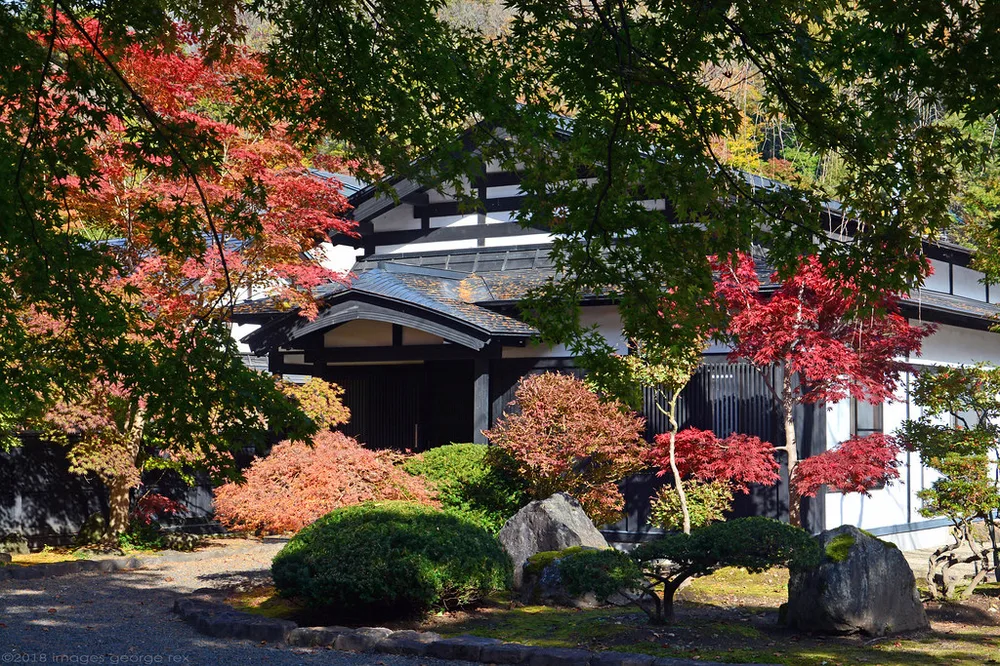
Autumn brings a vibrant display of reds, oranges, and yellows from late October to early November. The samurai residences' gardens look especially beautiful with autumn leaves framing the dark fences. This period is less crowded than spring, the weather is reliably crisp and dry, and it is arguably the best time to photograph the district without battling umbrella-carrying tour groups.
Autumn (late October–early November) is the optimal time to visit Kakunodate if you want to avoid cherry blossom season crowds. Weather is dry, temperatures are mild, and samurai residences' gardens glow with autumn foliage. Unlike spring, when hotels book 6 months ahead, autumn offers last-minute booking flexibility while delivering equally stunning photography conditions.
Winter blankets Kakunodate in deep snow — Tohoku is famous for heavy snowfall — creating a serene, almost monochrome landscape where the black fences and white rooflines look like a woodblock print. Visitor numbers drop sharply, which means you will often have Bukeyashiki Dori almost to yourself. The trade-off is that some smaller residences and the river boat rentals close between December and March. For a genuine off-season experience, winter Kakunodate in 2026 is worth planning around: the emptiness is part of the appeal.
Summer (July to August) is warm and green, with the samurai gardens at their lushest. It is the least-visited of the four seasons for Kakunodate specifically, but it is a good option if you are combining the town with a broader Tohoku or Akita Prefecture trip that includes beach or mountain activities.
Beyond the Samurai: Other Attractions in Kakunodate
While the samurai district is the main draw, Kakunodate has more to offer. The Denshokan Museum showcases the traditional kabazaiku cherry bark craft in depth, with video demonstrations and a large craft shop where you can buy direct from the artisans. This museum provides a deeper appreciation for the local artistry and explains why this specific craft evolved in Kakunodate rather than elsewhere in Japan.
The Kakunodate Castle Ruins sit on a forested hill above the town and offer panoramic views of the historic layout. Only earthworks remain, but the elevated position shows clearly how the samurai district, merchant quarter, and river embankment fit together as a designed urban system. The short uphill walk takes about 15 minutes from the north end of Bukeyashiki Dori.
The Hinokinai River embankment is ideal for relaxation after a morning in the busy samurai district. Between April and October you can rent a wooden rowboat and drift quietly along the river — a perspective on the town that most visitors miss. The boathouse is near the Nakamachi bridge and charges a modest hourly fee.
Savoring Kakunodate: Local Cuisine and Dining
Akita Prefecture boasts some of northern Japan's most distinctive regional cuisine. Kiritanpo Nabe is the local specialty: a hot pot built around kiritanpo, cylinders of pounded rice grilled on cedar skewers, simmered with chicken, burdock root, and maitake mushrooms in a rich broth seasoned with soy and sake. Most restaurants in the town centre serve it, and it is a genuinely warming meal after a long walk in cooler months. Look for restaurants near the crossing between the samurai district and the merchant quarter.
Inaniwa Udon is another Akita specialty worth seeking out specifically. These hand-stretched noodles are thinner and silkier than standard udon, with a delicate texture achieved through a multi-day drying process. You can eat them hot in a simple broth or cold with a dipping sauce. There are dedicated Inaniwa udon shops in the town centre; some also sell vacuum-packed noodles as take-home souvenirs.
Beyond the hot pot and noodles, try local sake — Akita is one of Japan's premier sake-producing prefectures, with the region's cold clean water and high-quality rice producing consistently excellent bottles. Several restaurants around the samurai district carry local labels. Many cafes within the district also serve traditional Japanese sweets (wagashi) and green tea — a good mid-morning stop between residences.
Where to Stay in Kakunodate: Accommodation Options
Kakunodate offers a range of accommodation choices to suit different preferences. Traditional ryokan are the most atmospheric option: most include multi-course kaiseki dinners featuring local Akita specialties, a communal or private onsen bath, and tatami rooms with futon bedding. These are particularly popular during cherry blossom season and book out months in advance — if spring is your target, reserve as early as October the previous year.
Hotel Folkloro Kakunodate is the most convenient option for first-time visitors. It sits adjacent to the station, a short walk from the samurai district, and offers Western-style rooms at a mid-range price point. Check the official Hotel Folkloro website for current rates and availability. For visitors arriving on the Shinkansen with heavy luggage, the station-adjacent location is a practical advantage over ryokan further into town.
For a more immersive stay, a small number of machiya (traditional townhouse) guesthouses in and near the samurai district have opened in recent years. These properties typically sleep four to six people and give you the experience of staying inside the historic district itself — the quiet of the streets after the day-trippers leave is a very different Kakunodate from the midday crowds. Search on Japanese booking sites (Jalan, Rakuten Travel) as well as international platforms for the most complete listings.
Getting to Kakunodate: Transport Guide
Kakunodate is easily accessible via Japan's Shinkansen network. The Akita Shinkansen (Komachi service) connects Tokyo directly to Kakunodate Station in approximately three hours and fifteen minutes. Trains run multiple times daily and are covered by the Japan Rail Pass, making this a cost-effective route for visitors already holding a pass. Reserve your seat when you book — the Komachi is popular and fills quickly during spring and autumn.
From Sendai, take the Tohoku Shinkansen toward Morioka and change to the Akita Shinkansen at Morioka; the total journey is around two hours. From Akita City, the local JR Ou Line gets you to Kakunodate in about 45 minutes without needing the Shinkansen. From Morioka, you can reach Kakunodate in under 40 minutes on the Akita Shinkansen, which makes Kakunodate an easy addition to any Tohoku circuit combining Morioka and Akita.
For detailed routes and current schedules, check the Japan Rail website or use Hyperdia. Buying Shinkansen tickets at least a few days in advance is advisable during peak travel periods. You can find more information about Getting to Kakunodate by Train from various cities, including bus options for those not on JR Pass routes.
Getting Around Kakunodate: Local Transportation Tips
Once you arrive at Kakunodate Station, the samurai district is reachable on foot in about 15–20 minutes. The path is well-marked with English signage and passes through the town's small commercial centre, giving you a preview of the merchant quarter along the way. Walking is genuinely the best option: the town is compact enough that you will not need transport between the main sights once you are inside the district.
Bicycle rentals are available near the station and at some lodgings. Cycling is especially useful if you want to combine the samurai district with the Hinokinai River embankment and the Denshokan Museum in a single morning, as a bike lets you move between those three areas in minutes rather than the 10-minute walk each segment requires. Expect to pay around ¥500–¥800 for a half-day rental.
Local buses run between the station and the samurai district, but given the short walking distance most visitors find them unnecessary. Taxis are available at the station rank and cost roughly ¥700–¥900 for the ride to Bukeyashiki Dori. A taxi is worth it if you are carrying heavy bags or visiting in heavy snow.
Planning Your Visit: Sample Itineraries for Kakunodate
To help you make the most of your trip, here are two practical itineraries. Both assume you arrive on the Akita Shinkansen from Tokyo; adjust the morning start time if you are arriving from Akita or Morioka. Always confirm individual opening hours before you go, as some smaller houses adjust their schedules seasonally.
- 1-Day Kakunodate (History Focus) — Arrive by 09:30 Shinkansen; walk to Bukeyashiki Dori (09:50); visit Ishiguro Samurai House (10:00–11:00, ¥400); visit Aoyagi Samurai Mansion including try-on armour experience (11:00–12:30, ¥500); lunch at a restaurant near the samurai district — kiritanpo nabe recommended; browse Denshokan Museum and kabazaiku shops (13:30–15:00, ¥510 admission); stroll Hinokinai River embankment (15:15–16:00); depart Kakunodate by late afternoon Shinkansen back to Tokyo
- 2-Day Kakunodate (Culture and Nature) — Day 1: Arrive midday, check into ryokan; afternoon at Aoyagi and Ishiguro houses; dinner at ryokan with kaiseki featuring local Akita specialties. Day 2: Denshokan Museum and kabazaiku workshop (09:00–10:30); Hinokinai River embankment walk and optional rowboat rental (10:45–12:00); lunch of Inaniwa udon in the town centre; Kakunodate Castle Ruins for panoramic views (13:30–14:15); browse merchant quarter craft shops; depart by late afternoon or continue to Lake Tazawa for a second overnight
Remember to wear comfortable shoes — you will cover two to four kilometres on foot depending on how far you explore. In spring, bring layers: mornings in Akita Prefecture can be cool even in late April. In winter, proper snow boots are essential as Bukeyashiki Dori is not always cleared quickly after snowfall.
Kakunodate Day Trips and Nearby Destinations
Kakunodate serves as an excellent base for exploring the wider Tohoku region. The most popular day trip is Lake Tazawa, Japan's deepest lake at 423 metres, known for its remarkable cobalt-blue colour. The lakeside Tatsuko statue and boat cruises make it a scenic half-day addition to a Kakunodate visit. You can reach Lake Tazawa by bus from Kakunodate Station in about 40 minutes.
Akita City, the prefectural capital, is only 45 minutes away on the local JR line and offers a different experience: the Akita Museum of Art (home to Fujita Tsuguharu's giant panoramic painting), the Kanto Festival in August, and a livelier food and sake scene than small-town Kakunodate. It makes a natural first or final night stop if your Tohoku route begins or ends in Akita.
Morioka in neighbouring Iwate Prefecture is accessible in under 40 minutes on the Shinkansen and offers its own historic district, famous wanko soba restaurants, and a starting point for exploring rural Iwate. Both Akita and Morioka combine well with Kakunodate on a Tohoku circuit of three to four days.
Frequently Asked Questions
What is Kakunodate Samurai District known for?
Kakunodate Samurai District is famous for its exceptionally preserved samurai residences and historic streets. It is often called "Little Kyoto" due to its elegant atmosphere. The town is also renowned for its stunning weeping cherry blossoms in spring, drawing visitors from all over Japan and the world. Its unique history allowed it to remain largely untouched by conflict.
How much time do you need for Kakunodate?
Most visitors find that a full day is sufficient to explore the main attractions of Kakunodate Samurai District. This allows time to visit a few samurai houses, stroll along Bukeyashiki Dori, and enjoy a local meal. If you wish to visit more museums, explore craft shops, or take a Kakunodate day trip to nearby Lake Tazawa, consider an overnight stay.
Is Kakunodate worth visiting?
Yes, Kakunodate is absolutely worth visiting, especially for those interested in Japanese history, traditional architecture, and natural beauty. Its well-preserved samurai district offers a unique glimpse into the Edo period. The town's charm, particularly during cherry blossom season or autumn, provides an unforgettable cultural experience away from major city crowds.
When is the best time to see cherry blossoms in Kakunodate?
The best time to see cherry blossoms in Kakunodate is typically from late April to early May. The exact timing can vary slightly each year depending on the weather. Both the weeping cherry trees in the samurai district and the Yoshino cherry trees along the Hinokinai River embankment bloom beautifully during this period. Always check local forecasts for the most accurate dates.
What food should I try in Kakunodate?
When visiting Kakunodate, you should definitely try local Akita specialties. Kiritanpo Nabe, a hot pot dish with pounded rice sticks, is a must-try for a hearty meal. Inaniwa Udon, a thin and smooth noodle, is another regional delicacy worth savoring. Many restaurants in Kakunodate offer these traditional dishes, along with fresh seafood and local sake.
The Kakunodate Samurai District offers a truly captivating journey into Japan's rich past. Its beautifully preserved streets and homes provide an unparalleled historical experience. Whether you come for the stunning cherry blossoms or the quiet dignity of samurai heritage, Kakunodate leaves a lasting impression. This unique town is a treasure waiting to be explored.
Plan your visit carefully to enjoy all that this historic destination has to offer. From exploring ancient residences to savoring local cuisine, every moment is a discovery. Kakunodate invites you to step back in time and create unforgettable memories. Start planning your adventure to this incredible samurai town today!
For opening hours and admission details, see our samurai district visitor information.
Free guide: Japan's Hidden Gems
12 under-the-radar places beyond Tokyo & Kyoto — with the best season to visit each and a local tip you won't find in the guidebooks.
You might also like


Continue reading
More guides you'll find useful