
10 Best Things To Do In Kakunodate (2026): Top Attractions & Travel Guide
Discover the best things to do in Kakunodate, Japan's historic samurai town. Explore top attractions, seasonal highlights, and practical tips for your visit.
On this page
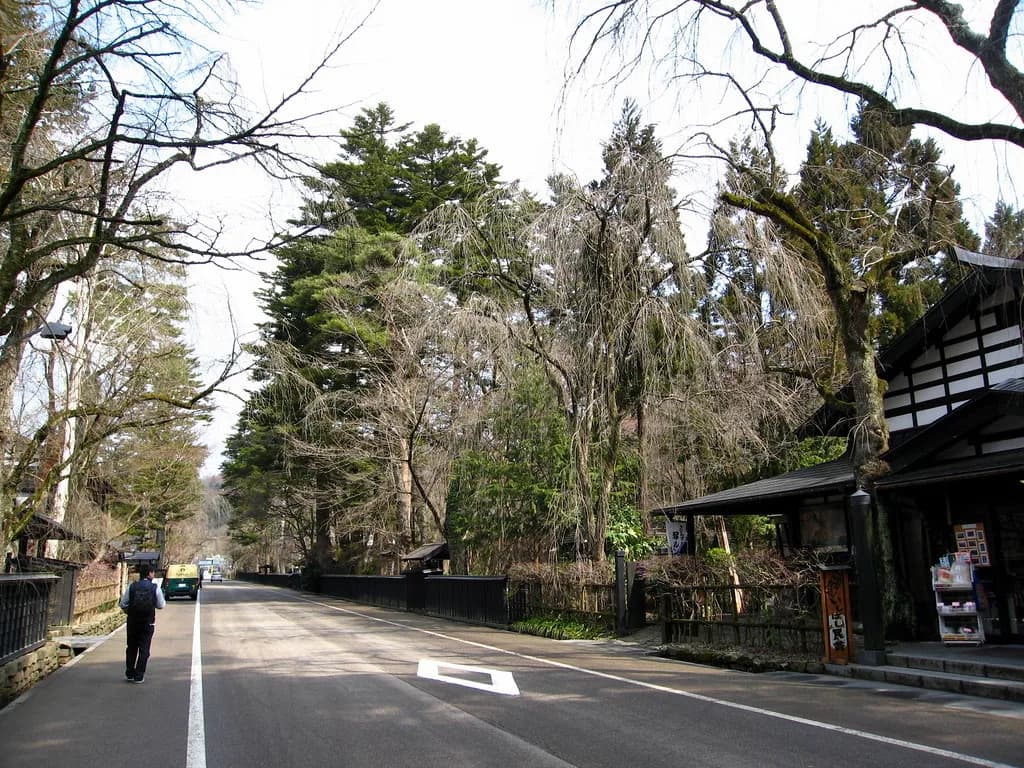
Kakunodate is one of the most intact samurai towns in Japan. Founded in 1620, its bukeyashiki district has survived centuries without the redevelopment that erased similar areas in larger cities. Walk down Bukeyashiki-dori and the broad earthen lanes, black wooden fences, and towering gates still look much as they did in the Edo period.
The town sits in Akita Prefecture in the Tohoku region, roughly three hours from Tokyo by Shinkansen. It is compact enough to cover on foot in a single day, yet rich enough in seasonal beauty and cultural depth to reward an overnight stay. This guide covers everything you need to plan your 2026 visit: the top attractions, seasonal timing, shopping, transport, accommodation, and nearby day trips.
Key Takeaways
- The Samurai Residences (Bukeyashiki Street) are the essential first stop — allow two to three hours for at least two houses.
- Cherry blossom season runs late April to early May; book Shinkansen and accommodation at least two months in advance.
- The Kakunodate Festival (September 7–9) features seven-tonne floats and is a UNESCO Intangible Cultural Heritage event.
- Kabazaiku cherry bark craft workshops require booking at least 10 days ahead via Semboku City Rural Experience Design Studio (tel. 0187-43-3353).
- Lake Tazawa and Nyuto Hot Spring Village are both reachable within an hour — combine them into a logical two-day itinerary.
Why Visit Kakunodate? An Introduction to Tohoku's Little Kyoto
Most Japan itineraries skip Tohoku entirely. That is a mistake, and Kakunodate is the clearest argument against it. The town earns the "Little Kyoto" nickname not through imitation but through genuine preservation: the samurai district was never bombed, never converted to commercial use, and never widened for traffic. What remains is an authentic Edo-period streetscape that Kyoto itself — with its tourist infrastructure and modern intrusions — can no longer fully provide.
The appeal crosses seasons. Spring brings the weeping cherry trees that samurai families carried here from Kyoto in the 17th century. Autumn turns the district gold and crimson. Winter drapes the black fences in snow, and summer is festival season. At any time of year, the town rewards slow walking and close attention to detail: the texture of a gate post, the moss on a stone garden, the smell of cedar and cherry bark drifting from an open workshop door.
Kakunodate is also a practical destination. The Akita Shinkansen stops here directly, the main district is walkable from the station, and the surrounding area — Lake Tazawa, Nyuto Hot Spring Village, Dakigaeri Valley — packs enough variety to justify two or three days in the region.
Step Back in Time: Exploring the Samurai Residences
The bukeyashiki district stretches roughly 700 metres along Bukeyashiki-dori. About 80 samurai families once occupied this area, and six residences are now open to the public. The scale of each compound — main house, storehouses, gardens, and perimeter gate — makes clear just how stratified Edo-period society was: the larger the gate, the more senior the family.
The Aoyagi House is the most expansive. Entry costs ¥500 and gives access to multiple storehouses converted into museums covering samurai armour, ancient manuscripts, and lacquerware. The gardens are particularly fine in late April when the weeping cherry overhead is in full bloom. The neighbouring Ishiguro House is still privately owned and only partially open, but the glimpse of the main hall and the cedar-lined approach is worth the ¥300 entry.
After two or three residences, the returns diminish — the interiors share similar layouts and collection types. A better use of remaining time is to simply walk the street, look past the gates, and notice the smaller details: the stone lanterns, the persimmon trees planted beside each gate, the firewood stacked under the eaves. Most houses are open daily from 09:00 to 17:00 (shorter hours November to March). Budget ¥1,000 to ¥1,500 for two to three houses combined.
At the opposite end of the district, the Akita Kakunodate Nishinomiyake offers something different: a samurai residence converted into a complex of restaurants, cafes, and craft shops spread across five storehouses. The Kitagura storehouse (built 1919) houses a restaurant serving okaribayaki — chicken seasoned with sansho pepper and miso, then grilled over charcoal, a dish that dates to the days when samurai cooked game in the field. Entry to the complex is free; the restaurant runs from roughly 11:00 to 15:00.
Book entry tickets for the larger samurai houses (Aoyagi, Ishiguro) early in the morning — opening hours are 09:00 to 17:00, but peak tour-bus arrivals between 10:00 and 14:00 can create bottlenecks during spring and autumn. A combination ticket covering three major attractions costs ¥1,000–¥1,200 and saves ¥300–¥600 over individual entries.
| Manor | Admission | Hours | Highlights |
|---|---|---|---|
| Aoyagi House | ¥500 | 09:00–17:00 | Armour, manuscripts, lacquerware; weeping cherry in April |
| Ishiguro House | ¥300 | 09:00–17:00 | Cedar approach, samurai living quarters |
| Cherry Bark Museum (Denshokan) | ¥300 | 09:00–17:00 (closed Tue) | Live artisans at work, kabazaiku techniques, gift shop |
| Akita Kakunodate Nishinomiyake | Free (restaurant separate) | Restaurant 11:00–15:00 | Okaribayaki grilled chicken, five storehouses, craft shops |
Seasonal Splendor: Cherry Blossoms and Autumn Leaves
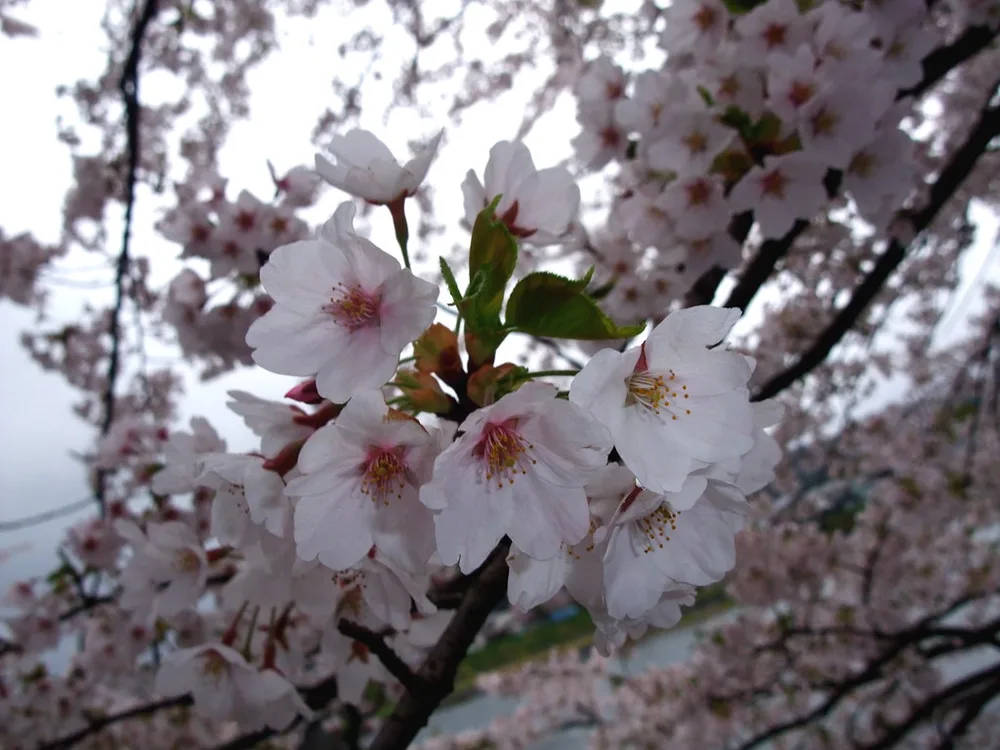
Kakunodate hosts two peak seasons. Spring cherry blossom (late April to early May) draws over a million visitors annually, making it one of the most famous hanami destinations in Japan. There are roughly 400 cherry trees in the town, split between two distinct zones with different varieties and a slightly staggered bloom.
The weeping cherry trees (shidarezakura) in the samurai district bloom first, usually in late April. These trees were brought from Kyoto by samurai families in the 17th century and are now 200 to 300 years old. Their drooping boughs arch over the earthen lanes in curtains of pale pink, and the combination of blossoms against black-painted fences and aged timber gates is one of the most photographed scenes in Tohoku. Walk this street before 08:00 for the quietest experience.
The Yoshino cherry trees (somei yoshino) along the Hinokinai River Embankment bloom a few days later and in far larger numbers — a two-kilometre corridor of salmon-pink blossom above the river. This is the spot for picnicking under the petals with local families. Access is free and open around the clock; the embankment is well lit for evening viewing. During peak bloom, shuttle buses run from the station to reduce pedestrian congestion.
Autumn foliage arrives in late October and early November. The samurai district turns deep red and gold, and the contrast against the black wooden fences is arguably more striking than spring. Crowds are smaller, the light is better for photography, and the Dakigaeri Valley — accessible by local train in about 20 minutes — adds spectacular gorge scenery to the season. If you have flexibility, autumn is the underrated time to come.
Late April to early May cherry blossom season draws over a million visitors and fills accommodation weeks in advance — book both trains and hotels at least two months ahead. If flexibility is limited, autumn (late October–early November) offers equally dramatic scenery with a fraction of the crowds and better availability.
Immerse in Culture: Museums, Crafts, and Local Experiences
Kakunodate's most distinctive craft is kabazaiku — objects wrapped or layered with the bark of mountain cherry trees. The craft originated in the 18th century when a samurai named Fujimura Hikoroku began using cherry bark as a casing for small goods. Today it is produced only in Kakunodate, and the best place to understand it is the Kabazaiku Denshokan (Cherry Bark Work Museum) on Bukeyashiki-dori. Entry is ¥300; open 09:00–17:00, closed Tuesdays.
Inside the red-brick museum, artisans work at benches in the rear of the exhibition room where visitors can watch. Three main techniques are used: katamono (bark wrapped around a wooden mould, used for tea canisters), tatamimono (polished bark layered into blocks then carved, used for jewellery), and kijimono (bark strips glued to a wooden box). The shop sells pieces by four local studios at a range of price points, from ¥1,500 coasters to ¥20,000-plus tea caddies. The museum also stocks shiraiwa-yaki pottery — the oldest pottery style in Akita, recognisable by its deep blue glaze.
For a hands-on experience, the museum runs kabazaiku workshops where visitors try making a simple item. These require booking at least 10 days in advance through the Semboku City Rural Experience Design Studio (tel. 0187-43-3353). This lead time catches many visitors off guard — plan this before you finalise your travel dates, not after you arrive.
A quicker but equally memorable cultural activity is renting a kimono or yukata and walking the samurai district. Tatetsu-ke and Kinuya (near the station) both offer rentals from ¥3,000 to ¥7,000 for a few hours, including dressing assistance. From outside the Cherry Bark Work Museum, rickshaws (jinrikisha) depart without booking from approximately ¥3,000 for 15 minutes — a leisurely way to cover the main street if you prefer not to walk. The Kakunodate Festival runs September 7–9 each year: seven-tonne parade floats (dashi) are hauled through the streets by teams of locals, accompanied by drums and flutes, in a tradition going back over 350 years. This festival is registered as a UNESCO Intangible Cultural Heritage.
Shopping for Souvenirs: What to Buy in Kakunodate
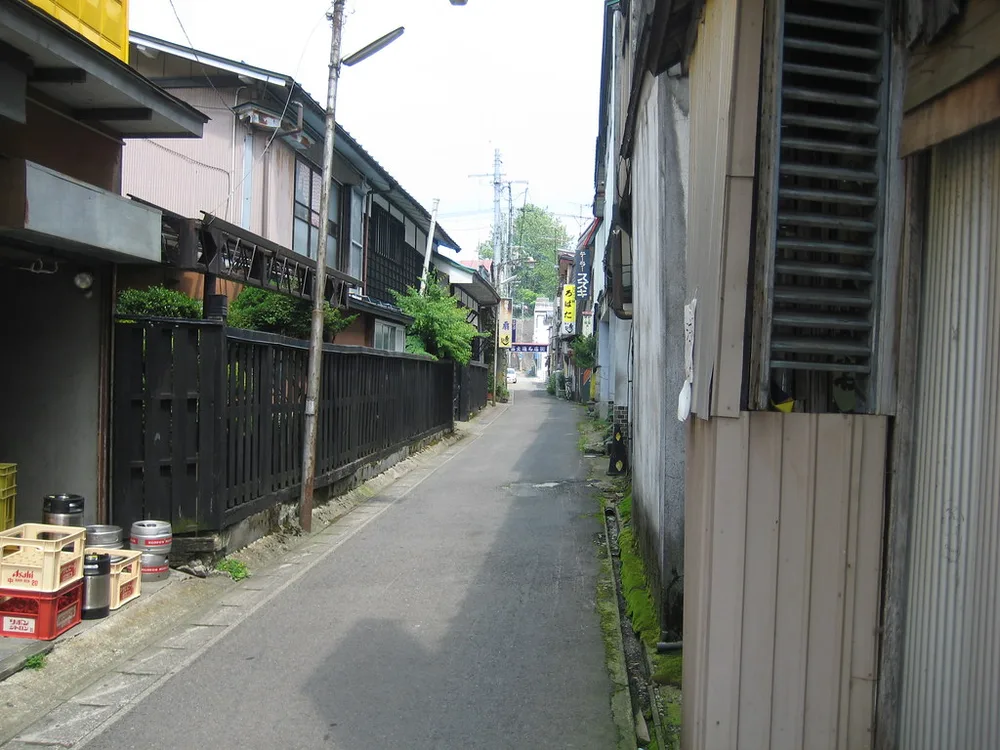
The merchant quarter (machiya district) sits separately from the samurai district, a deliberate historical division that reflected the strict class hierarchy of the time. The buildings here date largely to the late Meiji and Taisho eras and house several shops that have operated for generations. The streetscape is quieter and less visited than Bukeyashiki-dori, which makes for a more relaxed browse.
Kabazaiku pieces are the top souvenir. The most commercially diverse range is at Fujiki Denshiro Shoten, founded in 1851 and now in its seventh generation of craftsmen. The shop has been renovated to feel contemporary while retaining its original storehouse structure. Alongside traditional tea canisters and jewellery boxes, the shop sells a line of light bases where cherry bark is paired with glass or acrylic in collaboration with a local lighting designer — an unusual and portable gift for design-conscious travellers.
For food souvenirs, look for morokoshi — small, firm confections made from refined azuki beans with a slightly sweet, powdery texture. They are Kakunodate's oldest sweet and sold at several shops in the merchant quarter. The Ando Jozo Misogura storehouse near the river sells miso and soy sauce made using methods unchanged for 150 years — both are excellent culinary souvenirs. The Akita Kakunodate Nishinomiyake complex sells hand-woven kakudate zouri sandals made from tatami-style rushes; they are said to give the foot a light massage effect and cost around ¥3,000 to ¥5,000.
Getting to Kakunodate: Transport Options
The most direct route from Tokyo is the JR Akita Shinkansen (the Komachi service), which stops at Kakunodate Station in about three hours and 15 minutes from Tokyo Station. Trains run several times daily and the reserved-seat fare is around ¥12,000–¥14,000 one-way; JR Pass holders travel for free. From Akita City, the Shinkansen takes roughly 45 minutes.
From Sendai, the most practical route combines the Tohoku Shinkansen to Morioka then the Akita Shinkansen onward — total journey about two hours. Some travellers fly into Akita Airport from Tokyo Haneda (around one hour), then take a bus or taxi to Kakunodate (about 80 minutes). Flying saves little time once you factor in airport transfers and is generally more expensive than the Shinkansen unless you catch a sale fare.
Kakunodate Station is small. The samurai district is a 15 to 20-minute walk straight up the main road, or a five-minute taxi ride. Rental bicycles are available at the station for roughly ¥500 per hour and are useful for covering both the samurai district and the merchant quarter without backtracking. The town is flat, so cycling is easy. For transport between Kakunodate and nearby Lake Tazawa and Nyuto Onsen, see the section below on day trips.
Should You Stay Overnight? Accommodation Guide
A day trip from Akita City covers the main samurai district and the Cherry Bark Museum comfortably. If you are coming from Tokyo or Sendai, you will arrive around mid-morning and can see everything in a full day before the last Shinkansen back. The case for staying overnight is not about seeing more attractions — it is about the quality of experience after the day-visitors leave around 17:00, when the streets become genuinely quiet and the atmosphere shifts.
The most atmospheric overnight option is the Tamachi Bukeyashiki Hotel, set inside a converted samurai residence on the edge of the district. Rooms have Western-style beds but a spare, Japanese aesthetic, and the windows face an inner courtyard where plum blossom, bamboo, and winter snow create different scenes across the seasons. Breakfast is a Japanese set meal of Akita rice, miso soup, natto, and grilled fish. The hotel is mid-range — expect ¥12,000 to ¥20,000 per room per night depending on season.
The Hotel Folkloro Kakunodate, connected directly to the train station, is the most convenient choice: no walking with luggage, competitive rates (typically ¥8,000–¥15,000), and reliable Western-style amenities. It suits travellers who want a comfortable base without the surcharge of a traditional setting. For those planning a two-day itinerary that includes Nyuto Onsen, staying one night in Kakunodate and one night at a ryokan in Nyuto is a satisfying combination that avoids unnecessary backtracking.
During cherry blossom season, accommodation in Kakunodate sells out two to three months in advance. If you cannot find a room, Akita City (45 minutes by Shinkansen) has far more hotel inventory and works as a base for a day trip to Kakunodate during that peak period.
Best Time to Visit Kakunodate
Late April to early May is peak cherry blossom season and draws the largest crowds. The exact dates shift by a week or two each year depending on winter temperatures. The Japan Meteorological Corporation publishes a rolling cherry blossom forecast from January onward; check it in February to refine your travel dates for 2026.
Autumn (late October to early November) is the second peak and arguably the better choice for photographers and those who dislike crowds. Foliage colour is dramatic against the dark wooden architecture, crowds are a fraction of spring levels, and accommodation is easier to book. The Kakunodate Festival (September 7–9) is the other fixed anchor point in the calendar — if you can time a visit around this, it is worth the trip on its own.
Winter (December to February) is the quietest period. Snow settles on the gate roofs and bamboo, and the town takes on a monochrome beauty that is popular with Japanese landscape photographers. Some cafes and smaller attractions operate on reduced hours or close mid-week; the main samurai houses and museums remain open. Summer (June to August) brings humid heat but lush green foliage and no seasonal crowds outside the festival window.
Beyond Kakunodate: Nearby Day Trips and Attractions
Lake Tazawa is 30 minutes from Kakunodate by bus (departing from Tazawako Station, one Shinkansen stop away) or about 40 minutes by local train. At 423 metres deep, it is Japan's deepest lake, and its extraordinary cobalt-blue colour is most intense on clear days. The 40-minute excursion boat circuit around the 20 km shoreline passes the vermillion Goza-no-ishi Shrine half-submerged at the water's edge and the bronze Tatsuko statue — a reclining woman gazing into the lake. Boat fare is around ¥1,000. Cycling the full lakeshore takes about two hours and rental bikes are available near the pier.
Nyuto Hot Spring Village sits a further 30 minutes by bus from Tazawako Station, at the foot of the 2,066-metre Eboshi Peak, deep inside a beech forest. Seven ryokan occupy the village, each fed by its own spring source with different mineral compositions: some pools are milky white, others reddish brown, some cloudy, others almost clear. The oldest is Tsurunoyu, dating to the 17th century, which is so popular it books out months ahead. Day visitors can use the baths (typically ¥600–¥800 per facility, 10:00 to 15:00). The Onsen Passport, sold at each ryokan's front desk for ¥1,800, grants access to all seven hot spring facilities in a single day — an excellent deal if you want to hop between ryokan and compare the different bath types. A loop bus called the Yumegurigo connects all seven facilities.
Dakigaeri Valley is about 20 minutes by local train from Kakunodate (Kakunodate Line toward Aniai). The gorge trail follows the Tamagawa River through cedar forest to a series of waterfalls and suspension bridges. Entry is free and the main trail takes two to three hours return. It is most visited during autumn foliage (late October) but is pleasant in summer when the river pools glow an improbable aquamarine from mineral runoff. Check trail conditions before visiting in spring, when snowmelt can make the lower paths slippery.
Essential Tips for Visiting Kakunodate
Wear comfortable shoes with good traction. The main samurai-district lanes are wide and paved, but the side paths between garden walls can be uneven stone or compacted earth. In winter, the lanes can be icy. Most of Kakunodate's significant experiences are walking-based, so footwear matters more here than in most Japanese sightseeing towns.
Buy a combination ticket if you plan to visit multiple samurai houses. The Aoyagi and Ishiguro houses, plus the Cherry Bark Museum, can be covered for ¥1,000 to ¥1,200 combined versus ¥1,500 to ¥1,800 paid individually. During peak cherry blossom, arrive before 09:00 to walk the samurai district without crowds; most tour buses arrive between 10:00 and 14:00. The river embankment is best at dusk and after dark when it is lit.
If you are planning a kabazaiku workshop, contact Semboku City Rural Experience Design Studio (tel. 0187-43-3353) before booking your trains. The 10-day minimum advance booking is firm, and workshop slots fill up weeks ahead during spring and autumn. For accommodation during cherry blossom or the September festival, book at least two months out. For everything else, one to two weeks is usually sufficient outside of major Japanese holidays (Golden Week, Obon).
Check the official Kakunodate Tourism Guide website for current opening hours, seasonal closures, and festival schedules before you travel. Some of the smaller machiya-district shops operate irregular hours and are closed mid-week in winter. The Shinkansen schedule to and from Kakunodate is limited — confirm your last train home before committing to afternoon plans that might run late.
Kakunodate FAQs
Going deeper on this theme? Our What to Eat in Kakunodate guide covers it in detail, with the practical planning this page leaves out.
Explore attractions in other cities
Browse the Kakunodate attraction directory for individual visitor guides, access details, and practical tips.
Frequently Asked Questions
How many days do you need to explore Kakunodate?
You can see the main attractions of Kakunodate, such as the samurai district and river embankment, in a single day. However, spending one night allows for a more relaxed pace and time to enjoy the town's evening ambiance or a nearby day trip.
Is Kakunodate worth including on a short Japan itinerary?
Yes, Kakunodate is definitely worth it, especially if you have an interest in samurai history or enjoy beautiful seasonal scenery. Its easy access via the Akita Shinkansen makes it a convenient and rewarding addition, even for shorter trips to the Tohoku region. Many find it a refreshing contrast to larger cities.
When is the best time to visit Kakunodate for cherry blossoms?
The best time to witness Kakunodate's famous cherry blossoms is typically from late April to early May. This period sees both the weeping cherry trees in the samurai district and the Yoshino cherries along the Hinokinai River in full bloom. It's a truly spectacular sight.
Kakunodate rewards the traveller who gives it more than a cursory half-day. The samurai district, the cherry bark craft workshops, the seasonal light on the river embankment, and the proximity to Lake Tazawa and Nyuto's ancient hot springs add up to one of the most coherent regional itineraries in Tohoku. Whether you spend one day or three, you leave with a clearer sense of how feudal Japan actually looked and felt — not reconstructed, not themed, but genuinely preserved.
Use the links below to dig into the specific aspects that interest you most, from the samurai district in detail to the cherry blossom season guide to the Lake Tazawa. Kakunodate is a compact town, but the layers run deep.
For trip-planning details, see the official Kakunodate guide.
Combine Kakunodate with Akita on the same Komachi line, and reach the region via the Tohoku hub of Sendai.
Heading into Fukushima/Tohoku? Don't miss the samurai castle town of Aizuwakamatsu — the Tsuruga Castle, the Byakkotai story, and the thatched post town of Ouchi-juku.
Explore More Kakunodate Guides
Plan a visit to Kakunodate — the samurai district and cherry-bark craft, the Hinokinai River weeping cherries, how to get there, and easy day trips to Lake Tazawa.
History & Culture
- Kakunodate Samurai District: Ultimate Travel Guide & Things to Do
- Kabazaiku Cherry Bark Craft: History, Techniques & Products Guide
Nature & Seasons
- Kakunodate Cherry Blossoms Travel Guide: Best Time, Spots & Tips
- Lake Tazawa Day Trip: Your Essential Travel Guide
Plan Your Trip
Free guide: Japan's Hidden Gems
12 under-the-radar places beyond Tokyo & Kyoto — with the best season to visit each and a local tip you won't find in the guidebooks.
You might also like



Continue reading
More guides you'll find useful


