8 Best Things to Do in Gujo Hachiman (2026)
Discover the 8 best things to do in Gujo Hachiman in 2026, from the misty hilltop castle to koi canals, the Sogi-sui spring, and food-sample workshops.
On this page
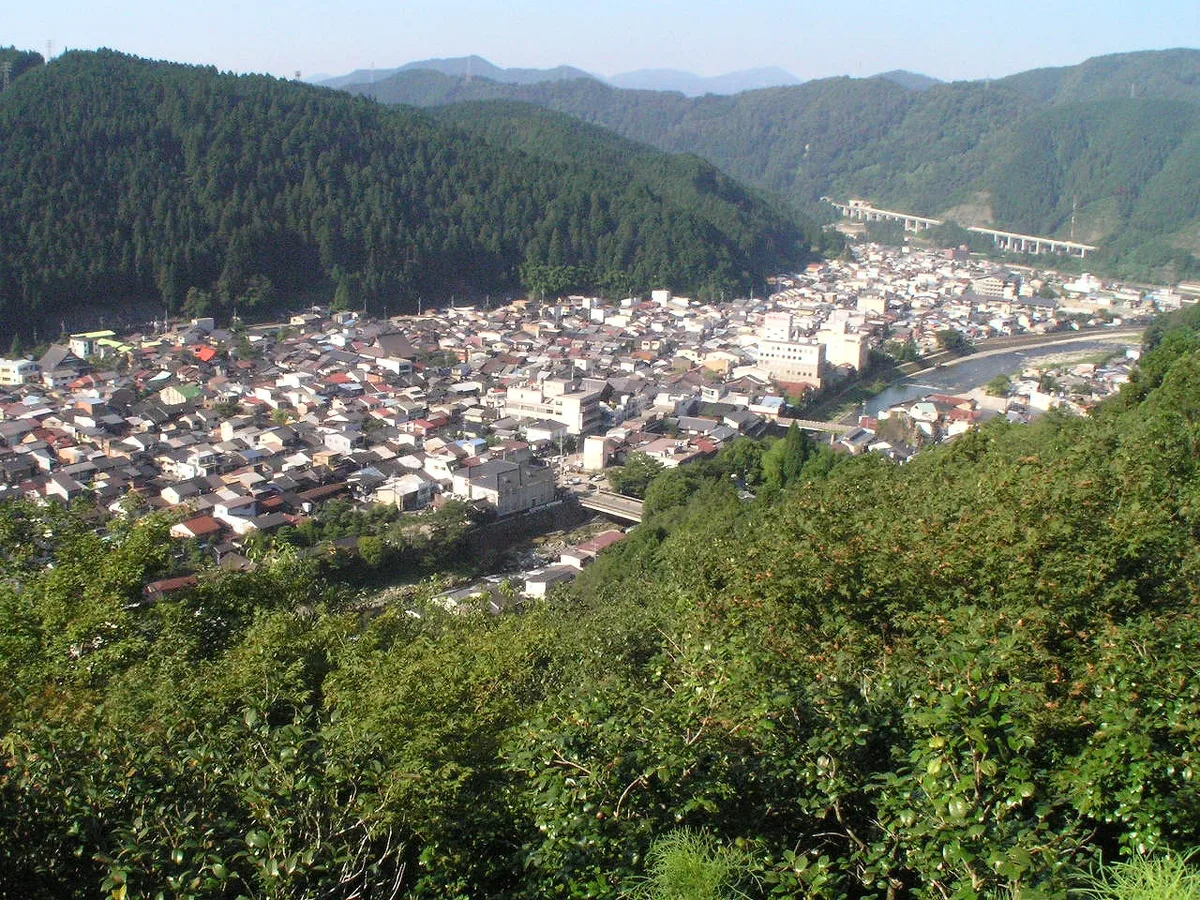
We have spent years chasing Japan's quieter castle towns, and Gujo Hachiman keeps pulling us back. This mountain water town sits in Gifu Prefecture, roughly 1.5 to 2 hours from Nagoya by bus or scenic train. Spring-fed canals run beside the lanes here, and koi carp swim in water clean enough to drink.
Last updated June 2026.
We refreshed this guide in June 2026 with current prices, hours, and the latest Gujo Odori dates. Most travelers come for the hilltop castle, yet the spring water, dance festival, and food-sample workshops are the real draw. The whole historic center is walkable, so you can cover the highlights below in a single unhurried day.
Below are the eight things to do in Gujo Hachiman that we think earn your limited time. We mix iconic sights, a riverside viewpoint, a spring, a craft workshop, and one all-night festival. Each pick includes typical costs and hours so you can plan around closures and crowds.
Key Takeaways
- Best overall: Gujo Hachiman Castle, the misty hilltop donjon, for roughly 400 yen admission.
- Best for families: feeding the giant koi along Igawa-komichi lane with a 100 yen honesty-box coin.
- Best rainy-day: the Hakurankan Museum, with hourly Gujo Odori dance lessons for about 540 yen.
- Best free experience: joining the all-night Gujo Odori dance festival on summer evenings.
- Best hands-on: crafting your own plastic food sample at a workshop for 1,000 to 2,500 yen.
8 Best Things to Do in Gujo Hachiman
We ordered this list to follow a logical walking loop through the town. Start high at the castle, then drop into the canal lanes and finish near the river bridges. Read our full guide to visiting Gujo Hachiman Castle before you tackle the steep climb.
Each entry below names a specific sight, spring, lane, or hands-on experience. We flag typical prices and opening patterns, though seasonal hours shift, so confirm on official sites. Carry coins, since several spots run on small cash fees and honesty-box payments.
The entire historic center is genuinely walkable within about 20 minutes end to end. Many attractions run on small cash fees and honesty boxes, so carry coins rather than relying on cards.
The mix here covers an iconic landmark, a viewpoint, a museum stop, craft workshops, and a festival. Together they show why locals call this the water town rather than just another castle stop. If you only have a half day, prioritize the first four picks and save the rest for a return.
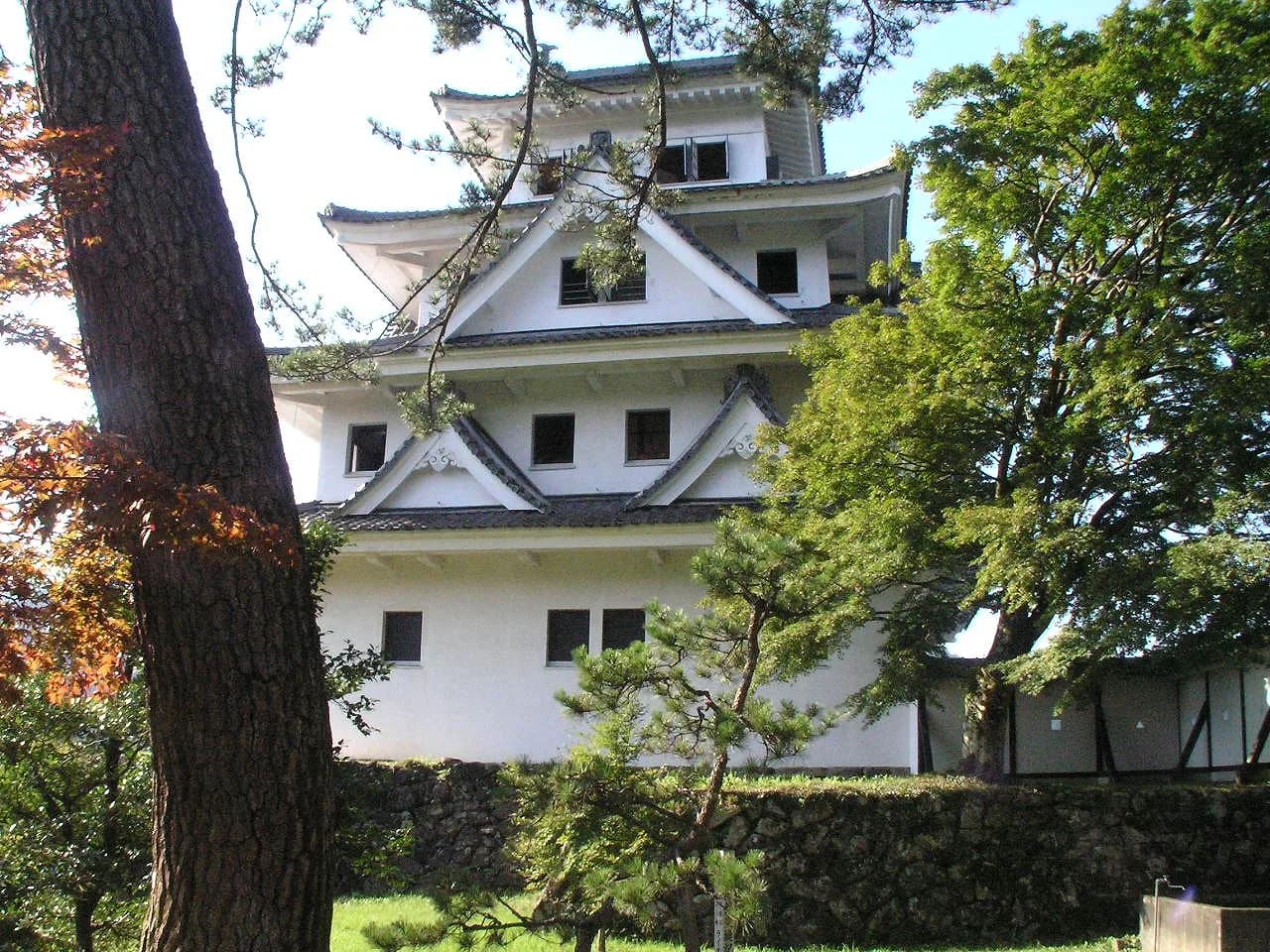
- Gujo Hachiman Castle, the castle in the mist
- This hilltop wooden donjon is Japan's oldest reconstructed wooden castle, rebuilt in 1933 above the valley.
- Inside admission runs about 400 yen for adults, with grounds usually open daily in the morning and afternoon.
- On clear autumn mornings, low cloud wraps the base of the hill and earns its castle-in-the-mist nickname.
- Hike up early before tour groups arrive, and confirm seasonal closing times on the official castle site.
- Igawa-komichi canal lane and its koi carp
- This narrow spring-fed channel runs beside a residential lane, home to some of Japan's largest koi.
- Feeding the carp works on an honesty system, so drop a 100 yen coin for a bag of food.
- The lane is free to walk and open all day, making it an easy stop between bridges.
- Visit in early evening for softer light and far fewer people crowding the slim pathway.
- Sogi-sui, one of Japan's 100 Famous Waters
- Sogi-sui spring was the very first site named to Japan's list of 100 Remarkable Waters.
- A small shrine and red bridge mark the spot where a 15th-century poet once exchanged farewell verses.
- The spring is free to visit and accessible at any hour, just off Honmachi Street.
- Locals still draw drinking water here, so sample it respectfully and avoid touching the upper pools.
- Make a food sample at a sampuru workshop
- Gujo Hachiman invented Japan's plastic food replicas and still produces most of the country's supply.
- Workshops let you craft your own wax tempura or lettuce, typically costing around 1,000 to 2,500 yen.
- Sessions run roughly an hour and usually need a reservation by phone or in person ahead.
- Sample Kobo offers English-friendly classes, so book early as organized tours fill the slots fast.
- Join the Gujo Odori all-night dance festival
- Gujo Odori is one of Japan's three great Bon dances, running about 31 nights across summer.
- It usually runs from mid-July to early September, and the festival is completely free to join.
- During the all-night Tetsuya Odori in mid-August, dancing continues until dawn for four straight nights.
- There is no audience here, so wear a yukata and step into the circle with everyone else.
- Gujo Hachiman Hakurankan Museum
- This small museum explains the town's rivers, crafts, and the history behind the famous dance.
- Adult admission is around 540 yen, and it opens daily except over the New Year holiday.
- Daily dance lessons run hourly from late morning, teaching the Kawasaki and Haru Koma steps.
- It is the best rainy-day pick and a smart primer before the summer festival nights.
- Jionzen-ji Temple and its moss garden
- This quiet Zen temple hides an exquisite moss-covered garden with a koi pond and waterfall.
- Admission costs about 500 yen, with typical hours of 10am to 4pm and Tuesday closures.
- Late afternoon visits often mean you have the tatami viewing room nearly to yourself.
- Remove your shoes and leave large bags in the entrance lockers before stepping inside.
- Stroll Yanaka-komichi and the historic streets
- Yanaka-komichi is a pebbled pedestrian lane with a small stream and shady willow trees.
- It is free and always open, linking several tiny museums in the preserved old quarter.
- Nearby Kajiya-machi and Yanagi-machi sit in a nationally protected historic preservation district.
- Come at opening or near dusk for empty lanes, since most small shops close by late afternoon.
| Attraction | Admission | Duration |
|---|---|---|
| Gujo Hachiman Castle | 400 yen | 1–2 hours |
| Igawa-komichi Canal Lane | 100 yen (koi food) | 20 minutes |
| Sogi-sui Spring | Free | 15 minutes |
| Food Sample Workshop | 1,000–2,500 yen | 1 hour (reserve ahead) |
| Gujo Odori Festival | Free | All-night (mid-August) |
| Hakurankan Museum | 540 yen | 30–45 minutes |
| Jionzen-ji Temple | 500 yen | 30–45 minutes |
Getting to Gujo Hachiman From Nagoya
Nagoya is the obvious base, sitting roughly 1.5 to 2 hours from the town. The simplest public route is a Meitetsu limited express to Mino-ota, then a Gifu highway bus. That combination costs around 2,600 yen each way and runs on a predictable daily schedule.
For a slower, prettier approach, ride the Nagaragawa Railway along the river canyon. The single-track line traces sections of the Nagara River that no road can reach. A one-way fare runs about 1,800 yen, and some services even include a small dining car.
Driving via the E41 highway north of Nagoya takes roughly 80 minutes in light traffic. Street parking is banned in the center, so use a dedicated lot and explore on foot. Check current bus times on the official Gifu Bus site, since rural departures are limited.
Once you arrive, the entire historic core is genuinely walkable within about 20 minutes end to end. Our full transport guide to Gujo Hachiman breaks down every route, fare, and connection. We suggest leaving Nagoya early to bank daylight for both the castle climb and the canal lanes.
Where to Stay and When to Visit
Many travelers day-trip from Nagoya, but staying overnight unlocks the quiet early mornings. Small town inns and guesthouses cluster near the river, often pricing from mid-range upward. Booking ahead matters during the festival, when our Gujo Hachiman lodging guide rooms vanish months early.
Summer is the headline season, since the Gujo Odori dance defines the town's identity. If you want the all-night Tetsuya Odori, target mid-August and reserve a room well in advance. Expect warm, humid evenings and pack a yukata or light cotton wear for dancing.
Autumn is our quiet favorite, when maples frame the castle and the morning mist settles in. November brings the Maple Leaf Festival, with tea ceremony and koto demonstrations on the hilltop. For timing details across the year, see our Best Time to Visit Gujo Hachiman: 2026 Guide notes.
Spring delivers cherry blossoms along the Yoshida River and around the castle grounds. Winter is the calmest, dusting the wooden donjon and canals with occasional snow. Whatever the season, mornings reward early risers with empty lanes and clearer photographs.
Day Trips and How to Plan a Smooth Visit
Gujo Hachiman pairs naturally with bigger Gifu draws if you have an extra day. Shirakawa-go, the thatched-roof UNESCO village, is the standout nearby trip worth the detour. Reaching it usually means routing through Takayama by bus, so budget a full day and around 5,000 yen in fares.
Choose Shirakawa-go if you love rural architecture, or skip it on a tight single-town schedule. It rewards slow travelers and photographers, but the transfers eat heavily into a packed itinerary. If you would rather stay local, our one-day Gujo Hachiman itinerary sequences every stop on foot.
We always start at the castle first, climbing before the midday sun backlights the valley views. From there we descend into the canal lanes, ending near the river bridges for golden-hour photos. Carry cash, since workshops, temples, and the koi feeding all run on small coins or honesty boxes.
As for what to skip, the screen-printing and architecture museums underwhelm short-trip visitors. They suit niche enthusiasts, but most travelers get more from the springs, lanes, and the castle. Reserve any food-sample workshop ahead, because walk-in slots fill quickly during busy seasons.
Yoshida River Walking Loop
For a low-cost break between paid sights, we would build in 30 to 45 minutes along the Yoshida River. The walk is free, open at all hours, and works best from Miyagase Bridge toward Shinbashi, then back through the old streets near Sogi-sui. Miyagase gives you the classic castle-above-the-river angle, while Shinbashi frames the houses balanced above the water.
Spring is the prettiest season for cherry blossoms on the banks, but early autumn mornings can be just as good when mist sits low in the valley. In summer, locals sometimes swim or jump from the bridge; we would treat that as something to watch, not copy, because the current and depth change after rain. If clouds build over the mountains, keep the river portion short and return to the canal lanes, Hakurankan Museum, or a food-sample workshop instead.
The Yoshida River current and depth change after rain. While locals sometimes swim or jump from the bridge, treat that as something to watch rather than copy.
Browse the Gujo Hachiman attraction directory for individual visitor guides, access details, and practical tips.
Going deeper on this theme? Our What to Eat in Gujo Hachiman guide covers it in detail, with the practical planning this page leaves out.
Frequently Asked Questions
How many hours do you need in Gujo Hachiman?
Plan a full day to enjoy Gujo Hachiman without rushing. The castle climb, canal lanes, springs, and a food-sample workshop fill roughly five to six hours. Add an overnight stay if you want the all-night summer dance or quiet early mornings before the day-trippers arrive.
Is Gujo Hachiman worth visiting as a day trip?
Yes, Gujo Hachiman makes a rewarding day trip from Nagoya, about 1.5 to 2 hours away. You get a misty hilltop castle, koi-filled spring canals, and craft workshops without the crowds of Kyoto. We suggest an early start to fit both the castle and the lanes comfortably.
When is the Gujo Odori dance festival held?
Gujo Odori runs across about 31 nights, typically mid-July to early September. The famous all-night Tetsuya Odori falls during Obon in mid-August, when dancing continues until dawn. The festival is free, and visitors are welcome to join the circle rather than just watch from the side.
Can you make your own food sample in Gujo Hachiman?
Yes, Gujo Hachiman is the birthplace of Japan's plastic food replicas, and several workshops let you craft your own. Sessions usually cost 1,000 to 2,500 yen and last about an hour. Reserve ahead by phone or in person, since popular English-friendly classes fill quickly with tour groups.
Gujo Hachiman rewards travelers who slow down and follow the water through its lanes. Between the misty castle, the koi canals, and the dance circle, this water town stays with you. We keep returning because each season reshapes the same compact streets in a new way.
Pick the four or five stops above that match your pace and the time of year. Book a workshop, carry coins, and start your day high at the castle for the best light. With an early train from Nagoya, this Gifu gem fits neatly into any wider Japan itinerary.
Gujo Hachiman pairs well with the rest of Gifu Prefecture and makes a memorable overnight from Nagoya — see the wider Nagoya attractions hub to plan the trip.
Explore More Gujo Hachiman Guides
Plan a trip to Gujo Hachiman, the Gifu mountain water town famous for its all-night Gujo Odori dance, hilltop castle, spring-fed canals and food-sample workshops — with how to get there, when to go, a day itinerary and where to stay.
Top Sights
- Gujo Hachiman Castle Travel Guide
- Gujo Odori Dance Festival Travel Guide
- Gujo Hachiman Food Sample Making Travel Guide
- Igawa Canal Gujo Hachiman Water Town Travel Guide
- Sogi-sui Spring Gujo Hachiman Travel Guide
Seasons & Itineraries
Plan Your Trip
Free guide: Japan's Hidden Gems
12 under-the-radar places beyond Tokyo & Kyoto — with the best season to visit each and a local tip you won't find in the guidebooks.
You might also like


Continue reading
More guides you'll find useful