

Gifu Itinerary One Day Travel Guide
Plan your gifu itinerary one day with top picks for Gifu Castle, the Great Buddha, Kawaramachi lunch, and Nagara River ukai — plus 2026 booking tips.
On this page
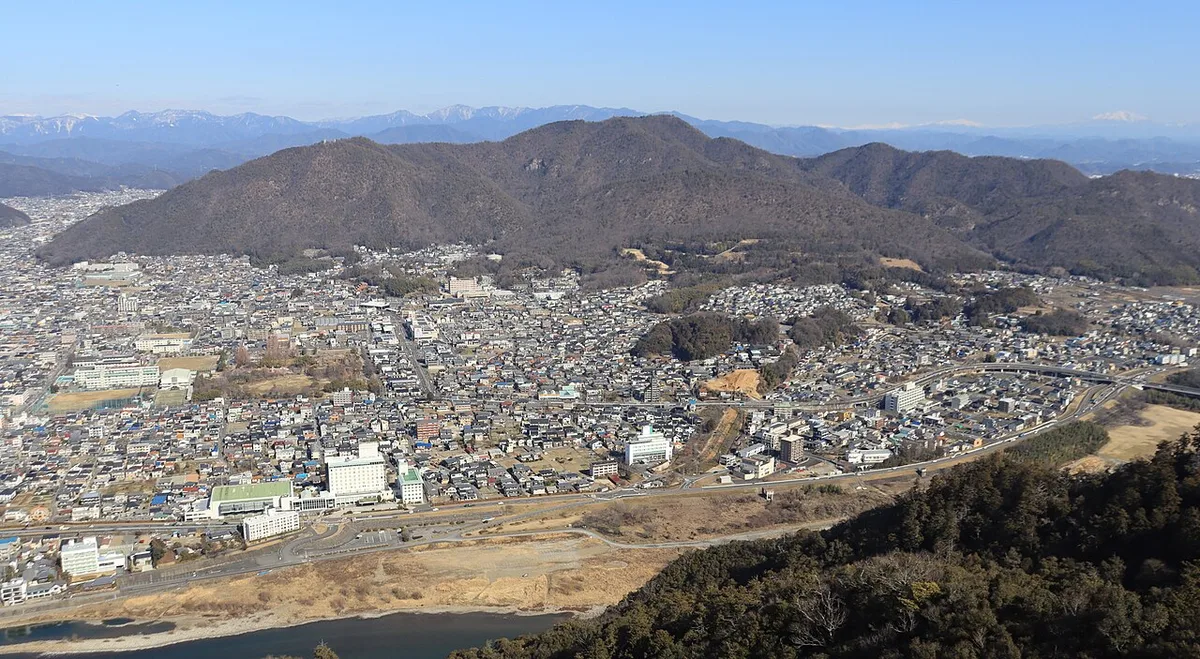
Gifu sits just 20 minutes from Nagoya by train, yet it feels a world apart. The city's main sights — a mountaintop castle, a Great Buddha, and an ancient river — all cluster within a few minutes of each other. This gifu itinerary one day guide is built for first-time visitors who want the historic core without rushing.
We updated this plan in June 2026 after reviewing current ropeway schedules and ukai season details. The route groups stops by area to minimize backtracking, which matters when you only have eight to ten hours. If a second day is possible, two day-trip extensions are included at the end.
The main sights cluster around Gifu Park at the base of Mount Kinka. That concentration means far less time in transit and far more time at actual attractions. Arrive early — the ropeway queue at Gifu Park can stretch to 30–40 minutes by mid-morning on weekends.
Arriving before 9:30 AM typically means a 5–10 minute ropeway wait rather than 30–40 minutes. A combo ropeway-plus-castle ticket at the base station saves a small amount over buying separately.
Last updated June 2026.
Gifu in 1 Day: At a Glance
This summary covers the full day in three time blocks. Each block is area-grouped to keep walking distances short and the pace manageable. The evening ukai experience is seasonal (May–October) and requires advance booking.
The morning block is the most physically demanding because of the ropeway ascent and castle stairs. The afternoon shifts to a flat riverside walk along Kawaramachi, which is easy and enjoyable. Evening options depend entirely on the season — the booking section below has details.
Gifu's climate peaks in spring and autumn for outdoor comfort. Autumn (October–November) brings fall foliage on Mount Kinka and the tail end of the ukai season. Winter sees almost no ropeway queues, though ukai does not operate during those months.
- Day 1: Castle, river, and ancient Buddha
- Morning: Gifu Park, Great Buddha, ropeway, castle
- Afternoon: Kawaramachi old town, riverside, craft shops
- Evening: Nagara River ukai (May–Oct, book ahead)
Your 1-Day Gifu Itinerary: Hour by Hour
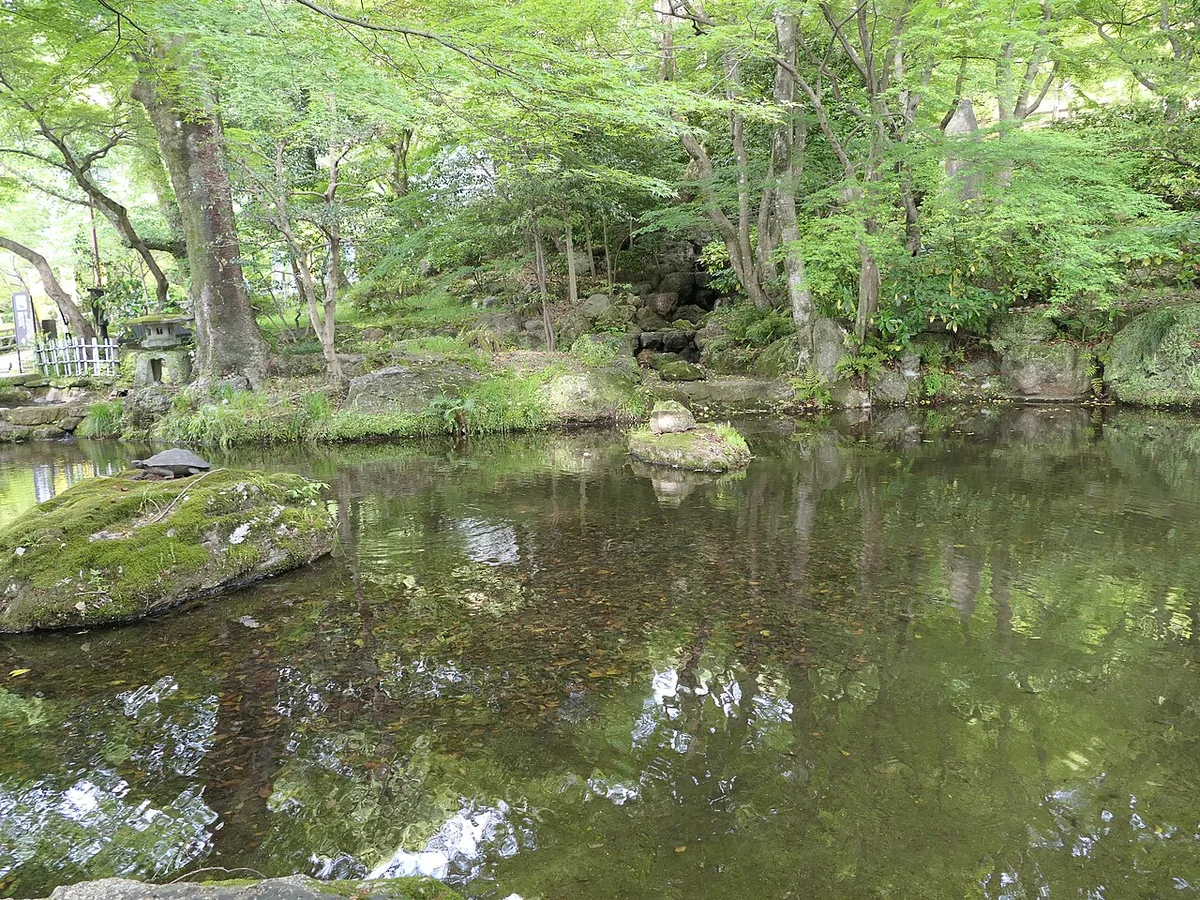
Start at Gifu Park by 9:00 AM to beat the ropeway crowds. Bus 98 or 99 from Gifu Station stops at the Gifu Park entrance in about 15 minutes (¥210). We recommend stopping at Shoho-ji Temple and the Gifu Great Buddha before joining the ropeway queue — it is a five-minute walk from the park entrance.
The Mt Kinka ropeway and Gifu Castle block takes roughly 1.5 hours in total. The ropeway costs ¥1,300 round trip and castle entry is ¥200 for adults. Castle opening hours run approximately 9:30 AM–5:00 PM; check the official Gifu Castle page for seasonal variations before you go.
For lunch, walk to Kawaramachi Old Town Gifu, about 10 minutes south of Gifu Park. Machiya townhouse cafes here serve Gifu specialties including mitarashi dango and local river fish dishes. Budget ¥1,000–¥1,800 for a light lunch at one of the riverside teahouses.
Spend the afternoon browsing craft shops selling Gifu lanterns and wagasa (traditional Japanese umbrellas). The Gifu City Museum of History inside the park is worth 45–60 minutes if you want context on Oda Nobunaga (¥600 adults). The Nawa Insect Museum is a solid rainy-day swap, open approximately 10:00 AM–5:00 PM at ¥540 for adults.
Nagara River ukai cormorant fishing runs from mid-May through mid-October. Viewing boats board from around 5:30 PM and cruises last approximately two hours. This is the single unmissable Gifu experience — but it requires advance booking covered in the next section.
| Time Block | Activity | Duration | Cost |
|---|---|---|---|
| Morning (8:30–11:00 AM) | Gifu Park, Shoho-ji Temple, Mount Kinka Ropeway, Gifu Castle | 1.5–2 hours | ¥1,300 (ropeway) + ¥200 (castle) |
| Late Morning–Lunch (11:00 AM–1:00 PM) | Kawaramachi Old Town riverside cafes, local specialties | 1 hour | ¥1,000–¥1,800 |
| Afternoon (1:00–5:00 PM) | Craft shops, Gifu City Museum of History or Nawa Insect Museum | 2–3 hours | ¥600 (museum entry, optional) |
| Evening (5:30–7:30 PM) | Nagara River ukai cormorant fishing boat cruise | 2 hours | Advance booking required (seasonal May–Oct) |
- Day 1: Gifu Castle to ukai on the Nagara River
- Morning: Gifu Park, Great Buddha, ropeway, castle
- Afternoon: Kawaramachi lunch, riverside walk, craft shops
- Evening: Nagara River ukai boat cruise (seasonal)
- Time: Full 8–10 hours on the ground
- Logistics: Bus from Gifu Station to Gifu Park
- Optional: Nawa Insect Museum or City Museum of History
Book in Advance for This Itinerary
Two elements of this one-day Gifu itinerary need advance planning to avoid missing out. The ukai cormorant fishing boats in particular sell out weeks ahead during peak season. We have seen travelers arrive in Gifu in August only to find every boat fully booked.
Book Nagara River ukai boats at least 2–3 weeks ahead during peak summer months (July–August). During these peak seasons, every boat can sell out weeks in advance, leaving late planners with no evening options.
The Nagara River ukai viewing boats run mid-May through mid-October. Book via Gifu City tourism channels at least 2–3 weeks ahead during peak summer months (July–August). Typhoon or heavy rain will cancel the cruise, and the booking office notifies you in advance.
The Mt Kinka ropeway does not require booking, but the queue can be long on weekends and public holidays. Arriving before 9:30 AM typically means a 5–10 minute wait rather than 30–40 minutes. A combo ropeway-plus-castle ticket available at the base station saves a small amount over buying separately.
The Gifu City Museum of History sometimes closes on Mondays and during year-end holidays. Check the schedule at the museum's official website before finalizing your afternoon plan. All other main stops on this itinerary are walk-in with no advance booking required.
Getting to Gifu from Nagoya
Gifu is one of the easiest day trips from Nagoya, making it natural on any Central Japan itinerary. The JR Tokaido Line from Nagoya to Gifu takes about 20 minutes and costs ¥470 one way. Trains run every 10–15 minutes throughout the day, so there is no pressure to catch a specific departure.
Alternatively, the Meitetsu Nagoya Line connects Nagoya to Shin-Gifu Station in about 30 minutes. Both Gifu Station and Shin-Gifu Station are close to the bus connections for Gifu Park. Bus 98 or 99 from Gifu Station reaches the park entrance in about 15 minutes for ¥210.
Driving from Nagoya takes 40–50 minutes depending on traffic on the Meishin Expressway. Paid parking near Gifu Park fills quickly on weekends, so arriving by train avoids that stress. For a one-day visit, the train is genuinely the better choice.
Add an Extra Day: Best Day Trips from Gifu
If your schedule allows a second day, two destinations make strong extensions from Gifu city. Both are inside Gifu Prefecture and reachable by direct bus or train. Our full guide to Day Trips From Gifu Travel Guide has transport details and timing for each route.
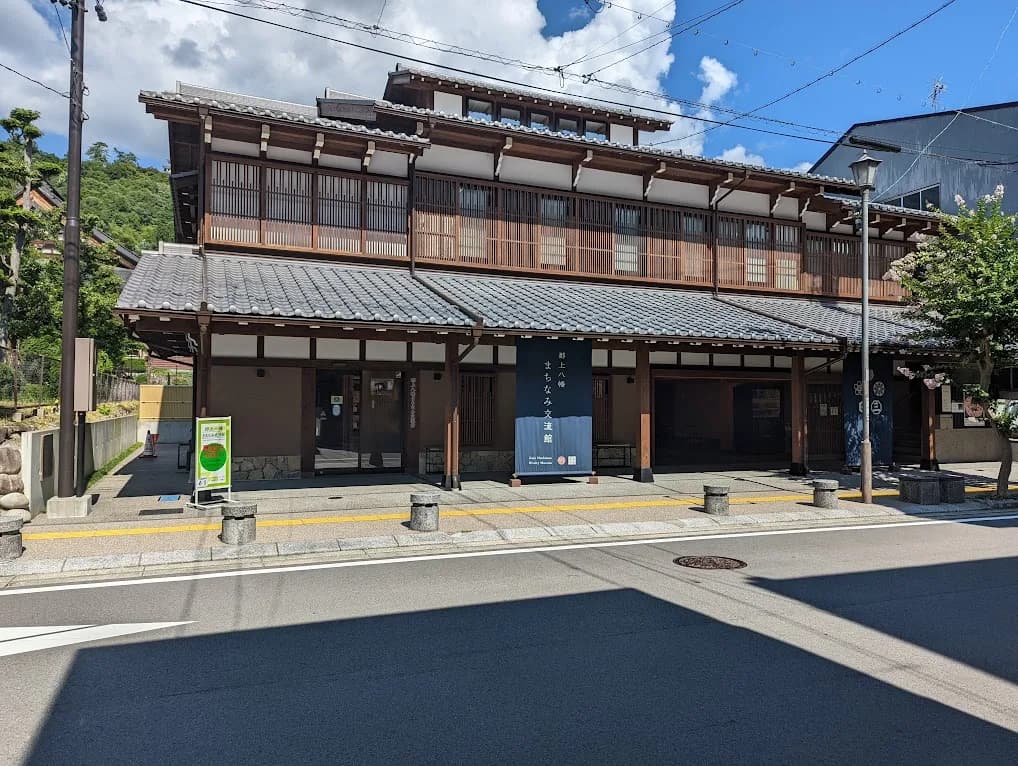
Gujo Hachiman is a castle town built around an extraordinary network of canals and spring-fed streams. Highway buses run from Gifu Station in about 50 minutes (roughly ¥1,400 one way). Summer visitors may also catch the Gujo Hachiman Hakurankan Museum and the town's famous Gujo Odori bon dance festival.
Takayama sits deeper in the Japanese Alps, about two hours from Gifu by express bus. Its Sanmachi Suji historic district, morning markets, and Hida beef restaurants are the main draws. Takayama suits travelers who want to add a ryokan overnight rather than a same-day return.
The practical split: Gujo Hachiman works as a day trip; Takayama rewards an overnight. Both offer a radically different atmosphere from Gifu city itself. Either choice turns a single-day Gifu visit into a proper Central Japan journey.
Where to Stay If You Spend the Night
Most visitors base themselves in Nagoya and do Gifu as a day trip, which works very well. Nagoya offers far more accommodation options at every price point and easier onward rail connections. Staying overnight in Gifu, however, lets you catch the ukai boats at dusk without a late return train.
Hotels near Gifu Station are the most practical choice for an overnight stay. Mid-range business hotels in that area typically run ¥7,000–¥12,000 per room per night. Our guide to where to stay in Gifu covers neighborhood options and picks at different budgets.
The main reason to sleep in Gifu rather than Nagoya is the evening ukai timing. Ukai cruises end around 7:30–8:00 PM, and the last convenient trains to Nagoya run until about 11:00 PM. A late return is feasible, but an overnight in Gifu is a more relaxed way to end the day.
Weather and Rainy-Day Adjustments
Gifu is easiest in April, May, October, and November, when the castle stairs and Kawaramachi walk are comfortable. In June and July, we would keep the same route but build in a 45–60 minute indoor stop at the Gifu City Museum of History (¥600 adults) or Nawa Insect Museum (¥540 adults) if rain starts around Gifu Park. August is hotter and more humid, so the best adjustment is to ride the ropeway first, carry water for the summit stairs, and move Kawaramachi to a slower cafe break rather than a long midday walk.
Heavy rain, strong wind, or typhoon conditions can affect the ropeway and ukai boats. If the evening cruise is cancelled, use the same riverside area for dinner and return to Nagoya early; the day still works because Shoho-ji, the museums, and Kawaramachi are close together and low-cost. Winter is the simplest backup season: skip ukai, expect fewer queues, and finish the core itinerary by late afternoon.
Frequently Asked Questions
How much time do you need for a gifu itinerary one day?
A full gifu itinerary one day runs 8–10 hours on the ground, starting at Gifu Park and ending at the Nagara River. Plan to arrive at Gifu Station by 9:00 AM and finish the ukai cruise around 7:30 PM if visiting in season. Without the evening boat, the main sights take 5–6 hours.
Is one day in Gifu enough for first-time visitors?
One day covers Gifu's historic core — the castle, the Great Buddha, Kawaramachi, and the Nagara River — comfortably. You will want a second day to add Gujo Hachiman or Takayama. First-time visitors to Central Japan typically find a full day in Gifu city satisfying and well-paced.
Can you do Gifu as a day trip from Nagoya?
Yes — Gifu is one of the best day trips from Nagoya. The JR Tokaido Line connects the two cities in about 20 minutes for ¥470 one way. See our Gifu day trip from Nagoya guide for the full logistics and a sample schedule.
When is the best time to visit Gifu?
Spring (late March to May) and autumn (October to November) offer the best weather and smaller crowds. The ukai cormorant fishing runs mid-May to mid-October, making summer the most popular season. Winter is quiet and comfortable for the castle hike, with almost no ropeway queues.
What should I avoid when planning a one-day Gifu trip?
Avoid arriving after 10:00 AM on weekends — the ropeway queue can cost 30–40 minutes you cannot afford on a tight day. Do not leave the ukai boat booking until the last minute in July or August. A Monday visit may also find the City Museum of History closed.
A single day in Gifu covers a remarkable range of Japanese history and living tradition. The morning takes you to a mountaintop castle with sweeping views over the Nagara River. By evening, you can be on a wooden boat watching cormorant fishermen work the same river by torchlight.
If the ukai season has passed, the castle, Great Buddha, and Kawaramachi alone make the trip worthwhile. And if one day leaves you wanting more, Gujo Hachiman and Takayama are each just a bus ride away.
Want to swap in other sights? Our guide to things to do in Gifu covers every option.
Free guide: Japan's Hidden Gems
12 under-the-radar places beyond Tokyo & Kyoto — with the best season to visit each and a local tip you won't find in the guidebooks.
You might also like


Continue reading
More guides you'll find useful


