Where To Stay In Gifu Travel Guide
Discover where to stay in Gifu — from station business hotels to riverside ryokan — with price bands, booking tips, and Nagoya day-trip guidance.
On this page
Gifu City sits just 20 minutes from Nagoya by JR train, making it one of central Japan's most accessible destinations. Despite that ease, choosing where to stay in Gifu is not a one-size-fits-all decision. Two distinct neighborhoods serve very different traveler types, and the gap between them — in price, atmosphere, and experience — is real.
The top attractions in Gifu are split between the train station end of the city and the Nagara River district to the north. Many budget travelers and first-timers simply day-trip from Nagoya and skip overnight accommodation entirely — and that is worth knowing upfront. If you do stay overnight, picking the right neighborhood saves money and avoids unnecessary backtracking.
Last updated June 2026.
Gifu Station Area: Business Hotels
JR Gifu Station and Meitetsu Gifu Station stand side by side at the southern edge of the city center. The surrounding blocks hold the widest hotel selection in Gifu, from compact business hotels to comfortable mid-range chains. This is the most practical base for travelers planning to catch trains onward to Takayama, Nagoya, or other parts of Gifu Prefecture.
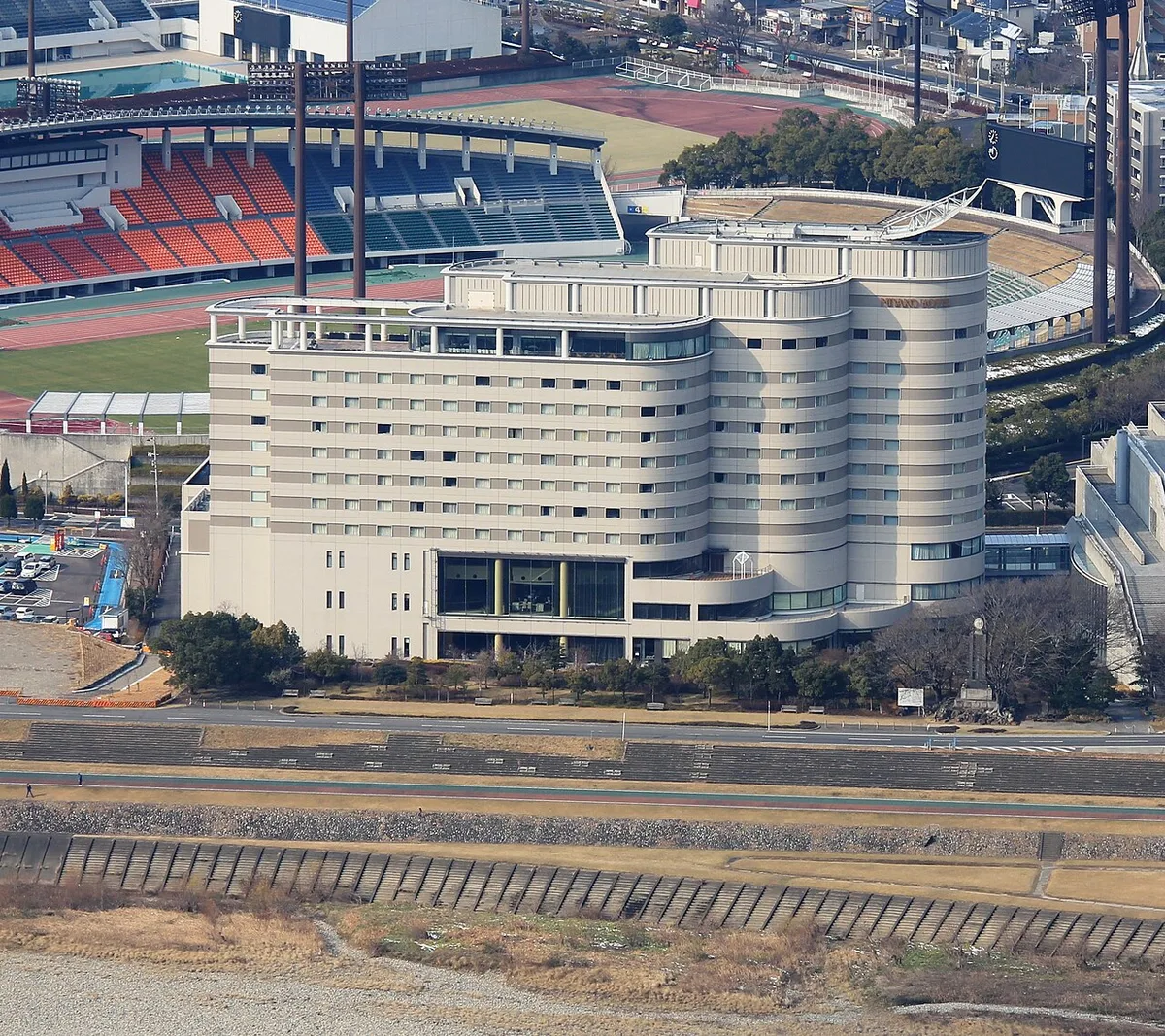
Compact business hotels near the station start at roughly ¥6,000–¥8,000 per night for a single room. Mid-range options — including Toyoko Inn and the ANA Crowne Plaza Gifu — typically run ¥10,000–¥18,000 per night. The city tram from the station connects directly to Gifu Park, placing the Gifu Castle ropeway and Mount Kinka about 10 minutes away.
Atmosphere is limited here — streets near a major transport hub rarely charm — but the logistics are hard to beat. If you are moving between multiple Japanese cities with luggage, the station neighborhood is simply the smarter operational choice. Early morning ukai boat departures also align well with the local tram schedule, so even the river experience is reachable from this side of town.
Nagaragawa Onsen: Riverside Ryokan
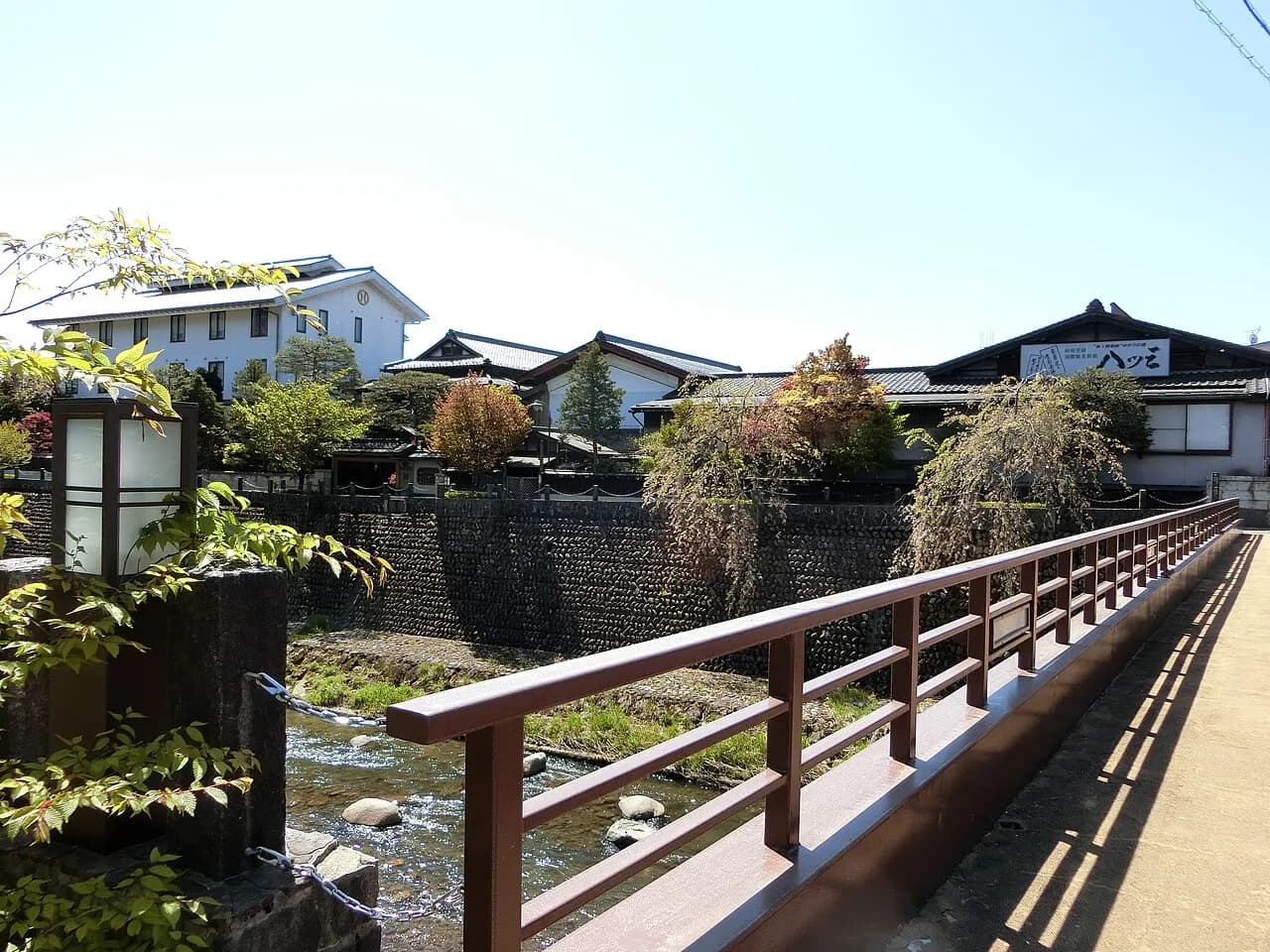
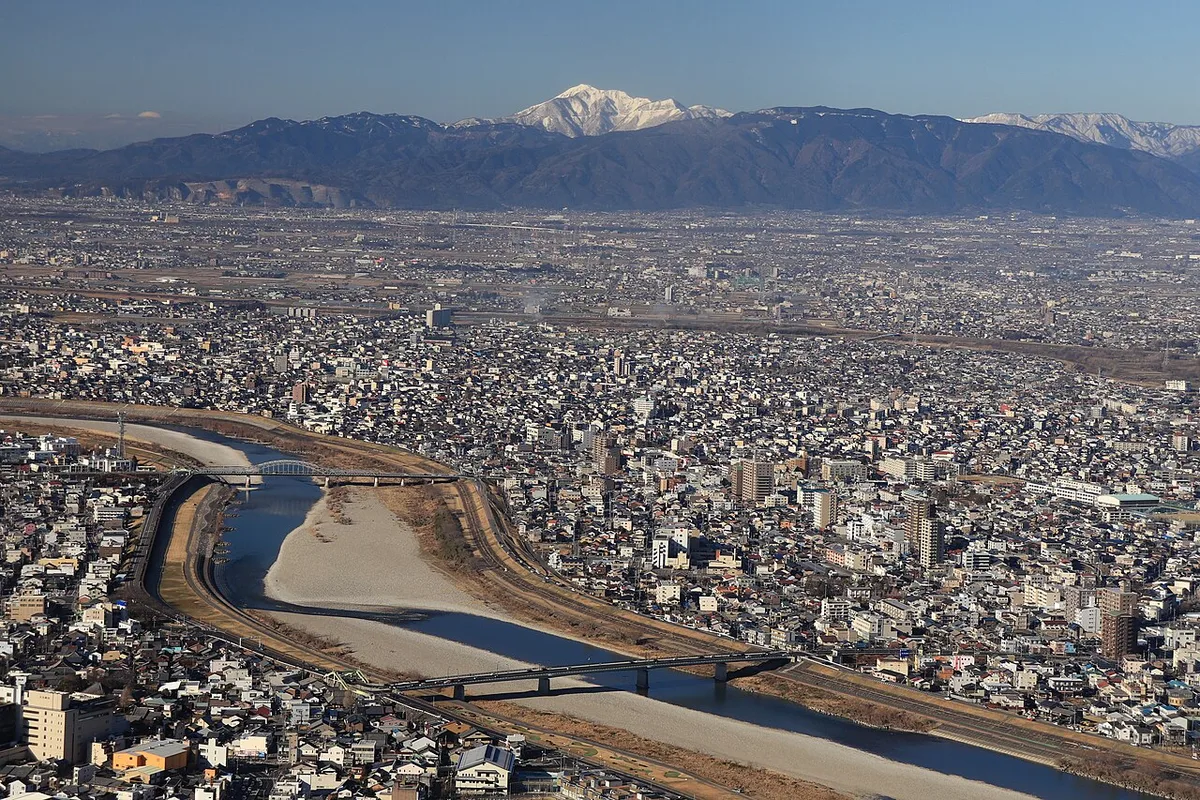
Nagaragawa Onsen hugs the southern bank of the Nagara River at the base of Mount Kinka. A cluster of traditional ryokan here offers tatami-floored rooms, multi-course kaiseki dinners, and mineral onsen baths with river views. This is Gifu's most atmospheric lodging district, and staying here feels nothing like the station-area hotel zone.
The district's signature draw is the evening ukai cormorant fishing, which runs from mid-May through mid-October. Most ryokan can arrange ukai boat reservations for guests, giving you a front-row seat to a tradition that has continued for over 1,300 years. Our Nagara River cormorant fishing guide explains what to expect, how to book boats, and why the timing within the evening matters.
Ryokan rates in Nagaragawa Onsen typically run ¥20,000–¥35,000 per person per night, usually including dinner and breakfast. Rooms with river or castle views cost more and sell out earliest — booking directly and early secures the best options. Outside ukai season the district is quieter but remains worth considering for its mineral hot springs and peaceful riverside walks.
During ukai season (mid-May to mid-October), book Nagaragawa Onsen ryokan four to six weeks in advance. Outside ukai season, one to two weeks ahead usually works, though popular ryokan fill quickly around national holidays and Golden Week in early May.
Day-Tripping from Nagoya: Is It Enough?
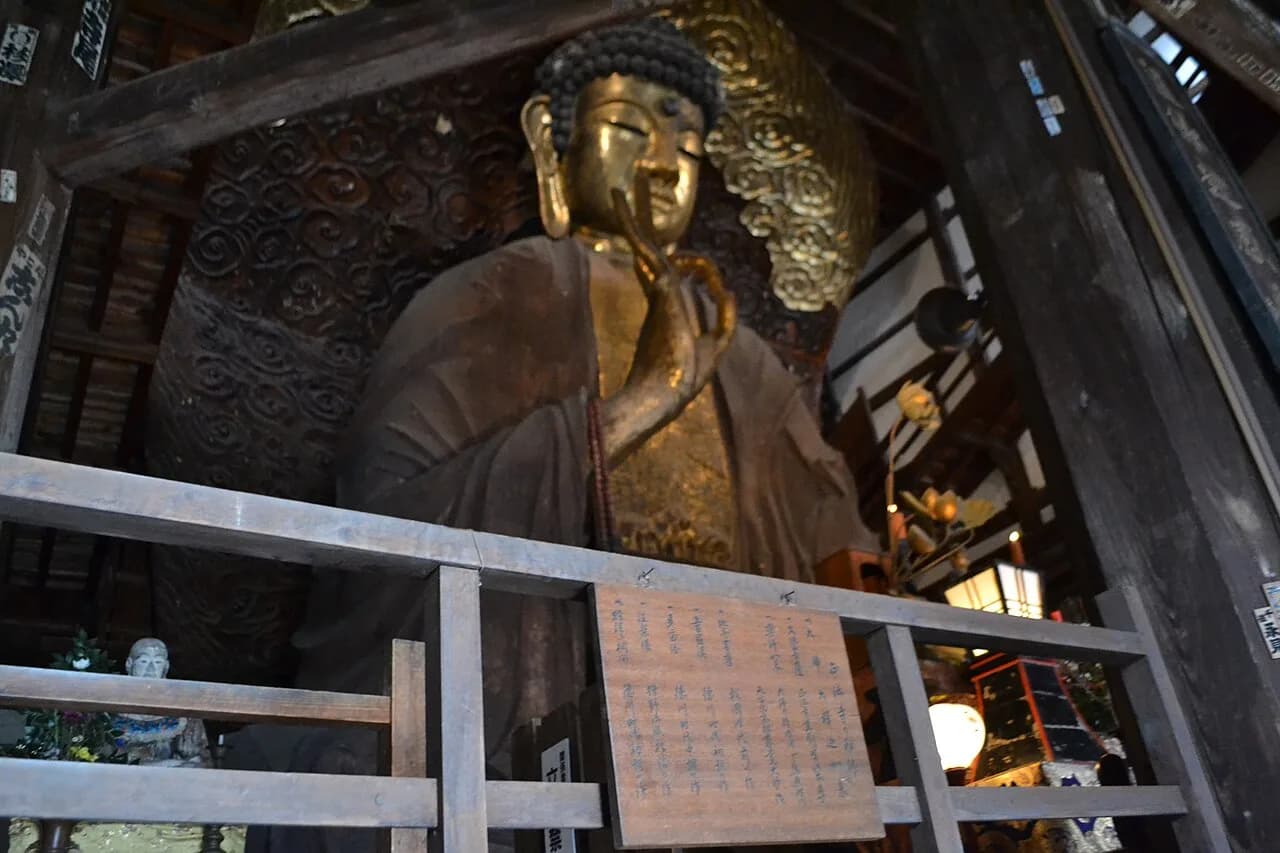
Many visitors skip overnight accommodation in Gifu entirely, and that is a perfectly honest choice worth stating clearly. JR trains run between Nagoya and JR Gifu in roughly 20 minutes, with departures every 10–15 minutes throughout the day. A full day in Gifu — covering the castle ropeway, the Gifu Great Buddha, and Kawaramachi old town — fits comfortably within a day-trip schedule.
Budget travelers especially benefit from basing themselves in Nagoya, where the hotel selection is wider and cheaper at every price tier. Nagoya also provides faster bullet-train access to Kyoto, Osaka, and Tokyo for anyone on a longer Japan itinerary. Our Gifu day trip from Nagoya guide covers the optimal sequence, what to prioritize, and how long each stop takes.
The one thing you genuinely miss with a day trip is the evening ukai experience on the Nagara River. Ukai finishes around 9:00 PM, and last trains back to Nagoya run past 10:00 PM — so determined day-trippers can sometimes catch it. If ukai is a priority, book one night in Nagaragawa Onsen; if not, a day trip from Nagoya covers the rest efficiently.
Price Bands and Booking Tips for Gifu
Gifu's accommodation market is small compared to Nagoya's, which means limited inventory and faster sellouts during busy periods. The ukai season from mid-May to mid-October fills riverside ryokan quickly, especially on summer weekends. The Takayama spring and autumn festivals — held each April and October — also push regional demand, even for Gifu City hotels.
For ryokan in Nagaragawa Onsen, booking four to six weeks ahead during ukai season is strongly recommended. Many ryokan require a deposit or full prepayment at reservation, so read cancellation terms carefully before confirming. Visitgifu.com maintains a curated accommodation list covering both the station area and the onsen district.
Gifu also has a small number of guesthouses and capsule hotels for the most budget-conscious travelers, though these fill quickly during national holidays. For stays of two or more nights, consider splitting between the station area for the first night and Nagaragawa Onsen for the second. That sequence lets you do daytime sightseeing first and save the ukai evening experience for your final night.
| Lodging Area | Type | Price per Night | Best For |
|---|---|---|---|
| Gifu Station | Compact Business Hotel | ¥6,000–¥8,000 | Budget travelers, train connections |
| Gifu Station | Chain Hotel (Mid-Range) | ¥10,000–¥18,000 | Comfort + tram access to sights |
| Nagaragawa Onsen | Traditional Ryokan | ¥20,000–¥35,000 per person | Ukai season, traditional experience |
- Budget: Business Hotels near Gifu Station
- Rooms typically cost ¥6,000–¥8,000 per night for single occupancy.
- Toyoko Inn and similar business-hotel chains are the most reliable options here.
- These suit one-night stopovers and early-departure train connections perfectly well.
- Mid-Range: Station-Area Chain Hotels
- The ANA Crowne Plaza Gifu and similar properties run ¥10,000–¥18,000 per night.
- Rooms offer more comfort and amenities than the budget business-hotel tier.
- Tram access puts Gifu Park and the castle ropeway about 10 minutes from your door.
- Ryokan Splurge: Nagaragawa Onsen
- Per-person rates of ¥20,000–¥35,000 per night typically include dinner and breakfast.
- River-view and castle-view rooms cost more and are the first to book out.
- This tier makes most sense if the ukai season is the core reason for your visit.
When Not to Base Yourself in Gifu City
The word "Gifu" can mean Gifu City or the wider prefecture, and that distinction matters before booking. We would not use Gifu City as a base for Takayama, Shirakawa-go, Gero Onsen, or the Magome side of the Nakasendo unless the itinerary specifically needs a city stop near Nagoya. These places sit deep in the prefecture, and staying locally usually saves hours of backtracking.
For Takayama, plan on staying in Takayama itself; the limited express from Gifu takes about 2 hours 15 minutes each way. For Shirakawa-go, sleep in Takayama or Kanazawa and use the highway bus. For Gero Onsen, book a ryokan in Gero rather than commuting after dinner and baths. For Magome and the Nakasendo, Nagoya, Nakatsugawa, or a trail inn works better. Gifu City is best for Gifu Castle, Nagaragawa ukai, and a short Nagoya-linked stopover.
Frequently Asked Questions
Is it better to stay near Gifu Station or in Nagaragawa Onsen?
The station area suits budget travelers and those continuing onward to Takayama or Nagoya, with business hotels starting around ¥6,000 per night. Nagaragawa Onsen is the right choice if you plan to watch the evening ukai cormorant fishing or want a traditional ryokan experience, but expect to pay ¥20,000 or more per person per night including meals.
How far in advance should you book a ryokan in Gifu?
During the ukai season from mid-May to mid-October, book your Nagaragawa Onsen ryokan at least four to six weeks ahead, especially for weekend nights or rooms with a river view. Outside ukai season, one to two weeks ahead usually works, though popular ryokan fill quickly around national holidays and the Golden Week period in early May.
Can you visit Gifu as a day trip from Nagoya instead of staying overnight?
Yes, and many visitors make it a day trip — the JR train takes just 20 minutes and runs frequently throughout the day. A full day covers Gifu Castle, the Great Buddha, and Kawaramachi old town without feeling rushed. The only experience a day trip cannot replicate is the evening ukai cormorant fishing on the Nagara River.
What should travelers avoid when planning where to stay in Gifu?
Avoid booking a Nagaragawa Onsen ryokan outside ukai season without confirming the premium still makes sense — the atmosphere shifts considerably without the fishing boats on the river. Also avoid underestimating demand around Takayama's April and October festivals, which fill regional accommodation faster than most travelers expect. Our Gifu travel itinerary accounts for these timing pressures.
Gifu's two lodging zones serve genuinely different travel styles, and the right choice comes down entirely to what you want from your visit. The station area rewards transit convenience and budget discipline; Nagaragawa Onsen rewards atmosphere and the ukai river experience. Knowing the difference before you book avoids the frustration of ending up in the wrong place at the wrong price.
For travelers short on time or budget, a day trip from Nagoya is an honest and practical option that covers most of what Gifu offers. But one night in Nagaragawa Onsen during ukai season delivers an experience a day trip simply cannot match. Check our guide to getting to Gifu for all transport options from Nagoya, Kyoto, and beyond.
Once your base is booked, plan your days with our guide to things to do in Gifu.
Free guide: Japan's Hidden Gems
12 under-the-radar places beyond Tokyo & Kyoto — with the best season to visit each and a local tip you won't find in the guidebooks.
You might also like



Continue reading
More guides you'll find useful