Gujo Hachiman Castle Travel Guide
Plan your visit to Gujo Hachiman Castle in Gifu with entry fees, seasonal tips, historic streets, and how to reach it from Nagoya. Updated 2026.
On this page
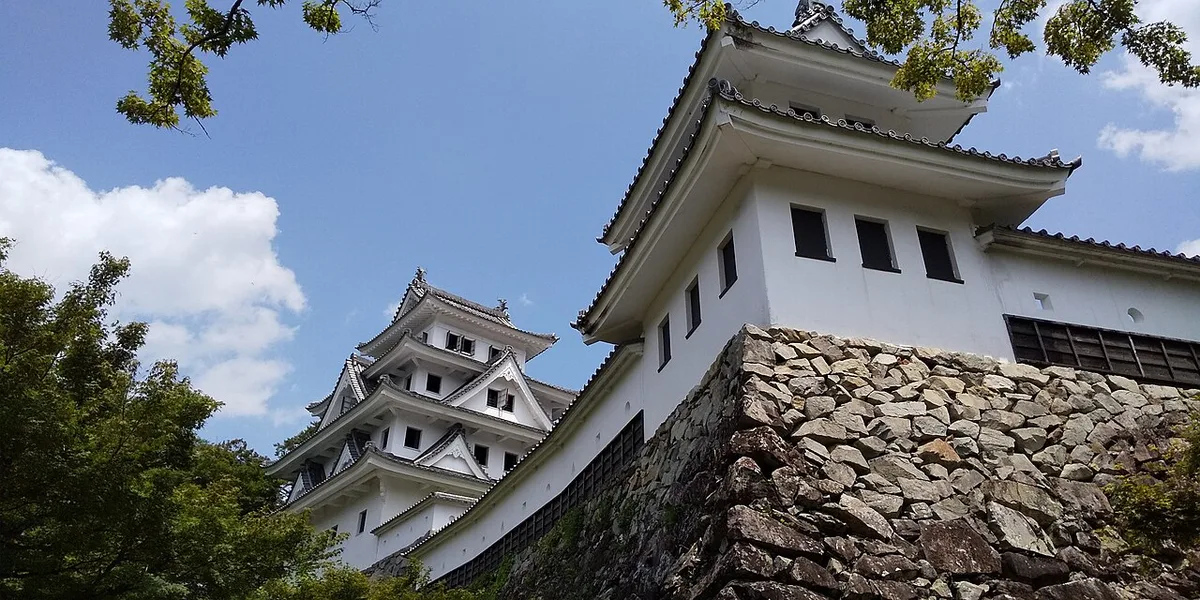
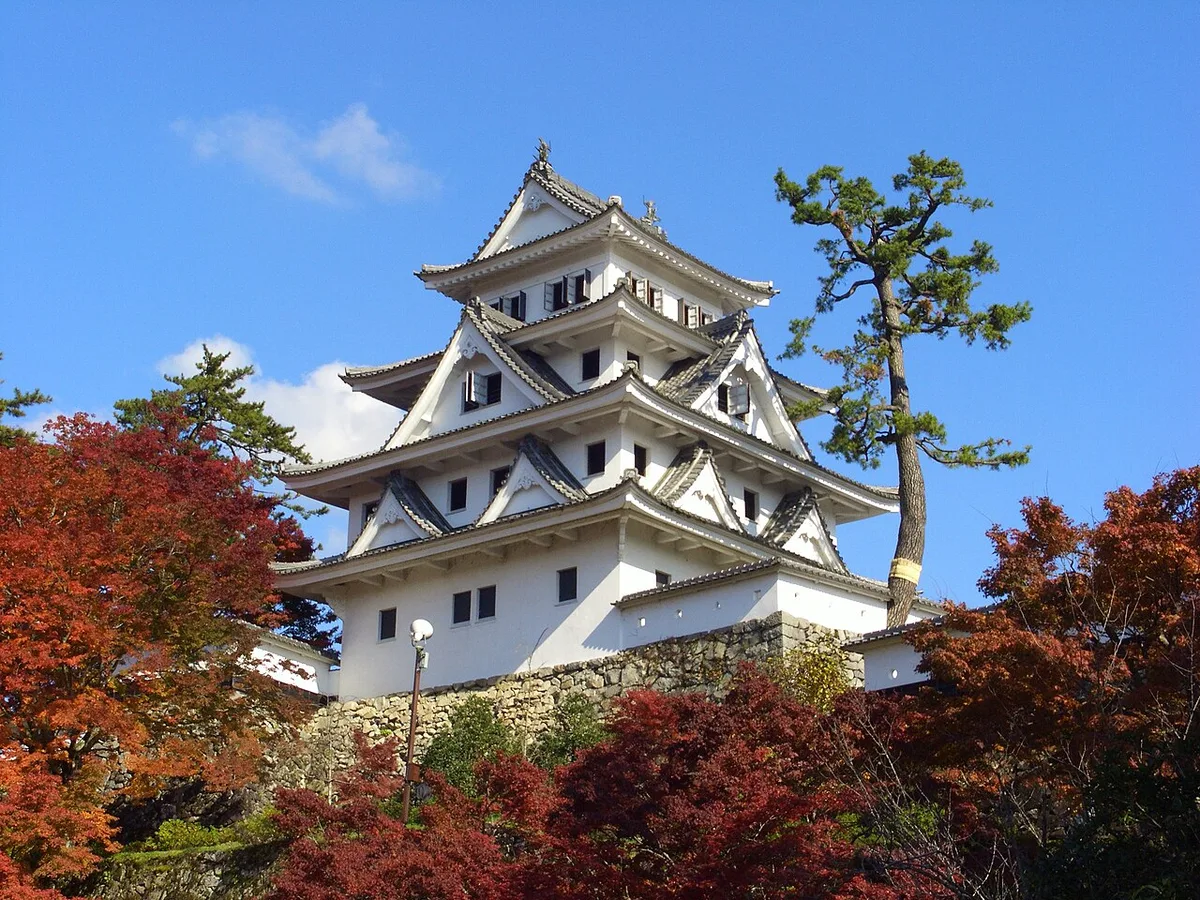
Gujo Hachiman Castle rises above the water town of Gujo Hachiman in Gifu Prefecture on a forested hilltop 350 metres high. On cold autumn mornings, mist fills the valley below and the four-storey wooden keep appears to float above the clouds. This atmospheric sight has given the castle its well-known nickname: the Castle in the Sky.
Built in 1559 by the Endo clan and reconstructed in wood in 1933, it is often called Japan's oldest reconstructed wooden castle. Below the hilltop, the compact old town rewards a full day of walking through canal streets, preserved Edo-period lanes, and cultural museums. Read on for everything you need to plan a visit, including entry fees, seasonal timing, and transport from Nagoya.
Last updated June 2026.
Gujo Hachiman Castle: History and Highlights
The first castle on this site was built in 1559 by feudal lord Endo Morikazu of the Endo clan. It served as the seat of 19 generations of lords for over three centuries before demolition during the Meiji Restoration in 1870. The current four-storey wooden structure was rebuilt in 1933 and is widely recognised as Japan's oldest reconstructed wooden castle.
On autumn mornings when cool air meets the warmer valley floor, thick mist forms a sea of cloud around the mountain's base. The castle appears to float above the mist for roughly 20 to 40 minutes after sunrise, making it a popular photography goal. Plan an early start between late September and November for the best chance of catching this atmospheric effect.
Adult entry costs approximately ¥400, with children paying ¥200; confirm on arrival as fees can change seasonally. Opening hours run 09:00 to 17:00 for most of the year, extending to 18:00 in June through August. In winter, the castle closes at 16:30, so arriving by mid-afternoon allows enough time to explore the interior exhibits.
From the old town, a 15 to 20-minute uphill walk leads to the castle entrance via Yanagi Machi. A short drive or taxi to the summit car park is the easier option if you prefer to avoid the steep climb. Views from the top floor take in the Yoshida River, surrounding mountains, and the town's distinctive canal streets below.
- Castle visit by season
- Autumn (October to November) brings morning mist and vivid maple foliage surrounding the keep.
- Spring (late March to April) fills the hillside with cherry blossoms for a softer, colourful scene.
- Summer hours extend to 18:00, giving more time to reach the hilltop after exploring the town first.
- Winter snowfall transforms the castle grounds into a quiet, photogenic setting on clear mornings.
Wear comfortable footwear for the steep 15-20 minute uphill walk to the castle entrance. Alternatively, a short drive or taxi to the summit car park saves time and effort.
Historic Streets Worth Walking
Kajiya Machi and Shokunin Machi are two of the best-preserved streets in Gujo Hachiman's historic core. Both are included in the national government's Important Preservation District for Groups of Historic Buildings. The streets were historically home to carpenters, blacksmiths, and coopers whose workshops faced the road on the ground floor.
Yanagi Machi, or Willow Street, runs at the foot of Castle Mountain and carries the same heritage designation. Traditional houses line both sides, and residents still use the water channels running along the street for fire protection and household use.
Running 119 metres alongside a clear canal, Igawa Lane is one of the town's most striking short walks. Large koi glide visibly in the water, and a small honesty-system food station lets you feed them for ¥100. The lane's narrow stone walls and lush greenery give it a distinctly old-Japan atmosphere that photographs well at any time of day.
The canal system threading through these streets was built in 1660 after a devastating fire swept through the northern town. It provided fire protection and clean household water for centuries, and locals still actively maintain it today.
Museums and Cultural Experiences
The Gujo Hachiman Hakurankan Museum covers river ecosystems, local handicrafts, and town history in a compact, well-curated space. Daily dance lessons in the Gujo Odori style run at 11:00, 12:00, 13:00, 14:00, and 15:00, with extra sessions on weekends. Adult admission is ¥540, children ¥320; the museum opens daily except for the New Year holiday.
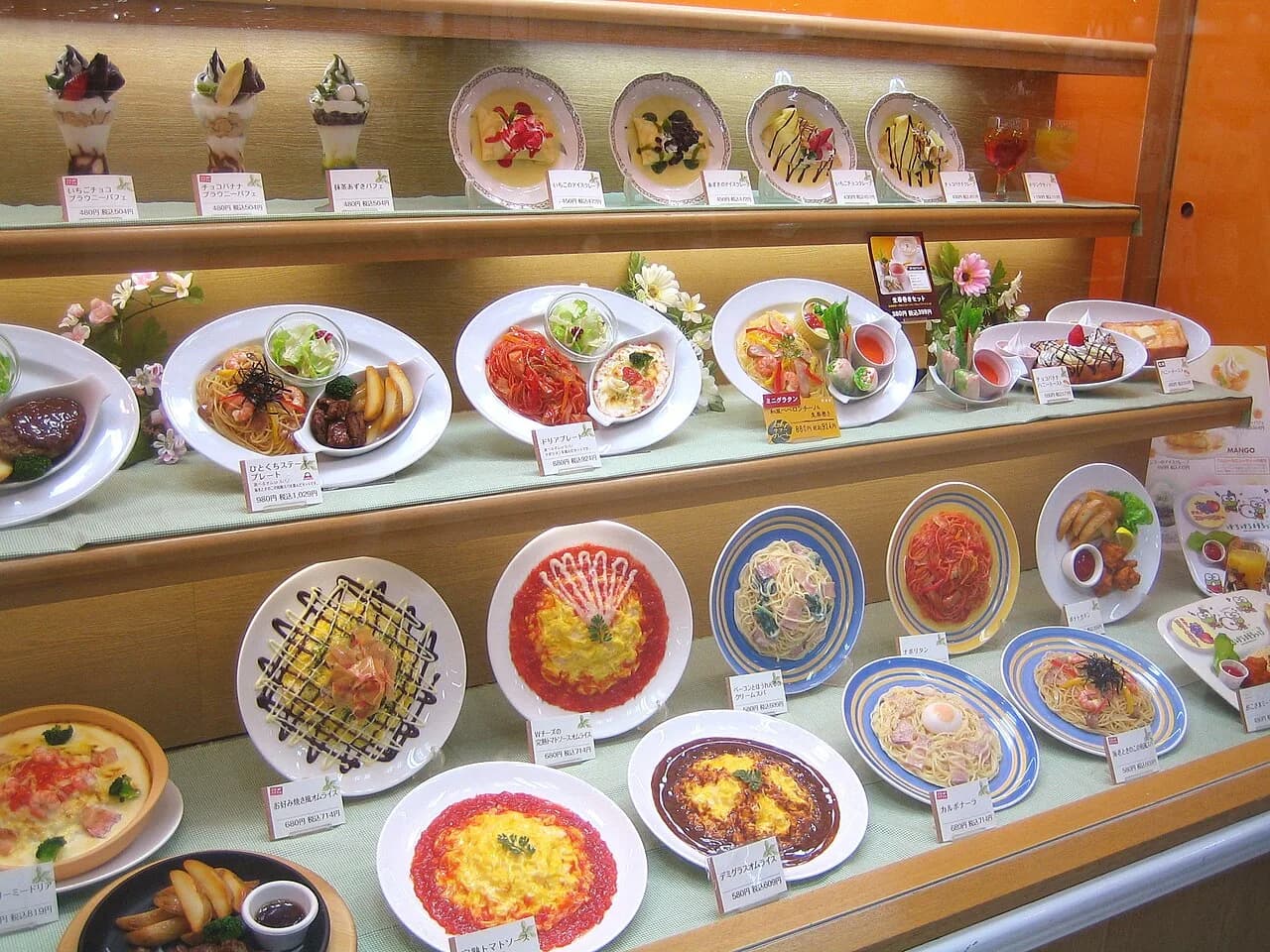
Gujo Hachiman is the birthplace of Japan's plastic food replica industry, accounting for around 70 percent of national production today. Several producers run tourist workshops where you can make your own replica; book in advance because sessions fill quickly. Our guide to Gujo Hachiman Food Sample Making covers the best workshops, outlets, and how to reserve a spot.
The Gujo Odori dance festival runs from mid-July to early September, with all-night street dancing in August drawing visitors from across Japan. Even outside festival season, the Hakurankan Museum teaches the two most popular dance steps in short, accessible 15-minute lessons.
The Rakugeikan Museum occupies a former Showa-era hospital and an Edo-period samurai house next door. Changing exhibits cover local medical history and castle-town life; entry is ¥220 and the museum closes on Mondays.
The Yoshida River Through Every Season
The Yoshida River runs through the centre of Gujo Hachiman as a major tributary to the Nagara River. For many visitors, the river sets the mood for every season and anchors the town's identity as a water city.
Spring brings cherry trees blooming along the banks in late March and early April, their reflections visible in the clear current. Summer sees local children swimming and jumping from Shinbashi bridge while fishermen work the shallows for ayu and amago. Autumn morning mist rising from the water, combined with hillside maple colour, creates the town's most photographed views.
Miyagase Bridge, the western span over the Yoshida River, frames both the riverbank scenery and the castle on the hill above. This is one of the few vantage points in town where the castle and river appear together in a single composition. A self-guided riverside walk is available as a free download from the Gujo Hachiman Tourism Association, taking roughly one to two hours.
Getting There and Planning Your Visit
Gujo Hachiman sits in Gifu Prefecture roughly 1 hour 20 minutes north of Nagoya by car via the E41 highway. By train and highway bus from Meitetsu Nagoya Station, the journey takes around 2 hours 10 minutes and costs approximately ¥2,630. Our getting to Gujo Hachiman guide covers the scenic Nagaragawa Railway option at around ¥1,800 one way.
Start the day at the castle before 10:00, when the hilltop is less crowded and photography is cleaner. After the castle, drive or walk back down to the town centre and use one of the designated parking lots. The historic streets, river, museums, and food workshops are all within easy walking distance of each other.
Autumn is the strongest season for the castle, but spring and summer each offer distinct experiences worth planning around. If you want to stay overnight, our guide to accommodation in Gujo Hachiman covers ryokan and guesthouse options near the river.
Low-Cost Add-Ons After the Castle
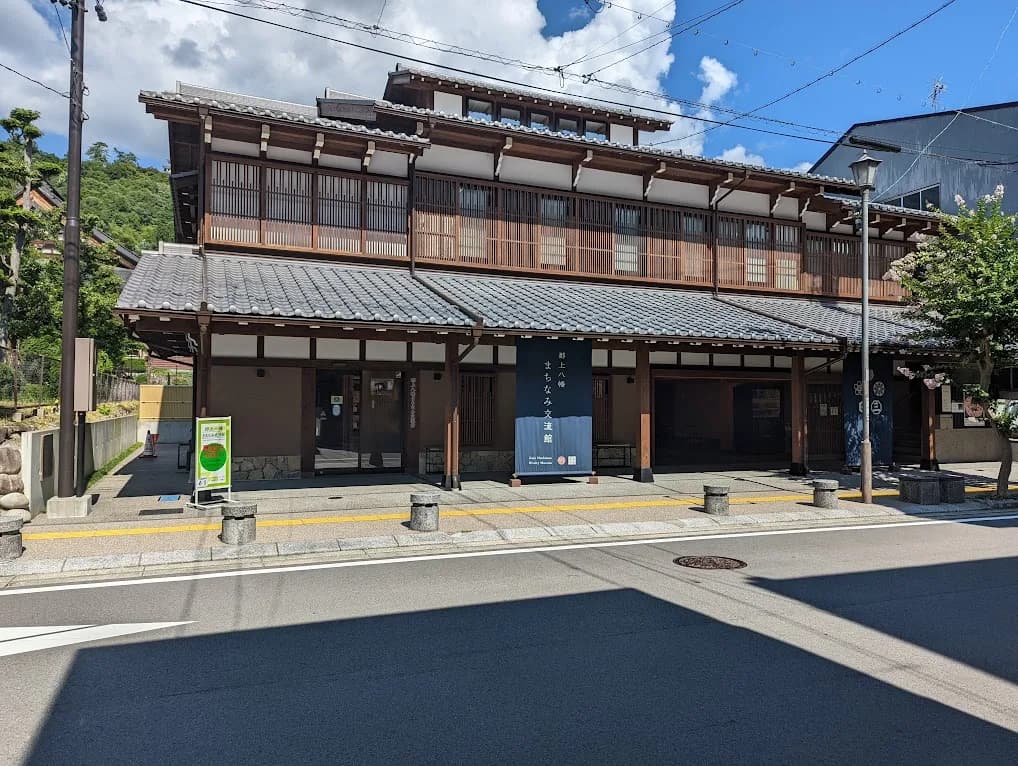
If the castle is your main target, we would still allow 90 minutes to two hours for nearby low-cost stops before leaving town. Start at the Gujo Hachiman Kinenkan Tourist Information Centre near the river; entry is free, it closes only for the New Year holiday, and it is useful for maps, toilets, local gifts, and a short rest over tea or coffee.
From there, Sogi Sui Shrine is the easiest no-fee cultural stop. The spring is recognised as one of Japan's 100 Remarkable Waters, and the small riverside setting works well as a quiet pause between the busier castle and food-sample streets. If you want one paid garden stop, Jion Ji Zen Temple costs about ¥500 and usually opens 10:00 to 16:00, closing Tuesdays and over the New Year period. For a free history add-on, Gujo Hachiman Machinami Koryukan explains the northern castle-town district and is normally closed Wednesdays.
Frequently Asked Questions
What are the opening hours and entry fee for Gujo Hachiman Castle?
Gujo Hachiman Castle opens at 09:00 daily. Standard closing is 17:00, extending to 18:00 from June through August and shortening to 16:30 in winter. Adult entry costs approximately ¥400 and children pay ¥200. Last admission is 15 minutes before closing, so plan the uphill walk accordingly.
How do I reach Gujo Hachiman Castle from the town centre?
A 15 to 20-minute uphill walk from the historic town centre leads to the castle entrance via Yanagi Machi. The path is steep, so comfortable footwear is essential. Alternatively, a short drive or taxi brings you directly to the summit car park just minutes from the entrance gate.
When is the best time to see the Castle in the Sky effect?
The misty Castle in the Sky effect appears on cold autumn mornings between late September and November. Valley mist settles below the hilltop and the wooden keep appears to float above the clouds for roughly 20 to 40 minutes after sunrise. See our Best Time to Visit Gujo Hachiman: 2026 Guide guide for the full seasonal breakdown.
Is Gujo Hachiman worth a day trip from Nagoya?
Gujo Hachiman is well worth a day trip from Nagoya, about 1 hour 20 minutes away by car. The castle, historic streets, river walks, and food replica workshops together fill a comfortable 6 to 8 hours. Most visitors find the town far less crowded than Kyoto or Takayama.
Does Gujo Hachiman Castle have exhibits inside?
Yes, the castle contains a small museum spread across its four storeys covering local feudal history and the 1933 reconstruction. The top floor offers panoramic views over the Yoshida River valley and the old town rooftops below. Museum access is included with the standard adult entry fee of approximately ¥400.
Gujo Hachiman Castle is the centrepiece of one of Gifu Prefecture's most rewarding day trips. From its misty autumn silhouette to spring cherry blossoms, the castle earns its place at the top of any Gujo Hachiman visit. Pair it with the preserved Edo-period streets, the Hakurankan Museum, and a walk along the Yoshida River for a well-rounded day.
Our Gujo Hachiman itinerary guide maps out the full day hour by hour to help you make the most of your time. Whether you arrive by bus from Nagoya or drive through the Gifu mountains, the town rewards the journey in every season.
Free guide: Japan's Hidden Gems
12 under-the-radar places beyond Tokyo & Kyoto — with the best season to visit each and a local tip you won't find in the guidebooks.
You might also like

Continue reading
More guides you'll find useful